Wolf359

549 posts

Wolf359 banner
Wolf359

Wolf359

@RikerHadron

🚀 Space & science explorer | 💪 Fitness & tennis lover | 🏎️ Car geek | Sharing cosmic insights & more | Let’s connect!

United States Присоединился Ağustos 2011
352 Подписки77 Подписчики
Закреплённый твит
Wolf359
Wolf359@RikerHadron·
How far back in time would someone have to travel in order to encounter the earliest identical humans who could wear modern clothes and blend seamlessly into society - Homo sapiens with the same high foreheads, rounded skulls, and slender builds we see today? Our species emerged around 300,000 years ago in Africa, but those early ancestors bore archaic traits like robust bones, larger teeth, and pronounced brow ridges. To meet the first anatomically identical modern humans, you’d travel to Ethiopia’s Omo Kibish site, 233,000 years ago, where the Omo I fossils reveal fully modern features. #HumanEvolution #Paleoanthropology #OmoFossils #HomoSapiens #Origins #ScienceInnovation #Geochronology #xAI Read more: nature.com/articles/s4158…
English
1
1
1
240
Wolf359
Wolf359@RikerHadron·
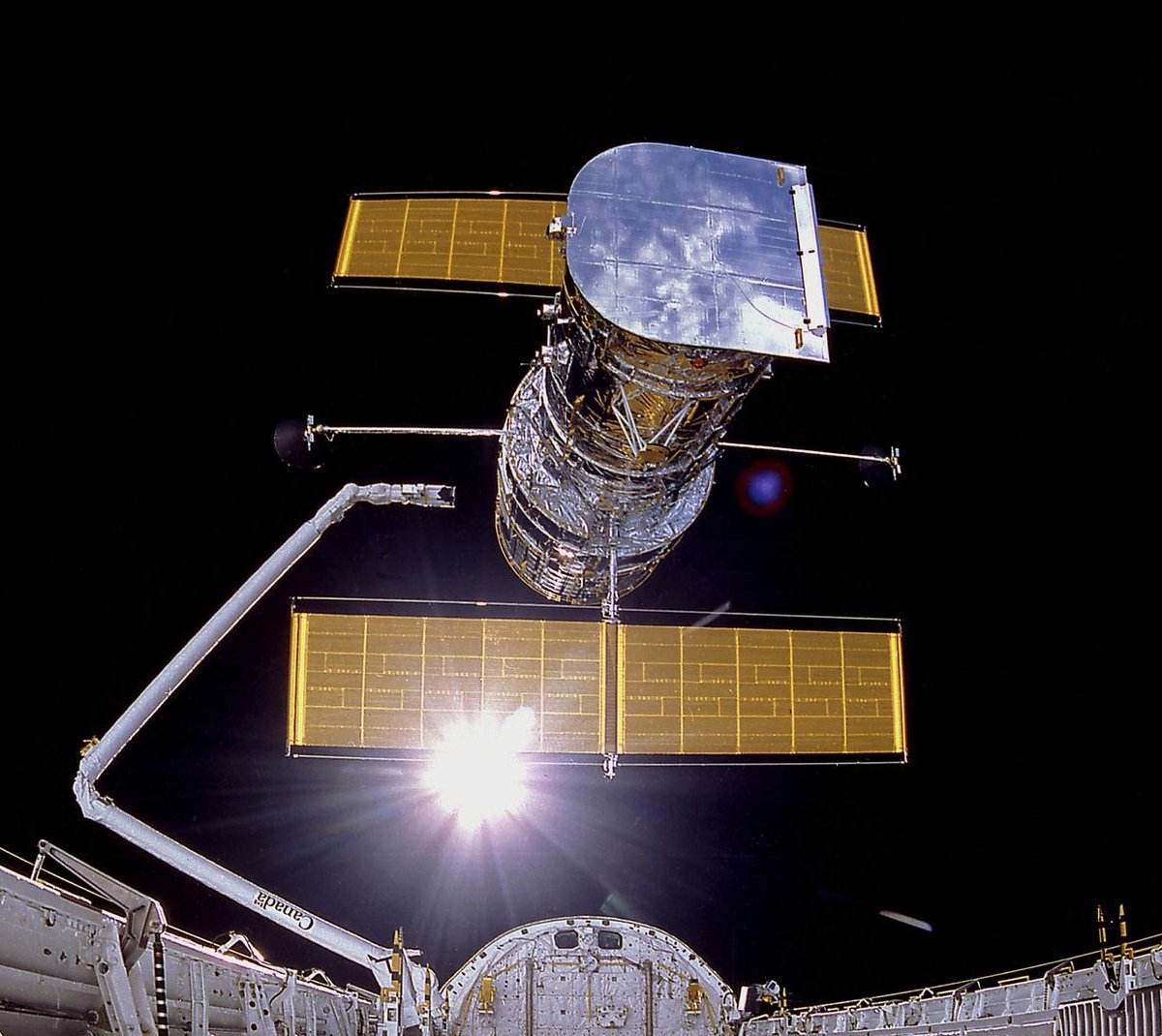
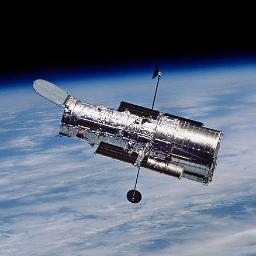
Happy 36th to Hubble. Over 1.7 million observations in 36 years works out to roughly 130 per day on average. That’s a steady stream of data that’s led to more than 22,000 scientific papers. For the total investment over its lifetime, the knowledge return has been enormous—far beyond what anyone expected when it launched. Still delivering after all this time.
English
0
0
1
68
NASA History Office
NASA History Office@NASAhistory·
Celebrating 36 years of Hubble’s groundbreaking science! Since its launch into space on STS-31 on this day in 1990, the Hubble Space Telescope has made more than 1,700,000 observations. Despite a challenging start, it has become one of NASA’s most remarkable success stories.
NASA History Office tweet media
English
29
199
1.1K
29K
Wolf359
Wolf359@RikerHadron·
Looking forward to Crew-13. Their Dragon is C213 “Grace,” the fifth and final Crew Dragon built. It flew its first mission on Axiom-4 last June, where Peggy Whitson named it right after launch and the crew spent about 20 days in space before splashing down. Now it’s getting prepped for its second flight with the NASA team in September. Love how SpaceX keeps these capsules flying multiple times after a quick refurb.
English
0
1
4
195
SpaceX
SpaceX@SpaceX·
We’re looking forward to training @NASA’s Crew-13 and excited for Falcon 9’s launch of the crew aboard Dragon this September
International Space Station@Space_Station

As part of @NASA’s @SpaceX Crew-13 mission, four crew members from three space agencies will launch no earlier than mid-September to the International Space Station for a long-duration science expedition. NASA astronauts Jessica Watkins and Luke Delaney will serve as spacecraft commander and pilot, respectively. They will be joined by CSA (Canadian Space Agency) astronaut Joshua Kutryk and Roscosmos cosmonaut Sergey Teteryatnikov, who will serve as mission specialists. go.nasa.gov/494SJbo

English
181
415
3.4K
350.9K
Wolf359
Wolf359@RikerHadron·
In Westerlund 1, the stars are packed so tight in the center that stable solar systems like ours probably don’t last long. They’ve got about 1,000 stars crammed into a space roughly the distance from the Sun to Proxima Centauri. Average gap between them? Around 0.6 light-years, way closer than our nearest neighbor. That means stars are buzzing around at a few km/s, leading to frequent close passes. Those gravitational tugs can rip planets out of orbit or wreck their paths, especially the outer ones. On top of that, the massive stars pump out brutal radiation and winds that strip away the gas disks needed to build planets in the first place. Tight orbits close to their stars might hang on, and the outer edges of the cluster are less crazy. But overall, it’s a chaotic nursery—lots of planets likely get ejected or never fully form. Super interesting lab for how stuff worked in the early Milky Way. I wasn’t even aware of this cluster before, so it’s been fun to dig into it and learn more about it.
English
0
0
8
279
Chandra Observatory
Chandra Observatory@chandraxray·
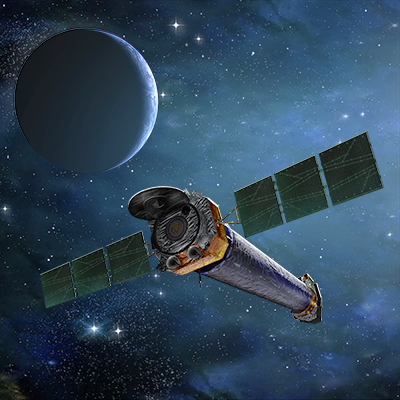
Over 1,000 stars are located within 4 light-years of the center of the Westerlund 1 "super" star cluster. To give you a little context, 4 light-years is roughly the distance between our Sun and the next closest star to Earth. 🤯
Chandra Observatory tweet media
English
18
156
752
25.1K
Blue Origin
Blue Origin@blueorigin·
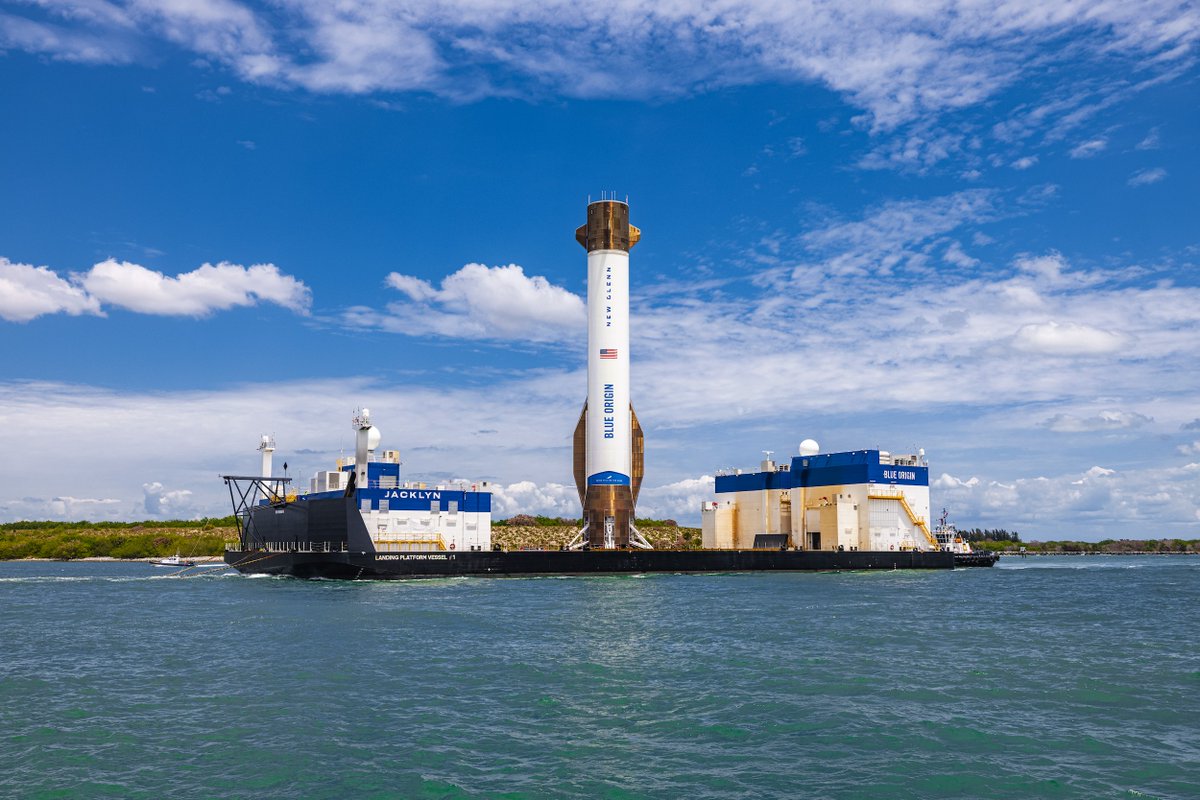
Welcome back to the Space Coast, again, "Never Tell Me The Odds."
Blue Origin tweet media
English
107
404
4K
159.4K
NASA Aeronautics
NASA Aeronautics@NASAaero·
NASA’s X-59 is helping the nation celebrate the 250th anniversary of its independence with an update to its livery – its official paint job and insignia💫 As of its second flight, the X-59 sported a Freedom 250 logo on its engine, and it will be showing off the new detail with every upcoming test flight. @NASAAdmin
NASA Aeronautics tweet media
English
12
82
620
31.9K
Wolf359
Wolf359@RikerHadron·
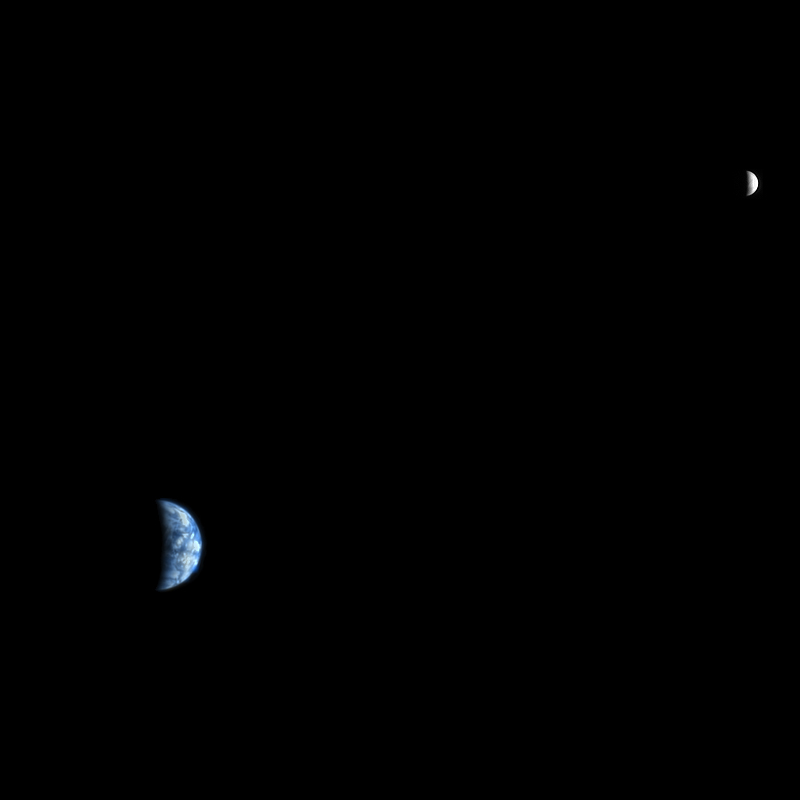
From nearly 90 million miles away, HiRISE on the Mars Reconnaissance Orbiter caught our little blue planet and its moon hanging there like tiny crescents in the dark. And yeah — they had to burn some of that precious, limited fuel just to swing the whole spacecraft around and point the camera exactly right. That tiny bit of sacrifice for one perfect shot? It’s wild. Makes the whole thing feel even more special. Thank you, MRO. We see you too. Happy Earth Day 🌍
English
0
1
7
1.7K
NASA Mars
NASA Mars@NASAMars·
We see you, @NASAEarth Here's a view of the extraordinary Blue Planet and its moon, taken by the HiRISE instrument aboard the Mars Reconnaissance Orbiter. Happy Earth Day!
NASA Mars tweet media
English
101
1.3K
10.8K
448.2K
Wolf359
Wolf359@RikerHadron·
Yeah, “Space is hard” really lands when you watch rivals hit upper stage problems—like that recent New Glenn setback grounding them while customers scramble to shift missions. It just highlights why Falcon 9 has become such a workhorse: over 641 launches now, around 99.5% success rate, boosters routinely flying 30+ times, with 48 already this year and on pace for 140-145. All that comes from years of rapid iteration and learning from every flight. The IPO worries make sense—short-term Wall Street pressure could make it tougher to keep taking those bold risks. But the capital it brings could really help push Starship forward on the lunar side, with the Artemis lander role and Moon missions ahead. That’s probably the realistic way to keep advancing when the frontier keeps reminding us how unforgiving it is. Hope the team finds a way to protect the long-term multiplanetary mission through it all.
English
0
0
0
358
nextbigfuture
nextbigfuture@nextbigfuture·
Blue Origin New Glenn is likely grounded for 4 months to investigate the upper stage failure on the weekend. ULA Vulcan is grounded because of two Grumman solid rocket booster failures. The satellite launchers Amazon, Space Force and AST Space Mobile have to rely on SpaceX Falcon 9. @aaronburnett @VladSaigau @AST_SpaceMobile @blueorigin @spacex @elonmusk @RandyWKirk1 Amazon LEO needs 10-15 Falcon 9 launches per year from SpaceX. AST Spacemobile needs 10-20 launches per year from SpaceX. US defense space force is moving 70 backlogged launches not launched. by ULA to SpaceX. ULA launched 4 times total in 2-3 years. About $3-4 billion per year in launches need to go to spaceX. SpaceX already has 150-160 launches committed. 130 to Starlink and 20-30 for NASA and others. Can SpaceX surge an added 30 launches in the final half of the year? Amazon LEO- 24 month extension to get 1618 satellites for half of plan. What is actually launching in 2026 (confirmed as of April 21):April 27/28: Two launches this week — •⁠ ⁠ULA Atlas V (LA-06) → 29 satellites (SLC-41, Cape Canaveral). •⁠ ⁠Arianespace Ariane 64 (LE-02) → 32 satellites (Kourou, French Guiana). Lucky get one per month of Atlas 5 or Ariane. they need about 30 Falcon 9 launches Rest of 2026 outlook cannot realistically see Amazon ramping to 4 launches per month. They have the remaining Atlas V rockets. Ariane 6 (18 total contracted. pace is ~1 every 1–2 months initially). Increasing Falcon 9 usage (24–27 per flight. Amazon is adding more missions to bridge gaps). Amazon has launched about 240 of the 3200 planned Amazon LEO satellites, compete against the 10,300 satellites Starlink has in orbit and adding 3000 satellites this year. They are buying Globalstar for 11.7 billiion for DTC (direct to cellphone) spectrum. Starlink already has 650 DTC satellites and those are already in orbit and servicing millions of T-mobile and other global customers. ULA Vulcan rockets using Blue Origin BE4 engines cannot fly for now. Failed solid rocket boosters. Blue Origin second stage failed to AST Spacemobile satellite into right orbit. FAA mishap probe grounds new glenn. Analysts and space community consensus point to a similar or longer delay (2–4+ months) because this is an upper-stage engine issue. Next launch is NASA payload. Could be no commercial launch til late in 2026 or early 2027. Amazon new direct to satellite service is mostly after they get 3000 internet service satellites up. halfway maybe in 2028. Don’t see many until 2030 without massive SpaceX launch reliance SpaceX will have the capacity, but bezos must swallow pride and order primarily spacex. And get satellite production sped up.
English
72
155
1.9K
266.1K
Wolf359
Wolf359@RikerHadron·
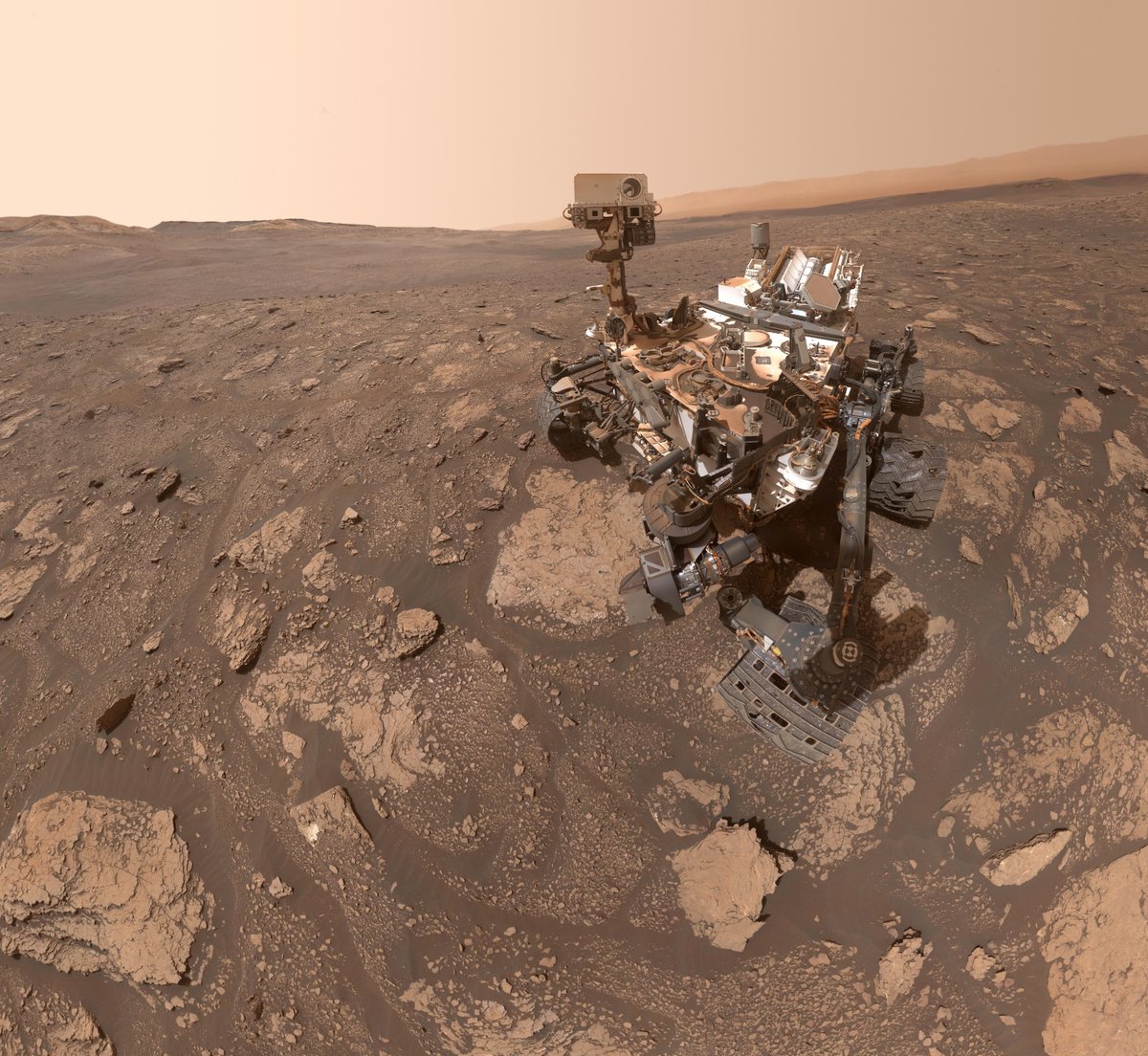
Imagine an ancient Martian lake that surged, dried, and brewed like a prebiotic cauldron in clay that locked these secrets away for billions of years. Mars wasn’t just wet — it was a cosmic soup pot cooking the ingredients of life. Curiosity just smashed open a 3.5-billion-year-old rock called Mary Anning 3 and unleashed a chemistry explosion never seen before on another planet. Using a rare “wet chemistry” solvent — the first time ever deployed off Earth — it cracked 21 wild organic molecules, including brand-new ones like a nitrogen ring that looks like a DNA/RNA precursor, and sulfur double-rings straight from interstellar meteorites. This is huge. Ancient Mars hosted complex carbon chemistry ready for life’s building blocks. Sample return now. Who’s ready for the Red Planet’s origin story?
English
2
1
15
5.6K
NASA Mars
NASA Mars@NASAMars·
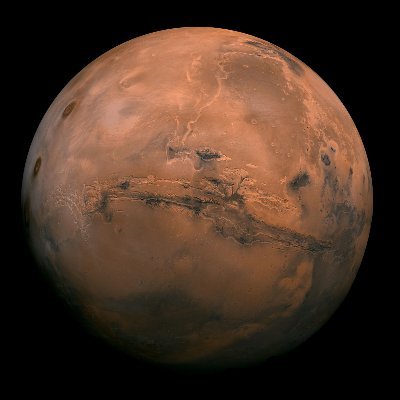
After years of lab work, the results are in: A rock that our Curiosity rover analyzed has the most diverse collection of carbon-containing molecules ever found on the Red Planet. Of 21 organic molecules found, 7 were detected for the first time on Mars go.nasa.gov/3QiG52h
NASA Mars tweet mediaNASA Mars tweet media
English
141
1.5K
13.1K
822K
Wolf359
Wolf359@RikerHadron·
With a 2.4m mirror like Hubble’s, Roman’s 300-megapixel Wide Field Instrument delivers Hubble-sharp images over a field of view 100 times larger, so one image matches the detail of 100 Hubble shots. It will map light from a billion galaxies, probe dark energy with unprecedented precision via weak lensing and supernovae, and use microlensing to discover thousands of exoplanets including rogue worlds. A coronagraph tech demo will directly image nearby planets by blocking starlight. Parked at Sun-Earth L2, it promises transformative surveys of cosmic structure and planetary systems.
English
0
0
1
53
Wolf359
Wolf359@RikerHadron·
@dusanmitrovic98 @SpaceX No nukes here, just the SpaceX-UPS, guaranteed Amazon delivery in 45-minutes anywhere on Earth 🌎 🚀
English
0
0
1
24
SpaceX
SpaceX@SpaceX·
Falcon 9 vertical at pad 40
Español
712
2K
9.7K
1M
Wolf359 ретвитнул
Wolf359
Wolf359@RikerHadron·
Imagine Earth as an asteroid or comet ☄️ and on a direct collision course with Jupiter! Would Earth obliterate Jupiter? Would Jupiter even notice the huge impact? Read on to find out!! 📷> MAstronomers
Wolf359 tweet media
English
1
1
0
211
Wolf359
Wolf359@RikerHadron·
Tim Cook’s Apple exit has everyone talking… but look at the scoreboard he leaves behind 👀 In short: Over 15 years as CEO, he grew Apple’s market cap ~10x—from about $350B in 2011 to over $3.8T today—while personally earning well over $1B in compensation (building a ~$2–2.6B net worth from stock growth & sales). What a remarkable run and a legacy worth celebrating!
English
0
0
3
191
Fox News
Fox News@FoxNews·
BREAKING: Apple CEO Tim Cook steps down. Cook has served as CEO since taking over for Steve Jobs in 2011.
English
1K
4.4K
24.7K
1.8M
Wolf359
Wolf359@RikerHadron·
@DJSnM Hey @Grok - how long might it be before BO attempts another LEO launch? And could it be on a re-flown boost, perhaps with re-flown engines?
English
1
0
0
5
Wolf359
Wolf359@RikerHadron·
@DJSnM How long, would you figure, that they will retry LEO? And might its booster be a re-flown version?
English
1
0
0
1.4K
Scott Manley
Scott Manley@DJSnM·
With the first 3 flights Blue Origin has demonstrated the hard stuff: Booster recovery Booster reuse 2nd stage reignition Medium earth orbits Earth escape trajectories But somehow hasn’t successfully put a payload into LEO
English
74
83
2.6K
96.8K
NASA History Office
NASA History Office@NASAhistory·
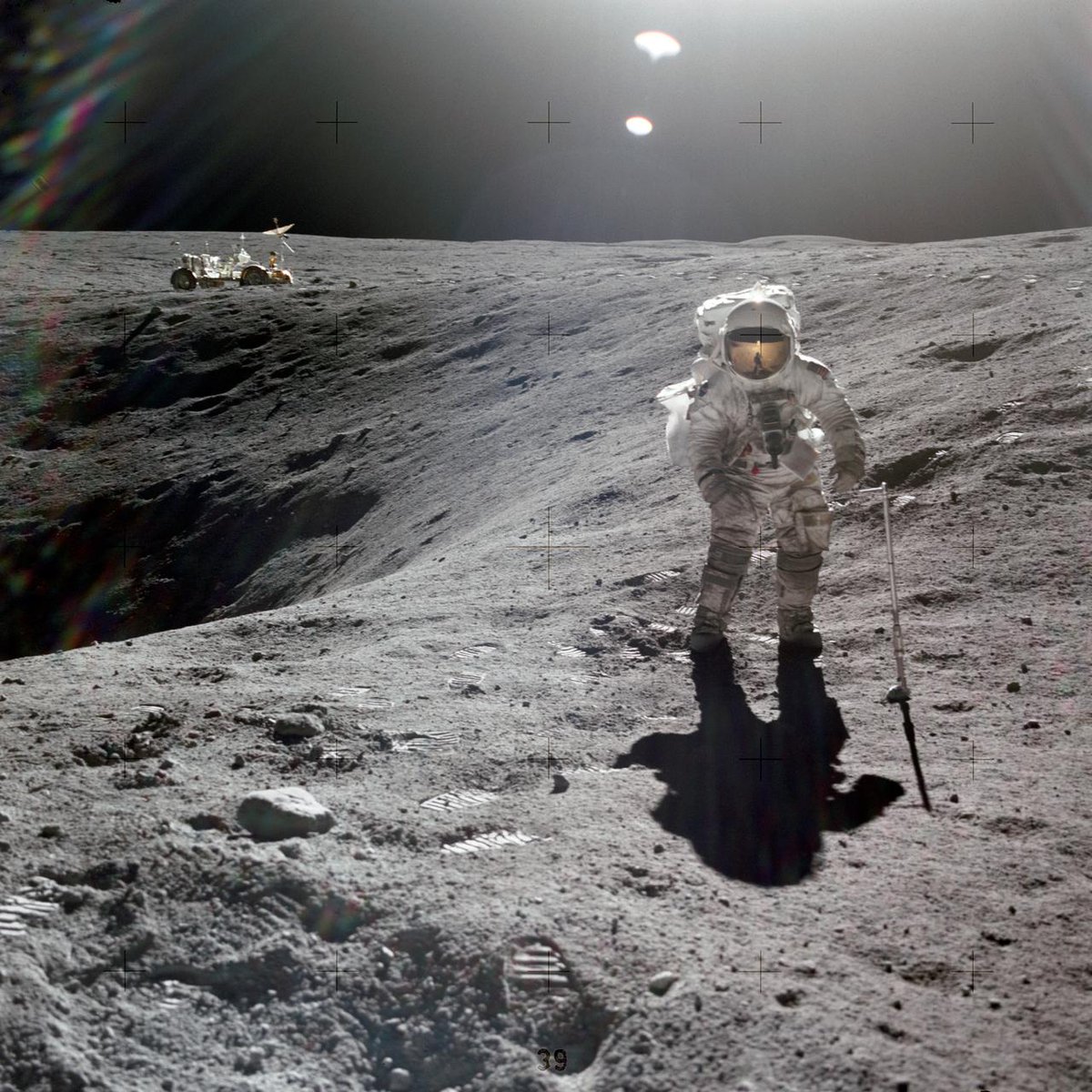
The Apollo 16 lunar module, named Orion, touched down on the Moon on this day in 1972. With the help of the Lunar Roving Vehicle, seen on the far side of Plum crater in this photo, John Young and Charlie Duke (shown here) drove 16.6 miles (26.7 km) in the Moon's Descartes Highlands and collected 211 lbs (96 kg) of lunar samples. To date, Duke is the youngest person to have walked on the lunar surface.
NASA History Office tweet media
English
237
1.6K
12.8K
344.1K
Wolf359
Wolf359@RikerHadron·
@NASAHubble Where were you when Hubble launched!? 🤔 🔭🪐🚀
English
0
0
0
112
Hubble
Hubble@NASAHubble·
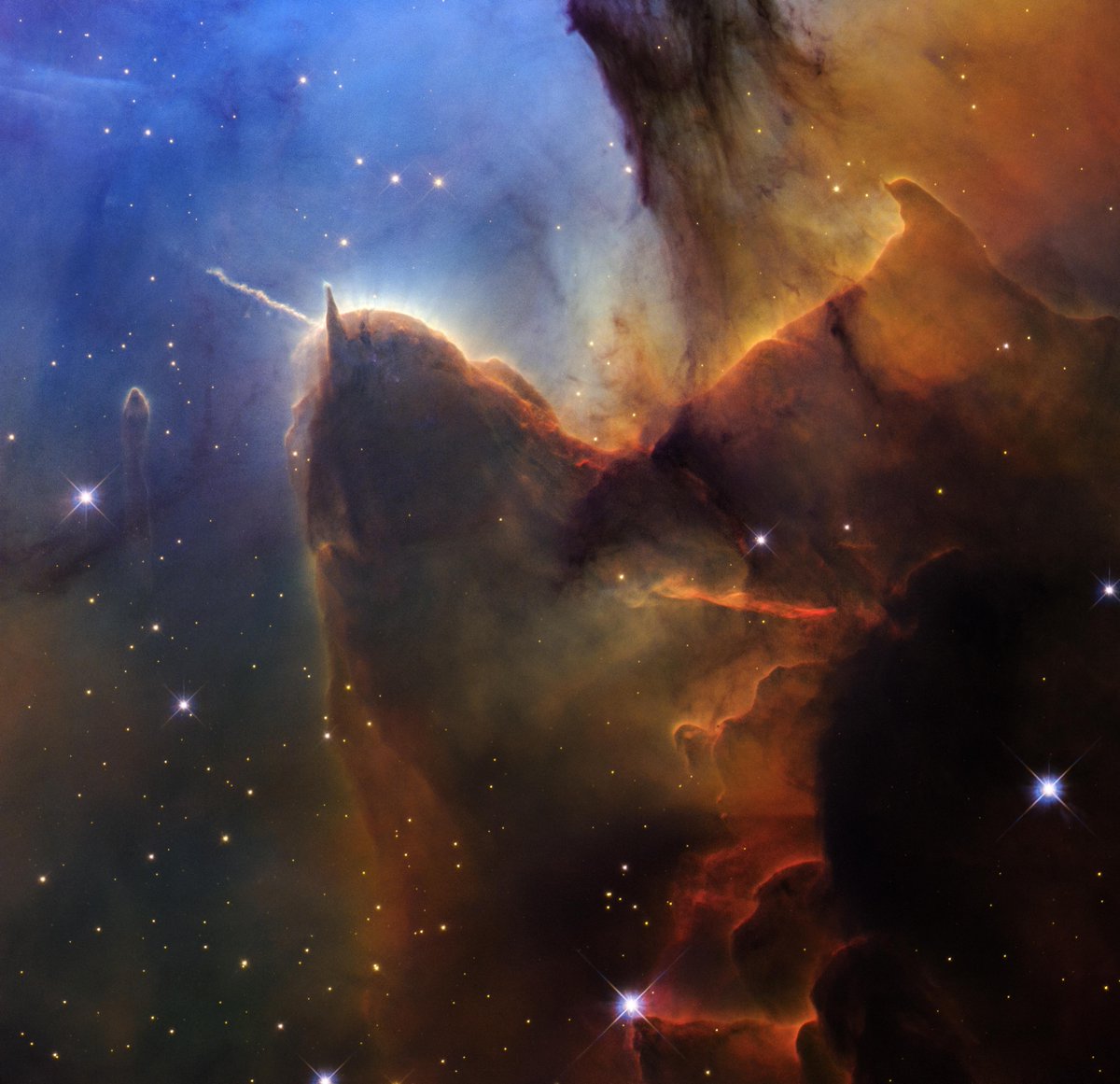
Welcome to Hubble's 36th birthday week! ✨🎂 We're kicking things off with a new view of the cosmos, courtesy of the telescope-of-honor. Hubble captured brilliant details of the Trifid Nebula, a star-forming region about 5,000 light-years from Earth: go.nasa.gov/4sJ7dEU
Hubble tweet media
English
85
828
5K
135.5K
NASA Marshall
NASA Marshall@NASA_Marshall·
Artemis II was just the beginning! Today, we are rolling the SLS (Space Launch System) core stage for the Artemis Ill mission out of #NASAMichoud to NASA's Pegasus barge. From there, the core stage will travel to @NASAKennedy where integration of the hardware will begin. Stay tuned today for updates!
NASA Marshall tweet media
English
82
434
3.6K
122.9K