ทวีตที่ปักหมุด
Huba
53.9K posts


Huba
@Huba2222
Science, Technology, and Investment - Not Financial Advice - Do your own research. - @doginaldogsx
USA เข้าร่วม Kasım 2022
3.1K กำลังติดตาม5.3K ผู้ติดตาม





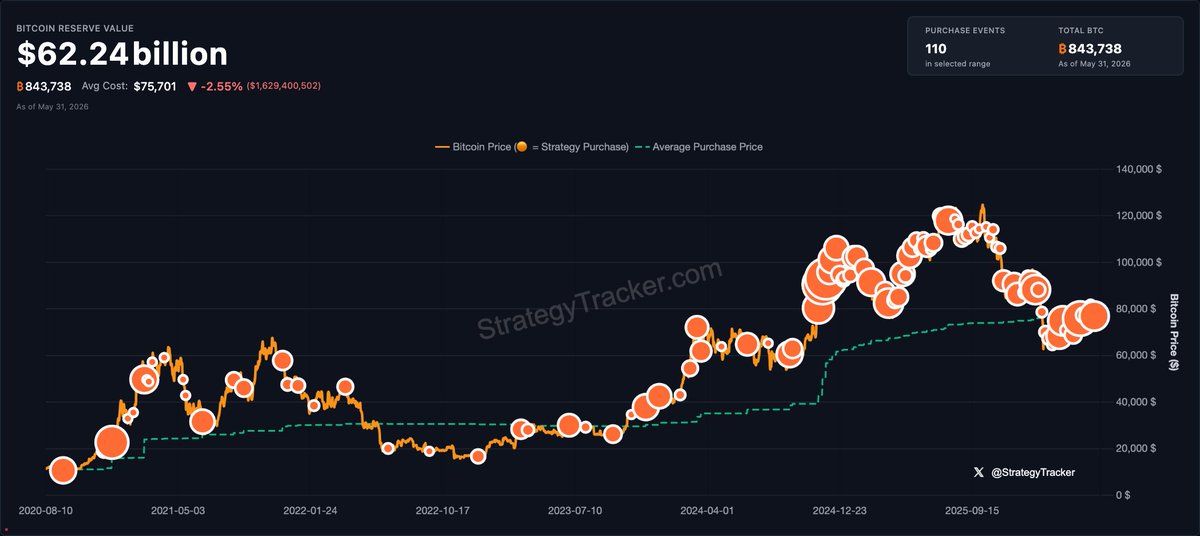
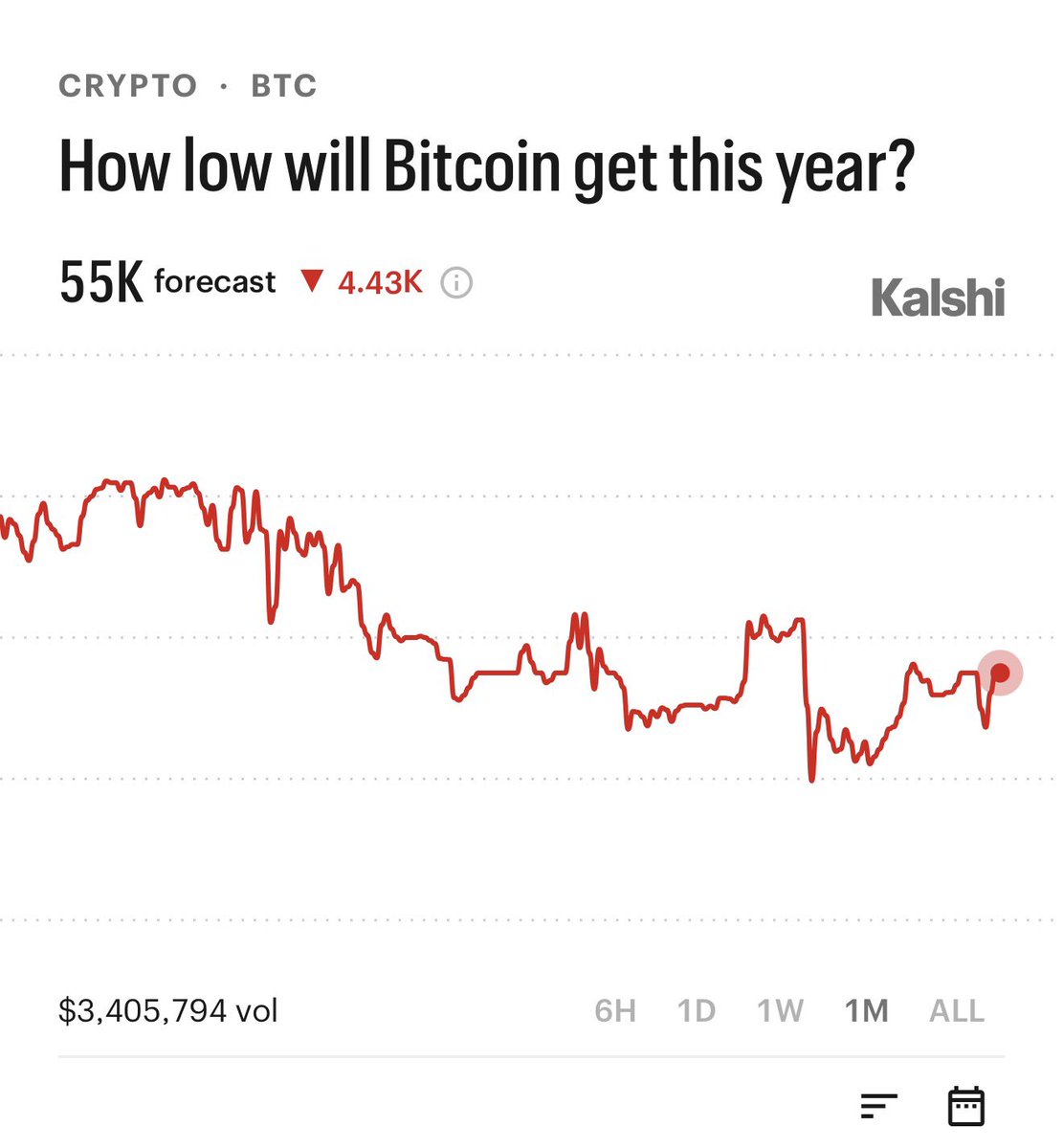
Bitcoin crashed under $67,000
Watcher.Guru@WatcherGuru
JUST IN: Bitcoin crashes under $67,000 $700,000,000 liquidated from the crypto market in the past 2 hours.
English


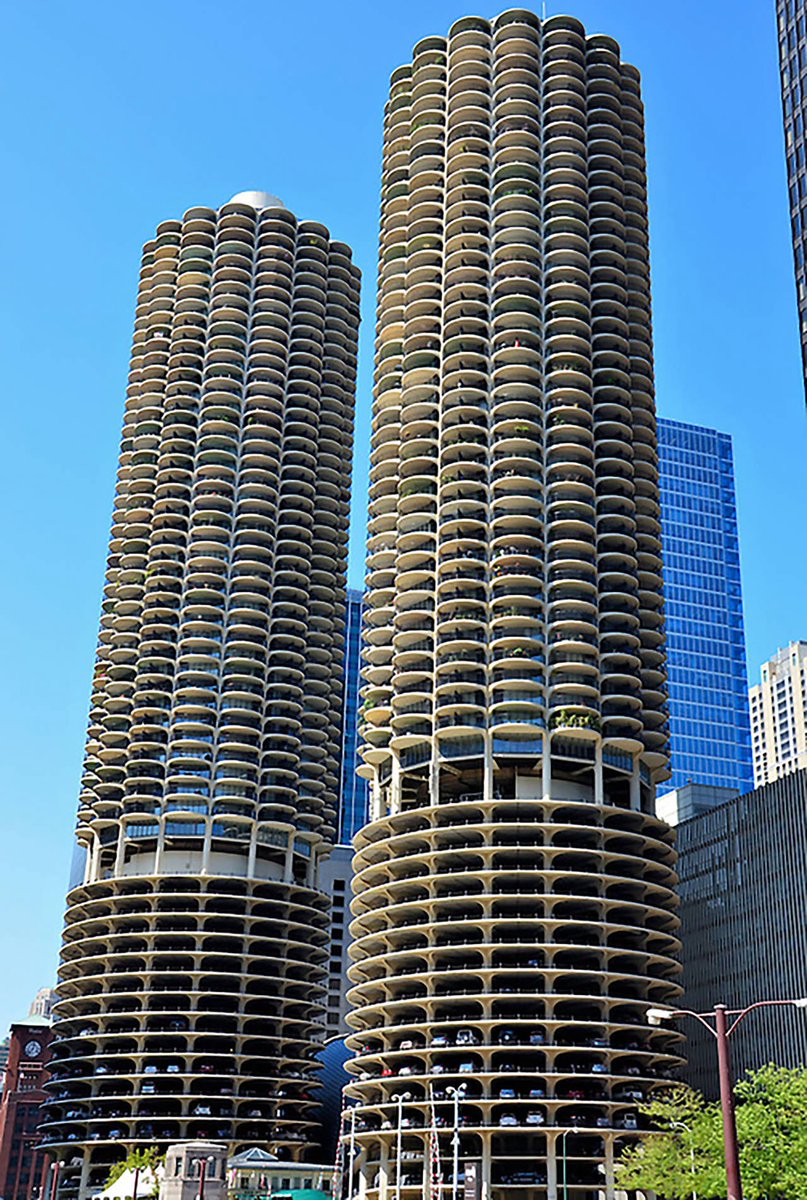



The sound alone is something out of a horror movie. These new type of drones are really unsettling.
English

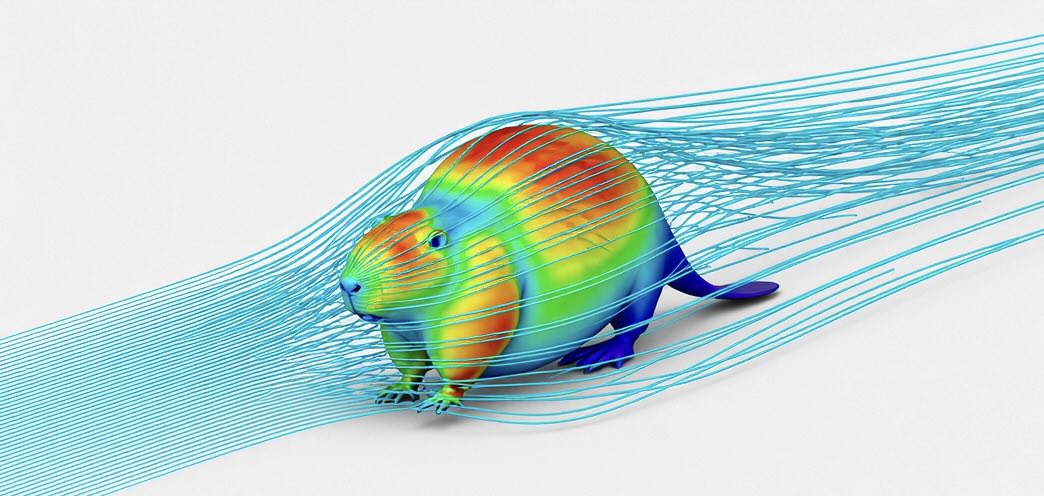
I don't know why you need this information, but this is the aerodynamics of a beaver
English
@0xReflection Without 9/11 the 2001 recession heading into the ultimate low might not have been so deep.
English


Groks analysis of trading this strategy with the DOW:
The Benner (or Tritch/Benner) "Periods When to Make Money" chart is a 19th-century cyclical timing model from ~1875 (with extensions to the 2050s), not a precise mechanical trading system. It labels years into three phases based on historical commodity/stock price patterns:
A (top peaks): Panic/crisis years (e.g., 1927, 1945, 1965, 1981, 1999, 2019, 2035, 2053) — avoid or prepare for downturns. B (upper waves): Good times/high prices — sell stocks and high-valued assets. C (bottom troughs): Hard times/low prices — buy stocks/goods and hold until the next boom ("B" years), then unload.
Hypothetical Performance Trading the Dow Against This StrategyBacktests of rules derived from the chart (buy/hold in C periods, sell/avoid in A/B or panic zones) show mixed results — often positive hit rates on avoiding some major crashes but significantly underperforming simple buy-and-hold over long periods due to missed strong up years, transaction costs, taxes, and imperfect timing.
Claimed wins (from proponents): One backtest of a Tritch/Benner-style approach reportedly generated ~7,939% from 1872–2020 with a high hit rate on certain cycle segments. It aligned with some panics (e.g., 1929 era, 2000 dot-com, 2008) and buy zones.
Reality from independent analyses: Over multi-decade periods (e.g., 1904–2023), a strategy following the chart's buy (C) / sell (B/A) signals turned a hypothetical $100 into ~$5,432 vs. ~$62,414 for buy-and-hold (a ~12x gap). Hit rates were decent (~80%+ positive in some buy-hold segments), but missing big up years (e.g., strong 1940s–50s or post-2010 runs) hurt compounding badly. Average returns in "favorable" periods were solid, but overall risk-adjusted and total returns lagged.
Key historical examples (Dow context):1920s–1930s: Avoided or mitigated some 1929–32 crash pain in theory, but the Depression trough was deep and prolonged. Post-WWII to 1960s: Buy zones captured gains, but some "good times" sells would have you out during strong runs.
1990s–2000s: 1999 panic label preceded dot-com bust; 2007 B sell before 2008 crash — good calls. But re-entry timing and missed late-90s upside mattered. 2010s–2020s: 2019 "panic" label was off (market was strong pre-COVID dip); recent C/B zones (e.g., ~2023 buy) aligned with recovery, but volatility like 2022 hurt if strictly followed.
Recent/near-term (per chart): The red circle around ~2026 in a B/"good times" zone suggests selling/high prices. Markets have been strong into 2026 (Dow near all-time highs ~50k+), so it might signal caution ahead of 2035 panic projection — but this is forward-looking and unproven.
Why It Wouldn't Have Made You Rich (and Could Have Cost You)Markets trend up long-term: Dow has compounded ~7–10% annualized historically. Timing errors (being out during recovery rallies or big bull legs) compound negatively.
Imperfect accuracy: Many "panics" didn't hit exactly as labeled (e.g., 1965, 2019), and strong growth occurred outside clean B periods.
Practical issues: No clear entry/exit rules for fractions of years, dividends, or rebalancing. Real trading adds slippage, taxes, and opportunity cost. Survivorship/ hindsight bias: The chart looks "spooky" for big events it roughly caught, but ignores misses and the power of long-term holding.
Bottom line: Following this strictly against the Dow would have protected against some drawdowns (decent for risk-averse timing fans) but lagged buy-and-hold substantially in total wealth creation over 100+ years.
Modern evidence strongly favors time in the market over timing attempts for most people. The chart is a fascinating historical curiosity illustrating real cyclical tendencies (fear/greed, commodity influences, ~16–20 year panic patterns), but it's no crystal ball.
Trending Bitcoin@TrendingBitcoin
Bitcoin is still early 2026 boom is incoming 🚀
English


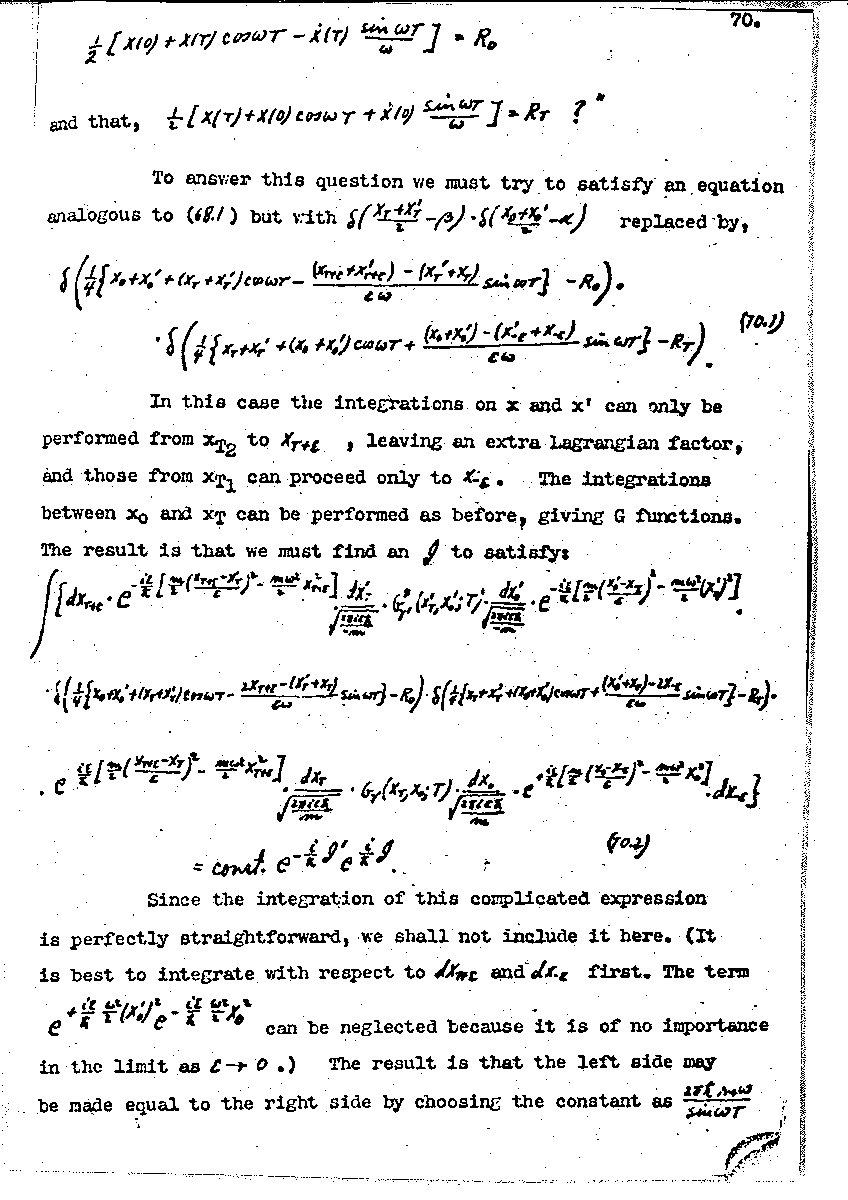
My 1983 thesis was done on an early word processor (occupied it's own room) that our department luckily let me use during off hours. It required all figures to be hand drawn and Greek letters required stopping the print and changing the ball head for each font change. Needed all copies to be done on prescribed paper with a strict format and no errors nor corrections allowed.
English



President Trump should be named pro-STOCK president rather than pro-CRYPTO.
Prices since Trump took office:
SP500: +28%
RUSSELL: +36%
NASDAQ: +40%
APPLE: 42%
NVIDIA: +101%
GOOGLE: +117%
DELL: +302%
Bitcoin: -33%
ETH: -47%
English


Class never takes a day off
Suit game strong
Sunday vibes stronger
SUIT IT UP SUNDAY
@SUITio54 @doginaldogs

English
The Solemnity of the Most Holy Trinity
Reading 1 Exodus 34: 4b-6, 8-9
Early in the morning Moses went up Mount Sinai as the LORD had commanded him, taking along the two stone tablets.
Having come down in a cloud, the LORD stood with Moses there and proclaimed his name, "LORD."
Thus the LORD passed before him and cried out, "The LORD, the LORD, a merciful and gracious God, slow to anger and rich in kindness and fidelity."
Moses at once bowed down to the ground in worship.
Then he said, "If I find favor with you, O Lord, do come along in our company.
This is indeed a stiff-necked people; yet pardon our wickedness and sins, and receive us as your own."
Reading 2 2 Corinthians 13: 11-13
Brothers and sisters, rejoice.
Mend your ways, encourage one another, agree with one another, live in peace, and the God of love and peace will be with you.
Greet one another with a holy kiss.
All the holy ones greet you.
The grace of the Lord Jesus Christ and the love of God and the fellowship of the Holy Spirit be with all of you.
Gospel John 3: 16-18
God so loved the world that he gave his only Son,
so that everyone who believes in him might not perish
but might have eternal life. For God did not send his Son into the world to condemn the world, but that the world might be saved through him. Whoever believes in him will not be condemned, but whoever does not believe has already been condemned, because he has not believed in the name of the only Son of God.

English