ทวีตที่ปักหมุด

TomX
35.6K posts

@MNickt
v2.0 --- Light travels faster than sound. This is why some people appear bright until you hear them speak. ---




Decyzja Prezydenta RP Karola Nawrockiego w sprawie odebrania Orderu Orła Białego Prezydentowi Ukrainy Wołodymyrowi Zełenskiemu.
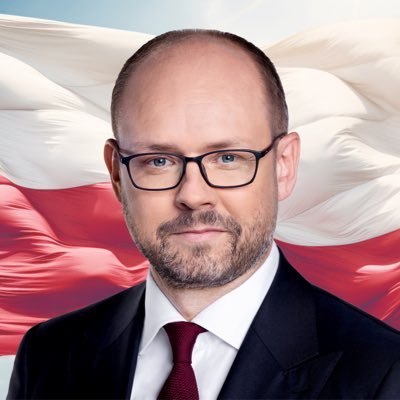

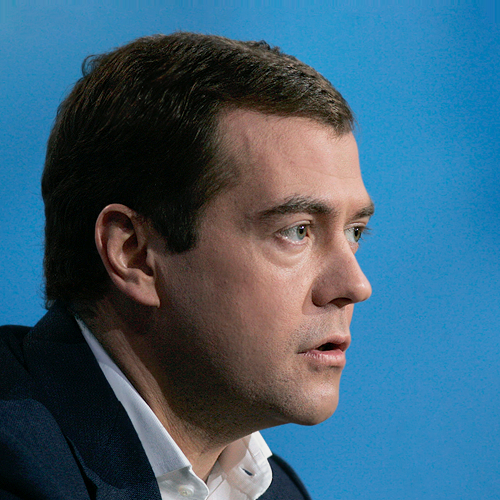

🔴 PILNE: Prezydent @NawrockiKn podjął decyzję o odebraniu Orderu Orła Białego prezydentowi Ukrainy @ZelenskyyUa. 🔽 WIĘCEJ INFORMACJI W KOMENTARZU 🔽
Decyzja Prezydenta RP Karola Nawrockiego w sprawie odebrania Orderu Orła Białego Prezydentowi Ukrainy Wołodymyrowi Zełenskiemu.



President Zelenskyy met with Polish Prime Minister Donald Tusk in Brussels - the first meeting since the strain in relations This marks the first personal contact between the leaders of Ukraine and Poland following the escalation of the Polish-Ukrainian dispute. Not only the quality of bilateral relations but also the security and future of the entire Eastern European region depend on Ukrainian-Polish mutual understanding. This is precisely why current disputes over historical memory require exceptional caution. In the face of Russian aggression, any rift between Ukraine and Poland quickly becomes a matter of regional security. Poland has every right to its own memory - to the pain of Volyn, to the demand for a dignified commemoration of the victims, and to an honest conversation about the difficult pages of our shared history. This pain cannot be minimized or dismissed as secondary. However, precisely because Poland is not currently waging a war on its own territory and does not live under the daily emotional strain experienced by Ukrainian society, a particular strategic restraint is expected of it. Poland's strength as a regional leader lies not in publicly disciplining Ukraine, but in maintaining the broader framework of shared security. Ukraine is operating under the conditions of an existential war. Its symbolic policy often stems from the need to restore historical continuity that was disrupted by empires for centuries; many controversial figures and movements are perceived here primarily through the prism of resistance to Moscow. This does not justify all of Kyiv's decisions. Ukraine must also learn to distinguish more clearly between anti-imperial resistance and moral responsibility for the dark pages of the past - it has enough of its own heroes to build a pantheon without unnecessary recourse to the most painful historical codes. And yet, the responsibility of the sides is asymmetric. Ukraine is fighting, losing cities, people, energy, and psychological resources. Poland has more room for cold strategic thinking - meaning its reaction should be statesmanlike rather than emotional. Poland can and should speak about history. But this conversation cannot become a tool for pressuring Ukraine, an argument against its European future, or material for domestic political mobilization. In such a form, memory stops healing the past and begins destroying the future. The greatest danger is when it turns into the language of ultimatums: that is when the dialogue between allies devolves into a mutual settling of scores. This is exactly what Russia wants. Moscow does not necessarily need a military victory to weaken Europe's eastern flank. It is enough to shake the trust between Warsaw and Kyiv, amplify mutual grievances, and weaponize historical memory. Therefore, mutual understanding is not a gesture of goodwill, but a vital component of the security architecture of Central and Eastern Europe. Poland plays a unique role here: as Ukraine's advocate in Europe, a pillar of NATO's eastern flank, and a state that helps the region speak with its own voice. But for this to happen, it is crucial for Poland not to slide back into the patterns of a "big brother" or a moral arbiter. True leadership lies elsewhere - in acknowledging one's own historical pain without letting it destroy the alliance, in demanding the truth without humiliating the partner, in remembering the past without losing the future. Ukraine has its own share of the work to do as well. It must speak with Poland more attentively, sensitively, and maturely - acknowledging that certain symbols of its liberation movement are associated by Poles not with freedom, but with trauma and death. Poland has a chance to demonstrate not only solidarity but also mature leadership. Ukraine has the opportunity to show that its struggle for statehood does not require silencing discussion of its complex past. Both states have the chance to prove that historical truth and a strategic alliance do not contradict each other. This opportunity must not be lost: the cost of misunderstanding will not be measured in diplomatic crises, but in the security and future of the entire region.