Ron Manuel🇨🇦🇺🇸

1.5K posts

Ron Manuel🇨🇦🇺🇸

Ron Manuel🇨🇦🇺🇸

@RonManuel2

Canadian/American, retired law firm COO. CPA, MBA

hours north of San Francisco เข้าร่วม Eylül 2013
130 กำลังติดตาม242 ผู้ติดตาม
Ron Manuel🇨🇦🇺🇸
@hjluks Your 16-page analysis was the best answer I’ve ever seen for those of us that have it but didn’t know how best to counteract it.
English
1
0
4
890
Howard Luks MD
Howard Luks MD@hjluks·
APOE Status and Dementia Risk... APOE4 is the strongest common genetic risk factor for late-onset Alzheimer's. About 25% of the population carries at least one copy. It's a risk modifier... not a guarantee. And the levers that change the trajectory are mostly things you can actually do something about. A short thread...
English
14
13
154
41K
Ron Manuel🇨🇦🇺🇸
Ron Manuel🇨🇦🇺🇸@RonManuel2·
@hjluks @CynicalPublius AFTER my orthopedist trimmed my meniscus 20 years ago and said “you’re good to go”, I asked if I could continue running. He said “I wouldn’t if it were my knee”. At least it led me to find rowing.
English
1
0
2
923
Howard Luks MD
Howard Luks MD@hjluks·
@CynicalPublius You sure the pain is due to the meniscus tear? Not a rhetorical question. Having that surgery will increase your risk of OA. Not saying you don’t need it. Just saying that this decision making isn’t as straightforward as most would assume.
English
16
4
153
16.1K
Cynical Publius
Cynical Publius@CynicalPublius·
I'm getting my knee scoped on Tuesday. I have a bad meniscus tear. It went from being a minor annoyance to crippling almost overnight, without any single instance of injury. There is some arthritis in there too, I'm hoping to avoid an eventual knee replacement (too many bad PLFs and 12 mile ruck marches, IYKYK😉). I already have an icing machine from my shoulder replacement, but does anybody have any helpful tips/ideas? Thanks in advance.
English
1.4K
185
2.7K
113.7K
Alan Couzens
Alan Couzens@Alan_Couzens·
1,000 kcal of low-intensity exercise every day keeps the Doctor away. 2,000 kcal of low-intensity exercise every day keeps the competition at bay.
English
24
17
389
146.7K
Ron Manuel🇨🇦🇺🇸
Ron Manuel🇨🇦🇺🇸@RonManuel2·
@shameermulji @Alan_Couzens Heard of Morpheus? Does an excellent job of telling you each day what that day’s zone2 is. My stats about like yours and it varies from 125 on a poor HRV day to 145 on a good one.
English
0
0
0
18
Shameer Mulji
Shameer Mulji@shameermulji·
@Alan_Couzens Just got my numbers tested 2 days ago: Max HR: 172bpm VO2 Max: 33.1 Zone2 HR range: 117bpm to 130bpm Height: 67", Weight 190lbs based off this, what HR do I recommend I stay in for 1000kcal of low-intensity exercise?
English
2
0
0
284
Alan Couzens
Alan Couzens@Alan_Couzens·
What does 1,000 kcal of low-intensity exercise look like for the average person? Assuming... - 75kg (165lb) bodyweight - Max HR 170 bpm - Rest HR 50 bpm - VO2max of 50ml/kg/min 2hrs total of... - Easy Cycling - 140W @ 110bpm (~65% MHR) 🚴‍♀️ - Jog/Walk - 8:30/k (13:30/mi) @ 110bpm (~65% MHR) 🏃‍♂️🚶
Alan Couzens@Alan_Couzens

1,000 kcal of low-intensity exercise every day keeps the Doctor away. 2,000 kcal of low-intensity exercise every day keeps the competition at bay.

English
49
12
338
142.6K
Ron Manuel🇨🇦🇺🇸
Ron Manuel🇨🇦🇺🇸@RonManuel2·
@MohammedAlo I wish enlightened docs like you had gotten the message to mainstream primary docs that it is lifetime burden of abob that matters not wait until it is a certain level to start. Feel the same about Fosamax and osteopenia.
English
0
0
0
1K
Dr Alo, DO, FACC
Dr Alo, DO, FACC@MohammedAlo·
Harvard longevity physician has been in a statin since age 30. So have I. The data 30 years later is even more convincing! Want to live longer? Get your LDL-C too very low levels. #CardioTwitter #MedTwitter
English
81
32
270
52.4K
RJ
RJ@northwoods1980·
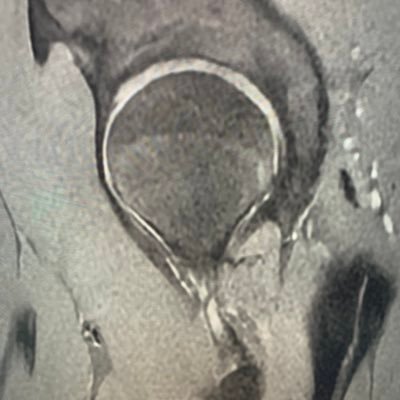
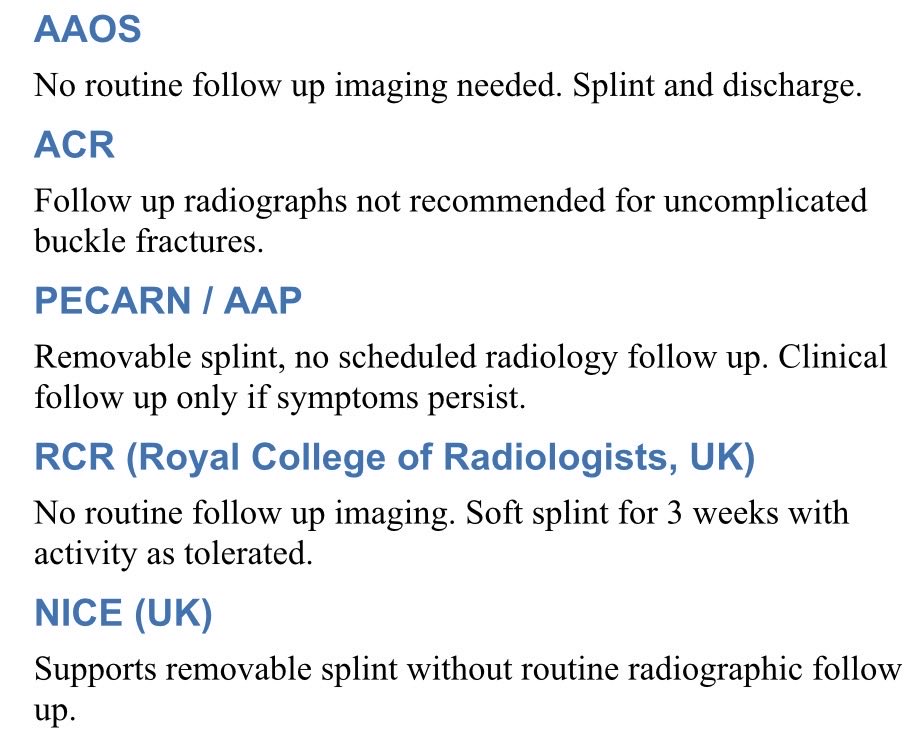
Third follow up. No new injury. Py progressing well, improving as expected and now essentially asymptomatic. Yet received 4 fu clinic x rays for buckle. At minimum sharing guidelines w parents (or PA?)could save $/time/radiation?
RJ tweet mediaRJ tweet mediaRJ tweet media
English
9
4
26
6.7K
Gil Carvalho MD PhD🌈🇵🇸
Gil Carvalho MD PhD🌈🇵🇸@NutritionMadeS3·
We know a lot about the broad strokes of nutrition. What’s healthy for most people and what isnt. The next level is to figure out individual variation. Why do some people have different reactions or different needs. Aka precision nutrition.
English
5
0
8
446
Gil Carvalho MD PhD🌈🇵🇸
Gil Carvalho MD PhD🌈🇵🇸@NutritionMadeS3·
A recent study suggests some people with higher risk of Alzheimer´s may reduce their risk of dementia by eating MORE meat Here´s what they found. Spoiler alert: this particular study has a number of substantial weaknesses but overall I find the link quite possible
Gil Carvalho MD PhD🌈🇵🇸 tweet media
English
9
8
44
6.7K
Wbond
Wbond@MrWBond·
@ethanjweiss btw, 35 years ago all of the Socal kids called it Nocal. I wasn't from there. Now I see NorCal (if not, obviously, Bay Area. I'm not hip to current lingo, but it seems like Nocal was either a regional jab, or has fallen out of favor?
English
2
0
0
224
Wbond
Wbond@MrWBond·
I've never known a cardiologist of any age who does not personally take a statin. This says something both about statins and about cardiologists.
English
6
0
17
3.7K
John Mandrola, MD
John Mandrola, MD@drjohnm·
If only all these words were based on RCTs Meanwhile experts stay silent on the massive misuse of this test in the community
Khurram Nasir@khurramn1

One of the most meaningful evolutions in the 2026 ACC/AHA dyslipidemia guideline is the continued elevation of CAC as a central tool in preventive decision-making. We have come a long way. 1. In the 2013 guidelines, CAC was effectively sidelined. 2. By 2019, it re-emerged as a decision aid. 3. In 2026, it is now clearly embedded in the framework of risk assessment, treatment initiation, and treatment intensity. Two messages stand out. 1. First, CAC has become the preferred decision aid when treatment decisions are uncertain. This is not an uncommon situation. In real-world practice, uncertainty is the rule rather than the exception, especially in borderline or intermediate-risk individuals. #PowerOfZero provides a clear distinction who is and not at risk that for the decision whether lipid-lowering therapy should be initiated. 2. Second, the guideline goes beyond initiation. CAC is increasingly used to guide the intensity of therapy. Increasing plaque burden corresponds to progressively more aggressive LDL targets and therapeutic strategies. For example, individuals with CAC ≥300–1000 are recommended to pursue LDL reduction strategies approaching secondary prevention intensity, reflecting event rates comparable to treated ASCVD populations. This is a MAJOR shift. CAC is no longer simply a tie-breaker for statin decisions. It is evolving into a disease-guided framework for preventive intensity. From a practical standpoint, this matters.Risk equations estimate probability. CAC visualizes disease. 1. When uncertainty exists, seeing the burden of atherosclerosis often changes the conversation for both clinician and patient. 2. It also aligns therapy more closely with biology (GREATER DISEASE, MORE INTENSE THE TREATMENT) rather than risk-factor projections alone. IN 2026. CAC has moved from the margins of guidelines to the center of preventive cardiology. For clinicians, that represents one of the most practical advances in translating risk assessment into actionable care. Congrats @rblument1 @RonBlankstein @DrMichaelShapir & rest of the guideline authors @AJPCardio @ASPCardio @MichaelJBlaha @Sadeer_AlKindi @HMethodistCV

English
20
21
131
67.4K
Dr Alo, DO, FACC
Dr Alo, DO, FACC@MohammedAlo·
@gregmushen I think people should have one in their home. Or get really good at chest compressions. CPR only resuscitation does wonders. Even without electricity!
English
3
2
10
1.9K
Alan Couzens
Alan Couzens@Alan_Couzens·
The "live to 100" checklist (at the halfway point) 1. >6hrs movement per day (PAL 2.0+) 2. 7-9 hrs high-quality sleep 3. VO2max >50 ml/kg/min 4. ApoB <70mg/dL 5. BP <115/75 mmHg 6. HbA1c = 5.0 7. FFMI >20 kg/m2 8. Visceral Fat <1kg 9. Omega-3 Index >= 8% 10. Resting HR <50 bpm No polyps.
Oh, Hush! Reads@ohhushreads

@Alan_Couzens What are scores you’d like to see for a male aged 50?
English
30
69
787
119.7K
Ron Manuel🇨🇦🇺🇸
Ron Manuel🇨🇦🇺🇸@RonManuel2·
@Alan_Couzens @hjluks I need more information before concluding 145 is above LT1. What’s their MHR? Are they using finger stick , talk test, or something modern like Morpheus + chest strap to determine top of zone 2? 145 is often the very top of my zone 2.
English
0
0
0
55
Alan Couzens
Alan Couzens@Alan_Couzens·
👏 I've tested athletes (usually runners) with a VO2max of 70 ml/kg/min with a horrible max fat ox of 0.3 g/min! Having cardiovascular fitness is not the same thing as having metabolic fitness. And, paradoxically, it's your metabolic fitness more than your cardiovascular fitness that will ultimately determine your cardiovascular health - a large component of when you will 🐸! (croak)
Howard Luks MD@hjluks

Yesterday’s post about heart rate and base building triggered a number of responses from experienced runners saying, “But I run at 145+ HR, and I’m fine.” That reaction actually highlights how poorly understood the distinction between cardiovascular fitness and aerobic fitness still is, even among dedicated endurance athletes. Let's explore this a bit... Most runners run too fast on their slow days and too slow on their fast days. Cardiovascular fitness refers to the delivery system. It reflects how effectively the heart pumps, how well blood flow is distributed, and how efficiently oxygen is transported to working tissues. Aerobic fitness, however, is primarily about utilization. It reflects how well the muscles use the oxygen delivered through oxidative metabolism, including mitochondrial function, fat oxidation capacity, lactate handling, and overall metabolic efficiency. These are related systems, but they are not interchangeable, and one can be well developed without the other being optimized. It is entirely possible to have strong cardiovascular fitness and still operate with relatively high metabolic cost during steady-state efforts. This is particularly common among recreational runners and even among experienced non-elite endurance athletes who have spent years training at moderate intensities. They are durable, consistent, and capable, but their “easy” work often occurs at a higher fraction of their physiological capacity than they realize. When an athlete reports that their easy runs consistently sit in the mid-140s (above 75% of maxHR), it does not reflect poor fitness. In many cases, it reflects a well-trained cardiovascular system paired with a habitual training intensity that sits near or above the first lactate threshold. The effort may feel subjectively easy due to years of adaptation, but metabolically, it is not truly low-intensity work. The body relies more on glycolytic pathways than on oxidative metabolism, even during easy runs. This matters because the full development of the aerobic system is driven by sustained training below the first lactate threshold. While higher intensities absolutely stimulate mitochondrial biogenesis, the adaptations associated with metabolic efficiency—improved fat oxidation, expanded capillary density, lower lactate production at submaximal workloads, and reduced sympathetic strain—are most robust when a significant portion of training occurs at genuinely low intensities. In other words, intensity can build fitness, but extensive low-intensity volume refines efficiency. When most training time is spent at or above LT1, athletes often become very good at tolerating moderate metabolic stress rather than minimizing the cost of aerobic work. At elevated hr intensity, oxidative stress per session is higher, sympathetic activation remains elevated, and the recovery burden accumulates over time, even if the athlete feels subjectively comfortable. RPE can remain low while physiological strain remains moderate, particularly in experienced runners who have adapted psychologically to that level of effort. In my office, it is clear that there is also a practical clinical layer that becomes increasingly relevant in midlife. The cardiovascular system adapts relatively quickly to the stress of training. Connective tissues—tendons, fascia, cartilage, and bone—adapt much more slowly. When moderate-to-high metabolic load is layered onto repetitive impact before true aerobic efficiency and tissue resilience are established, the total recovery demand rises. This pattern is reflected in the training errors I see routinely in clinic: Achilles pain, plantar fasciitis, patellofemoral symptoms, and lateral hip or gluteal tendinopathy. They are usually mismatches between the distribution of training intensity and our recovery capacity. This changes with age... and it will catch up to you. None of this means that running at higher heart rates is inherently harmful, nor does it suggest that intensity should be avoided. Threshold work, tempo runs, and even high-heart-rate sessions are valuable tools. The issue is distribution. If most weekly mileage is performed at a moderate metabolic intensity, the athlete maintains cardiovascular fitness but sacrifices some metabolic flexibility and efficiency. Easy days are no longer truly low-cost, and recovery between harder sessions is less complete. What is often given up is range. An athlete with a well-developed aerobic base can run at a lower heart rate for the same pace, oxidize more fat, produce less lactate at submaximal intensities, and accumulate more total training volume with less physiological strain. Their easy runs are genuinely easy at a metabolic level, allowing higher-quality work when intensity is introduced. They are not just fit; they are efficient and durable. Base training, therefore, is not about avoiding effort or running unnecessarily slowly. It is about lowering the physiological cost of work so that training becomes more repeatable, recovery becomes more predictable, and long-term durability improves. The heart remains strong, performance is preserved, and the metabolic system becomes more efficient. For lifelong runners, especially after forty, efficiency and recovery capacity often become the true limiting factors rather than motivation or discipline.

English
19
19
372
55.9K
Ron Manuel🇨🇦🇺🇸 รีทวีตแล้ว
Eric Alper 🎧
Eric Alper 🎧@ThatEricAlper·
Meanwhile, in Canada...
Eric Alper 🎧 tweet media
English
147
654
9.5K
173.5K
Politics & Poll Tracker 📡
Politics & Poll Tracker 📡@PollTracker2024·
Rep. Doug LaMalfa (R-CA) has passed away at the age of 65 Current US House composition after his death 🟥Republicans 218 🟦Democrats 213 Vacancies 4
Politics & Poll Tracker 📡 tweet media
English
32
56
673
186.6K
Gator⚡Gum
Gator⚡Gum@gator_gum·
Twitter in a nutshell.
Gator⚡Gum tweet mediaGator⚡Gum tweet media
English
12
2
79
4.5K
Cameron Ruggles
Cameron Ruggles@CameronRuggles·
Any thoughts on how sunlight has a hormetic response to reduce the bad melanoma cancer along with other benefits like vitamin D and specifically nitric oxide production in skin? I'm convinced sunlight in doses that don't cause sunburn but still over most of the body is a significant health benefit and not a cancer risk
English
2
0
1
702
Dr. Rhonda Patrick
Dr. Rhonda Patrick@foundmyfitness·
Indoor tanning is a potent carcinogen with a clear dose-response, not a safer way to get UV as the industry claims. Tanning bed use is associated with a nearly 300% higher skin cancer risk. People with >200 lifetime sessions show >6-fold higher risk. Mechanistically, tanning bed users have twice the mutation burden than non-users (especially on sites that get little natural sun exposure, like the lower back) and three times as many pathogenic mutations, particularly in the NF1 tumor suppressor gene, creating a large pool of pre-cancerous one-hit cells. UV exposure from tanning beds is intense and widespread. It irradiates a larger body surface area than typical sunlight exposure and produces a “broad field effect” that can mimic a genetic predisposition to melanoma by seeding mutations across huge numbers of skin cells. The bottom line is that tanning beds aren’t a substitute for sun. They're something to actively avoid.
Dr. Rhonda Patrick tweet media
English
33
53
476
54.5K