@TiffanyACoutris Question: Is there anyway to get updateson the HLS landers progress. Really havent seen much and it feels like no one knows anything
English
SpaceEnjoyier
867 posts
@SpaceEnjoyers
Created this account to post about my favorite thing, Space, I also using this account to document my journey to becoming an Aerospace Engineer

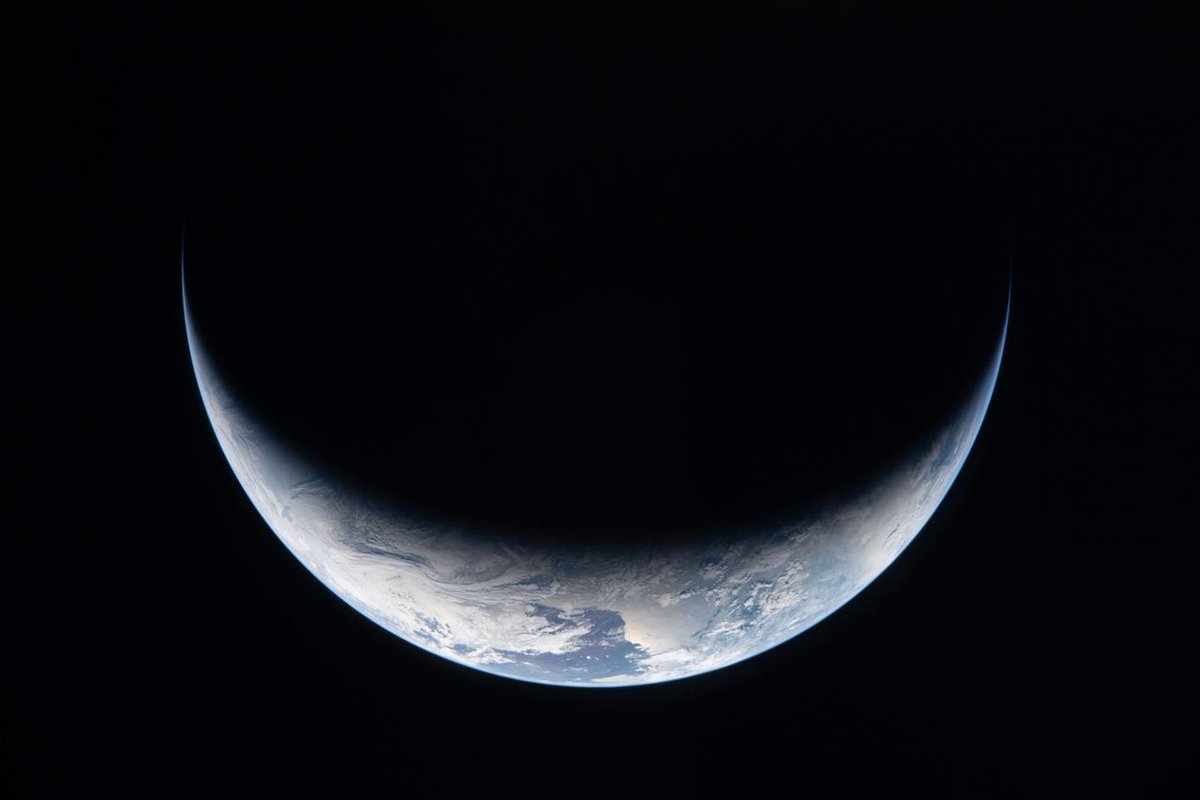
The world watched. Artemis II carried humans farther into space than we’ve ever been in over half a century and showed a new generation what exploration looks like. The journey back to the Moon is underway. Artemis III is up next.


Ironically, the SLS skeptics are some of the few that want to increase the SLS launch rate. SLS is an interim launch system. Built using spare parts whose factory lines shuttered decades ago (& we’re not even trying to reuse them), there’s a finite number of launches before we run out & need either a massive upgrade program (delays, tens of billions) or we use alternatives. And now we have alternatives, we can just fly those few limited launches (between 4 and 8 total, depending on how you count). The SLS maximalists want us to slow down the SLS launch rate to match the upgrade cycle which we can’t really afford and won’t need.

Here we go, upending tonight.

@maks_1_1__ Why? I’m a lot more concerned about launch rate for refueling and ability to land and takeoff from the moon then I am about SpaceX putting a docking port (already developed & tested, similar to Dragon’s) and pressure vessel (with Dragon-heritage life support) on starship.


Matter, Energy, and Intelligence.



Real-time intelligence from the Moon! Our Ocula lunar imaging service will leverage @nvidia's Jetson module and Firefly's AI software to enable on-orbit processing in lunar orbit and transmit more timely, actionable insights to customers. The high-res telescopes that power Ocula were delivered to our spacecraft facility and fit checked on our Elytra orbital spacecraft. Learn more here: fireflyspace.com/news/firefly-a…

@esaagar There are some technical and performance reasons, but we are essentially combining Apollo 7 and Apollo 8 into a single Artemis II mission.

Artemis II has reached its maximum distance from Earth. On the far side of the Moon, 252,756 miles away, Reid, Victor, Christina, and Jeremy have now traveled farther from Earth than any humans in history and now begin their journey home. Before they left, they said they hoped this mission would be forgotten, but it will be remembered as the moment people started to believe that America can once again do the near-impossible and change the world. Congratulations to this incredible crew and the entire NASA team, our international and commercial partners, but this mission isn’t over until they’re under safe parachutes, splashing down into the Pacific.