The Grid Post@TheGridPost
Contrary to popular belief, nobody at the DisCo is sitting somewhere saying “rain don start, off am” 😅
From an engineering standpoint, rain itself is usually not what makes your supply dissappear.
It just exposes weaknesses that already exist in our power system.
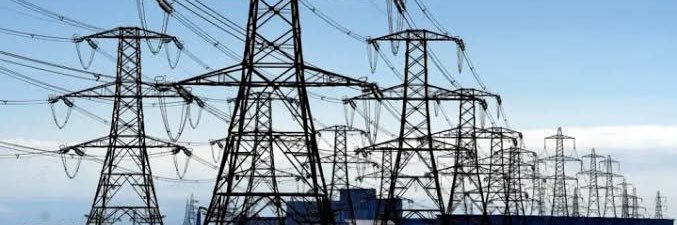
It is more common in Nigeria because we rely heavily on overhead lines, maintenance is inconsistent in some areas, vegetation control is weak, and the BIGGEST OF ALL- restoration
is sometimes at snail speed.
Countries like the U.S., South Africa, and Canada also experience rain-related outages but their systems are generally more resilient, with faster fault isolation and quicker restoration.
Here is what typically happens behind the scenes:
1. Tree contact with power lines:
Most distribution lines are overhead and pass through areas with limited vegetation control.
During storms, wind can push tree branches into 11kV or 33kV lines, causing short circuits or earth faults. Once detected, the system automatically trips to protect equipment.
2. Aging or weak infrastructure
Transformers, insulators, jumper connections, and cable joints that work under normal dry conditions can become vulnerable when moisture increases.
Rain doesn’t create the fault ), it often worsens existing weaknesses, especially on poorly maintained feeders.
3. Lightning and voltage surges
Thunderstorms produce electrical surges that can destabilize the network. Protection systems isolate these faults quickly to prevent damage to transformers and substations.
4. Automatic protection systems:
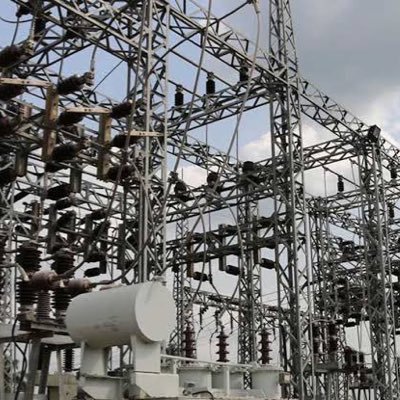
Substations use protective relays and circuit breakers. When abnormal current is detected, feeders trip automatically to prevent fires, equipment damage, or larger system failures.