Centre for the Study of Violence & Reconciliation

12K posts
Centre for the Study of Violence & Reconciliation banner
Centre for the Study of Violence & Reconciliation

Centre for the Study of Violence & Reconciliation

@_CSVR

The Centre for the Study of Violence and Reconciliation (CSVR) envisions societies that are peaceful, equal and free of violence.
Johannesburg, South Africa เข้าร่วม Mart 2013
4.2K กำลังติดตาม6.3K ผู้ติดตาม
Centre for the Study of Violence & Reconciliation
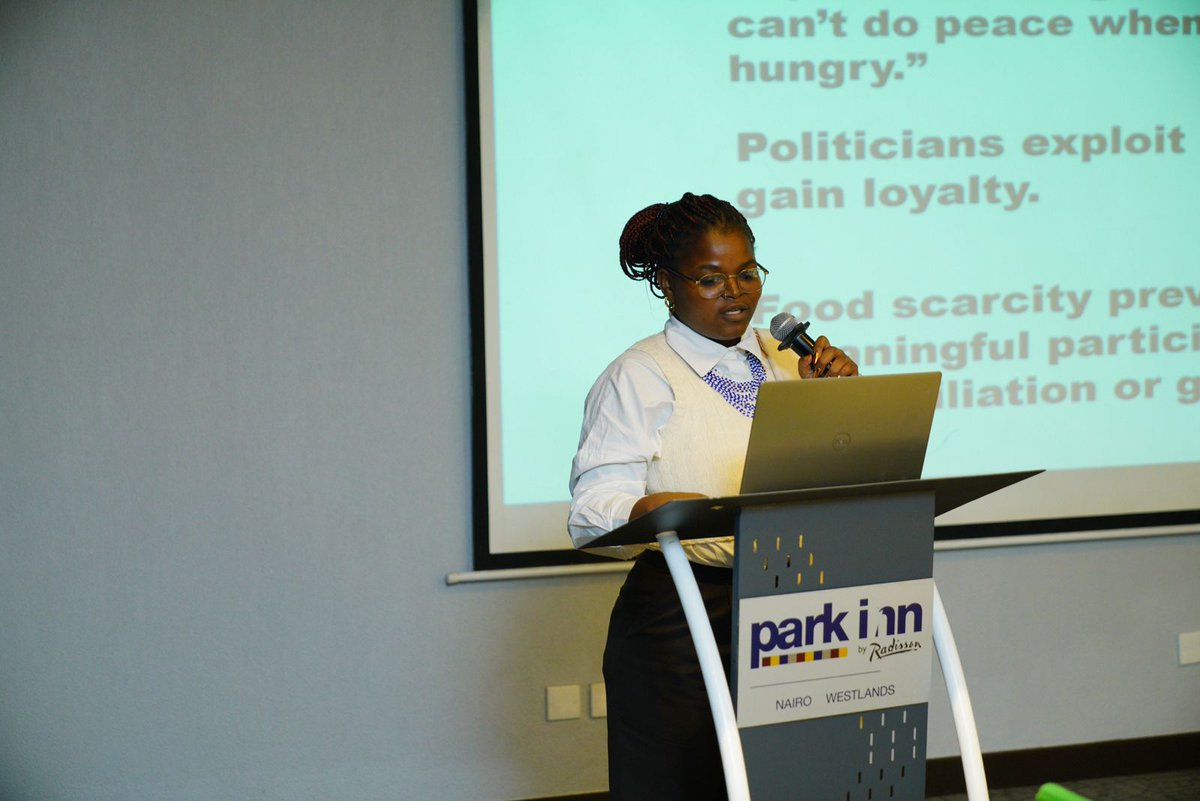
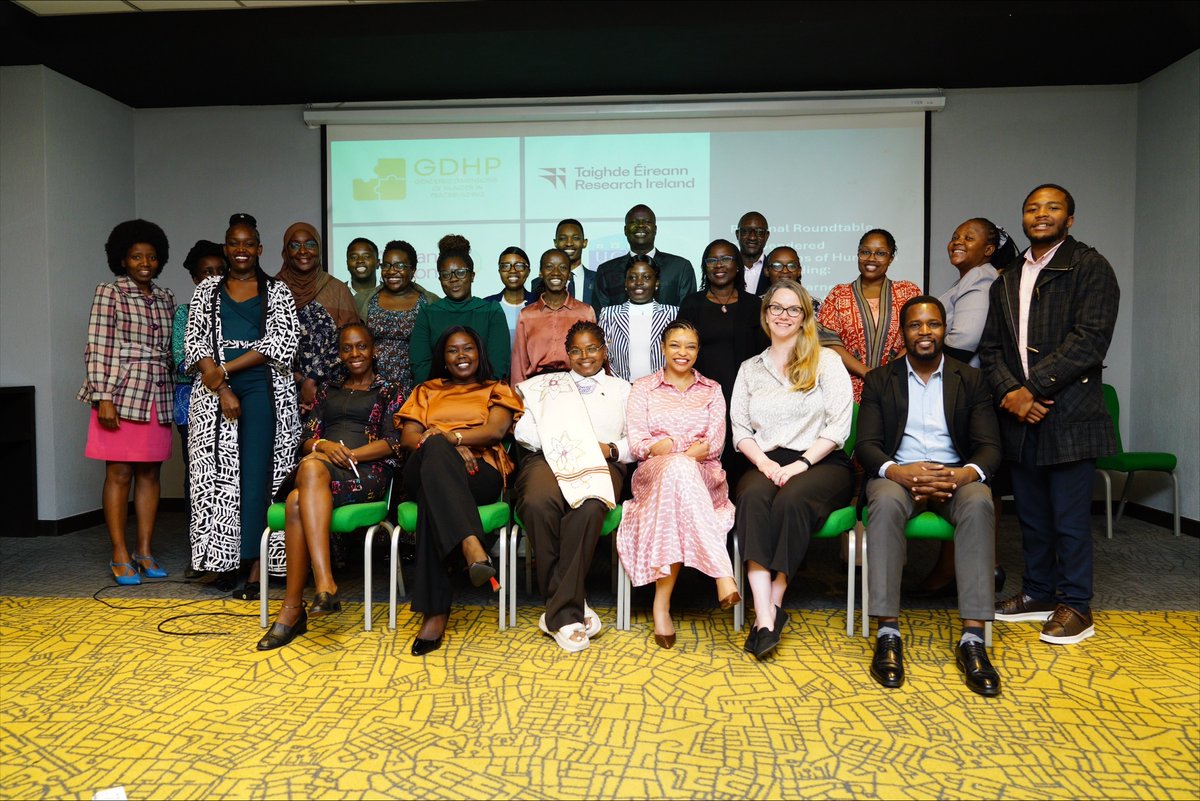
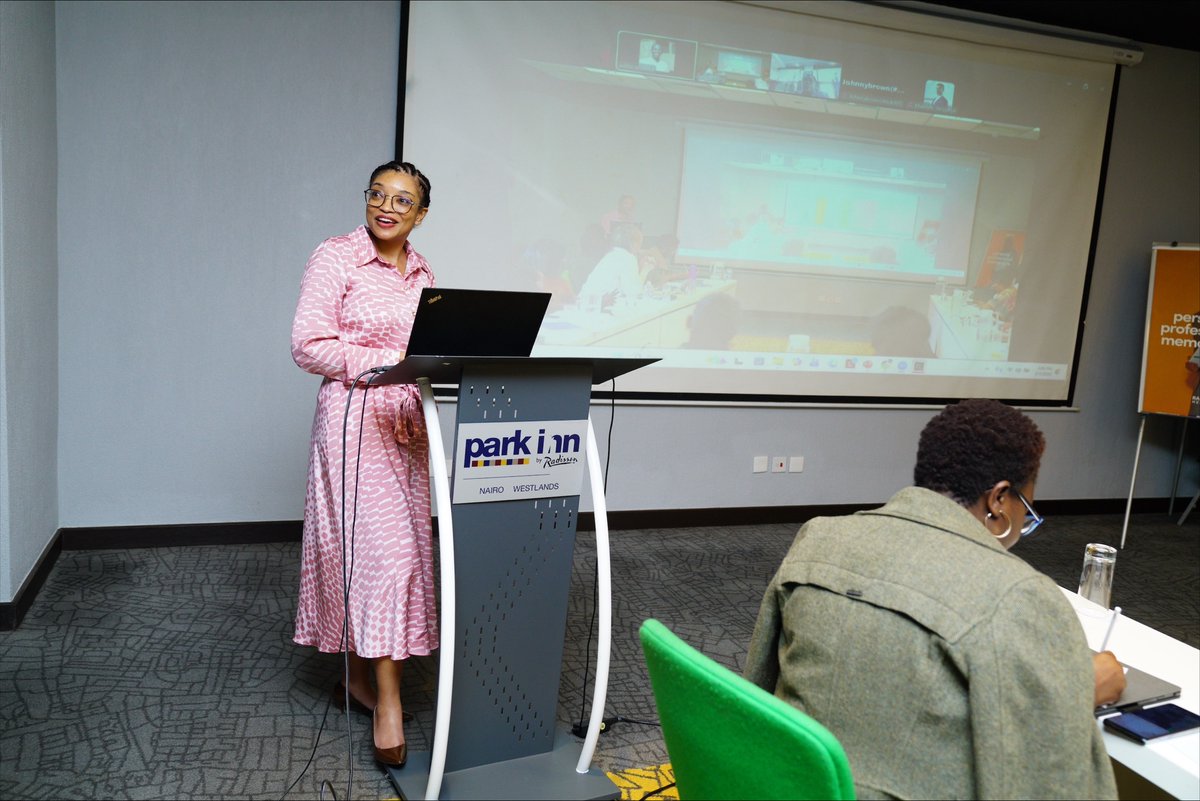
On the 4th of March 2026 the GDHP project convened a regional roundtable in Nairobi, bringing together researchers, policymakers, and practitioners to explore how gendered experiences of hunger are addressed in peacebuilding and post-conflict recovery. The event was co-hosted by the Centre for the Study of Violence and Reconciliation in partnership with University College Dublin and the Africa Innovation and Research Centre. It highlighted research across Liberia, South Africa, and South Sudan, emphasizing why food security is critical for sustainable peace. The roundtable explored how hunger is deeply gendered and political and why integrating food security into peacebuilding frameworks is essential. Discussions also focused on normative diffusion ensuring that food security becomes a core consideration in peacebuilding policy and practice across the region. Insights from the event will feed into actionable recommendations for policy, humanitarian practice, and future research.
Centre for the Study of Violence & Reconciliation tweet mediaCentre for the Study of Violence & Reconciliation tweet mediaCentre for the Study of Violence & Reconciliation tweet mediaCentre for the Study of Violence & Reconciliation tweet media
English
0
1
1
67
Centre for the Study of Violence & Reconciliation
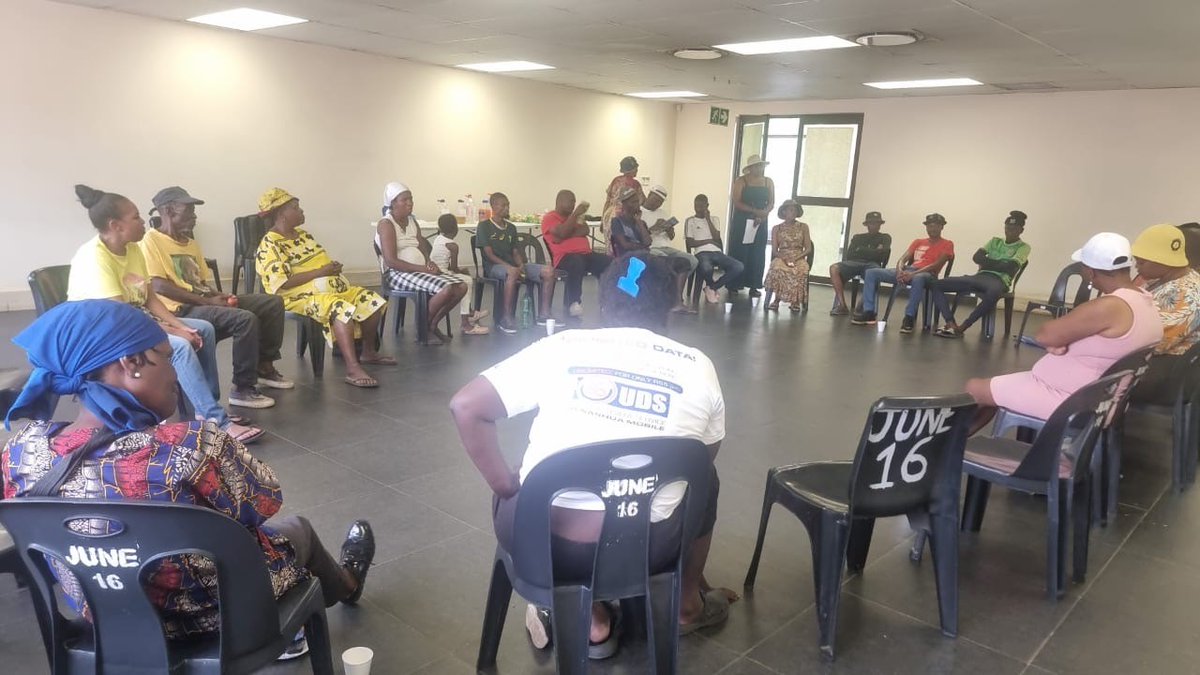
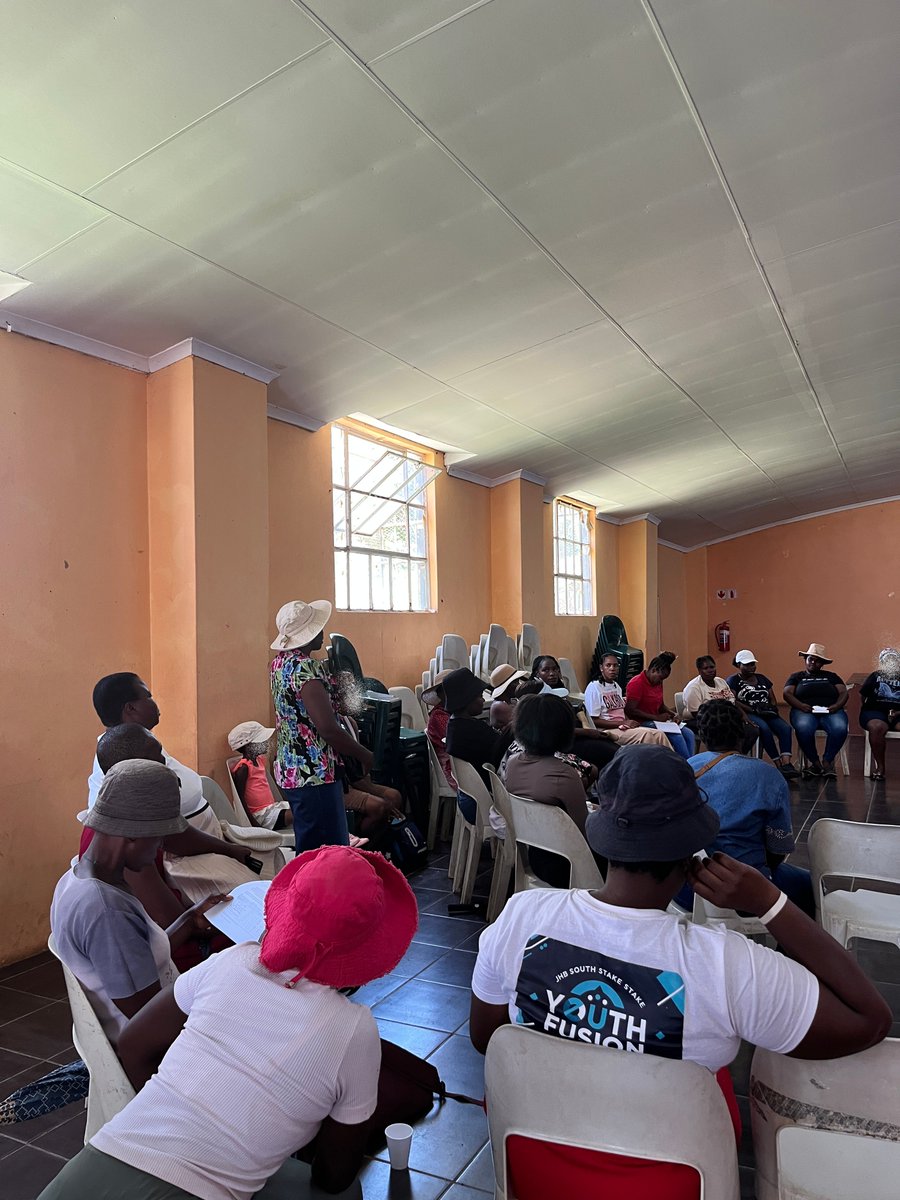
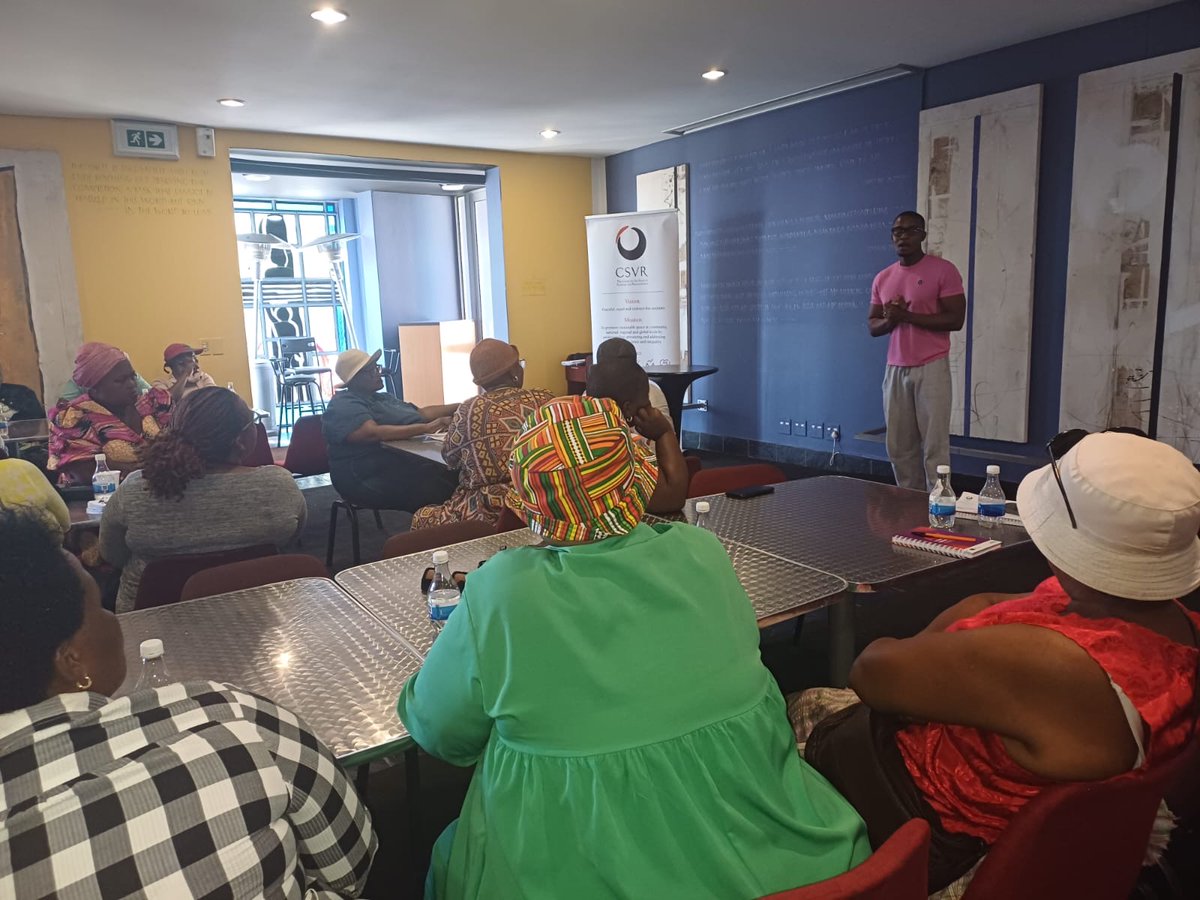
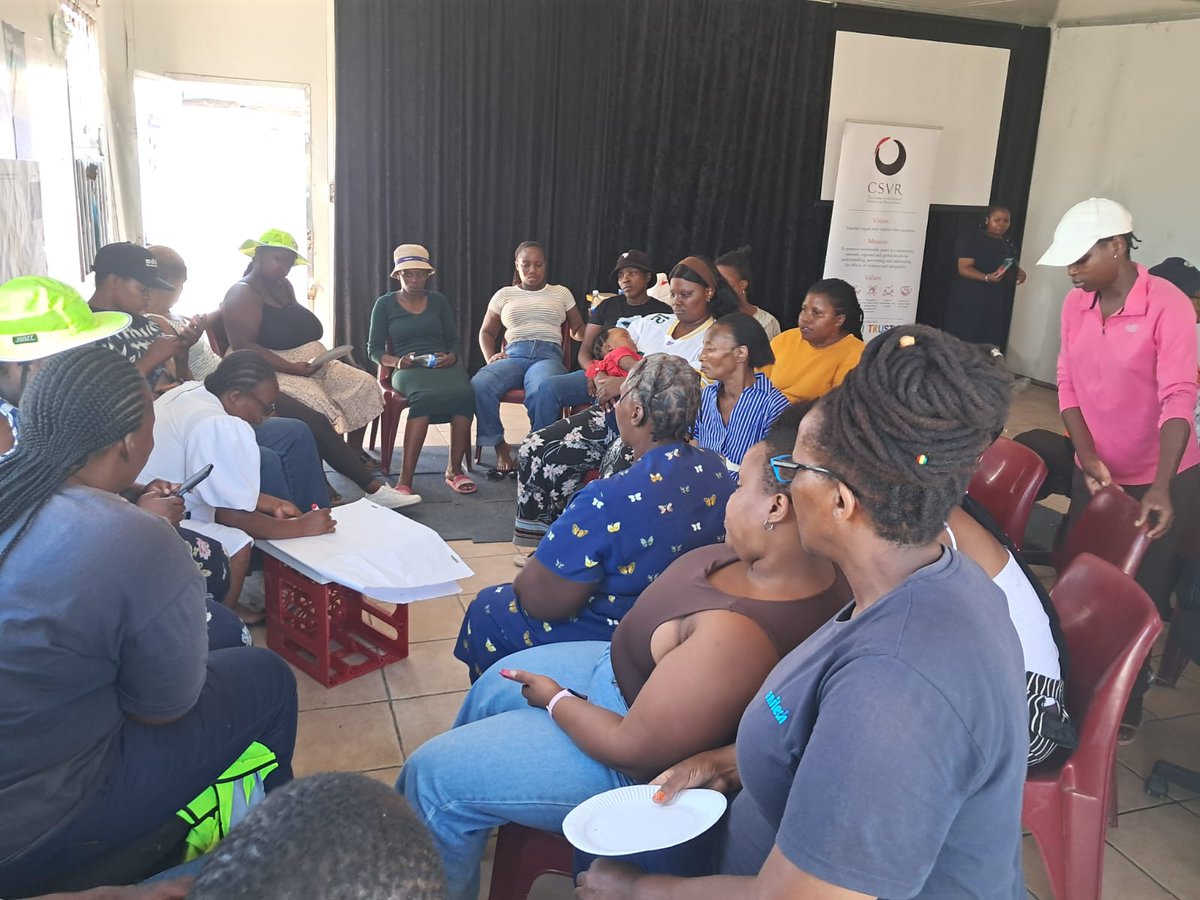
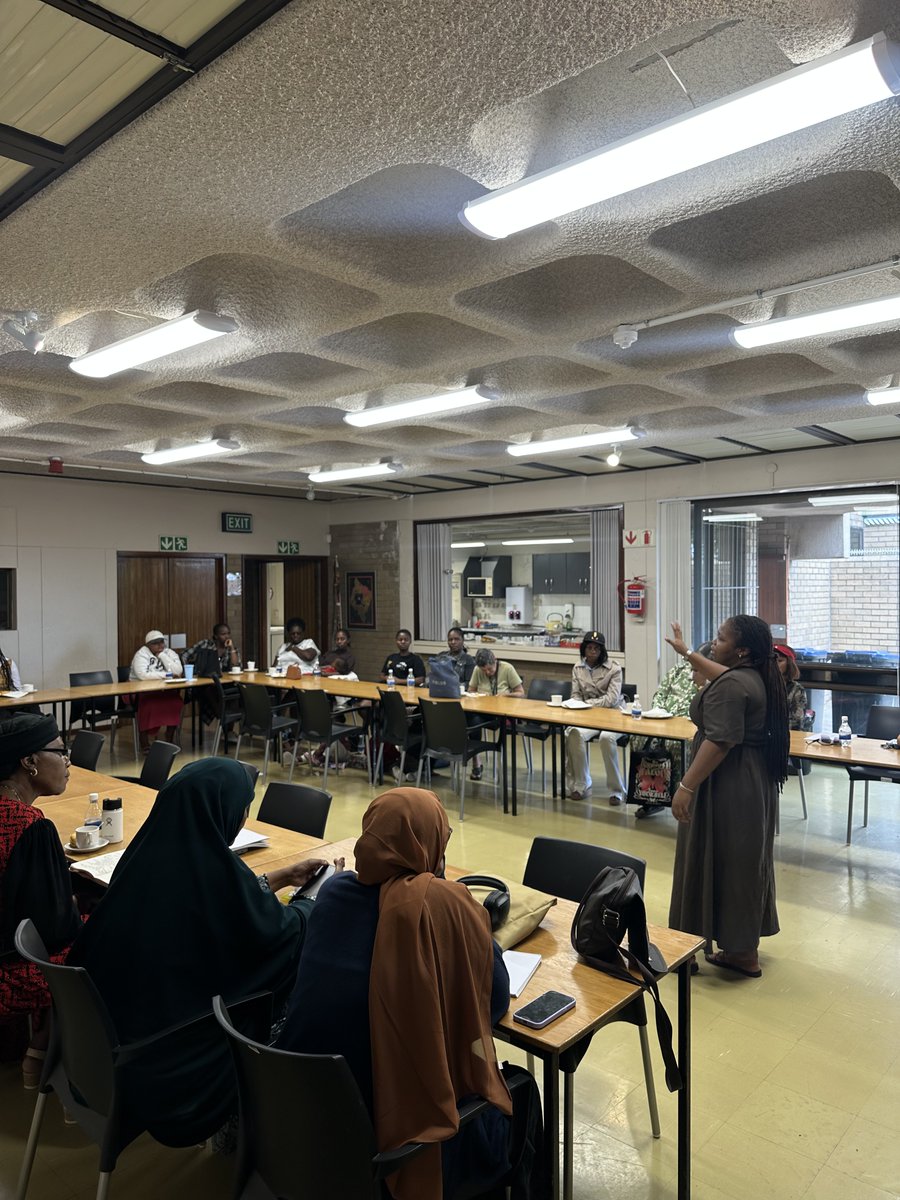
As part of the IRCT project activities, the Mental Health and Psychosocial Support team successfully facilitated group wellness sessions for communities undergoing past and present collective trauma and stress. Identified community members from Orange Farm, Braamfontein, Soweto were provided with trauma-informed strategies and tools to share, learn and heal together as they navigate new pathways to enhance communal psychosocial wellbeing.
Centre for the Study of Violence & Reconciliation tweet mediaCentre for the Study of Violence & Reconciliation tweet mediaCentre for the Study of Violence & Reconciliation tweet media
English
0
1
3
76
Centre for the Study of Violence & Reconciliation
Day 3 of #CelebratingWomensResilience series. Today's reflective story is shared by Athini Magodla, our Gender Assistant. As I reflect on the communities we gathered with across Khayelitsha, Gugulethu and Bellville during the Western Cape Trust Building Dialogues, I am reminded that social cohesion is not a theory but something we practice. We entered those spaces carrying frustration, fear, and deeply personal experiences. Conversations about migration, unemployment, poverty, and safety are not easy. Yet what stood out was people's willingness to sit together despite the tension. I witnessed powerful shifts. Young people who began the dialogue angry about job competition started asking deeper questions about inequality and governance. Community members moved from saying “they are the problem” to asking “what is our role?”. Migrants shared painful stories of survival and displacement, and rooms fell silent — not in hostility, but in empathy. Across the dialogues, people began confronting prejudice, recognising how poverty redirects anger toward the most vulnerable, and reflecting on the lasting psychological effects of apartheid. There was a growing understanding that dignity cannot be selective. These conversations reminded me that social cohesion is not about ignoring challenges. It is about creating spaces where difficult truths can be spoken while still choosing dialogue over division. I left the dialogues hopeful. Hopeful because communities are capable of reflection, because people are willing to confront uncomfortable truths, and because, despite hardship, there remains a desire for unity, fairness, and shared dignity. Social cohesion begins with conversation, but it grows through courage, accountability, and ubuntu in action. #InternationalWomenDay2026 #GivetoGain #CSVR
Centre for the Study of Violence & Reconciliation tweet media
English
0
0
1
42
Centre for the Study of Violence & Reconciliation
#CelebratingWomensResilience Naledi Joyi our Senior Gender Officer reflects on how women continue to be visible and present in spaces. This International Women’s Day, let’s talk about the women whose strength is constantly romanticised when it should never have been required in the first place. The woman in rural areas who plants and harvests in soil made unpredictable by climate change feeding her community while the system fails to feed her. The farmworker in a state-owned farm who wakes up before sunrise to work the land her family has known for generations still waiting for housing, pensions, and the dignity democracy promised. The learner from an informal settlement who walks to school despite unsafe streets and classrooms that do not always protect her because her right to education is not negotiable. The woman with a disability who fights to be heard in clinics, believed at police stations, and included in decisions that affect her life. The GBV survivor who stretches meals, carries trauma quietly, and survives because survival is what women are taught. Resilience is not a personality trait, nor a requirement but a choice in response to structural neglect. And while we honour women’s courage, we must also ask: Why must they be this strong? This Women’s Day cannot end with just applause. It must move us toward accountability. #InternationalWomensDay2026 #GivetoGain #CSVR
Centre for the Study of Violence & Reconciliation tweet media
English
0
0
1
43
Centre for the Study of Violence & Reconciliation
#CelebratingWomensResilience In commemoration of #InternationalWomensDay2026 we are sharing stories of our work with women and the resilience they demonstrate by overcoming various challenges in building peaceful communities. Our first story is from Lindokuhle Malambe, our Gender Officer. As I reflect on the women I have sat with in community halls, community churches, safe spaces, in dialogues filled with both pain and courage. I have witnessed a kind of resilience that is often invisible. -Women who report abuse even when the system fails them. -Women who return to court again and again, even when cases are postponed. -Women who speak even when their voices were silenced at home. -Women who support other women even when they are still healing themselves. Despite justice being delayed, questioned, or denied, women continue to seek it. Despite poverty and financial abuse, women are building economic strength through financial literacy and collective support. Despite trauma, women show up. The work has taught me that women’s resilience is not about suffering quietly. -It is about resisting silence. -It is about demanding dignity. -It is about rebuilding life, even when systems collapse. Today we celebrate women, not only for enduring, but for challenging injustice, organizing for change, creating safe spaces, supporting one another, healing together, and rewriting their stories while shaping stronger communities. 💜
Centre for the Study of Violence & Reconciliation tweet media
English
0
0
2
56
Centre for the Study of Violence & Reconciliation
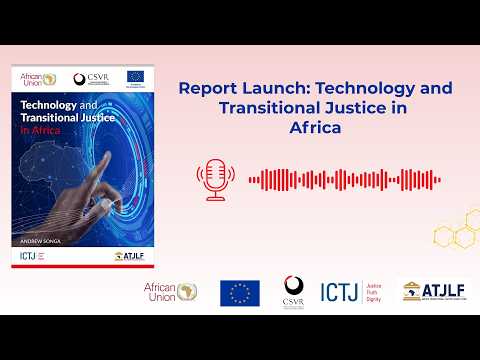
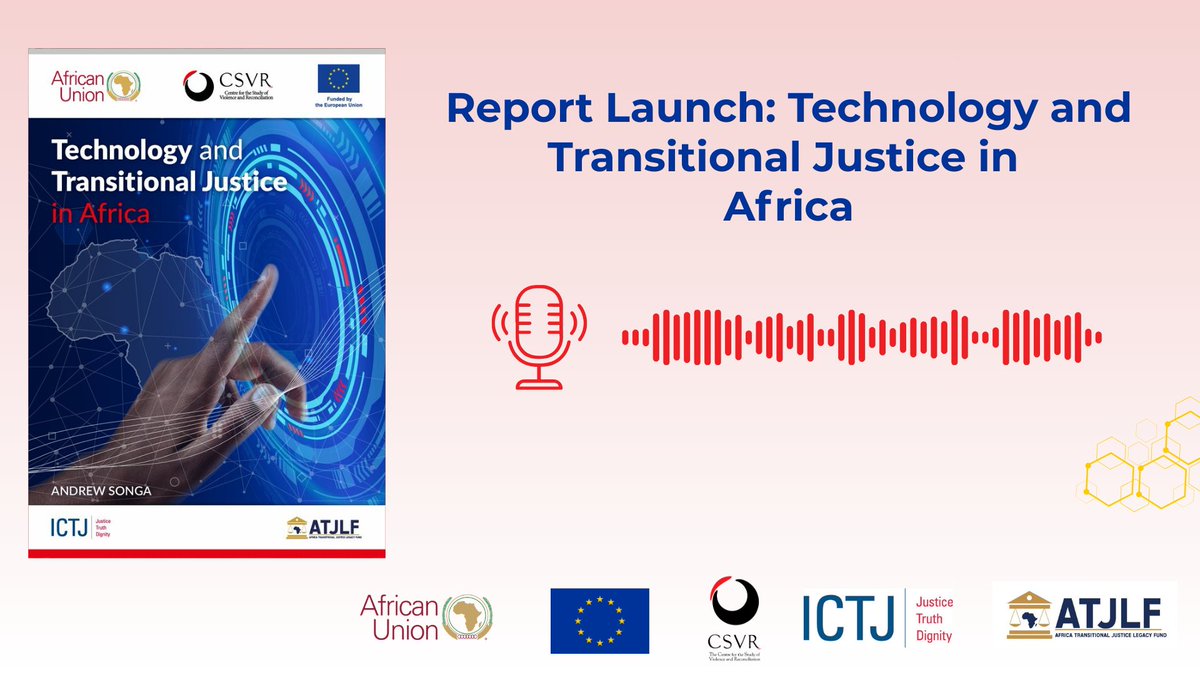
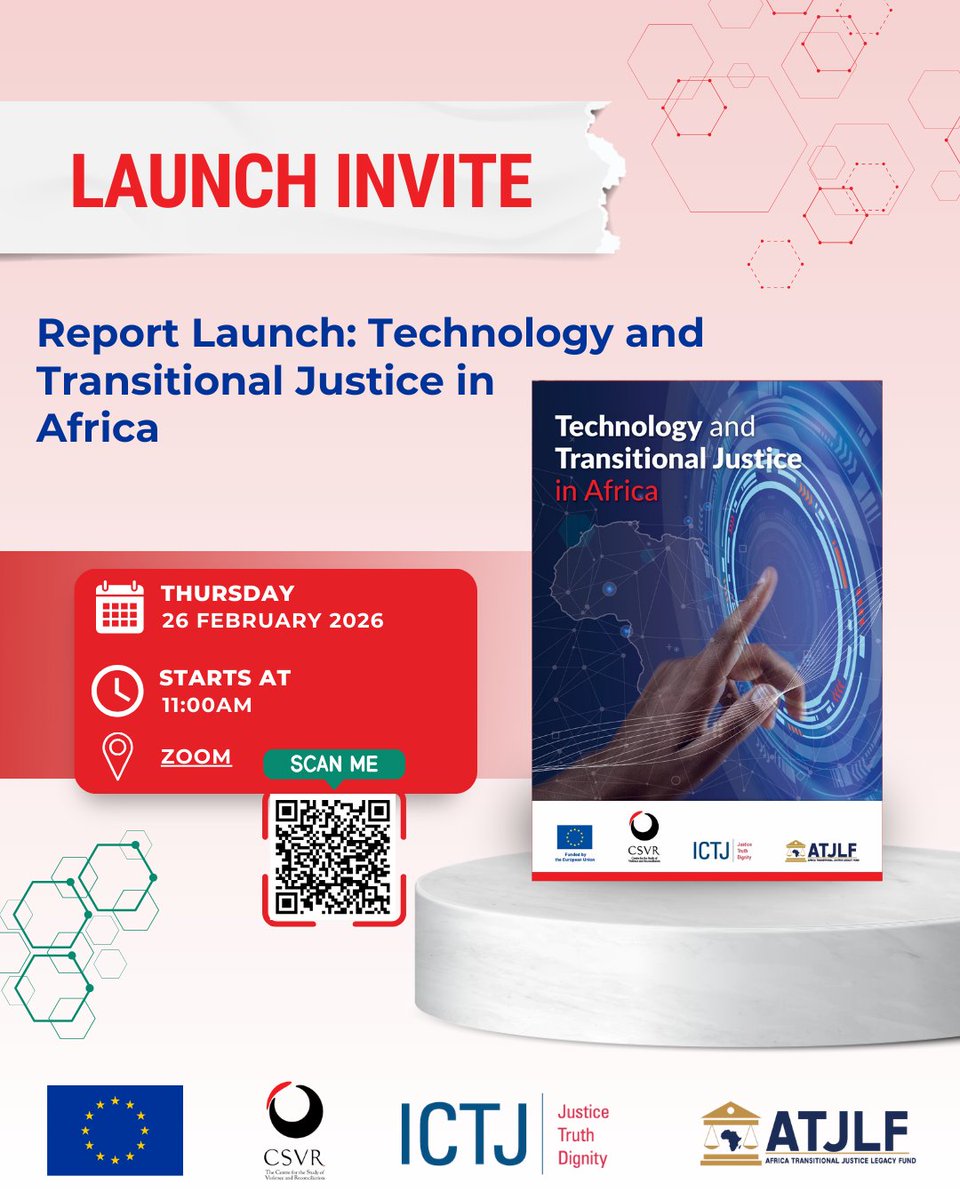
If you missed the launch of Technology and Transitional Justice in Africa; it is now available to watch on YouTube. 🌍 🔗Watch here: youtu.be/BcmWqFw6dtE Visit our website to access the report in four localized versions: ➡️English Version: csvr.org.za/technology-and… ➡️Arabic Version: csvr.org.za/technology-and… ➡️French Version: csvr.org.za/technology-and… ➡️Portuguese Version: csvr.org.za/technology-and…
YouTube video
YouTube
Centre for the Study of Violence & Reconciliation tweet media
English
0
4
8
434
Centre for the Study of Violence & Reconciliation
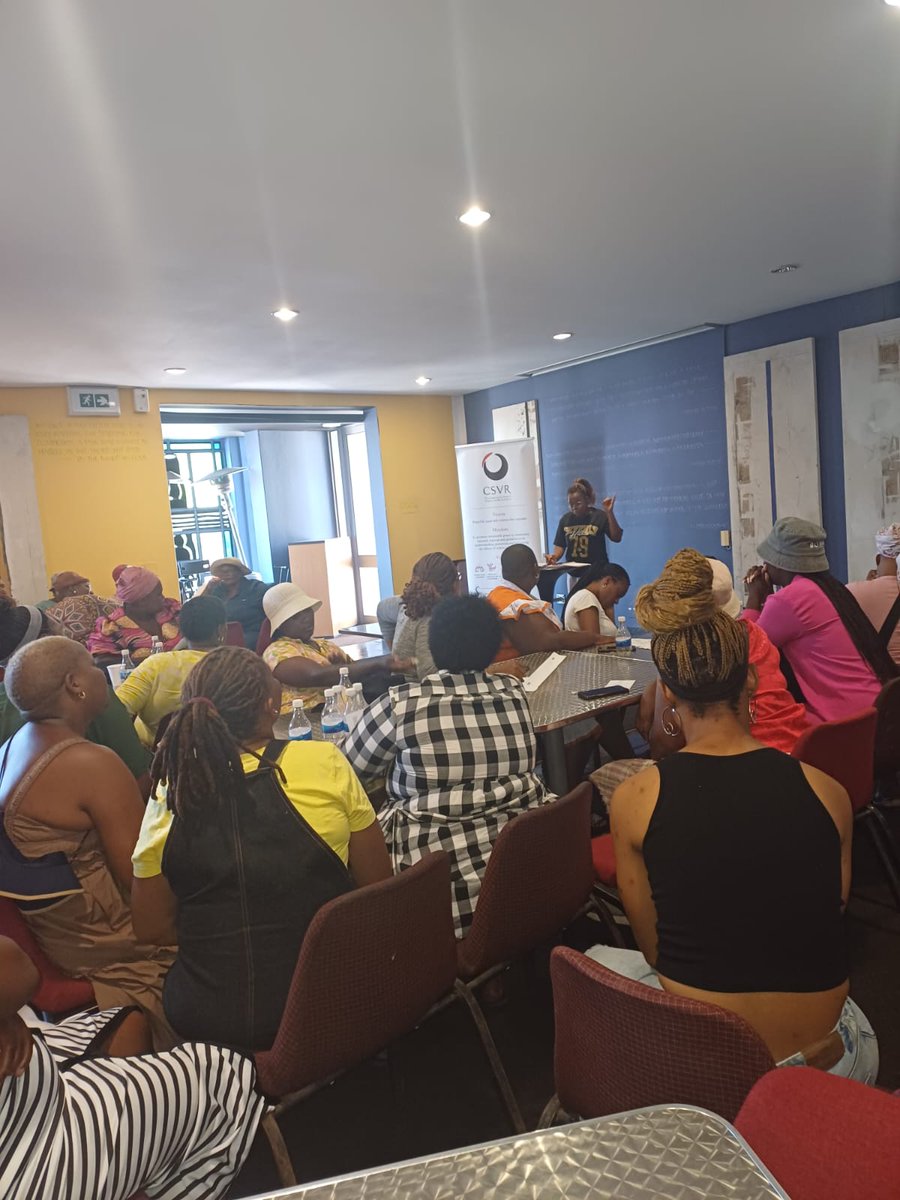
On the 16th, 17th and 18th of February 2026 we were in Khayelitsha, Gugulethu & Bellville for the Making Migration Safe – Western Cape Dialogue. The women in these communities showed up powerfully to unpack myths and misconceptions about migration and migrant women. This wasn't just a conversational dialogue but space to: • Raise structural challenges affecting migrant women • Unlearn harmful narratives • Build resilience • Strengthen social cohesion #MakingMigrationSafe #SocialCohesion #GenderJustice #CommunityDialogue
Centre for the Study of Violence & Reconciliation tweet mediaCentre for the Study of Violence & Reconciliation tweet mediaCentre for the Study of Violence & Reconciliation tweet mediaCentre for the Study of Violence & Reconciliation tweet media
English
0
0
1
50
Centre for the Study of Violence & Reconciliation
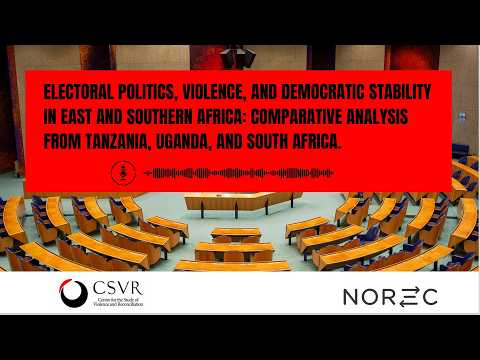
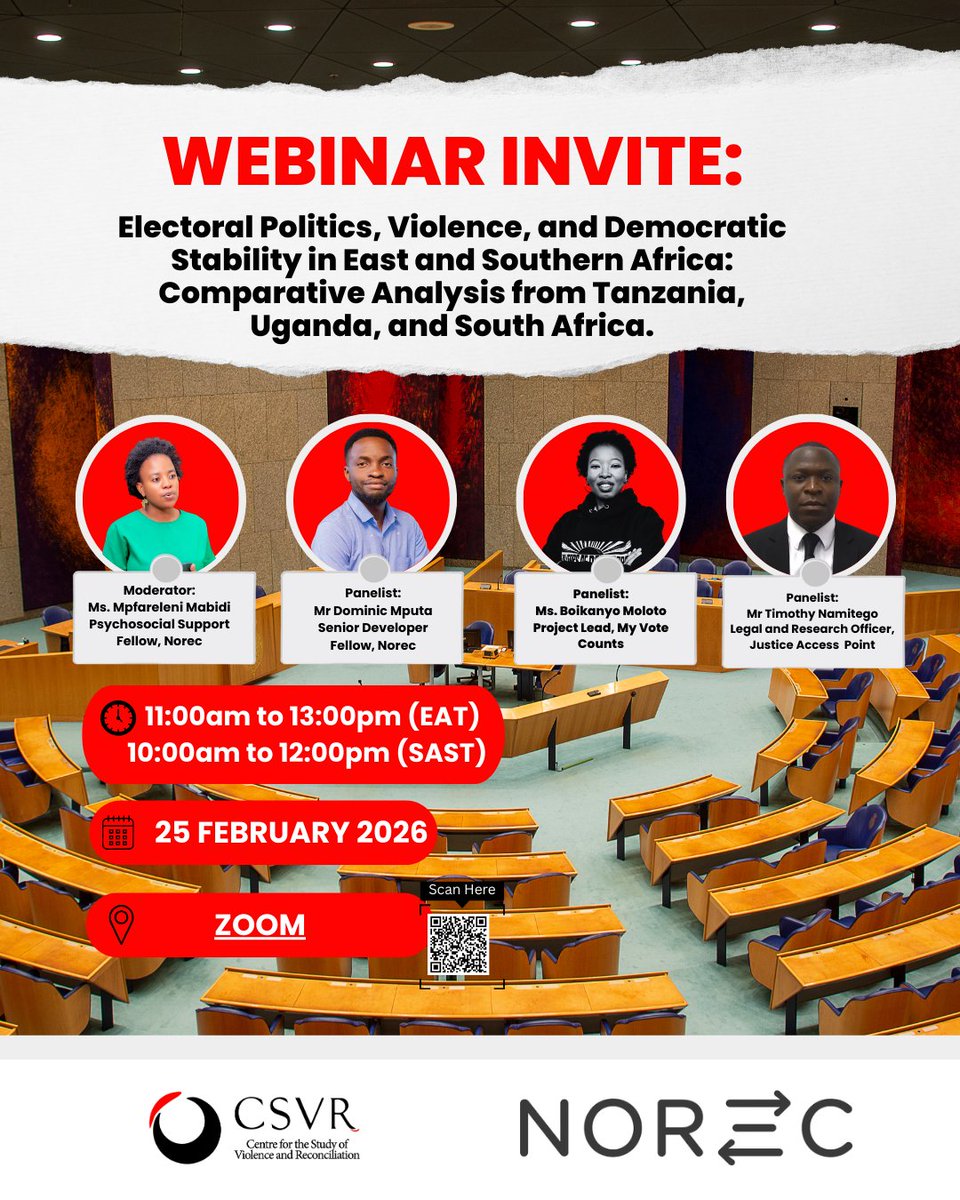
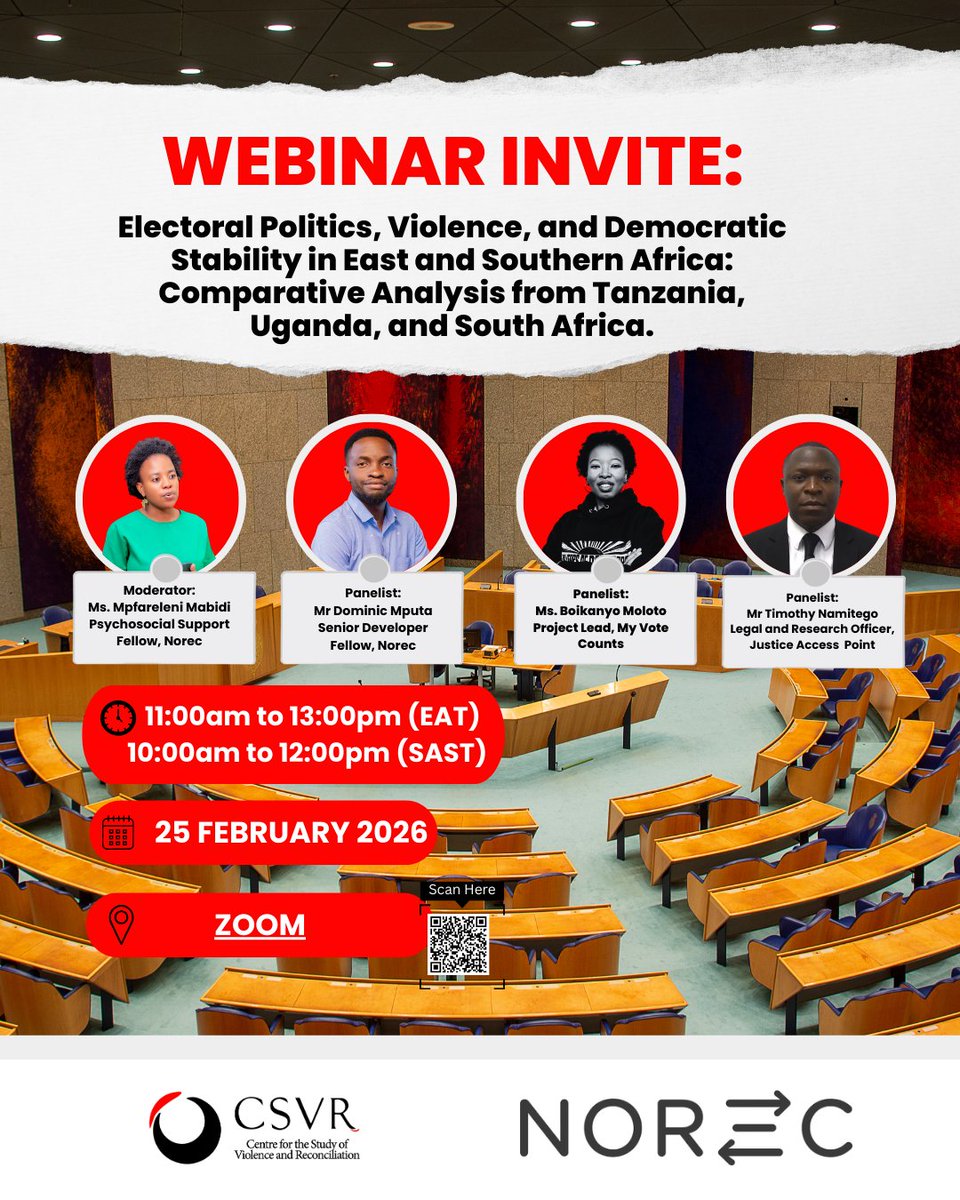
📢Don't miss our upcoming webinar. Join us as we unpack Electoral Politics, Violence, and Democratic Stability in East and Southern Africa: Comparative Analysis from Tanzania, Uganda, and South Africa. 📅Date: 25 February 2026 ⏲️Time: 11:00am to 13:00pm (EAT) 10:00am to 12:00pm (SAST) 🔗Registration link: us06web.zoom.us/webinar/regist…
Centre for the Study of Violence & Reconciliation tweet media
English
0
1
1
139
Centre for the Study of Violence & Reconciliation
WEBINAR INVITE 🚨 Engage and join the webinar on 'Electoral Politics, Violence, and Democratic Stability in East and Southern Africa: Comparative Analysis from Tanzania, Uganda, and South Africa.' ⏲️Time: 10:00am to 12:00pm (SAST) 11:00am to 13:00pm (EAT) 📅Date: 25 February 2026 🔗Registration link: us06web.zoom.us/webinar/regist…
Centre for the Study of Violence & Reconciliation tweet media
English
0
0
0
53