Siluu

3.2K posts

Siluu banner
Siluu

Siluu

@cryptobudy7

web 3 enthusiasts CC- Kite Ai 🪁 community manager 👨‍💼

happiness 🍺 เข้าร่วม Haziran 2024
1.3K กำลังติดตาม1.1K ผู้ติดตาม
Siluu
Siluu@cryptobudy7·
Gkast fam 😊 today we are going to know about kast card reward program . in this video i have explained how to earn passive reward by @KASTxyz while spending . book your kast card today = kast.xyz #cards #strablecoins #crypto
English
14
0
17
51
Mahadi (❖,❖)
Mahadi (❖,❖)@mahadi7w·
Building your first AI-powered contract sounds complex at first. But once you break it down, it’s actually pretty straightforward. This is where @ritualnet uses Infernet. You start by writing a smart contract. This defines what your app does and when it needs AI. Then you connect it to Infernet. So the contract knows where to send requests. When the contract runs, it sends a request through Infernet. Infernet takes that request and routes it to the right AI model. The AI processes the task and returns a result. Then Infernet brings that result back to the contract, and the contract continues its execution. Think of it like this. You design the system. The contract asks the question. Infernet delivers it to AI and brings the answer back. That’s the basic flow. Instead of just following fixed rules, your contract can now use AI to handle more complex decisions. @0xMadScientist @Jez_Cryptoz @joshsimenhoff @dunken9718
Mahadi (❖,❖) tweet media
English
16
0
18
57
AshiQ
AshiQ@beloyaltbh10·
Teleop looks simple from the outside. Grab the controller, move the robot, collect the data, Easy. But spend a few sessions on @PrismaXai and you realize the operator is the model. Every movement you make is a lesson. Every session is a page in a textbook a robot will one day read. 𝗠𝗼𝘃𝗲 𝗹𝗶𝗸𝗲 𝘆𝗼𝘂'𝗿𝗲 𝘁𝗲𝗮𝗰𝗵𝗶𝗻𝗴, 𝗻𝗼𝘁 𝗰𝗼𝗻𝘁𝗿𝗼𝗹𝗹𝗶𝗻𝗴 Erratic inputs confuse the model. Clean, intentional motions give it something to generalize from. 𝗥𝗲𝘀𝗲𝘁 𝗯𝗲𝗳𝗼𝗿𝗲 𝗲𝘃𝗲𝗿𝘆 𝗮𝘁𝘁𝗲𝗺𝗽𝘁. Consistent start positions remove noise from the data and sharpen what the model learns from each rollout. 𝗗𝗼𝗻'𝘁 𝗶𝗴𝗻𝗼𝗿𝗲 𝘁𝗵𝗲 𝗲𝗱𝗴𝗲 𝗰𝗮𝘀𝗲𝘀 The awkward grasps, the near misses, the recoveries those moments are often more valuable than the clean successes. Physical AI doesn't train itself. It trains through people who show up, pay attention, and move with purpose. That's what @PrismaXai operators are building, one session at a time. 𝗧𝗵𝗲 𝗿𝗼𝗯𝗼𝘁𝘀 𝗼𝗳 𝘁𝗼𝗺𝗼𝗿𝗿𝗼𝘄 𝗮𝗿𝗲 𝗯𝗲𝗶𝗻𝗴 𝘁𝗿𝗮𝗶𝗻𝗲𝗱 𝘁𝗼𝗱𝗮𝘆 𝗯𝘆 𝗼𝗽𝗲𝗿𝗮𝘁𝗼𝗿𝘀 𝗹𝗶𝗸𝗲 𝘆𝗼𝘂. 𝗗𝗼𝗻'𝘁 𝗷𝘂𝘀𝘁 𝘄𝗮𝘁𝗰𝗵 𝗶𝘁 𝗵𝗮𝗽𝗽𝗲𝗻 𝗕𝗲 𝗽𝗮𝗿𝘁 𝗼𝗳 𝗶𝘁. Follow resources : Website : app.prismax.ai Discord : discord.gg/prismaxai
AshiQ tweet media
English
20
0
24
94
BlockWeb
BlockWeb@marurlemo·
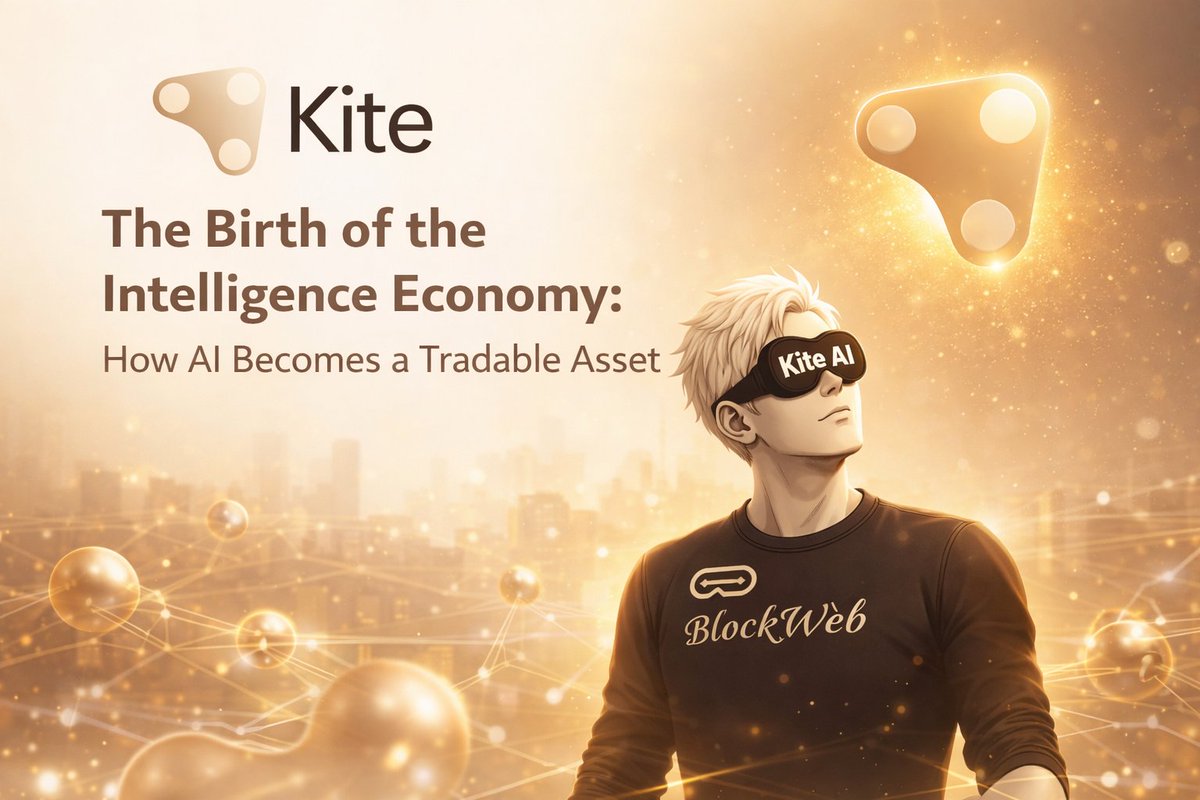
𝗧𝗵𝗲 𝗕𝗶𝗿𝘁𝗵 𝗼𝗳 𝘁𝗵𝗲 𝗜𝗻𝘁𝗲𝗹𝗹𝗶𝗴𝗲𝗻𝗰𝗲 𝗘𝗰𝗼𝗻𝗼𝗺𝘆: 𝗛𝗼𝘄 𝗔𝗜 𝗕𝗲𝗰𝗼𝗺𝗲𝘀 𝗮 𝗧𝗿𝗮𝗱𝗮𝗯𝗹𝗲 𝗔𝘀𝘀𝗲𝘁 As we’re entering the Intelligence Economy, AI in this world, is no longer just a tool. It becomes a tradable asset. An AI agent can solve a task, charge for it, get paid instantly, and prove what it did on-chain. On Kite this is possible because everything is structured for it. Kite @GoKiteAI is building a new kind of blockchain designed for AI where agents, data, and models don’t just exist… they earn. 𝐎𝐧 𝐊𝐢𝐭𝐞: 🪁 Agents can perform real tasks and receive payments 🪁 Data providers can upload datasets and earn when used 🪁 Builders can deploy AI models and set their own pricing All usage is tracked transparently so rewards go to the right contributors. For example, an AI agent that analyzes markets or fetches data can charge per request using stablecoins automatically. No middlemen. No manual billing. This is why Kite changes everything. It turns intelligence into something ownable, measurable, and monetizable powering a future where AI agents don’t just think, they participate in the economy. 𝐋𝐞𝐚𝐫𝐧 𝐦𝐨𝐫𝐞 𝐚𝐛𝐨𝐮𝐭 𝐊𝐢𝐭𝐞: ➔ Follow Kite X @GoKiteAI ➔ Join Kite Discord discord.gg/gokiteai ➔ Check Kite Website gokite.ai ➔ Kite X Community: x.com/i/communities/… .
BlockWeb tweet media
English
17
2
36
130
MD RIFAT
MD RIFAT@RIFAT5666·
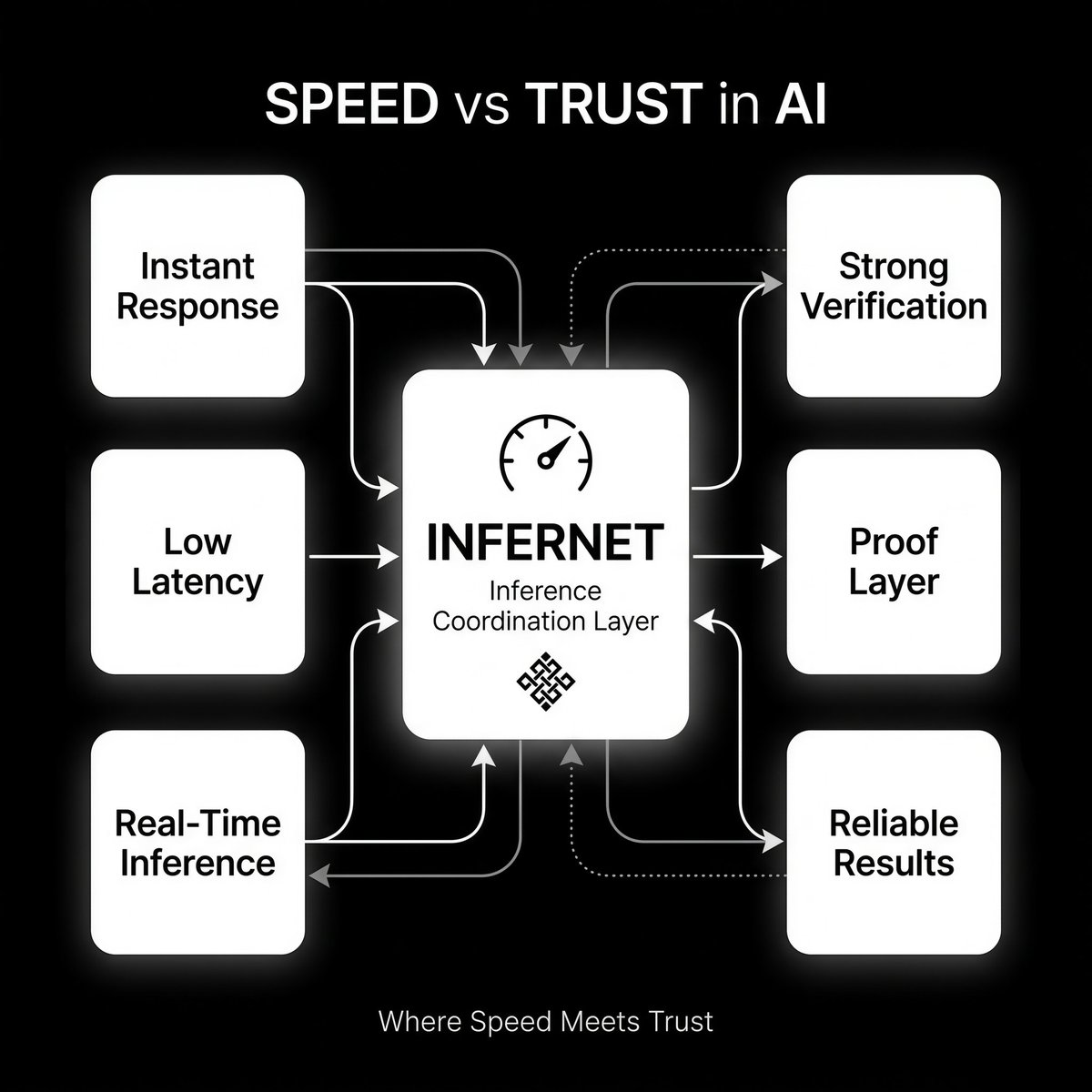
𝗠𝗼𝘀𝘁 𝗔𝗜 𝘀𝘆𝘀𝘁𝗲𝗺𝘀 𝗮𝗿𝗲 𝗯𝗼𝗴𝗴𝗲𝗱 𝗱𝗼𝘄𝗻 𝗯𝘆 𝗮 𝗰𝗼𝗺𝗽𝗹𝗲𝘅 𝗾𝘂𝗲𝘀𝘁𝗶𝗼𝗻: Do you want the answer now, or do you want proof that the answer is reliable?  Fast output is attractive to users, but speed alone does not guarantee reliability. Latency and verification serve as conflicting goals in AI infrastructure. Reduced latency makes the system feel smoother, and strong verification limits the opportunity for manipulation or falsification of results. @ritualnet’s Infernet does not view this conflict as a permanent two-way street. Its design creates an integrated framework for handling inference requests according to the needs of each situation. Infernet supports multiple inference services and request flows, and optionally adds a proof mechanism to ensure computational authenticity where necessary. 𝗧𝗵𝗲 𝗸𝗲𝘆 𝗾𝘂𝗲𝘀𝘁𝗶𝗼𝗻 𝘁𝗵𝗲𝗿𝗲𝗳𝗼𝗿𝗲 𝗯𝗲𝗰𝗼𝗺𝗲𝘀 𝗿𝗲𝗹𝗲𝘃𝗮𝗻𝘁: when is speed enough, and when is higher certainty of the result essential? Not every use case is at the same risk. Some requests can be handled with limited verification, while others require more rigorous proof before trust can be placed. Getting answers quickly means solving the problem and moving forward. Verification is the second layer where the stability of the work is checked. Eliminating this layer increases speed, but increases reliance on assumptions. If you want full guarantees in every case, the system becomes cumbersome.  The intelligent path is not to choose one side forever, but to build an infrastructure capable of handling both needs. Infernet indicates that balance, where there is neither distrust nor practical difficulties, but rather a smooth combination of the two, understanding the situation. @ritualfnd @joshsimenhoff @Jez_Cryptoz
MD RIFAT tweet media
MD RIFAT@RIFAT5666

gRitual 💚 Most applications of AI in the crypto ecosystem are still limited to the mechanical addition stage. A model is run separately outside of the system, returns a result, and applications have to trust that result. This is where Ritual aims to make a difference. The @ritualnet Network is not just adding AI as an additional feature to decentralized applications.  It is building an infrastructure where models can be implemented as an integral part of the logic. Through Infernet technology, smart contracts can be served by AI across a decentralized network of nodes, rather than relying on a single closed server. Ritual’s tooling also supports workflows, model services, artifact management, and integrity layers where verification is critical. The opportunities that this creates are vastly greater than ever before: AI in the crypto world is no longer an opaque auxiliary tool, but is transformed into a programmable infrastructure. In my view, this is the beginning of a real change. This is not a slogan of (AI plus blockchain). Rather, it is a reality where on-chain applications gain access to models, computations, and verification in a way that is natural and consistent with the entire technology layer. @ritualfnd @joshsimenhoff
English
14
0
17
57
Danial
Danial@DanialC32129·
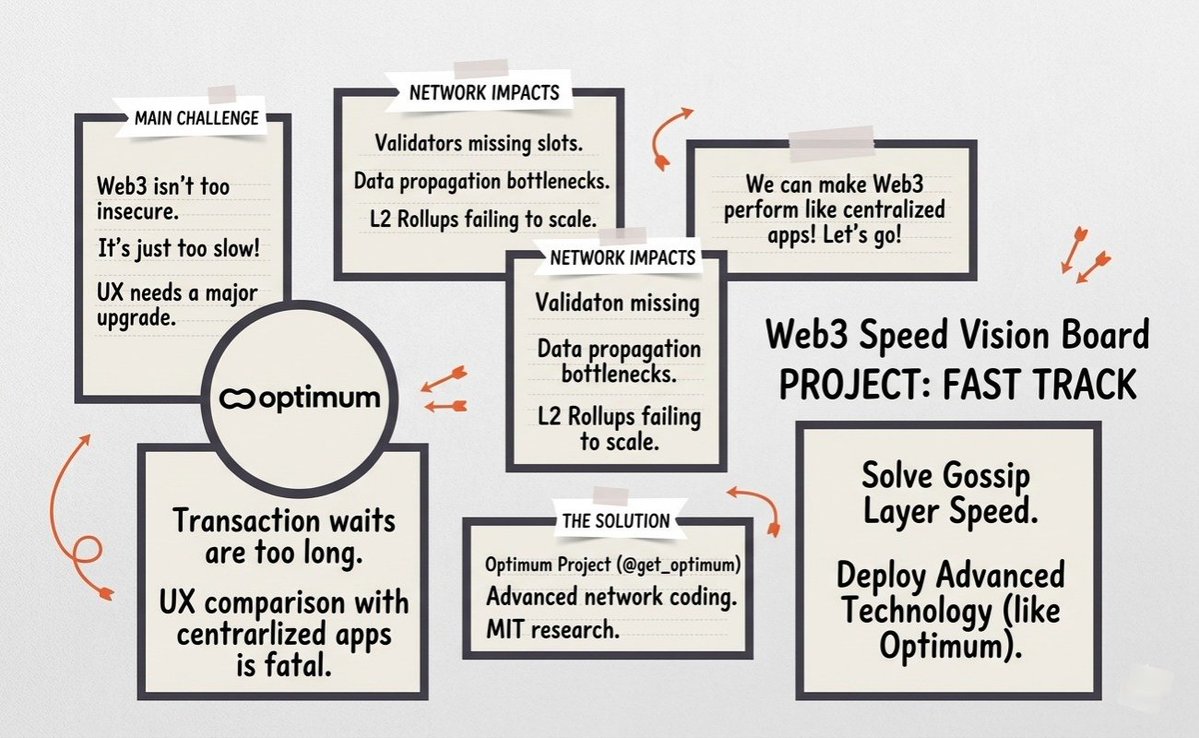
𝗧𝗵𝗲 𝗕𝗶𝗴𝗴𝗲𝘀𝘁 𝗣𝗿𝗼𝗯𝗹𝗲𝗺 𝗶𝗻 𝗪𝗲𝗯𝟯 𝗜𝘀𝗻'𝘁 𝗦𝗲𝗰𝘂𝗿𝗶𝘁𝘆 ! 𝗜𝘁'𝘀 𝗦𝗽𝗲𝗲𝗱 Everyone in the crypto space focuses a lot on security, and that makes sense. However, there is an important truth that many infrastructure builders are not discussing: the biggest barrier to mainstream Web3 adoption today is not hacks or scams , it is speed. When a user sends a transaction and has to wait for confirmation, each second feels slow. During that time, users naturally compare it to centralized apps, where everything happens instantly. This creates a poor user experience. Network delays also create deeper problems. When validators miss their slots because of slow data propagation, it reduces the reliability of the whole system. In Layer 2 rollups, if there are delays in blob propagation, the expected scalability improvements do not work well in reality. @get_optimum is one of the few projects addressing this issue seriously. it uses advanced network coding methods, based on research from MIT, to improve the gossip layer , where speed is most important. The Web3 community should focus more on improving speed infrastructure. Optimum shows the kind of core technology development that can truly help Web3 grow. @get_optimum @blockchainjeff
Danial tweet media
English
18
0
21
72
Mohammed Asif
Mohammed Asif@stupidoasif·
Regulated futures on a crypto asset are not only trading vehicles they're also infrastructure. When the futures on regulated assets are made available, institutional allocators have a path to access. This is not about the increased comfort with the underlying asset this is about compliance. Custody, counterparty risks, investment guidelines futures contracts tick all the boxes without the need for touching the underlying token. The sequence in which the regulatory approval happens should be paid attention to here. By introducing regulated futures on the token, a six month clock starts ticking. Post six months, the ETF filing process would no longer require the same level of individual review as under current standards by the SEC. The idea of yield producing structures in an ETF filing on the asset should not be overlooked either. The notion of earning yields on top of the price exposure makes the conversation different this becomes an incomd producing asset rather than pure speculation. None of the above guarantees anything. However, what we see with regards to the infrastructure built on certain blockchain networks resembles what happened with commodities ten years ago before those assets became allocation options. @injective is one of the very few platforms in which such an entire ecosystem regulated futures, ETF filing activity, and institutional validators is coalescing simultaneously. Worth keeping an eye on over the coming months.
Mohammed Asif tweet media
English
15
1
16
59
ASH_Web3
ASH_Web3@web3_ash·
𝐑𝐢𝐭𝐮𝐚𝐥 𝐢𝐬 𝐆𝐢𝐯𝐢𝐧𝐠 𝐁𝐥𝐨𝐜𝐤𝐜𝐡𝐚𝐢𝐧 𝐚 𝐁𝐫𝐚𝐢𝐧 𝐍𝐨𝐭 𝐉𝐮𝐬𝐭 𝐚 𝐒𝐲𝐬𝐭𝐞𝐦 @ritualnet Blockchains today are powerful but they all follow one rule fixed logic in fixed results and that is where the limitation begins. 𝑾𝒉𝒂𝒕 𝒉𝒂𝒑𝒑𝒆𝒏𝒔 𝒘𝒉𝒆𝒏 𝒊𝒏𝒕𝒆𝒍𝒍𝒊𝒈𝒆𝒏𝒄𝒆 𝒆𝒏𝒕𝒆𝒓𝒔 𝒕𝒉𝒆 𝒔𝒚𝒔𝒕𝒆𝒎. AI already exists but it lives outside the chain and cannot be fully trusted or verified inside blockchain environments. 𝑹𝒊𝒕𝒖𝒂𝒍 𝒊𝒔 𝒄𝒉𝒂𝒏𝒈𝒊𝒏𝒈 𝒕𝒉𝒂𝒕 𝒂𝒕 𝒕𝒉𝒆 𝒄𝒐𝒓𝒆 It is building a Layer 1 where AI is not an external tool but a native part of how the system works. This means apps are no longer restricted to simple instructions they can process information adapt to changes and respond in smarter ways. 𝑺𝒐 𝒘𝒉𝒂𝒕 𝒅𝒐𝒆𝒔 𝒕𝒉𝒊𝒔 𝒖𝒏𝒍𝒐𝒄𝒌 Developers can move beyond hardcoded outcomes and build systems that react based on context data and real time conditions. This creates a new type of application where behavior is flexible but still reliable. 𝑰𝒏𝒕𝒆𝒓𝒏𝒆𝒕 𝒎𝒂𝒌𝒆𝒔 𝒕𝒉𝒊𝒔 𝒑𝒐𝒔𝒔𝒊𝒃𝒍𝒆 It connects AI computation with on chain execution so results can be used without breaking trust. Now AI is not just powerful it becomes usable inside decentralized systems. 𝑻𝒉𝒊𝒔 𝒊𝒔 𝒘𝒉𝒆𝒓𝒆 𝒕𝒉𝒆 𝒓𝒆𝒂𝒍 𝒔𝒉𝒊𝒇𝒕 𝒉𝒂𝒑𝒑𝒆𝒏𝒔 • Apps can learn from data before acting • Contracts can adjust instead of staying fixed • Systems become adaptive instead of predictable. 𝑻𝒉𝒊𝒔 𝒊𝒔 𝒃𝒊𝒈𝒈𝒆𝒓 𝒕𝒉𝒂𝒏 𝒊𝒕 𝒍𝒐𝒐𝒌𝒔 It is not about adding AI to blockchain it is about redefining what blockchain can do. 𝑹𝒊𝒕𝒖𝒂𝒍 𝒊𝒔 𝒃𝒖𝒊𝒍𝒅𝒊𝒏𝒈 𝒂𝒕 𝒕𝒉𝒂𝒕 𝒇𝒐𝒖𝒏𝒅𝒂𝒕𝒊𝒐𝒏 𝒍𝒂𝒚𝒆𝒓 When the foundation changes everything built on top evolves with it. So the real question is not what Ritual is. It is how big this shift will become
ASH_Web3 tweet media
English
40
0
48
189
Ari 🥀
Ari 🥀@Ari_qen1·
New morning, new chance Go easy on yourself and still give it your best 💜
Ari 🥀 tweet media
English
49
1
57
305