Dami Ajayi@JollyPaps1
By publishing the restored feature film Iya Ni Wura (originally released in 1984), the estate of the charismatic travel theatre actor turned filmmaker Adeyemi Afolayan, popularly known as Ade Love, has bridged at least two generations. Millennials and Gen Z film enthusiasts who were too young when Ade Love passed away at 56 in 1996 can watch at least one of his films on YouTube. The older generation can also reflect on what early Yoruba cinema looked like and on its similarities with Yoruba travel theatre and popular music traditions.
In a recent post on X, I wrote about how the great thespian Herbert Ogunde is often remembered for his films and plays, but little is said about his music and his vibrant band, which once included an all-women horn section. Remembering Ade Love’s legacy as a lead actor, scriptwriter, director, producer and composer has been the effort of his family, not the Nigerian state. At the forefront of this is Kunle Afolayan, a leading filmmaker in his own right, who corrected a viral X tweet about the first lead actor to play identical twins in a Nollywood film.
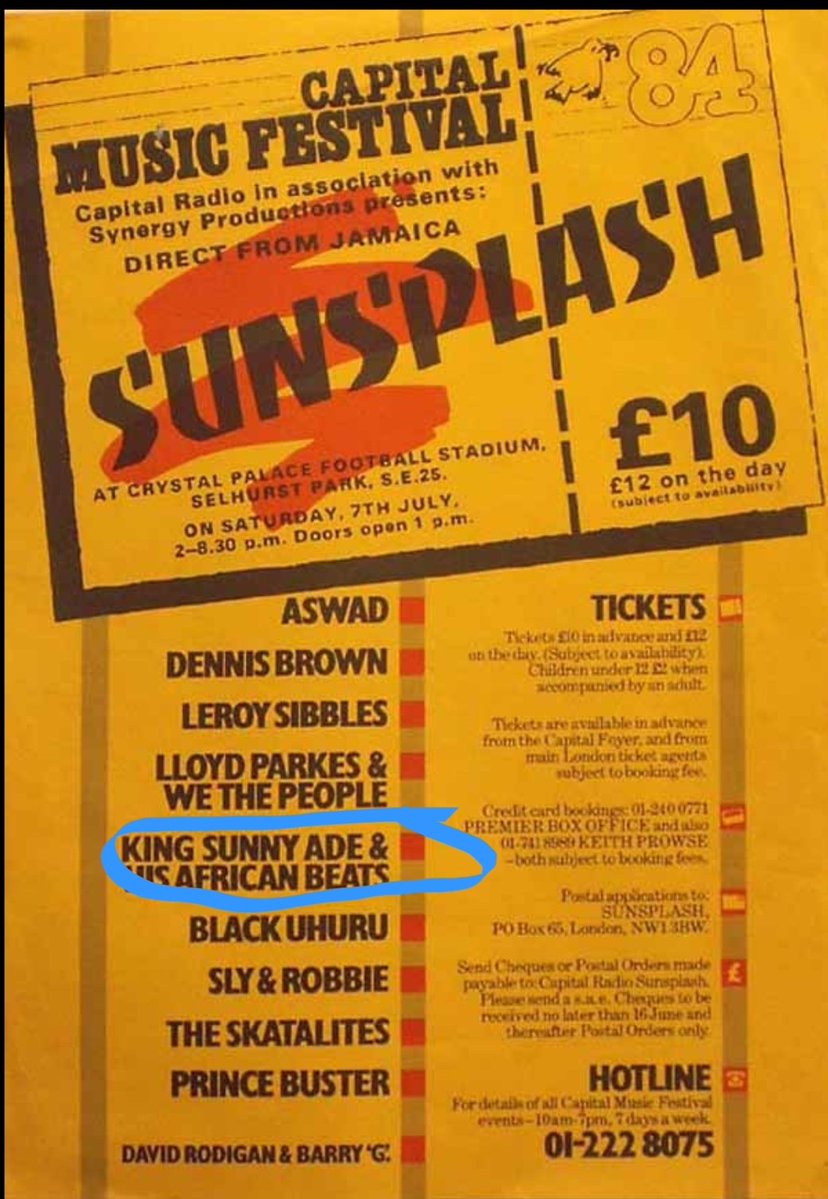
It was not Ramsey Nouah in Tade Ogidan’s Dangerous Twins; it is Ade Love in Iya ni Wura. Like most films of its time, as Professor Akin Adesokan opined, Nigerian cinema of this period, Iya ni Wura, is “...heavy on dialogue and histrionics, and invested in supernatural themes”. I think it succeeds in its medley of interlocking social commentaries on the conflict between tradition and modernity, as well as on the metaphysical aspects of the twinning phenomenon among the Yoruba. It is also steeped in the social realism of the floundering postcolonial nation that was Nigeria in the 1980s. The conflict between record label owner illustrates this and his most popular musician staged both in the courtroom and elsewhere. The famous battle between Sunny Ade and his label boss Chief Abioro of Take Your Choice records may have been Ade Love’s source of inspiration.