[ilene]

2.4K posts

[ilene] banner
[ilene]

[ilene]

@ifperry

growth mindset enthusiast; worried optimist 🦄🦦🌱🌞

DC เข้าร่วม Aralık 2006
4.5K กำลังติดตาม1.1K ผู้ติดตาม
ทวีตที่ปักหมุด
[ilene]
[ilene]@ifperry·
The Dancing Auroras of Saturn Image Credit: NASA, Cassini, VIMS Team, U. Arizona, U. Leicester, JPL, ASI apod.nasa.gov/apod/ap210627.…
[ilene] tweet media
English
1
1
2
0
[ilene] รีทวีตแล้ว
Maria Popova
Maria Popova@themarginalian·
"The mind narrates what the nervous system knows. Story follows state." Polyvagal theory and the neurobiology of connection – the fascinating science of rupture, repair, and reciprocity themarginalian.org/2024/05/31/pol…
English
6
114
684
42K
Agingdoc🩺Dr David Barzilai🔔MD PhD MS MBA DipABLM
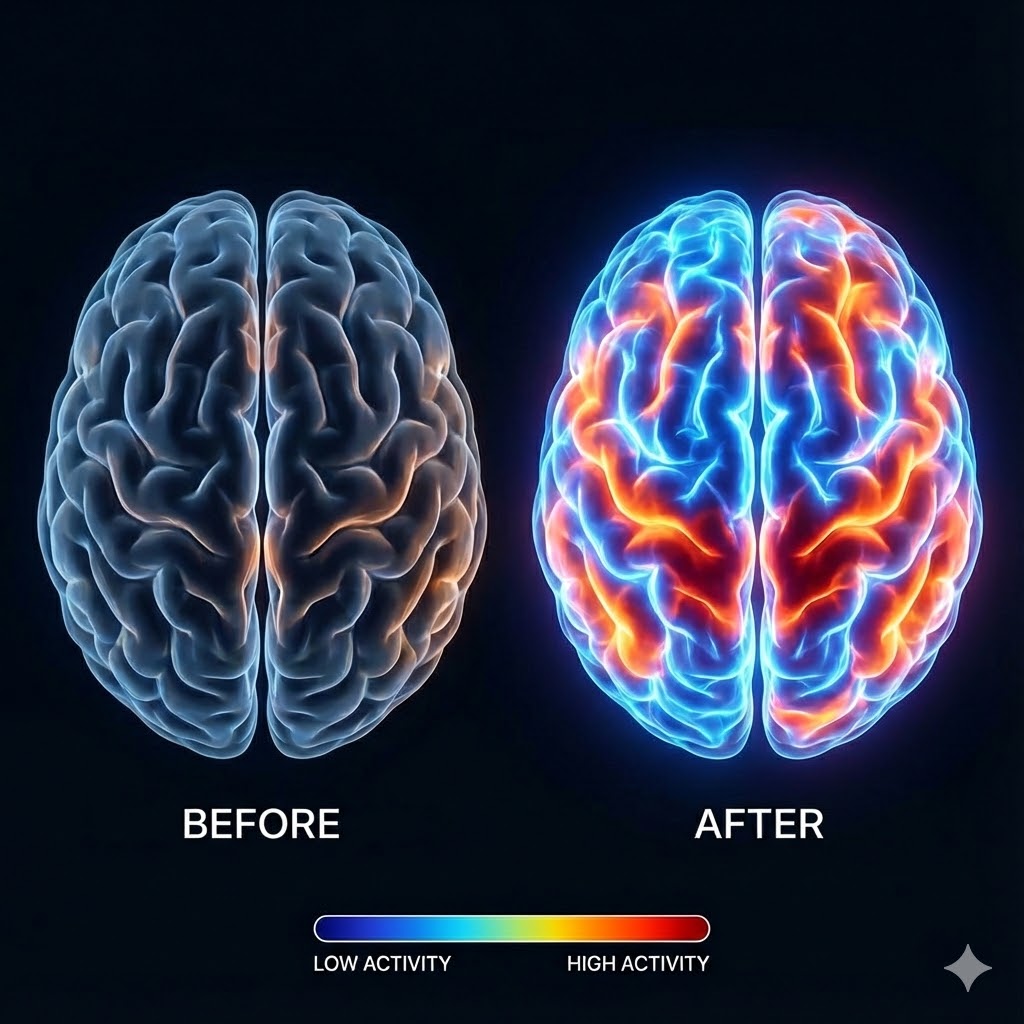
Scientists just did something wild with light and Alzheimer’s. Not a pill. Not gene editing. A flickering red OLED panel. Instead of simply slowing decline, this light restored memory in Alzheimer’s-model mice—and started clearing out the brain’s toxic buildup at the same time. Over just days of exposure, the brain began to change. In the study, researchers built a precisely controlled OLED light system. → They could fine-tune color, brightness, flicker frequency, and exposure time. → Then they asked a simple question: can light alone improve Alzheimer’s brain changes and memory? They tested multiple colors under the exact same conditions: → Same 40 Hz “gamma” flicker → Same brightness → Same exposure schedule One color stood out from the rest: → Red light at 40 Hz. It didn’t just shine differently. It behaved differently in the brain. In early-stage Alzheimer’s model mice: → Just 1 hour a day of flickering light for 2 days → Memory performance improved on behavioral tests → White and red light both helped behaviorally… → But red light went further—deep into brain chemistry. Inside memory-related regions like the hippocampus: → Toxic amyloid-β plaques were reduced → A helpful “cleanup” enzyme (ADAM17) increased → Harmful inflammatory signals, like IL-1β, dropped Short exposure. Measurable brain repair. Then the team raised the difficulty: More advanced Alzheimer’s models. More entrenched pathology. Same precise light platform. Same 40 Hz flicker. This time the difference was even clearer: → Only red light produced a strong, statistically solid improvement in brain pathology → After 2 weeks, both white and red improved memory behavior… → But only red light drove meaningful plaque reduction inside the brain At the molecular level, red light shifted two critical levers: → It boosted ADAM17—the enzyme that helps clear amyloid → It reduced BACE1—the enzyme that helps create amyloid Translation: Red light wasn’t just mopping up the mess. It was also turning down the faucet. To understand what was happening in real time, the team looked at brain activity markers. Red light didn’t just stimulate the eyes. It activated a whole visual–memory pathway: → Visual cortex → thalamus → hippocampus This suggests the light was: → Entering through the visual system → Driving rhythmic activity in memory circuits → Helping re-engage networks that Alzheimer’s usually shuts down Here’s the paradox: → We usually think of Alzheimer’s treatment as drugs, infusions, and molecular tweaks. → This study shows you can shift behavior, pathology, AND molecular pathways… with light alone. And the hardware matters. This wasn’t a giant hospital machine. The platform was: → OLED-based (similar tech to modern screens) → Designed to spread light evenly without heating the tissue → Tunable in real time: color, brightness, flicker, exposure That makes something very specific possible: → Future wearable red-OLED “electroceuticals”—caps, visors, or glasses that deliver therapeutic light during daily life. Using light as therapy sounds almost sci-fi—but this work makes it concrete: → Changes in memory behavior → Changes in plaque load and inflammation → Changes in key enzymes that control whether amyloid builds up or breaks down All from carefully tuned red light. The point isn’t: → “Red light cures Alzheimer’s.” These are animal models, early-stage data, and not a ready-made treatment for humans. The real takeaway is deeper: → The brain is more programmable than we thought. → Color, frequency, and timing of light can nudge brain circuits and disease pathways. → Therapy might one day look less like a prescription bottle… and more like putting on the right device at the right time. If this line of research keeps progressing, we may be headed toward a new category of medicine: → Not just pharmaceuticals. → Not just devices. → Light-based neuro-therapies that reboot memory circuits instead of only trying to patch them. Alzheimer’s has long been a story of loss. This study suggests a different possibility: With the right kind of light, at the right rhythm, the brain might not just fade—it might fight back.
Agingdoc🩺Dr David Barzilai🔔MD PhD MS MBA DipABLM tweet media
English
63
809
2.9K
197.1K
[ilene] รีทวีตแล้ว
Karl Mehta
Karl Mehta@karlmehta·
A $0.15 amino acid just outperformed prescription sleep meds. 3g before bed = better cognition & alertness than 8hrs normal sleep. Double-blind trial. No side effects. Here's what 99% of doctors don't tell you:
Karl Mehta tweet media
English
69
323
1.9K
317.4K
[ilene] รีทวีตแล้ว
Yoko Ono
Yoko Ono@yokoono·
IMAGINE Imagine all the people living life in peace.
English
266
1.5K
9.7K
196.1K
[ilene] รีทวีตแล้ว
DAN KOE
DAN KOE@thedankoe·
By the time you graduate school, your mind is trapped in a little box. But you want more. You're curious. You have multiple interests. You don't want to take the same path as everyone else. Here's how you win when AI threatens creative work: thedankoe.com/letters/how-to…
English
128
42
487
67.4K
[ilene] รีทวีตแล้ว
UN Biodiversity
UN Biodiversity@UNBiodiversity·
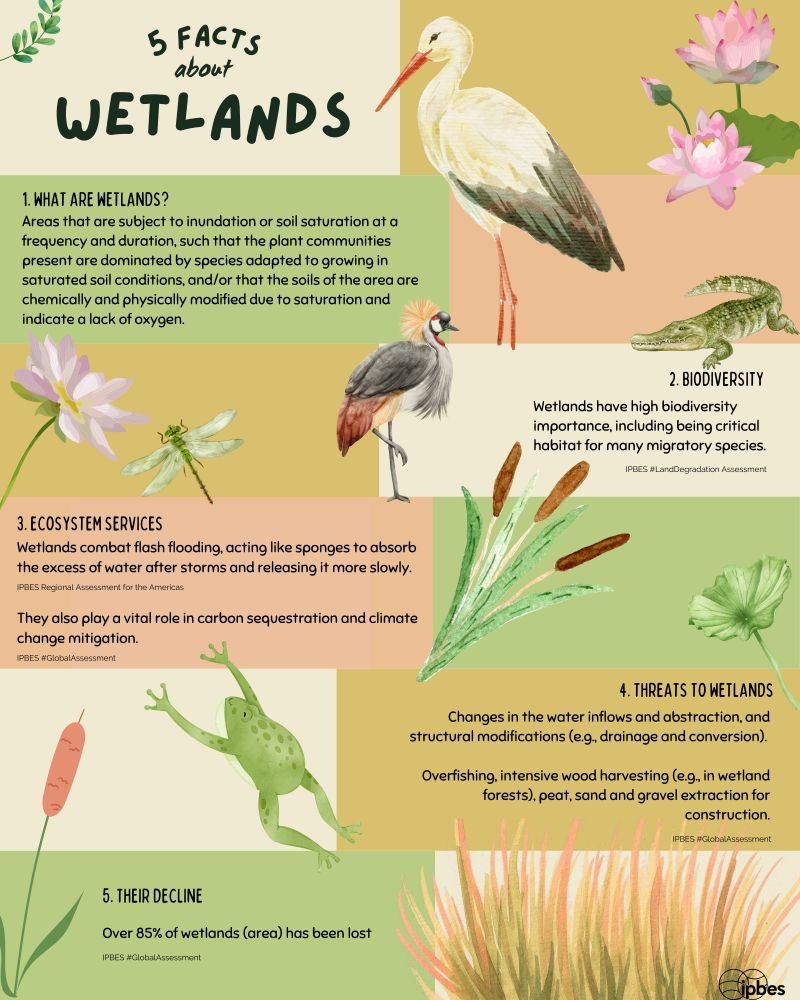
Wetlands provide crucial ecosystem services, combat flooding, & support high #biodiversity! 🦗 But they're disappearing fast: over 85% of the world's wetlands have already been lost. Here are 5 key facts about these ecosystems.⬇️ via @IPBES
UN Biodiversity tweet media
English
2
93
211
6.9K
[ilene] รีทวีตแล้ว
UN Biodiversity
UN Biodiversity@UNBiodiversity·
Essential Ways #Trees Help 🌍 🌳Trees provide food 🌳Trees protect the land 🌳Trees help us breathe 🌳Trees provide shelter and shade 🌳Trees encourage biodiversity 🌳Trees provide sustainable wood 🌳Trees conserve water Reverse #deforestation👇 via @1TrillionTrees
UN Biodiversity tweet media
English
20
446
775
28.1K
[ilene] รีทวีตแล้ว
Positively Present
Positively Present@positivepresent·
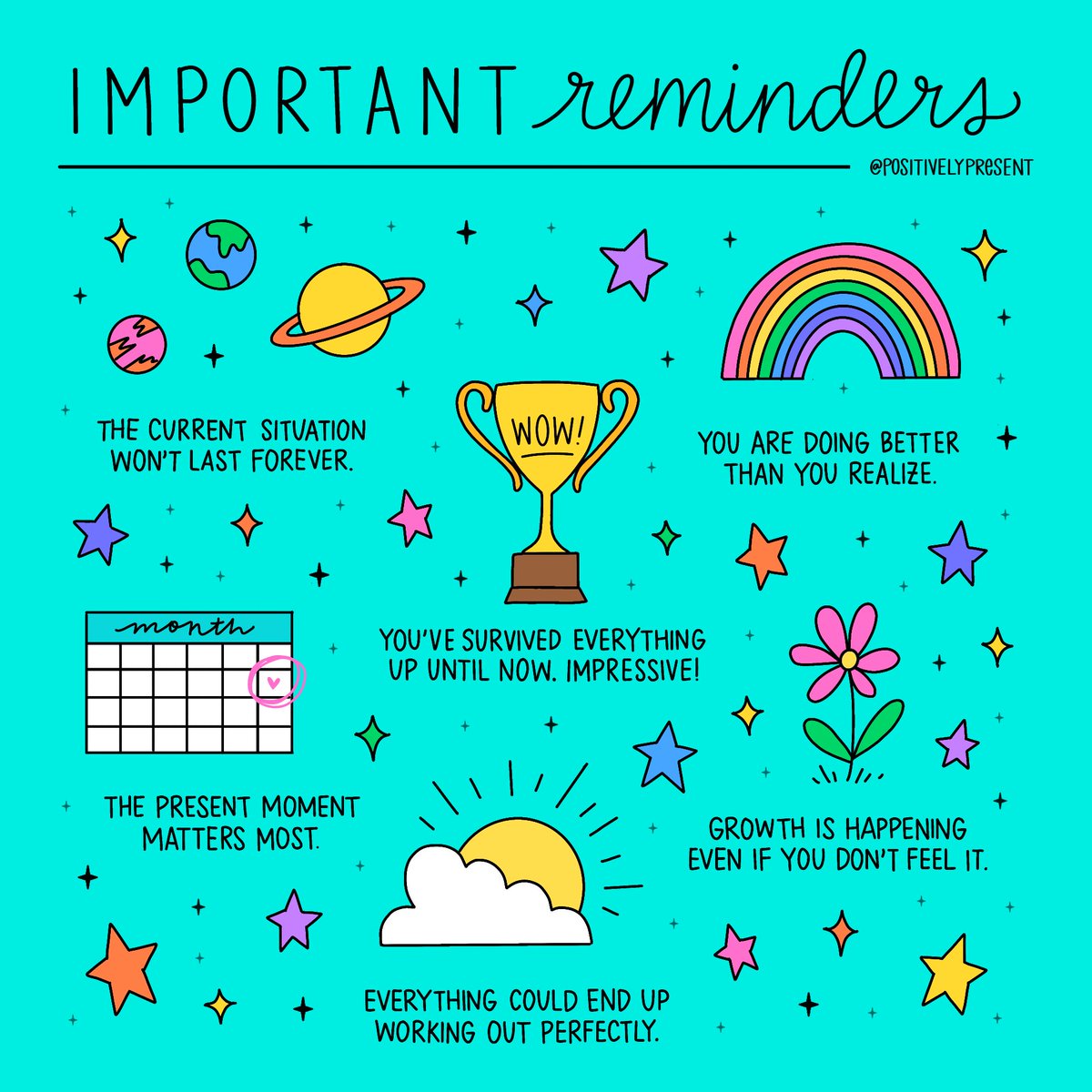
Important reminders!
Positively Present tweet media
English
4
257
619
49.2K
[ilene] รีทวีตแล้ว
Yoko Ono
Yoko Ono@yokoono·
WISH TREE FOR YOKO ONO wishtreeforyokoono.com To celebrate Yoko Ono’s 90th birthday on 18 Feb 2023, @SeanOnoLennon has made a virtual Wish Tree for people all over the world to post their wishes online and (in association with @OneTreePlanted) plant real trees in Yoko’s honor.
English
60
160
702
278.4K
[ilene] รีทวีตแล้ว
Positively Present
Positively Present@positivepresent·
Love. Create. Inspire. 💕 #MadeoniPad
Positively Present tweet media
English
0
38
114
41.5K
Josh Trebach, MD
Josh Trebach, MD@jtrebach·
HOW MUCH CHOCOLATE CAN YOU EAT BEFORE YOU DIE? 🍫Chocolate contains theobromine, the lethal dose = ~1000mg/kg 🍫Milk chocolate bar = ~64mg theobromine 🍫Average adult weight ~80kg So u would need to eat 1250 milk chocolate bars to die from theobromine tox so don’t worry👍
English
125
119
1.2K
0
[ilene] รีทวีตแล้ว
COVID-19 Drug Interactions
Drug interactions for Paxlovid (nirmatrelvir/ritonavir) are available on our website and app. There are some complicated interactions here, so please be sure to read the accompanying summaries! covid19-druginteractions.org/checker
English
3
68
131
0
[ilene]
[ilene]@ifperry·
@JBSDC Look at the AM temperatures. Roads will be icy when the buses hit the roads and teachers drive to school. Many neighborhoods have not completely cleared roads...
English
0
0
0
0
[ilene] รีทวีตแล้ว
Angela Reiersen, MD, MPE
Angela Reiersen, MD, MPE@AngelaReiersen·
Famotidine needs randomized clinical trials to provide more evidence of its benefit in long COVID. I do suspect it is helpful for many though (I’ve heard multiple stories about its benefits, and about return of cough and other symptoms if doses are missed).
Hannah Davis@ahandvanish

Famotidine (Pepcid) and other combinations of H1 & H2 antihistamines help many with #LongCOVID. Below is an interesting case report on Famotidine being used as a successful treatment of neuropsychiatric COVID symptoms: frontiersin.org/articles/10.33… This is likely MCAS related!
English
3
7
27
0