
EWR,Neighbor
1.4K posts


Most Americans have no idea the U.S. won World War 2 with help from the Mafia.
The real story is wilder than any movie Hollywood ever made about it.
It started in 1938, before America was even in the war.
The German-American Bund was holding Nazi rallies in New York. Thousands of brownshirts. Swastikas hanging next to American flags inside Madison Square Garden. Jewish leaders wanted the rallies stopped but had no legal way to do it.
So a New York State judge named Nathan Perlman quietly picked up the phone and called Meyer Lansky.
He asked Lansky to send gangsters to break up the rallies. Lansky agreed on one condition: no money. He would do it for free, but he refused to take orders not to kill anyone. They compromised. Arms could break. Skulls could crack. No deaths.
For the next year, Jewish mobsters in New York, Newark, Chicago, Minneapolis, and Los Angeles raided Bund meetings, threw Hitler portraits into the street, and beat brownshirts unconscious. Lansky himself led a raid on a rally in Yorkville on April 20, 1938, Hitler's birthday.
Around the same time, Bugsy Siegel boarded a ship to Rome.
He was traveling with Countess Dorothy di Frasso, trying to sell Mussolini a new explosive called atomite that was supposedly more powerful than dynamite. The demonstration flopped. While he was there, Siegel sat at a dinner table across from Hermann Göring and Joseph Goebbels. He was Jewish. He spent the rest of his life saying he should have killed Göring right there at the table.
Then came February 9, 1942.
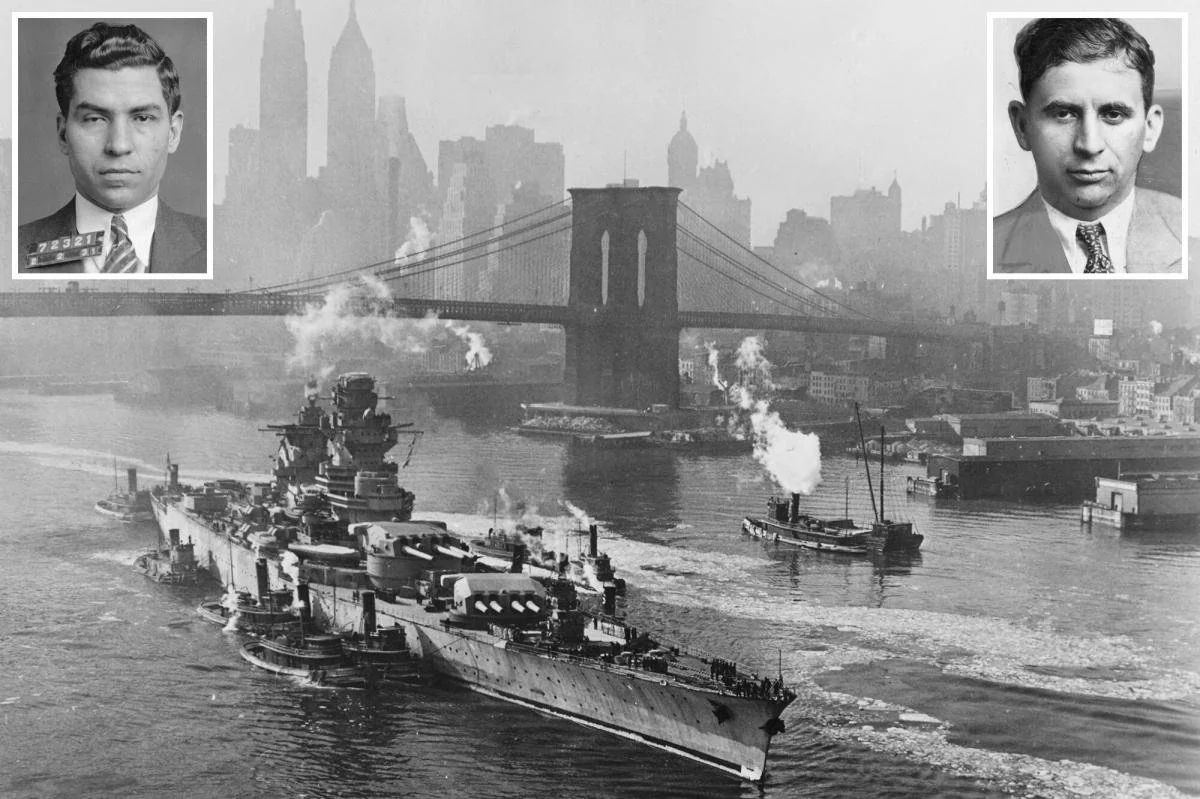
The SS Normandie, a captured French luxury liner being converted into a U.S. troopship, burst into flames at a Manhattan pier and capsized into the Hudson. The official cause was a welder's torch hitting a stack of life preservers. The mob told a different story. Albert Anastasia, head of Murder Inc., and his brother Anthony Anastasio, who ran the longshoremen's union, later claimed they had set the fire on purpose as leverage.
Their offer to the U.S. Navy: free Lucky Luciano, and the entire East Coast waterfront becomes untouchable.
Naval Intelligence took the meeting.
Luciano was six years into a 50-year sentence at Clinton Correctional, a remote prison near the Canadian border. On May 12, 1942, the Navy quietly transferred him to Great Meadow Prison, much closer to New York City, so they could meet him face to face.
Over the next three years, Naval Intelligence officers visited his cell more than 20 times. Meyer Lansky carried the messages in and out. Luciano gave orders from inside the prison walls. Every dock, every fish market, every union local, every fishing boat off Long Island was put under mob protection.
Not a single Allied ship was lost to sabotage on the East Coast for the rest of the war.
Then it got stranger.
When the U.S. planned the invasion of Sicily in 1943, Luciano's network handed over the names of trusted locals on the island. American paratroopers landed carrying yellow silk handkerchiefs with the letter L stitched into them, supposedly so Sicilian mafiosi loyal to Luciano would know they were friendlies. Whether that detail is real or legend is still debated. The handover of names is not.
At the exact same moment, another American mobster was already inside Italy on the other side.
Vito Genovese had fled to Italy in 1937 to escape a murder charge in New York. He cozied up to Mussolini, donated to fascist buildings, and was awarded an Italian knighthood by the dictator himself. From his villa in Italy, in January 1943, Genovese gave the order to assassinate Carlo Tresca, an anti-fascist newspaper editor, on a Manhattan street corner as a personal favor to Mussolini.
Six months later, Mussolini fell. Genovese flipped overnight.
He walked into the American military government in Naples, offered his services as an interpreter, and was hired on the spot. He then used his official AMG position to run the largest black market truck convoy operation in southern Italy, hauling stolen U.S. Army flour, sugar, and olive oil into starving cities. Several U.S. Army officers were on his payroll. He was caught in August 1944 by a single dogged Army CID sergeant named Orange Dickey, who had to fight his own chain of command to get Genovese extradited.
The war ended.
On January 3, 1946, Governor Thomas Dewey, the same prosecutor who had personally put Luciano in prison a decade earlier, signed his clemency papers. Luciano was driven to Pier 7 in Brooklyn, walked up the gangplank of a freighter called the Laura Keene, and shipped to Italy. He was never allowed to set foot in the United States again.
In 1954, Dewey commissioned a state investigator named William Herlands to write a full report on what the Mafia had actually done for the war effort. The 2,600-page report confirmed the entire operation. The Navy then begged Dewey not to release it, on the grounds that admitting any of it would humiliate the United States government.
Dewey agreed. He locked the report in a vault.
It stayed sealed for the next 23 years.
The American public did not learn the full scope of Operation Underworld until 1977, after Dewey was dead, when a writer named Rodney Campbell pried the report loose and published "The Luciano Project."
The U.S. government has still never officially admitted how much of WW2 was won by the men it spent the next 50 years trying to put back in prison.
English

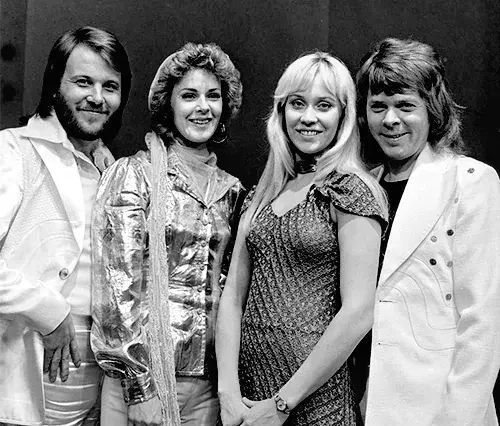
Abba is the name of a well-known Swedish fish-canning company that was formed in 1838.
When the Swedish pop group ABBA negotiated with the canners for the rights to the name, the factory gave its permission, saying, "O.K., as long as you don't make us feel ashamed for what you're doing."
The coolest photos ever taken: bit.ly/4cFoZT1
English


Who is your favorite historical figure from your state?

English
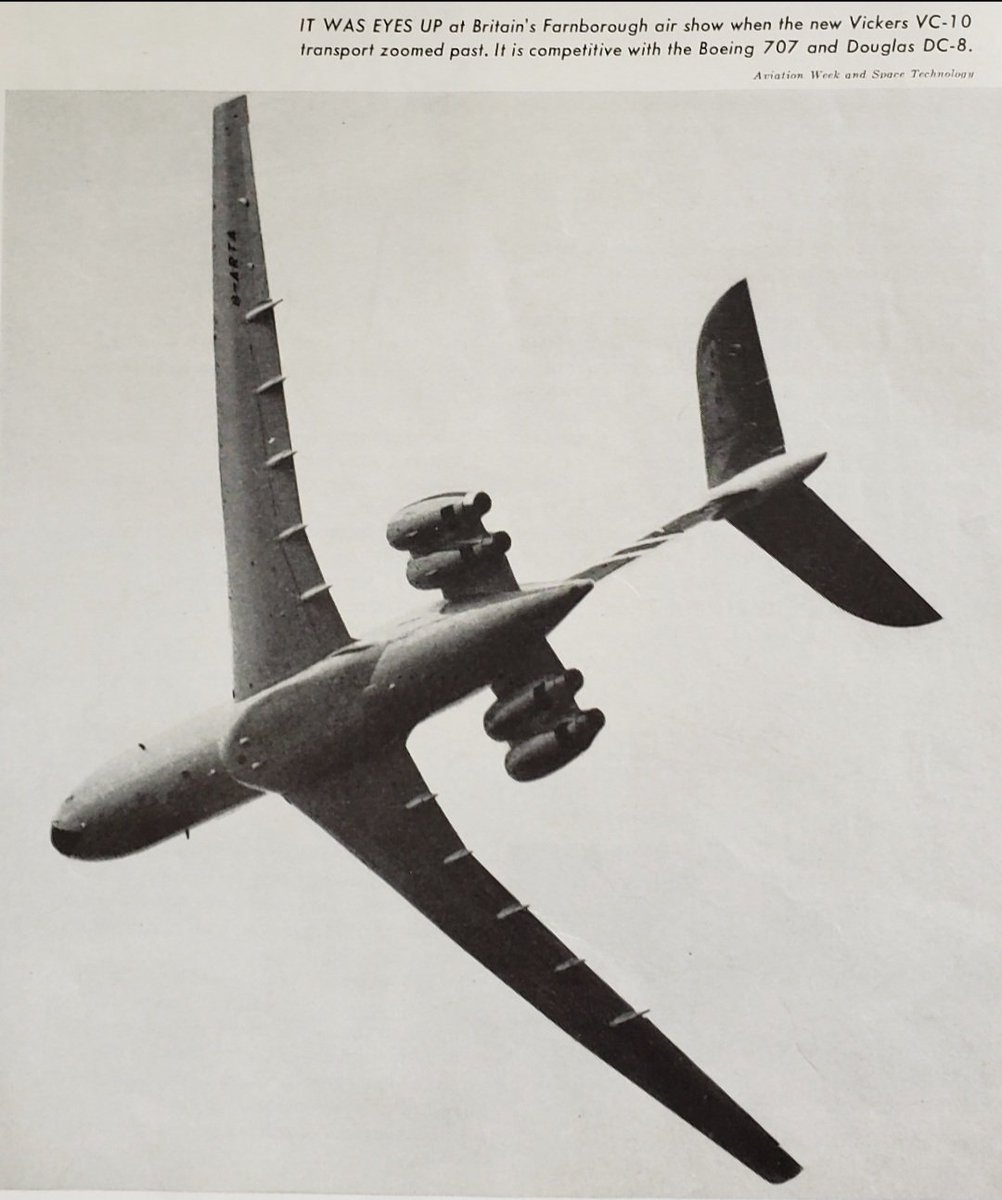
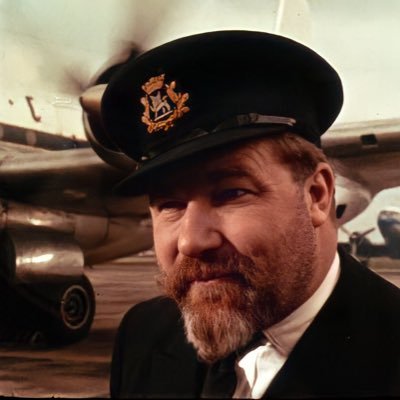
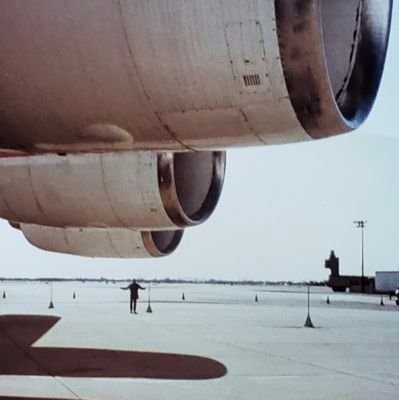
G-ARVM - a legendary airframe…
(White Waltham, 1977)
Max Kingsley-Jones@MaxK_J
@GuyInFlight @adrianfclarke @JohnLStrickland @Tim_the_Pilot @Birdseed501 @scottiebateman @Fly_BOAC @Brabazon2 @TrueVC10derness @nealteamgibson @speedbird_uk And what a wonderful flightdeck… #VC10 (G-ARVM) @BrooklandsMuseu
English
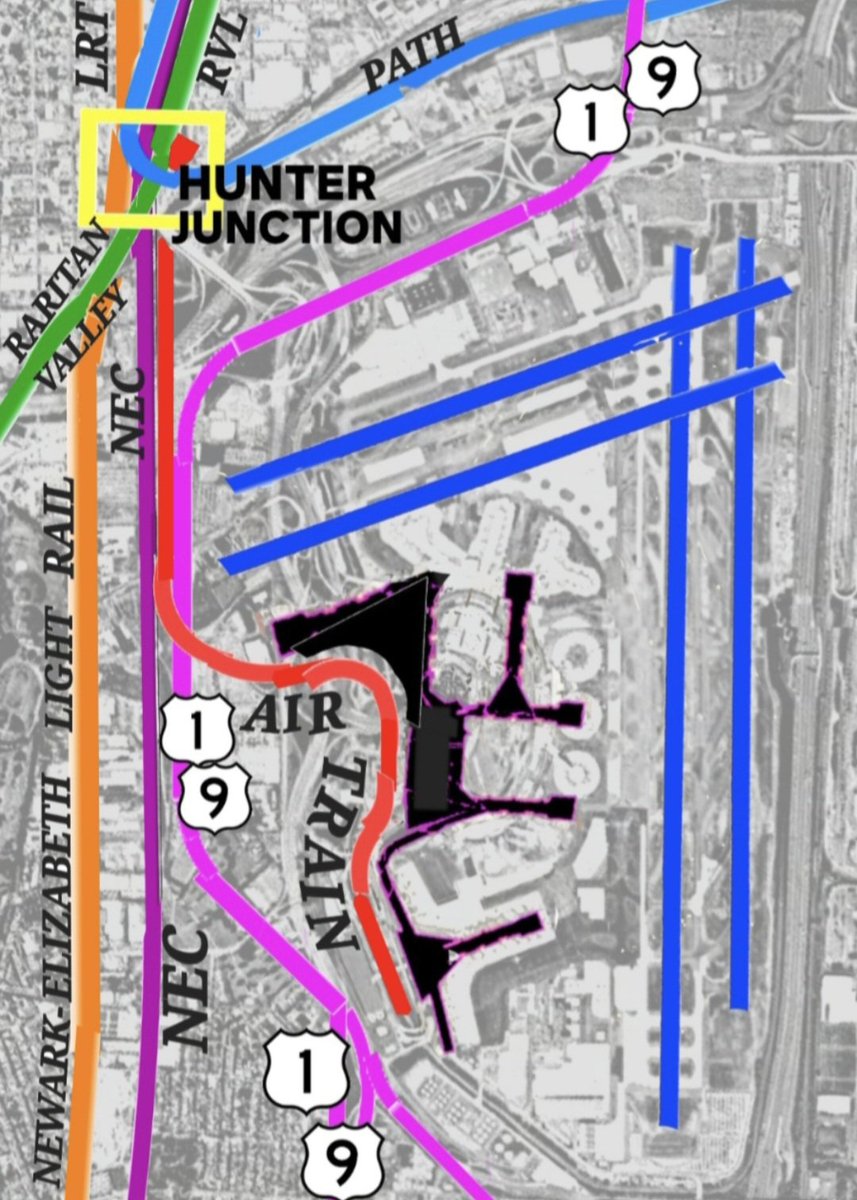
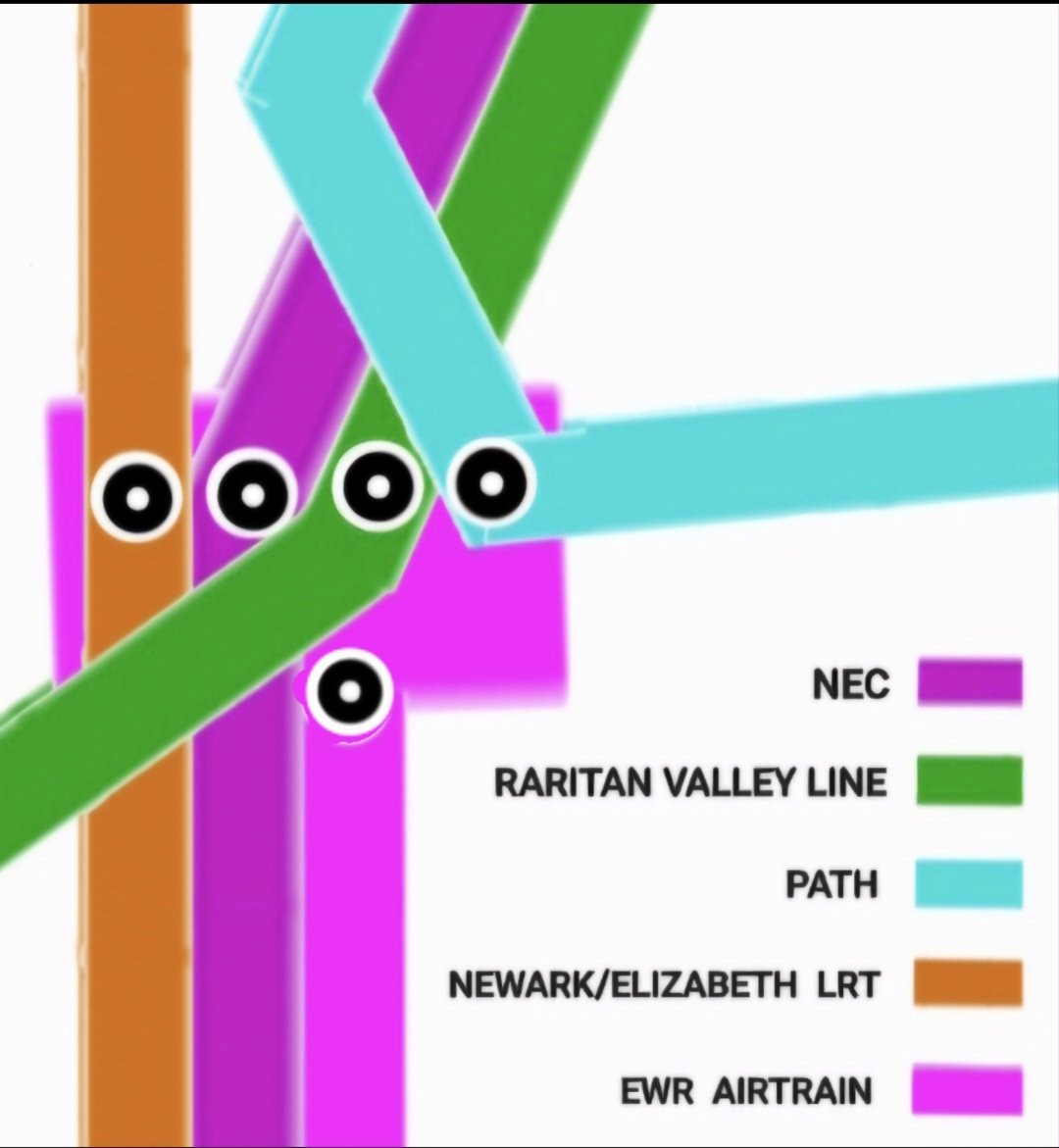
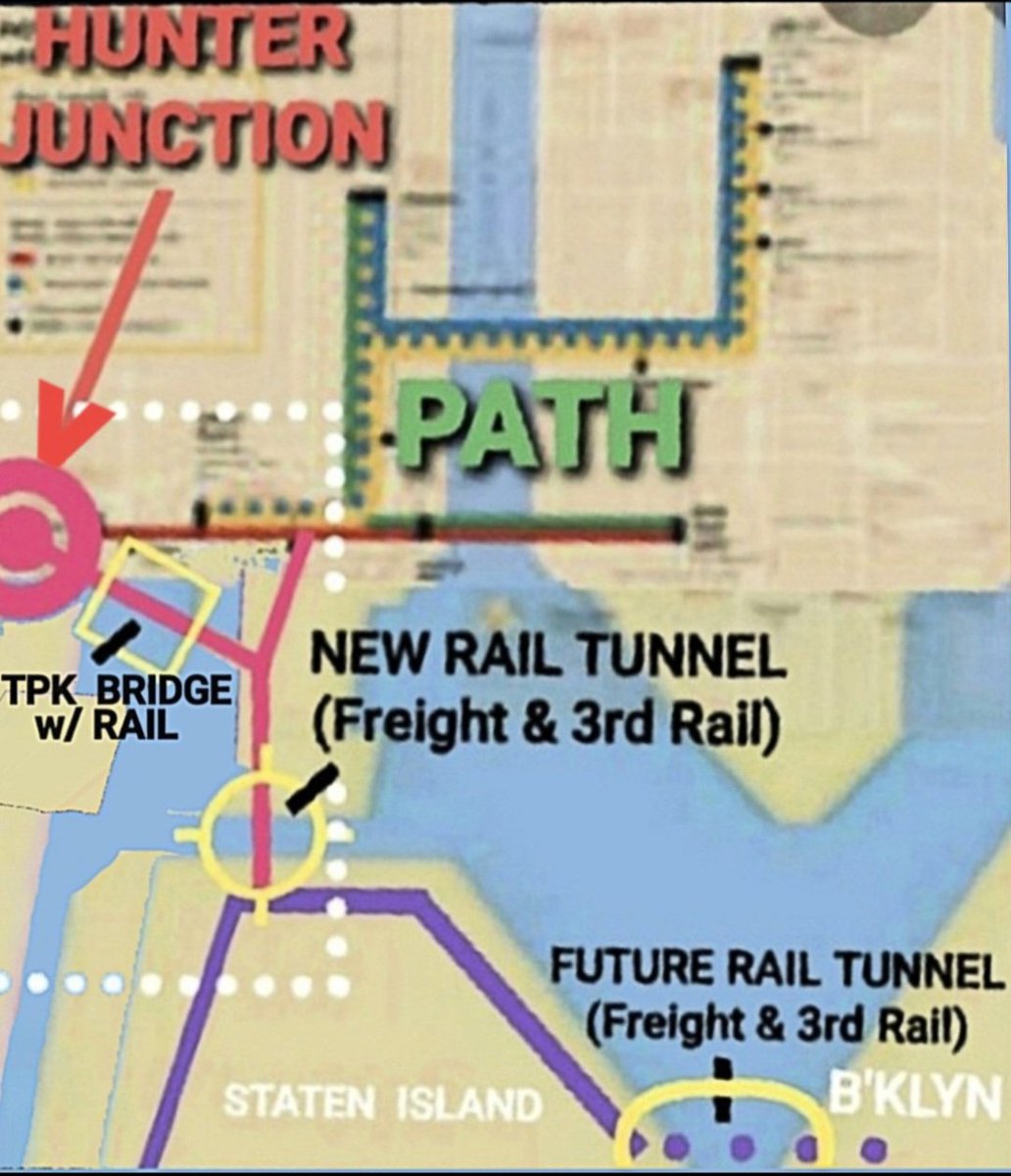
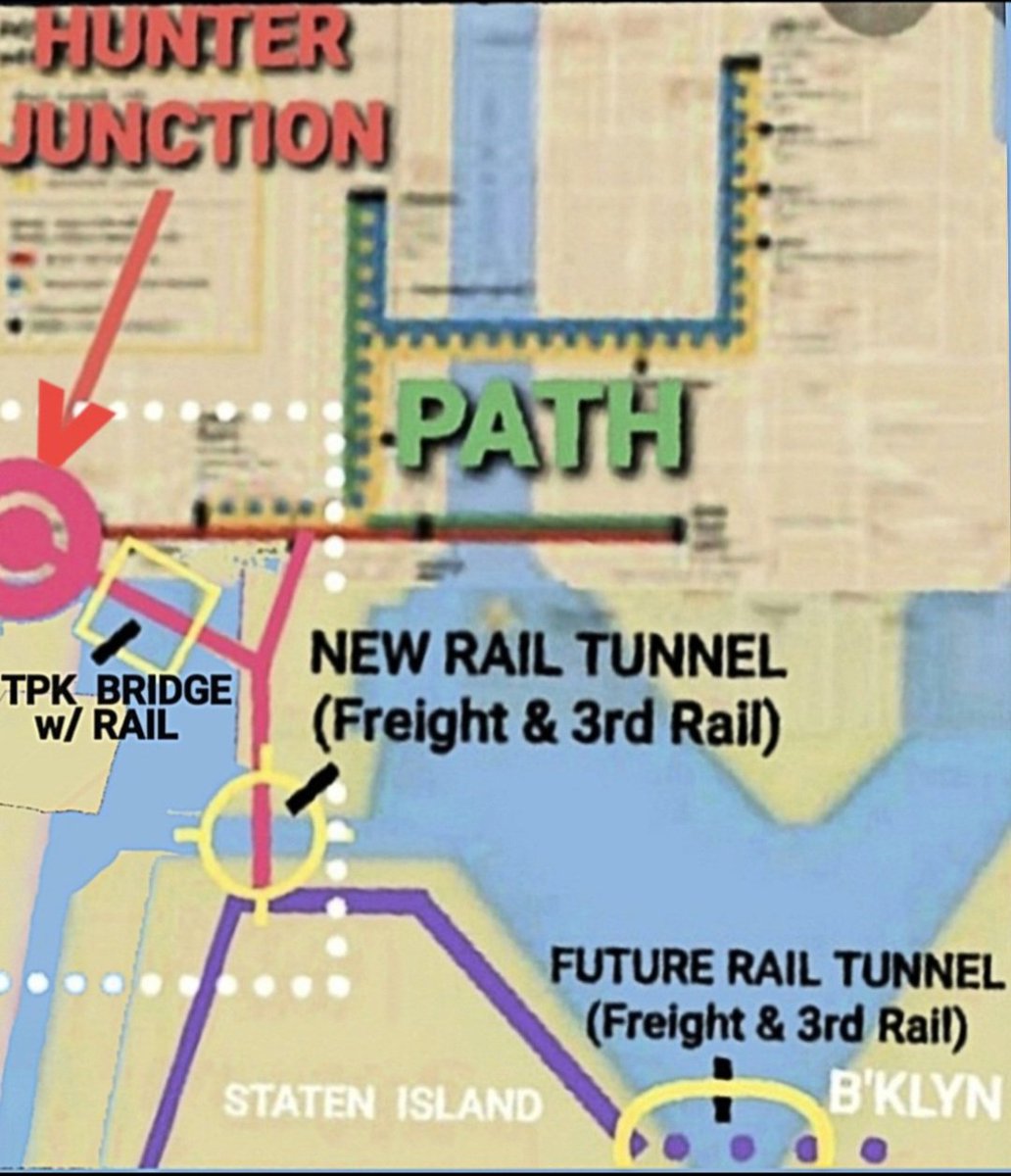
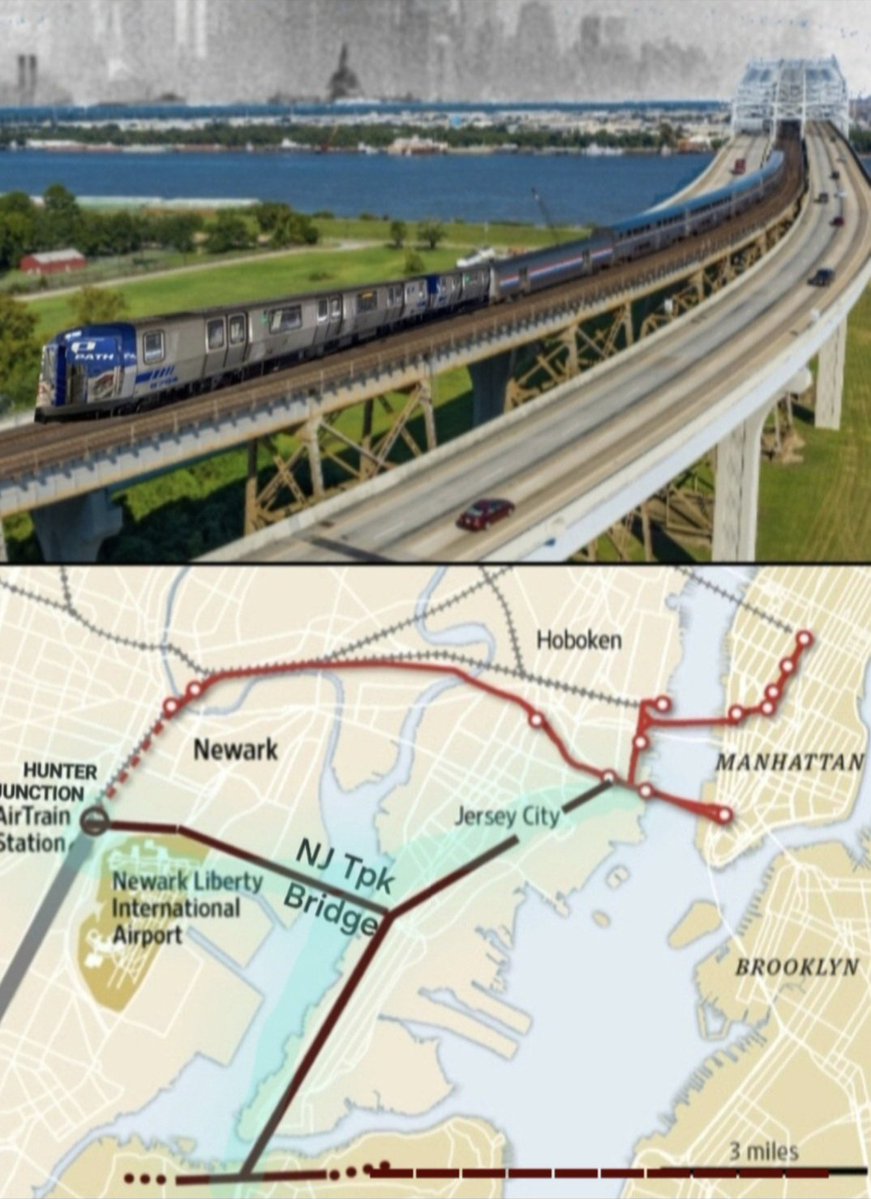
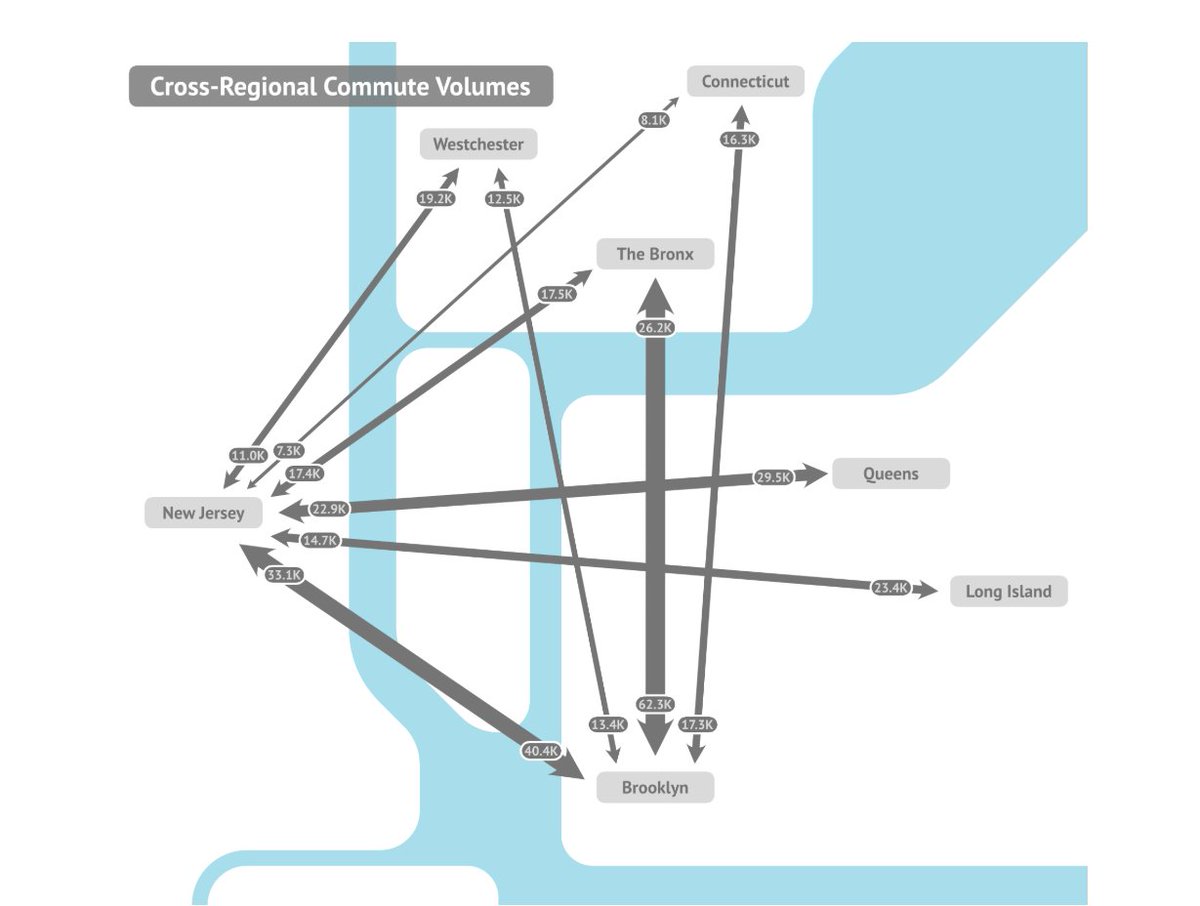
@arpitrage 3rd rail PATH to the IBX would take pressure off NY Penn.
A transit hub at Hunter with a FREE TRANSFER to the Airtrain would do for the 'hood what Jamaica Station does for Queens.


English
NYC crossrail: throughrunning at Penn Station can allow rail to go from Trenton to Stamford; Hudson County to Brooklyn
etany.org/modernizing-ne…


English
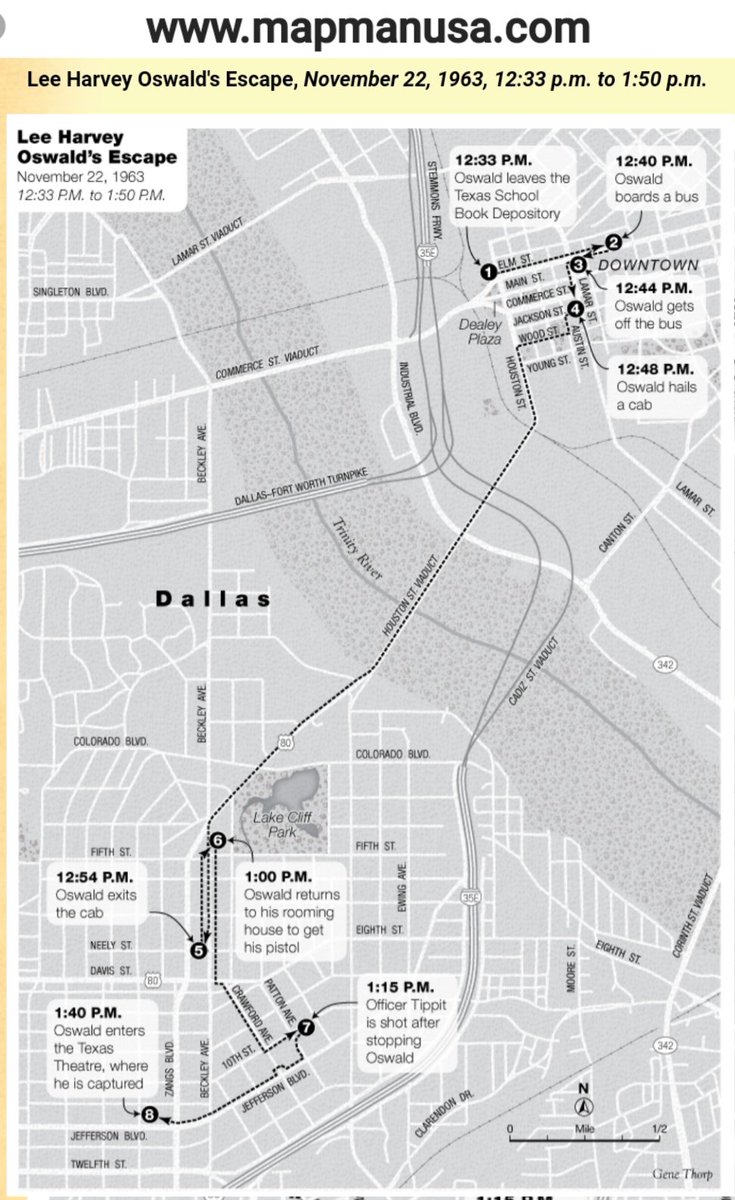
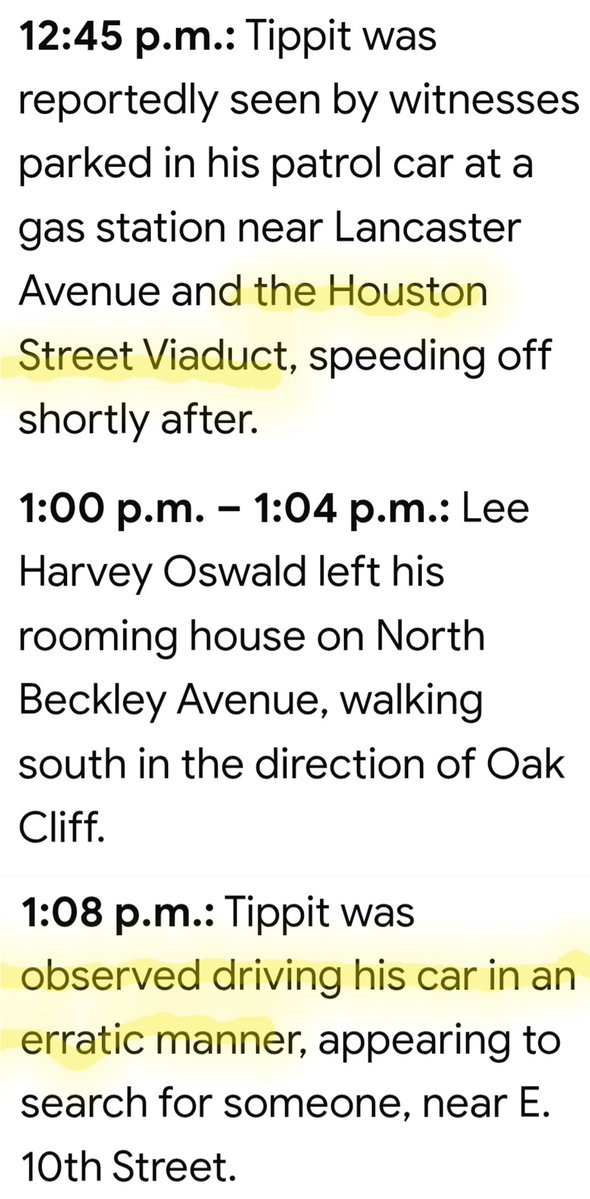
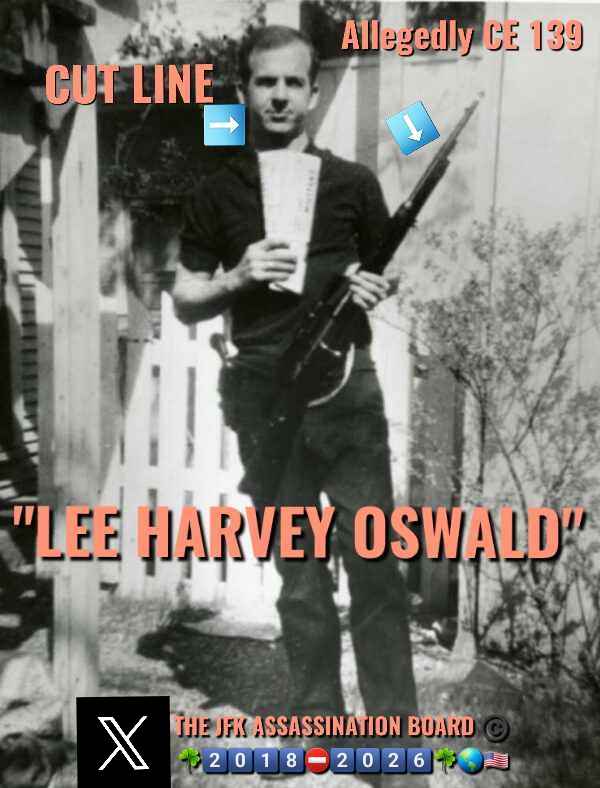
@BoardJfk Meanwhile...Officer Tippit was waiting for the bus, but Oswald pulled a fast one by hailing a cab; which suggests that LHO was being monitored throughout.
English

OTD PT. II:..to LHO going to allegedly his 1026 North Beckley Ave. rooming house after the assassination. While he is inside, the housekeeper, Earlene Roberts, says a police car pulls up outside the house, beeps its horn & then drives off. This is strange... JFKassassinationboard
English
OTD In 1964: An internal FBI document will state: “The reason for any police car honking the horn in front of this address is unknown, however, it is entirely possible this was a car in plant to determine if Oswald returned to his home.” This in reference... JFKassassinationboard
English


In 1830, alcohol consumption in the United States reached remarkably high levels. The average American consumed the equivalent of roughly 1.7 bottles of regular-strength whiskey every week.
Historians commonly estimate that during the 1830s, Americans consumed around 7 to 8 gallons of pure alcohol per person each year, an amount that translates into extremely heavy weekly drinking when measured in spirits such as whiskey. Depending on bottle size and alcohol content, that equals roughly 1 to 2 bottles of whiskey per person every week.
One major reason for these levels was that distilled liquor, especially whiskey, was inexpensive, easy to produce, and in many places considered safer than contaminated drinking water. On the frontier, whiskey was even used as a form of currency, helping fuel both its trade and consumption. This era marked one of the highest points of alcohol use in American history and played a major role in the growth of the temperance movement during the 1820s and 1830s, which later shaped broader cultural and legal attitudes toward drinking.

English

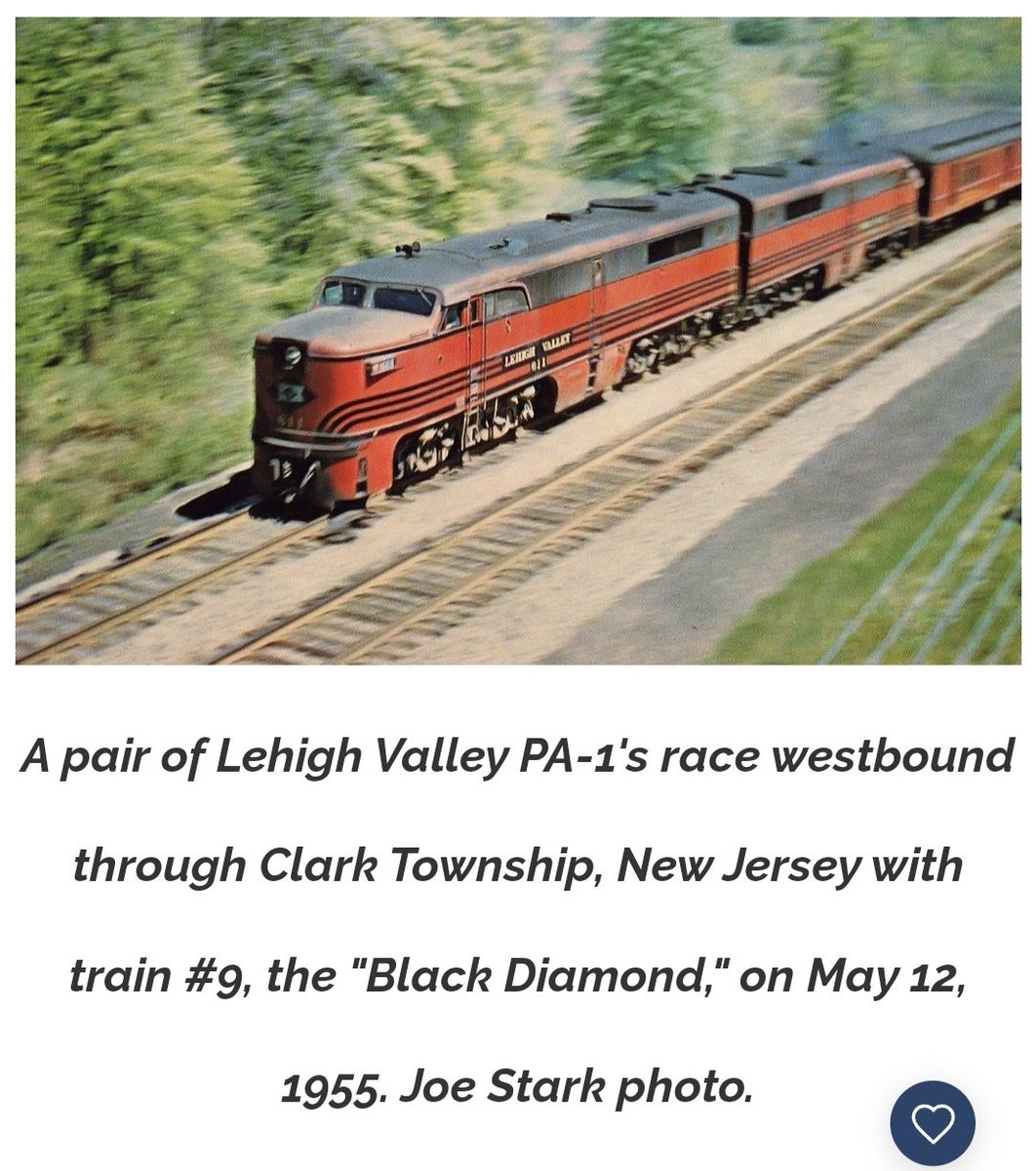


In 1957, Queen Elizabeth II made her first visit to the United States 🇺🇸
The trip began in Jamestown, Virginia, before she continued on to Washington, D.C. She flew to the capital aboard President Dwight D. Eisenhower’s personal aircraft, the Columbine III—the only Lockheed VC-121E ever built.


English

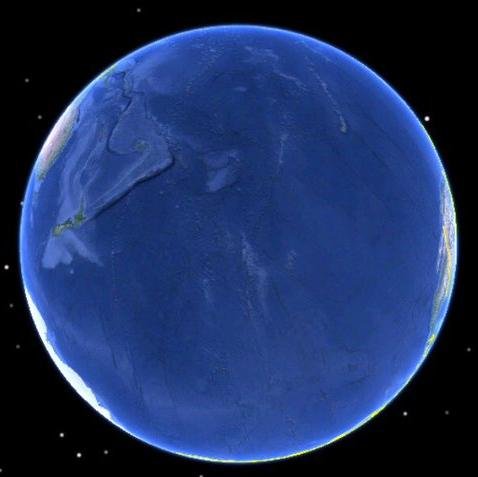
Every person in New Jersey believes the other two sections are the problem.

English



While today is a big day in the history of the Lewis and Clark Expedition, let's not forget the guy who explored the lower portion of the Louisiana Territory — Zebulon Pike.
Zebulon Pike was a frontiersman and explorer who rose to prominence by exploring the Louisiana Territory, including the Mississippi River, Central Plains, and Southern Plains.
His father served in the Continental Army during the American Revolutionary War. Afterward, he continued in the Philadelphia Militia, which allowed Pike to grow up around military outposts. When he was 15, he joined his father’s regiment. He was stationed at Fort Bellefontaine near St. Louis, Missouri, during the time the Lewis and Clark Expedition was traveling to the west coast.
In 1805, General James Wilkinson, Governor of the Upper Louisiana Territory, put Pike in charge of an expedition to explore the northern portion of the Mississippi River. The purpose of the first expedition was to warn French traders to leave American territory and to establish friendly relations with Native American Indian tribes. The mission was considered a success and was followed by a second expedition in 1806.
The “Pike Expedition” sent him into the American Southwest to find the headwaters of the Arkansas River and the Red River, find natural resources, and establish friendly relations with Indians in the area. Pike and some of his men tried to ascend a high peak in the Rocky Mountains but failed. Suffering from the winter weather, they continued to move South and built a shelter. However, they were in Spanish territory and were captured. While Pike was held prisoner in the Chihuahua Province, he gathered intelligence. He studied maps and learned Mexico was unhappy with Spanish rule. Although the Spanish protested the presence of Pike and his men, they were released on July 1, 1807.
Pike fought at the Battle of Tippecanoe, and after the War of 1812 broke out, he served as Quartermaster General in New Orleans and Inspector General. He led troops at the First Battle of Lacolle Mills in November 1812, which led to an American defeat. The following year, in 1813, he was promoted to Brigadier General and led troops at the Battle of York on April 27, 1813. He was killed in action by an explosion. His remains were taken to Sackets Harbor, New York, and buried in a military cemetery.

English



@xAviation Nothing but asphalt on either end of a very short runway.
You would think they would want to stretch it out a bit.


English
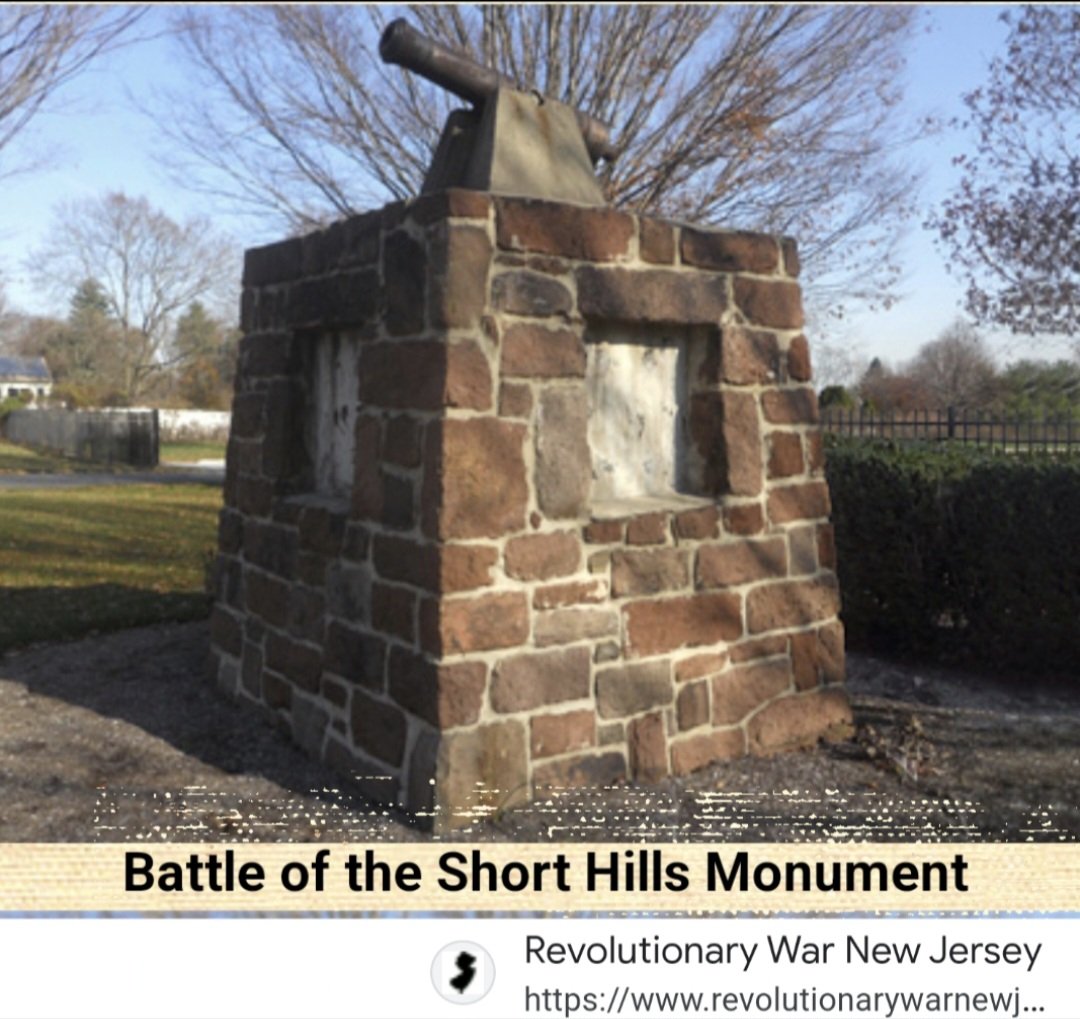
@CharliesWhiskey Howe attempted to lure GW out of the Watchungs one last time by feinting a withdrawal only to return in full force.
The patriotic neighbors gave early warning whilst Stirling and Maxwell held off the superior British by luring them into the swamp where they got stuck in the mud.


English

Daniel Applegate, in his pension papers, listed the entire chain of command for the 2nd New Jersey Regiment. A “Lord Stirling” was named first, and the rest of the men followed the standard titles for the officers in the Continental army. Eleven years ago, I found it curious that this “Lord Stirling”, whoever he was appeared at the head of the list of officers, after all, I thought that we were “done” with royalty at the time of the Revolution.
There is only one reference to Lord Stirling in the entirety of “Daniel Applegate, a Novel of the American Revolution.” (amazon.com/dp/B0DVTG82G9).
I thought it very likely that the men acknowledged him with that name rather than his command moniker of Major General William Alexander perhaps because the “Lord Stirling” epithet was taken from him by the British House of Lords in 1762 after it had been approved by a Scottish Court in 1759. Americans have always had an issue with unfairness.
****
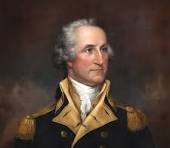
Lord Stirling – Major General William Alexander
Stirling was born in New York City in 1726 to parents James Alexander and Mary Spratt Alexander. His father had fled from Scotland to New York after participating in the first Jacobite uprising of 1715.
William Alexander had an aptitude for both mathematics and astronomy, and played an active role in the trading ventures of both of his parents until the 1750s, which later flourished into interests in agriculture and winemaking. He married Sarah Livingston in 1747, and they had three children.
Alexander served as a provisioning agent for the British army during the Seven Years' War in North America [French and Indian War]. In this role he worked closely as an aide de camp to Governor William Shirley. As an aide de camp, Alexander had the opportunity to interact socially and professionally with many colonial elites, including George Washington.
In 1756, Alexander accompanied Shirley to England to testify on the latter’s behalf. It was during his stay there that he learned of the vacant seat of Stirling in Scotland. As his father died that same year and had not laid claim to the title, it laid dormant in Scotland without an apparent heir. William Alexander's claim to the title of the Earldom of Stirling led to a suit that was ultimately settled in his favor by a jury in Scotland. His title was signified by the honorific "Lord Stirling."
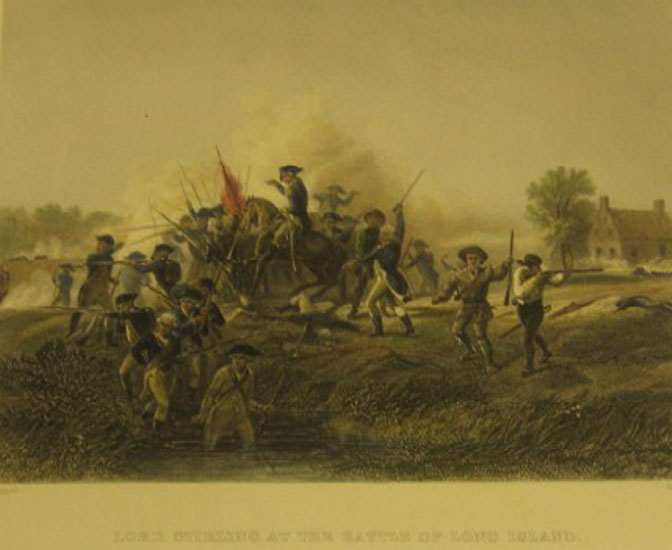
In the aftermath of the Seven Years' War, Alexander grew disenchanted with British rule and favored the opposition to Crown policies. He joined the active rebellion in 1775 as a colonel of the New Jersey colonial militia. In March of 1776, he was appointed Brigadier General in the Continental army. Alexander’s most significant military contribution came in August 1776, when he held off the British troops during the Battle of Long Island long enough to enable Washington to evacuate the remainder of his forces. Unfortunately, the British captured Stirling in the process and he spent several months as a prisoner on parole in New York City. He was exchanged later the same year and promoted to Major General on February 19, 1777.
In 1777, Alexander served in the Hudson Highlands for a time, and then returned to the Philadelphia area afterwards, taking part in the battles of Brandywine and Germantown. Not too long after the battles, Alexander played a key role in exposing the Conway Cabal, involving General Thomas Conway and others to unseat Washington as the commander of the Continental army, in which the Cabal desired Horatio Gates to replace George Washington.
In 1778, Alexander took part in the Battle of Monmouth, where he handled artillery with particular skill. That summer, between July 4 and August 12, Alexander presided over the Court Martial of Major General Charles Lee.
Alexander supported the successful raid on Paulus Hook, and after which played an important role in the poorly managed Staten Island expedition of January 14-15, 1780. He also sat on the board of Inquiry into the actions of Major John André, who was captured and then prosecuted in relation to his conspiring with Benedict Arnold.
In October 1781, Alexander was awarded command of the Northern Department with his headquarters at Albany while George Washington was in the south at Yorktown.
While holding this post, Alexander developed plans for a defense against a possible British thrust from Canada. He wrote extensively to Washington about his efforts to defend the state of New York, also fearing British invasion through the Great Lakes in order to advance to the south.
On 15 January 1783, General Alexander, aged 57 years, died in Albany, New York. Unfortunately, he died too soon to see the official end of the war on 3 September 1783, with signing of the Treaty of Paris.
James McIntyre Moraine Valley Community College; mountvernon.org/library/digita…
battlefields.org/learn/biograph…
English
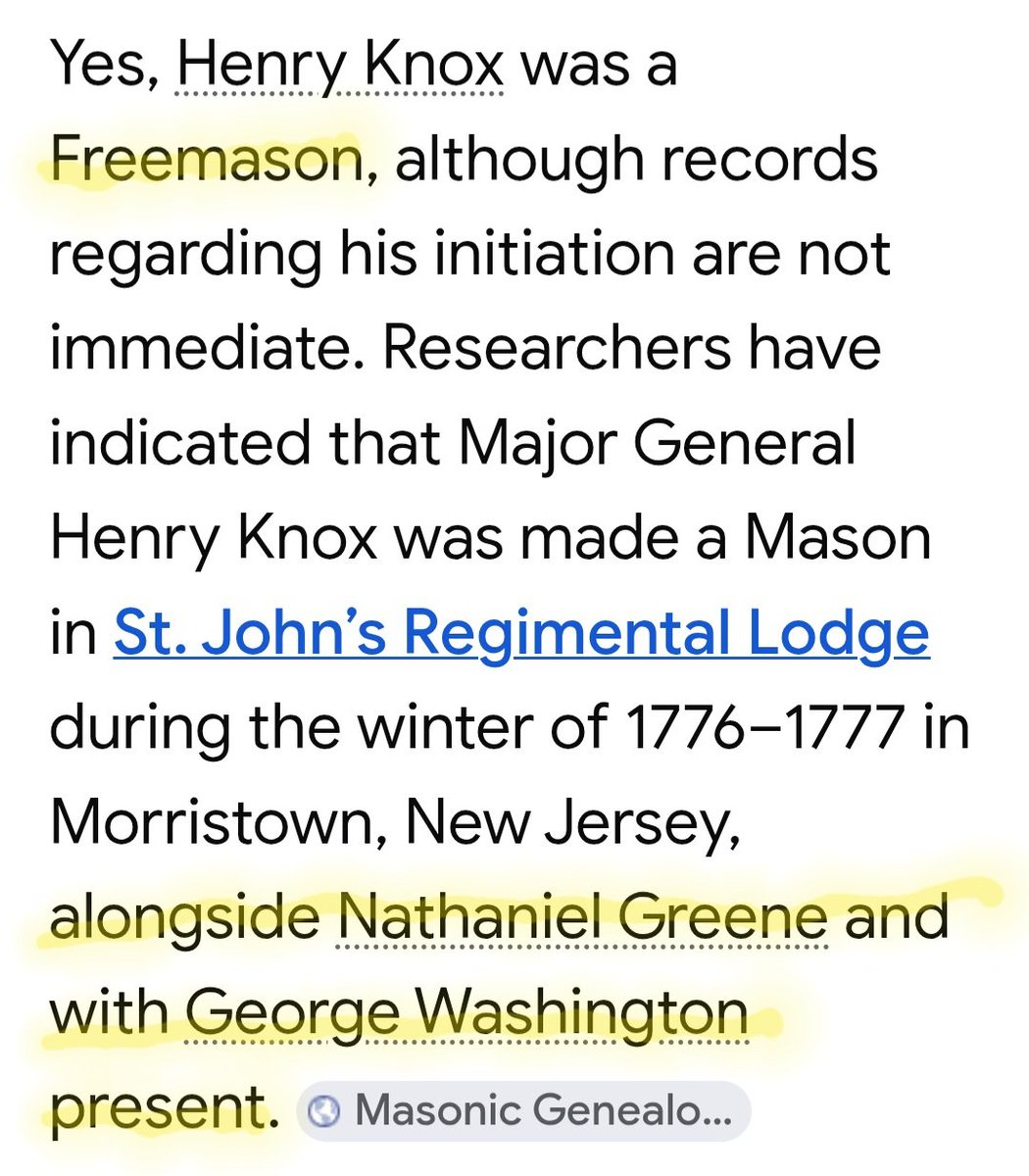
April 1783. General Henry Knox drafted a plan for an organization he called "The Society of the Cincinnati," named after a Roman soldier who gave up military power. The society was opposed by many civilian leaders such as Thomas Jefferson, and John and Samuel Adams who believed the group represented the beginnings of a noble class of soldiers. The first meeting was held on May 13, 1783 at Fishkill, New York chaired by Alexander Hamilton. In his absence, George Washington was elected president. Knox was elected secretary.

English
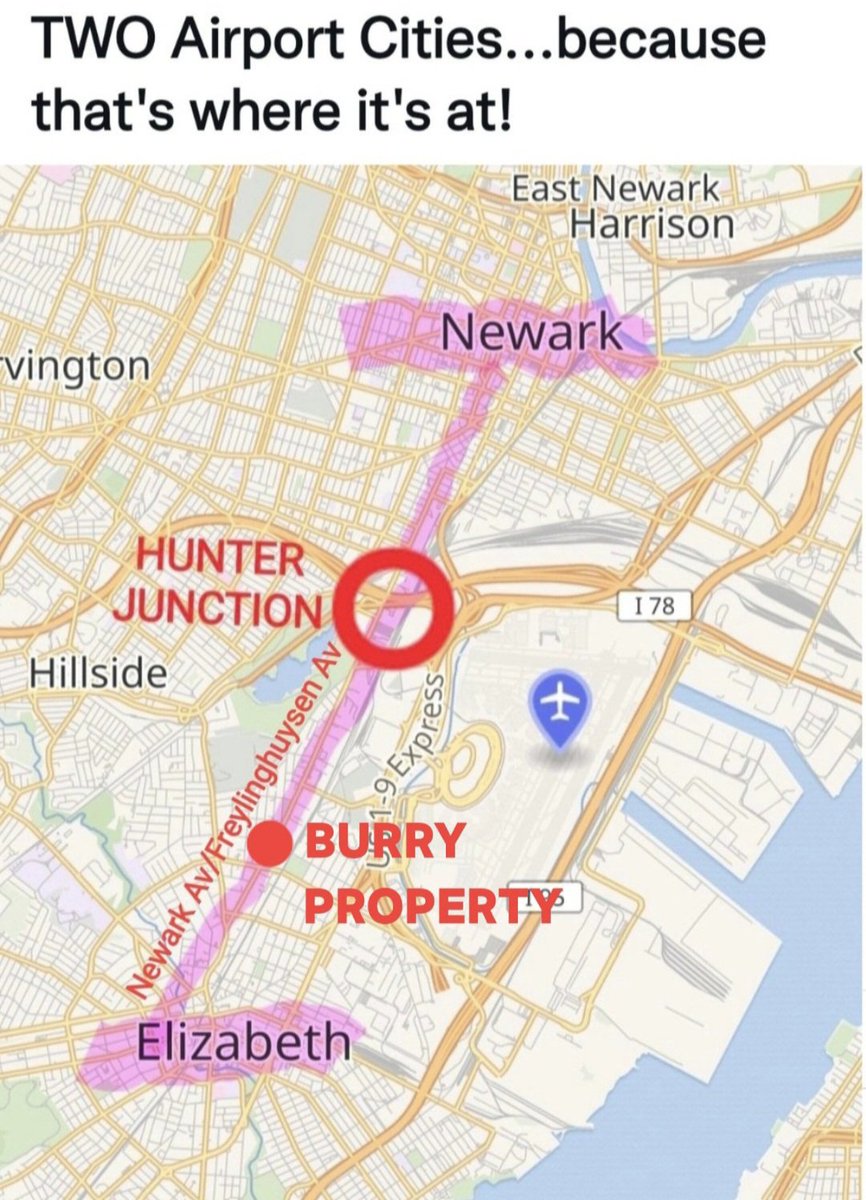
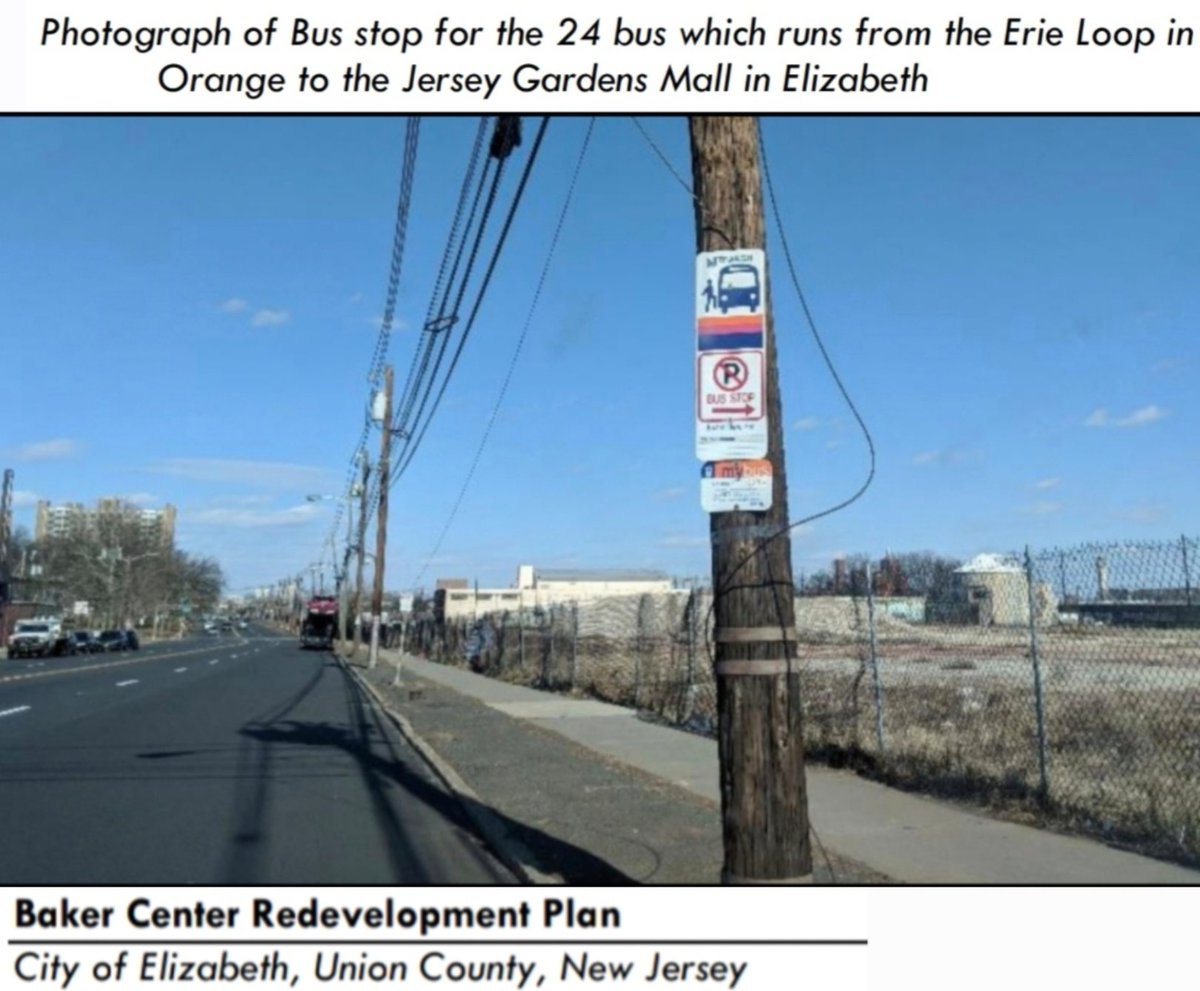
@the_transit_guy The Burry Biscuit property has been in limbo for a 1/4 century.
How does a $12M footbridge at Dayton Street do anything for North Elizabeth?
A transit hub at Hunter with a FREE TRANFER to the Airtrain will do for the 'hood what Jamaica station does for Queens.

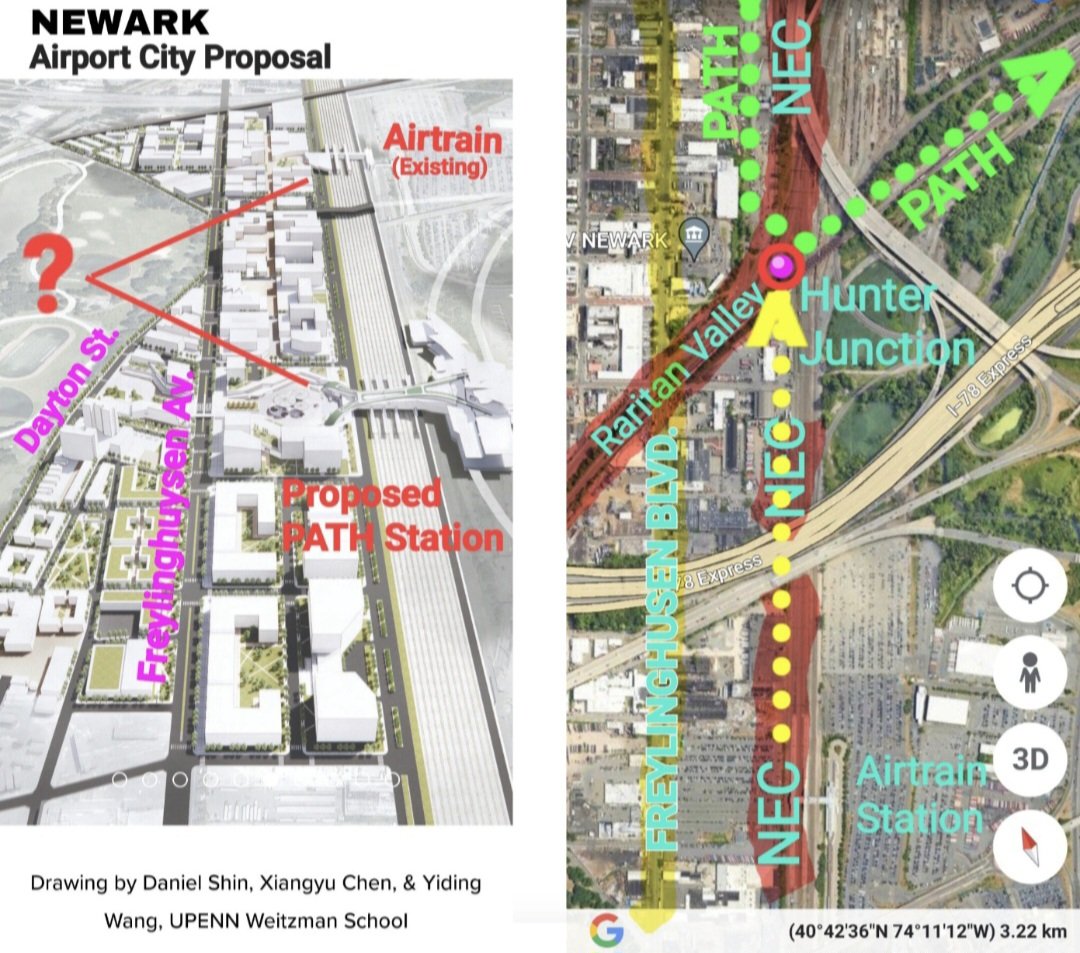
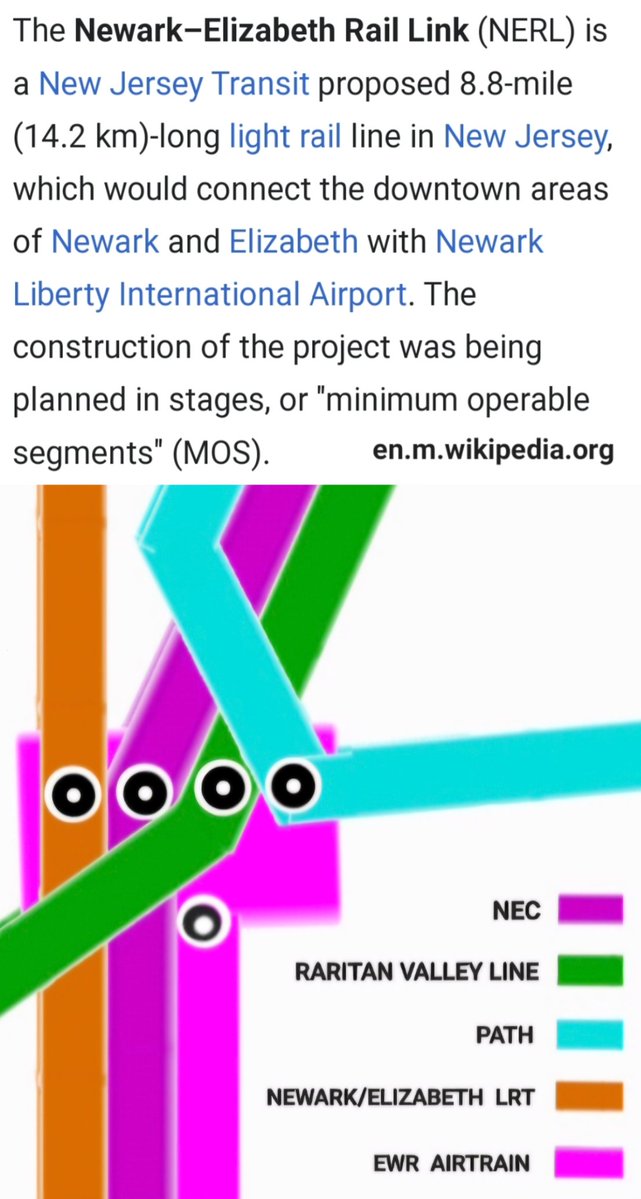
English
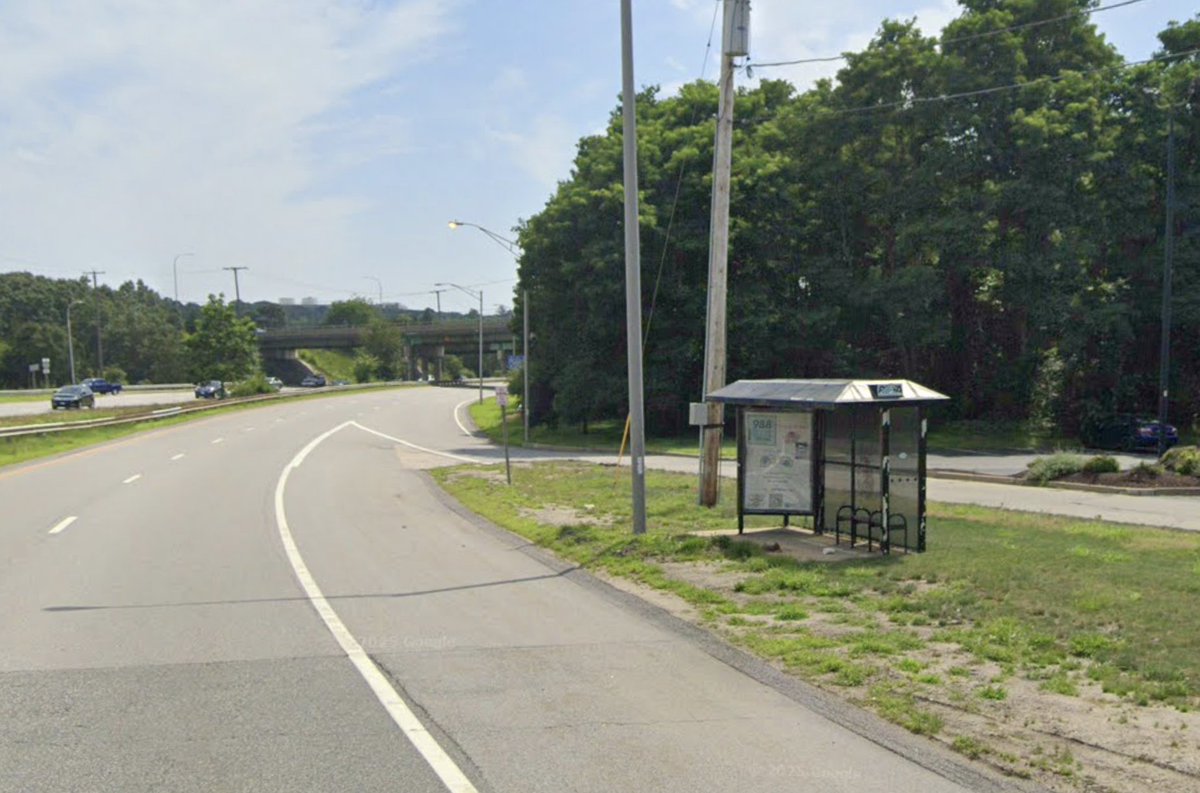
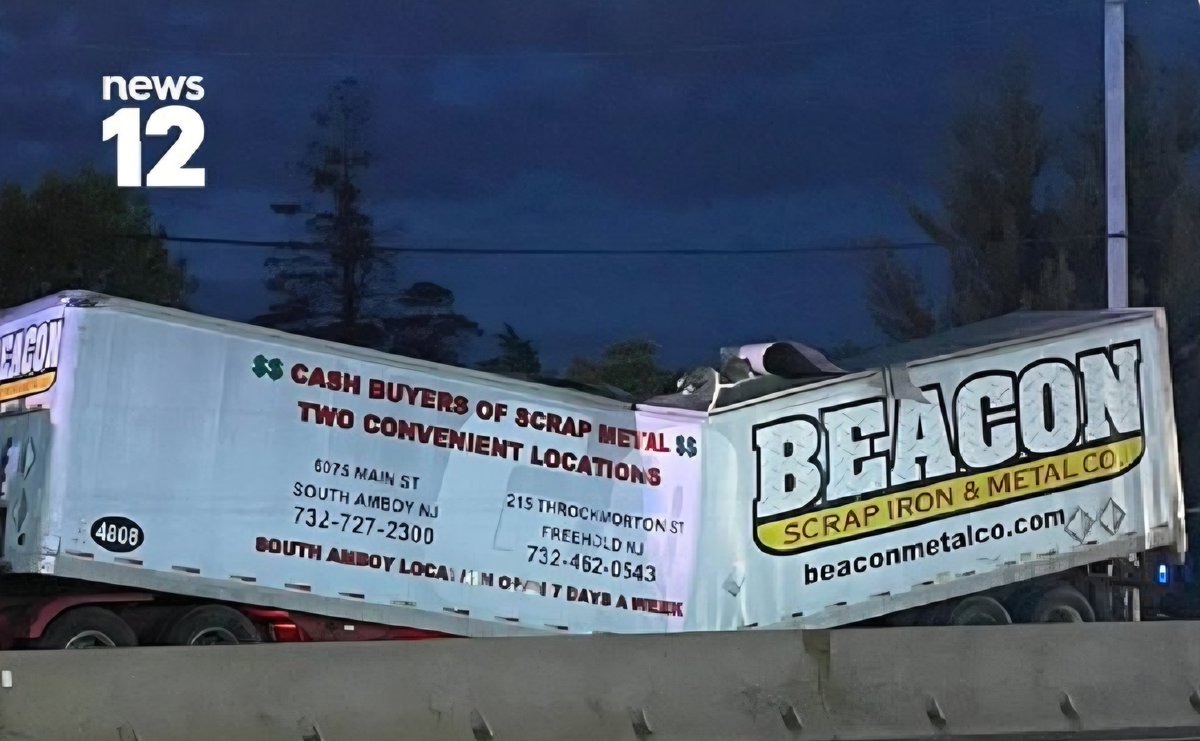

#TrafficAlert: A tractor‑trailer buckled on Route 1 and 9 in #Linden, leaving traffic down to one lane. - bit.ly/3P9ruWF

English


TWENTY TWO BILLION?! FOR ONE AIRPORT?!
Edward Russell@ByERussell
EXCLUSIVE: Washington's Dulles airport could be entirely remade in just 8 years under a $22 billion plan by the Trump administration. Out are the mobile lounges and temporary Concourse C-D, in is a new above ground connector and an Atlanta-like layout. byerussell.substack.com/p/a-22-billion…
English
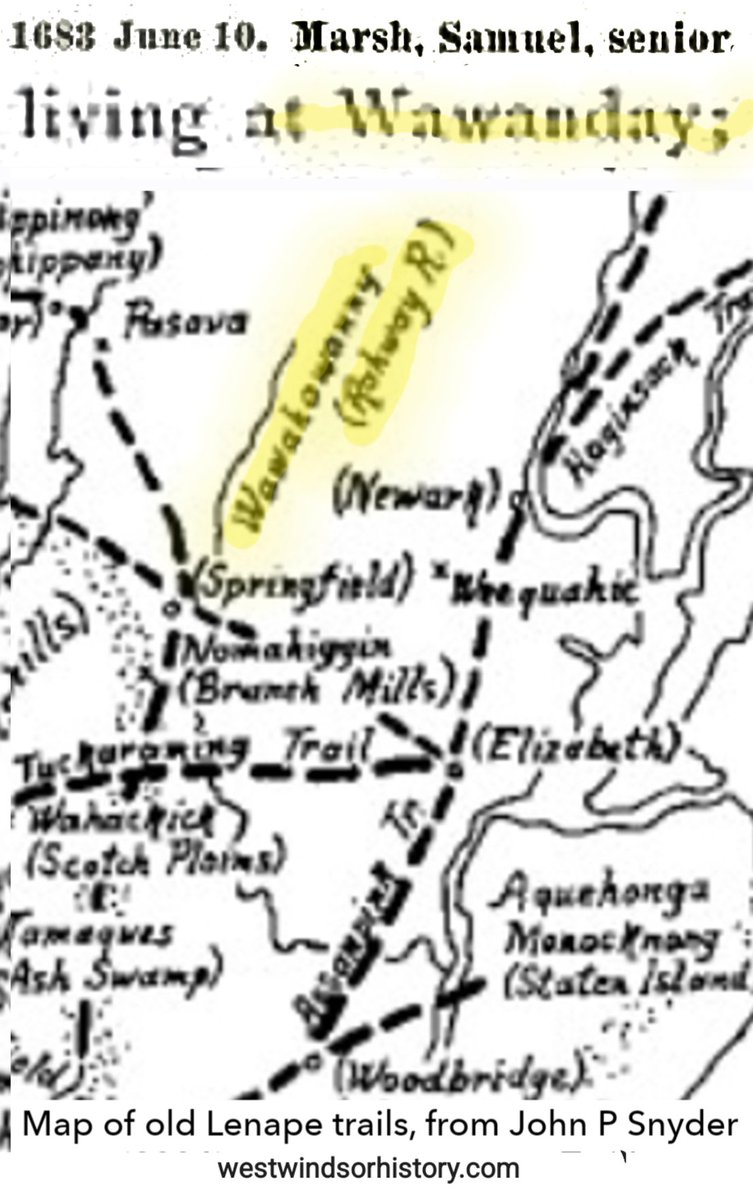
@OldNewYork1664 Rahway (Rawack, Raway) is a corruption of the Lenni Lenape's WAWAkowanny.
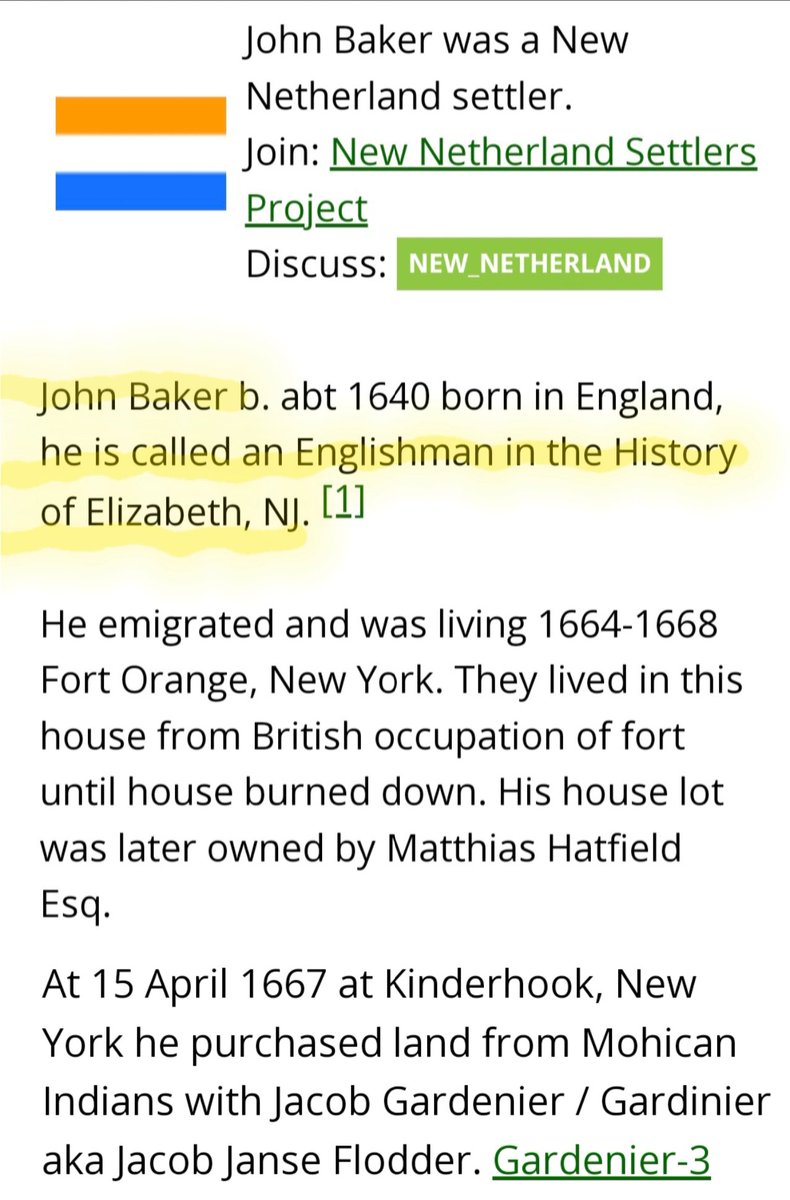
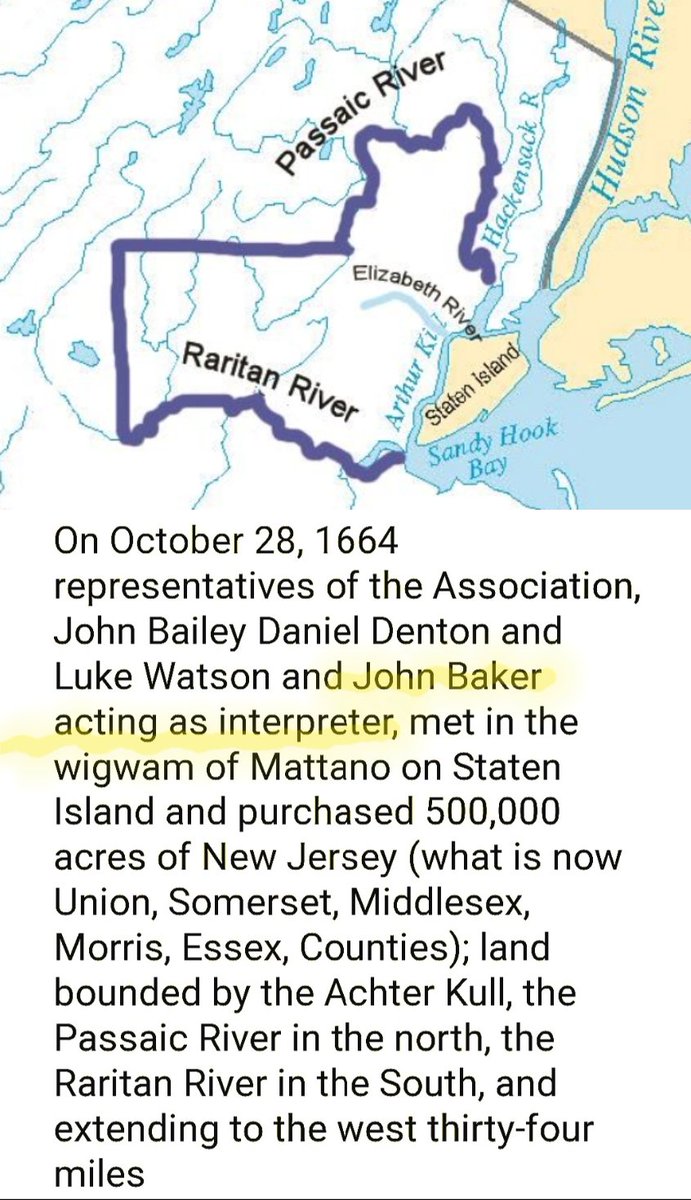
Sam Marsh was one of the original ASSOCIATES of the original purchasers.

English

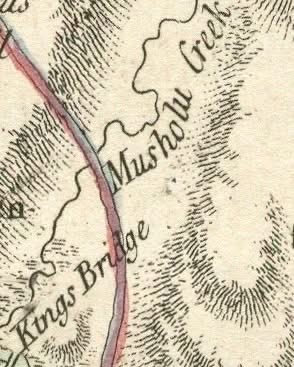
Where does the word “Mosholu” come from?
Historians have long said it means “smooth stones” in the Lenape language, but new research suggests something else. The word first appeared on British maps from 1776, possibly the result of a typo by a mapmaker unfamiliar with the area. Earlier maps used "Muskata" to describe Tibbetts Brook, which flowed through Kingsbridge.
My understanding of the meaning of Muskata is that of “swamp” or “muddy waters.” I’ve seen documents referring to “Kill Muskeg or Kill Mucota,” as well.

English