پن کیا گیا ٹویٹ

ISHU
5.5K posts

@ISHUNFTs
ISHU in web3 | Artist | GIF pglu | all in @seismicsys
Grialo Congratulations all heroes @RialoHQ is a great community. I'm happy to be part of this community



Privacy delivery in progress with Seismic. Just like my artwork moving fast and carrying the essentials. Seismic is building an EVM compatible network focused on encrypted execution, shielded storage and confidential smart contract interactions. Delivering the next generation of privacy native on chain infrastructure. @SeismicSys


gm mutuals it's a new week to make money and show up for @XOOBNetwork


gMic @SeismicSys believers After a long break I am back in business,All in seismic again @NoxxW3 @xealistt @lyronctk

A network doesn’t feel powerful because it’s fast , It feels powerful when everything keeps working smoothly under pressure . That’s the real challenge in blockchain right now . Transactions can execute quickly, but if the network struggles to stay coordinated, the cracks start showing: • delays • congestion • inconsistent performance At that point, speed alone stops mattering @get_optimum is focusing on something deeper: how networks stay connected, synchronized, and efficient at scale It's not a show, it's work that speaks. Just building the coordination layer that scalable systems actually need . @blockchainjeff


TLDR How @RialoHQ is basically rethinking how blockchains handle computation. instead of making every validator redo the same heavy work onchain forever… Rialo flips the model: → run heavy computation offchain → generate proof it executed correctly → verify proof onchain way cheaper way faster, actually scalable ──────────── [ how most chains work rn ] ➾ computation happens onchain ➾ validators rerun the same work ➾ everyone repeats the computation again super secure? yes. efficient once apps become complex? not really lmao especially once you introduce: a) AI b) private data c) large computations d) real-world applications things get expensive fast ──────────── [ Rialo’s approach ] ➾ write normal code ➾ execute it offchain inside zkVMs/RISC-V ➾ generate validity proof ➾ submit proof + outputs onchain ➾ validators verify proof only the chain knows the computation was correct…without needing to redo all the heavy lifting itself every single time ──────────── [ why this IMP ] this lets developers: → write normal code → run heavy logic offchain → still keep verifiable security guarantees instead of turning everything into expensive onchain execution gymnastics and honestly the interesting part is Ethereum has already been discussing RISC-V long term too which makes Rialo feel less like random experiment and more like : they’re building around where blockchain execution is probably heading anyway . Thoughts ??


GMIC Seismic Community 🥰🥰....... After almost half month of thinking, designing, editing, and improving… finally this custom Seismic X banner is completed. This artwork represents the whole Magnitude journey from 1 → 9 and the growth, consistency, and hard work of community members to reach those positions... Added Rocky, Magnitude badges, and custom identity vibes to make every banner feel unique for each Seismic contributor. If you want your own personalized Seismic X banner: Drop your PFP + current Magnitude level below or DM me directly on my ( DC: adarsh_rraj )📩 Let’s make the Seismic timeline look legendary together. All in @SeismicSys Tagged legends: || @NoxxW3 || @xealistt || @BharatWormie || @heathcliff_eth ||

Gmic fam Made this Seismic Club Membership Card Tried making something like this for the first time and honestly had a lot of fun designing it If you want your own card, just drop: • your PFP • your MAG number and I’ll make one for you @NoxxW3 @xealistt @heathcliff_eth @mzain2292 @k2sbhai @SeismicSys





This is me This is the KOL I believe in

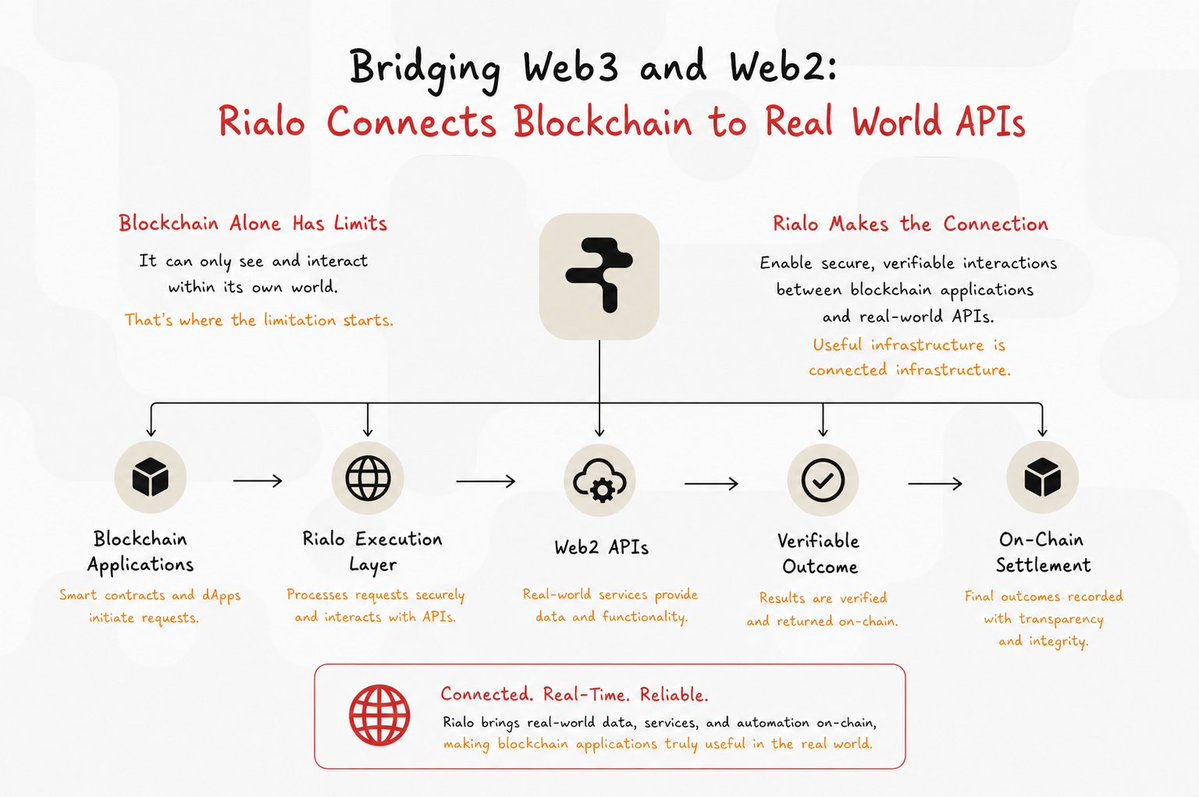
The most exciting part of proof carrying computation isn’t the cryptography, it’s what it makes possible. When validators no longer need to repeatedly re execute every computation, the design space opens up dramatically. That means applications can support things traditional blockchains struggle with: • private eligibility checks without exposing sensitive user data • real-time index pricing with offchain computation + onchain verification • complex financial models without overwhelming the network • confidential automation with verifiable outcomes This is where Rialo starts to feel different, not because it’s just another blockchain but because it expands what blockchain systems can realistically support. The core idea is simple: not everything needs to happen onchain but everything important should still be verifiable. @RialoIndian