PCASO Laboratory

134 posts

PCASO Laboratory banner
PCASO Laboratory

PCASO Laboratory

@PCASOLab

Penn Computer Assisted Surgery and Outcomes Laboratory @PennSurgery @GRASPlab | PI: @laparoscopes | Tweets/RTs do not reflect university or dept views

Philadelphia, PA شامل ہوئے Ekim 2022
81 فالونگ259 فالوورز
PCASO Laboratory ری ٹویٹ کیا
Jayson Marwaha, MD MSc
Jayson Marwaha, MD MSc@Jayson_Marwaha·
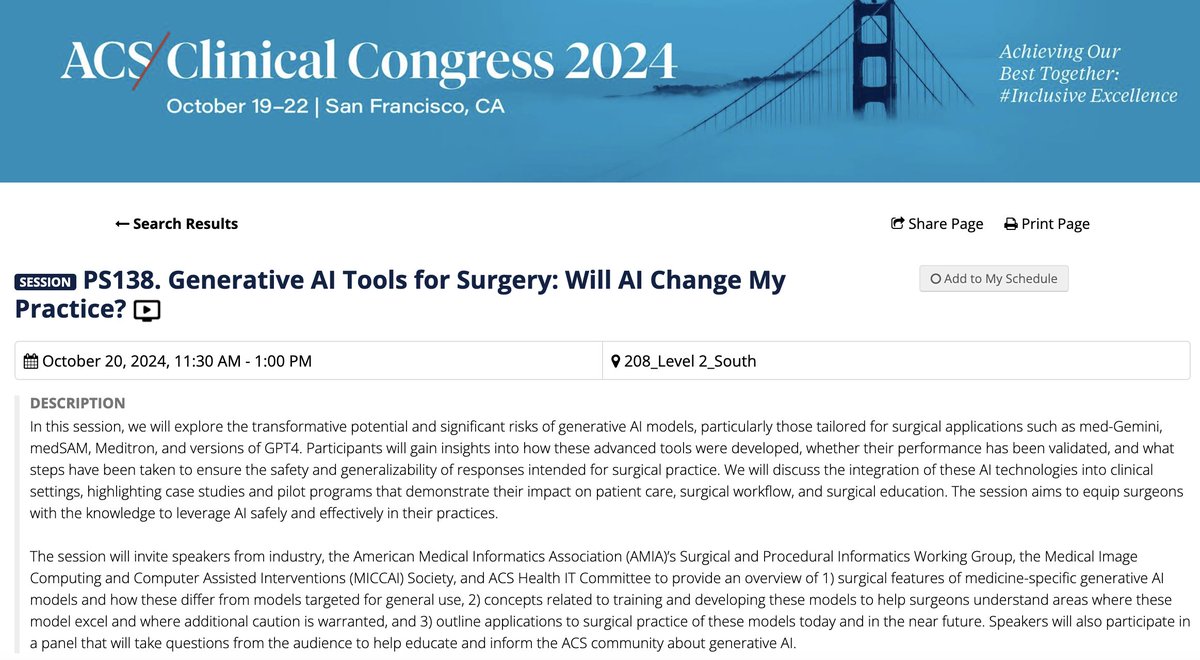
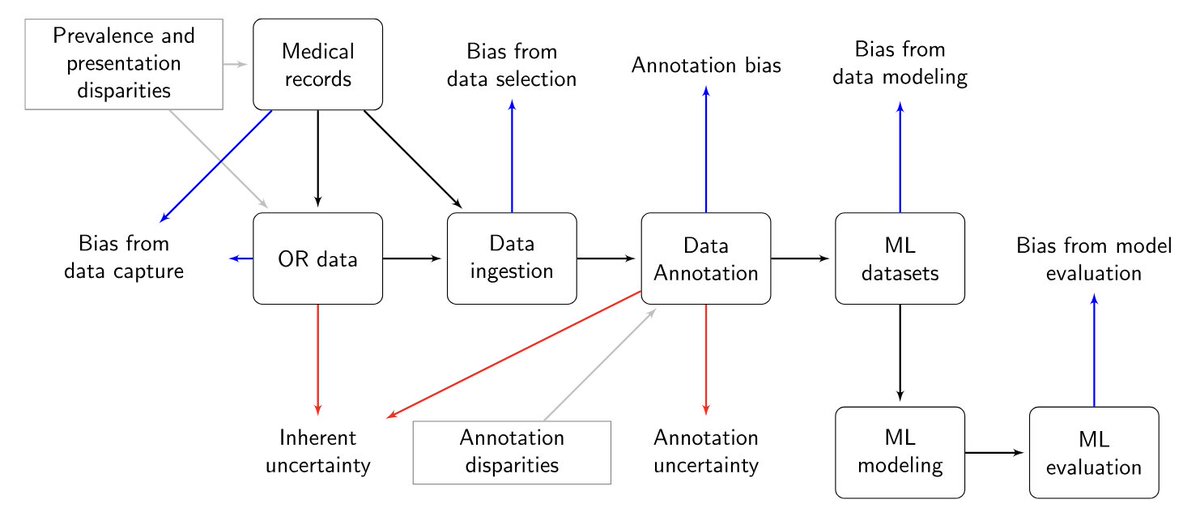
In this era of AI excitement, how do we ensure surgeons' expectations are appropriately aligned with the actual capabilities of new surgical AI tools? In @JAMASurgery, @Laparoscopes & I comment on some important dimensions of user calibration to new surgical AI systems.
Jayson Marwaha, MD MSc tweet media
English
1
2
5
476
PCASO Laboratory ری ٹویٹ کیا
PennSurgery
PennSurgery@pennsurgery·
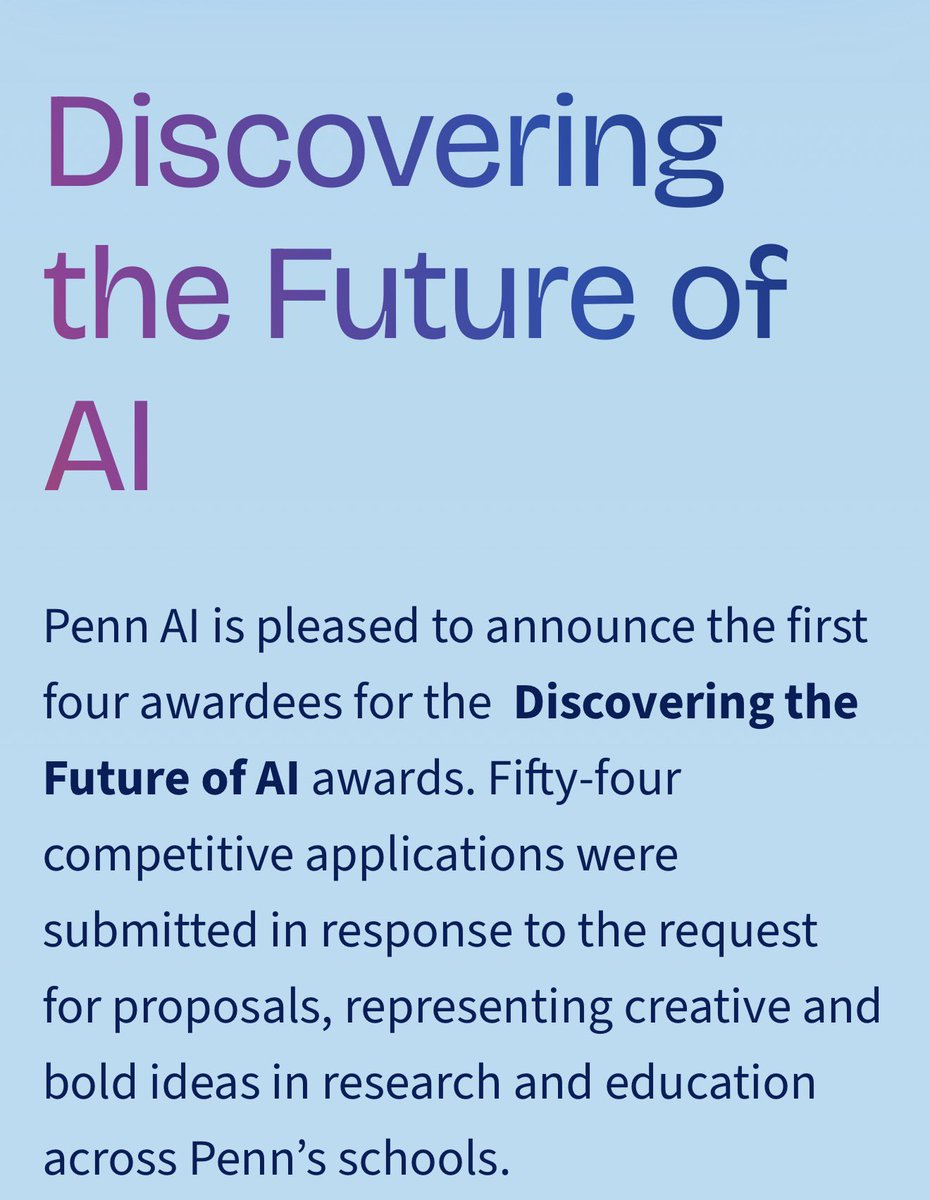
Collaborative project b/w @pcasolab @laparoscopes and @kostasPenn has been awarded 1 of 4 Discovering the Future of AI awards and will use #AI to reconstruct four-dimensional surgical environments from video to assess skill, predict risk, and improve patient outcomes. More information at: ai.upenn.edu/discovering-fu…
PennSurgery tweet media
English
0
3
3
413
PCASO Laboratory ری ٹویٹ کیا
Dan Hashimoto, MD MS FACS
Dan Hashimoto, MD MS FACS@Laparoscopes·
So very excited to be @NMSurgery for the privilege of being the Edelstone-Bendix Visiting Prof during the Dr Pearce Symposium More on Dr Bendix & Mr Edelstone at surgery.northwestern.edu/research/edels… @pennsurgery @PCASOLab
Karen J. Ho, MD@karenholab

So excited for the 6th Annual William H. Pearce, MD Research Symposium tomorrow, showcasing the research done by our amazing trainees this year, a talk by Edelstone-Bendix Visiting Professor @laparoscopes, and the graduating chiefs residents!

English
0
4
23
2.5K
Aimee Gardner
Aimee Gardner@AimeeGthePHD·
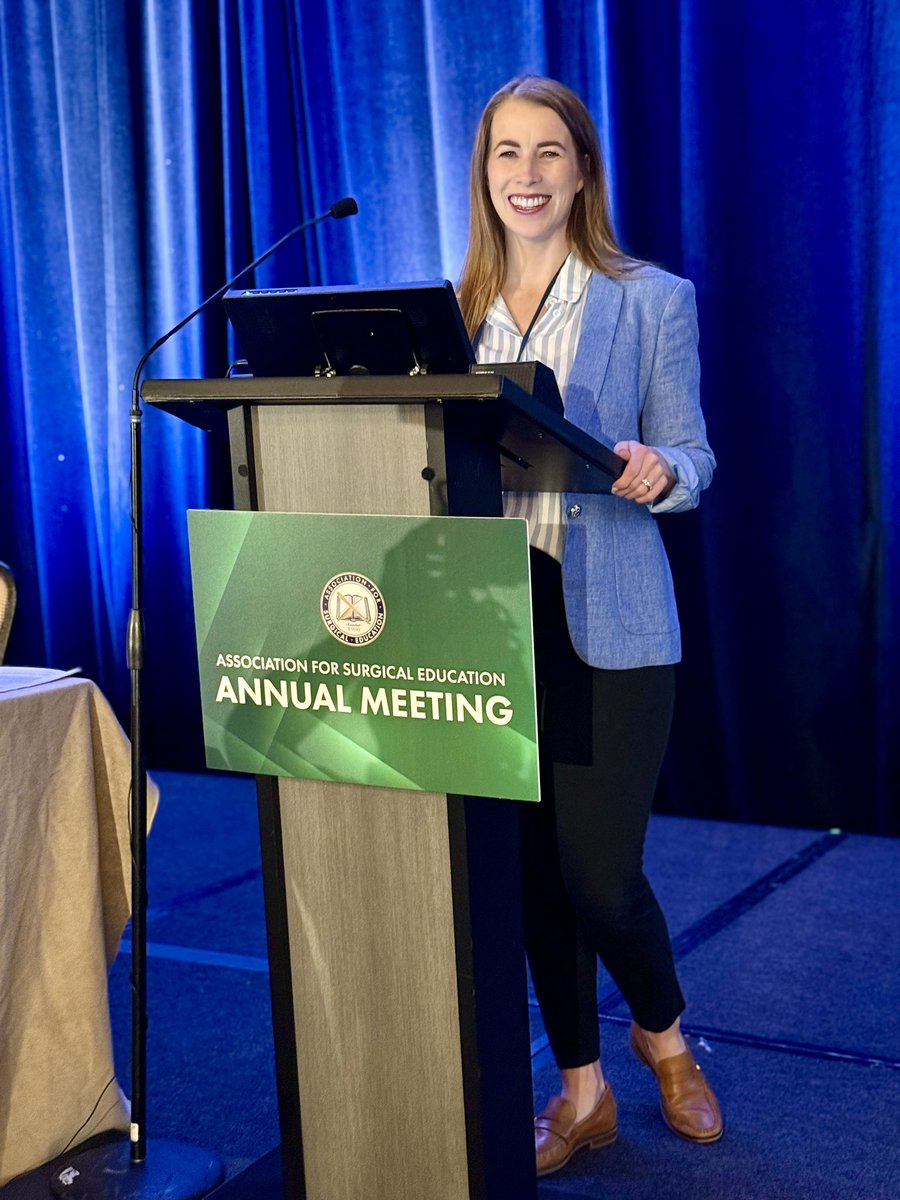
And so it begins! Excited for the next year as President of @Surg_Education promoting family, fun, and the future!
Aimee Gardner tweet media
English
15
12
82
5.6K
PCASO Laboratory
PCASO Laboratory@PCASOLab·
Happy holidays from the PCASO Lab team! Thanks to everyone who made it to breakfast and missing those already out of town!
PCASO Laboratory tweet media
English
0
2
7
3K
PCASO Laboratory
PCASO Laboratory@PCASOLab·
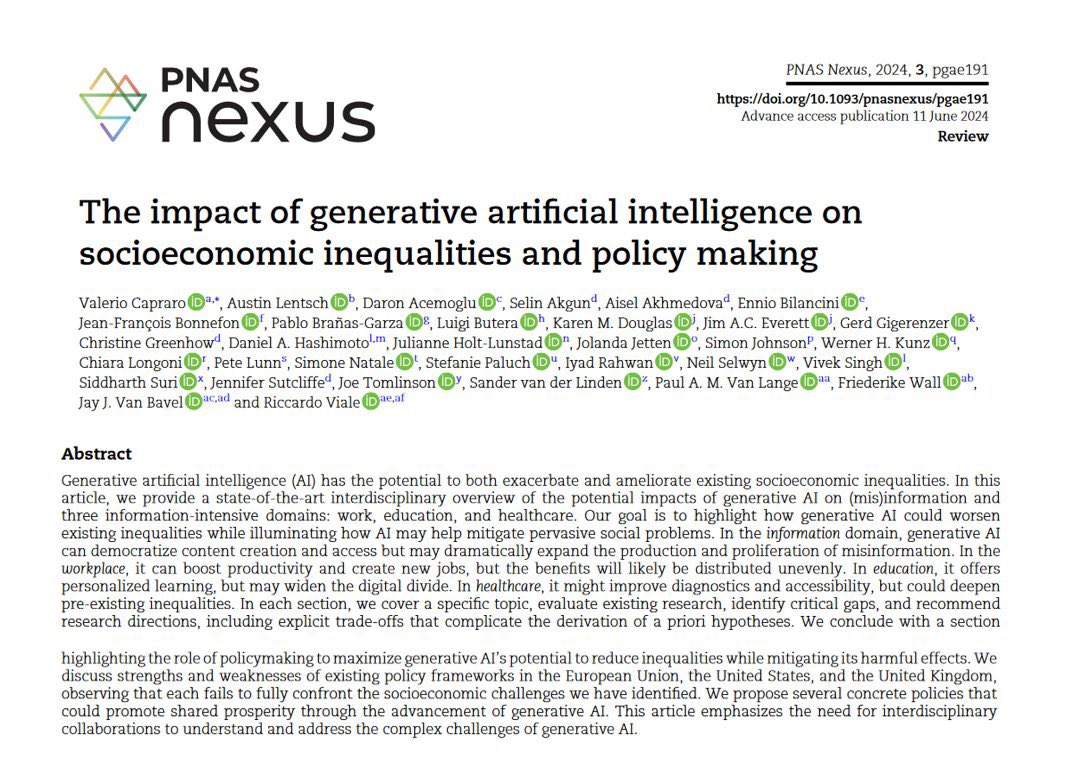
Not every day the lab gets to publish with 2 Nobel laureates! Congrats @DAcemogluMIT & Simon Johnson on the 2024 Nobel in economics! @pennsurgery @Laparoscopes @viveksinghmed @PennMedCSO
Valerio Capraro@ValerioCapraro

Many people believe that AI advances will dramatically increase inequality. In a paper with two Nobel laureates, Daron Acemoglu and Simon Johnson, plus 30 multidisciplinary experts, we argue that it’s more complex than a simple “rich-get-richer” story. For example, we coined the term “inverse skill bias” to describe an emerging pattern: generative AI seems to benefit low-skilled workers more than high-skilled ones. We also suggest generative AI may reduce racial and gender bias in healthcare and education. However, some inequalities could indeed worsen. For example, companies with access to more data may gain an anticompetitive advantage, exerting market power over smaller firms. Additionally, companies may be incentivized to automate work rather than invest in enhancing and complementing human capabilities. Gender bias in career achievement may also worsen, as preliminary evidence shows that men are using chatbots more than women, leading to an increase in productivity among men but not women. We argue institutions will play a critical role in sharing AI’s benefits equitably. Unfortunately, current regulations fall short of addressing inequalities and fostering shared prosperity. Our paper ends with six policy suggestions we believe can help reduce socioeconomic inequality: 1) Create a more balanced tax structure, equating marginal taxes on hiring, training, and AI investments. 2) Engage workers and civil society in AI shifts, and establish data unions for control over data. 3) Boost support for research into human-complementary AI tools to enhance productivity and skillsets. 4) Train professionals, especially in healthcare and education, in AI use, including ethical aspects. 5) Invest in tools to counter AI-generated misinformation and in education on misinformation. 6) Embed AI expertise in government for sector-wide decision support. Read the full paper here: academic.oup.com/pnasnexus/arti… Thank you to an amazing list of coauthors, without whom this work wouldn’t have been possible: @AustinLentsch @DAcemogluMIT @SelinAkgun9 Aisel Akhmedova @EBilancini @JFBonnefon @BehSnaps @lu_butera @Karen_Douglas @JimACEverett Gerd Gigerenzer @chrisgreenhow @Laparoscopes @PCASOLab @jholtlunstad @jetten_j @baselinescene @werkunz @longoni_chiara Pete Lunn @simone_natale Stefanie Paluch @iyadrahwan Neil Selwyn @viveksinghmed @ssuri Jennifer Sutcliffe @JoePTomlinson @Sander_vdLinden @PaulvanLange @FriederikeWall @jayvanbavel Riccardo Viale

English
0
1
1
208
PCASO Laboratory ری ٹویٹ کیا
Valerio Capraro
Valerio Capraro@ValerioCapraro·
Many people believe that AI advances will dramatically increase inequality. In a paper with two Nobel laureates, Daron Acemoglu and Simon Johnson, plus 30 multidisciplinary experts, we argue that it’s more complex than a simple “rich-get-richer” story. For example, we coined the term “inverse skill bias” to describe an emerging pattern: generative AI seems to benefit low-skilled workers more than high-skilled ones. We also suggest generative AI may reduce racial and gender bias in healthcare and education. However, some inequalities could indeed worsen. For example, companies with access to more data may gain an anticompetitive advantage, exerting market power over smaller firms. Additionally, companies may be incentivized to automate work rather than invest in enhancing and complementing human capabilities. Gender bias in career achievement may also worsen, as preliminary evidence shows that men are using chatbots more than women, leading to an increase in productivity among men but not women. We argue institutions will play a critical role in sharing AI’s benefits equitably. Unfortunately, current regulations fall short of addressing inequalities and fostering shared prosperity. Our paper ends with six policy suggestions we believe can help reduce socioeconomic inequality: 1) Create a more balanced tax structure, equating marginal taxes on hiring, training, and AI investments. 2) Engage workers and civil society in AI shifts, and establish data unions for control over data. 3) Boost support for research into human-complementary AI tools to enhance productivity and skillsets. 4) Train professionals, especially in healthcare and education, in AI use, including ethical aspects. 5) Invest in tools to counter AI-generated misinformation and in education on misinformation. 6) Embed AI expertise in government for sector-wide decision support. Read the full paper here: academic.oup.com/pnasnexus/arti… Thank you to an amazing list of coauthors, without whom this work wouldn’t have been possible: @AustinLentsch @DAcemogluMIT @SelinAkgun9 Aisel Akhmedova @EBilancini @JFBonnefon @BehSnaps @lu_butera @Karen_Douglas @JimACEverett Gerd Gigerenzer @chrisgreenhow @Laparoscopes @PCASOLab @jholtlunstad @jetten_j @baselinescene @werkunz @longoni_chiara Pete Lunn @simone_natale Stefanie Paluch @iyadrahwan Neil Selwyn @viveksinghmed @ssuri Jennifer Sutcliffe @JoePTomlinson @Sander_vdLinden @PaulvanLange @FriederikeWall @jayvanbavel Riccardo Viale
Valerio Capraro tweet media
English
1
64
174
27K
PCASO Laboratory ری ٹویٹ کیا
Dan Hashimoto, MD MS FACS
Dan Hashimoto, MD MS FACS@Laparoscopes·
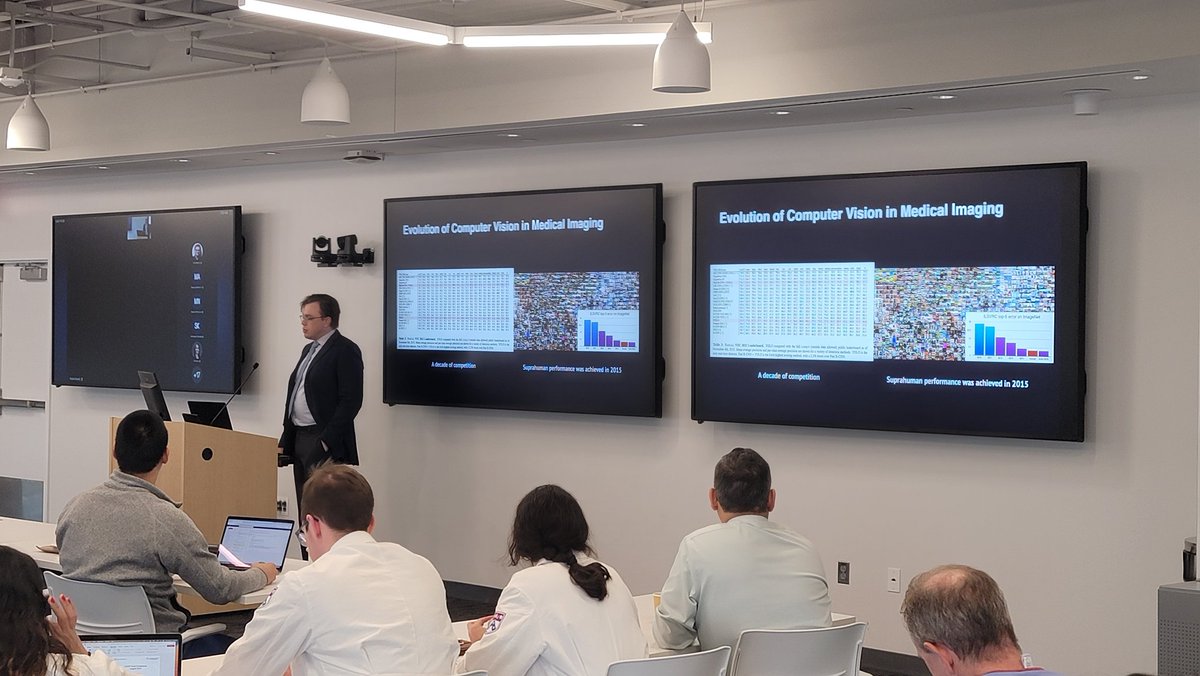
Thrilled to organize the new @MICCAI_Society #clinicaltranslation series ft @PennRadiology's @asset25 as our 1st speaker & @cekahn as moderator Learn more about clinical problems for #medicalimaging #AI @PennSurgery @PennEngineers @CIS_Penn @GRASPlab @PennHealthTech
MICCAI Society@MICCAI_Society

Attend our first #MICCAI Clinical Translation Talk - Solving for X: Identifying Clinically Relevant Problems in Medical Imaging 🗓 Sept 24th, 11 AM-12 PM (EDT) Speaker: Dr. Tessa Cook, University of Pennsylvania 🔗us02web.zoom.us/webinar/regist… @MiccaiStudents @WomenInMICCAI @RMiccai

English
1
11
31
4.1K