masterlongevity.
34.4K posts
masterlongevity.
@masterlongevity
Neuroscientist,investor, clinical dev consultant, glassblower, fiction lover
San Francisco, CA شامل ہوئے Eylül 2013
1.8K فالونگ1.7K فالوورز

Choose one, I’m tryna see something…
Option A) Would you rather Steph return healthy soon and watch him try to carry the Dubs into the playoffs?
Option B) Would you rather the Warriors shut Steph down for the season and tank their remaining games for better draft positioning?
English
@adamfeuerstein He was a little late in biotech to be the godfather
English

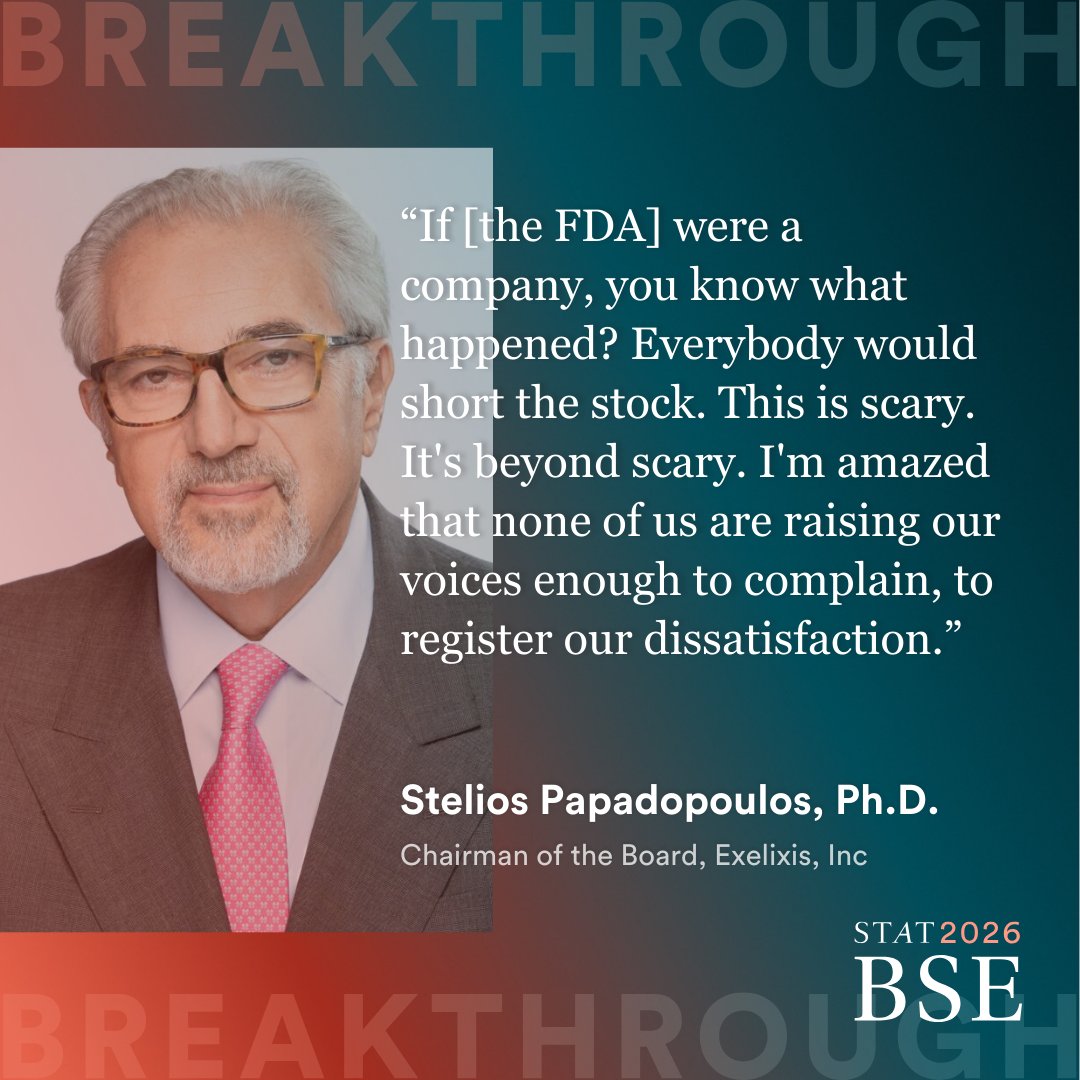
@RxRegA The fda has lost its scientific rigor. No longer predictable as all based on whims and biases. Vinay was not a serious person
English

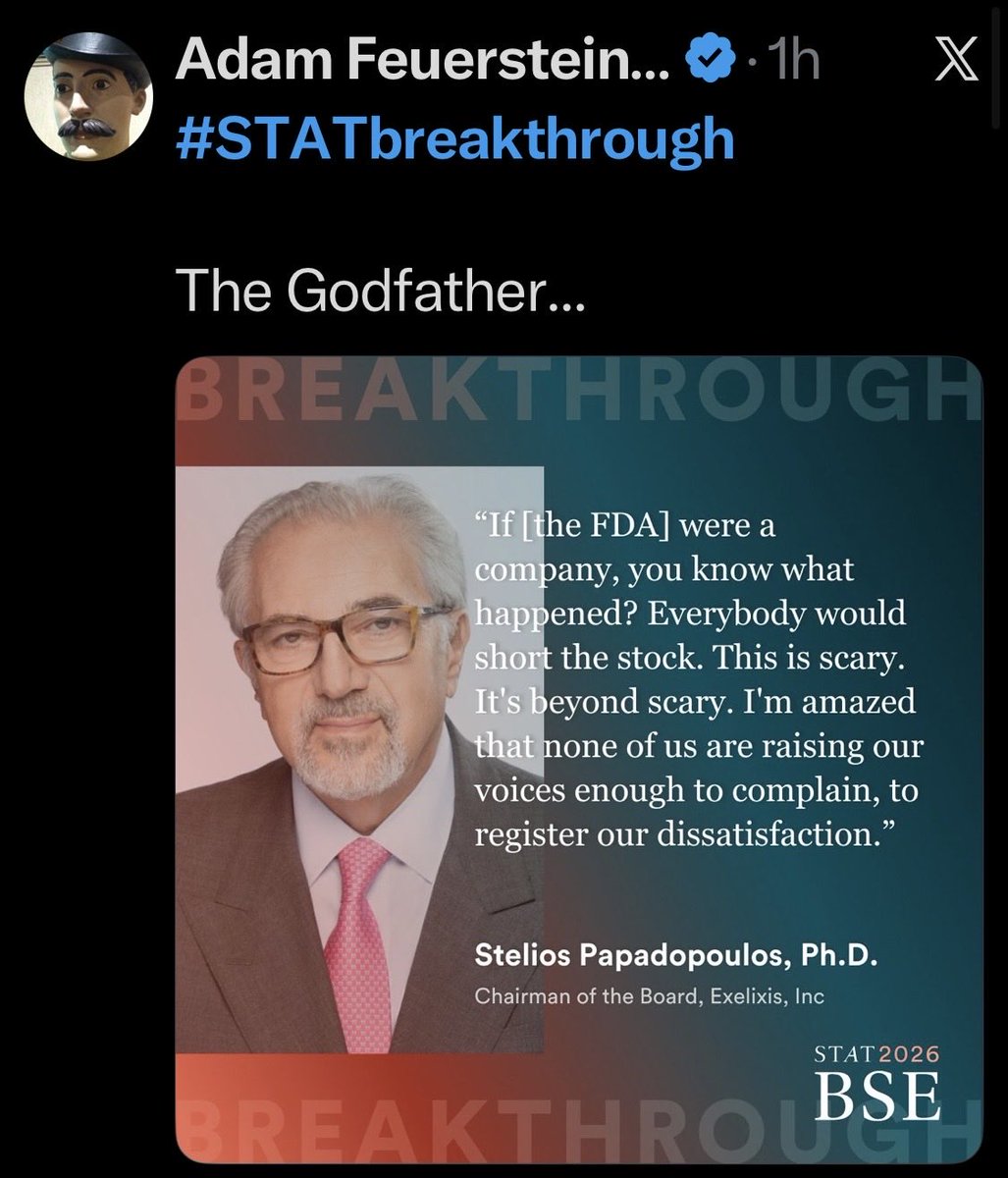
Here we have the “Godfather of biotech” expressing dissatisfaction with the FDA, but pharma isn’t the customer. The American people are. And pharma being happy doesn’t necessarily mean the American people benefit. Right now, pharma being dissatisfied may just mean the FDA isn’t rubber-stamping things.
English
@JimCraigManning @AnnCoulter It was pretty clear if you watched the movie
English

@masterlongevity @AnnCoulter If you have to tell people “it was a joke“, the joke didn’t work.
English

Liel Leibovitz in the Free Press: "As a work of art, One Battle After Another is irredeemable. It feels like the sort of thing written by a committee of socialist college sophomores cracking each other up ...
"Paul Thomas Anderson seems interested more in purring for his fellow progressives than in making interesting movies ..."

English
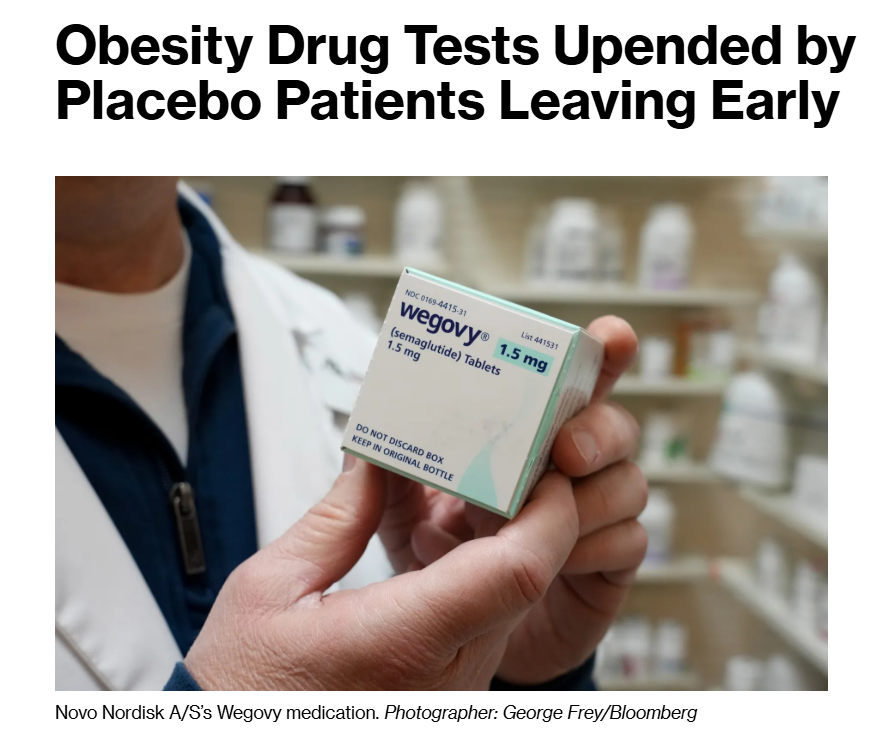
@cremieuxrecueil Arent most drugs in trials now using semagultide as comparator. If you cant beat that, there is no chance of success anyway.
English

masterlongevity. ری ٹویٹ کیا

masterlongevity. ری ٹویٹ کیا

My daughter has been seizure-free for 3 years on a real therapy.
Now the Expanded Access program is closing.
No plan.
No timeline.
No guarantee.
So this week I wrote a seizure crisis plan… for a child who was stable.
Not because the drug failed.
Because the system did. FDA failed us.
A working treatment exists—and access can still disappear overnight.
That’s not safety.
That’s harm. @US_FDA @DrMakaryFDA @WhiteHouse @POTUS
English
@kaitlancollins @melissakchan Diplomacy at its finest. Jfk
English

Asked why he didn't coordinate with allies before going to war with Iran, Trump says, "We didn't tell anyone about it. Who knows better about surprise than Japan? Why didn't you tell me about Pearl Harbor, OK?"
English
@laurenlself I know several people in long term rent control who have 2nd homes in tahoe, montana or Hawaii
English

It is diabolical that rent control is not means-tested.
Rent control in SF is determined not by a tenant’s income, but by the building’s structure and the year it was built.
Was it built before June 1979? It’s probably rent controlled.
If Marc Andreessen or Garry Tan signed a lease in a duplex built in 1978, their landlord would not be allowed to increase their rent by more than 60% of Bay Area CPI/year (1.6% this year)
Meanwhile, an elementary school teacher living in a single family unit built just two years later in 1980 can see a 40% annual rent increase. There are no rules against that!
1 in 5 rent-controlled tenants in SF pays less than 50% of market rent. No income analysis. No verification. No one even asks!
We means-test food stamps. We means-test Medicaid. We means-test student aid.
But the biggest housing subsidy in San Francisco?
Yeah, we’re gonna base that one on whether your building was framed before or after June 1979.
Unrelated: does anyone know why the rent is so damn high?
Lauren Self@laurenlself
50 SF residents hit the lottery last year They lived in rent-controlled units and their landlords paid >$100k/unit to get them out They took, on average, $76k to their new homes The former tenant of 2121 Divisadero scored $250k all to themselves! And the best part?
English
masterlongevity. ری ٹویٹ کیا

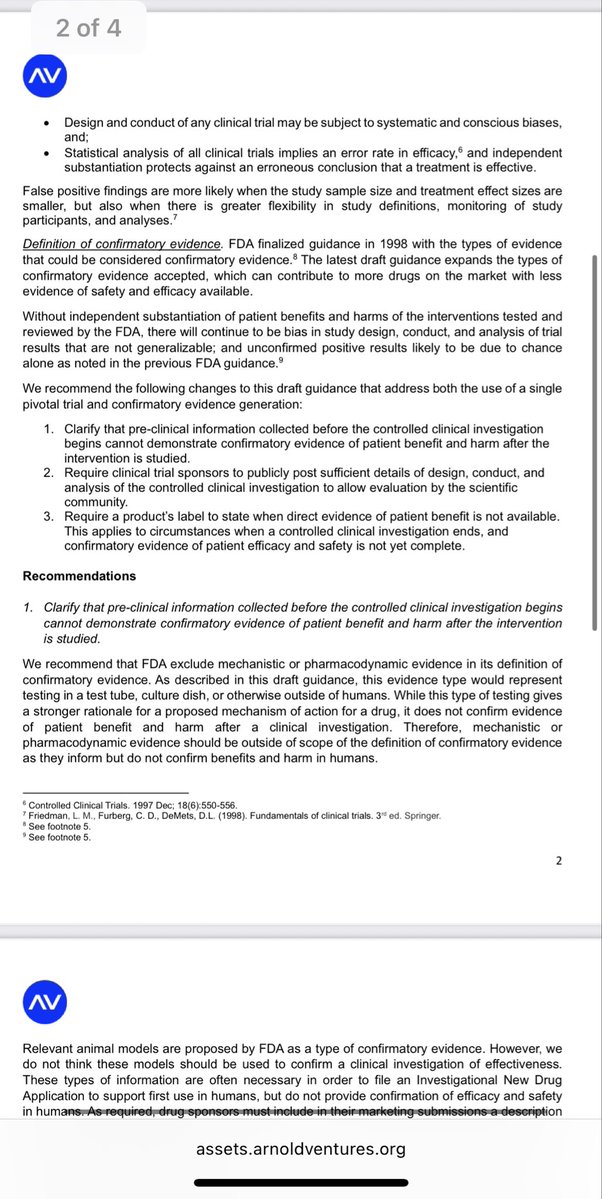
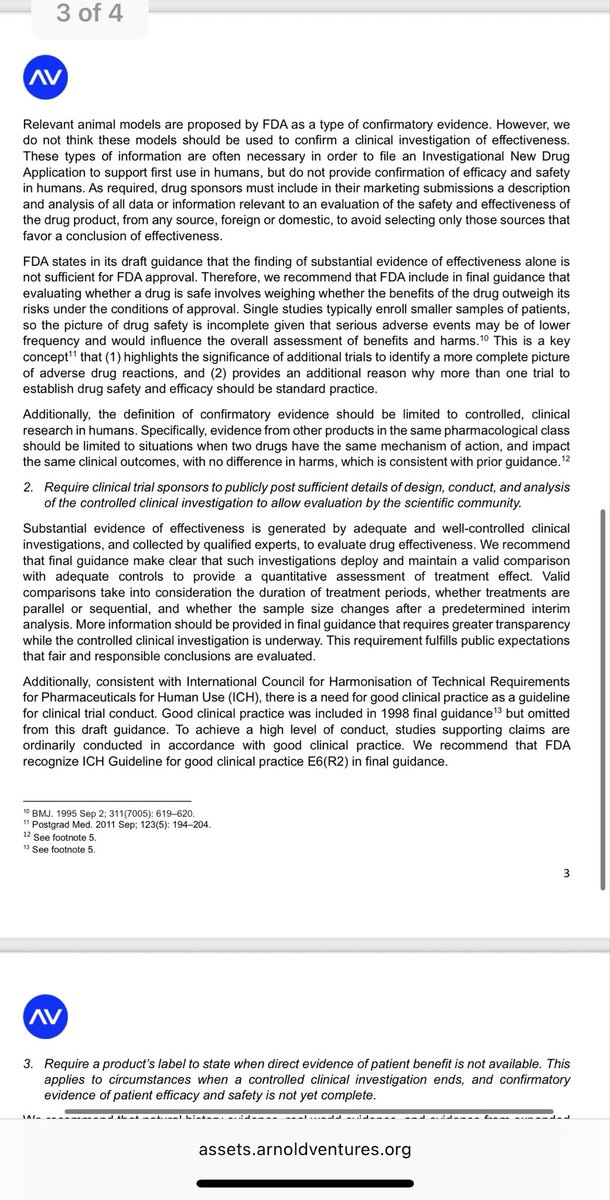
Funny little fact pattern.
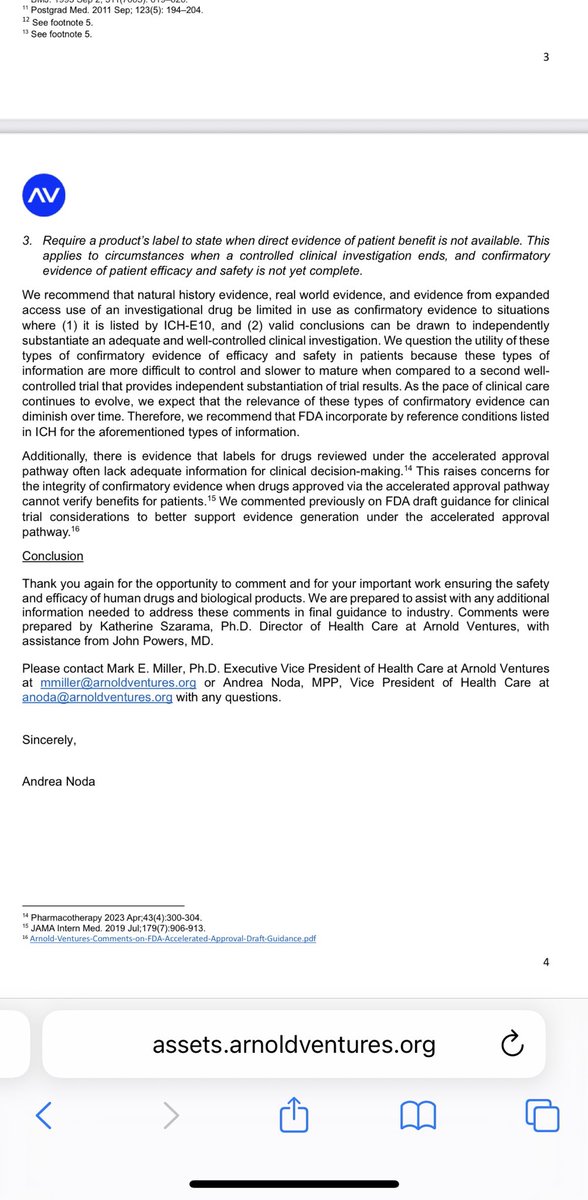
1.Szarama wrote the Arnold Ventures letter arguing against external controls in December 2023;
2.She was appointed CBER Deputy Director October 8, 2025;
3.FDA rug pulled on AMT-130 22 days later;
4.No public recusal record exists.
@adamfeuerstein @LizzyLaw_ @SenRonJohnson @SenBillCassidy @RepJasonSmith @RepAuchincloss @SenateAging

English
@emilyakopp @RNAiAnalyst @grok The point is that prasad is unable to independently evaluate evidence. This goes back years including his biases as an academician
English

@RNAiAnalyst @grok You guys are such poor winners! Almost as if you need a perpetual scapegoat for your inability to evaluate evidence and place good bets 🤔
English

masterlongevity. ری ٹویٹ کیا

$qure, it is getting way more uglier than many of us could imagine: Marty Makary got almost $700k grant and Vinay Prasad $2M from Arnold Ventures/foundation and CBER deputy director Katherine Szarama used to work at AV. Who else at FDA have financial ties with AV?


English
@SelectivePress @gmiller Its clearly good for pattern recognition in images, but thats not complex biology
English

@gmiller Are you similarly sceptical about using AI image recognition tools for the analysis of x-ray images and other types of patient data?
English
masterlongevity. ری ٹویٹ کیا

A mini-rant abut AI and longevity.
They say "Artificial Superintelligence would take only a few years to cure cancer, solve longevity, and defeat death itself'.
This is a common claim by pro-AI lobbyists, accelerationists, and naive tech-fetishists.
But the claim makes no sense.
The recent success of LLMs does NOT suggest that ASIs could easily cure diseases or solve longevity, for at least two reasons.
1) The data problem. Generative AI for art, music, and language succeeded mostly because AI companies could steal billions of examples of art, music, and language from the internet, to build their base models. They weren't just trained on academic papers _about_ art, music, and language. They were trained on real _examples_ of art, music, and language. There are no analogous biomedical data sets with billions of data points that would allow accurate modelling of every biochemical detail of human physiology, disease, and aging. ASIs can't just read academic papers about human biology to solve longevity. They'd need direct access to vast quantities of biomedical data that simply don't exist in any easy-to-access forms. And they'd need very detailed, reliable, validated data about a wide range of people across different ages, sexes, ethnicities, genotypes, and medical conditions. Moreover, medical privacy laws would make it extremely difficult and wildly unethical to collect such a vast data set from real humans about every molecular-level detail of their bodies.
2) The feedback problem. LLMs also work well because the AI companies could refine their output with additional feedback from human brains (through Reinforcement Learning from Human Feedback, RLHF). But there is nothing analogous to that for modeling human bodies, biochemistry, and disease processes. There are no known methods of Reinforcement Learning from Physiological Feedback. And the physiological feedback would have to be long-term, over spans of years to decades, taking into account thousands of possible side-effects for any given intervention. There's no way to rush animal and human clinical trials -- however clever ASI might become at 'drug discovery'.
More generally, there would be no fast feedback loops from users about model performance. GenAI and LLMs succeeded partly because developers within companies, and customers outside companies, could give very fast feedback about how well the models were functioning. They could just look at the output (images, songs, text), and then tweak, refine, test, and interpret models very quickly, based on how good they were at generating art, music, and language. In biomedical research, there would be no fast feedback loops from human bodies about how well ASI-suggested interventions are actually affecting human bodies, over the long term, across different lifestyles, including all the tradeoffs and side-effects.
It's interesting that most of the people arguing that 'ASI would cure all diseases and aging' are young tech bros who know a lot about computers, but almost nothing about organic chemistry, human genomics, biomedical research, drug discovery, clinical trials, the evolutionary biology of senescence, evolutionary medicine, medical ethics, or the decades of frustrations and failures in longevity research. They think that 'fixing the human body' would be as simple as debugging a few thousand lines of code.
Look, I'm all for curing diseases and promoting longevity. If we took the hundreds of billions of dollars per year that are currently spent on trying to build ASI, and we devoted that money instead to longevity research, that would increase the amount of funding in the longevity space by at least 100-fold. And we'd probably solve longevity much faster by targeting it directly than by trying to summon ASI as a magical cure-all.
ASIs has some potential benefits (and many grievous risks and downsides). But it's totally irresponsible of pro-AI lobbyists to argue that ASIs could magically & quickly cure all human diseases, or solve longevity, or end death. And it's totally irresponsible of them to claim that anyone opposed to ASI development is 'pro-death'.
English
He gave that together with a known immunotherapy (pd-1) that is a known anti-cancer agent , approved and marketed for 20 types of human cancers and also approved for canine cancer. Its not clear if the mrna did anything because it was combined with an effective anti- cancer agent
English

@trentster @gmiller Nonevof that has much to do with whats going on inside a human body. Thats his whole point
English

A few years ago, LLMs and inference did not exist. Your assumption is that AI will always rely on training using datasets in the same way it has in the past. Never assume things remain the same. Unless it’s atrophy 😉
Some ways things could work differently:
1. AI connected to a fully kitted-out bio facility directing all the equipment and robotic workers autonomously to meticulously iterate through and test complex molecular chains or new longevity technologies. Constantly iterating and pivoting in multiple directions. Think. Try. Test. Improve. Ad infinitum.
2. An iterating AI building itself new datasets in real-time by scraping the world in ways we can’t even imagine now. E.g Camera feeds globally, voice conversations globally, hospital data, medical records, DNA data.
3. Things we cannot even imagine yet, things beyond our frame of reference or intelligence.
That’s just off the top of my head…
English
In reality anything that is exponentially iterating will solve anything that exists within the realm of physics. Including human disease.
The danger question for humanity is what vectors of risk will we be exposed to along that exponential AI curve.
Will a vastly more capable intelligence always be benign and favour an inferior intelligence above all else?
Unlikely for the same reason we care not about ant colony displacement when we build a skyscraper. Their wellbeing simply does not factor in.
English
masterlongevity. ری ٹویٹ کیا

More than 150,000 uncounted Covid-19 deaths occurred early in the pandemic, a study finds — via @AP trib.al/Egievdc
English
masterlongevity. ری ٹویٹ کیا