Dr Anu@NoteAnu_
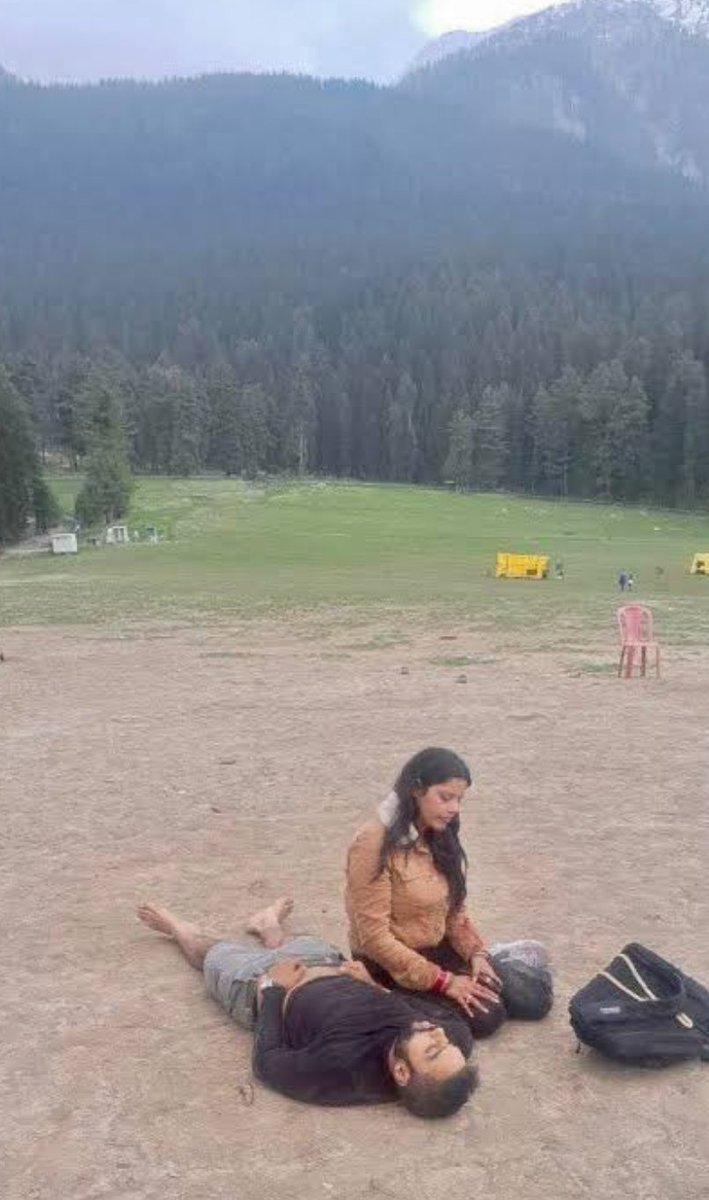
After Pahalgam, the Real Question Isn't CAPFs vs IPS It's Citizens' Safety vs Privilege
Pahalgam was not an isolated incident. From Pulwama to insurgency-hit Jharkhand, a pattern has emerged: When internal security systems fail to align with ground realities, civilians pay the price. Yet, the national conversation has consistently focused on the wrong question: “What do CAPFs want?” The real, urgent question is simpler: “What do citizens need? ”
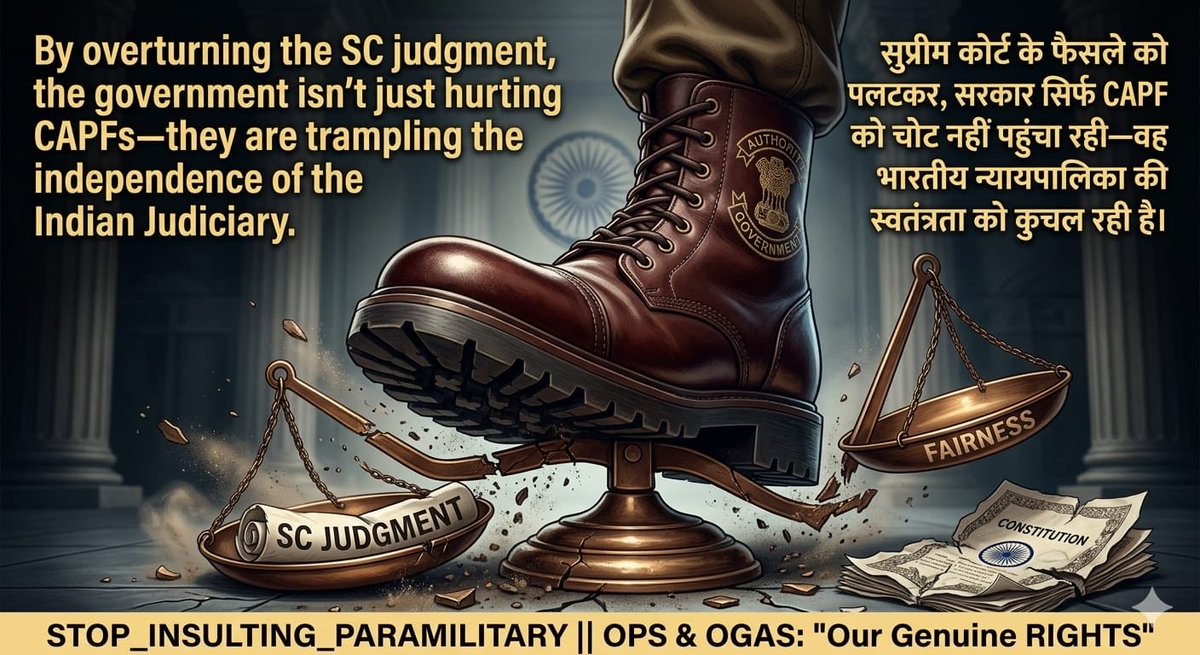
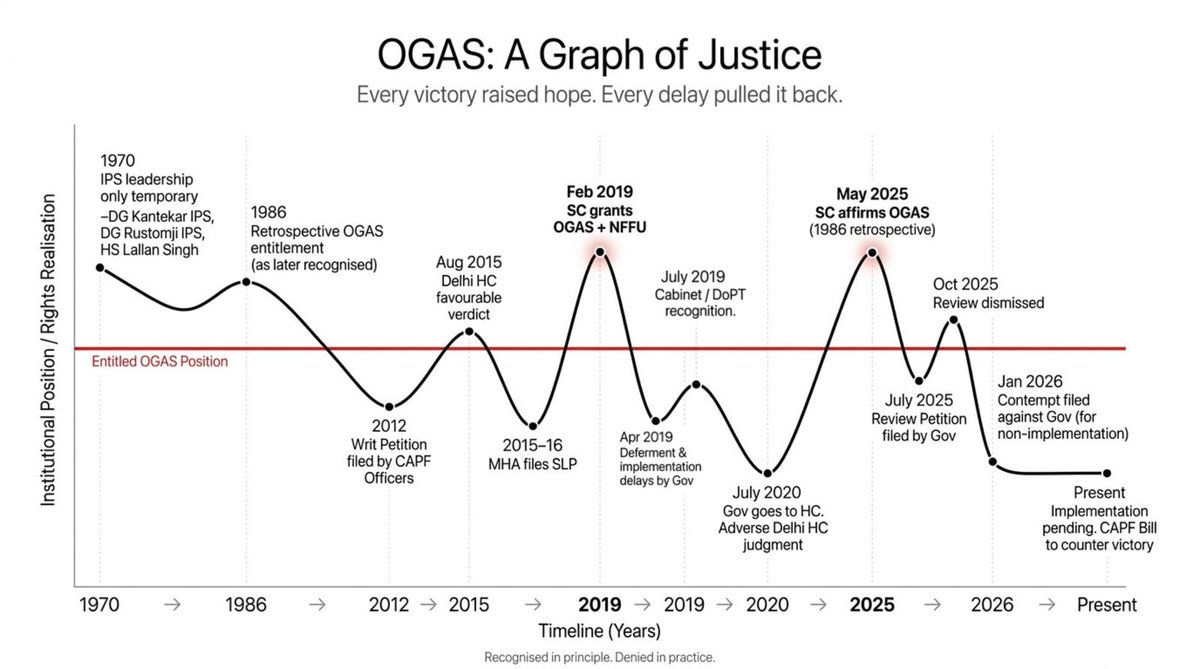
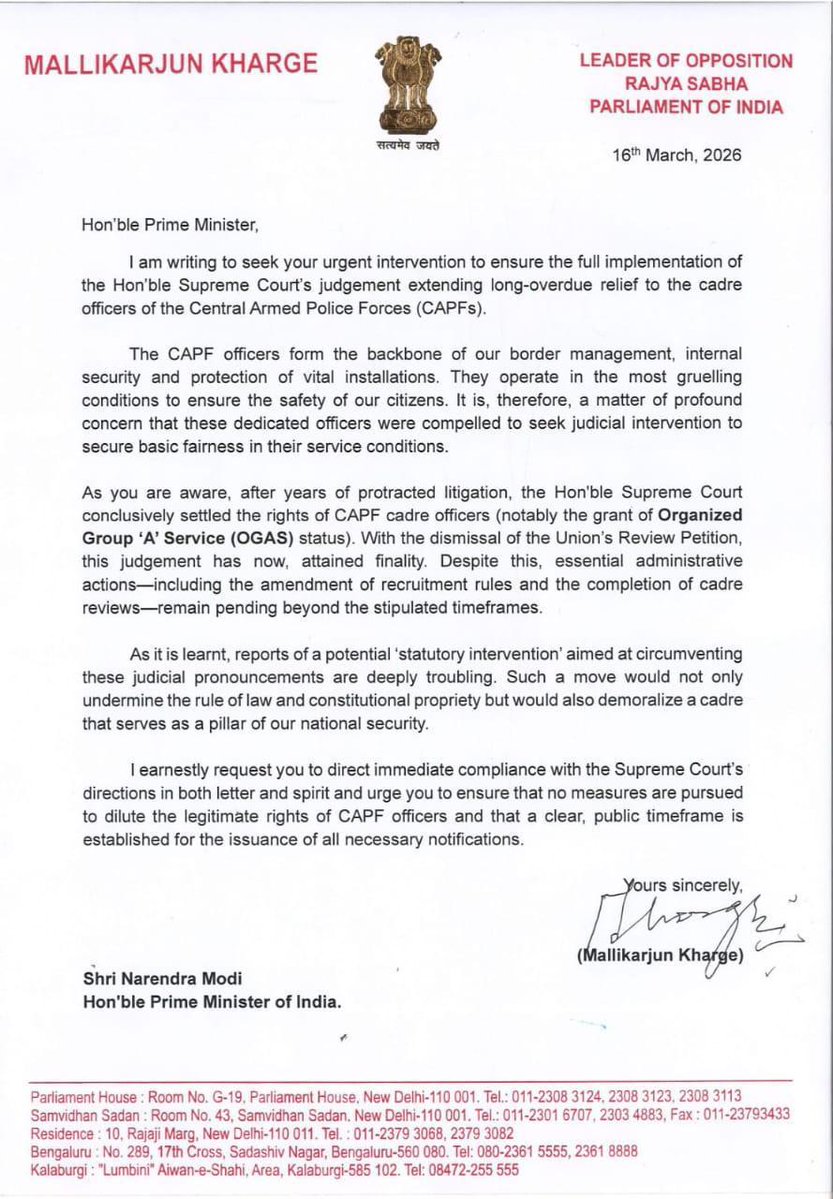
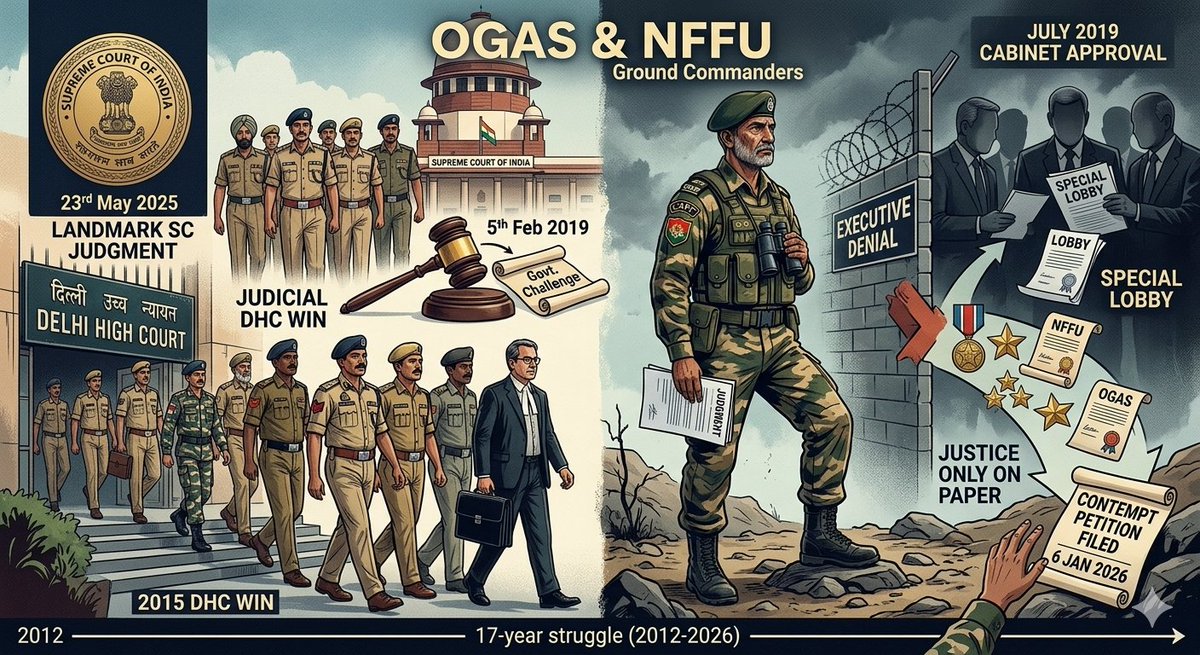
In 2025, the Supreme Court recognized that Central Armed Police Forces are an Organized Group A Service (OGAS) in all respects, including cadre structure and career progression. The Court acknowledged that lateral entry had created structural imbalance, leading to stagnation, frustration and weakened morale. It affirmed that leadership in these forces should be built from within, not imported from outside. This ruling was not merely a service matter, it was a recognition that institutional design shapes outcomes. Yet, implementation remains contested, diluted and delayed.
The consequences of inaction are not administrative, they are human. Every postponement of structural reform carries real costs: stagnation within forces, erosion of morale, fragmented accountability and ultimately, a weakened security response on the ground. And when systems fail, it is civilians, not institutions, who absorb the shock. Unarmed, untrained and unprepared, they become the first and worst victims.
Albeit slowly, awareness is growing: the public is increasingly recognizing that CAPFs are neither police nor army.
And that the CAPFs operate continuously in conflict zones, not in episodic law-and-order situations.
They function in internal security theatres with sustained risk, bridging civil policing and military operations.
Yet, for decades, they were treated like neither. This structural confusion shaped policy and stalled reform, but it is beginning to unravel.
Leadership in conflict zones is not theoretical. It is forged in terrain familiarity, unit cohesion and institutional memory. Lateral deputation may look neat on paper, but on the ground it results in blocked careers, low morale and operational disconnect.
Citizens, increasingly, are asking the unavoidable question: Where is the ground experience? Why should their security rest in entitlement rather than lived expertise?
This debate is not about opposing any service. It is about fighting structural inertia. Citizens expect judicially settled reforms implemented, CAPFs to evolve into self-sustaining professional forces and leadership pipelines rooted in experience rather than entry pathways. Internal security is not the place for half-measures.
Pahalgam is more than a memory, it is a question for India's leadership, do we continue with delay and dilution, or do we align structures with reality? The Supreme Court has spoken. The ground has spoken. Now, citizens are speaking.
The message is unmistakable: reform the system to match the battlefield, or be prepared to relive its failures.
@PMOIndia
@HMOIndia