Jon 已转推

Join us on Kickstarter and let’s bring this beautiful #girlfromtheforestfloor vinyl art figure into the wild & on to your shelf! 🌱
LIVE NOW ✨Link in bio!!
English
Jon
8.7K posts

@NetReturn
| Optimist | 1980s-phile | Co-founded domain exchange https://t.co/5hfA5iyQ3j | @StinkMovie |




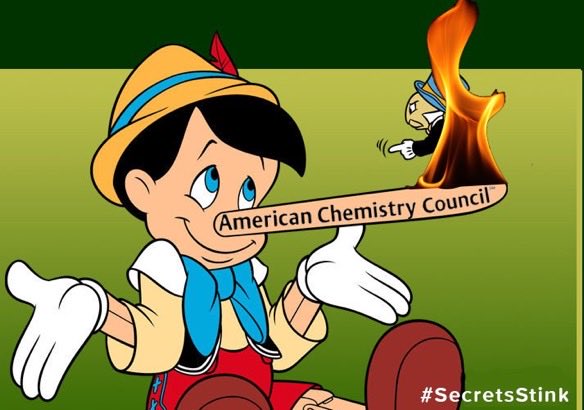
This week I will introduce the “No Immunity for Glyphosate Act” to undo the recent Executive Order which promotes glyphosate (Round-Up) and insulates manufacturers from liability. #MAHA
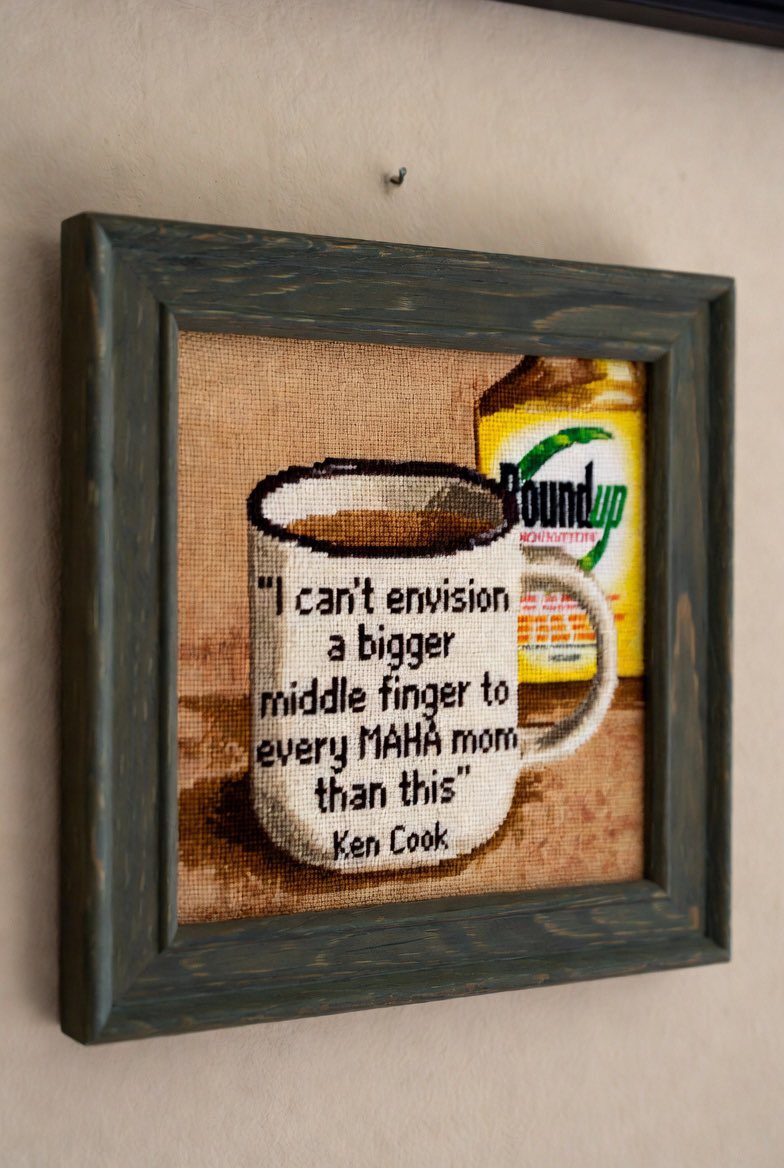


"A middle finger to every MAHA mom." Trump has ordered the government to ramp up production of the weedkiller glyphosate, citing national defense. MAHA is furious. Kennedy, in an awkward spot, issued a statement backing POTUS w/ @HirokoTabuchi nytimes.com/2026/02/18/us/…


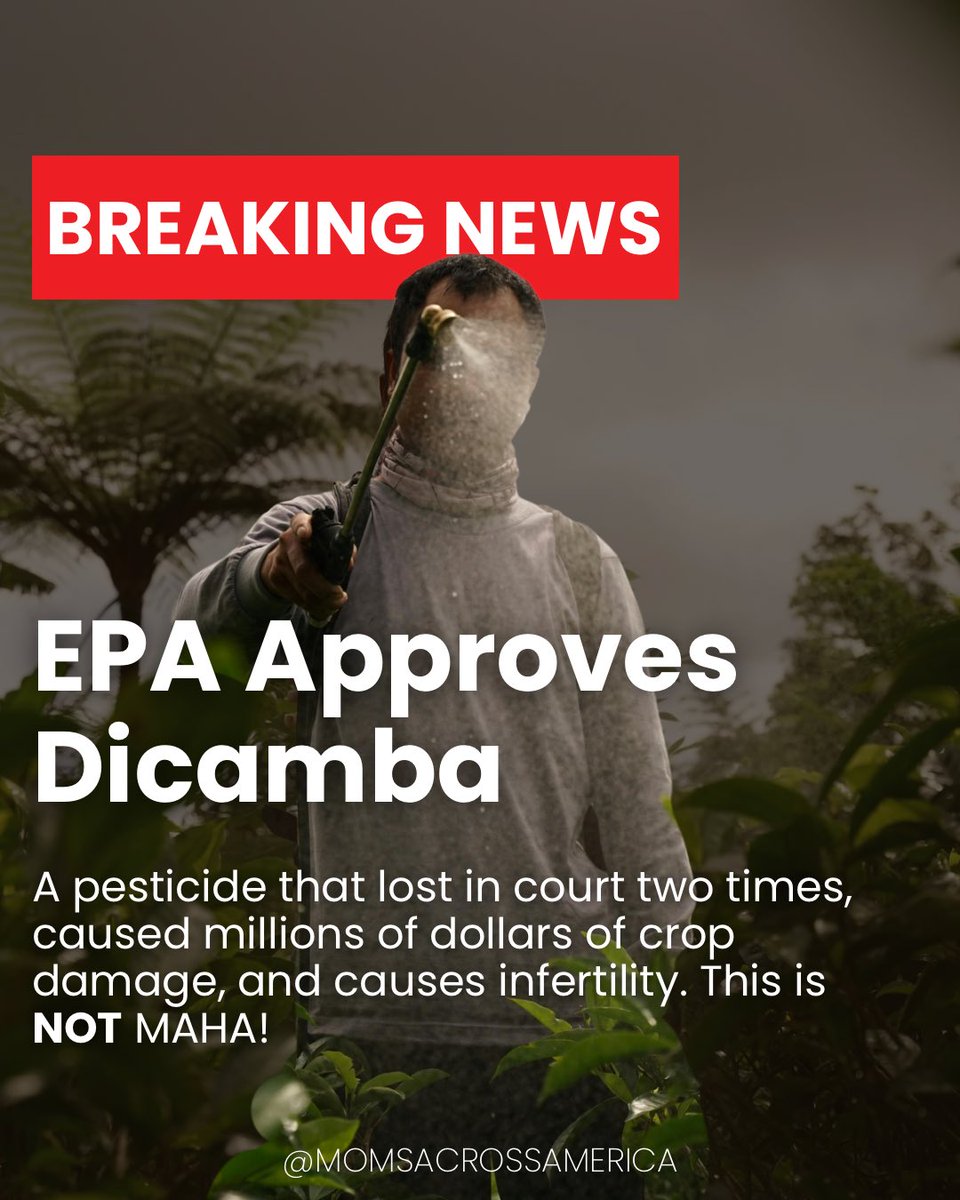
The EPA re-approved dicamba for use on genetically engineered soybeans and cotton, despite mounting evidence that this herbicide is undermining ecological, soil, and human health at landscape scale. Dicamba is a synthetic auxin, meaning it mimics a plant's own growth hormones, triggering uncontrollable cell growth that kills sensitive broadleaf weeds. The problem is that its effects don't stay where they're applied. Dicamba vaporizes for up to 72 hours after application and drifts unpredictably for miles. By 2017, 3.6 million acres of soybeans were damaged across 25 states from drift events. Drift exposures reduce flowering in native plants, suppress pollinators, and shrink insect biomass which cascading through food webs that migratory birds in the depend on. Proponents of dicamba claim it's a necessary tool due to its ability to eliminate "super weeds" that have developed resistance to glyphosate and other herbicides. It turns out the same problem is repeating. Dicamba resistant waterhemp has already been confirmed in 4 states. Weeds are evolving internal detoxification pathways broad enough to neutralize not just dicamba but also herbicides they've never even encountered. Dicamba disrupts rhizosphere microbial communities and upregulates denitrification pathways, essentially draining plant-available nitrogen from the system while suppressing nitrogen fixation. Dicamba increases antibiotic resistance genes in soil bacteria, linking its use to one of the major public health issues of our time. And if that's not enough cause for concern, an NIH study linked the highest dicamba exposure to an 80% increased risk of liver and bile duct cancer, along with non-Hodgkin lymphoma, leukemia, and hypothyroidism. Another biomonitoring study detected dicamba in every pregnant participant across three Midwestern states at four times the concentration measured a decade prior. This is yet another example of the herbicide treadmill. Each chemical fix erodes the biological capital - soil microbiology, pollinators, native plant diversity and ultimately human health.


Oopsies. Looks like the Missouri Soybean Association let slip a little early that EPA is re-approving dicamba. Their post is now deleted, but I got a screenshot :) That was almost an hour ago. Still no decision made public yet Must be nice to have insider information, huh?