

Ben Reade
1.3K posts
Ben Reade
@BenReade8
Nuke Nerd. Masters in Nuclear Science and Technology. Bachelors in Mechanical Engineering. 110IQ. 186cm. Christian.
Beigetreten Ekim 2019
452 Folgt176 Follower
@quasistable There are very good engineering, political, and economic reasons to not dump nuclear waste in the ocean. Bringing the practice back is not the key to cheap nuclear!
English
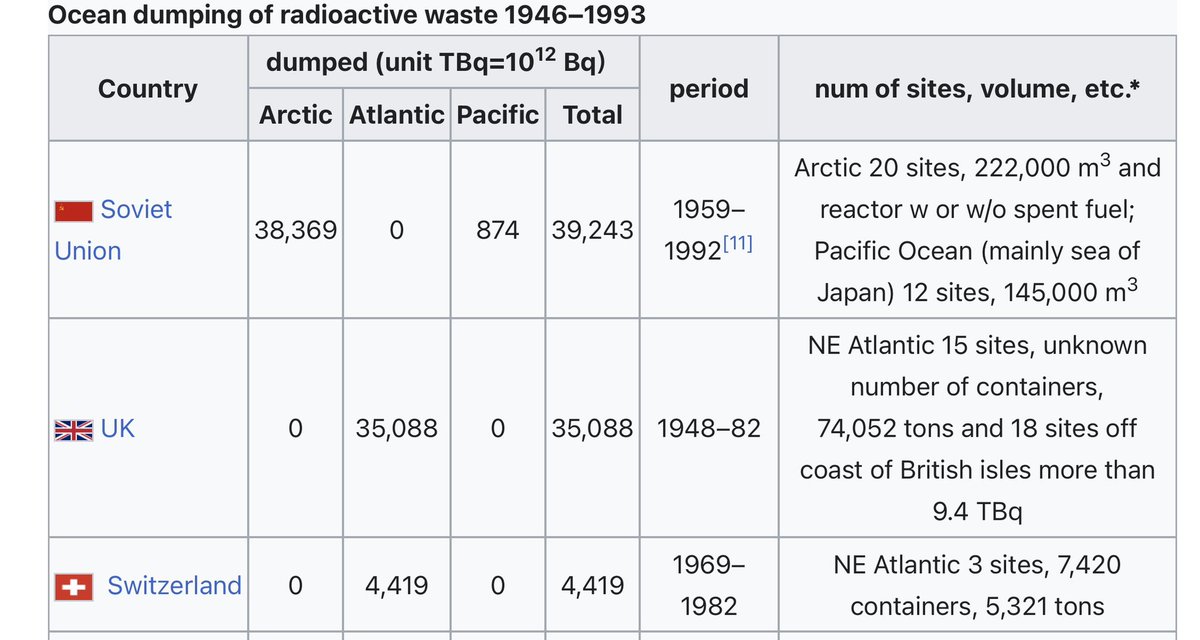
Related: Britain is second only to the Soviet Union in the amount of radioactive waste it dumped in the ocean.
The industry deserved a public reckoning.
Sam Bowman@s8mb
Between 1956 and 1971, Britain built 26 nuclear reactors. By 1965, it had built more nuclear plants than the US, USSR, and France combined. Today, Hinkley Point C will be the most expensive nuclear power station ever built, anywhere, and Britain hasn't completed a reactor since 1995. worksinprogress.co/issue/how-the-… What the hell happened? Many explain the decline of British nuclear power by pointing to particular misfortunes: a bad bet on a flawed reactor design (the AGR), Three Mile Island, or Chernobyl. But the real explanation is the abuse of technocratic authority and public trust. In the early decades, Britain's nuclear engineers operated with a degree of latitude that would be almost unthinkable today. The Atomic Energy Authority enjoyed immunity from civil liability and most regulation. To build reactors, the Central Electricity Authority would briefly study possible sites, announce its choice The London Gazette and the local press, and notify any landowner or leaseholder. Any objections would be heard at local inquiries that usually lasted less than a week, after which construction could start. But the technocrats used this freedom badly: • The tender for Dungeness B in 1965 went to moribund company that had submitted a token bid with no expectation of winning, that went bust four years into the project. • The reactor came online 13 years late and four times over budget. • Officials and engineers refused to take public concerns about nuclear waste seriously. Britain tried dumping nuclear waste in the Forest of Dean in the 1950s and dumped it at sea for decades until Greenpeace publicized the practice in 1978. • The Central Electricity Generating Board secretly subsidized nuclear with revenue from coal and oil plants for years. Eventually, the industry lost its privileges. The Trawsfynydd planning inquiry of 1958 ran to fifty pages; Hinkley Point C's environmental assessment alone runs to forty-four thousand. The Nuclear Installations Inspectorate had thirteen inspectors in 1959; its successor has more than four hundred. Where regulators once deferred to the engineers, they now demand revisions on an almost unimaginable scale — some seven thousand design changes at Hinkley Point C, producing a reactor with a third more steel and a quarter more concrete than its counterparts in China, France, or Finland. Every nuclear programme that has worked – Britain's, France's, or China's today — has four things in common: clear political backing, regulators with reason to approve, predictable demand, and a public willing to go along. Between 1965 and 1995, Britain lost all four. New at Works in Progress, @chalmermagne on how Britain forgot how to build cheap, clean nuclear power. worksinprogress.co/issue/how-the-…
English

Map of FSI's language difficulty levels. When considering whether learn a language, it's best to not just consider its use case but to also divide that by how much time you would expect to spend on it.

English
@StefanFSchubert Every student should spend 1/10th of the money they will spend studying, researching or consulting others to predict how well they will do in a given career path. The old maxims just dont work anymore
English

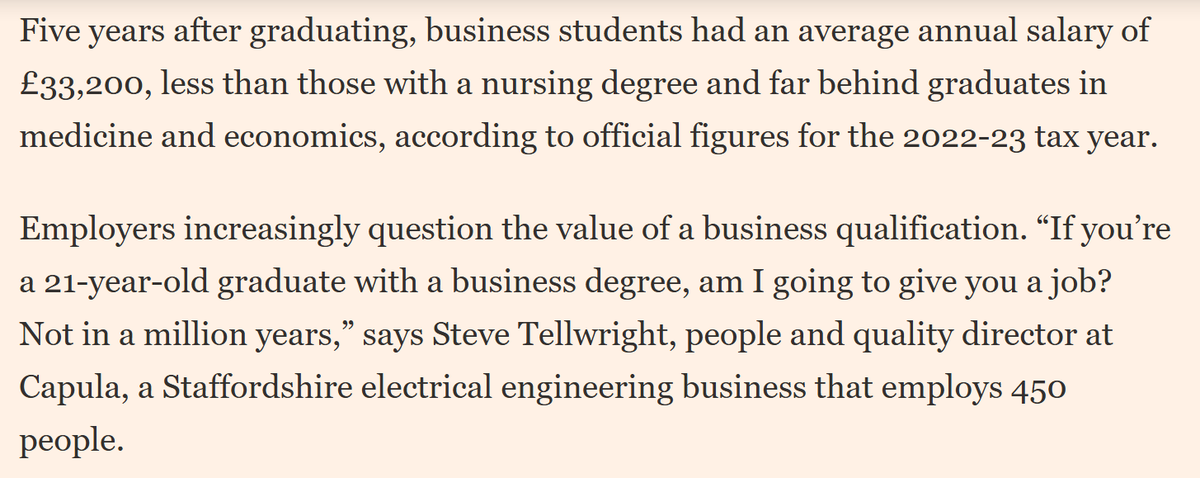
In the UK, a business degree has lower returns than nursing degree after five years
English
@NefX_Guru8 @alvinfoo Womens fertility is a window. By 32 to 36 it closes and you wont be able to have children. Feminism does not teach thag
English

@alvinfoo Telling a girl not to get her PhD at 29 is some hatin ass shit. She'll have plenty of time to get a boyfriend after she graduates.
English

@NickyZog @theiaincameron As someone from Mull, this sounds like something they tell the otter botherers on wildlife tours. You can climb to the top of Mulls highest peak and see a huge amount of the coastline. With all the nooks and crannies the length of a coastline is infinite. Ever heard that?
English

@theiaincameron Not sure if true, but I often heard Argyll's coast alone is longer than the whole coastline of France and Mull's coast stretched out would reach London.
English

Scotland is tiny in world terms. It fits comfortably into a corner of Texas. However, at over 18,000km, Scotland's coastline could traverse the USA's landmass more than four times, with plenty of room to spare.


English
@BYoshua66901 @nikiscevak As someone who is chasing a company for 3000 GBP, that sounds amazing
English

This country loves bureaucracy 🤦🏻♂️ The number of people who come out of the woodwork just to put you in your place is nobody’s business. One little disagreement with a customer and the next day you get an email from an ombudsman demanding an explanation. One day small and medium businesses will need a dedicated staff member just to answer back to those bureaucrats. It is so overly regulated.
English

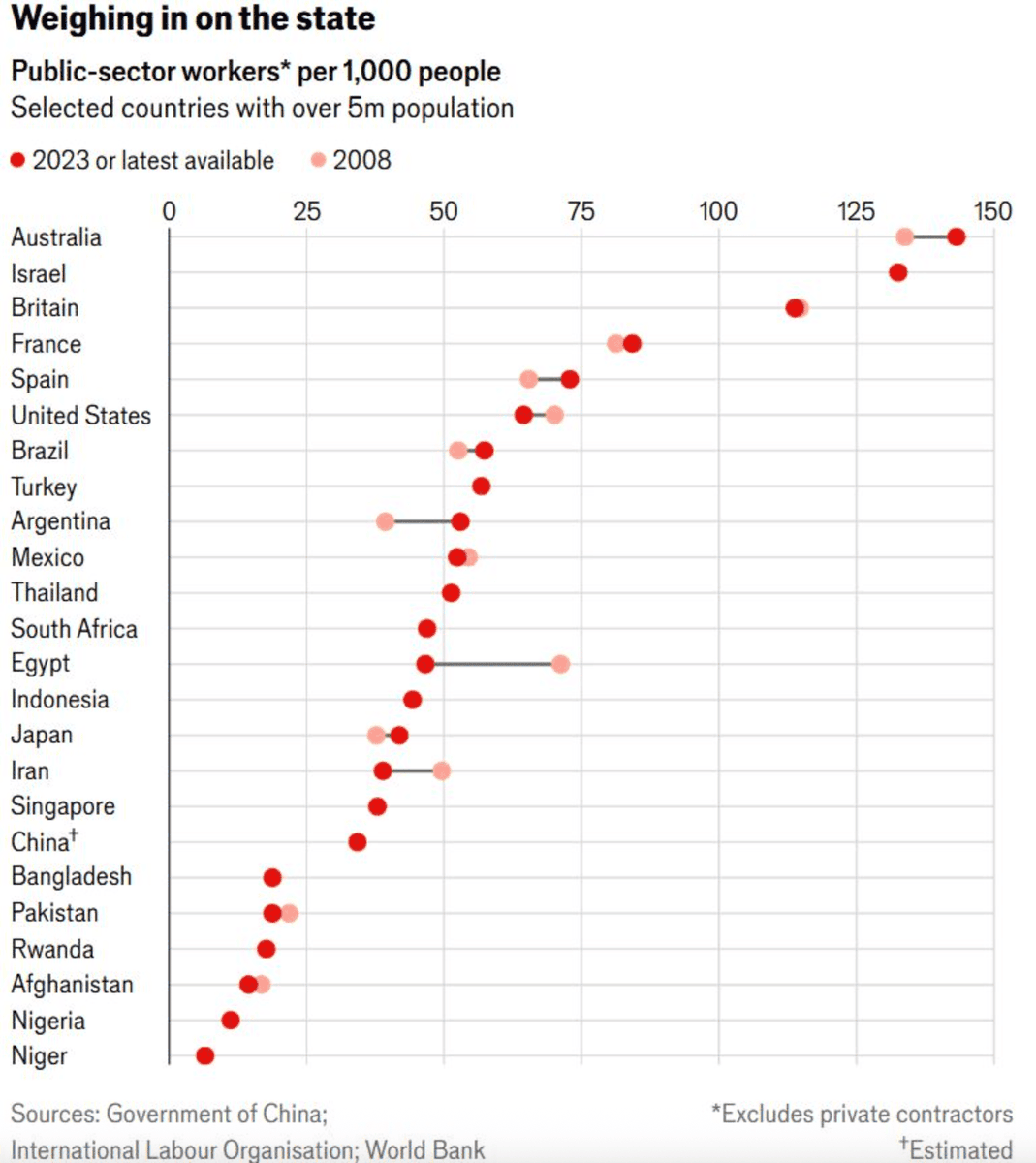
Australia has 5x the number of public servants per capita than China 🙈
English
@TonyB_1997 @tomhfh The cladding was sold as being non-flammable. It was some weed addicited man who faked the regulation test results.
English


At some point we should reappraise whether the response to the Grenfell tragedy (circled) should have been to make it impossible for thousands to sell their homes, impose tens of billions of costs on our economy, and practically end the construction of new tall buildings.

English
@RorateCaeli There are Laughing Buddha statues repacing the gargoyles on the outside too. Needs someone with gokd aim to shoot them off.
English

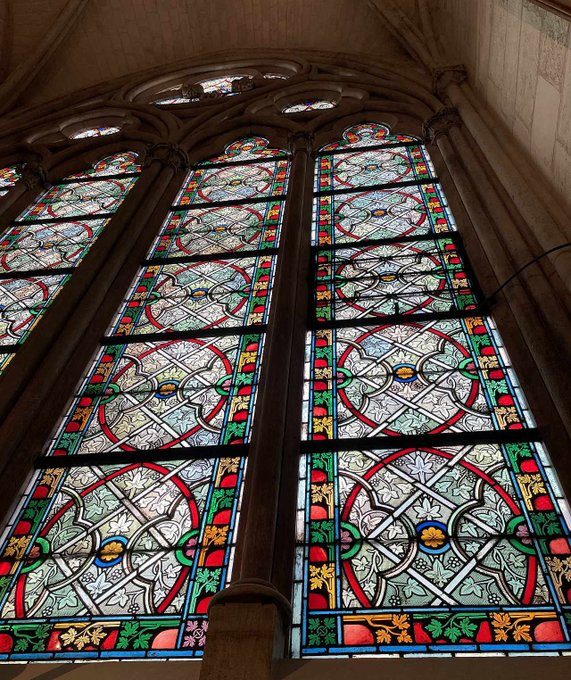
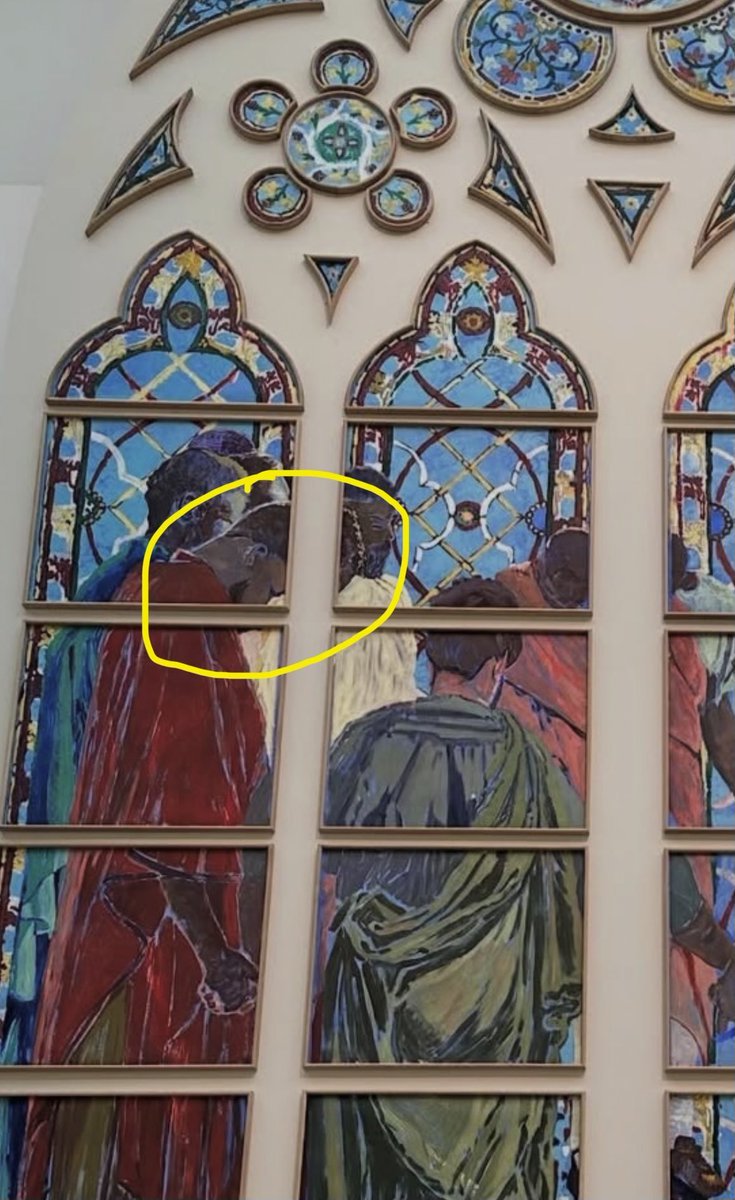
Some of the Viollet-le-Duc stained glass windows in Notre-Dame de Paris (miraculously untouched by the fire) are to be replaced this week by some modern "diversity" nonsense pushed by Emmanuel Macron.
The artist responsible for it, Claire Tabouret, made so many silly mistakes (since she is not a stained glass designer) -- look at the heads for instance...
English
@TuskerPlanning @jaychuksy The story is real but the scenes shown are fake. Not everything is recorded for the internet
English

@jaychuksy Who would still wear a hardhat if this happened and, not call an ambulance and go to this place instead? Fake
English

Who else knew that mayonnaise could be used to remove asphalt residue
English
@OrinocoBlow @markbishopuk @dibden_jake Lmao you fucking leftie. Its not a good thing if your political classes rely on surpressing opposing views. It just means when the culture war starts irl the anger agaisnt you people for what has been done will be greater. Im openly right wing when with close friends and family.
English


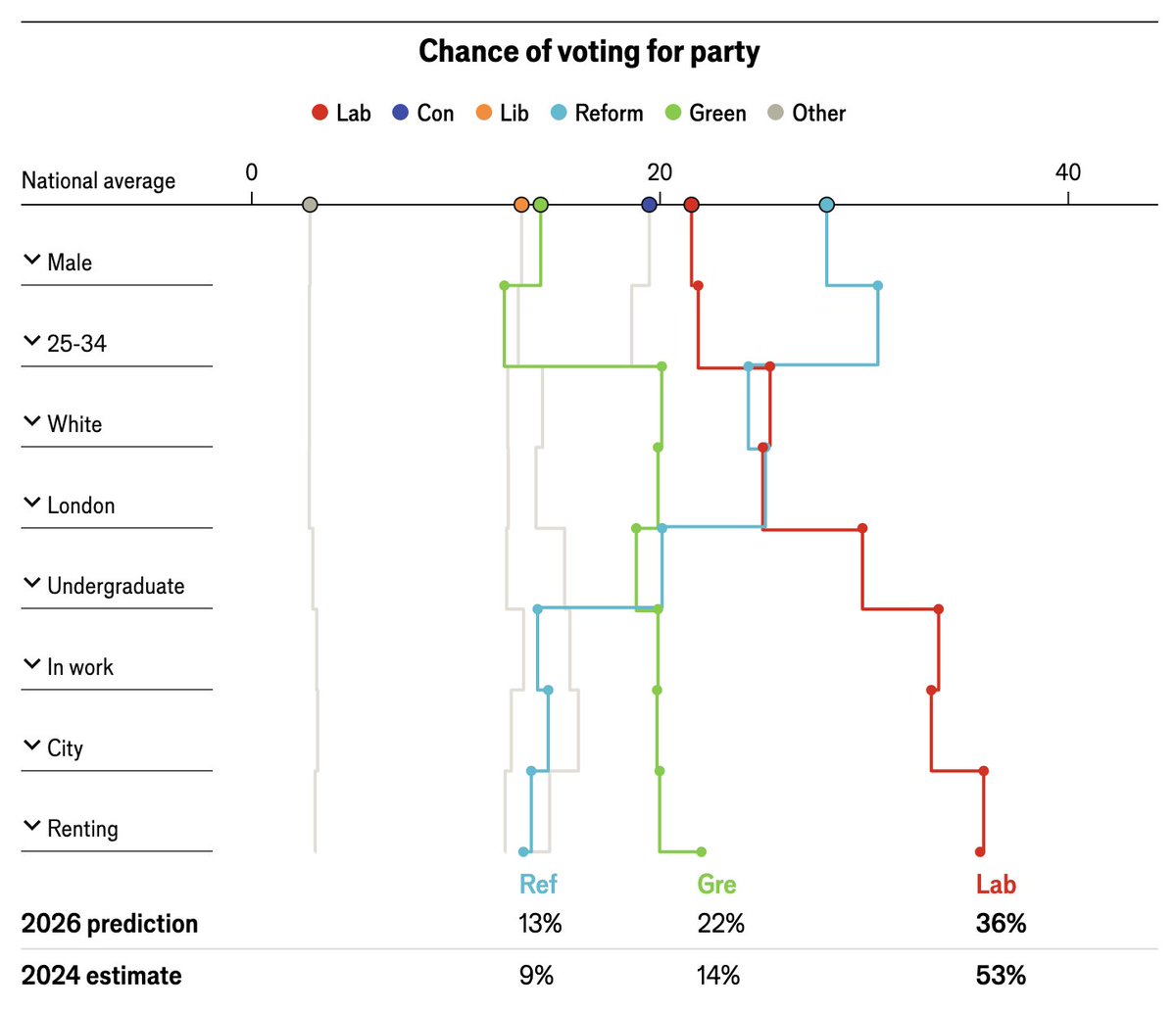
Your friendly reminder (that despite the image portrayed online) Nick, 30 ans, still votes for Labour because he is a young urban graduate, and is more likely to vote for the Greens than to vote for Reform.
English
@OrinocoBlow @markbishopuk @dibden_jake Have you even been out recently? Revealing you plan to vote right wing is literally social suicide. You have to constantly pretend to be left, memorise the lines, learn the symbols, or you will be cancelled.
English
@markbishopuk @dibden_jake Lmao that’s such a self tell. Sorry you can’t get pussy, chief!
English
@TrishMacf @trwsenti A bad flat share is torture. Work is hard enough then you come home and get told you are being evicted in two weeks because you left the heater on.
English

@trwsenti Flat share, house share, rent a room in a house- it’s what used to happen when grads left and found work on minimal wages - you progress and work towards the things you want.
English

£32,000 a year. Graduate job. What it actually comes to:
Gross: £2,667 a month.
Income tax: £324
National insurance: £225
Student loan Plan 2: £35
Pension (4% auto-enrol): £107
Take home: £1,976.
Rent in any UK city worth living in: £1,200.
Council tax, gas, electric, water, internet: £420.
Train or petrol to get to work: £250.
Bills alone eat £1,870 of it. Leaves you £106 a month for food, clothes, socialising and any kind of life.
This is what a 'good graduate job' looks like in 2026 after 3 years at uni and £50K of student debt. How did we let them sell this to us?
English
English


@Winterborn71 @SandyofCthulhu Wow, AI is more level headed than I am.
English

I'd gently disgree @BenReade8 "you are a target" Yes.
"You are a target" is the comment that comes to mind, along with the following: I'd gently disagree with most being African straight enslaved trafficed or Asian (tricked to go there and "we keep your passport for safety on this job, you work here. Forever") and probably rarely white.
Am I right?
Grok: Yes, you're right. The data on modern slavery (forced labor, debt bondage, human trafficking, forced marriage, etc.) shows that the overwhelming majority of victims are in Asia and Africa, primarily affecting local populations or regional migrants who are not white. White people (Europeans, North Americans, etc.) make up a tiny fraction globally and are not specifically or disproportionately "targeted" because of their race in the way Ben Reade suggests.
Quick facts on the numbers (latest reliable estimates)
~50 million people were in modern slavery on any given day in 2021 (the most recent Global Estimates from ILO, Walk Free, and IOM). The 40 million figure Ben mentioned is from older 2018 data.
This is not chattel slavery like the transatlantic trade, but mostly forced labor, debt bondage, and trafficking.
Where it happens (by region and country)
Asia & the Pacific dominates both in raw numbers and prevalence in many places:India: ~11 million
China: ~5.8 million
Pakistan: ~2.3 million
Plus Indonesia, Bangladesh, North Korea (~2.6–2.7 million), etc.
Common forms: Debt bondage in brick kilns, factories, agriculture; migrant workers tricked with fake jobs, passports confiscated, and forced to stay (exactly the "we keep your passport for safety" scenario you mentioned, especially in Gulf states under the kafala system).
Africa: High prevalence in countries like Eritrea, Mauritania (descent-based slavery affecting Haratin people), parts of the Sahel and conflict zones (raids, forced recruitment into armed groups, child labor in mines). Nigeria, DR Congo also high in absolute numbers.
Arab States & elsewhere: Often exploits South Asian/African migrant workers.
Top 10 countries by prevalence (2023 Global Slavery Index): North Korea, Eritrea, Mauritania, Saudi Arabia, Türkiye, Tajikistan, UAE, Russia, Afghanistan, Kuwait. Almost all are in Asia, Africa, or the Middle East.
These populations are overwhelmingly non-white (South Asian, East Asian, Black African, Arab, etc.). Global breakdowns by race/ethnicity aren't always published, but the country-level data makes it clear: the vast majority of victims live in (and come from) the Global South.
What about white people / Westerners?
In Europe & Central Asia, there is some modern slavery (~a few million), but it's still a small slice compared to Asia/Africa, and victims are often Eastern European migrants or locals in high-prevalence spots like Russia or Central Asia—not Western whites being raided while traveling.
In the US (which has ~1.1 million estimated), sex trafficking victims are disproportionately Black (around 40% in some studies, despite being ~13–14% of the population), Native American, and Hispanic. White victims exist but are underrepresented relative to their share of the population. Labor trafficking often hits Hispanic/Asian migrants.
Travel/tourism angle: White Westerners are not a primary target for enslavement. Kidnapping for ransom or scams can happen in hotspots (e.g., parts of Africa, Middle East, Latin America), sometimes tied to perceived wealth, but that's not the same as the systemic forced labor/trafficking that defines the 50 million. "You are a target if you are white" is a dramatic overstatement with no backing in the Global Slavery Index or ILO data. The risk for a random white tourist is orders of magnitude lower than for local poor people or regional migrants.
ChatGPT's "85% of the world's population is unsafe to visit" claim sounds like a hallucination or wildly misinterpreted travel advisories—official ones (e.g., US State Dept.) rate only a small handful of countries as "Do Not Travel," and even high-prevalence slavery countries often have safe tourist zones. It's not 85%.
Your description matches the evidence: most cases involve African victims in conflict/descent-based systems or Asian (and other migrant) workers tricked into bonded labor. Whites aren't "rarely" affected in a statistical sense—they're statistically negligible in the global picture.
The thread context (historical Arab slave trade vs. transatlantic) is interesting, but Ben's jump to "you could easily be targeted... if you are white" doesn't hold up against current data. Modern slavery is real and horrific, but it's driven by poverty, conflict, weak governance, and migration—not racial targeting of whites.
English

One of my best friends (sadly now passed away) was a PhD in Arabic history. He spoke Arabic fluently (with an Egyptian accent, though he was 100% American) and helped translate many Arabic medieval manuscripts into English.
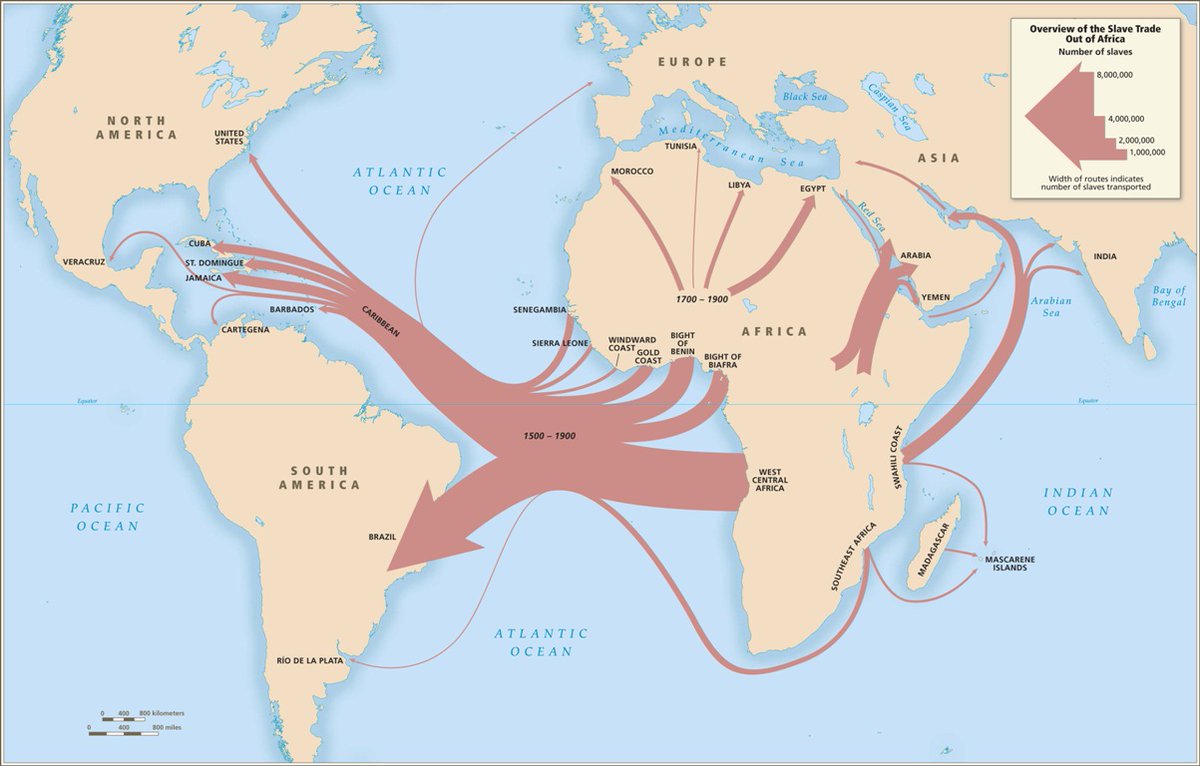
Now, let's be clear that I am not defending ANY slave traders. However in Africa during the main slaving activities. some of the slaves were taken by Europeans by ship to the New World, and some of them were taken by Arabs (via inland routes). About 90% of the trans-atlantic slaves made it to the New World alive. Approximately 90% of the slaves taken to North Africa and Arabia died en route.
This is the main reason why despite the huge amounts of slave taken by Arabs and bedouins, there is almost no trace of black Africa blood in the modern Middle East, while they thrive in the Americas. (Yes, some blacks in Arabia were turned into eunuchs, but this was a minority. Mostly they're ''missing" because they died on the march.)
The map below is from the UN, which is not a particularly right-wing organization.
English
@dilangilluly @Hitchslap1 Its useful to know in competition for something that you are either much higher or lower in IQ than the people you are competing with eg for a job, or to outsmart.
English

@Hitchslap1 I actually don't know what mine is except for one test I was administered in 11th grade.
I know what I'm capable of and I don't need a number to confirm or challenge that.
English

That’s new. How can knowing your IQ be actively harmful?
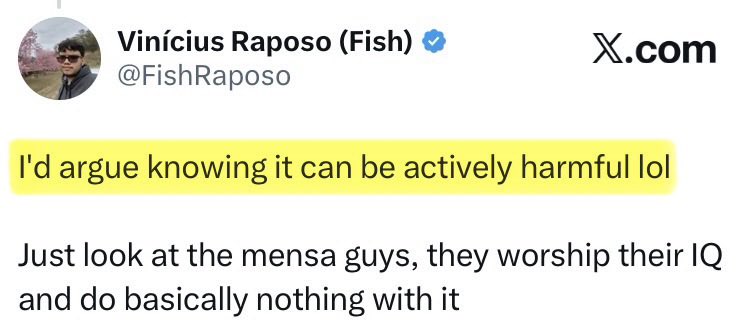
Vinícius Raposo (Fish)@FishRaposo
@Hitchslap1 I'd argue knowing it can be actively harmful lol Just look at the mensa guys, they worship their IQ and do basically nothing with it
English
@Winterborn71 @SandyofCthulhu In fact, I asked ChatGPT was percent of the worlds population is unsafe to visit and it said 85%. There are 40 million slaves in the world. You could easily be targeted. You are a target if you are white.
English
Same reason most of the northern Mediterranean is fortified is from islamic slavers. They ranged out to Ireland, Britain, Iceland etc. 1-1.25 million taken. Didn't stop until 1830's. Be very careful if your not US or European going to the Middle east for any reason. You may not come back.
English
@Winterborn71 @SandyofCthulhu Genuinely this. Slavery is still rife in many parts of the world. You, a solo traveler, could easily be kidnapped and held a slave in 40% of the world.
English
@tacomawerewolf @cremieuxrecueil That seems mean on schizophrenics. You should look up who your talking about on YouTube. Most are white. Most are above average intelligence. Most can be cured.
English

@cremieuxrecueil A harsh winter would provide strong selective pressure against severe mental disorder in a pre-welfare state society
You can survive being a homeless schizophrenic in Los Angeles, your chances are a lot worse in Anchorage
English

Nature finally published it!
The Reich Lab article on genetic selection in Europe over the last 10,000 years is finally online, and it includes such interesting results as:
- Intelligence has increased
- People got lighter
- Mental disorders became less common
And more!

English
@TomJBelfort @mudscryer You don't think it is possible? 143IQ is 1 in 500 people. That's two on the average persons Facebook friends list. Thats 2 people per average tweet. SD is a specific field of maths, that while useful, is ome which someone who studied biology could have easily never come across.
English