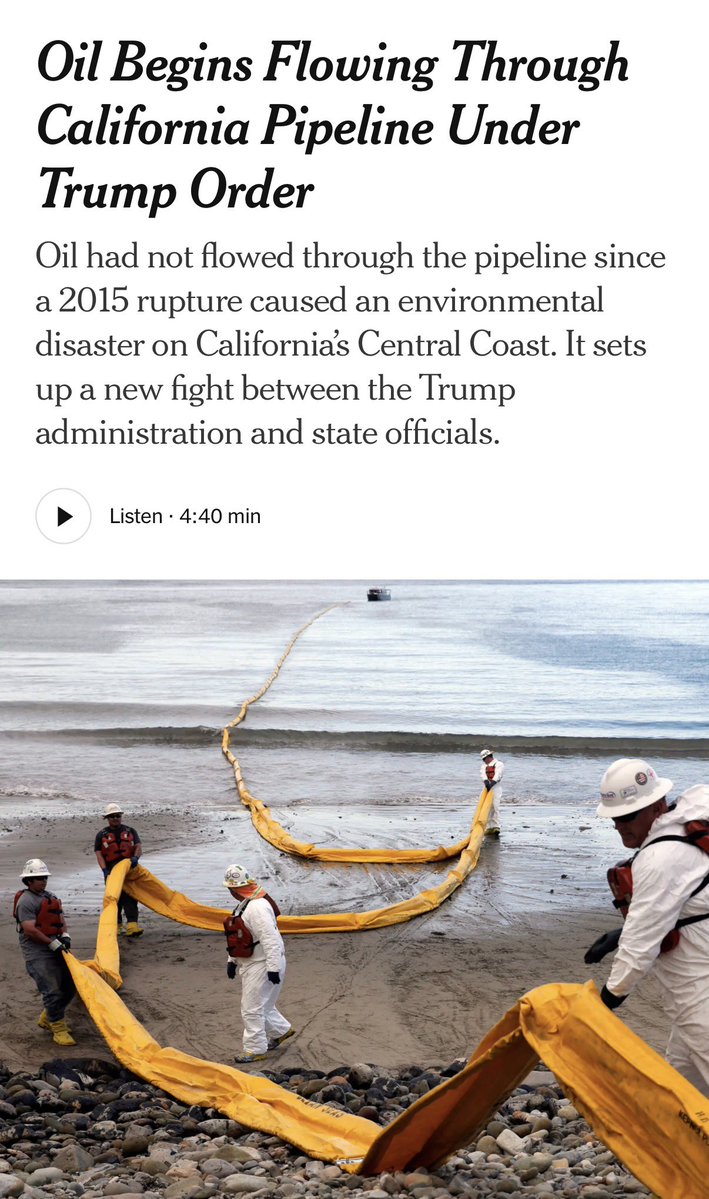
An odd arrangement, and a very contentious pipeline due to the prior spill. nytimes.com/2026/03/16/us/…

English
Red
8.7K posts

@redbuckman
control the WACC, control the world | thoughts on the energy transition
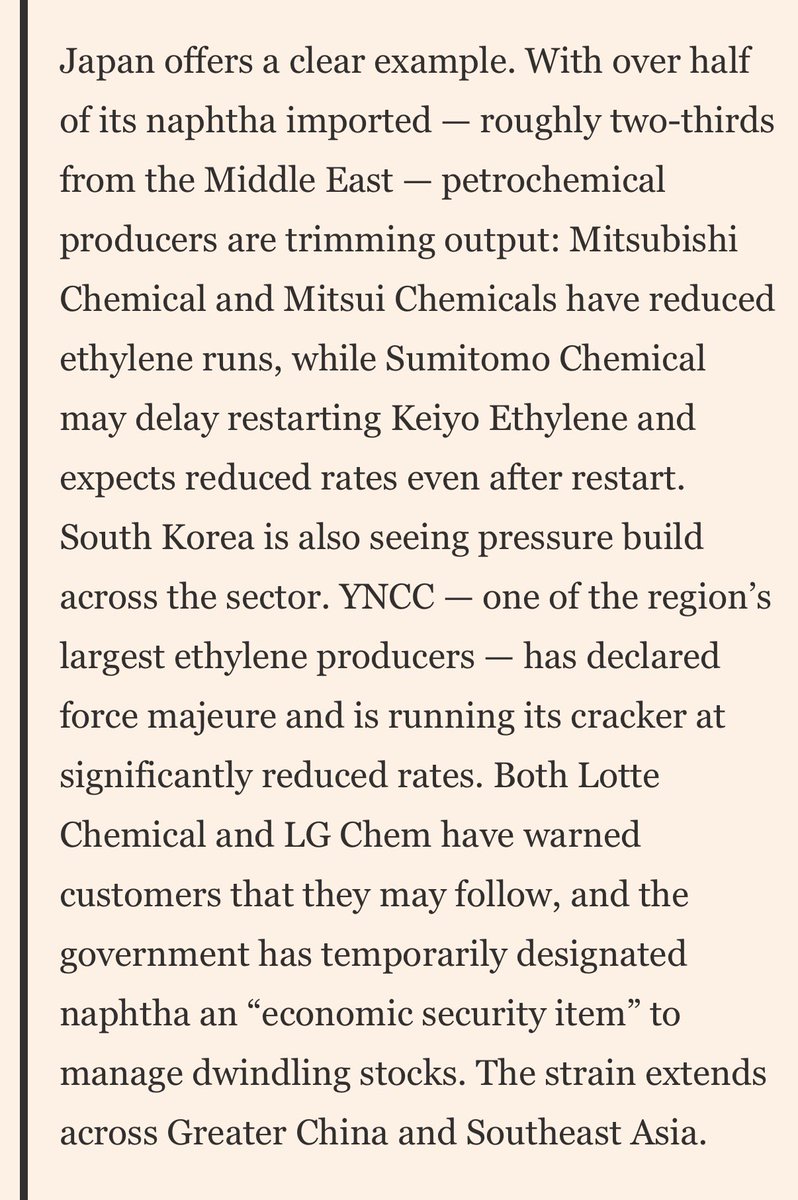
You know those "dubai physical barrels" you hear so much about? Well, in California, they're exposed to that price because the asian refiners that the state imports gasoline and components from are buying Gulf oil @weakinstrument heatmap.news/energy/califor…

Every single day that this war goes on, the more the economic damage just compounds. This is the key line right here from @tracyalloway bloomberg.com/news/newslette…

‘Demand destruction has begun’ ft.trib.al/bDJ2Ywm

My dream project is to work on a Baja Peninsula LNG project. Would be superb. -Mexico -Sheltered water for an easier berth -Permian gas -No Panama Canal for Asian cargos (huge) Talking about geopolitics this would be hard to get started but a great partnership if it could work.
Each week Qatar’s massive LNG plant remains shut, the world loses enough energy to power Sydney’s homes for an entire year 🇶🇦 ⚠️ Ras Laffan was damaged by an Iranian attack. And the length of its restart & repair timeline will have a huge impact on the global gas market 🧵
I'm not going to pretend to have deep knowledge of the naphtha market, but apparently chemical manufacturing requires a lot of it and it seems to be the first thing to run out with gulf oil supplies badly curtailed.

BREAKING: While the world debates oil prices and war strategy, the actual crisis is unfolding in silence. The molecules that produce half the planet’s food are physically trapped behind a war zone. And the biological window to apply them closes in weeks. Not months. Weeks. This is not a drill. Roughly one-third of all seaborne fertilizer trade passes through the Strait of Hormuz according to UNCTAD. Nearly 49% of globally traded urea is tied to conflict-exposed exporters. Nearly half of global sulfur trade, the chemical without which phosphate fertilizer cannot be processed anywhere on Earth, is Gulf-dependent. Transit has collapsed 97%. There is no alternative route. There is no strategic fertilizer reserve anywhere on Earth. There is no Plan B. Right now, as you read this: Bangladesh has shut five of six urea factories. Boro rice season, which produces over half the country’s grain, is underway with no domestic nitrogen supply. India is operating fertilizer plants at 60% capacity and has formally asked China for emergency urea. China said nothing and banned its own phosphate exports through August. Egypt, the world’s largest wheat importer, faces $28 billion in debt repayments while the bread subsidy feeding 69 million people hemorrhages money at prices it never budgeted for. Sudan, already in confirmed famine, sources 54% of its fertilizer from the Gulf. WFP shipping now takes 25 extra days rerouting around the war zone. Australia imports virtually all its urea, two-thirds from the Gulf, and its entire heavy trucking fleet runs on AdBlue made from the same urea that is not arriving. No urea, no AdBlue, no freight, no groceries on shelves in Sydney. 318 million people were at crisis-level hunger BEFORE February 28. The number that should haunt every policymaker on Earth: the yield response to nitrogen is not linear. It is quadratic. In wealthy countries that over-apply fertilizer, a 15% reduction costs maybe 3% of yield. In the Global South where farmers already apply one-seventh the global average, the same reduction pushes crops off a biophysical cliff where production does not decline. It collapses. Sri Lanka proved this in 2021. One season without synthetic fertilizer. Rice output collapsed 40%. Government fell. Now multiply Sri Lanka across thirty countries simultaneously. During a potential El Nino that Skymet says carries a 60% chance of below-normal Indian monsoon. While 51% of US corn-growing areas are already in drought. While Australia’s root-zone soil moisture sits in the lowest 10% since 1911. While corn farmers are abandoning nitrogen-intensive planting because they cannot afford $900-per-ton ammonia against $4.50 corn. While the Fed is trapped at 3% core PCE with no room to cut and food inflation about to surge through every grocery aisle in America six months from now. Nobody is talking about this. CNBC leads with oil. Bloomberg leads with equities. The Pentagon leads with strike counts. But the actual weapon of mass destruction in this conflict is not a missile. It is a calendar. The Corn Belt needs nitrogen by mid-April. India needs to prep Kharif by May. Australia needs urea by June. Miss those windows and no subsequent intervention reverses the yield loss. The food is not decided by diplomats in six months. It is decided by soil chemistry in the next six weeks. The prices hit your table by Christmas. Both sides rejected ceasefire talks this week. The world spent fifty years preparing for an oil shock. It spent zero years preparing for a fertilizer shock. Half of humanity eats because of a single industrial process that runs on natural gas from the Persian Gulf, exits through 21 miles of water that are currently mined, uninsured, and unescorted. The planting window does not care about your geopolitics. It is closing. Full analysis: open.substack.com/pub/shanakaans…
Trump threatens to “massively blow up” the South Pars gas field if Iran targets Qatar’s LNG plant again

بيان قطر للطاقة عن الهجمات الصاروخية على مرافقها للغاز الطبيعي المسال بالإضافة إلى الهجوم السابق على مدينة راس لفان الصناعية يوم الأربعاء 18 مارس 2026 الذي أصاب مصنع تحويل الغاز إلى سوائل بأضرار جسيمة، تؤكد قطر للطاقة أنه في وقت مبكر من صباح يوم الخميس 19 مارس 2026 تعرضت عدة من مرافقها للغاز الطبيعي المسال(LNG) لهجمات صاروخية تسببت بحرائق، وتعرضت للمزيد من الأضرار الجسيمة. تم نشر فرق الاستجابة للطوارئ فوراً لاحتواء الأضرار، ولم تقع أي إصابات نتيجة الهجمات. قطر للطاقة ستستمر في التواصل بالمعلومات المتوفرة. #قطر

It’s a bit poetic that 2 of my favorite Odd Lots guests, Bob Brackett & Josh Younger, both have PhDs in planetary sciences & astrophysics. These 2 men stared out with wonder at the universe & decided, “you know what is beautiful? Hydrocarbon commodities & monetary policy”.
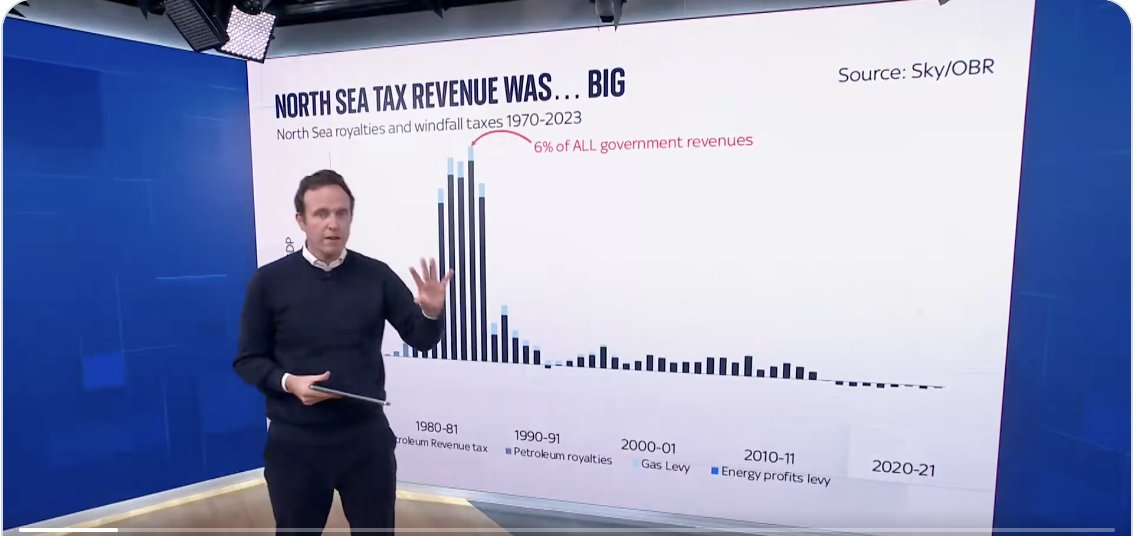
📽️ From Donald Trump to Britain's wind power trade body, there's a growing coalition calling for more drilling in the North Sea. Raising the question: if we DID encourage more exploration, how much oil & gas could we actually get? Our MEGA primer on the North Sea👇 Ps it's longer than usual, but it turns out this topic has SO MANY misconceptions. Time to put some of them right. Let me know what you think
On a long enough time this is transitory. But temporary loss becomes more permanent with any infrastructure destruction. An export pump destroyed or key losses can prolong elevated pain.