Tweet Disematkan

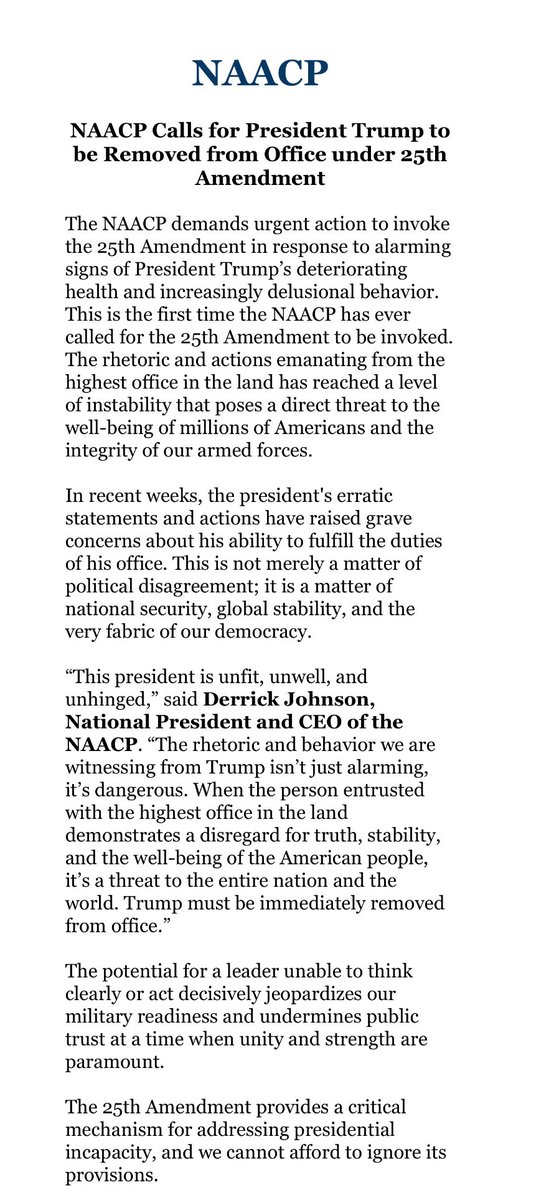
For those who never had to go through a “duck and cover” drill in case of nuclear war during the Cold War, it’s kind of like opening up this app every morning.
English
Peter Kohan
320K posts
@peterkohan
“Thinking of a master plan…” Killer playlist maker; Overly zealous Knicks fan.







Monica McNutt doesn't love the idea of the Knicks trading for Giannis this offseason

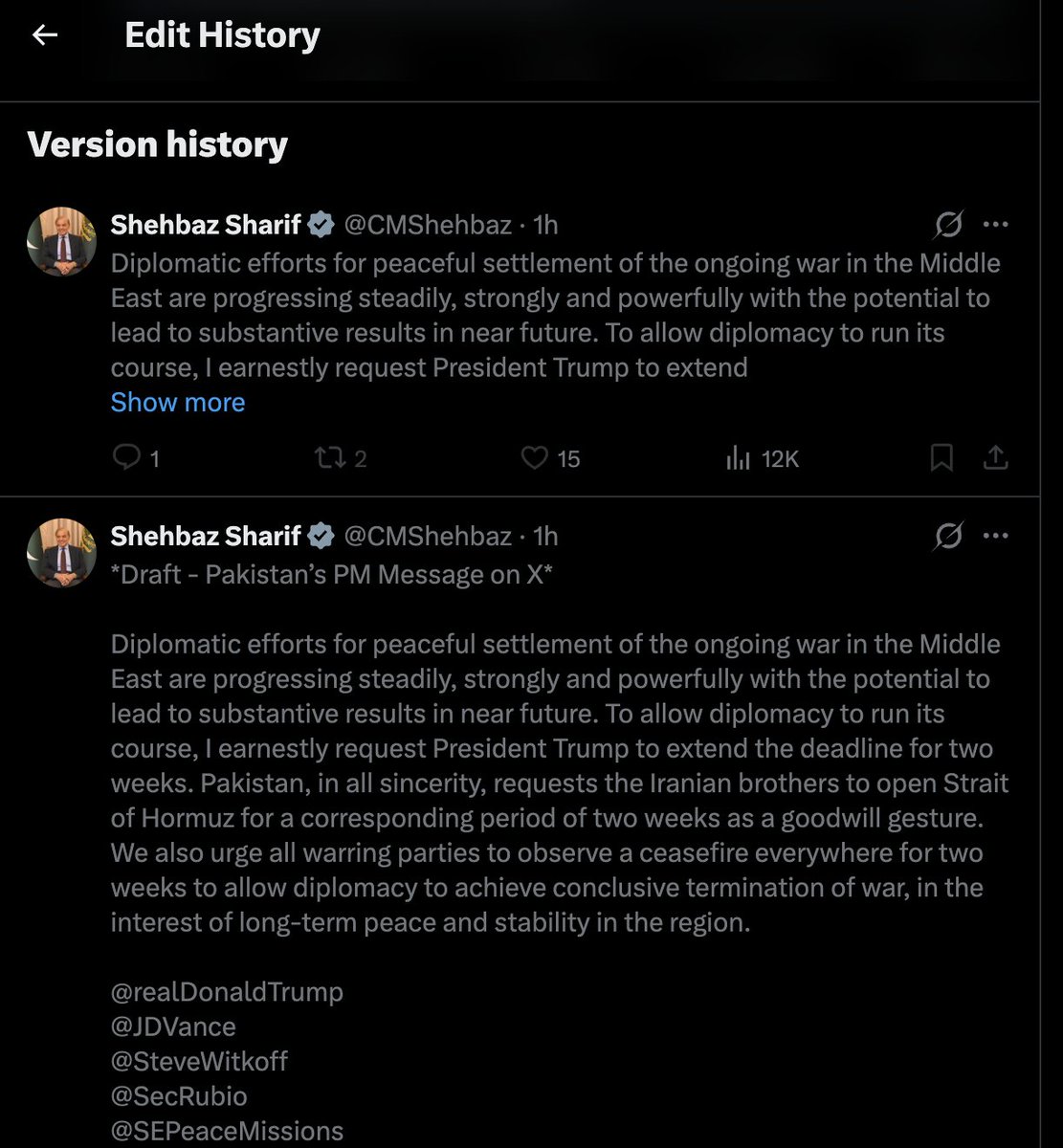
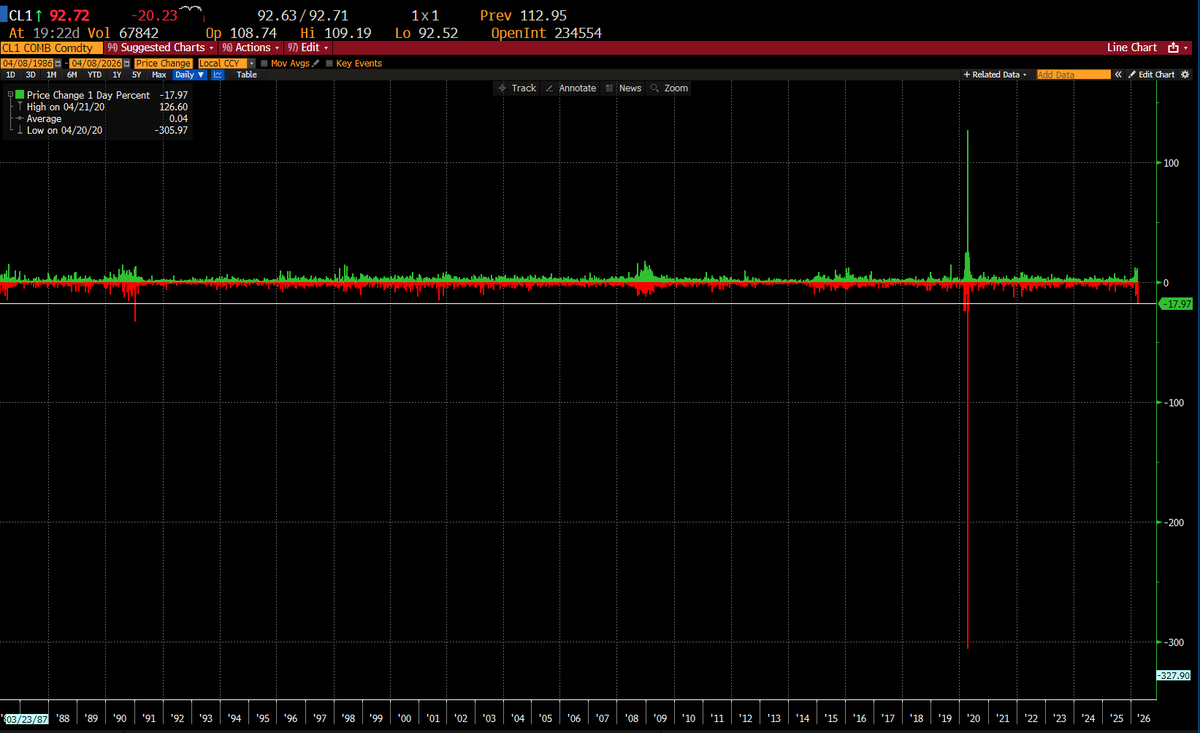
Diplomatic efforts for peaceful settlement of the ongoing war in the Middle East are progressing steadily, strongly and powerfully with the potential to lead to substantive results in near future. To allow diplomacy to run its course, I earnestly request President Trump to extend the deadline for two weeks. Pakistan, in all sincerity, requests the Iranian brothers to open Strait of Hormuz for a corresponding period of two weeks as a goodwill gesture. We also urge all warring parties to observe a ceasefire everywhere for two weeks to allow diplomacy to achieve conclusive termination of war, in the interest of long-term peace and stability in the region. @realDonaldTrump @JDVance @SecRubio @SteveWitkoff @SEPeaceMissions @drpezeshkian @mb_ghalibaf @araghchi

The IDF says it regrets "collateral damage" caused to a synagogue in Tehran during a strike targeting a senior Iranian commander last night. According to Iranian media, heavy damage was caused to the Rafi Niya synagogue. In response to a query by The Times of Israel, the military says that it struck a top commander from Khatam al-Anbiya, Iran's military emergency command. "Reports were received that a nearby synagogue was also damaged in the strike. The IDF regrets the collateral damage to the synagogue and emphasizes that the strike was directed at a senior military target within the regime's armed forces," the IDF says. The IDF says that it took steps to "minimize the risk of harm to civilians" in the strike, "including the use of precise munitions and aerial surveillance." The results of the strike are still under review, the military adds.

💢📰 REPORT | New reporting from NYT reveals how Trump decided to go to war with Iran — after a closed-door Israeli pitch and despite deep internal divisions inside his own team. At a secret Feb. 11 Situation Room meeting, Israeli Prime Minister Benjamin Netanyahu presented a four-part pitch for regime change, including a video montage of potential replacement leaders such as Reza Pahlavi. JD Vance was absent, stuck in Azerbaijan. Appearing alongside Mossad chief David Barnea and military officials, Netanyahu argued: Iran’s ballistic missile program could be destroyed in weeks. The regime would be too weak to close the Strait of Hormuz. Street protests — fomented with Mossad help — could trigger an uprising. Kurdish fighters from Iraq could open a ground front in the northwest. Trump’s response: “Sounds good to me.” Trump’s response: “Sounds good to me.” The next day, U.S. intelligence pushed back sharply. CIA Director John Ratcliffe called the regime-change scenario “farcical,” with Secretary of State Marco Rubio adding: “In other words, it’s bullshit.” Gen. Dan Caine told the president: “This is, in my experience, standard operating procedure for the Israelis. They oversell, and their plans are not always well-developed.” Trump dismissed regime change as “their problem” — but remained focused on targeting Iran’s leadership and military. By Feb. 26, in a final Situation Room meeting, opposition inside the room was clear but fractured. Vice President JD Vance warned the war could spiral and drain U.S. resources, but ultimately said: “You know I think this is a bad idea… but I’ll support you.” Rubio said regime change was unrealistic, but destroying Iran’s missile program was achievable. Defense Secretary Pete Hegseth was the biggest proponent of war and backed immediate action. Military leadership outlined risks, including depleted munitions and the threat to Hormuz, but all stopped short of opposing the plan. Key officials responsible for managing the fallout, like the Treasury Secretary, and DNI Gabbard were notably absent. Trump went around the table asking advisors their view, then made the call: “I think we need to do it.” The strikes began two days later.