@elonmusk @BurnhamDC @AdamLowisz When will Grok be able to generate PowerPoint slides with a prompt?
English
cybersabth
2.3K posts

Cool, well Grok will get even better every week!
NEWS: Tesla is Robotaxi service testing in Orlando, Florida. Multiple new Model Ys with rear camera washers and Texas manufacturer license plates have been spotted at the Tesla Lee Vista Blvd store in Orlando. Only the Model Y Robotaxis in Austin have had rear camera washers. Tesla said on its Q4 earnings call that Orlando was one of the 7 planned metro areas that would see robotaxi coverage in the first half of 2026. Thx for sending me the pics @lucretiupop!
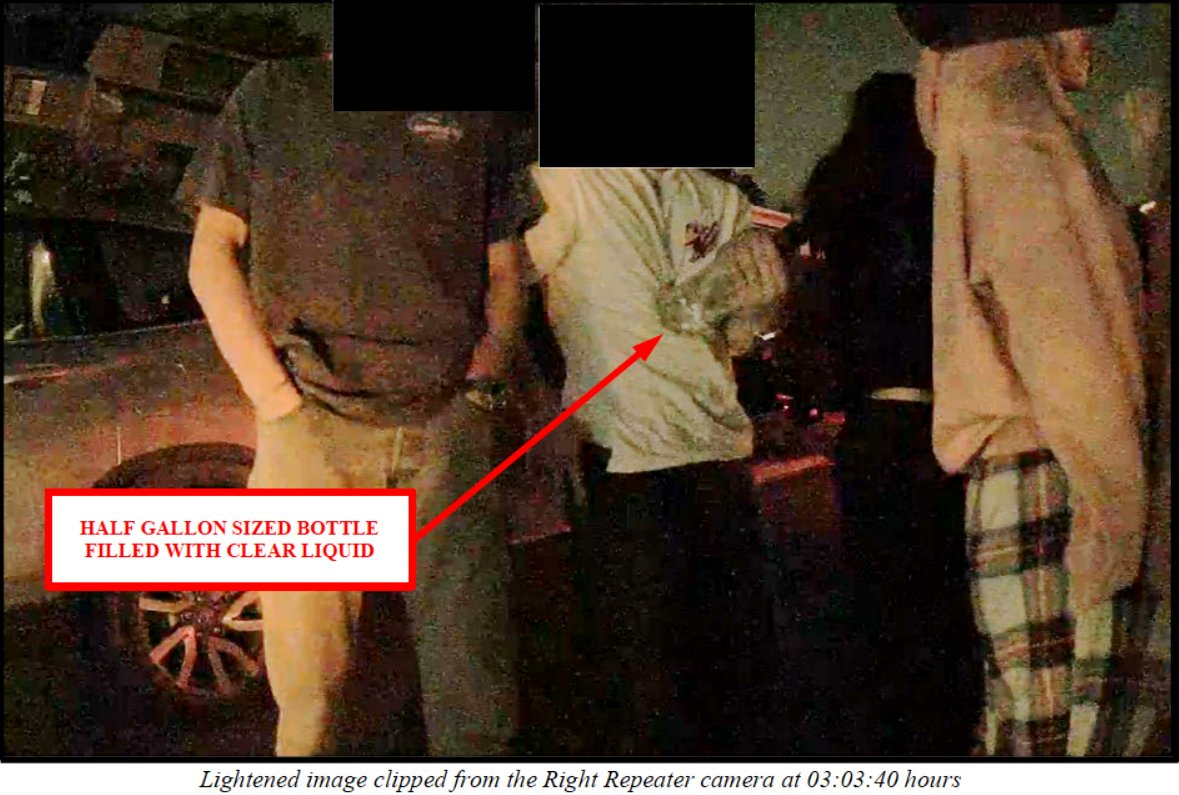
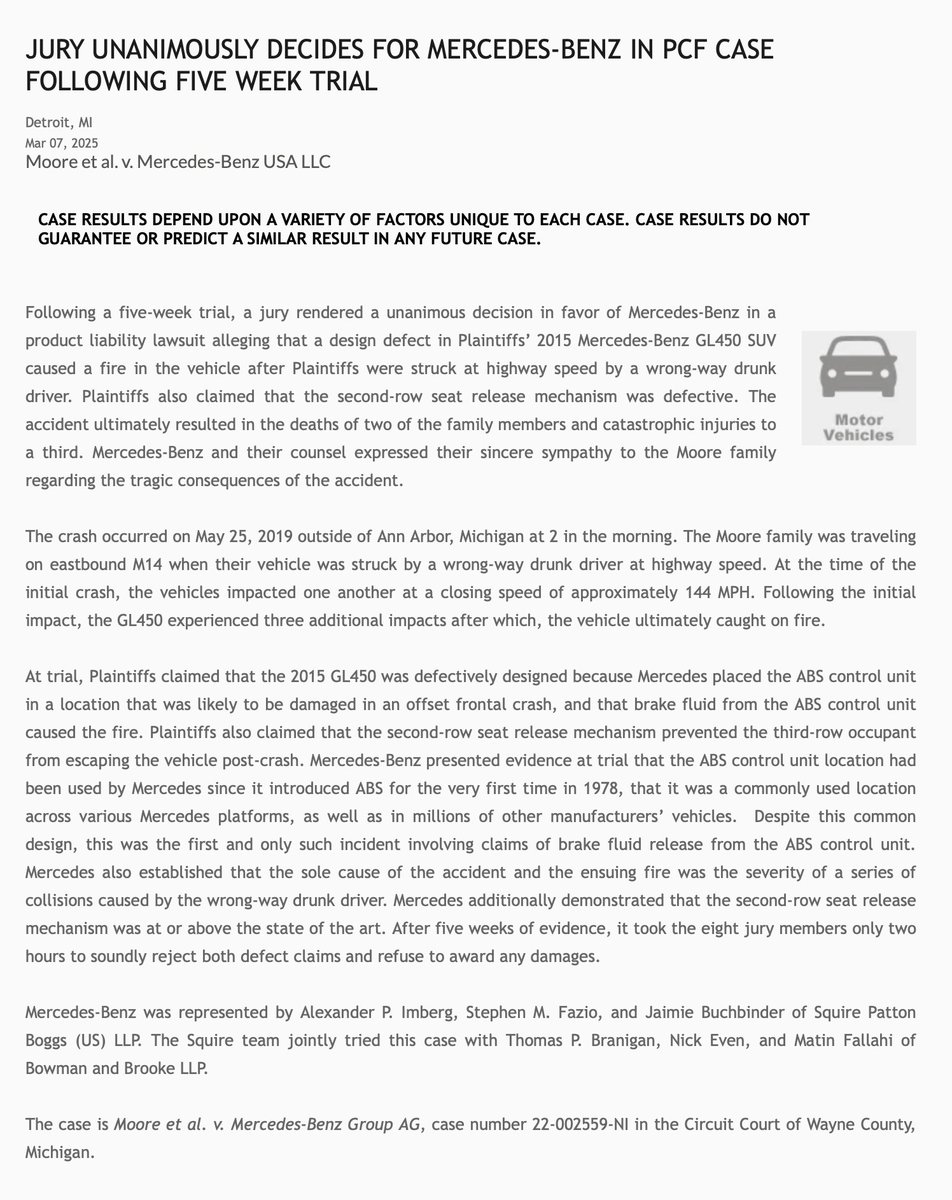
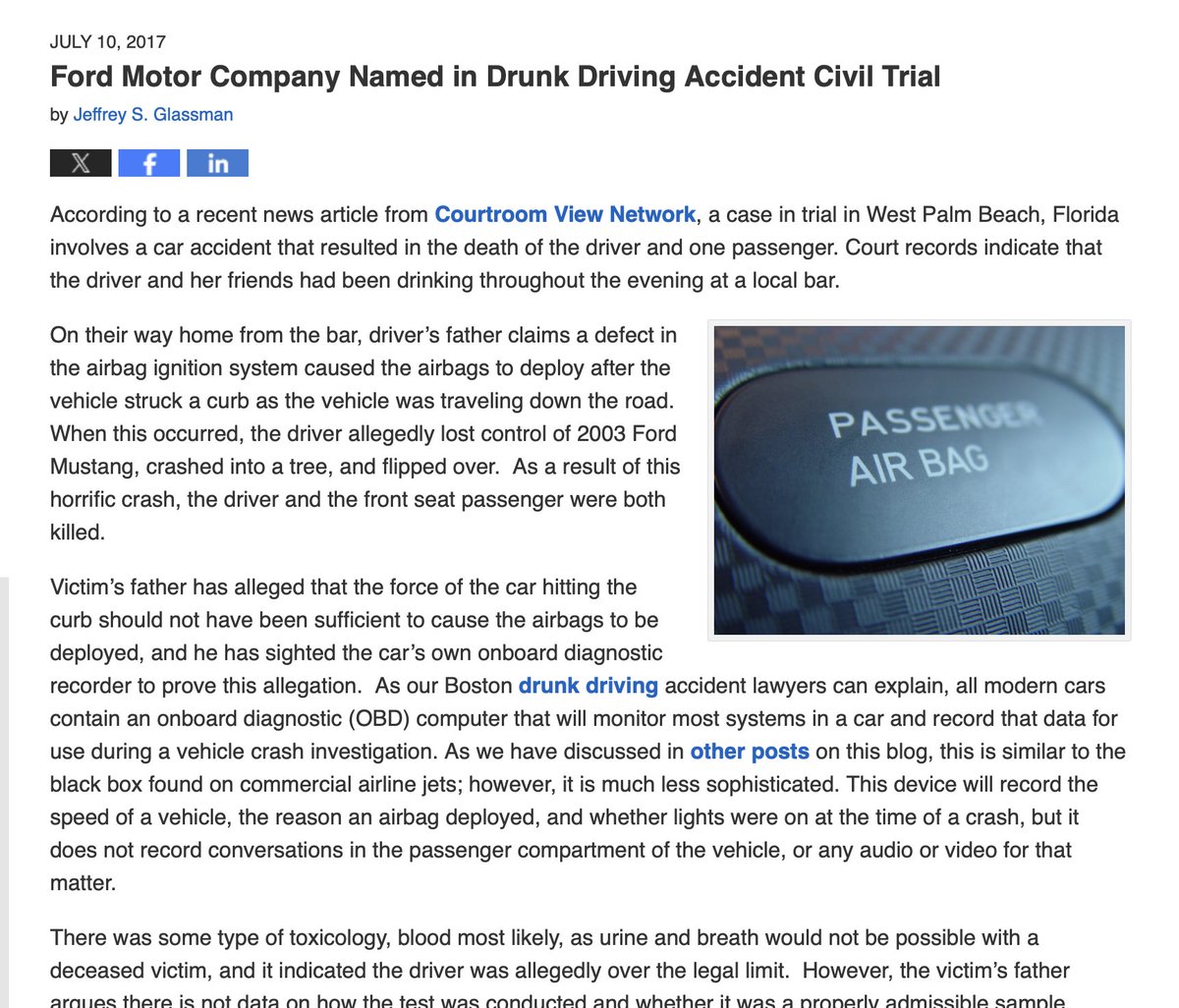
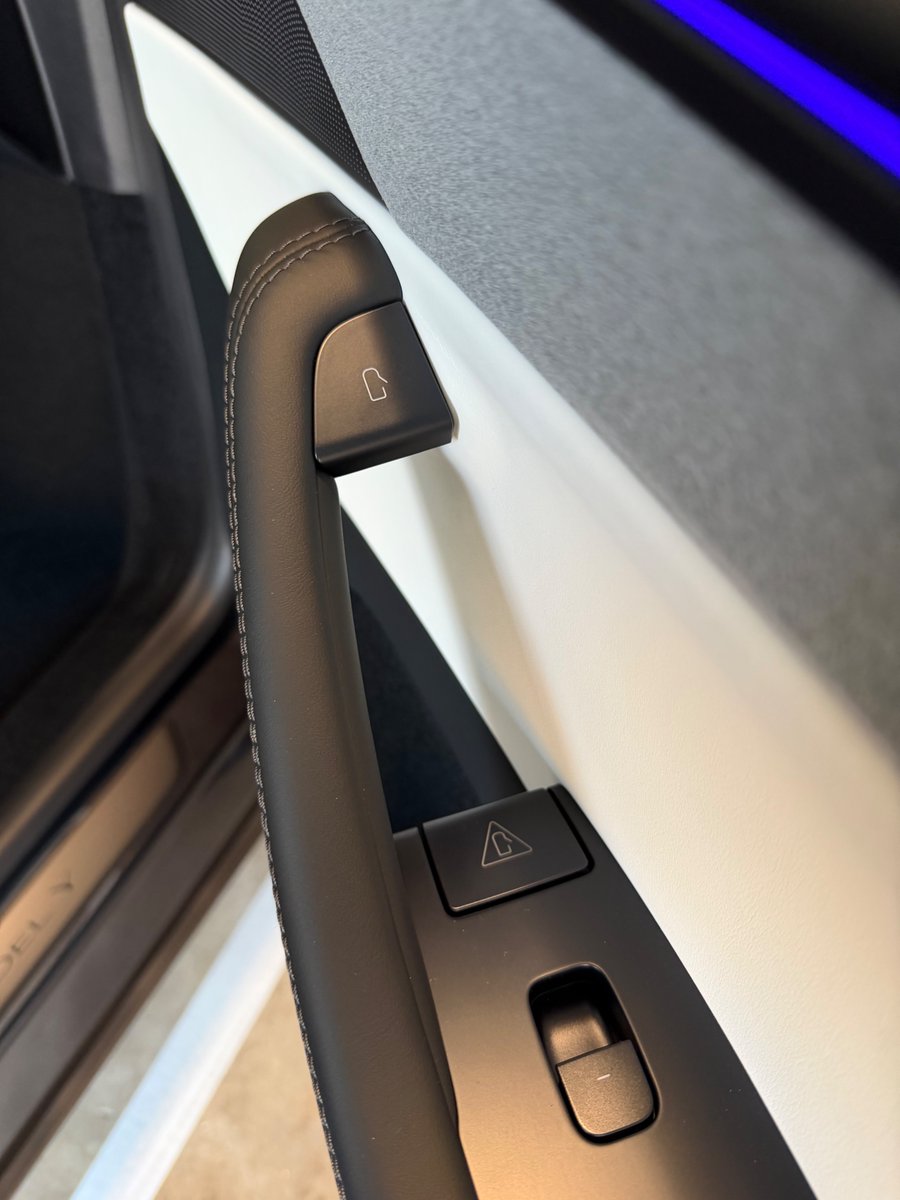
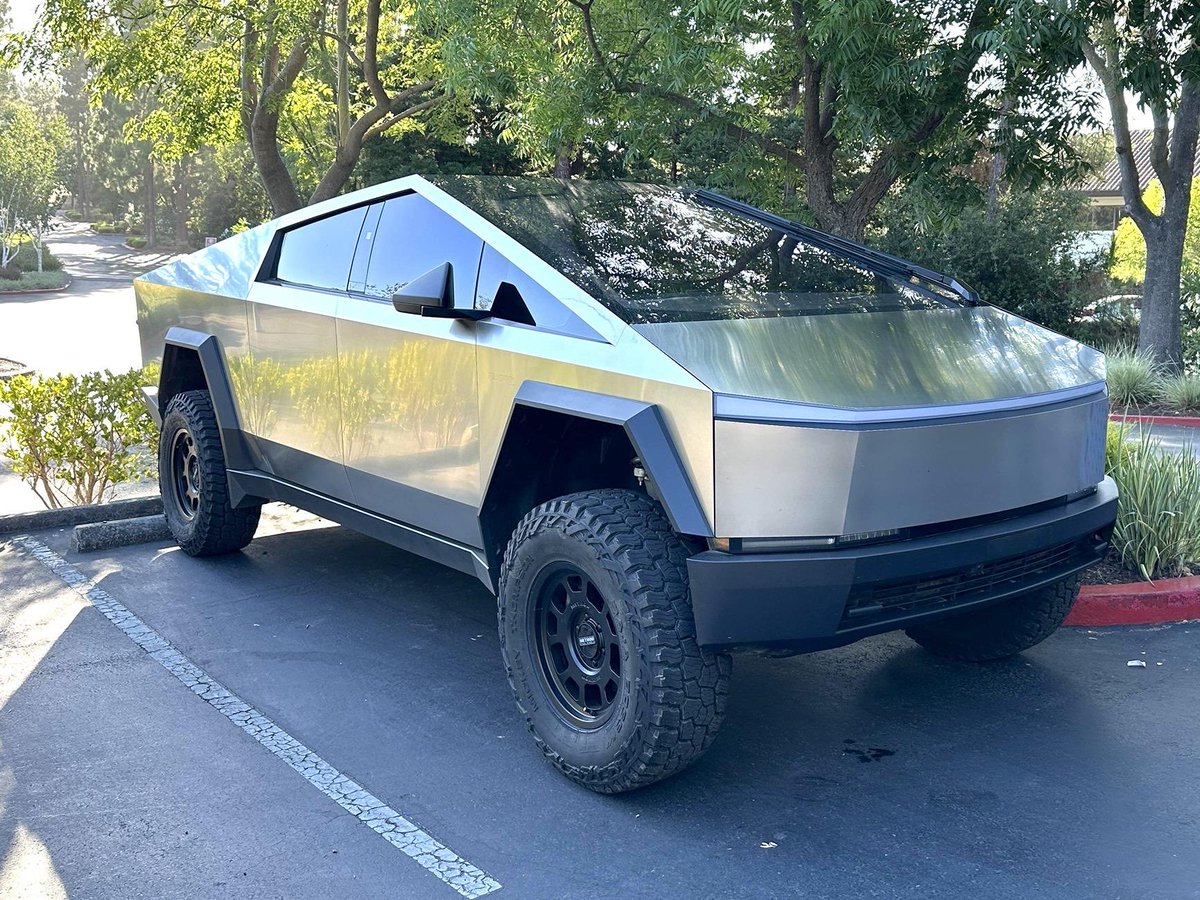
Tesla sued by survivor of 2024 Northern California crash: Cybertruck is a 'death trap' trib.al/rdBC33i


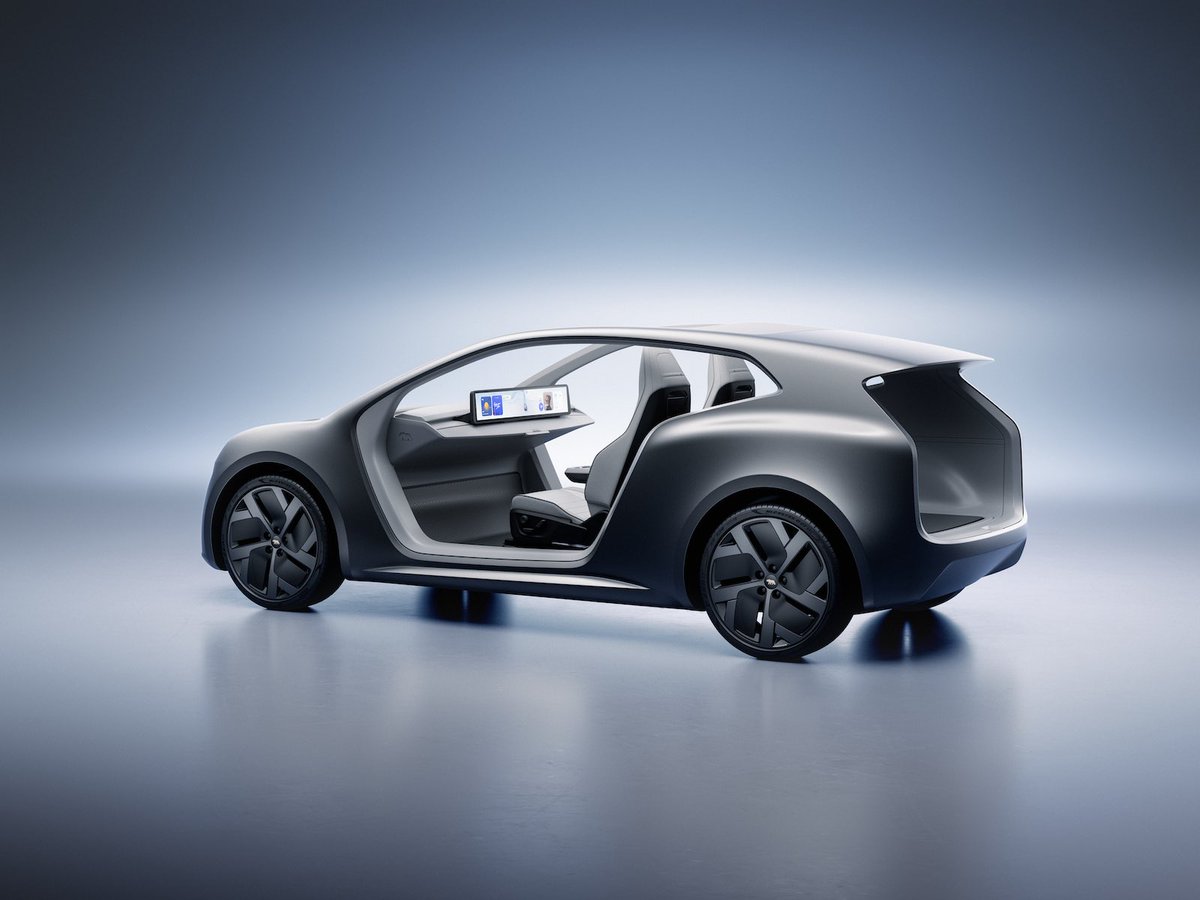
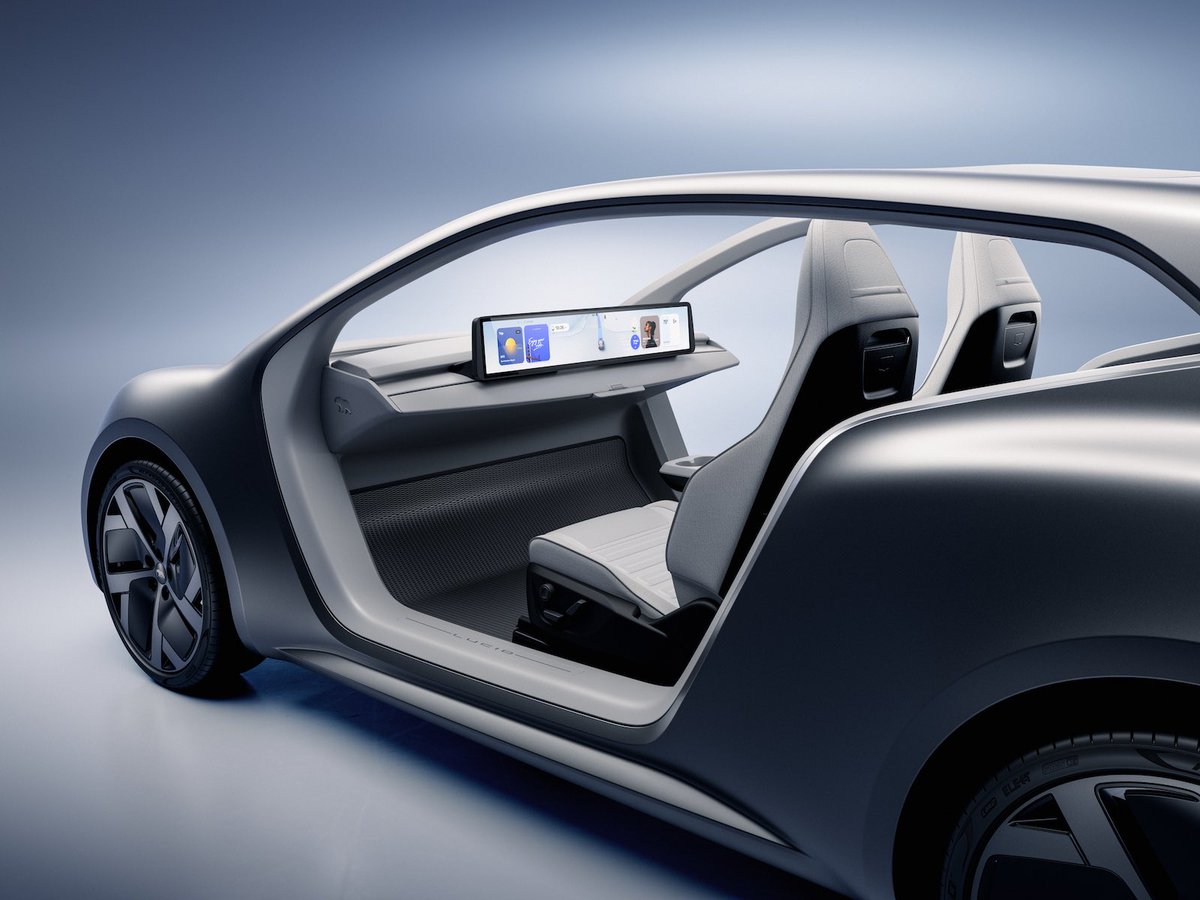

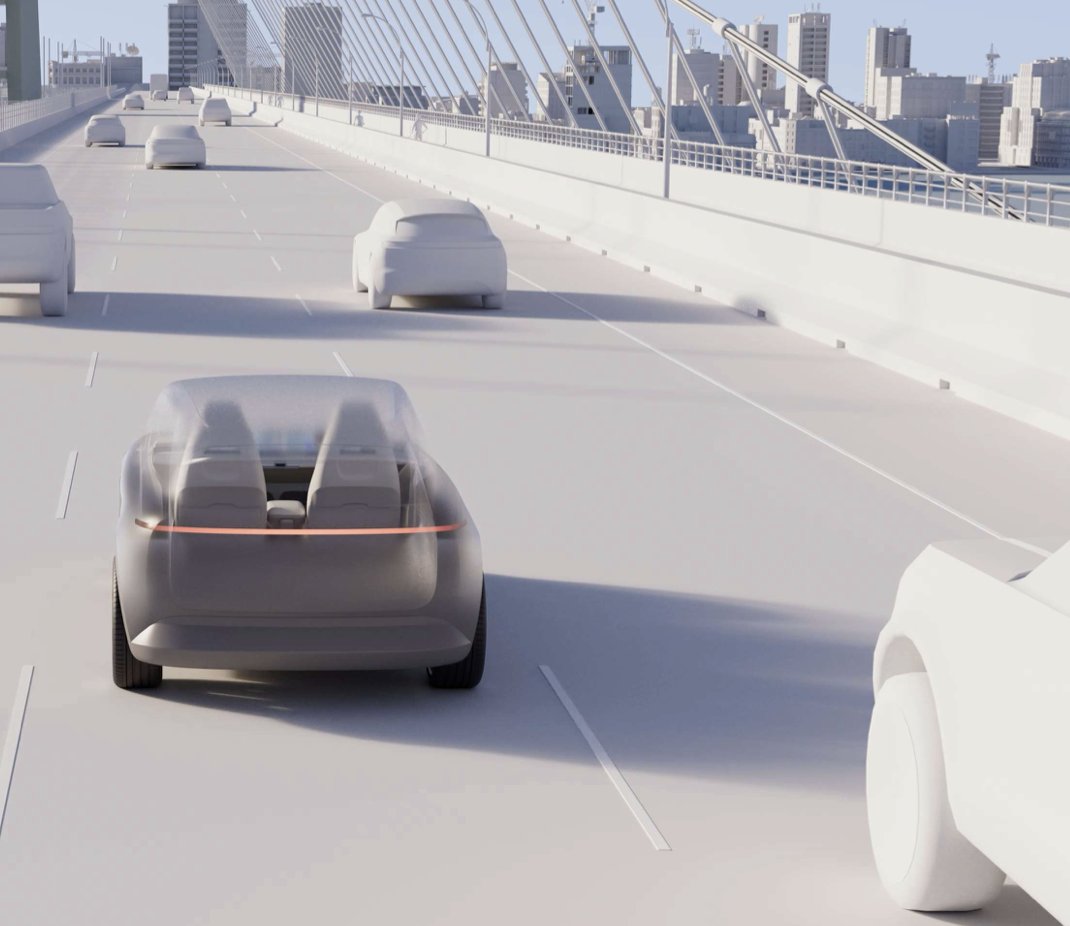
We just raised $165M to end robotics demos and deploy the world's first autonomous home robots into households this year.

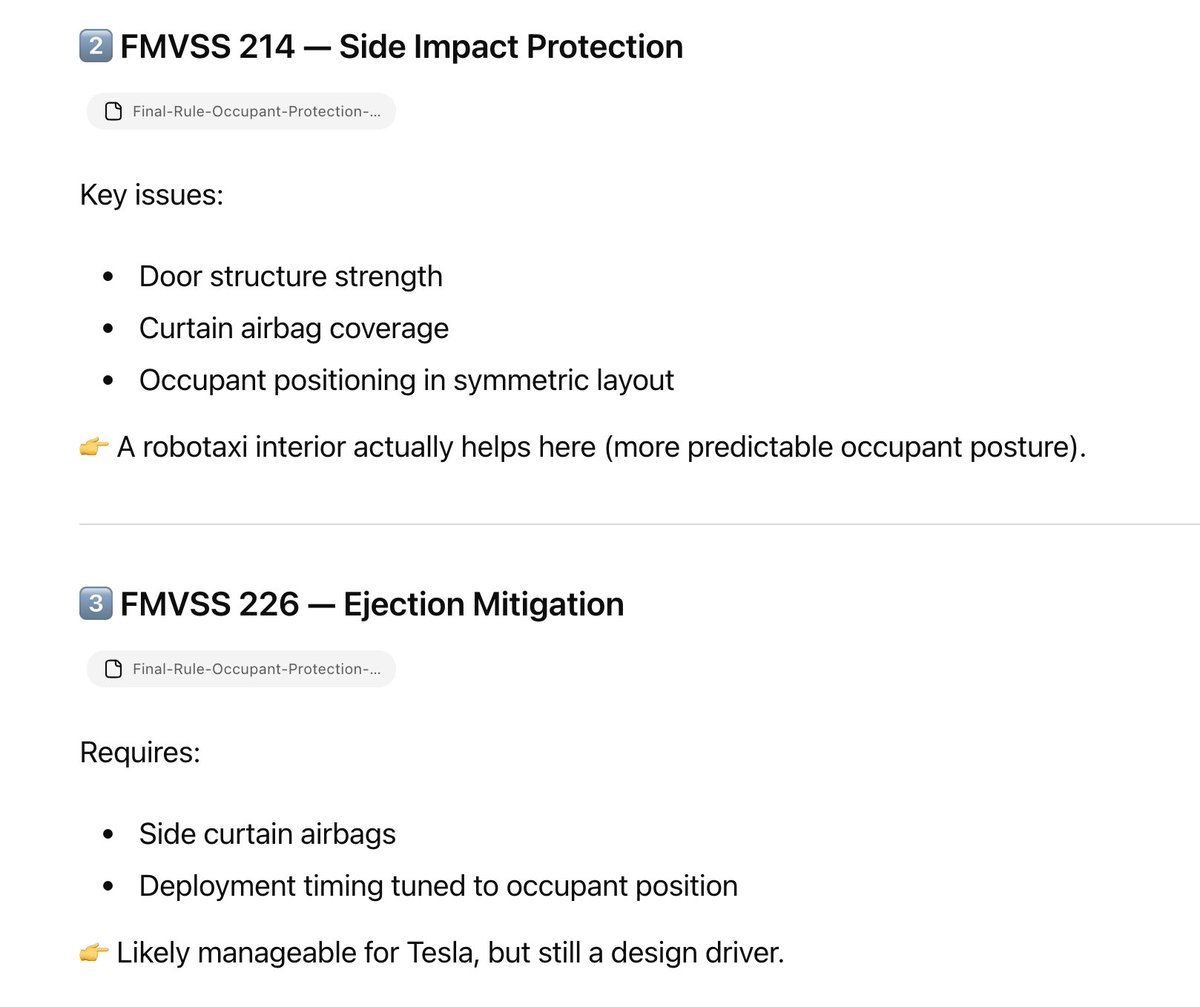

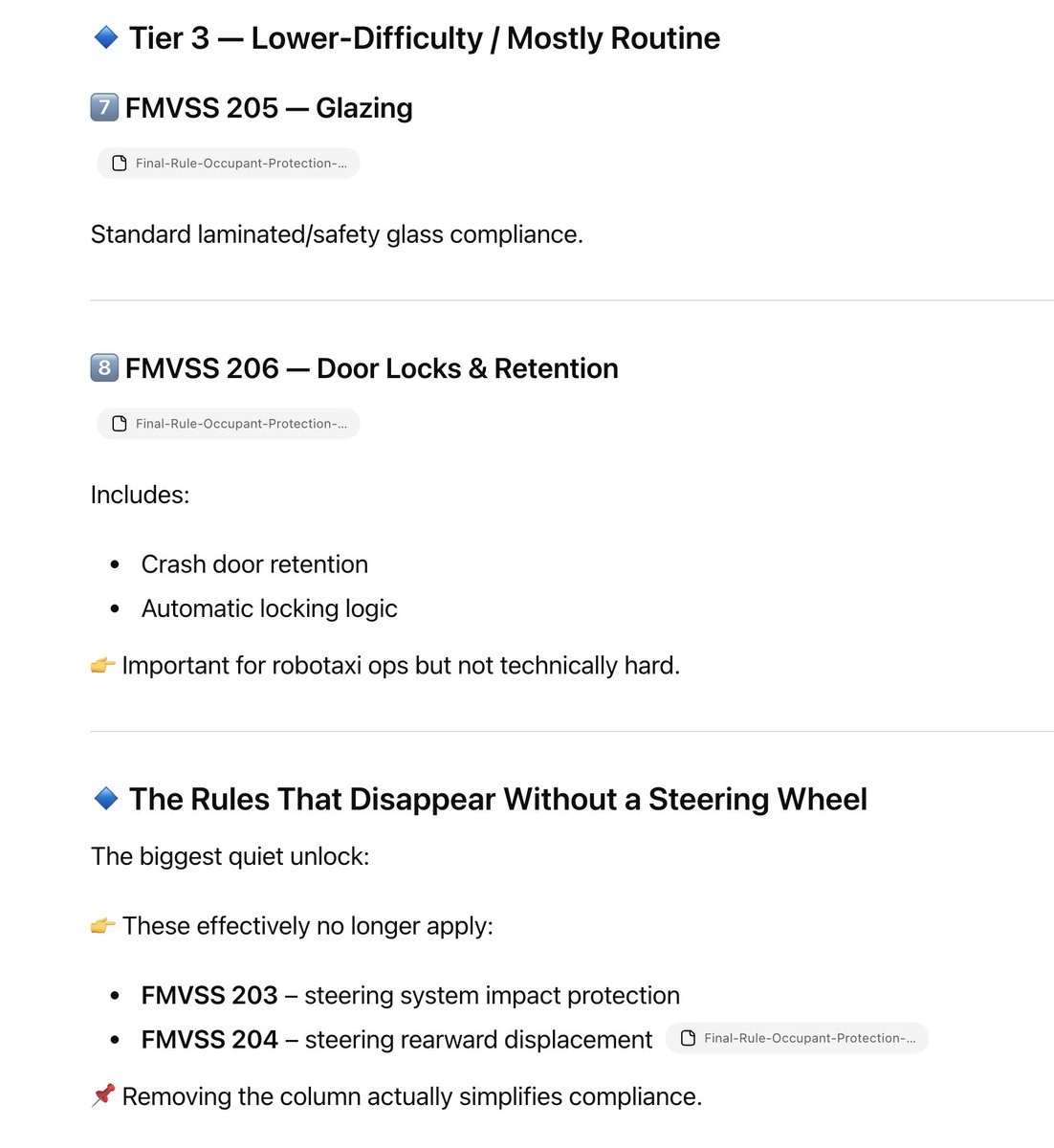
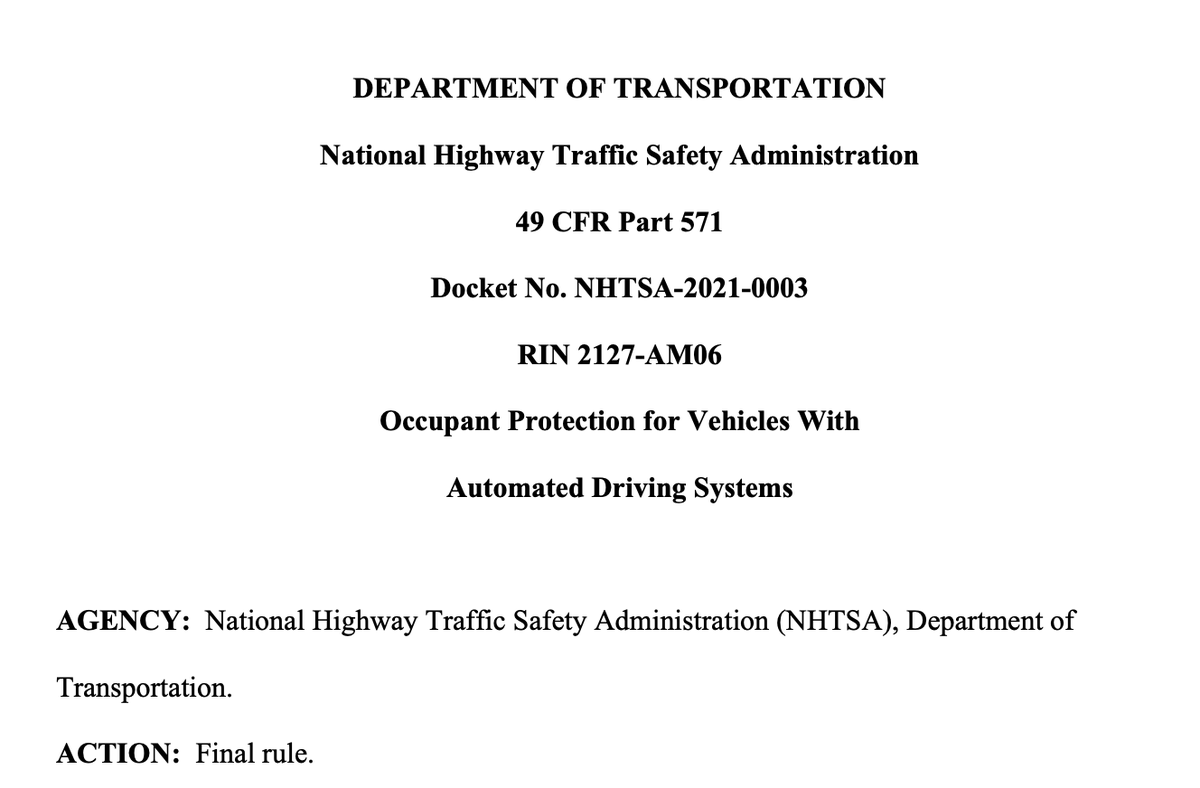
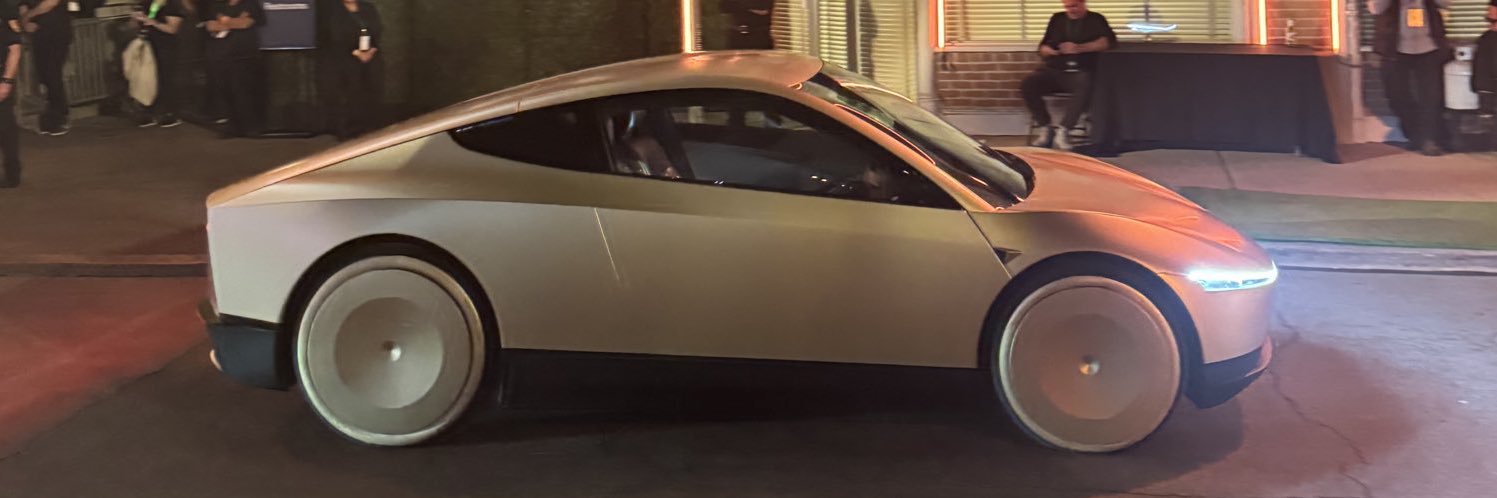
Why Tesla can produce more than 2,500 Cybercabs per year — even without a steering wheel: Many traditional FMVSS (Federal Motor Vehicle Safety Standards) were written decades ago for cars with human drivers and literally assume the presence of manual controls. Without them, full compliance is impossible. Concrete examples: 1. Steering wheel/column — FMVSS 204 (Steering Control Rearward Displacement): This standard limits how far the steering column can move backward into the cabin during a 30 mph frontal crash test (max 5 inches / 127 mm). The entire requirement and test procedure are built around the physical steering control. No steering wheel = no way to test or comply as written. 2. Pedals — FMVSS 135 (Light Vehicle Brake Systems): Requires service brakes to be activated by a foot pedal, with specific performance criteria for stopping distance, pedal force, and application rate. The official test procedures explicitly depend on applying force to the brake pedal. No pedals = the standard cannot be met as written. For pure ADS vehicles (no manual controls ever), manufacturers must request a special exemption from NHTSA. Federal law caps these exemptions at just 2,500 vehicles per manufacturer per year (49 U.S.C. § 30113). However, NHTSA created a clear regulatory pathway in its 2022 Occupant Protection Final Rule for “dual-mode” vehicles (those with stowable/installable manual controls). Manufacturers can certify the same vehicle in both configurations: - Controls installed = treated as a traditional driver’s seat (full FMVSS compliance). - Controls stowed = that same seat is treated as a passenger seat. Key language from the rule: “When they were stowed, the vehicle would be subject to the FMVSS requirements at the DSP as applied to a passenger seat.” This allows full self-certification with no exemption needed and no 2,500 limit. Yes, this system is kind of dumb. A vehicle that operates identically in the real world gets treated completely differently just because one version has a removable wheel for certification day. NHTSA openly treated the 2022 rule as a temporary bridge — they didn’t want to rewrite dozens of decades-old standards from scratch all at once. Updating the entire FMVSS framework for true driverless vehicles is a slow bureaucratic process that’s still underway. This dual-mode certification path is exactly why Tesla can ramp Cybercab production starting April/Q2 2026 without hitting the exemption wall. References & links: - 49 U.S.C. § 30113 (2,500-vehicle exemption cap): law.cornell.edu/uscode/text/49… - NHTSA 2022 Occupant Protection Final Rule (PDF): nhtsa.gov/sites/nhtsa.go… - Same rule on Federal Register: federalregister.gov/documents/2022… - FMVSS 204 (Steering): ecfr.gov/current/title-… - FMVSS 135 (Brakes): ecfr.gov/current/title-…

🆕 @elonmusk just followed @MKBHD (🤖🔮: how do we make sense of this?)