고정된 트윗

@IAmAmnaNawaz spoke with me & @joel_rayburn last night on @NewsHour about the Israeli killing of Ali Larijani and its effects on the war.
@MiddleEastInst
youtu.be/ytIlH3IAXTw?si…
YouTube
English
Alan Eyre
15.2K posts
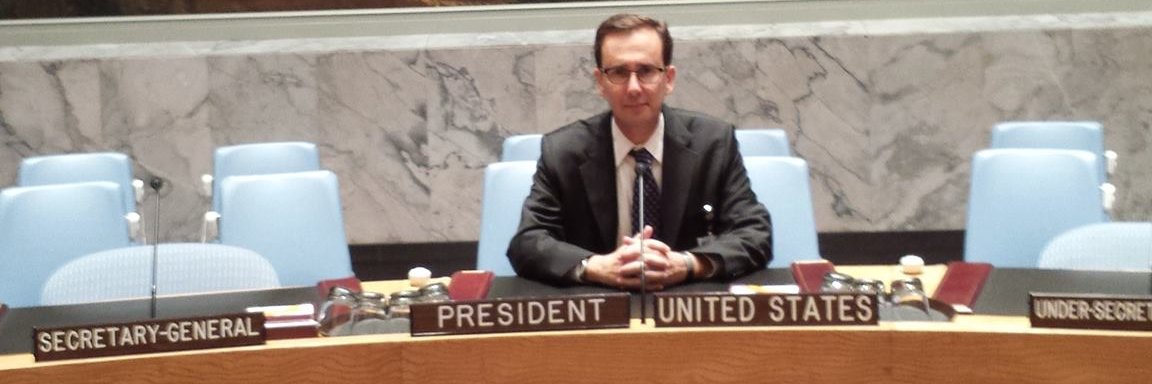
@AlanEyre1
MEI Distinguished Diplomatic Fellow; Former State Dept. Iran SME & senior policymaker for Iran/MENA; Thought Follower. RTs ≠ endorsements.
Whatever your views of the war, the American people deserve better than Secretary Hegseth. This is not a political rally. Americans have died and more may die too. Seriousness, responsibility, and humility are in order. Not chest-thumping and insulting those who would dare ask critical questions.

Hegseth: Iran is an energy rich country. instead, like so many other places, driven by a radical ideology, instead of investing in their people… they invested in missiles, and they invested in launchers and UAVS.

Today I$rael tried to kill me in a targeted airstrike in southern Lebanon as I was reporting on was the targeting of bridges and the forced displacement of 1 million people, an ethnic cleansing operation on a larger scale than the Nakba I have absolutely no doubt that this was deliberate. Despite claims there were no warnings ahead of the strike and no notifications sent to the Lebanese Army who allowed us to film As we have seen in Gaza they want to silence journalists who document and report their war crimes It is the western powers who provide political and military support for I$rael, arming it to the teeth to carry out genocide in Gaza and ethnic cleansing here in Lebanon. They are not simply complicit, but active participants and should be held accountable for their actions. But if I$rael thinks today’s strike will silence us and keep us out of the field they are very, very mistaken






Yes, this administration has gutted Middle East experience at the State Department, but ... ...it doesn't really matter how much/little expertise the current State Department has, because it is totally out of the policy loop. apnews.com/article/iran-s…
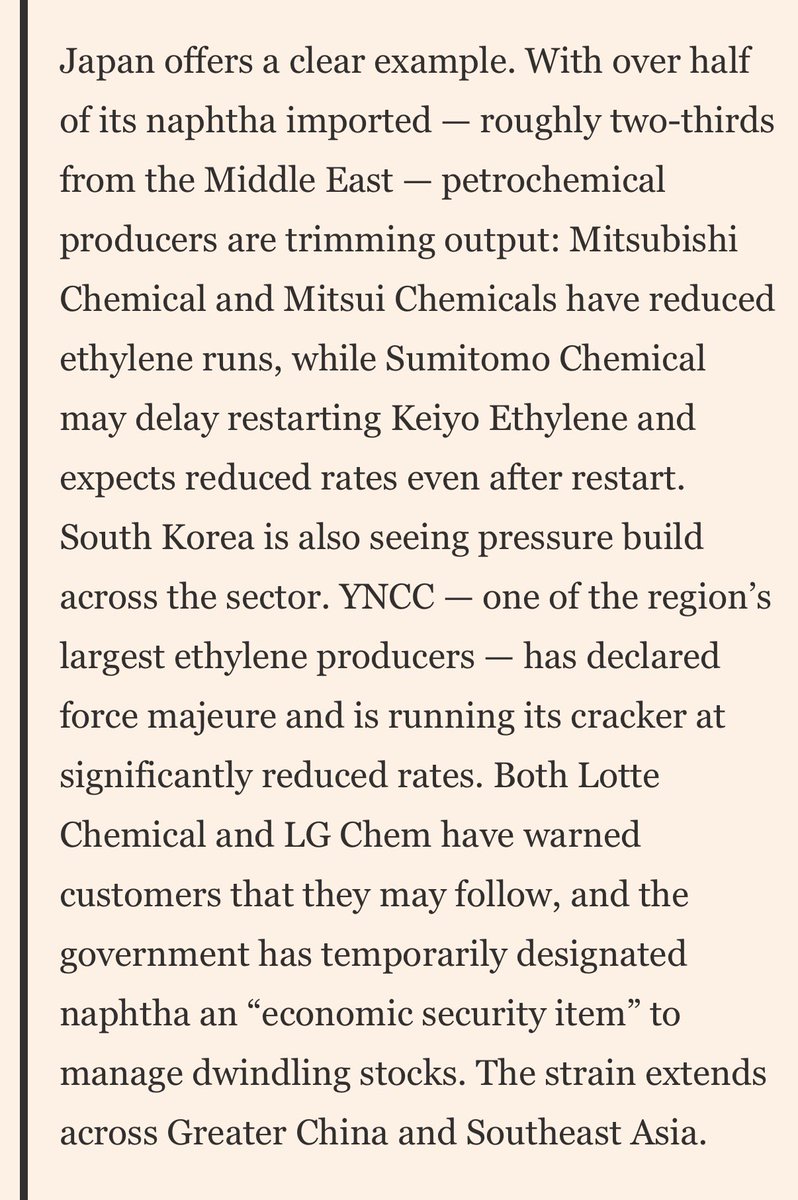
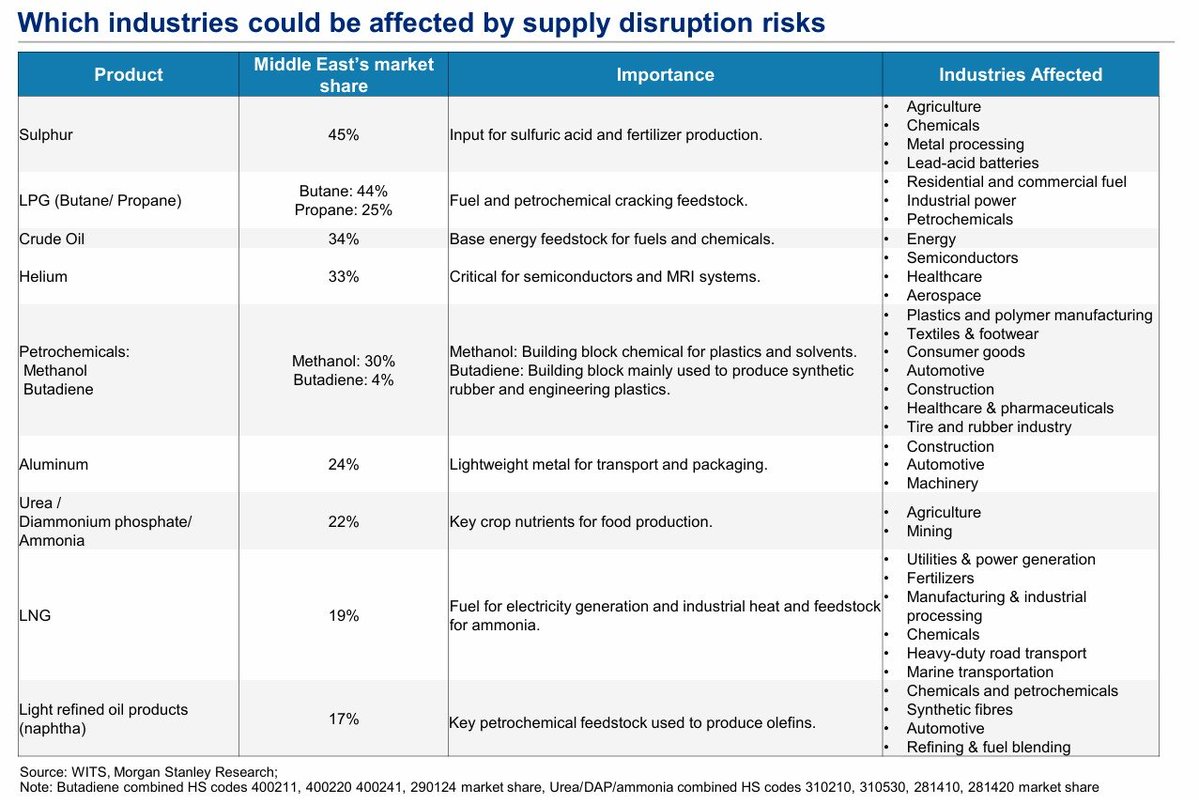
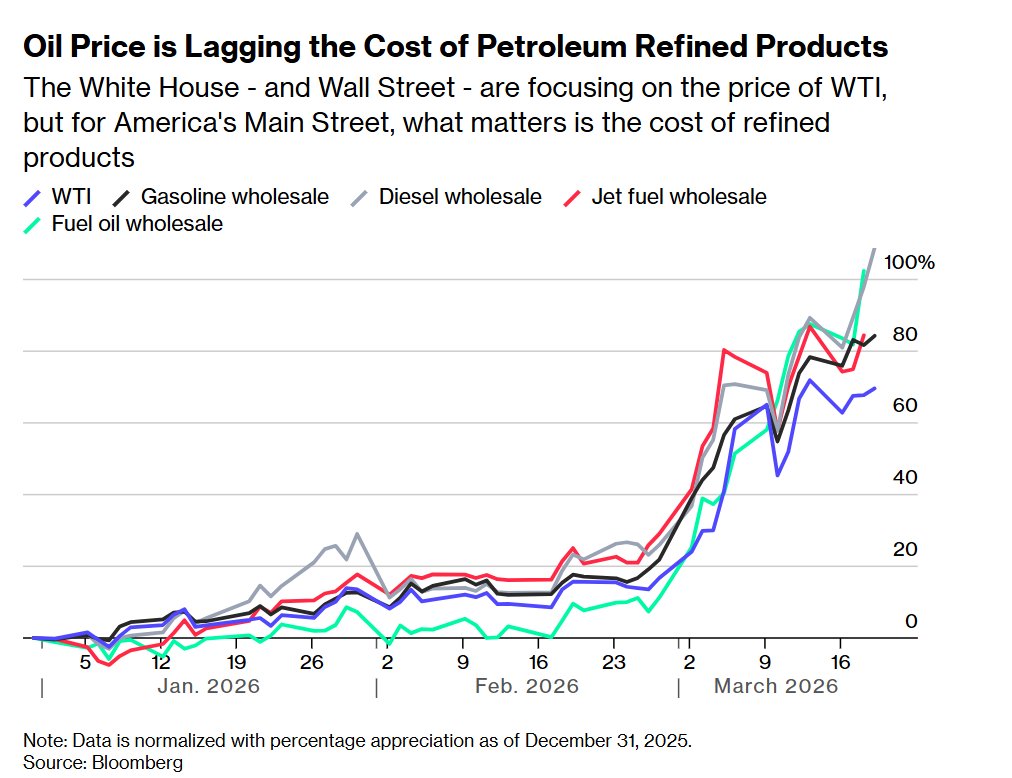
‘Demand destruction has begun’ ft.trib.al/bDJ2Ywm
The developments of the past 24h may prove a turning point in this war: Israel and the US's escalation by striking the Qatari-Iranian Pars field, the strikes against Asaluyeh, Iran's massive retaliation against oil and gas installations in Saudi, Qatar and beyond, which shot up oil prices, the near downing of a F35 by Iran and Secretary Bessent's revelations that the US may unsanction Iranian oil on the waters to bring down oil prices. As I said already on the fourth day, the US has lost control of this war. It had a Plan A, but no Plan B. Plan A came crashing down after it became clear that the assassination of Ayatollah Khamenei neither brought the implosion of the theocracy nor their surrender. As a result, the US is increasingly letting the Israelis drive the bus, by virtue of them having a plan, even though their plan does not serve US interests (the Israelis want to prolong the war to degrade Iran's entire industrial base, regardless of what happens to energy markets, Trump's presidency, and security in the region as a whole.) The Israeli strike against the Pars field, coordinated with the US, is particularly important because it violated a promise Trump made to Qatar back in September 2025 - Israel would no longer be allowed to strike Qatar. But that gas field is shared by both Iran and Qatar, hence it was an attack on Qatar as well as on Iran. With US coordination. This - and the impact on energy markets - may explain why Trump took to social media to blame Israel for the attack and publicly forbade them from striking further energy fields. But Bessent's comments about unsanctioning Iranian oil on the waters are the most important. Though it's primarily done to push down oil prices, it appears that we may have nevertheless entered sanctions relief territory out of necessity. I wrote several days ago that Tehran is very unlikely to end the war even if the US pulls out and declares victory. Iran has leverage for the first time in years and will seek to trade it in. It has publicly demanded a closing of US bases, reparations, and sanctions relief in order to stop shooting at Israel and open the Straits. The first may happen over time anyway, the second is highly unlikely, but the third - sanctions relief - may become more plausible as the cost of the war rises, and escalation strategies become increasingly suicidal for Trump. As I have explained, a return to the pre-war status quo is unacceptable to Tehran because it will not only be in a degraded state, but also in a continuously weakening state because its pathways to sanctions relief have been blown up. If Iran weakens further, it will only invite further American and Israeli aggression, Tehran believes, because it was the false perception of Iranian weakness that created the "window of opportunity" to attack Iran in the first place. Sanctions relief is, as a result, a necessity to ensure that the war doesn't restart. But here is where Iran may miscalculate. Trump may not yet have reached the point at which the cost of continuing the war is so high that he opts to offer sanctions exemptions to select countries to get Iran's agreement to open the straits and end the war. He will likely only reach that point once it's clear that his base is starting to turn against the war in a serious manner. At that point, Trump will face a time crunch. He will need a narrative in which he declares himself a victor - with his base believing it. Absent the ability to convince his base that he has won, the benefit of ending the war may not outweigh the cost of continuing it. And as soon as his base starts turning against the war, his ability to convince them of his victory starts to wane. Mindful of the fact that negotiating this end may take an estimated 7-10 days at best, which is different from the 24 hours or so it took to negotiate the unconditional ceasefire in June, Tehran may overplay its hand and only agree to enter these negotiations at a point at which the length of the negotiations may exceed the time Trump has left to convincingly declare victory and provide himself a face saving exit. Getting the timing of this right will be very difficult for both the US and Iran. Israel will do all it can to sabotage any such off-ramp, including by killing Iranian's negotiatiors. But it will become increasingly clear - if it hasn't already - to Trump that all his escalatory options only deepen the lose-lose situation he has put himself in. That's why Trump should never have listened to Netanyahu in the first place.
Vance says Americans should find comfort in the fact that our allies are "suffering more than we are" from high gas prices