

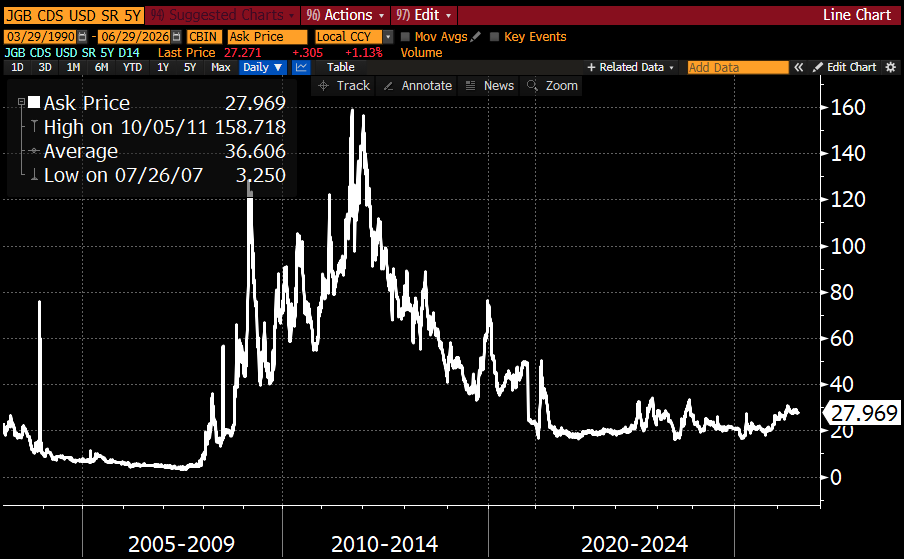
@Brad_Setser @TheStalwart @Birdyword One thing I can assure you of; there is no fiscal/sovereign fear in Japan. We would see CDS react if there was.
English
Eric Hickman
1K posts
@EricWHickman
25-year US Treasury Manager & Strategist | 79% accuracy on calls for the last 3 years | Founder, Lantern Capital



*YEN SLIDES TO WEAKEST LEVEL VERSUS DOLLAR SINCE 1986









FED'S BARKIN: INFLATION REMAINS TOO HIGH, THOUGH THERE ARE EARLY SIGNS THAT PRICE PRESSURES COULD EASE.




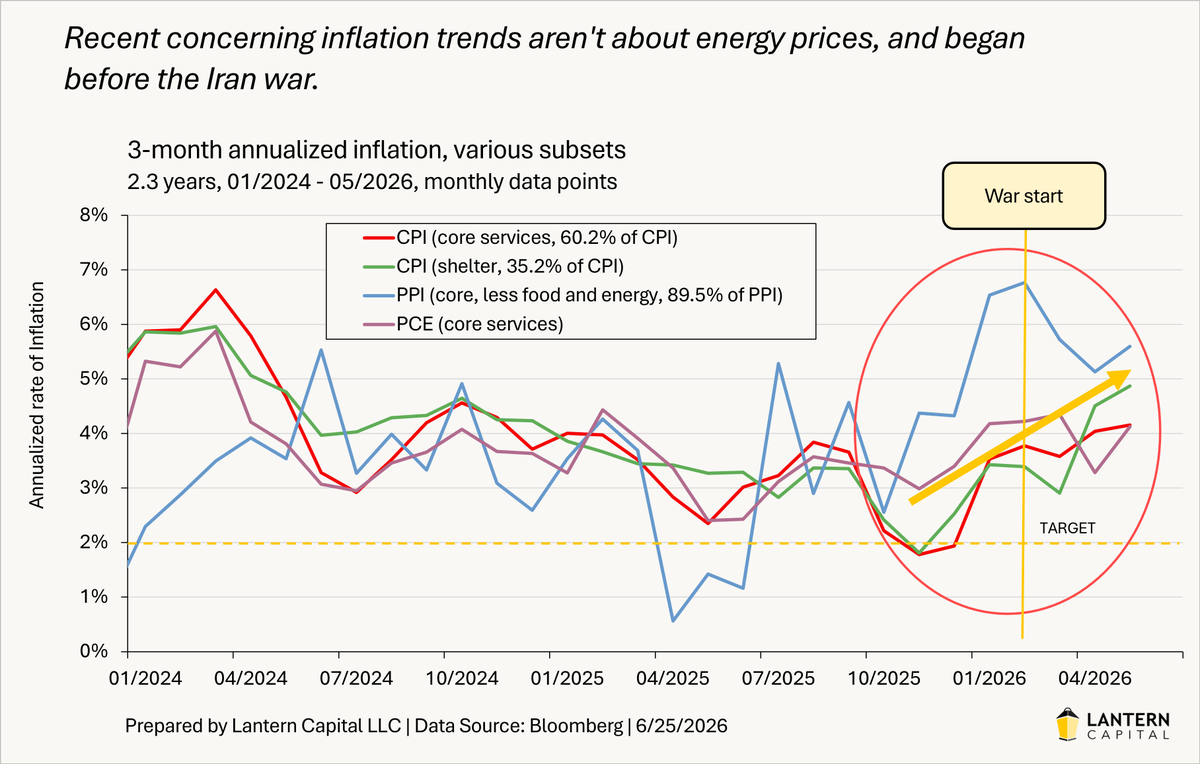

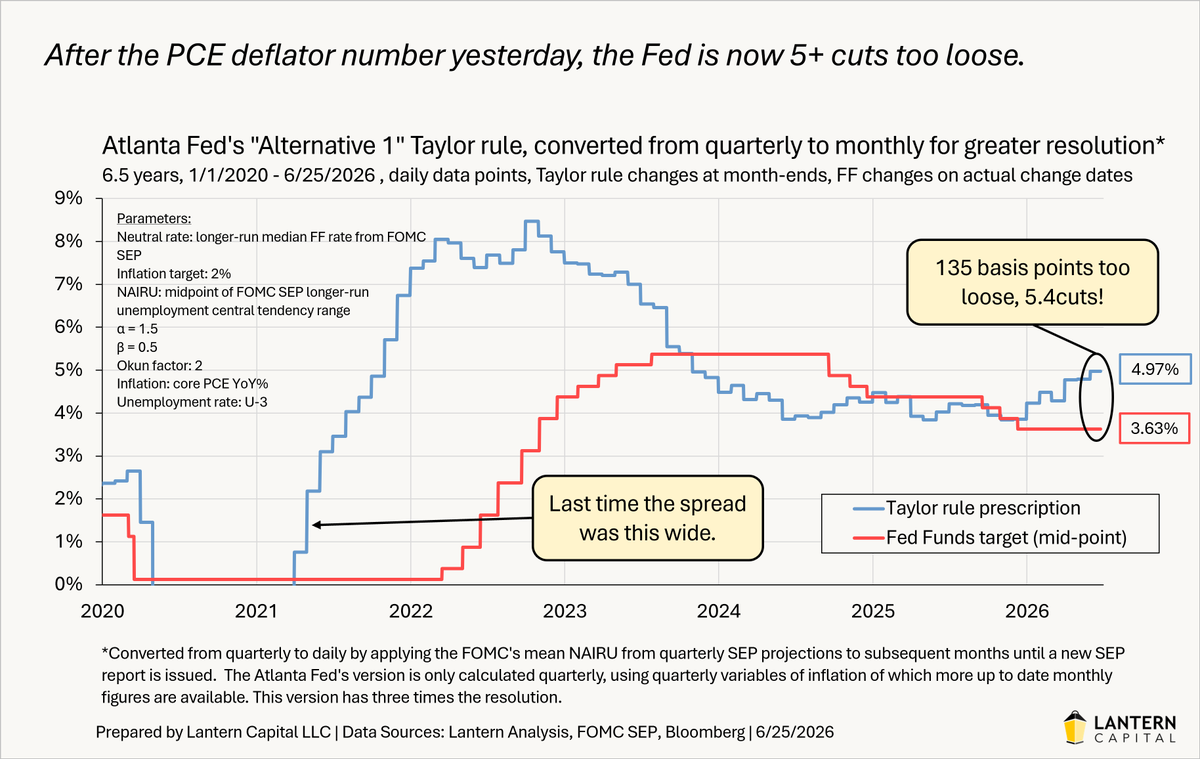





June 25: We’ve updated our Taylor Rule Utility data by incorporating #BEAdata in addition to updated nowcasts from the @ClevelandFed and Atlanta Fed: atlfed.org/4w2m9QK.


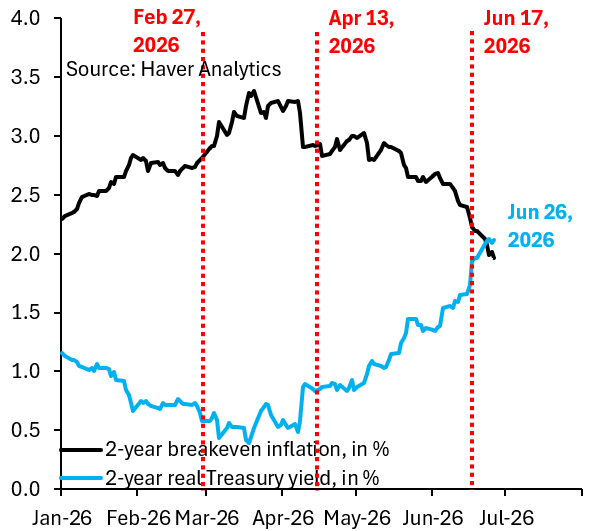
NY Fed on inflation and rates John Williams: "In coming quarters, however, I expect inflation readings to edge down" for several reasons: • First, tariff effects "appear to have mostly played out." • Second, a base case is that Hormuz related supply disruptions "are resolved relatively soon." • Third, housing inflation should continue to slow. • Fourth, there's no evidence of labor-market driven price pressures. Additional Points: 1. Macroeconomic Outlook & Resilience a. Absorbing Shocks: Despite unpredictable global risks—specifically ongoing economic disruptions from the Middle East conflict—the U.S. economy has remained highly resilient. b. Consumer & Business Health: While households face elevated fuel and energy-input costs, consumer spending and business investments remain robust, heavily accelerated by the ongoing AI investment boom. c. Anchored Expectations: Inflation expectations remain well-anchored mid-term. One-year-ahead inflation expectations ticked up modestly through May, but three- and five-year outlooks are unchanged. 2. Monetary Policy Stance a. The Target Range: The FOMC recently maintained its target federal funds rate at 3-1/2% to 3-3/4% to continue steering inflation toward its long-run 2% goal. b. Two-Sided Risks: Williams highlights that substantial macro risks remain. The AI boom could push prices up faster than expected, while Middle Eastern supply chain interruptions threaten global growth.

