La Serenissima

1.9K posts

La Serenissima banner
La Serenissima

La Serenissima

@0xDiplomat

Armchair philosopher @coinfund_io | Ex @dragonfly_xyz / EM HF / @blackrock | Crypto, macro & the outdoors | RTs & likes ≠ endorsements unless clearly stated

Katılım Ağustos 2021
1.5K Takip Edilen2K Takipçiler
La Serenissima retweetledi
Mushtaq Bilal, PhD
Mushtaq Bilal, PhD@MushtaqBilalPhD·
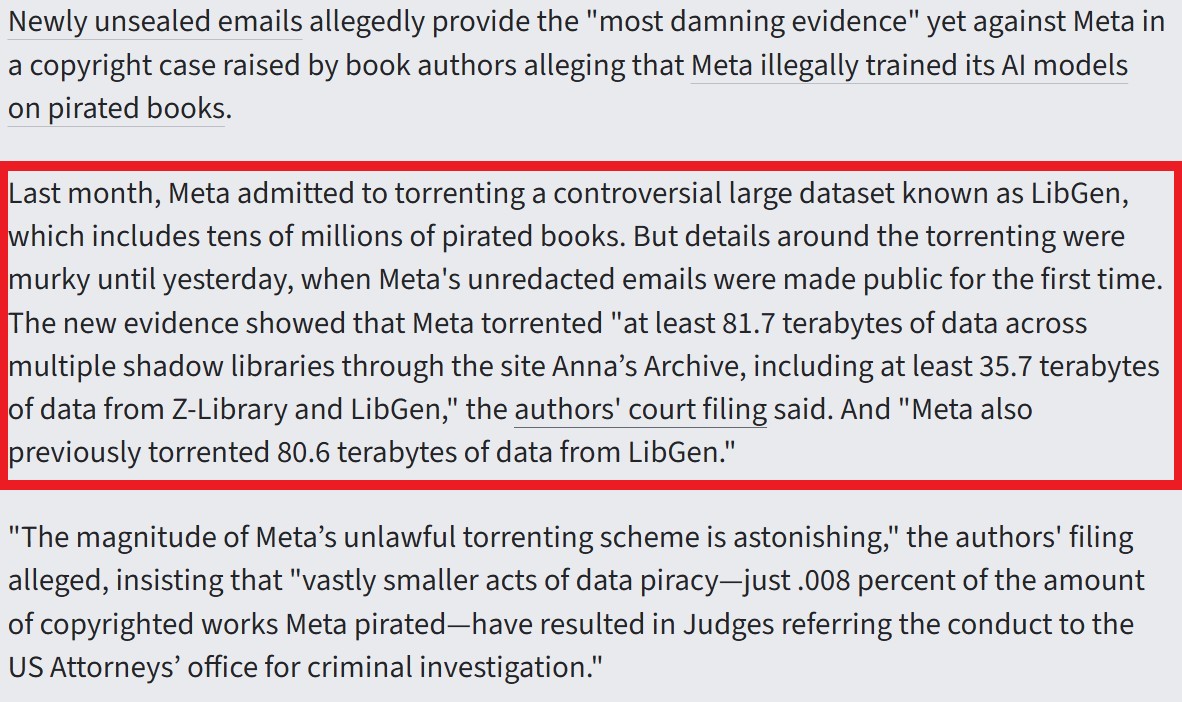
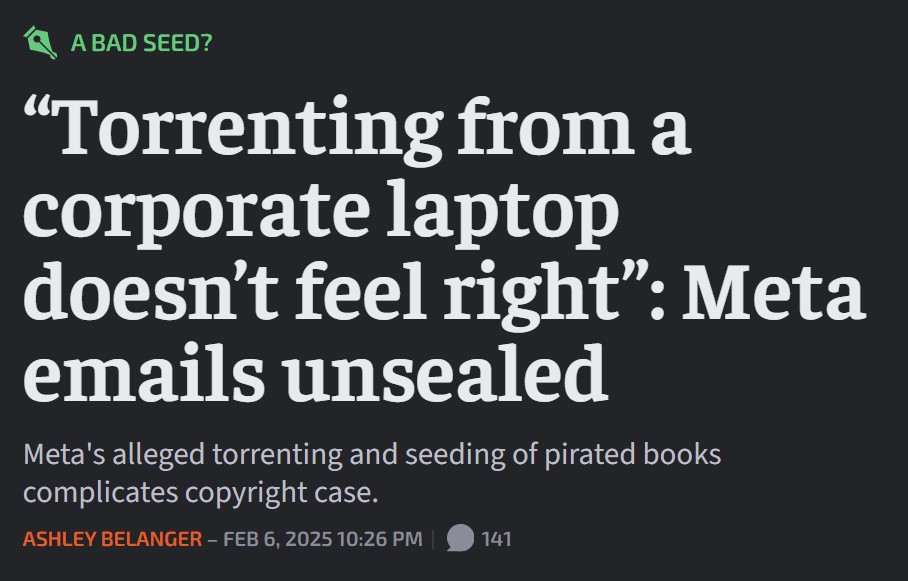
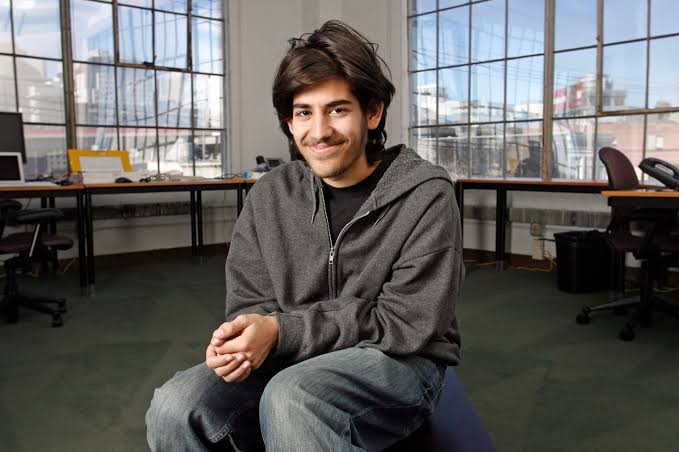
Meta illegaly downloaded 80+ terabytes of books from LibGen, Anna's Archive, and Z-library to train their AI models. Aaron Swartz downloaded 70 GBs of articles from JSTOR (0.0875% of Meta) in 2010. Faced $1 million in fine and 35 years in jail. Took his own life in 2013.
Mushtaq Bilal, PhD tweet mediaMushtaq Bilal, PhD tweet mediaMushtaq Bilal, PhD tweet media
English
99
3.6K
12.3K
384.7K
La Serenissima retweetledi
Arnaud Bertrand
Arnaud Bertrand@RnaudBertrand·
The big deal about FISA section 702 isn't domestic surveillance of Americans, that's actually an incidental byproduct of the real program. The much bigger deal is that it allows the mass warrantless surveillance by the NSA of every non-American on earth, i.e. all of us... "Americans' data" only gets captured as a consequence of this mass surveillance of all of us, when we communicate with Americans. Pretty sad that this is what's seen as most scandalous: you'd think that spying on literally the entire world would be a bigger deal especially when, unlike Americans, we have no constitutional protections and no legal recourse...
Prem Thakker@prem_thakker

42 Democrats just joined 192 Republicans to reauthorize FISA Section 702 – a warrantless surveillance law that's been used to access Americans' data. Democratic leadership did not whip their members, enabling them to vote with Republicans and give Trump the surveillance powers.

English
32
368
934
40.8K
La Serenissima retweetledi
Aaron Busch
Aaron Busch@tripperhead·
2012: Andrew Left accuses Evergrande of "fraudulent accounting" 2016: SFC bans Left from trading in HK for 5 years for "disclosing false or misleading information" 2026: SFC determines Evergrande's annual reports for 2019 & 2020 "contained materially false or misleading information"
Joel Chan@kjoules

Accounting firm Pricewaterhouse Coopers HK has agreed with Hong Kong's Securities and Futures Commission to set aside HK$1 billion to compensate independent minority shareholders of China Evergrande, without admitting liability apps.sfc.hk/edistributionW…

English
3
11
50
9.4K
La Serenissima
La Serenissima@0xDiplomat·
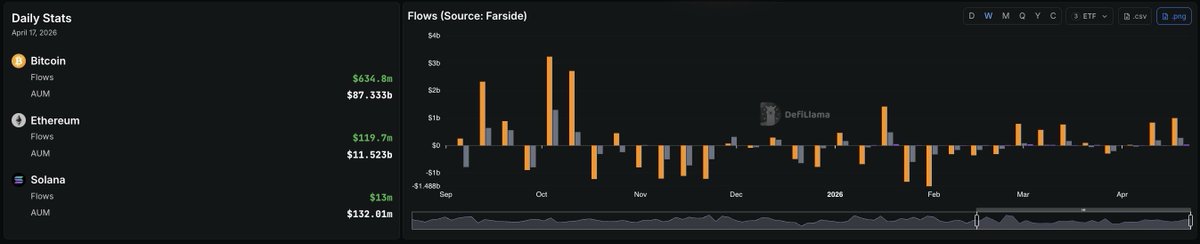
I think the easy answer is that it's a different set of buyers. Retail is washed out and either hiding in equities or rekt, while institutional flows are slowly picking up again, which I think is in part reflecting a repositioning vs declining tradfi yields as CME basis on BTC and ETH is now in the 5-6% range i.e. the spread vs T-bills is looking interesting again if you express this strategy through ETFs and CME futures. I also think its worth pointing out BTC started outperforming gold the day the Iran conflict broke out, so I think there is also some repositioning into the digital gold thematic as people realise it's a far better way to transfer wealth and pay for things outside of traditional financial rails when you can't physically ship/deliver bullion. Just my 2 cents
La Serenissima tweet mediaLa Serenissima tweet media
English
0
0
5
3.4K
based16z
based16z@based16z·
Honestly confused by the bid on crypto. Btc basically now consensus has to re org delete satoshi coins + Saylor complex 4% ownership on high interest levg / ETH defi + addresses + smart contracts post mythos and re ent hacks are probably 3x previously accepted risk premium. You can say markets bottom on bad news, anti government asssts also make sense atm. risk up across the board etc. I guess I’ll just keep buying 2 week tails that expire worthless.
English
71
28
803
134.2K
La Serenissima retweetledi
Atlas Thugged
Atlas Thugged@AtlasXThugged·
Lee Kuan Yew on avoiding the mistakes of socialist Britain:
Atlas Thugged tweet media
English
78
998
5.4K
588.7K
La Serenissima retweetledi
Rob Hadick >|<
Rob Hadick >|<@HadickM·
The Artemis team has been ahead of the curve understanding that crypto’s natural evolution will bring money (stablecoins), tokenized assets (securities and non securities), and tokens altogether into a single ecosystem. They started by building the best stablecoin data business in the space and now love to see this move into supporting equities, as well. All while rebuilding their infrastructure to be AI native. Keep crushing @jonbma, @anthonyyim and team
Artemis@artemis

INTRODUCING ARTEMIS.AI — The Open Investment Terminal For All

English
5
7
92
18.3K
Andreas Steno Larsen
Andreas Steno Larsen@AndreasSteno·
Oil is simply less relevant for the economy than it once was..
English
503
26
641
681.9K
La Serenissima retweetledi
Omar
Omar@TheOneandOmsy·
The glaring flaw in modern tokenomics design is ecosystem tokens are unlocked at launch. Turns launches into perpetual funding events with 0 transparency or accountabilty. If teams had to report actual sales of their own tokens, we'd see see materially better token outcomes
English
4
3
23
2.3K
La Serenissima
La Serenissima@0xDiplomat·
@ArrakisGlobal How do you square your bullishness for TMCR when ECOR trades at a meaningful discount to it? Curious what I’m missing re: TMCR
English
0
0
0
16
Arrakis Global
Arrakis Global@ArrakisGlobal·
@0xDiplomat Liked ecora a lot last year. Think its at fair value here though $ecor
English
1
0
0
116
La Serenissima
La Serenissima@0xDiplomat·
Would suggest taking a look at TKO for your copper exposure. 0.7x P/NAV (cheaper than your current list) and shifted from developer to producer as Florence has now started copper production, with first cathode and ramp‑up underway, making this the first new copper production from a greenfield facility in the US since 2008. Considerably less exposure to ongoing Iran related sulfuric acid shortages as TKO's mines use conventional open‑pit/concentrators in BC and ISR in Arizona for in‑situ recovery i.e. it is way less exposed to sulfur price spikes and physical supply risk from the Hormuz disruption compared to Ero or Hudbay
English
0
0
3
709
Arrakis Global
Arrakis Global@ArrakisGlobal·
Long: EU banks $abn $bbva $raw Copper & Gold $fnv $hbm $ero Memory & optics $nok $mrvl $mu Thats the trade. 🤷🏻‍♂️ . Mkt wants to go up.
English
9
3
113
22.9K
La Serenissima retweetledi
Avi
Avi@AviFelman·
The Citrini article reminded me of a story when I first started trading, they told me I was never going to compete with hedge funds because they "bought satellite imagery of walmart parking lots to estimate earnings" Turned out to be reasonably unhelpful. But one thing I did learn is that my CIO would go into the retail stores he was thinking of buying the debt of and monitoring who, and what kinds of people were buying. Human intelligence when investing is more underrated than ever in a world of LLMs and instant research. Go use the product you want to invest in. Go to the store. Buy the service. See it with your own eyes. Maybe not everyone should go into an active war zone, but if you want to, at least take videos
English
15
42
1.2K
113.6K
La Serenissima retweetledi
Santiago R Santos
Santiago R Santos@santiagoroel·
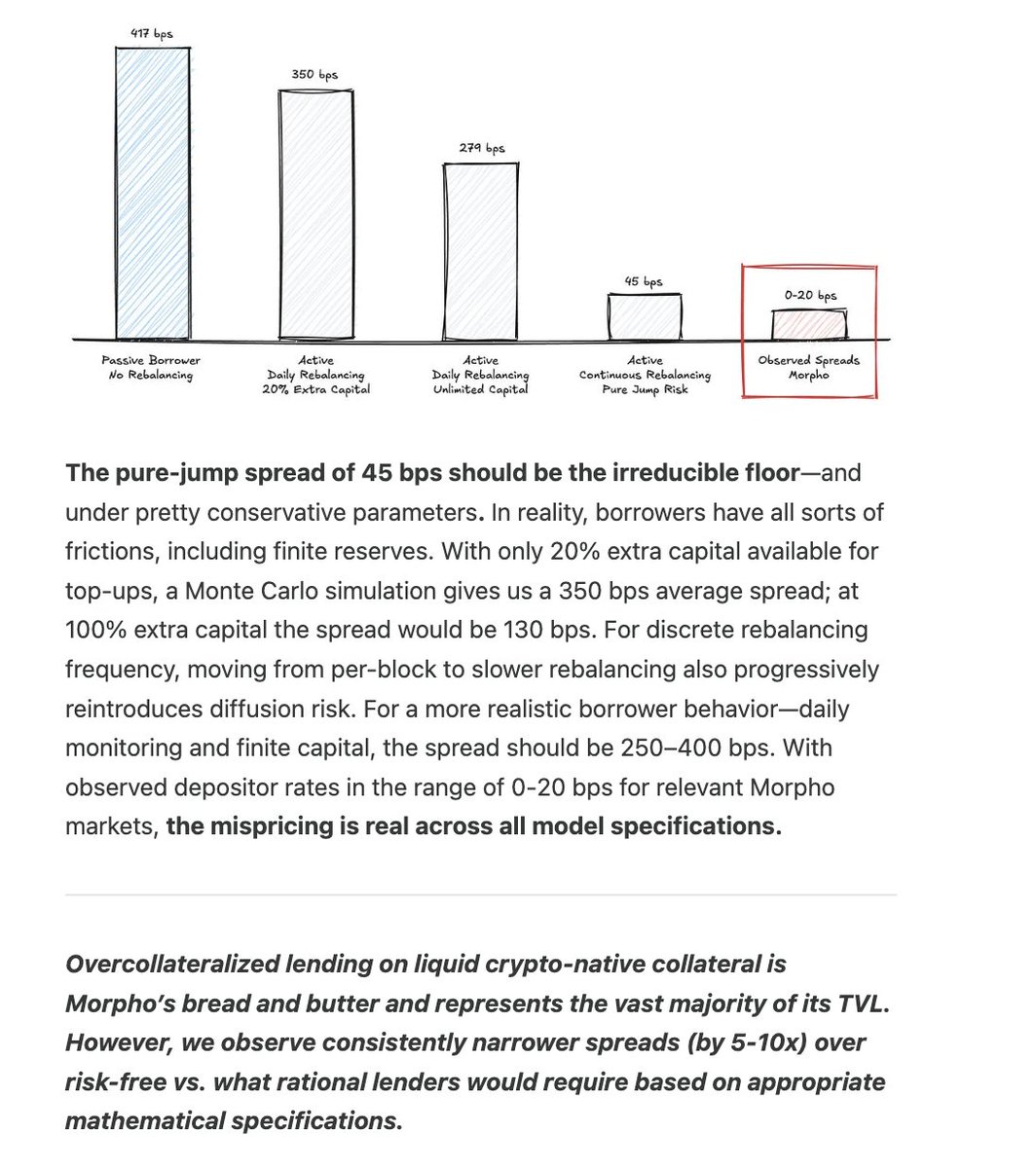
rates in DeFi are too low for the level of risk $11.7B sitting in Morpho vaults today at 2-4% APY. retail is funding these markets via exchanges thinking it's a savings account. it's not. they're taking real credit risk on crypto-collateralized lending no institution accepts near risk-free rates to come on-chain not all vaults are created equal. same 2-4% yield but completely different risk profile (different curators, collateral, LLTVs). retail picks the highest number. farmers will farm back in the day >100% APYs in DeFi made sense. you were compensated for the risk you were taking. DeFi is a different animal today but vol, historical dislocations, and looping strategies on crypto collateral still demand at least 300-400 bps above risk-free. we're nowhere near that. @LucaProsperi ran the math (see below). tldr - fair value spread on ETH/BTC-collateralized lending is 250-400 bps above risk-free. observed rates are a fraction of that last cycle we saw a lot of retail pour savings into algo stablecoins promising "risk free" yield. this cycle vaults have a lot of demand but they are mispriced for the level of risk. you're trusting someone to LP into vaults and trust the manager will manage position at least private credit earned you 12-16% go read this: open.substack.com/pub/dirtroads/…
Santiago R Santos tweet media
English
103
64
687
151.9K
La Serenissima retweetledi
lito
lito@litocoen·
with these changes i could imagine USDe growing back to $10-15b pretty quickly even in the current regime supply has stayed steady at $6b ethena's moat at this point is its deep integrations into DeFi, CEX earn programs, custodians etc. and a track record of operational excellence there's a lot of distribution channels to tap into once the yield comes back
G | Ethena@gdog97_

Since 10/10 Ethena was poorly positioned for what has been a material regime change. In the last few months we have been building out the infrastructure to securely access alternate sources of safe and scalable collateral to better position the business for these periods of downturn. This is an important piece of work which should have been done a long while ago, but now positions USDe backing to experience less rate volatility during periods of suppressed crypto native interest rates. Going forward, once approved by the independent risk committee, USDe will have access to: -Basis on non crypto assets including commodities and equities -Institutional triparty collateralized lending via @coinbase @krakenfx @Anchorage and others -Prime lending across CeFi and @HyperliquidX -Liquid high quality non-tbill RWA exposures Each of the above represent multi-billion capacity opportunities with that will now sit alongside the existing USDe collateral base to improve the product resilience through the cycle.

English
9
2
77
9.1K
Jeff Dorman
Jeff Dorman@jdorman81·
The whole thread is good, but this last part is most important. Arca has a liquid token fund and we think less than 20 tokens are even part of the investable universe (and we only actually own 5-10). None of the token issuers or exchanges or VCs ever ask what it is a liquid fund wants to see to make a token investable. They don’t care. They just want to max extract, and there are no investment banks or independent market makers to keep them honest. The exchanges are the worst culprits. An “everything exchange” doesn’t work when you kill all of your customers with terrible investment products, and try to sell the whole industry as one giant “macro trade”. Only way to move forward is to focus on the 10-20 tokens that are investable, ignore the rest, and require tokens to be built properly before giving them liquidity and visibility.
Mippo 🟪@MikeIppolito_

I am begging the industry to wake up and focus on this. Investors - insist on transparency, diclosures, and standardized data. Exchanges - onboard transparency metrics, penalize tokens that don't comply. Protocol founders - speak to your investors, make disclosures, tell your stories, and sell your token (no it's not scammy to do, this isn't 2021). If we don't fix this and soon, the industry as we know it will cease to exist.

English
13
17
126
31.8K
La Serenissima
La Serenissima@0xDiplomat·
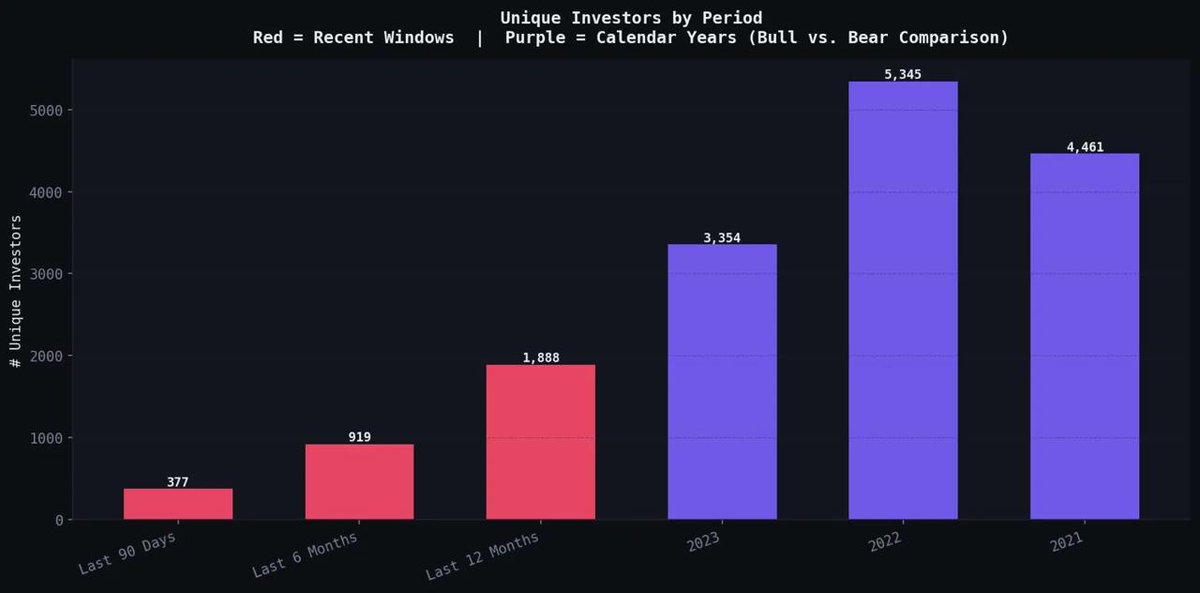
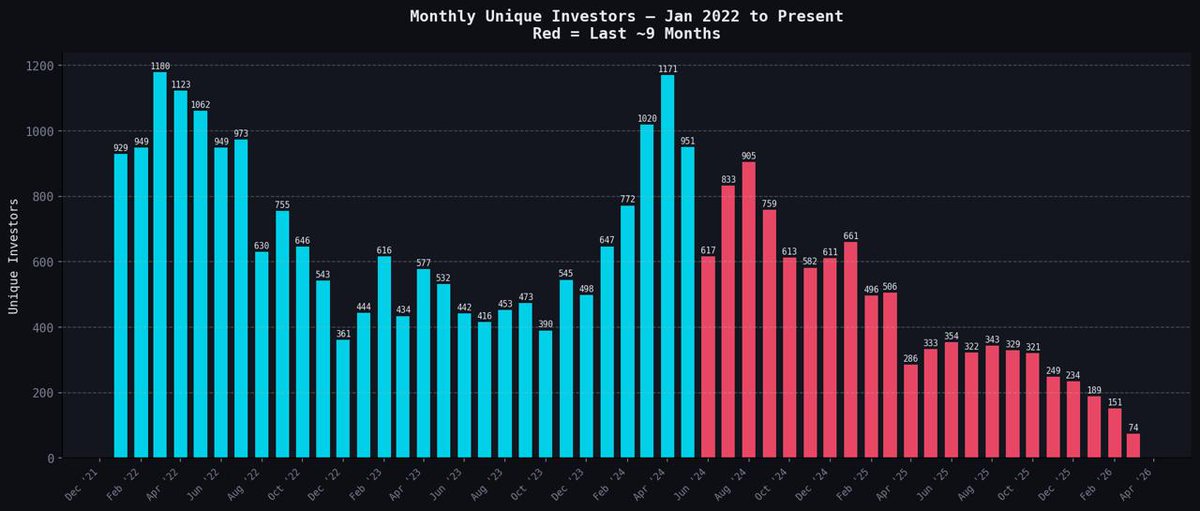
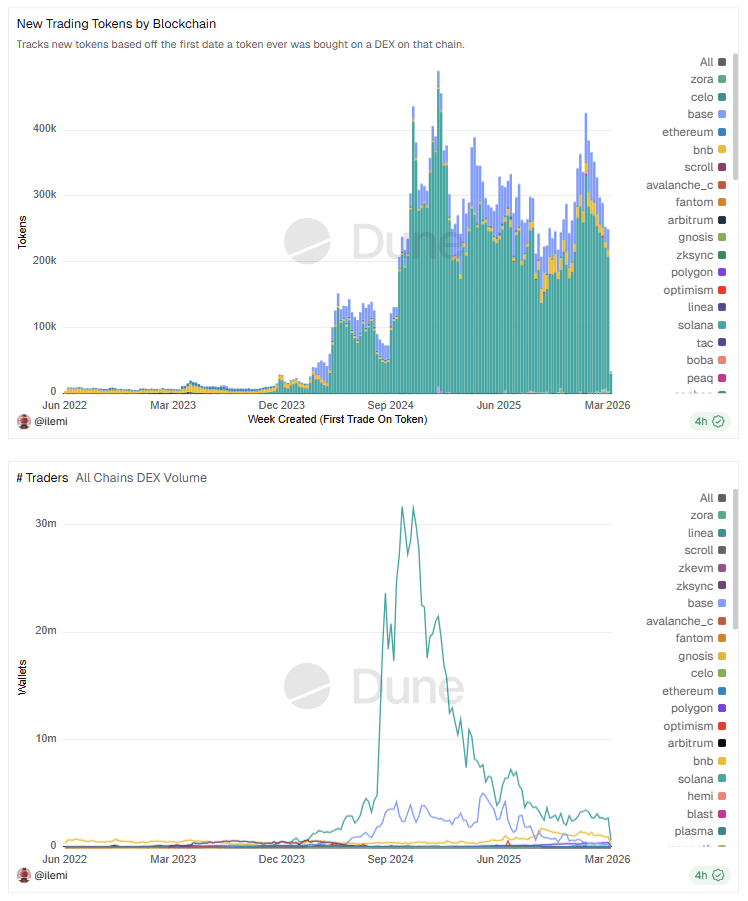
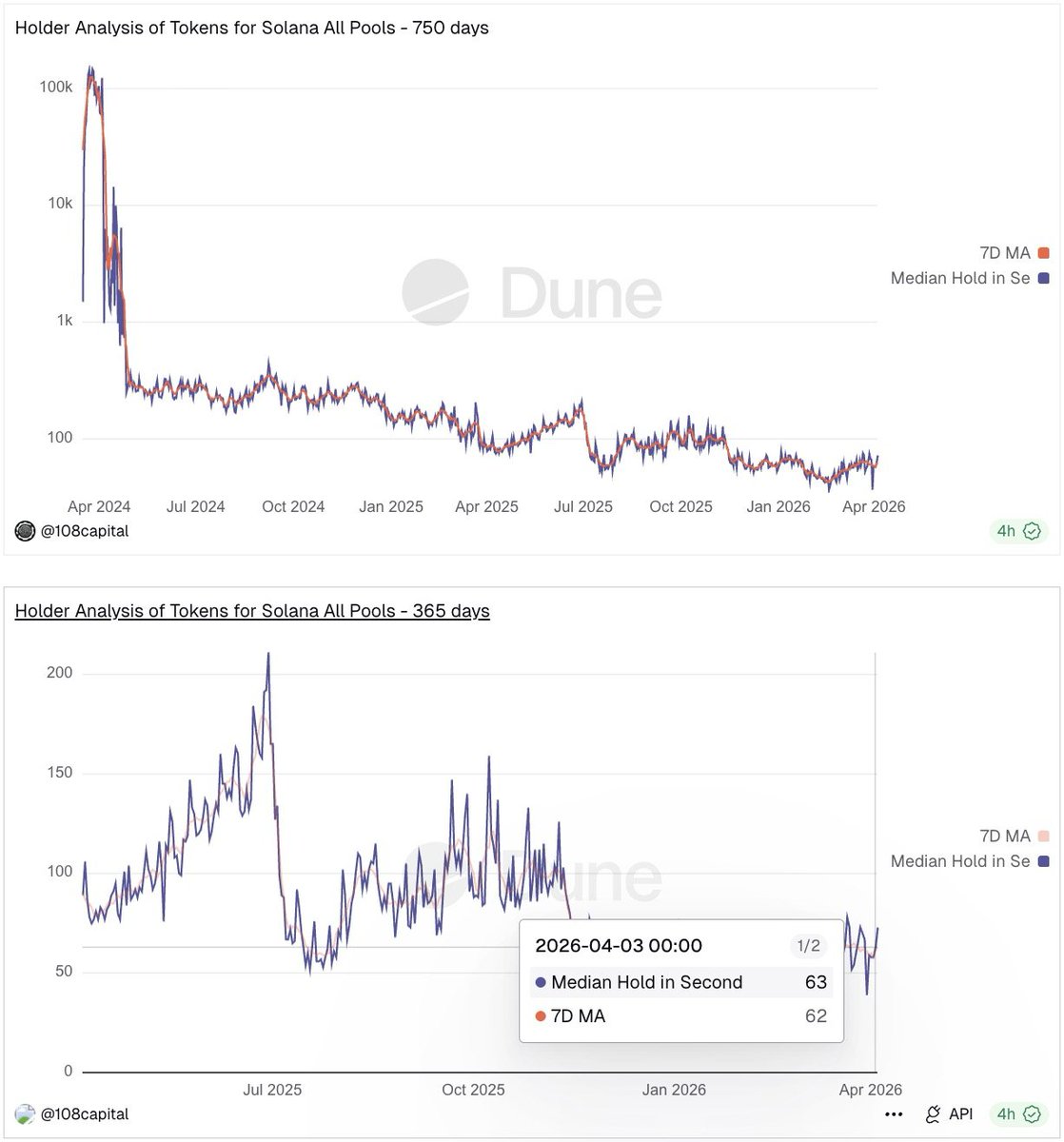
Some thoughts: - On buybacks: Sophisticated market participants discount discretionary buybacks because they are inherently uncertain i.e. the team can pause, scale back, or redirect them at any time based on judgment, introducing agency risks and forcing investors to apply a higher discount rate to unpredictable future returns. In PUMP's case, buybacks occur via off-chain or team-controlled wallets purchasing on the open market (visible on-chain but initiated by the project), not a fully automated, permissionless smart contract that triggers deterministically. The crux of the issue is that investors prefer formulaic, rule-based buybacks (e.g., fixed % of revenue or earnings) with clear visibility and clear workflows because predictability enables reliable valuation models and lower risk, exactly as traditional markets reward consistent dividend policies (like those of “dividend aristocrats”) far more than irregular special dividends or opportunistic repurchases. To deny this is to deny the reality of how traditional financial markets operate Moreover, there is no linkage to any form of direct holder cash flow: Like most crypto buybacks, it provides only indirect deflationary pressure without dividends, staking yields tied to all revenue, or governance rights - investors demand more than supply reduction alone, especially when platform success doesn't guarantee token outperformance in bearish or sideways conditions - Token vs. equity holder disconnect: PUMP still maintains a separate equity vehicle. Equity holders (team + early VCs like 6MV, Delphi, Alliance, Solana ) own the operating company (Baton Corp), which captures all platform revenue, controls treasury decisions, and benefits from any long-term company value or exit, while PUMP token holders have no governance rights, no direct claim on company assets or revenue, no dividends, and rely solely on the team's discretionary buyback policy for indirect value accrual - creating misaligned incentives where the company can prioritize its own runway, operations, or cash reserves over aggressive token support, especially during revenue downturns or unlocks. The July 2025 token sale therefore amplified this disconnect by creating a large new class of token holders without granting them equity-like rights or bridging the two structures. Upcoming token unlocks (notably the major July 2026 cliff for team and existing investor allocations) further highlight the divergence, as locked tokens held by equity-aligned parties become sellable. In short, PUMP has not restructured to unify or align the two classes, ensuring the classic crypto “equity owns the business, tokens get indirect/deflationary exposure only” dynamic remains fully in place, contributing to the valuation discount investors apply to the token relative to platform revenue - Whale/insider selling pressure and unlock risk: Large holders have reduced positions by 13%+ in key periods despite buybacks; on-chain flows (e.g., hundreds of millions in USDC to exchanges during high-revenue quarters) fuel ongoing "profit extraction" debates. A major ~$169M token unlock hits in July 2026, adding anticipated supply overhang - Revenue cyclicality and sector risks: Memecoin & launchpad volumes fluctuate with crypto market sentiment, competition, and regulatory scrutiny, making future buyback scale unpredictable even if the % allocation is fixed. We saw the same issues with Rollbit and concerns around the sustainability of gambling volumes. With fee generation hyper-tied to meme/hype cycles (e.g., weekly revenue crashed from peaks of $43M+ to recent lows of $3–4M amid low retail demand) and market share previously gutted by rivals like BONK (which managed to capture 75%+ of Solana launches at prior peaks), this makes the scale of sustainability of future buybacks look unreliable even at 98–100% allocation and PUMP recovering its sector leadership. - Extreme reputation damage and "extraction machine" narrative: 98.6% of launched tokens fail/rug, with 96%+ of recent traders losing money; the platform is widely viewed as profiting from retail chaos and volatility rather than building sustainable value (dead coins still generate fees on the way up and down). This alienates long-term investors and institutions, who see it as harming the broader ecosystem rather than a healthy business. This is especially true when we look at the state of the industry today (see charts attached) i.e. new token launches are near ATHs, while active traders keep declining, and the average memecoin hold time on Solana has dropped to a paltry 63 seconds in 2026, down from 100 seconds in 2025 and one day in 2024 - Lack of professionalism / refusal to engage with investors: The team has repeatedly refused to engage with current or prospective investors, something that seems entirely tone deaf given the direction the industry is heading in. As an example, all 3 of us (as well as majority of investors in the industry) are part of the same TG group the PUMP team created to supposedly engage with stakeholders and they had promised an investor call back in November 2025. Despite repeated questions and messages from some of the 175 institutional crypto funds represented in the group, the PUMP team has opted to actively ignore investors and never organised a call. There has been no attempt to address this or to explain themselves & schedule regular investor calls going forward (in the same way that most of the high quality teams in the industry do e.g. EtherFi, Maple Finance etc...), and their interactions with most of the community has been nothing short of childish, petulant and completely unprofessional (e.g. rage quitting group chats or refusing to answer questions around use of proceeds for their last round). The short of it is that the market doesn't view the team as adults or professional/competent operators, and they need to own up to this and change their behaviour going forward. Perception is critical - A history of legal issues and overhangs: The team has faced considerable headwinds from a few prior & ongoing disputes. These include an ongoing civil class-action lawsuit (Aguilar v. Baton Corporation Ltd. d/b/a PUMP et al., consolidated with the related Carnahan/PNUT case, Case No. 1:25-cv-00880, S.D.N.Y.) where plaintiffs (retail meme-coin buyers) allege that PUMP sold unregistered securities via its standardized bonding-curve meme-coin launch process (violations of Securities Act of 1933 §§ 5, 12(a)(1), and control-person liability under § 15). They claim the platform and founders acted as statutory sellers, collected ~$500M in fees, and profited while users lost. Moreover, expanded claims in the same case include civil RICO allegations (18 U.S.C. § 1962) that PUMP operated a “rigged digital casino” or “pump-and-dump enterprise” involving coordinated MEV advantages, insider advantages, bots, and wire/securities fraud, plus New York deceptive practices claims and unjust enrichment. A second amended complaint was filed, with defendants (PUMP team and some Solana-related parties like Jito) filing motions to dismiss arguing lack of jurisdiction and that the tokens are not securities. The case remains in the motion-to-dismiss phase as of late March 2026, with no dismissal, settlement, or trial date. With most retail investors out of the market, this creates a severe reputational headwind and overhang for the last remaining cohort of crypto investors i.e. institutional funds While PUMP continues to generate strong revenues, the team and investors need to very clearly think about the issues above, and the longer they ignore them, the longer the discount will persist. Just my 2 cents
La Serenissima tweet mediaLa Serenissima tweet media
English
2
2
27
6.8K
La Serenissima
La Serenissima@0xDiplomat·
Open data, transparency and accountability is essential to good governance
Andrej Karpathy@karpathy

Something I've been thinking about - I am bullish on people (empowered by AI) increasing the visibility, legibility and accountability of their governments. Historically, it is the governments that act to make society legible (e.g. "Seeing like a state" is the common reference), but with AI, society can dramatically improve its ability to do this in reverse. Government accountability has not been constrained by access (the various branches of government publish an enormous amount of data), it has been constrained by intelligence - the ability to process a lot of raw data, combine it with domain expertise and derive insights. As an example, the 4000-page omnibus bill is "transparent" in principle and in a legal sense, but certainly not in a practical sense for most people. There's a lot more like it: laws, spending bills, federal budgets, freedom of information act responses, lobbying disclosures... Only a few highly trained professionals (investigative journalists) could historically process this information. This bottleneck might dissolve - not only are the professionals further empowered, but a lot more people can participate. Some examples to be precise: Detailed accounting of spending and budgets, diff tracking of legislation, individual voting trends w.r.t. stated positions or speeches, lobbying and influence (e.g. graph of lobbyist -> firm -> client -> legislator -> committee -> vote -> regulation), procurement and contracting, regulatory capture warning lights, judicial and legal patterns, campaign finance... Local governments might be even more interesting because the governed population is smaller so there is less national coverage: city council meetings, decisions around zoning, policing, schools, utilities... Certainly, the same tools can easily cut the other way and it's worth being very mindful of that, but I lean optimistic overall that added participation, transparency and accountability will improve democratic, free societies. (the quoted tweet is half-ish related, but inspired me to post some recent thoughts)

English
0
0
1
167
La Serenissima retweetledi
Stacy Muur
Stacy Muur@stacy_muur·
Stablecoins surpassed ACH in monthly volume for the first time. $7.2T vs $6.8T. In 2021, stablecoins were barely visible on the @artemis chart. Now they're processing more monthly volume than the system most American paychecks run through. What actually drives the % higher from here: → Programmability. Once dollars live in a wallet, they compose with smart contracts, yield, and instant cross-border. Legacy rails can't match that flexibility. → Emerging markets. Remittances, trade settlement, and dollar access in unstable economies are already real volume drivers, not hypotheticals. → Institutional tailwinds. U.S. stablecoin legislation, Visa/Circle partnerships, and banks experimenting. The infrastructure is getting regulatory cover. The rails are being built before mass adoption hits.
Alex@obchakevich_

In February 2026, stablecoins surpassed ACH in monthly volume for the first time. Stablecoins - $7.2T ACH - $6.8T Visa - $1.2T Stablecoins are quietly becoming the foundational infrastructure for global payments: no banks, no weekends, no borders. Data used: @artemis

English
23
8
48
7.1K