0xMo retweetledi
0xMo
9.1K posts

0xMo retweetledi
0xMo retweetledi

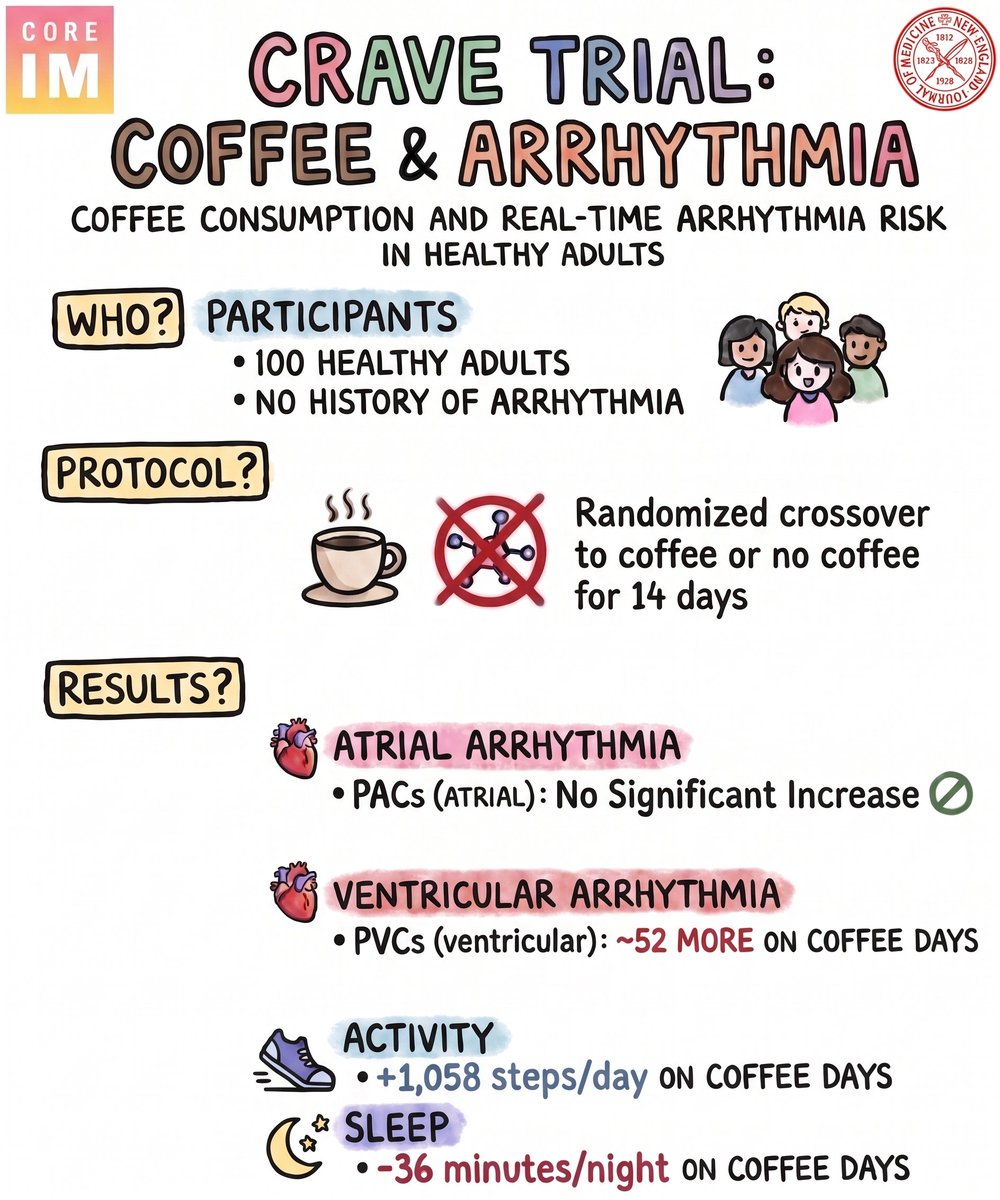
Is coffee helping or harming our patients’ hearts? In the latest episode of the Beyond Journal Club podcast from @COREIMpodcast and NEJM Group, the hosts unpack the CRAVE trial and use it as a lens to answer a bigger question: How should clinicians interpret nutrition research, especially when it feels inconsistent or hard to trust?
Listen to the full episode for a concise, practical framework you can use the next time a patient asks about coffee, diet, or lifestyle: coreimpodcast.com/2026/04/15/nut…
📖 Further reading
Original Article by G.M. Marcus et al.: Acute Effects of Coffee Consumption on Health among Ambulatory Adults (CRAVE trial) nejm.org/doi/full/10.10…

English
0xMo retweetledi
0xMo retweetledi
0xMo retweetledi
0xMo retweetledi
0xMo retweetledi
0xMo retweetledi

Creatine is not just for muscle. At the right dose, it may meaningfully support brain energy too.
About 5 g/day is enough to keep muscle stores saturated, but research suggests around 10 g/day may be needed to meaningfully increase brain creatine.
Doses used during sleep deprivation (around 0.35 g/kg body weight, often landing near 20–30+ g) have been shown to blunt or even reverse cognitive deficits under extreme stress.
If you supplement, creatine monohydrate is the most studied form, and choosing an NSF Certified for Sport product adds an extra layer of quality assurance.
English
0xMo retweetledi
0xMo retweetledi

Woe to those who manipulate religion and the very name of God for their own military, economic, and political gain, dragging that which is sacred into darkness and filth. #ApostolicJourney #Cameroon vatican.va/content/leo-xi…
English
0xMo retweetledi
0xMo retweetledi

Tennis players live 9.7 years longer than sedentary people.
Not 9.7 months. 9.7 years. Nearly a decade.
The Copenhagen City Heart Study tracked 8,577 people for 25 years and ranked every sport by how much life it adds.
Badminton: 6.2 years. Soccer: 4.7. Cycling: 3.7. Swimming: 3.4. Jogging: 3.2.
Tennis almost triples jogging.
A separate study of 80,000 adults found racket sports cut all-cause mortality by 47% and cardiovascular death by 56%. Swimming hit 41%. Aerobics hit 36%.
The question is why racket sports destroy everything else.
Three mechanisms stack on top of each other.
First, the physical demands. A tennis rally requires explosive sprints, lateral cuts, and sustained aerobic output. You're training fast-twitch and slow-twitch muscle fibers simultaneously. Most cardio only trains one system.
Second, the cognitive load. You're reading spin, predicting angles, adjusting position, and executing motor patterns in real-time. Your brain is solving spatial puzzles at 80+ mph. That hand-eye coordination and strategic processing builds neural connections that protect against cognitive decline.
Third, and this is the one researchers keep coming back to: you literally cannot play alone. Every racket sport requires another person on the other side of the net. That forced social interaction triggers neurochemical benefits that solitary exercise cannot replicate. Strong social connection alone increases your chance of longevity by 50%.
Jogging is you and your thoughts. Tennis is you, a strategic opponent, and a community.
Dr. Daniel Amen is right. The data is overwhelming. If you want the single highest-ROI activity for a longer life, pick up a racket.
English
0xMo retweetledi

A brief bout of physical exercise can create "ripples" of activity in your brain that help you store and retrieve memories.
ow.ly/KFQk50YEsg6
English
0xMo retweetledi

Issues recognized with medical AI models
—Problematic responses to 5 chatbots
bmjopen.bmj.com/content/16/4/e…
—Prediction based on unreliable, open-access datasets
nature.com/articles/d4158…

English
0xMo retweetledi

The 10 AM "brain fog" isn't a caffeine deficiency. It’s a breakfast mistake. 🍳
Here is the metabolic chain reaction most people miss:
1️⃣ The Trigger: Skipping protein at breakfast.
2️⃣ The Spike: A carb-heavy start (or nothing at all) leads to a rapid glucose drop.
3️⃣ The Crash: Your brain loses its steady fuel source.
The Result: Irritability, "false hunger," and a loss of focus.
The Fix: Swap the cereal for a protein-rich beakfast. Aim for 30g of protein to "level the hills" of your glucose curve for the rest of the day.
#MetabolicHealth
#NutritionTips
#PhysicianInsights

English
0xMo retweetledi

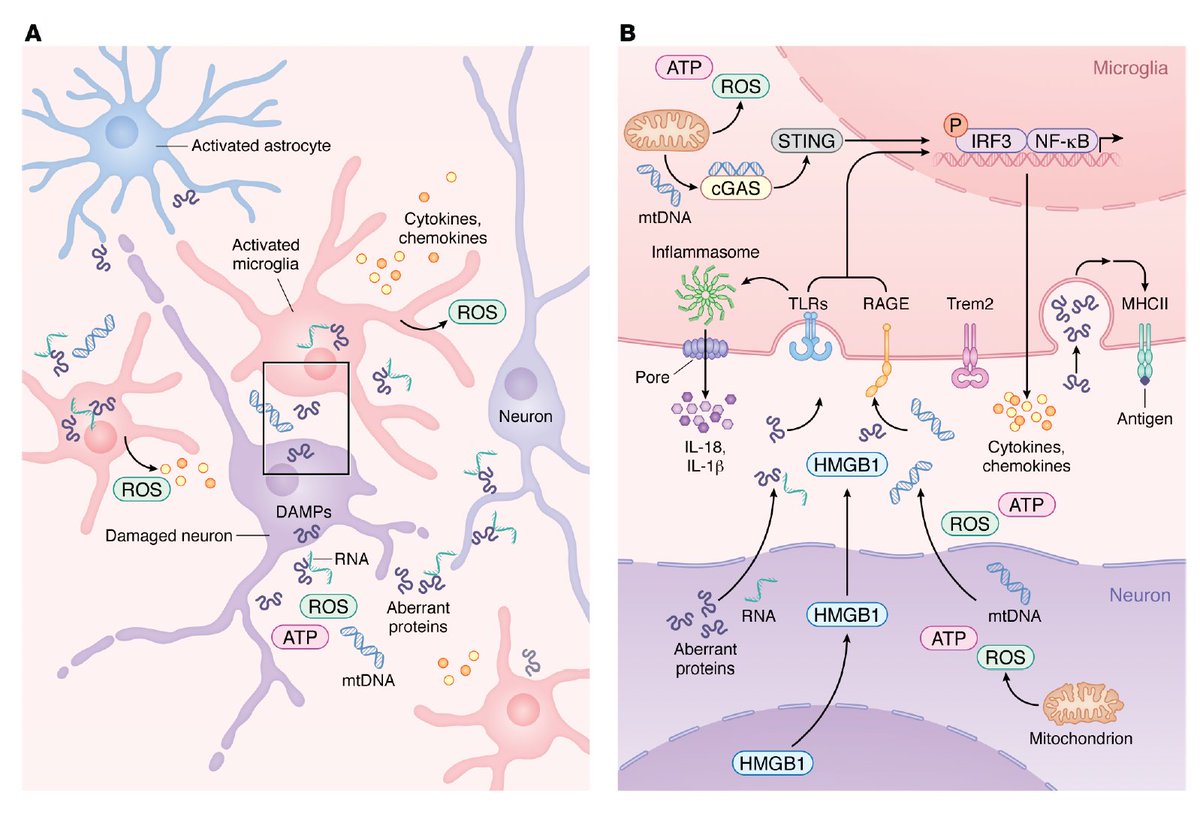
On the path to neurodegenerative diseases, the pivotal role of immune system activation. A new and excellent review @jclinicalinvest jci.org/articles/view/…

English
0xMo retweetledi

For years, the gold standard for spotting early Alzheimer’s was the amyloid PET scan, which could detect brain plaques 10 to 20 years before symptoms appeared. However, a groundbreaking study has identified a “pre-early” warning sign.
Researchers found that a blood test for pTau217 (phosphorylated tau 217) can predict amyloid buildup and cognitive decline even when initial brain scans appear perfectly normal. This discovery could shift Alzheimer’s screening from expensive, invasive scans to a simple, scalable blood test during routine checkups.
neurosciencenews.com/ptau217-blood-…
#Alzheimers #neuroscience #health (1/3)
English
0xMo retweetledi

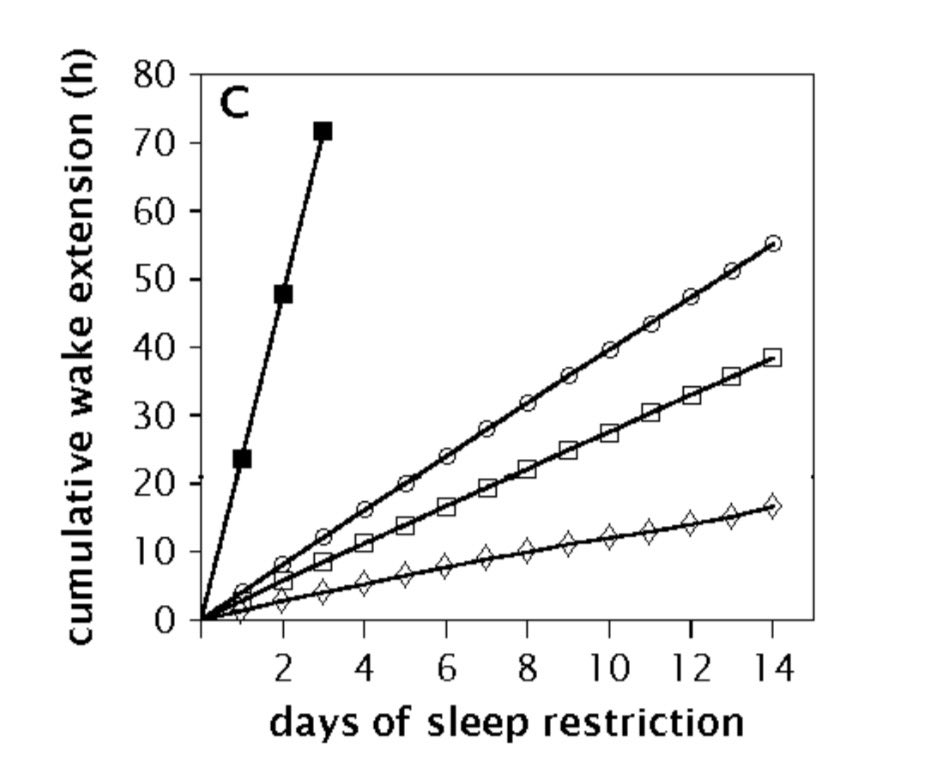
🚩🚩 DORMIR 6 HORAS AL DÍA NO ES SUFICIENTE
Tras 14 días durmiendo 6h/noche, tu rendimiento cognitivo cae igual que tras 24h sin dormir
📉 Lo peor:
– El deterioro es progresivo y acumulativo
– Es lineal (cada día rindes peor)
– Y no te das cuenta: la somnolencia subjetiva apenas sube.
💣 Dormir poco no te adapta… te deteriora.

Español
0xMo retweetledi

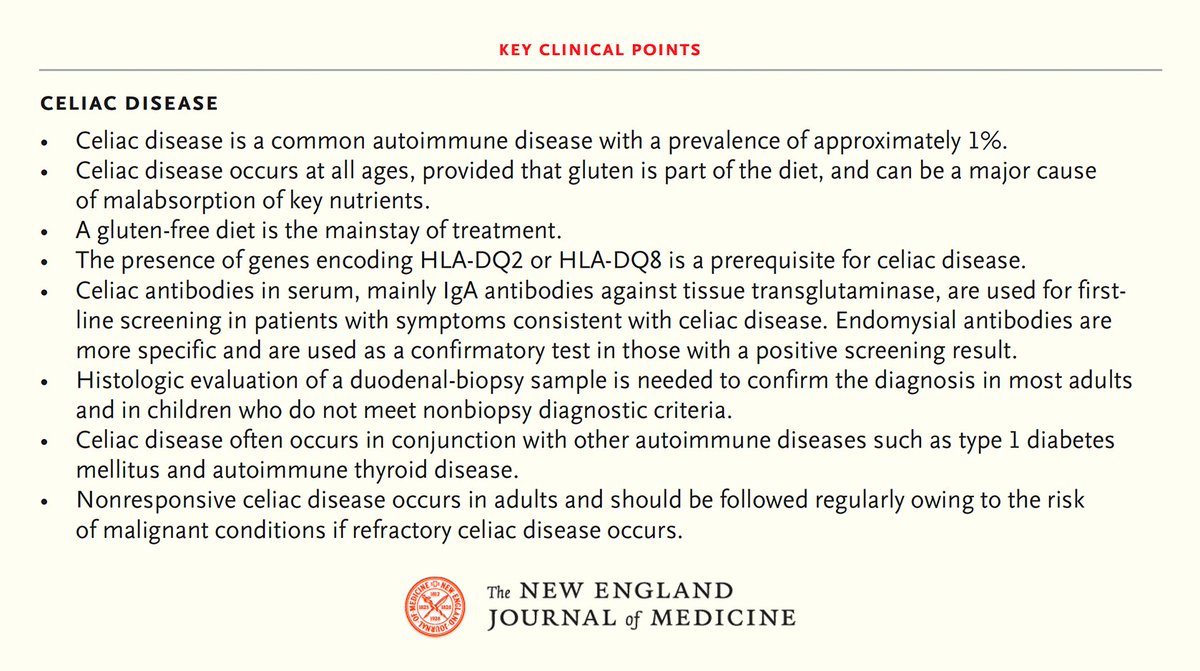
Celiac disease is a chronic, small-intestinal, immune-mediated enteropathy precipitated by exposure to dietary gluten in genetically predisposed persons. It is increasingly common, affecting persons of all ages, and has a wide geographic distribution. Learn more: nejm.org/doi/full/10.10…

English