

Abdullah Sarkar 🍉
1.2K posts

@ASarkarMD
no longer active on here. 🧠⚡️🫀 Autonomic Dz @stanford Post-doc @uclaCVfellows Cardiology @CleveClinicFL IM @univmiami, COM @Alfaisaluniv. #FREE_PALESTINE 🍉


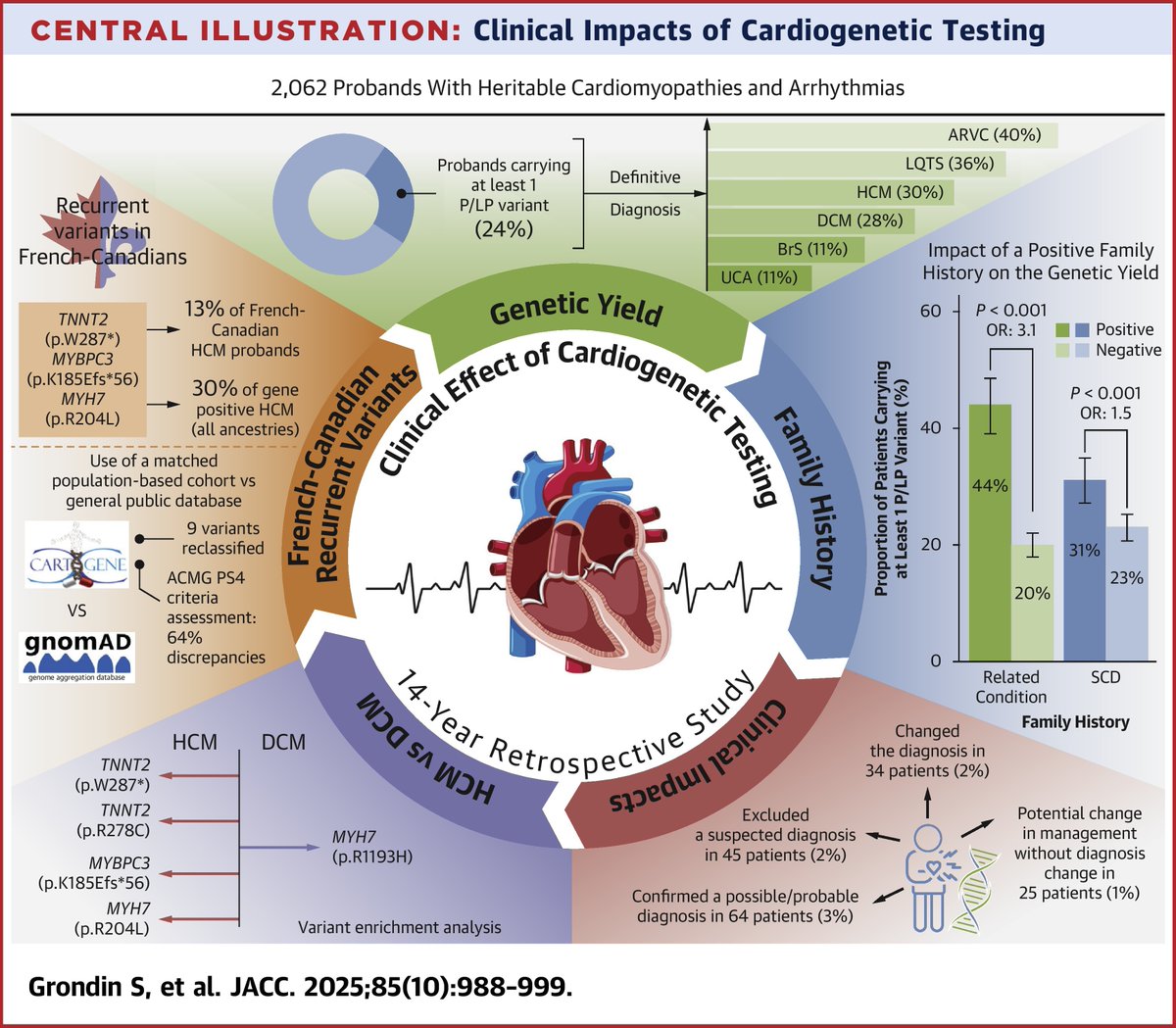
Cardiac sympathetic denervation for refractory ventricular arrhythmias in patients with inherited cardiomyopathies @ASarkarMD heartrhythmjournal.com/article/S1547-…


🚨New #OpenAccess Article in @JICE_EP Safety & Performance of the Medtronic 3830 Lead in His-bundle & Left Bundle Branch Area Pacing: A single-Center Experience 🧐📖 doi.org/10.1007/s10840… by Alejandro Sanchez-Nadales, @ASarkarMD, @jsleimanMD, Andres Sanchez-Nadales, @MileydisAlonso, @JohnBibawyMD, @MarceloHelguera, @SergioPinski & @BaezEP #EPeeps

“No government—regardless of which party is in power—should dictate what private universities can teach, whom they can admit and hire, and which areas of study and inquiry they can pursue.” - President Alan Garber hrvd.me/GarberRespond3…


Per Cleerly health , the company used to define NCPV (non calcified plaque volume) : “Increasing non-calcified plaque and low-density non-calcified plaque is prognostic for future major adverse cardiac events” Graph depicts LDL average of 250 probably due to diet. Would be interesting if there was a control group with an LDL of 100 to see what happens to plaque volume. Authors try to takeaway that baseline lipid markers aren’t indicative of plaque progression. Meh. To say that in a strong fashion would need to have comparison of high LDL no coronary plaque with low ldl , + coronary plaque. We already know presence of coronary plaque is a marker of poorer cardiac outcomes. Cleerly is also very interested in everyone getting their scans not just at baseline but in a sequential fashion. Have they done the work to show how their black box AI plaque assessment performs against the conventional strategy? They haven’t but pretty sure Budoff and other imaging colleagues want all of this covered by Medicare and commercial payers. That would make cleerly a billion dollar company. Everyone should understand the interests at play here..


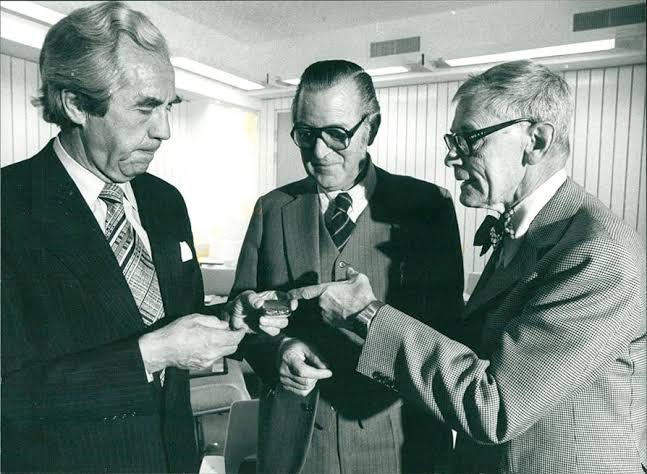
#ISLAA25 Chicken Wing Award @natale_md @LuigiDiBiaseMD


Last year, $9B of the $35B that the National Institutes of Health (NIH) granted for research was used for administrative overhead, what is known as “indirect costs.” Today, NIH lowered the maximum indirect cost rate research institutions can charge the government to 15%, above what many major foundations allow and much lower than the 60%+ that some institutions charge the government today. This change will save more than $4B a year effective immediately.