Adem yesuf

197 posts

Adem yesuf

Adem yesuf

@Ademyesuf

Genetic epidemiologist with particular interest in pharmacogenomics

Katılım Ağustos 2012
177 Takip Edilen79 Takipçiler
Adem yesuf retweetledi

Moneeza K Siddiqui
Moneeza K Siddiqui@KsMoneeza·
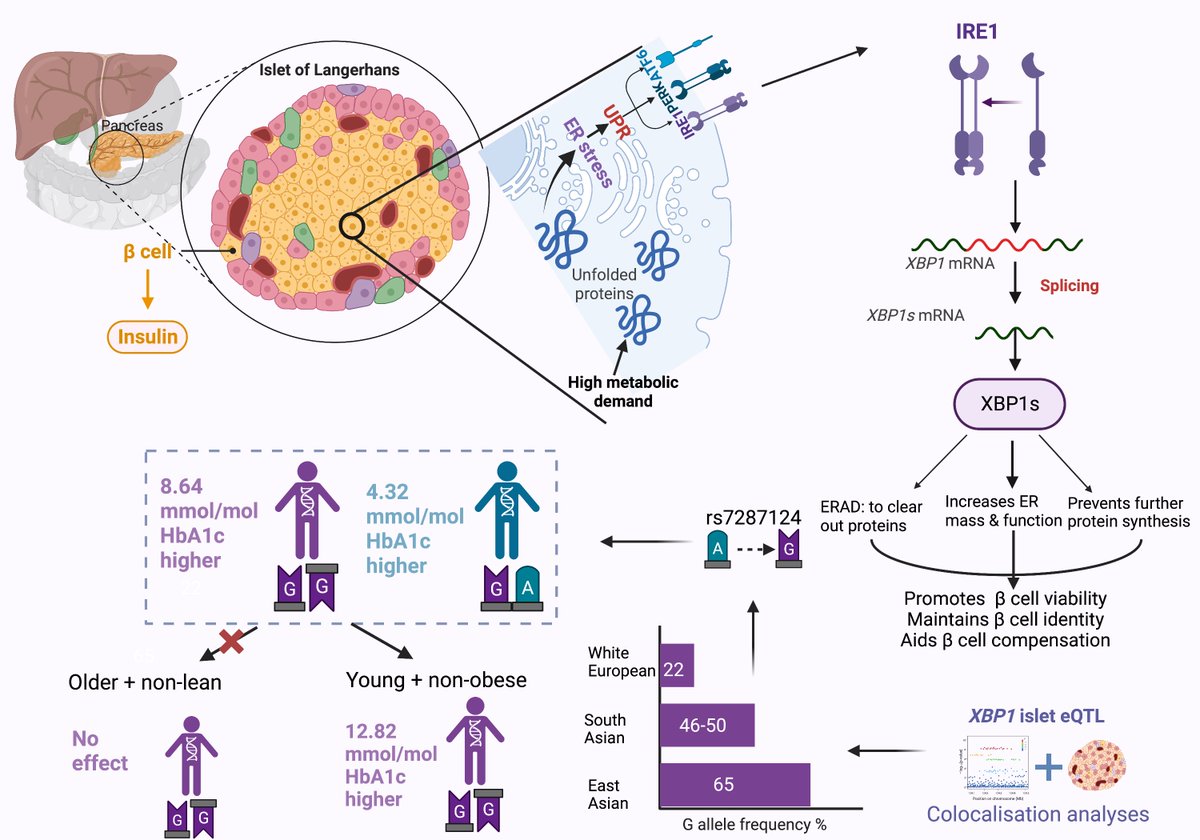
@GenesHealth, Sam Hodgson, @Sarah_Finer & I are very pleased to share the 1st study using partitioned polygenic scores to understand age of T2D onset, GDM, lean T2D & 💊 response. All this in a south Asian cohort – typically under-represented in 🧬 research @QMUL_WIPH @QMUL_CEG
English

2
6
10
685
Jerry Rassamni
Jerry Rassamni@JerryRassamni·
PYTHON is difficult to learn, but not anymore! Introducing "The Ultimate Python ebook "PDF. You will get: • 74+ pages cheatsheet • Save 100+ hours on research And for 24 hrs, it's 100% FREE! To get it, just: • Like & RT • Reply "Cheatsheet" • Follow @JerryRassamni (so that I can DM)
Jerry Rassamni tweet media
English
2.4K
2.2K
6.7K
801.2K
Adem yesuf retweetledi
Veera Rajagopal 
Veera Rajagopal @doctorveera·
One of the clinical applications of PRS that I am curious about is identifying patients at risk of developing adverse effects when taking certain medications. Another example👇 x.com/doctorveera/st…
Veera Rajagopal @doctorveera

Interesting paper showing that genetic predispositions also play a role in whether one'll experience certain side effects from medications. e.g. high BMI PRS predisposes one to gain weight with antidepressants. nature.com/articles/s4385…

English
0
2
1
1.6K
Adem yesuf retweetledi
Veera Rajagopal 
Veera Rajagopal @doctorveera·
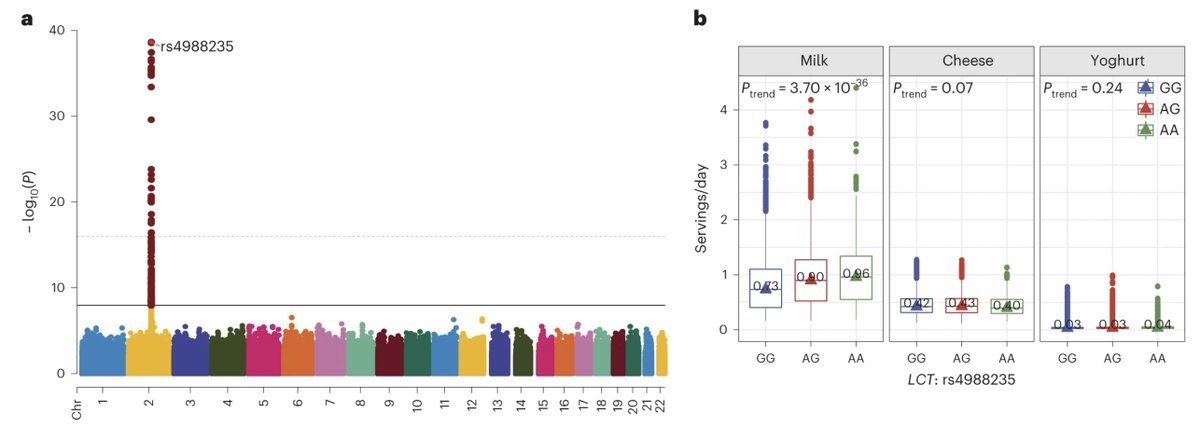
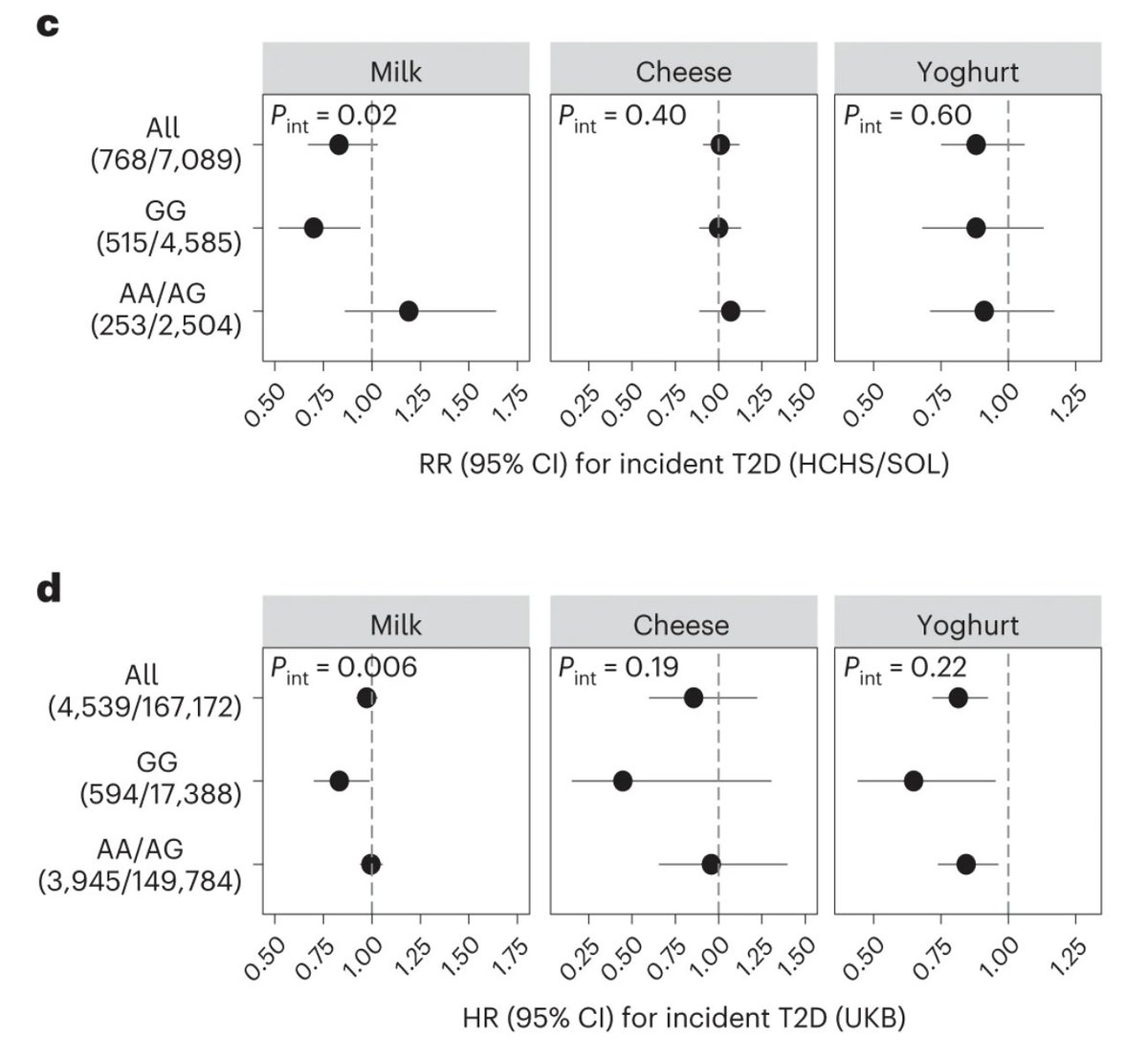
A new exciting study in Nature Metabolism by Luo et al. reports that those who lack lactase enzyme as adults (LCT-rs4988235 GG) but consume milk are at lower risk of type 2 diabetes (T2D) and this association is mediated via gut microbiome. Luo et al. Nat Met nature.com/articles/s4225… A protective association between milk intake and T2D risk has been observed previously in some human populations like East Asians but not in others like European populations, which showed either a null association or even a risk association. Here the authors hypothesize that this might be due to genetic confounding by a well-known LCT variant associated with lactase persistence that is prevalent among Europeans but almost absent in East Asians. The LCT variant is common in Europeans but absent or extremely rare in East Asians and Africans, which makes it challenging to study. The authors get past this problem by studying Latin Americans who are admixed for both European and African ancestries and, hence have a balanced distribution of both alleles (60% GG who are lactase non-persistent and 40% AA/AG who are lactase persistent). And importantly, this also avoids confounding by population stratification. First, the authors reproduce the beautiful monogenic-type association between the LCT variant and milk intake in 12,653 Hispanics and the absence of association with milk products low in lactose (cheese and Yogurt). Then, they tested the association of milk intake and LCT variant with T2D risk in ~7k participants who were T2D-free at baseline and during a 6 yrs follow-up, a subset (N=768) of them developed T2D. The authors found that milk intake significantly protected against developing T2D, but only in lactase deficient individuals (GG). They replicate the same in UK Biobank participants. Further, the authors dug the literature and reevaluated the published associations on milk intake and T2D risk and show that the protective association is seen only in East Asians but absent in Europeans. Then, the authors performed a comprehensive analysis of gut microbiome and blood metabolites and compellingly demonstrate that certain microbial species like bifidobacterium and metabolite signature (e.g. high tryptophan and low bile acids) are enriched in lactase non-persistent individuals who consume milk and are associated with reduced T2D risk. The authors argue that the milk consumed by lactase deficient individuals are available for the gut microbiome which results in increase in certain species like bifidobacterium (which are used in probiotics) and the metabolism of lactose by these bacteria increases certain good metabolites and decreases certain bad metabolites in the blood, which ultimately influence the T2D risk favorably. The study overall is very comprehensive with multiple lines of investigations to exclude confounding effects. But still we should probably wait to see if this sensational story survive the test of time. Meanwhile, enjoy this beautiful piece of research! Also check out the accompanying insightful News and Views by Littleton & Grant (nature.com/articles/s4225…).
Veera Rajagopal  tweet mediaVeera Rajagopal  tweet mediaVeera Rajagopal  tweet media
English
8
29
119
16.6K
Adem yesuf retweetledi
Veera Rajagopal 
Veera Rajagopal @doctorveera·
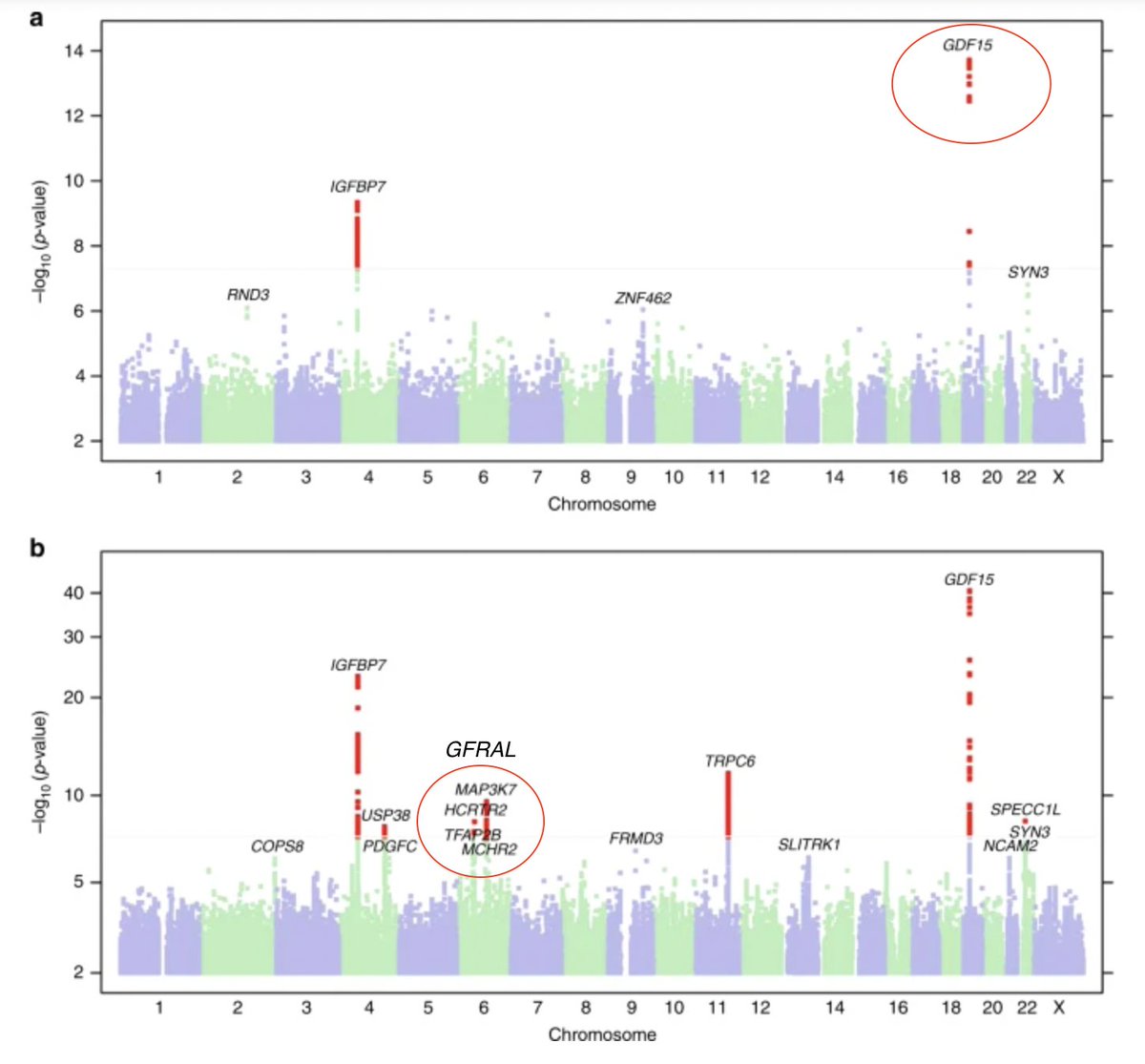
When I thought I was done with the GWAS stories of 2023 and I should wrap up, @StephenORahilly dropped yet another great paper from his team. How can I resist? It's storytelling time. In this hot-off-the-press Nature paper, @DrFejzo et al. uncover an absolutely fascinating biology underlying the link between GDF15 (a hormone that is elevated during pregnancy) and hyperemesis gravidarum (HG) (a pregnancy-associated medical condition characterized by severe nausea and vomiting). Discovery of GDF15 An in vitro experiment in 1997 to study proteins associated with macrophage activation revealed a novel protein that structurally resembled the members of a cytokine family called TGF-β (pnas.org/doi/full/10.10…). The scientists called it macrophage inhibitory cytokine 1 (MIC1) and cloned the gene encoding the protein. In the next few years, the same team, who continued to study their newly found protein, stumbled upon the fact that the gene encoding MIC1 is highly expressed in placental tissue. This led to the discovery that MIC1 is elevated in pregnant women and its level rises as the gestation progresses, and this might be an evolutionarily evolved response by the growing fetus to fight the maternally derived proinflammatory cytokines (academic.oup.com/jcem/article/8…). Fixating on obesity and overlooking pregnancy See, there are two important halves to this initial discovery: the MIC1 protein (which'll be later called GDF15) and its link with pregnancy. But for the next two decades, the scientific field's attention was mostly on the first half, that is, the GDF15 protein itself, which was studied extensively as a biomarker for various diseases and also as a drug target for obesity. But, color me surprised, no one seemed to have bothered much about the second half--the link between GDF15 and pregnancy. In a few years after its discovery, it became apparent that GDF15 is secreted from many tissues, especially, cancer tissues. In 2007, Samuel N Breit and colleagues (some of the same Australian scientists who cloned GDF15) established a causal link between elevated GDF15 levels and cancer-associated anorexia, experimentally proving that the high GDF15 levels made the cancer patients highly aversive to food resulting in pathologic weight loss (nature.com/articles/nm1677). The finding intensified the GDF15 research as many believed that understanding the GDF15's mechanism of action is the key to designing the next breakthrough medicine for obesity. The discovery of GDF15 receptor The obesity field's obsession to GDF15 for the next 10 years would result in a major breakthrough in 2017--the discovery of GFRAL, the receptor of GDF15, by not one or two, but four (!) industrial research teams (NGM Biopharmaceuticals, Novo Nordisk, Lilly&Co and Janssen), published side by side in Nature and Nature Medicine (nature.com/articles/natur…). One of the major revelations in the GFRAL discovery was the impressive specificity of its expression to regions in the brain stem that hold the chemoreceptor trigger zone for vomiting and not behind the blood-brain barrier (pubmed.ncbi.nlm.nih.gov/7895890/). One among the privileged few who got an early peek into the GFRAL discovery before the official publication was Stephen O'Rahilly, a renowned obesity researcher. The moment the GFRAL's brain location was revealed, Stephen remembered the 20 yr old report on GDF15's link with pregnancy and predicted GDF15 to play a major role in HG and started working towards proving his intuition. GWAS meets biology While on one part of the world, endocrinologists and molecular biologists are putting together the GDF15 puzzle one by one, on the other side, a geneticist Marlena Fejzo was on the search for the cause of HG that she herself suffered from. I recommend reading this NYT article to learn about the inspiring story of Marlena (nytimes.com/2023/03/14/wel…). She sought GWAS to find answers and it didn't fail! Marlena collaborated with 23andMe and did the first GWAS of HG in 2018 (self-reported severe nause and vomiting during pregnancy) in mere 1300 cases and 15k controls (nature.com/articles/s4146…). Voila! The strongest hit is none other than GDF15! And not just that, the authors also found a signal near GFRAL associated with symptom severity. How amazing is that? The publication of the GWAS findings connected Marlena with Stephen resulting in them working together on the GDF15 puzzle. Making sense of the human genetics findings So far all the research findings about the GDF15 and hyperemesis gravidarum seem to fit well together, except for one tiny bit: the effect direction of human genetic associations conflicted with the known GDF15 biology. Clinical observations and animal studies all pointed that increased GDF15 is associated with higher risk of HG. But human genetics said the opposite: those who had common genetic variants that increased the GDF15 levels in blood appeared to be at lower risk of HG and those who had a rare genetic variant that severely reduced GDF15 level in the blood were found to be at high risk of HG (ncbi.nlm.nih.gov/pmc/articles/P…). How is that possible? It turned out GDF15 hormonal system are susceptible to desensitization like many other hormonal systems. So, how well a woman tolerates the rise in GDF15 levels during pregnancy depends on her basal GDF15 levels during non-pregnant state. Someone who's genetically predisposed to have high basal GDF15 levels appear to tolerate pregnancy associated GDF15 elevation better and vice versa. The authors experimentally proved the desensitization hypothesis using mice experiments where they used GDF15's well established effect of food intake as a readout. Acute bolus injection of GDF15 did not reduce food intake or affect body weight in mice sensitized to GDF15 (using low-dose injection) but did so in mice not exposed to GDF15 prior. To demonstrate the desensitization in humans, you'll need a system where basal GDF15 levels are highly elevated. Unfortunately, there is no gain of function variant that raises GDF15 levels to extreme levels. But, it turned out, individuals with thalassemia have extremely high levels of GDF15. So, the authors used the rare Mendelian disease as a system to validate the desensitization hypothesis in humans. A survey of pregnant women with and without thalassemia showed that <5% of those with thalassemia experienced any nausea or vomiting during pregnancy, which is impressively lower than 60% frequency observed in those with thalassemia. Putting all together, the authors have uncovered the beautiful mechanics of GDF15 hormonal axis in pregnancy. The findings suggest GDF15 and its receptor GFRAL, both are promising drug targets to treat this devastating condition (hyperemesis gravidarum) that many pregnant women all over the world suffer from. It's really amazing to learn how the whole GDF15 story has evolved and how human genetics again and again has played a crucial role in understanding of this complex biology.
Veera Rajagopal  tweet media
stephen o'rahilly (its pronounced O-RA-hill-EEE)@StephenORahilly

Great to see this coming out today nature.com/articles/s4158… Thanks to all the collaborators who made this happen. If you are interested to read more please see this blog bit.ly/GDF-15_HG_Blog/

English
10
123
388
167.7K
Adem yesuf retweetledi
Alice Williamson
Alice Williamson@AC_Williamson·
Excited to see our work on the genetic architecture of post-challenge insulin resistance out today in Nature Genetics: nature.com/articles/s4158… 1/6
English
10
22
73
10K
Adem yesuf retweetledi
Bogdan Pasaniuc
Bogdan Pasaniuc@bpasaniuc·
We offer an individual-level interpretation of polygenic score (PGS) transferability across genetic ancestries: PGS accuracy varies individual-to-individual across the genetic-ancestry continuum, even in populations usually labeled as homogeneous. 1/ nature.com/articles/s4158…
English
3
120
298
94.9K
Adem yesuf retweetledi
Diabetes UK Research
Diabetes UK Research@DUK_research·
🧬We're sticking with genetics this morning, hearing from Dr Adem Dawed, Prof Jordi Merino & Dr Amna Khamis on the latest from studies on genes & #Type2Diabetes. We're hearing how differences in our genes influence diabetes risk, diets & how people respond to drugs. 💊 #DUKPC
English
0
2
4
703
Adem yesuf retweetledi
Daniel J Drucker
Daniel J Drucker@DanielJDrucker·
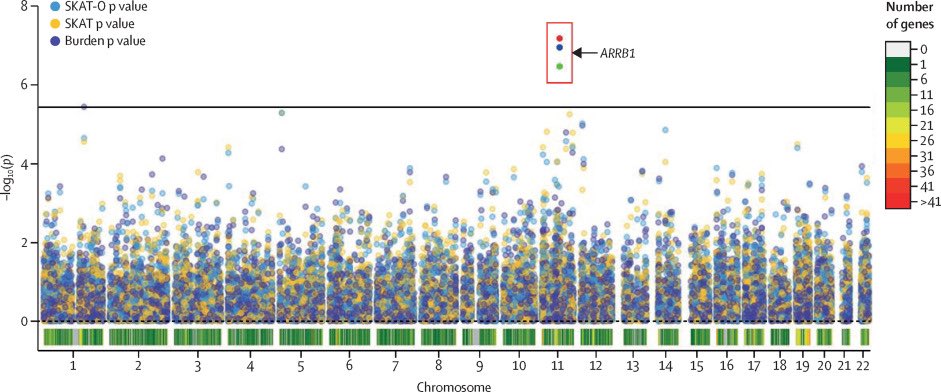
Individuals with variants in GLP1R and rare low frequency variants in ARRB1 might benefit from earlier initiation of GLP-1 receptor agonists, linking ß-Arrestin1 mechanistically to the extent of glucose but not #weight reduction by GLP-1 receptor agonists #T2D @ezpearson
Daniel J Drucker tweet mediaDaniel J Drucker tweet media
English
0
4
5
1.6K
Adem yesuf
Adem yesuf@Ademyesuf·
The ARRB1 signal is mainly driven by rs140226575G→A (Thr370Met). This variant is more frequent in Latinos and American Indians compared to White Europeans. 3) Combining the GLP-1R and ARRB1 variants identified 5% of the population who respond 30% greater (3.2 mol/mol HbA1c).
English
0
0
2
79
Adem yesuf
Adem yesuf@Ademyesuf·
1) Using large scale observational and RCT data sets, we showed robust association between a missense GLP-1R variant - Gly168Ser and glycaemic response. 2) Gene based analysis using protein coding low frequency and rare variants identified ARRB1 at a genome-wide scale.
English
1
0
1
88