A new, leaner identity for Acc.Ventures. Fresh website, new challenges, and a never-ending desire to accelerate growth. /Infra • AI primitives • Payments rails • Consumer/
Alex Radu /Acc
734 posts

@Alex__Radu
managing partner @AccVentures | founder @Astrarizon operator-first investor backing infrastructure, AI & payments venture studio building @PulsarMoneyApp & more

A new, leaner identity for Acc.Ventures. Fresh website, new challenges, and a never-ending desire to accelerate growth. /Infra • AI primitives • Payments rails • Consumer/

Swap, Bridge, Transfer, Trade Stocks, Earn. What’s next?

88% of companies say they're using AI in operations. But only 7% have actually scaled it across their org. We researched which use cases are gaining the most traction, and some stood out more clearly. Engineering has the strongest ROI. 90% of devs now use AI tools daily, and the AI coding agent market went from near zero to $4B in enterprise spend in '25. Internal comms have also seen big improvements. Companies have cut meeting notes production from 2 days to 2 hours. Processing documents that took an hour now takes 10 minutes. So why isn't every company seeing these results? Read the full article below 👇


A year ago, most people called stablecoins a "crypto thing." Today, the top 15 tells a different story. The rankings have changed significantly and three of the biggest movers aren't crypto-native projects: they're banks, payment giants, and asset managers. We've looked at @DefiLlama's data from Mar '25 to Mar '26 to identify how the market has shifted: ⇗ $USDT grew from $142B to $183B. It holds 60% market share, global liquidity, and now a GENIUS-compliant U.S. version. ⇗ @USDC grew 36% to $76B. Every major regulatory framework that passed in '25 had Circle's name on the compliant side. While USDC outgrew USDT in percentage terms, USDT still added twice as many dollars thus increasing the gap in absolute dollars (+$20B). Last year, many predicted USDT would get regulated out. It did, in Europe, but it didn't matter. Tether simply said it would "prioritize other markets" until the EU builds a more risk-friendly framework, and moved on. So far, it seems that Europe's delisting had no impact on @Tether's domination. Then, the interesting stories: ⇗ PYUSD went from $759M to $4.2B (+452%). @PayPal moved from experiment to infrastructure. ⇗ BUIDL went from $553M to $2.5B (+358%). @BlackRock's tokenized treasury fund is now a top-10 stablecoin. ⇗ RLUSD went from $92M to $1.6B (+1,623%). @Ripple entered quietly, but it didn't go unnoticed. ⇗ USD1 from @worldlibertyfi didn't exist in the top 15 a year ago. It's now #5 at $4.6B. Meanwhile, FDUSD dropped from #6 to #24. HONEY, USR, and USDX fell out of the top tier entirely and the total number of tracked stablecoins went from 196+ to 312+. What this tells us: The stablecoin race in 2026 is about distribution, compliance, and integration into real financial rails. The winners this year are the ones already embedded in payment flows, treasury management, and institutional settlement. The five new entrants tell their own story. None are generic stablecoins: USD1 is politically backed, USDG is institutional infra, USDf & U are DeFi-native, and USDD brings @TronDAO's ecosystem into the top 15. One thing they share in common and that is distribution - each arrived with a built-in user base. And DAI is the only stablecoin that truly lives up to the name. +1% YoY, unmoved, unbothered. At Acc Ventures, stablecoins represent infrastructure we're actively building on. Our venture studio backed neobank @PulsarMoneyApp is integrating stablecoin rails directly into consumer finance. And through our work with @xMoney_com, @spicenet, @Pi2_Labs, and others in our portfolio, we're building infrastructure for tomorrow's digital economy.

Stablecoins, Regulation, and the Future of Payments | Acc Podcast In this episode, @the_economystic sits down with @xMoneyGreg, CEO @xMoney_com, for a behind-the-scenes look at what’s actually happening in modern payments: the difference between messaging and settlement, why cash flow can lag for days, and why stablecoins + compliance-ready rails are quietly becoming one of the biggest unlocks for real-world adoption. In the podcast: → why “approved” doesn’t mean “paid” → what merchants and finance teams care about (and what the public never hears) → why MiCA and regulation aren’t just “red tape” - they’re the bridge to scale → the stablecoin roadmap (EUR / USD / RON) and what “normal UX” should feel like when this works Highlights: 01:13 Why xMoney, why now? 10:05 MiCA = advantage 13:56 Machines pay machines 15:44 xMoney vs Stripe 20:24 2026 priorities 26:26 Interoperable rewards 28:32 Loyalty “unlocked” 39:33 Domino’s playbook 44:49 The KPI that matters 45:50 Stablecoins (EUR/USD/RON) 59:01 3-year vision 01:00:28 Greg’s backstory Show your support by sharing the podcast and let us know your thoughts below.

gPulsar everyone! one sign for this week: Earn your money is about to start working for you. yields. challenges. rewards.🔥

A new, leaner identity for Acc.Ventures. Fresh website, new challenges, and a never-ending desire to accelerate growth. /Infra • AI primitives • Payments rails • Consumer/


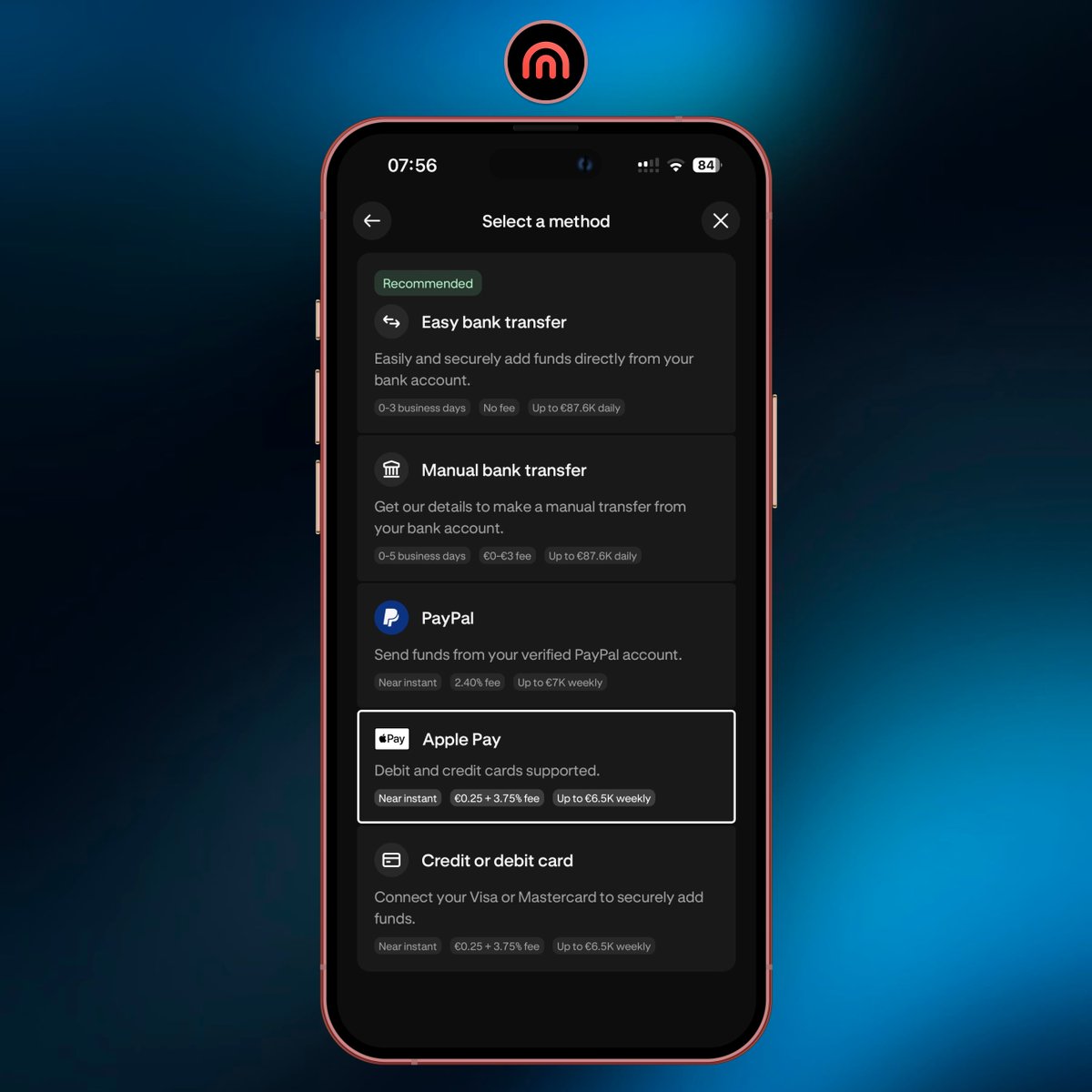
Stocks are live in Pulsar! the new Pulsar is focusing on bringing everything together. payments, rewards, crypto swaps, and now stocks all efforts are directed on product and distribution. the payments and rewards app is taking shape


Happy Chinese New Year! just about to leave Hong Kong and caught NYE before taking the plane to Denver dropping a wrap up of Consensus HK shortly, but some of the greatest things around conferences apart from the exceptional conversations during coffee meetings are the experiences these cities and their traditions have to offer