Alula Frezghi

3.8K posts

Alula Frezghi

Alula Frezghi

@AlulaFre

Author, media advocate and a Blogger

Katılım Mayıs 2014
843 Takip Edilen812 Takipçiler
Alula Frezghi
Alula Frezghi@AlulaFre·
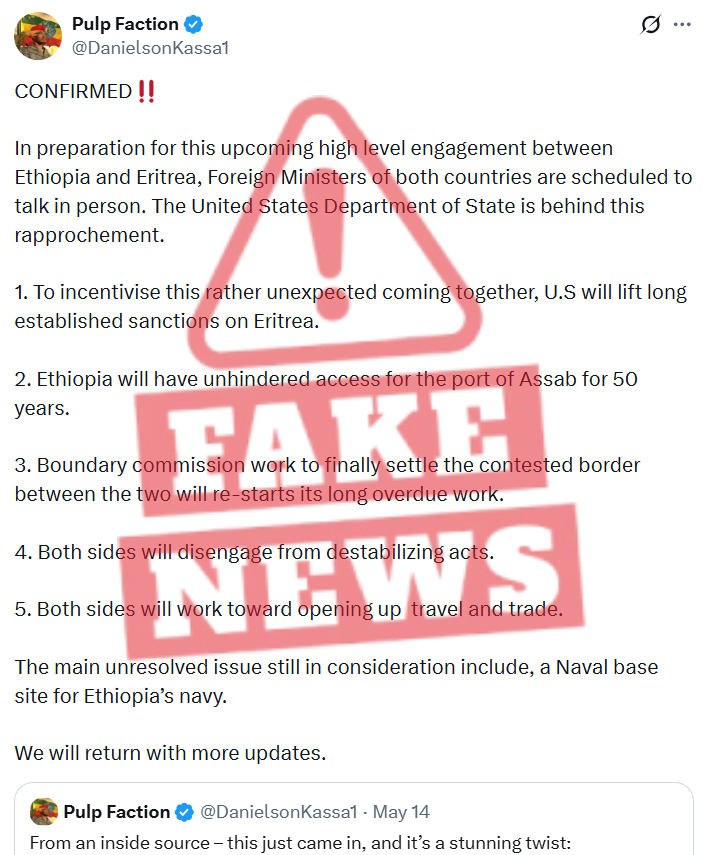
Talk of The Town: The Panic Factory, Unmasked In the capital’s rumor mills those humming, overworked engines of political fantasy the Prosperity Party’s fake‑news syndicate has entered its slapstick era. The latest installment arrived with its usual theatrics: a breathless “CONFIRMED‼️,” a diplomatic miracle conjured from thin air, and a watermark screaming FAKE NEWS so loudly it practically begs to be believed. The only thing missing was a laugh track. For years, the same chorus of partisans hurled accusations at Eritrea with the enthusiasm of a street preacher and the accuracy of a broken compass. They warned of invasions, conspiracies, and shadowy plots. They built entire political identities around the performance. And now suddenly, inexplicably they want to audition for the role of peacemaker. The pivot is so abrupt it feels like watching a fire alarm try to rebrand itself as a lullaby. What changed? Not the facts. Not the politics. Only the panic. The Prosperity Party’s narrative has collapsed under its own contradictions, and its operators are scrambling to patch the holes with whatever fiction is closest at hand. The result is a spectacle of improvisation so frantic it borders on self‑parody. Even the region, long accustomed to the party’s dramatic flair, can’t help but watch with a mixture of amusement and concern. Meanwhile, Eritreans have stepped out of the theater entirely. The show has gone on too long, the script too predictable, the lead actor Prime Minister Abiy Ahmed too committed to a style of governance that treats truth as an optional prop. Many observers now speak openly about a post‑Abiy Ethiopia, a country that will have to rebuild not only its institutions but its relationship with factual reality. The fake news circulating today is not merely a nuisance; it is a symptom of deeper institutional decay. When a ruling party must fabricate diplomatic breakthroughs to project stability, it signals a government more invested in optics than outcomes. Ethiopia deserves leadership grounded in competence, honesty, and accountability qualities that cannot be manufactured by hashtags or watermarked fantasies. Until that day arrives, the rest of us can only watch the Panic Factory churn, its audience shrinking, its credibility evaporating, its plotlines growing thinner by the hour. The watermark tells the truth before the headline does. #TruthPrevails #StopFakeNews
English
0
0
2
50
Pulp Faction
Pulp Faction@DanielsonKassa1·
ኤርትራ እና ኢትዮጵያ በመሪ ደረጃ ሊወያዩ ነው። አሜሪካ አደራዳሪ ሆና ተከስታለች። የቀንዱ ፖለትካ በፈጣን እየተቀያየረ ነው።🤔
AM
34
19
68
5.9K
Alula Frezghi
Alula Frezghi@AlulaFre·
Talk of The Town: The Panic Factory, Unmasked In the capital’s rumor mills those humming, overworked engines of political fantasy the Prosperity Party’s fake‑news syndicate has entered its slapstick era. The latest installment arrived with its usual theatrics: a breathless “CONFIRMED‼️,” a diplomatic miracle conjured from thin air, and a watermark screaming FAKE NEWS so loudly it practically begs to be believed. The only thing missing was a laugh track. For years, the same chorus of partisans hurled accusations at Eritrea with the enthusiasm of a street preacher and the accuracy of a broken compass. They warned of invasions, conspiracies, and shadowy plots. They built entire political identities around the performance. And now suddenly, inexplicably they want to audition for the role of peacemaker. The pivot is so abrupt it feels like watching a fire alarm try to rebrand itself as a lullaby. What changed? Not the facts. Not the politics. Only the panic. The Prosperity Party’s narrative has collapsed under its own contradictions, and its operators are scrambling to patch the holes with whatever fiction is closest at hand. The result is a spectacle of improvisation so frantic it borders on self‑parody. Even the region, long accustomed to the party’s dramatic flair, can’t help but watch with a mixture of amusement and concern. Meanwhile, Eritreans have stepped out of the theater entirely. The show has gone on too long, the script too predictable, the lead actor Prime Minister Abiy Ahmed too committed to a style of governance that treats truth as an optional prop. Many observers now speak openly about a post‑Abiy Ethiopia, a country that will have to rebuild not only its institutions but its relationship with factual reality. The fake news circulating today is not merely a nuisance; it is a symptom of deeper institutional decay. When a ruling party must fabricate diplomatic breakthroughs to project stability, it signals a government more invested in optics than outcomes. Ethiopia deserves leadership grounded in competence, honesty, and accountability qualities that cannot be manufactured by hashtags or watermarked fantasies. Until that day arrives, the rest of us can only watch the Panic Factory churn, its audience shrinking, its credibility evaporating, its plotlines growing thinner by the hour. The watermark tells the truth before the headline does. #TruthPrevails #StopFakeNews
English

0
6
9
235
ⓉⓃ
ⓉⓃ@tesfanews·
I genuinely feel sorry for the people who swallowed such recycled #FakeNews without spending five minutes fact checking. That level of gullibility deserves a refund. What’s truly hilarious is watching PP minions and their apologists go from three years of anti-Eritrea hysteria, insults, propaganda, and fantasizing about invasions (capacities aside), to suddenly acting like they want rapprochement. Bro ...😂 The switch-up is so "desperate" it smells like panic management. Eritreans are done wasting time on Abiy Ahmed. He has shown himself to be incompetent, dishonest, and a compulsive liar. Stay tuned for post-Abiy #Ethiopia. We wish Ethiopia's future leadership a better luck.
ⓉⓃ tweet media
English
13
53
94
5.1K
Alula Frezghi
Alula Frezghi@AlulaFre·
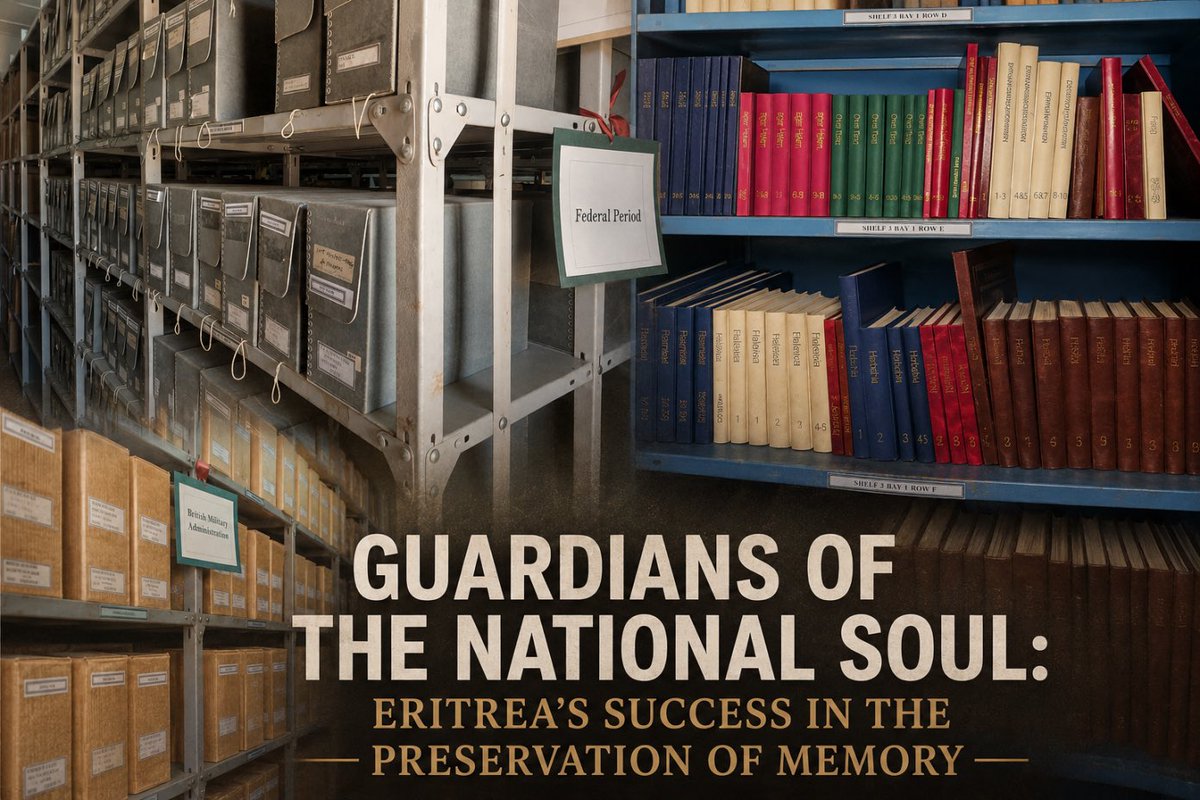
RDC –Guardians of the National Soul: Eritrea’s Success in the Preservation of Memory May 14, 2026 By Dawit Gebremichael Habte @RedSeaBeacon The history of the State of Eritrea is a testament to the resilience of a people determined to define their own destiny against overwhelming geopolitical odds. For a nation that endured Italian colonization, British military administration, an illegal federation, and decades of forced annexation, the act of documenting its past is not merely an administrative exercise but an assertion of political and cultural sovereignty. Over the past 35 years since independence, the Eritrean government’s handling of historical documentation and archival materials has evolved from a decentralized revolutionary necessity into a sophisticated, state-of-the-art institutional framework. At the heart of this success story lies the Research and Documentation Center (RDC), an institution that serves as the de facto national archive and the guardian of the nation’s collective identity. The Revolutionary Genesis of Eritrean Documentation Eritrea’s commitment to preserving its indigenous heritage was born in the crucible of the armed struggle for independence. Unlike many post-colonial states that inherited ready-made archival structures, Eritrea faced a significant institutional void, as successive colonial powers often prioritized records that served repressive functions or removed vital documentation to foreign metropoles. Recognizing that the battle for independence was as much about reclaiming the narrative as it was about military victory, the Eritrean People’s Liberation Front (EPLF) established Research and Documentation Units as early as 1975. These early units operated under extreme conditions, recording field operations, political congresses, and the daily lives of fighters and civilians in liberated areas. This proactive preservation culture ensured that the foundations of the future national archive were laid in the trenches of the Sahel region long before the formal apparatus of a sovereign state existed. In February 1979, this effort expanded internationally with the founding of the Research and Information Center of Eritrea (RICE) by Eritrean scholars in the diaspora. RICE functioned as an intellectual vanguard, conducting rigorous research and collecting documents from global libraries to justify the Eritrean cause to the international community. This collaboration between the military struggle on the ground and the academic mission of the diaspora successfully internationalized the Eritrean narrative, culminating in historic events like the 1980 Permanent People’s Tribunal in Milan, which accredited the people’s right to self-determination. ReadMore @RedSeaBeacon @hawelti @Sudan #Djibouti #Somalia #Egypt #SaudiArabia #Turkey #Qatar #UAE @EmbassyEritrea @hadnetkeleta @SirakBahlbi @EliasAmare @Ghidewon @Yehdavid @GhideonMusa @globalezra @SharronYemane @Winta_eri @AmbStesfamariam @MOFAEGYPT @AfricanUnion @antonioguterres @cnni @AJEnglish @BBCWorld @Reuters @AFP @AlAhramWeekly @FT @latimes @nytimes @BBCWorld @AlJazeera @tberhan0437898 @shabait @ERiTV_Official @ForeignPolicy @CanadaFP @TheAtlantic @theunlibrary #EritreanRDC @tewerwari_1 @librarycongress redseabeacon.com/rdc-guardians-…
Alula Frezghi tweet media
Manhattan, NY 🇺🇸 English
0
32
39
520
Alula Frezghi
Alula Frezghi@AlulaFre·
The Horn of Africa isn’t destabilizing itself. It’s being dragged into crisis by the PP regime a government addicted to manufacturing chaos and then blaming the neighbors for the smoke. #HornOfAfrica #Ethiopia #RegionalStability The PP’s narrative of “regional conspiracies” is political theater projection, paranoia, and propaganda rolled into one. The region sees through it. #FalseNarratives #PPRegime #Geopolitics Exhibit 1: The Somaliland MOU a stealth‑signed, illicit deal attempting to conjure “sovereign access to the sea” out of territory Ethiopia does not own. A geopolitical scam masquerading as diplomacy. #SomalilandMOU #InternationalLaw #AUPrinciples Exhibit 2: The Manufactured Obsession With Assab. Assab is Eritrean territory. Full stop. No revisionist maps or militaristic fantasies change that. #Assab #Eritrea #RespectBorders The PP regime’s campaign isn’t about access to the sea it’s about manufacturing an external enemy to distract from domestic collapse. #DiversionPolitics #PPFailure #RegionalPeace Exhibit 3: Sudan. Independent investigations including Yale‑linked research show Ethiopia’s entanglement in the Sudan conflict. The fingerprints are there. #SudanConflict #OSINT #RegionalSecurity This is not stabilizing behavior. It is regional vandalism pouring fuel on a catastrophic war while pretending to be a victim. #Destabilization #WarByProxy #HornOfAfrica
English
0
1
2
58
Pulp Faction
Pulp Faction@DanielsonKassa1·
From an inside source – this just came in, and it’s a stunning twist: We’re hearing that Prime Minister Abiy is heading to Asmara soon – and at the same time, President Isaias Afwerki will come to Addis Ababa. They’re about to sign a historic agreement that resets the entire relationship between the two countries in a brand new chapter of cooperation. More details to follow… This came out of nowhere. 🇪🇹🤝🇪🇷
Pulp Faction tweet media
English
126
21
146
43.4K
Alula Frezghi
Alula Frezghi@AlulaFre·
The Horn of Africa isn’t destabilizing itself. It’s being dragged into crisis by the PP regime a government addicted to manufacturing chaos and then blaming the neighbors for the smoke. #HornOfAfrica #Ethiopia #RegionalStability The PP’s narrative of “regional conspiracies” is political theater projection, paranoia, and propaganda rolled into one. The region sees through it. #FalseNarratives #PPRegime #Geopolitics Exhibit 1: The Somaliland MOU a stealth‑signed, illicit deal attempting to conjure “sovereign access to the sea” out of territory Ethiopia does not own. A geopolitical scam masquerading as diplomacy. #SomalilandMOU #InternationalLaw #AUPrinciples Exhibit 2: The Manufactured Obsession With Assab. Assab is Eritrean territory. Full stop. No revisionist maps or militaristic fantasies change that. #Assab #Eritrea #RespectBorders The PP regime’s campaign isn’t about access to the sea it’s about manufacturing an external enemy to distract from domestic collapse. #DiversionPolitics #PPFailure #RegionalPeace Exhibit 3: Sudan. Independent investigations including Yale‑linked research show Ethiopia’s entanglement in the Sudan conflict. The fingerprints are there. #SudanConflict #OSINT #RegionalSecurity This is not stabilizing behavior. It is regional vandalism pouring fuel on a catastrophic war while pretending to be a victim. #Destabilization #WarByProxy #HornOfAfrica
English
0
8
13
552
Yemane G. Meskel 🇪🇷
Audacity of Potemkin Party minions and their hired apologists is indeed beyond the pale. The PP regime's delusional policies continue to foment, beyond any shred of doubt, unnecessary tension in the region: - Exhibit 1: the illicit MOU that the PP regime signed stealthily with Somaliland in January 2024; - Exhibit 2: the relentless media and diplomatic campaigns, accompanied by incessant saber-rattling, that the regime has unleashed since December 2023 to invade Assab in pursuit of its pipedream of "sovereign access to the sea"; - Exhibit 3: PP's widely reported (Yale University findings etc.) involvement in the conflict in the Sudan whose tentacles and dangerous ramifications (link below) are multi-layered and grave indeed. Still, PP minions and their apologists accuse Eritrea and other countries in the region for "conspiracies... for forming an axis of powers" against Ethiopia. These false flags are too transparent and cannot camouflage the real source and incubator of unnecessary and avoidable tension in the Horn of Africa region. The lofty aspirations of the peoples of the region remain enduring peace and cooperation anchored on respect of each other's sovereignty and territorial integrity; not perennial conflicts to mollify elusive ambitions of hegemony and domination. x.com/AfriMEOSINT/st…
English
2
540
676
13.8K
Samson Haile
Samson Haile@SHaile894·
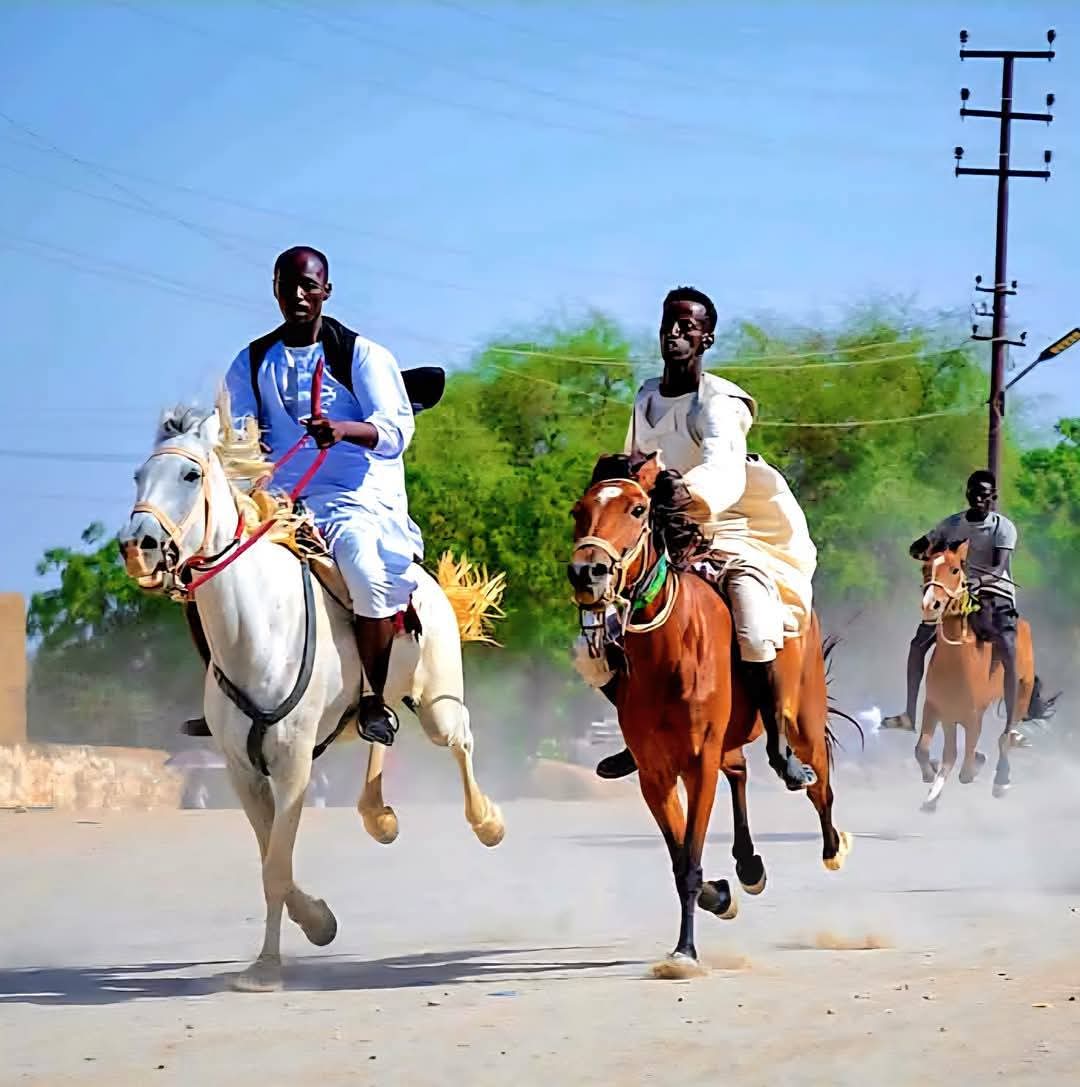
ኣብ ቅንያት ጽንብል መዓልቲ ናጽነት ናይታ ልዕሊ 100 ሽሕ ክቡር ሂወት ዝተኸፈላ ሃገረ ሰማእታት ምህላውና ዘኪርናዶ ኣሎና!?
Samson Haile tweet mediaSamson Haile tweet mediaSamson Haile tweet mediaSamson Haile tweet media
AM
2
63
101
892
Alula Frezghi retweetledi
Sharron Yemane
Sharron Yemane@Sharronyemane·
A Look Back on Eritrea’s Historic day of May 24, 1991 🇪🇷 EPLF forces moved into the capital city of Eritrea, Asmara, liberating almost all of Eritrea from the Ethiopian military regime after a 30-year long bloody armed struggle. EPLF soldiers into the streets of Asmara.  Across the board, Eritreans were ecstatically happy and the dancing and celebration would continue for several days. Eritrea’s Independence Day. After half a century of political and armed struggle, the loss of tens of thousands of civilian lives, immense material and environmental destruction and the sacrifice of 65,000 freedom fighters, the struggle for independence ended with victory. Eritreans conducted the longest liberation war in Africa to ultimately achieve military and political victory. Eritreans’ quest for decolonization was answered with the liberation of Asmara on 24th May 1991. ኤርትራ ኤርትራ ኤርትራ በዓል ደማ እናልቀሰ ተደምሲሱ መስዋእታ ብሓርነት ተደቢሱ። #EritreaShineAt35 #Our_Resilience_Our_Guarantee #ጽንዓትና_ዋሕስና #ERITREA
English
20
222
362
6K
Alula Frezghi
Alula Frezghi@AlulaFre·
Eritrea and The Legacy of Archaeological Research Dr. Tsegai Medin @shabait Last Updated May 5, 2026 Archaeological research illustrates that early humans first migrated out of Africa into Asia approximately 2 million years ago, reaching Europe between 1.5 and 1 million years ago. Modern humans (Homo sapiens) populated the rest of the world much later reaching Australia roughly 60,000 years ago and the Americas approximately 30,000 years ago. Because evidence of human origins older than 2 million years is found exclusively in Africa, the continent is rightly celebrated as the ‘Cradle of Humanity.’ Most evidence regarding human evolution is found along the East African Rift Valley, a massive geological trench formed by the separation of the Nubian and Somalian tectonic plates. The Eritrean portion of the Rift Valley has provided unparalleled evidence of our ancestors. The now-harsh Danakil Depression was a hospitable home to our predecessors roughly 1 million years ago. Eritrea’s ancient history is remarkably complex, shaped by its geostrategy, diverse landscapes, and favorable habitats within the Horn of Africa. With over 1,200 kilometers of Red Sea coastline, the country spans arid lowlands and fertile highland escarpments. This region has been a magnet for life for millions of years; for instance, the area attracted large mammals from the Arabian Peninsula nearly 27 million years ago a period of evolutionary history that remains largely mysterious to science. The Eritrean Danakil Depression Located within the Afar Triangle, the Danakil Depression is a geological ‘V-shaped’ basin. It is one of the hottest places on Earth, with temperatures often reaching 125°F (50°C). Despite its current desert scrubland biome, it hosts a resilient wildlife population, including the last viable population of the African wild ass. The Engel Ela-Ramud basin (launched in 2012 as part of a joint Eritrean-Spanish research initiative) is located at the northernmost end of the Eastern African Rift Valley. It is crucial for understanding the Pliocene and Pleistocene eras. Located less than 500 km from where the famous “Lucy” (Australopithecus afarensis) fossil was found in Ethiopia, this site contains stone tools from the Oldowan and Acheulian periods. Discoveries of fossilized pigs, tree trunks, and other artifacts suggest that the site may contain records dating back much earlier than the Buia site, a critical window for human evolution. The Buia Project and ‘Mis Buia’ Launched in 1994 as a joint Eritrean-Italian venture, the Buia Project achieved a massive scientific breakthrough in 1995 with the discovery of a nearly complete human cranium near Mountain Aalad. The ‘Buia Lady’ (nicknamed Mis Buia or Hawa/Eve) is approximately 1 million years old. This human fossil is exceptionally significant because it fills a ‘morphological gap’ in the fossil record between Homo erectus (1.4 million years ago) and Homo heidelbergensis (0.65 million years ago). The site revealed that humans lived alongside diverse wildlife in a lush, savannah-like environment, despite the era’s unstable climate. Survival on the Red Sea Coast Around 125,000 years ago, modern humans (Homo sapiens) began adapting to the maritime environments of the Red Sea. Sites such as Abdur and the sites within the Buri Peninsula show evidence of Middle and Late Stone Age tools found in association with marine shells. ReadMore @shabait @hawelti @Sudan #Djibouti #Somalia #Egypt #SaudiArabia #Turkey #Qatar #UAE @EmbassyEritrea @hadnetkeleta @SirakBahlbi @EliasAmare @globalezra @Ghidewon @Yehdavid @GhideonMusa @SharronYemane @Winta_eri @AmbStesfamariam @MillionAbraham1 @MOFAEGYPT @AfricanUnion @antonioguterres @cnni @AJEnglish @BBCWorld @Reuters @AFP @AlAhramWeekly @FT @latimes @nytimes @BBCWorld @AlJazeera @tberhan0437898 @ERiTV_Official @tewerwari_1 @WorldArchaeo shabait.com/wp-content/upl…
English
1
24
33
327
Alula Frezghi retweetledi
Alula Frezghi
Alula Frezghi@AlulaFre·
She’eb, May 12, 1988 May 12, 2026 When the Defeat at Afabet Was Avenged on Civilians By Red Sea Beacon May 12, 1988, a Date that will Live in Infamy Some dates do not fade with time. They refuse to become mere entries in history books, because they live on in unfinished stories, in unmarked graves, in survivors who still remember the sound of engines before they remember the screams. May 12, 1988, is one of those dates. On that morning, for the people of the eight quiet hamlets collectively known as She’eb, Mensheb, Ghedghed, Shebah, Tiluk, Bises, Dimnet-Dige, Dige-Indena, and Ganeb on Eritrea’s Semhar plains, war did not arrive as soldiers confronting soldiers, nor as artillery exchanged across distant battle lines. It arrived in its most naked, deliberate, and monstrous form. It came on the tracks of two tanks. Not to engage an enemy force. Not to seize a military position. But to crush human beings beneath steel chains and to let machine guns tear through unarmed civilians. Women. Children. The elderly. Entire families. That morning, the tanks were not weapons of war. They were instruments of terror. In the open plains of Serobet, where women, children, and the elderly had fled their houses and hidden believing distance might offer safety, death came instead. It came to children gathered innocently beneath a tree. It came to mothers clutching infants to their chests. It came to old men whose hands had known plows, not rifles. It came to families whose only crime was to belong to a people that refused to kneel. And by the time the sun sank over She’eb that evening, hundreds of civilians lay where they had fallen; some crushed alive beneath the steel tracks of tanks, others cut down by bullets as they ran for their lives, and many left broken in the dust. The killing spree had continued until the 14th of May. To understand She’eb is to understand one of the harshest truths of Eritrea’s liberation struggle: the war was never fought only against armed fighters in trenches or mountains. It was also fought against villages, against farmers, against wells, against livestock, against entire communities whose very existence became a target. If the Battle of Afabet shattered the myth of Ethiopian military invincibility, She’eb revealed what a humiliated empire was willing to do when it could no longer defeat a revolution on the battlefield. Afabet exposed the weakness of the Ethiopian war machine. She’eb exposed its cruelty. And it is in that connection, between military defeat and civilian punishment, that She’eb must be remembered. She’eb Was Not an Exception Less than two months after Ethiopia’s catastrophic defeat at Afabet in March 1988, the village of She’eb became the target of a deliberate punitive operation. What happened there was not a battle, not accidental crossfire, and not the confusion of war. It was a calculated assault on unarmed civilians. Nor was She’eb an isolated tragedy. It fit a pattern that had unfolded across decades of Ethiopian occupation a pattern in which organized violence against civilians became a tool of state terror, designed not to achieve military objectives, but to punish communities, spread fear, and enforce political control. The list of such massacres is far too long to recount in full, but even a partial record reveals the scale of the brutality. In 1967, Ethiopian forces killed roughly 200 civilians in Adi Ibrahim in Gash-Barka, 172 in Hazomo in Debub, and 144 in Tokombiya. In 1970 came the notorious Ona massacre in Anseba ReadMore @RedSeaBeacon @hawelti @Sudan #Djibouti #Somalia #Egypt #SaudiArabia #Turkey #Qatar #UAE @EmbassyEritrea @hadnetkeleta @SirakBahlbi @EliasAmare @Winta_eri @Ghidewon @Yehdavid @GhideonMusa @globalezra @SharronYemane @PMEthiopia @MFAEthiopia @MOFAEGYPT @AfricanUnion @antonioguterres @cnni @AJEnglish @BBCWorld @Reuters @AFP @AlAhramWeekly @FT @latimes @nytimes @BBCWorld @AlJazeera @tberhan0437898 @Shabait @ERiTV_Official redseabeacon.com/sheeb-may-12-1…
Alula Frezghi tweet media
English
0
41
48
554
Alula Frezghi
Alula Frezghi@AlulaFre·
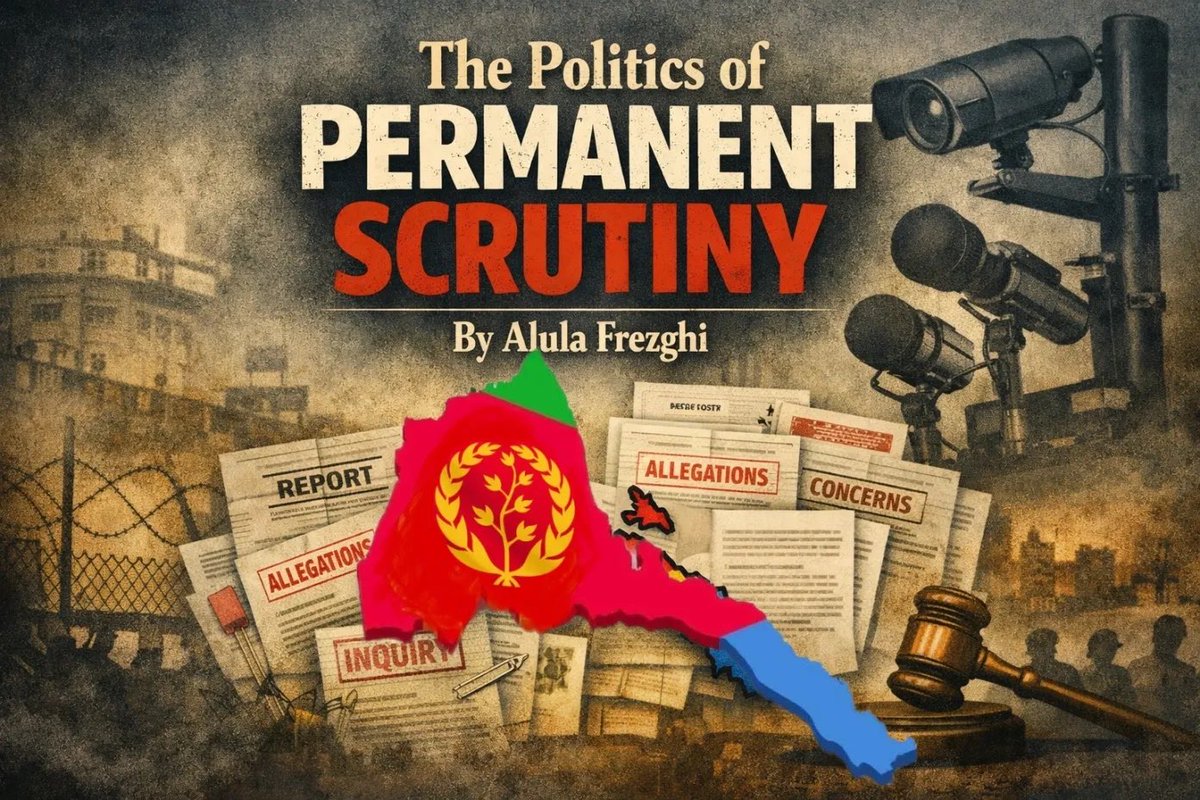
The Politics of Permanent Scrutiny: Eritrea and the Crisis of Country-Specific Mandates May 13, 2026 By Alula Frezghi @RedSeaBeacon Every May, as Eritreans at home and across the diaspora prepare to commemorate the hard-won independence of their nation, a familiar ritual unfolds in the halls of international diplomacy. Like clockwork, statements are issued, advocacy letters circulate, press releases appear, and the same chorus of “human rights concern” once again descends upon Eritrea. The timing is never accidental. What should be a month of national remembrance, sacrifice, and sovereign pride is repeatedly transformed into an annual season of political denunciation. At the center of this ritual stands one of the most controversial instruments of the United Nations Human Rights Council: the country-specific mandate. In theory, such mandates are presented as tools of accountability, impartial oversight, and international concern. In practice, at least in the Eritrean case, they have increasingly come to resemble something quite different: a permanent political mechanism sustained not by new evidence, measurable progress, or constructive engagement, but by institutional repetition, donor-driven activism, and the self-preservation instincts of an entire ecosystem that has learned to live off perpetual condemnation. For more than a decade, Eritrea has remained trapped inside this machinery. Mandates are renewed, reports are recycled, allegations are repackaged, and investigatory demands expand, yet the methodology, the actors, and even the language remain strikingly unchanged. What is presented as accountability increasingly looks like bureaucratized accusation. Behind this machinery stands a predictable alliance. On one side are well-funded Western advocacy organizations, many headquartered thousands of miles away from the societies they claim to defend, armed with grant proposals, media networks, lobbying access, and carefully cultivated relationships inside multilateral institutions. On the other side are the now-familiar clusters of self-appointed “African civil society representatives” often the same small circle of organizations and personalities who appear year after year, conference after conference, panel after panel, speaking in the name of “African victims,” “African voices,” or “African civil society.” But one must ask a difficult question: who appointed them? By what democratic process did these handful of organizations become the moral voice of an entire continent of more than 1.4 billion people? ReadMore @RedSeaBeacon @hawelti @Sudan #Djibouti #Somalia #Egypt #SaudiArabia #Turkey #Qatar #UAE @EmbassyEritrea @hadnetkeleta @SirakBahlbi @EliasAmare @globalezra @Ghidewon @Yehdavid @GhideonMusa @SharronYemane @PMEthiopia @MFAEthiopia @AmbStesfamariam @AfricanUnion @antonioguterres @cnni @AJEnglish @BBCWorld @Reuters @AFP @AlAhramWeekly @FT @latimes @nytimes @BBCWorld @AlJazeera @tberhan0437898 @shabait @ERiTV_Official @UNHumanRights @tewerwari_1 @DawitHaile91 @ForeignPolicy @TheAtlantic redseabeacon.com/the-politics-o…
Alula Frezghi tweet media
English
0
37
40
284
Alula Frezghi
Alula Frezghi@AlulaFre·
Eritrea@35 series Eritrea’s Blue Economy: 35 Years of Marine and Freshwater Development May 13, 2026 By David Yeh @RedSeaBeacon Eritrea’s Hidden Wealth: 35+ Years of Development Achievements, Pre-Independence Foundations, and the Rise of Marine and Freshwater Fisheries Eritrea is often described in simplistic terms as a poor or struggling nation, yet such a characterization overlooks a far deeper and more nuanced reality. Beneath the surface lies a country rich in natural resources, strategic geography, and long-term potential shaped by resilience and self-reliance. To understand Eritrea’s true wealth, one must examine both its pre-independence foundations and the more than 35 years of development achievements that followed independence in 1991. Central to this story is the fisheries sector both marine and freshwater, which plays an increasingly important role in food security, economic sustainability, and national resilience. Before independence, during Eritrea’s decades long armed struggle for Independence from 1961 to 1991, Eritrea’s natural resources, including its vast coastline and inland water systems, remained largely underdeveloped. Coastal communities depended on traditional fishing practices, using simple wooden boats, handmade nets, and basic diving techniques. Infrastructure was nearly nonexistent, and there was little institutional support for fisheries development. Inland, freshwater fishing was minimal, limited by the absence of large-scale water storage systems such as dams and reservoirs. Yet even under these conditions, Eritreans preserved deep ecological knowledge of both marine and seasonal freshwater environments, laying the groundwork for future progress. Since gaining independence, Eritrea has embarked on a gradual but determined effort to develop its fisheries sector as part of a broader strategy of self-reliance. Over the past 35 years, the country has made steady progress in building infrastructure, improving artisanal fishing, and introducing sustainable management practices. These efforts extend not only to the Red Sea coast but also to inland freshwater systems, where the construction of dams has opened new opportunities for fish farming and irrigation. Together, these marine and freshwater initiatives form the backbone of Eritrea’s emerging “blue economy.” Eritrea’s marine wealth is anchored in its more than 1,000-kilometer coastline along the Red Sea, one of the most biologically diverse marine ecosystems in the world. Shared with Sudan and Egypt, this region forms part of the Red Sea Reef system, recognized as one of the Seven Natural Wonders of Africa for its extraordinary biodiversity. The Red Sea is home to more than 1,000 species of fish and approximately 250 types of coral, many of which are endemic and uniquely adapted to its high salinity and temperatures. Within Eritrean waters alone, an estimated 350 to 400 fish species are considered commercially viable, including tuna, grouper, snapper, sardines, mackerel, and barracuda. ReadMore @RedSeaBeacon @hawelti @Sudan #Djibouti #Somalia #Egypt #SaudiArabia #Turkey #Qatar #UAE @EmbassyEritrea @hadnetkeleta @SirakBahlbi @EliasAmare @globalezra @Ghidewon @Yehdavid @GhideonMusa @SharronYemane @PMEthiopia @MFAEthiopia @AmbStesfamariam @AfricanUnion @antonioguterres @cnni @AJEnglish @BBCWorld @Reuters @AFP @AlAhramWeekly @FT @latimes @nytimes @BBCWorld @AlJazeera @tberhan0437898 @shabait @ERiTV_Official @addistandard @Winta_eri redseabeacon.com/eritreas-blue-…
Alula Frezghi tweet media
English
0
44
47
566
Alula Frezghi
Alula Frezghi@AlulaFre·
The Manufactured Spike The sudden spike in defamation against Eritrea over the past weeks is not organic. It is timed, coordinated, and driven by actors with clear political motives. This pattern is not new; it has been recycled for nearly two decades, resurfacing whenever regional dynamics shift in ways certain powers dislike. The goal is simple: create noise, sow confusion, and keep Eritrea perpetually on the defensive in international forums. But repetition does not equal truth, and manufactured narratives do not become facts through sheer volume. A predictable, politically timed smear campaign is being reactivated to pressure Eritrea. #Eritrea #Disinformation #HRC #Sovereignty
English
0
0
3
34
Yemane G. Meskel 🇪🇷
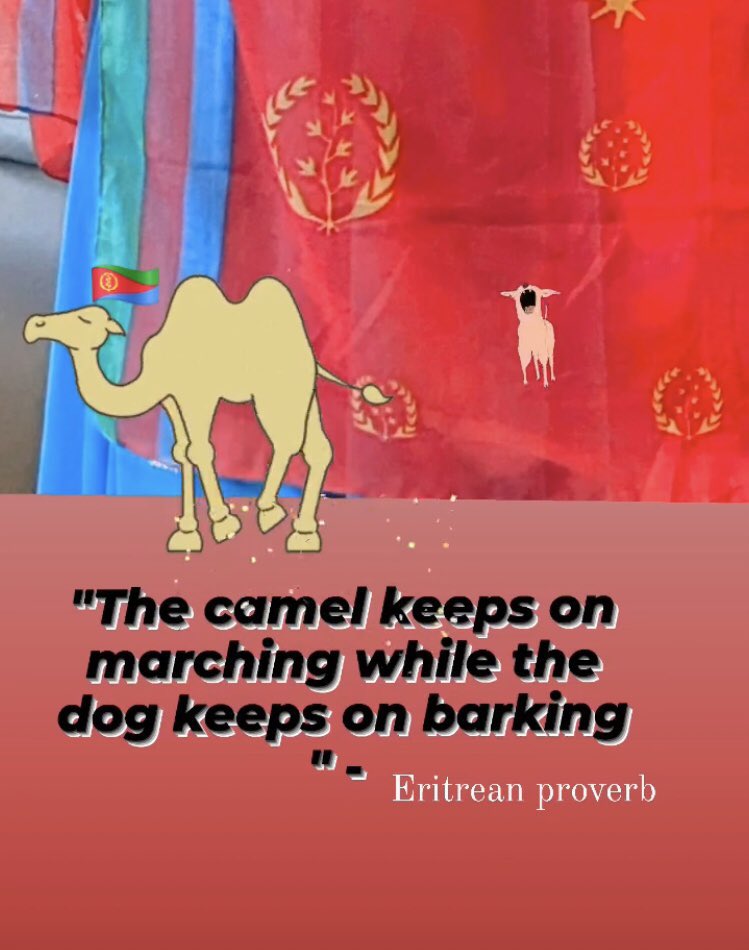
The defamation campaign against Eritrea has spiked in the past few weeks for rather obvious and predictable reasons and underlying motives. This campaign, which has been going on for almost two decades now in the aftermath of the border conflict with Ethiopia, could not have gained traction in the first place without the support of certain countries. The playbook is boringly the same; utilize, for reasons of outward credibility, spurious and coordinated "testimonies" of handpicked Special Rapporteurs within the UNHRC platform; some obscure NGO's; and other narrow interest groups who have never set foot and are generally clueless about the country. As intimated above, the defamatory agenda is being resuscitated these days with more outlandish accusations and manufactured narratives. Obvious aim is to continue the unwarranted harassment of Eritrea through the UNHRC and its ilk. "እቶም ኣኽላባት ይነብሑ፥ ገመል ይመርሽ!" እዩ እቲ ነገሩ። x.com/ERMedia91/stat…
English
6
541
691
14K
Alula Frezghi
Alula Frezghi@AlulaFre·
The Manufactured Spike The sudden spike in defamation against Eritrea over the past weeks is not organic. It is timed, coordinated, and driven by actors with clear political motives. This pattern is not new; it has been recycled for nearly two decades, resurfacing whenever regional dynamics shift in ways certain powers dislike. The goal is simple: create noise, sow confusion, and keep Eritrea perpetually on the defensive in international forums. But repetition does not equal truth, and manufactured narratives do not become facts through sheer volume. A predictable, politically timed smear campaign is being reactivated to pressure Eritrea. #Eritrea #Disinformation #HRC #Sovereignty
English
0
0
0
285
Alula Frezghi
Alula Frezghi@AlulaFre·
The Red Sea is becoming one of the world’s most dangerous geopolitical flashpoints and not only because of global powers. #RedSea #Geopolitics #GlobalSecurity China, the U.S., Gulf states, Turkey, and regional actors are all competing for influence across the corridor. Ports, military bases, shipping lanes, energy routes all intersect here. The Horn of Africa sits at the center of that contest. #HornOfAfrica #MaritimeSecurity That is why rhetoric matters. When leaders begin framing neighboring coastlines as matters of “historical entitlement,” they are not simply making speeches. They are reshaping public expectations. #PoliticalRisk #SecurityStudies
English
0
0
0
84
ⓉⓃ
ⓉⓃ@tesfanews·
HE DID IT AGAIN. PM Abiy Ahmed operates like a seasoned con artist. For domestic audiences, particularly in speeches delivered in Amharic, he and senior military figures have spent the past three years declaring that #Ethiopia will obtain sovereign access to the Red Sea “peacefully if possible and militarily if necessary.” These ambitions have been framed as Ethiopia’s “natural entitlement” and “historical right.” However, when addressing foreign diplomats and international audiences, the rhetoric shifts dramatically. The demand is reframed as a question of “access to the sea” under UNCLOS, portraying Ethiopia as a disadvantaged landlocked state seeking lawful maritime access rather than pursuing territorial ambitions that could alter existing borders. #FACT: None of Ethiopia’s maritime neighbors have denied Ethiopia commercial access to their ports under international law. Particularly Eritrea has never opposed negotiated frameworks for trade, connectivity, or maritime access grounded in mutual consent and international law. What regional maritime states reject is the intimidation, the hegemonic language, and the repeated suggestion that their sovereign coastlines are somehow negotiable because Addis Ababa claims “historical rights” or “strategic necessity.” 🤡
English
34
90
160
12.6K
Alula Frezghi
Alula Frezghi@AlulaFre·
History shows that nationalist narratives can outgrow the politicians who create them. What begins as symbolic rhetoric can evolve into strategic pressure, escalation, and eventually confrontation. Especially in fragile regions. #ConflictPrevention #InternationalAffairs The Red Sea does not need another manufactured crisis. It needs diplomacy rooted in: mutual recognition, sovereign equality, regional cooperation, and international law. Anything else risks destabilizing one of the world’s most critical maritime corridors. #Diplomacy #Africa #InternationalLaw
English
0
0
0
59
Alula Frezghi retweetledi
Ghideon Musa
Ghideon Musa@GhideonMusa·
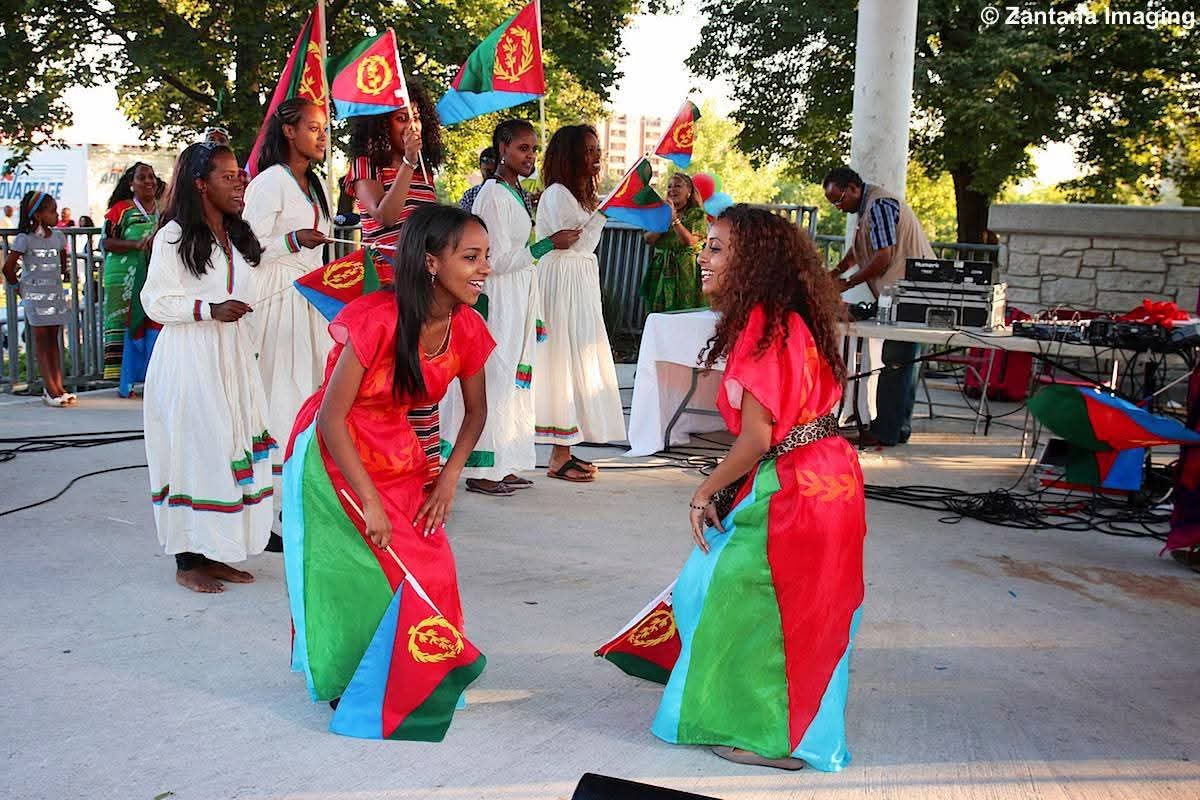
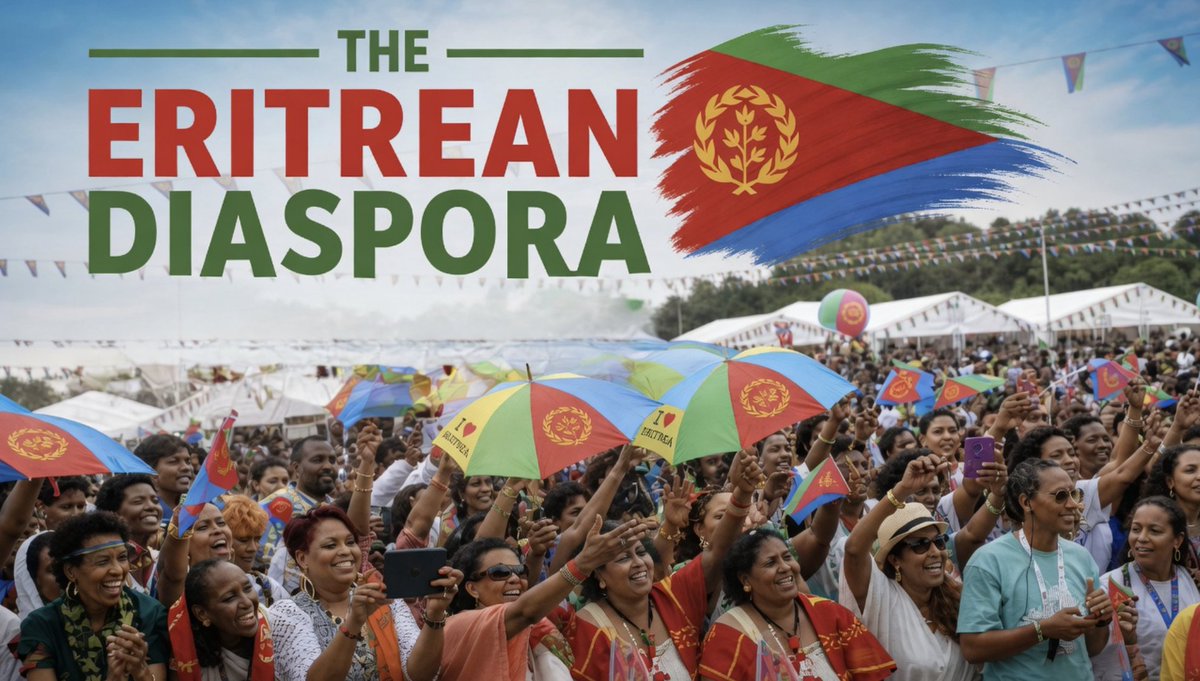
The Eritrean Diaspora By Alula Frezghi Rredseabeacon.com The Eritrean Diaspora was not just spectators — they were a decisive global front in the liberation struggle. From the 1970s to 1991, Eritreans abroad turned exile into organized resistance: sending hard-earned money, raising international awareness, organizing powerful festivals world wide and building political movements that amplified Eritrea’s cause globally. Women played a central role as fundraisers, organizers and moral anchors. Far from being passive refugees, the Diaspora became a political army without uniforms — a vital pillar that helped secure Eritrea’s independence. Today, they remain #Eritrea extended. shabait.com/2026/05/05/the…
Ghideon Musa tweet media
English
2
138
197
2K