
Brendan Rice retweetledi
Brendan Rice
3.3K posts

Brendan Rice
@Brendan_Learn
Business Transformation Consultant | Performance Coach | TAP Diploma | MLPI 📑Learning Technologies 30u30 #LTUK20 #RT ≠ Endorsement. Views my own.
London, UK Katılım Şubat 2020
2.2K Takip Edilen533 Takipçiler

Brendan Rice retweetledi

the $273B SaaS market is about to implode. basically, we'll stop paying thousands for generic software and start generating our perfect tools for like $99/month
we're about to go from "there's an app for that" to "there's your app for that."
today, we're all using project management tools, CRMs, and analytics dashboards built for the average user by bigsaas. which means they're perfect for absolutely no one. it's like wearing someone else's prescription glasses and pretending you can see 20/20.
it worked really for a time. but, lots of people wished some of this software was more flexible.
AI changes this.
instead of forcing our brains to work like generic software, we'll describe our perfect tool and have it generated in minutes.
the shift starts with productivity tools. the designer who organizes by color gets their perfect project dashboard. the trader who thinks in patterns gets their ideal analytics suite. the writer who connects ideas like constellations gets their dream note-taking app.
the entire SaaS market fragments. instead of 10 major players per category, we'll have millions of personal tools. the money moves from paying for generic software to paying for software generation.
and after we build out personal software, then we build our personal agents. it honestly sounds too good to be true, but this is the direction we are headed. speak into existence the tools and "people" to work on our businesses 24/7.
i bet big companies still use the large saas companies btw likely for security and habit reasons. they will enhance with personal software but still be dependent on bigsaas. but, when every dollar counts, smbs will be looking mostly dependent on personal software
there are thousands of startup ideas in this era of personal software era. example: build an AI software generator for restaurants and their unique workflows. then one for spa owners. then fitness trainers. then wedding planners.
each industry has its own weird way of working that generic software never understood.
the next billion-dollar company won't sell software. it'll sell software independence.
English
Brendan Rice retweetledi
🧠 NEW BLOG 🧠
Neuromyths can sometimes shape teachers' beliefs and classroom practices, impacting their teaching strategies and student learning outcomes...
So, let's take a look the most prevalent neuromyths in education, and how to combat them... ⤵️
bit.ly/3Wfg8Qn

English

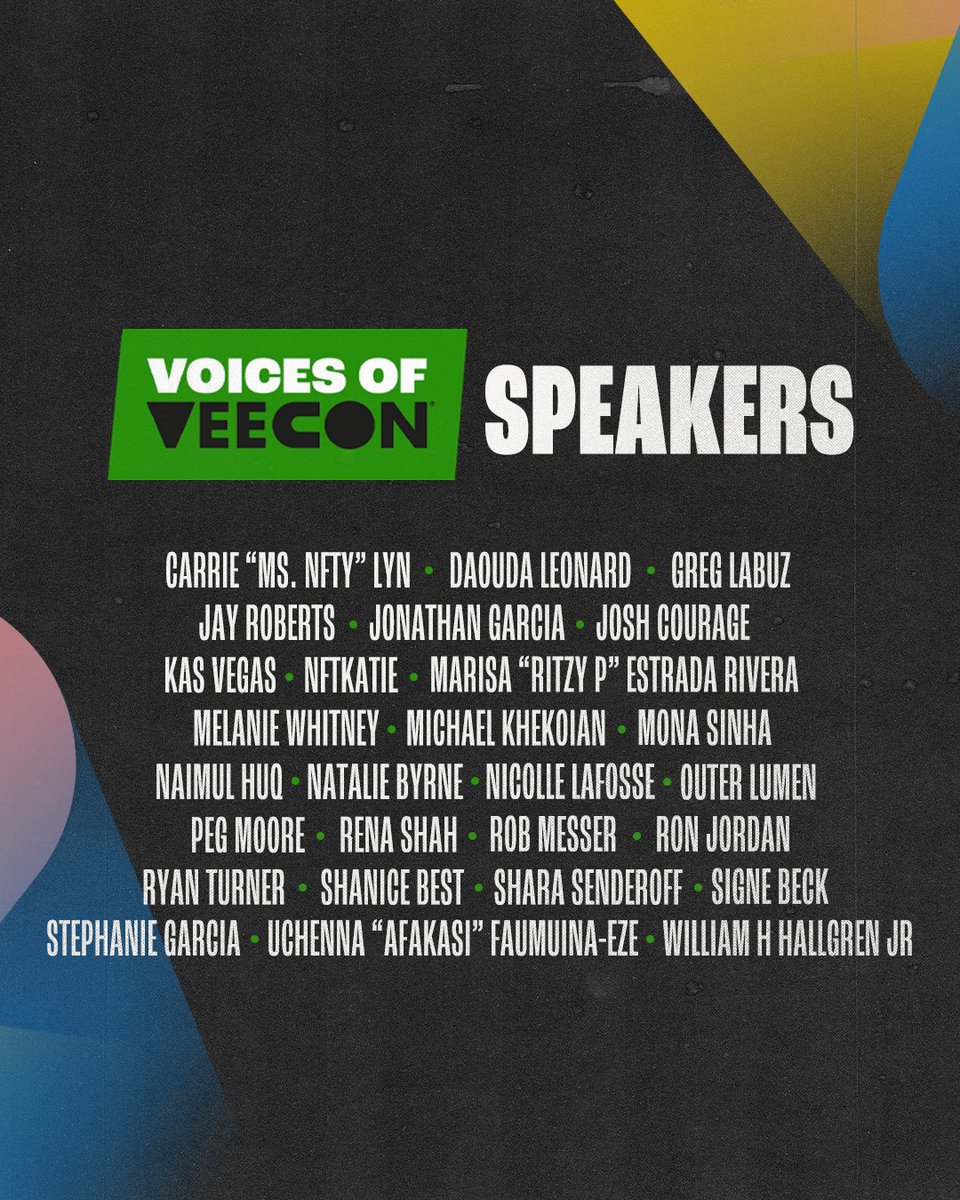
After a rigorous selection process, we've chosen 27 exceptional community members who are setting trends in business, marketing, technology, innovation, and pop culture. Discover who will be taking the stage in Los Angeles and learn more about the inspiring sessions that await.
English

Brendan Rice retweetledi


Brendan Rice retweetledi

"You don't have to be brilliant, only a little bit wiser than the other guys, on average, for a long, long time."
— Charlie Munger
English
Brendan Rice retweetledi

A funny thing to observe in work:
There are insanely talented people who have no idea how elite they are.
...and people who think they are elite, and nowhere close.
English
Brendan Rice retweetledi
In life, if you're simply not scared of the things others are scared of - from social ridicule to risks - you will give yourself so many more shots on goal.
Fear suppresses talent....
- but also suppresses chances.
The more shots you take, the more you score.
Take the shots.
English
Brendan Rice retweetledi

Your time expands as you beam your focus to few main things. What’s your one main thing?
Jensen Huang shared his learning! It’s a profound thought/learning IMO.
@Nvidia CEO: One of the most 'profound learnings in my life' came from a gardener.
cnbc.com/2024/06/15/nvi…
English
Brendan Rice retweetledi

Today we’ve formalized an important hiring policy at Scale. We hire for MEI: merit, excellence, and intelligence.
This is the email I’ve shared with our @scale_AI team.
———————————————————
MERITOCRACY AT SCALE
In the wake of our fundraise, I’ve been getting a lot of questions about talent. All of our external success—powering breakthroughs in L4 autonomy, partnering with OpenAI on RLHF going back to GPT-2, supporting the DoD and every major AI lab, and the recent $1bn financing transaction—all of it is downstream from us hiring the best people for the job. Talent is our #1 input metric.
Because of this, I spend a lot of my time on recruiting. I either personally interview every hire or sign off on every candidate packet. It’s the thing I spend the plurality of my time on, easily. But everyone can and should contribute to this effort. There are almost a thousand of us now, and it takes a lot to hire quickly while maintaining, and continuing to raise, our bar for quality.
That’s why this is the time to codify a hiring principle that I consider crucial to our success:
Scale is a meritocracy, and we must always remain one.
Hiring on merit will be a permanent policy at Scale.
It’s a big deal whenever we invite someone to join our mission, and those decisions have never been swayed by orthodoxy or virtue signaling or whatever the current thing is. I think of our guiding principle as MEI: merit, excellence, and intelligence.
That means we hire only the best person for the job, we seek out and demand excellence, and we unapologetically prefer people who are very smart.
We treat everyone as an individual. We do not unfairly stereotype, tokenize, or otherwise treat anyone as a member of a demographic group rather than as an individual.
We believe that people should be judged by the content of their character — and, as colleagues, be additionally judged by their talent, skills, and work ethic.
There is a mistaken belief that meritocracy somehow conflicts with diversity. I strongly disagree. No group has a monopoly on excellence. A hiring process based on merit will naturally yield a variety of backgrounds, perspectives, and ideas. Achieving this requires casting a wide net for talent and then objectively selecting the best, without bias in any direction. We will not pick winners and losers based on someone being the “right” or “wrong” race, gender, and so on. It should be needless to say, and yet it needs saying: doing so would be racist and sexist, not to mention illegal.
Upholding meritocracy is good for business and is the right thing to do. This approach not only results in the strongest possible team, but also ensures we’re treating our colleagues with fairness and respect.
As a result, everyone who joins Scale can be confident that they were chosen for their outstanding talent, not any other reasons.
MEI has gotten us to where we are today. And it’s the same thing that’ll get us where we’re going, as we embark on our next chapter focusing on data abundance, frontier data, and reliable measurement to accelerate the development and adoption of AI models.
Alex
English
This image is about blind spots and couldn't help thinking of learning cultures. Feedback helps reveal our blind spots, turning unknown weaknesses into opportunities for growth. Encourage open, honest feedback to foster continuous improvement. #Learning #Growth @behaviorgap

English
Brendan Rice retweetledi

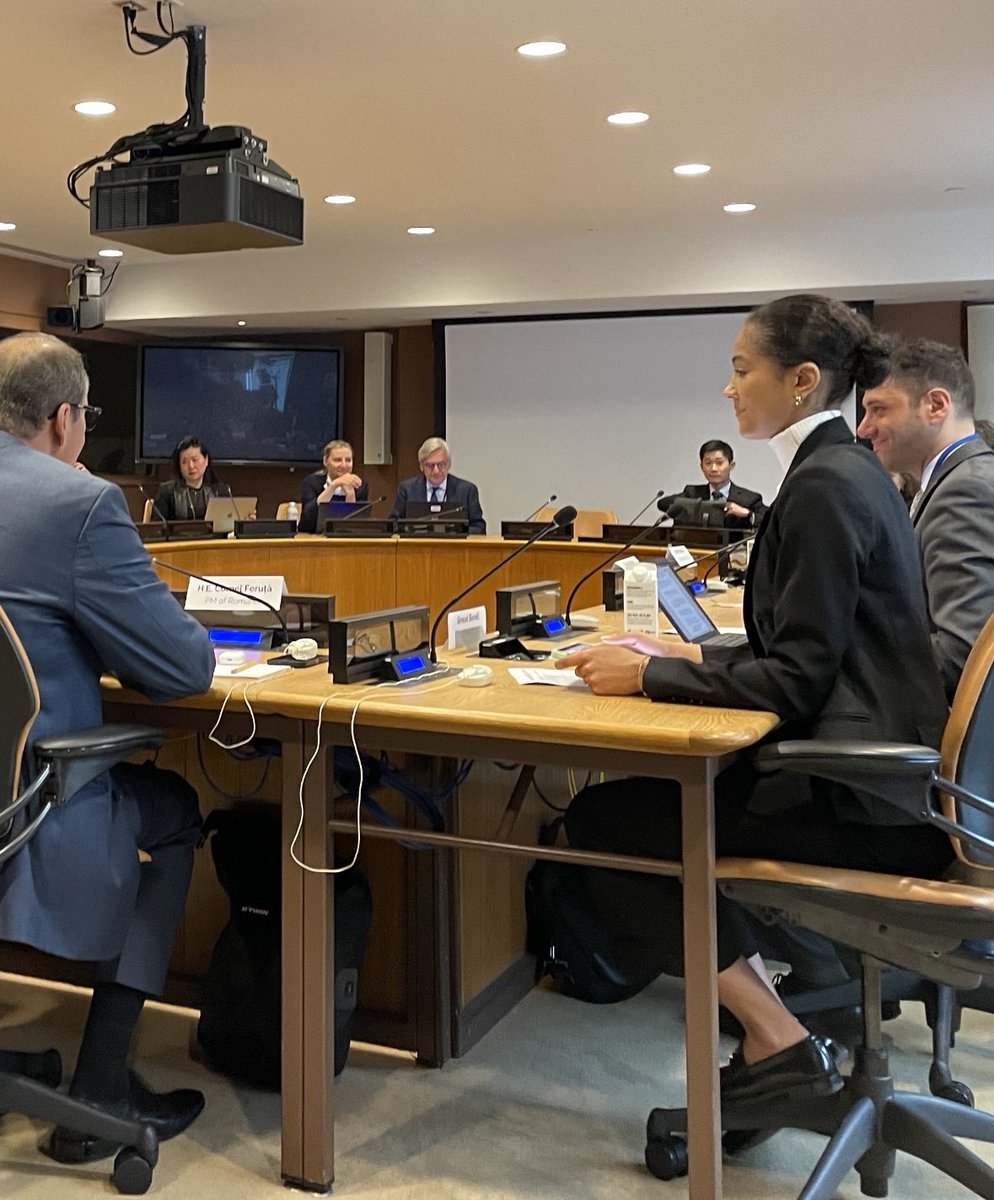
I was so honored to moderate yesterday’s roundtable discussion at the @unitednations on Generative AI. With representatives from Microsoft, Google, the World Bank, the Permanent Representative of Romani, among others. 🧵
English
Brendan Rice retweetledi
Read a saying: "Whatever you focus on - grows."
- Focus on worry -> your worry grows
- Focus on opportunity -> you see them everywhere and they grow
- Focus on appreciation -> it grows
Most people allow their focus to slide around...
Guide yours.
English
Brendan Rice retweetledi
The biggest generator of long-term results is learning to do things when you don’t feel like doing them.
If you let excuses or emotions drive behavior, you’re cheating your future self.
Put aside the excuses and start doing what you need to do.
English
Brendan Rice retweetledi
Respectful disagreement is such a lost art...and society would be so much better for reviving it.
Camps berate each other, primitive name-calling, when we could be having spirited intellectual debates....
It's a mark of confidence to be open, to challenge & be challenged.
English
Brendan Rice retweetledi


Brendan Rice retweetledi

A while ago I got interested in being more agentic.
Emmett Shear tweeted that it was teachable. He would train people by prompting them with certain questions.
I gathered those questions and put them into a flow chart that I go through to problem-solve:
x.com/eshear/status/…

Emmett Shear@eshear
@AskYatharth Agency is 100% teachable. It’s a mindset but it’s also really just a set of skills, as you point out.
English
Brendan Rice retweetledi
Confidence kicks us off, but it also functions like a muscle. The more we exercise it, the more it builds..
English
Brendan Rice retweetledi

Today we signed a deal with a global retailer to roll out to every store. Good start to the week!
English
Brendan Rice retweetledi

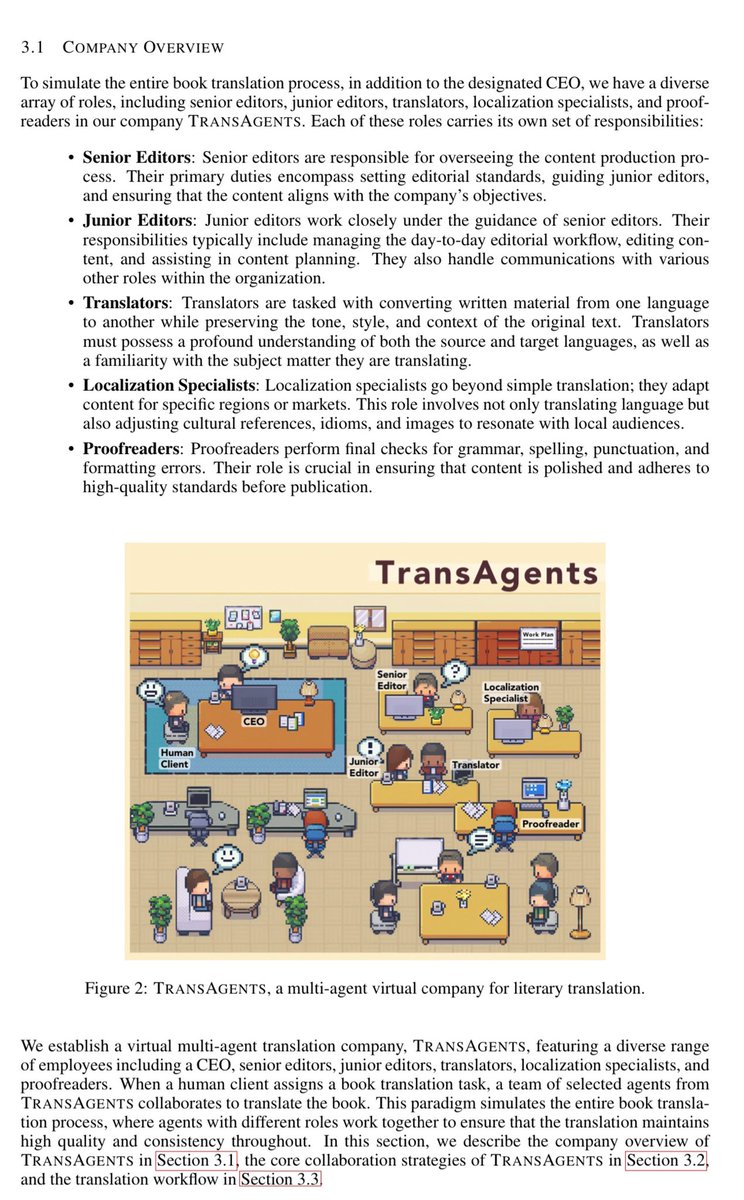
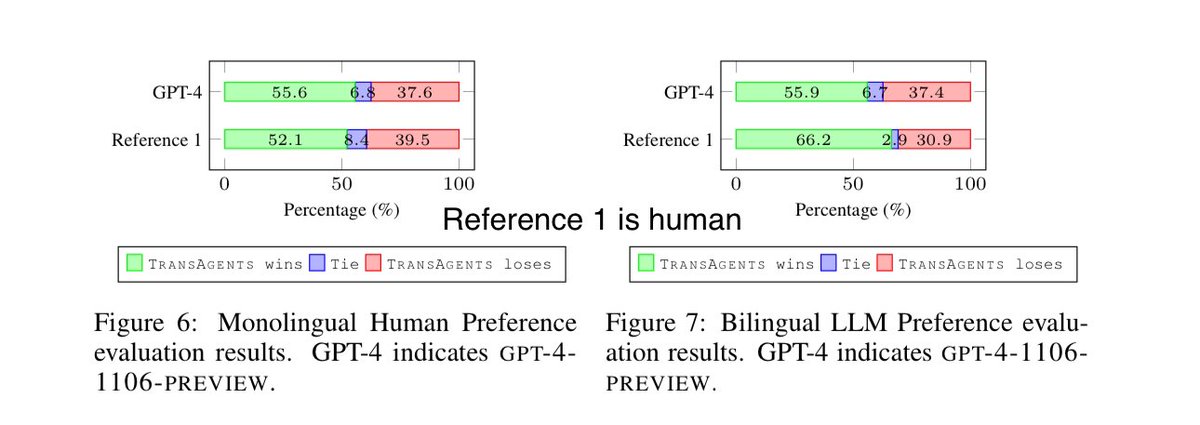
Cool experiment where researchers assemble an AI translation “company” with AI agents with simulated backgrounds filling various roles, from editors to proofreaders.
The AI “company” creates accurate translations of Chinese web novels that people prefer to GPT-4, and human, ones

English