Chris Sandvick

19.7K posts

Chris Sandvick banner
Chris Sandvick

Chris Sandvick

@ChrisSandvick

Katılım Haziran 2017
512 Takip Edilen470 Takipçiler
Chris Sandvick retweetledi
Shea Levy
Shea Levy@shlevy·
The fact that self-styled functionalists are arguing for the consciousness of LLMs despite their black box input-output behavior being radically different in fundamental ways from every known conscious organism is pretty revealing.
English
1
1
6
136
Chris Sandvick
Chris Sandvick@ChrisSandvick·
Oh hell no. Check item 6 out.
Palantir@PalantirTech

Because we get asked a lot. The Technological Republic, in brief. 1. Silicon Valley owes a moral debt to the country that made its rise possible. The engineering elite of Silicon Valley has an affirmative obligation to participate in the defense of the nation. 2. We must rebel against the tyranny of the apps. Is the iPhone our greatest creative if not crowning achievement as a civilization? The object has changed our lives, but it may also now be limiting and constraining our sense of the possible. 3. Free email is not enough. The decadence of a culture or civilization, and indeed its ruling class, will be forgiven only if that culture is capable of delivering economic growth and security for the public. 4. The limits of soft power, of soaring rhetoric alone, have been exposed. The ability of free and democratic societies to prevail requires something more than moral appeal. It requires hard power, and hard power in this century will be built on software. 5. The question is not whether A.I. weapons will be built; it is who will build them and for what purpose. Our adversaries will not pause to indulge in theatrical debates about the merits of developing technologies with critical military and national security applications. They will proceed. 6. National service should be a universal duty. We should, as a society, seriously consider moving away from an all-volunteer force and only fight the next war if everyone shares in the risk and the cost. 7. If a U.S. Marine asks for a better rifle, we should build it; and the same goes for software. We should as a country be capable of continuing a debate about the appropriateness of military action abroad while remaining unflinching in our commitment to those we have asked to step into harm’s way. 8. Public servants need not be our priests. Any business that compensated its employees in the way that the federal government compensates public servants would struggle to survive. 9. We should show far more grace towards those who have subjected themselves to public life. The eradication of any space for forgiveness—a jettisoning of any tolerance for the complexities and contradictions of the human psyche—may leave us with a cast of characters at the helm we will grow to regret. 10. The psychologization of modern politics is leading us astray. Those who look to the political arena to nourish their soul and sense of self, who rely too heavily on their internal life finding expression in people they may never meet, will be left disappointed. 11. Our society has grown too eager to hasten, and is often gleeful at, the demise of its enemies. The vanquishing of an opponent is a moment to pause, not rejoice. 12. The atomic age is ending. One age of deterrence, the atomic age, is ending, and a new era of deterrence built on A.I. is set to begin. 13. No other country in the history of the world has advanced progressive values more than this one. The United States is far from perfect. But it is easy to forget how much more opportunity exists in this country for those who are not hereditary elites than in any other nation on the planet. 14. American power has made possible an extraordinarily long peace. Too many have forgotten or perhaps take for granted that nearly a century of some version of peace has prevailed in the world without a great power military conflict. At least three generations — billions of people and their children and now grandchildren — have never known a world war. 15. The postwar neutering of Germany and Japan must be undone. The defanging of Germany was an overcorrection for which Europe is now paying a heavy price. A similar and highly theatrical commitment to Japanese pacifism will, if maintained, also threaten to shift the balance of power in Asia. 16. We should applaud those who attempt to build where the market has failed to act. The culture almost snickers at Musk’s interest in grand narrative, as if billionaires ought to simply stay in their lane of enriching themselves . . . . Any curiosity or genuine interest in the value of what he has created is essentially dismissed, or perhaps lurks from beneath a thinly veiled scorn. 17. Silicon Valley must play a role in addressing violent crime. Many politicians across the United States have essentially shrugged when it comes to violent crime, abandoning any serious efforts to address the problem or take on any risk with their constituencies or donors in coming up with solutions and experiments in what should be a desperate bid to save lives. 18. The ruthless exposure of the private lives of public figures drives far too much talent away from government service. The public arena—and the shallow and petty assaults against those who dare to do something other than enrich themselves—has become so unforgiving that the republic is left with a significant roster of ineffectual, empty vessels whose ambition one would forgive if there were any genuine belief structure lurking within. 19. The caution in public life that we unwittingly encourage is corrosive. Those who say nothing wrong often say nothing much at all. 20. The pervasive intolerance of religious belief in certain circles must be resisted. The elite’s intolerance of religious belief is perhaps one of the most telling signs that its political project constitutes a less open intellectual movement than many within it would claim. 21. Some cultures have produced vital advances; others remain dysfunctional and regressive. All cultures are now equal. Criticism and value judgments are forbidden. Yet this new dogma glosses over the fact that certain cultures and indeed subcultures . . . have produced wonders. Others have proven middling, and worse, regressive and harmful. 22. We must resist the shallow temptation of a vacant and hollow pluralism. We, in America and more broadly the West, have for the past half century resisted defining national cultures in the name of inclusivity. But inclusion into what? Excerpts from the #1 New York Times Bestseller The Technological Republic: Hard Power, Soft Belief, and the Future of the West, by Alexander C. Karp & Nicholas W. Zamiska techrepublicbook.com

English
0
0
0
19
Chris Sandvick
Chris Sandvick@ChrisSandvick·
@PalantirTech 6. Hell no. My life is mine, not the State’s. It exists to protect the life, liberty and individual rights of its citizens. Not to enslave us. Ending the draft and moving to an all volunteer military is up there with the civil rights movement and ending slavery.
English
0
0
1
215
Palantir
Palantir@PalantirTech·
Because we get asked a lot. The Technological Republic, in brief. 1. Silicon Valley owes a moral debt to the country that made its rise possible. The engineering elite of Silicon Valley has an affirmative obligation to participate in the defense of the nation. 2. We must rebel against the tyranny of the apps. Is the iPhone our greatest creative if not crowning achievement as a civilization? The object has changed our lives, but it may also now be limiting and constraining our sense of the possible. 3. Free email is not enough. The decadence of a culture or civilization, and indeed its ruling class, will be forgiven only if that culture is capable of delivering economic growth and security for the public. 4. The limits of soft power, of soaring rhetoric alone, have been exposed. The ability of free and democratic societies to prevail requires something more than moral appeal. It requires hard power, and hard power in this century will be built on software. 5. The question is not whether A.I. weapons will be built; it is who will build them and for what purpose. Our adversaries will not pause to indulge in theatrical debates about the merits of developing technologies with critical military and national security applications. They will proceed. 6. National service should be a universal duty. We should, as a society, seriously consider moving away from an all-volunteer force and only fight the next war if everyone shares in the risk and the cost. 7. If a U.S. Marine asks for a better rifle, we should build it; and the same goes for software. We should as a country be capable of continuing a debate about the appropriateness of military action abroad while remaining unflinching in our commitment to those we have asked to step into harm’s way. 8. Public servants need not be our priests. Any business that compensated its employees in the way that the federal government compensates public servants would struggle to survive. 9. We should show far more grace towards those who have subjected themselves to public life. The eradication of any space for forgiveness—a jettisoning of any tolerance for the complexities and contradictions of the human psyche—may leave us with a cast of characters at the helm we will grow to regret. 10. The psychologization of modern politics is leading us astray. Those who look to the political arena to nourish their soul and sense of self, who rely too heavily on their internal life finding expression in people they may never meet, will be left disappointed. 11. Our society has grown too eager to hasten, and is often gleeful at, the demise of its enemies. The vanquishing of an opponent is a moment to pause, not rejoice. 12. The atomic age is ending. One age of deterrence, the atomic age, is ending, and a new era of deterrence built on A.I. is set to begin. 13. No other country in the history of the world has advanced progressive values more than this one. The United States is far from perfect. But it is easy to forget how much more opportunity exists in this country for those who are not hereditary elites than in any other nation on the planet. 14. American power has made possible an extraordinarily long peace. Too many have forgotten or perhaps take for granted that nearly a century of some version of peace has prevailed in the world without a great power military conflict. At least three generations — billions of people and their children and now grandchildren — have never known a world war. 15. The postwar neutering of Germany and Japan must be undone. The defanging of Germany was an overcorrection for which Europe is now paying a heavy price. A similar and highly theatrical commitment to Japanese pacifism will, if maintained, also threaten to shift the balance of power in Asia. 16. We should applaud those who attempt to build where the market has failed to act. The culture almost snickers at Musk’s interest in grand narrative, as if billionaires ought to simply stay in their lane of enriching themselves . . . . Any curiosity or genuine interest in the value of what he has created is essentially dismissed, or perhaps lurks from beneath a thinly veiled scorn. 17. Silicon Valley must play a role in addressing violent crime. Many politicians across the United States have essentially shrugged when it comes to violent crime, abandoning any serious efforts to address the problem or take on any risk with their constituencies or donors in coming up with solutions and experiments in what should be a desperate bid to save lives. 18. The ruthless exposure of the private lives of public figures drives far too much talent away from government service. The public arena—and the shallow and petty assaults against those who dare to do something other than enrich themselves—has become so unforgiving that the republic is left with a significant roster of ineffectual, empty vessels whose ambition one would forgive if there were any genuine belief structure lurking within. 19. The caution in public life that we unwittingly encourage is corrosive. Those who say nothing wrong often say nothing much at all. 20. The pervasive intolerance of religious belief in certain circles must be resisted. The elite’s intolerance of religious belief is perhaps one of the most telling signs that its political project constitutes a less open intellectual movement than many within it would claim. 21. Some cultures have produced vital advances; others remain dysfunctional and regressive. All cultures are now equal. Criticism and value judgments are forbidden. Yet this new dogma glosses over the fact that certain cultures and indeed subcultures . . . have produced wonders. Others have proven middling, and worse, regressive and harmful. 22. We must resist the shallow temptation of a vacant and hollow pluralism. We, in America and more broadly the West, have for the past half century resisted defining national cultures in the name of inclusivity. But inclusion into what? Excerpts from the #1 New York Times Bestseller The Technological Republic: Hard Power, Soft Belief, and the Future of the West, by Alexander C. Karp & Nicholas W. Zamiska techrepublicbook.com
English
144
307
1.8K
168.1K
Chris Sandvick
Chris Sandvick@ChrisSandvick·
I'll make an exception maybe for Andor, or maybe season 1 of the Mandalorian. Maybe.
English
0
0
1
25
Chris Sandvick
Chris Sandvick@ChrisSandvick·
Also this is why I should not do impulse buys of Osprey titles.
English
0
0
0
16
Chris Sandvick
Chris Sandvick@ChrisSandvick·
It's less disconcerting to find out I've bought a book I already own is reading it again and not remembering I've read it before. Oof.
English
1
0
0
28
Chris Sandvick retweetledi
Tanner Nau
Tanner Nau@tannernau15·
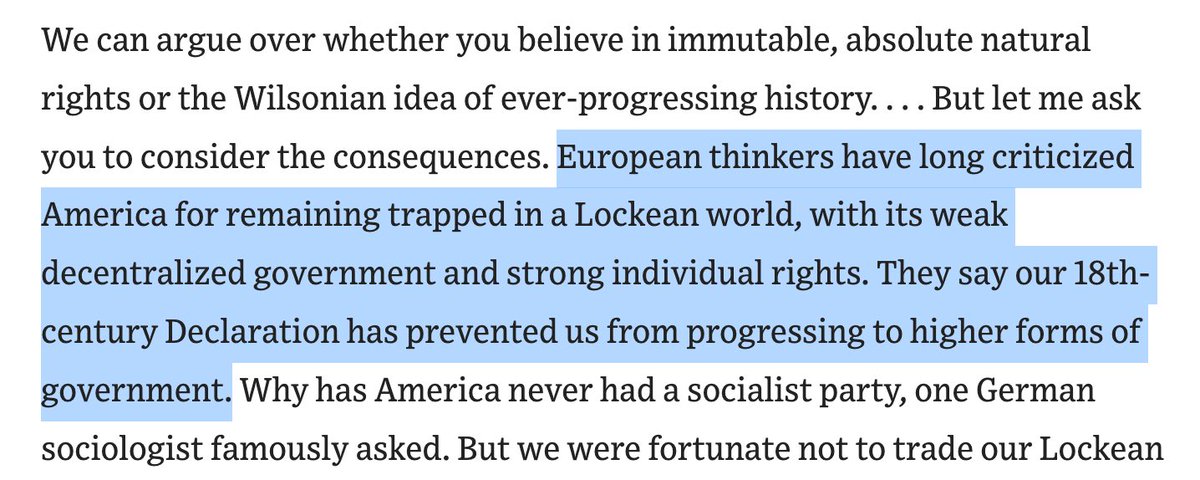
It’s hard to ignore that Clarence Thomas’s broadside against progressivism also implicates much of the postliberal right who hope to sever American conservatism from its Lockean roots.
Tanner Nau tweet media
English
4
19
67
16K
Chris Sandvick retweetledi
Steven Sinofsky
Steven Sinofsky@stevesi·
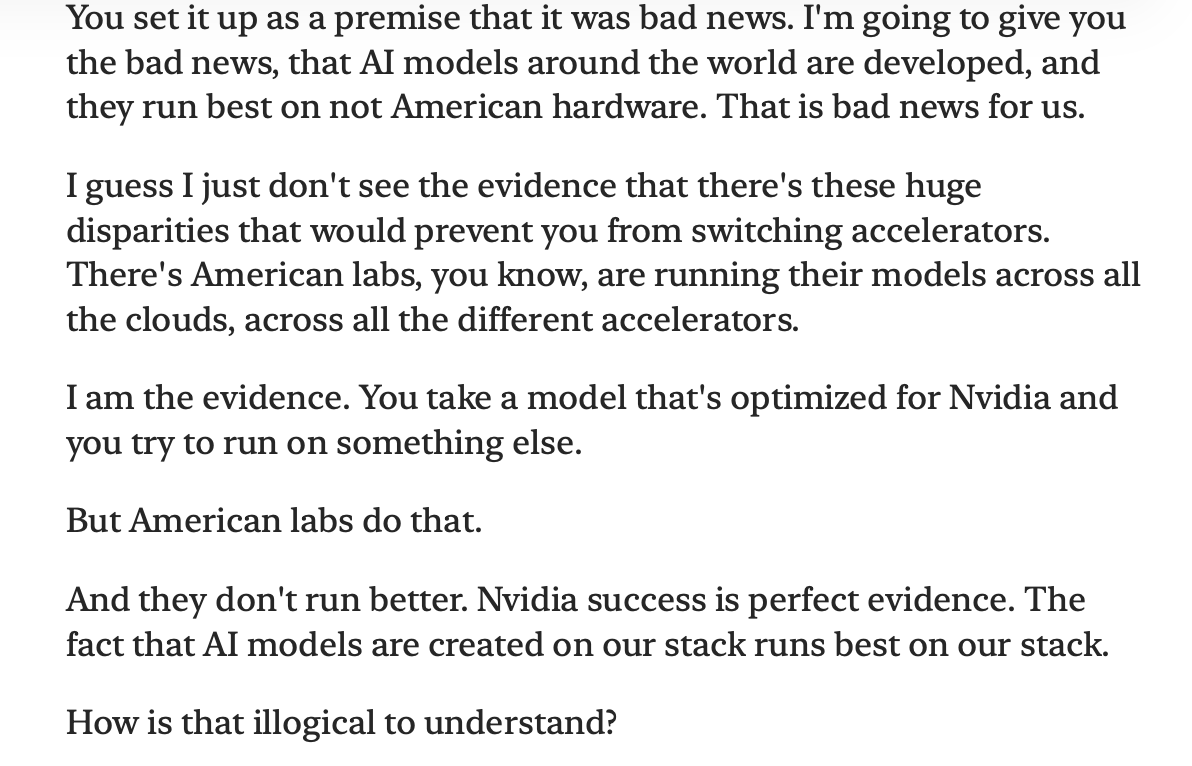
One more. Much of what was said in the China portion just didn't sink in with the questioner. There's a common misunderstanding in all platforms shifts, especially early on, that being cross-platform is somehow easy. There's a simple reason for that which is early in a transition two points are true at the same time: • Platform builders are building very similar things. Everything from 64K microcomputers to browsers to phones all seemed pretty much the same for the first years as they were solving the same problem. Get the darn thing to work. • The ability to make similar things seem similar at the next layer is trivial at that point. The abstractions are the same and also not super complex. It is an easy mapping. But as Jensen said and as we know from 50 years of computing. Platforms diverge. They diverge for many reasons, including intentional strategy to differentiate, but primarily because people have different ideas on how to solve problems in order to compete and build better. Again he says that -- there are people that firmly believe ASIC and dedicated TPU is a better approach. Jensen is right to point out that CUDA and a new generation of "general purpose" compute is far better. CUDA is already there as Jensen says. If you design for CUDA you're all in. MCP was a point in time when everyone thought models would mostly interoperate at a chat-like level. We're obviously now past that and can see that futility. We're seeing/will see all sorts of agentic "middleware" next that tries to define what an agent is, what an agent context is, how to manage/deploy agents. But agents are "apps" and I fully expect platforms (hyper scale models) to build proprietary mechanisms to support agents. For about 20 minutes it will seem like you can do this cross platform, but that won't last. Cross-platform works but every example boils down to the same things: which is the implementation is easy to build into a platform (eg like TCP/IP), there are no economics to maintaining an implementation distinct from platforms, and platform makers continue to move up the stack. This is the history of middleware. You either become a platform or you become demonetized middleware. More here -> Cross-platform medium.learningbyshipping.com/divergent-thou… -> MCP/Middleware …rdcoresoftware.learningbyshipping.com/p/230-mcp-its-…
Steven Sinofsky tweet media
Steven Sinofsky@stevesi

At least two things super important from Jensen's interview (aside from the mismatch between influencer and legendary builder): • His point about how limitations and bottlenecks are short lived and companies swarm to end them. That has happened already. • His points about general purpose compute as Nvidia deploys it versus ASIC-like TPU has always been the case but because of above short term limitations and misunderstanding software layers people got confused. Everyone should listen at 1.0x podcasts.apple.com/us/podcast/dwa…


English
6
15
84
20.3K
Chris Sandvick
Chris Sandvick@ChrisSandvick·
@vermaden I've yet to have an install .iso work. Fails out early on all my test hardware and in Hyper-V. Vanilla FreeBSD .iso's mostly work fine on the same hardware. Haven't dug into it to figure out what's up with it.
English
1
0
1
54
Chris Sandvick
Chris Sandvick@ChrisSandvick·
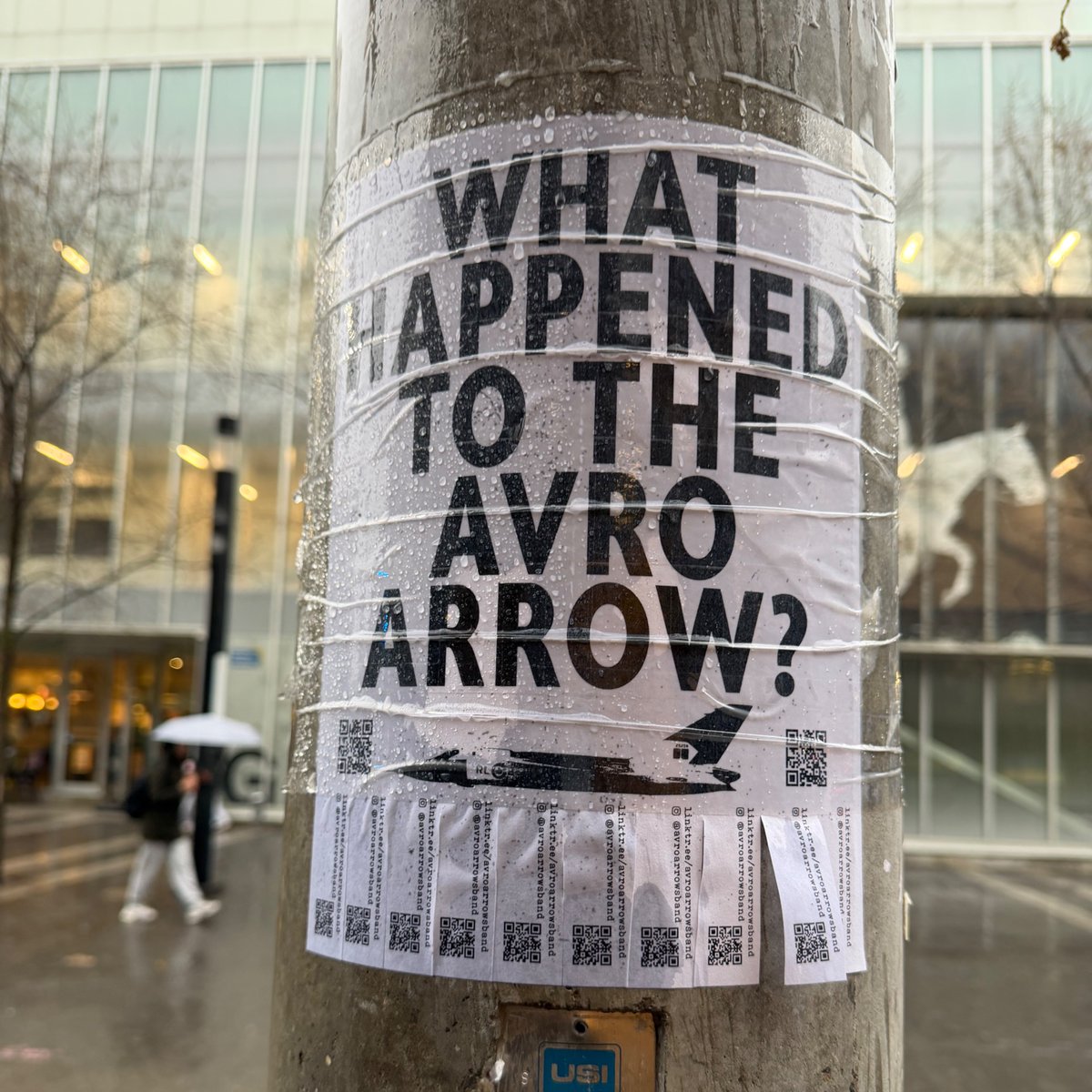
@mwickens Saw some nutcase arguing Canada should revive the Arrow during the Grippen/F-35 controversy a while back. Not a new Arrow but the original because it was the bestest fighter ever. That program lives on in strange ways for some people.
English
1
0
0
28
Mark Wickens
Mark Wickens@mwickens·
I thought it was a bit weird to have lingering resentment of Diefenbaker on the TMU campus in 2026. Turns out it's clever marketing for a band.
Mark Wickens tweet media
English
1
0
3
90
Chris Sandvick
Chris Sandvick@ChrisSandvick·
@2aHistory He's not ignorant, he's actively opposed to the US Constitutional order.
English
0
0
2
26
2A History
2A History@2aHistory·
The USA is not a democracy, and was designed not to be a democracy. The country likely wouldn't have formed if the small states had been told they would be ruled by election results from larger states. Some people slept thru history classes.
James Surowiecki@JamesSurowiecki

There's no good civic argument for the electoral college. It was arguably necessary to ensure the ratification of the Constitution, but it's an anti-democratic device that gives some American citizens far more voting power than others, based purely on where they live.

English
243
303
2.1K
33.6K
Chris Sandvick
Chris Sandvick@ChrisSandvick·
WH40k is definitely a rule of cool universe. The bit I always thought funny, most depictions don't show any way for them to carry magazines. Their carbines are ENORMOUS with corresponding large mags. No wonder everyone carries a sword.
MariusGage@For_Macragge

"40k is a lot cooler when Space Marines are kept to a minimum" No. Space Marines *are* Warhammer and the Horus Heresy series being as popular as it is is proof that space marines are coolest when they are the focus. 9 foot tall walking tank super soldiers are awesome.

English
0
0
0
40
Chris Sandvick retweetledi
JD Work
JD Work@HostileSpectrum·
Seeing latter day cypherpunk adjacent reinvention of Fidonet really does drive home the paths not taken as the ecosystem evolved, and what might be different today.
English
1
1
5
405
Chris Sandvick
Chris Sandvick@ChrisSandvick·
My initial thought is attackers are going to have the short term edge. Long term, I think we all are going to have more secure code bases but there's going to be a lot of friction in getting there.
English
0
0
0
21
Chris Sandvick
Chris Sandvick@ChrisSandvick·
Interesting. There's a race condition here. Will you be able to secure your open source codebase using AI security tools faster than bad actors will be able to exploit your open source code using AI. Some outfits are going to close instead.
Bailey Pumfleet@pumfleet

Open source is dead. That’s not a statement we ever thought we’d make. @calcom was built on open source. It shaped our product, our community, and our growth. But the world has changed faster than our principles could keep up. AI has fundamentally altered the security landscape. What once required time, expertise, and intent can now be automated at scale. Code is no longer just read. It is scanned, mapped, and exploited. Near zero cost. In that world, transparency becomes exposure. Especially at scale. After a lot of deliberation, we’ve made the decision to close the core @calcom codebase. This is not a rejection of what open source gave us. It’s a response to what risks AI is making possible. We’re still supporting builders, releasing the core code under a new MIT-licensed open source project called cal. diy for hobbyists and tinkerers, but our priority now is simple: Protecting our customers and community at all costs. This may not be the most popular call. But we believe many companies will come to the same conclusion. My full explanation below ↓


English
1
0
0
38