Coach Demetrius Clark NASM-CPT:CES/PES/YES/BCS

16.8K posts

Coach Demetrius Clark NASM-CPT:CES/PES/YES/BCS banner
Coach Demetrius Clark NASM-CPT:CES/PES/YES/BCS

Coach Demetrius Clark NASM-CPT:CES/PES/YES/BCS

@CoachClarkTF

M.A.G @WestvilleTFCC Head Coach, USN Hospital Corps OIF Vet, US Track Tech, Signal 6, RPR Level 3, BSS Sports Coaching, BioForce CCC, and Perfect Method™ Coach

Merrillville, IN Katılım Mayıs 2009
5K Takip Edilen3.5K Takipçiler
Sabitlenmiş Tweet
Coach Demetrius Clark NASM-CPT:CES/PES/YES/BCS
High School sports coaches if you have rough 1st year just hang in there and build for the future. I had 7 kids this year in track and field. Focus on the kids you have and grow. The numbers will grow. The future is always bright. #adaptandovercome
English

5
12
112
11.9K
Coach Demetrius Clark NASM-CPT:CES/PES/YES/BCS retweetledi
Coach AJ 🎯 Mental Fitness
Coach AJ 🎯 Mental Fitness@coachajkings·
Urban Meyer: "I don't want to be around you. Why be around average?" Average doesn't announce itself. It sneaks in through the exceptions you make. 1. Your standards 2. Your circle. 3. Your self-talk. 4. Your habits. 5. Your culture. Here's where to find it: (📌Bookmark this)
Coach AJ 🎯 Mental Fitness tweet media
English
1
21
85
48.9K
Coach Demetrius Clark NASM-CPT:CES/PES/YES/BCS retweetledi
James Light
James Light@JamesALight·
Houston HC Kelvin Sampson - Why Coaches Fail - "I think the coaches that fail at every level, are the coaches that are passive aggressive. Passing aggressive coaches are usually afraid to hold kids accountable, they rationalize." - "If you're going to build a culture, the first thing you have to come to grips with, you're going to have confrontation." - Consistency - Competence - Confidence - Confrontation
English
19
466
2.6K
265.1K
Coach Demetrius Clark NASM-CPT:CES/PES/YES/BCS retweetledi
Gerry DeFilippo
Gerry DeFilippo@Challenger_ST·
“I trained 4 years to run 9 seconds and people give up when they don’t see results in 2 months.” - Usain Bolt Progress takes time, routine & consistency.
Gerry DeFilippo tweet media
English
3
103
487
17.9K
Coach Demetrius Clark NASM-CPT:CES/PES/YES/BCS retweetledi
Chris Chavez
Chris Chavez@ChrisChavez·
WATCH: 17-year-old Cooper Lutkenhaus 🇺🇸 becomes the youngest WORLD INDOOR CHAMPION EVER as he wins the 800m gold medal at the World Indoor Championships in 1:44.24. 🥇
English
15
211
1.7K
141.5K
Coach Demetrius Clark NASM-CPT:CES/PES/YES/BCS retweetledi
Greg Berge
Greg Berge@GregBerge·
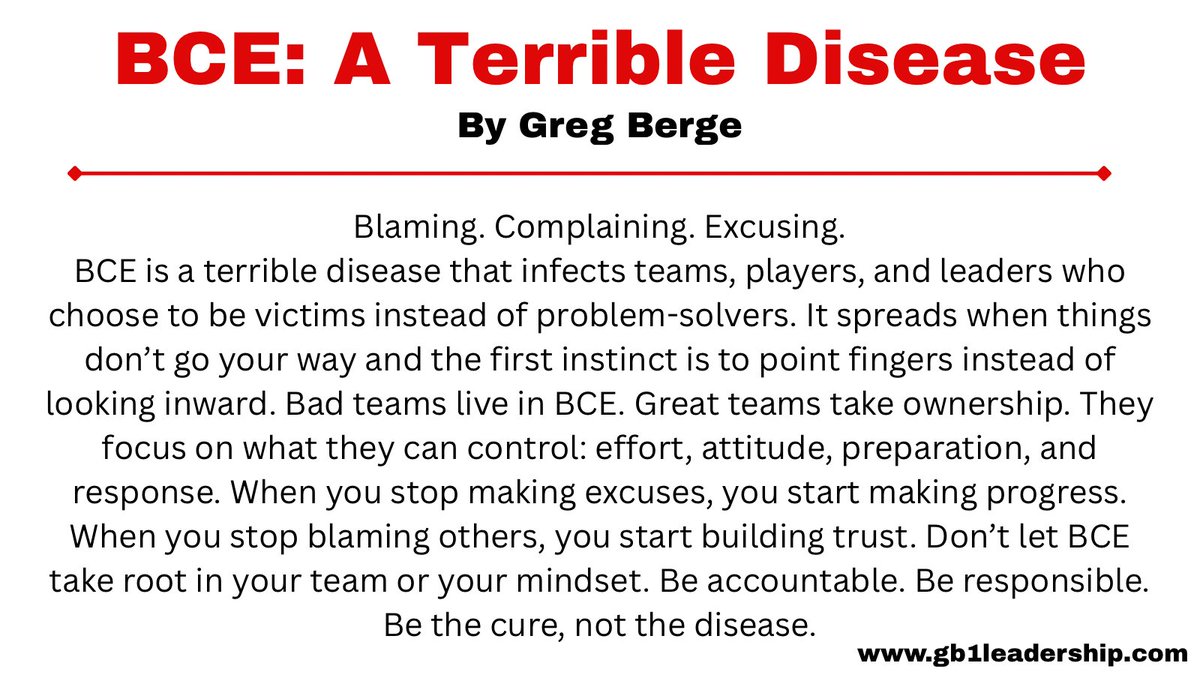
BCE = Blaming. Complaining. Excusing. It kills teams faster than any opponent. Be accountable. Be responsible. Be the cure, not the disease.
Greg Berge tweet media
English
0
28
105
6.2K
Coach Demetrius Clark NASM-CPT:CES/PES/YES/BCS retweetledi
Curious Minds
Curious Minds@CuriousMindsHub·
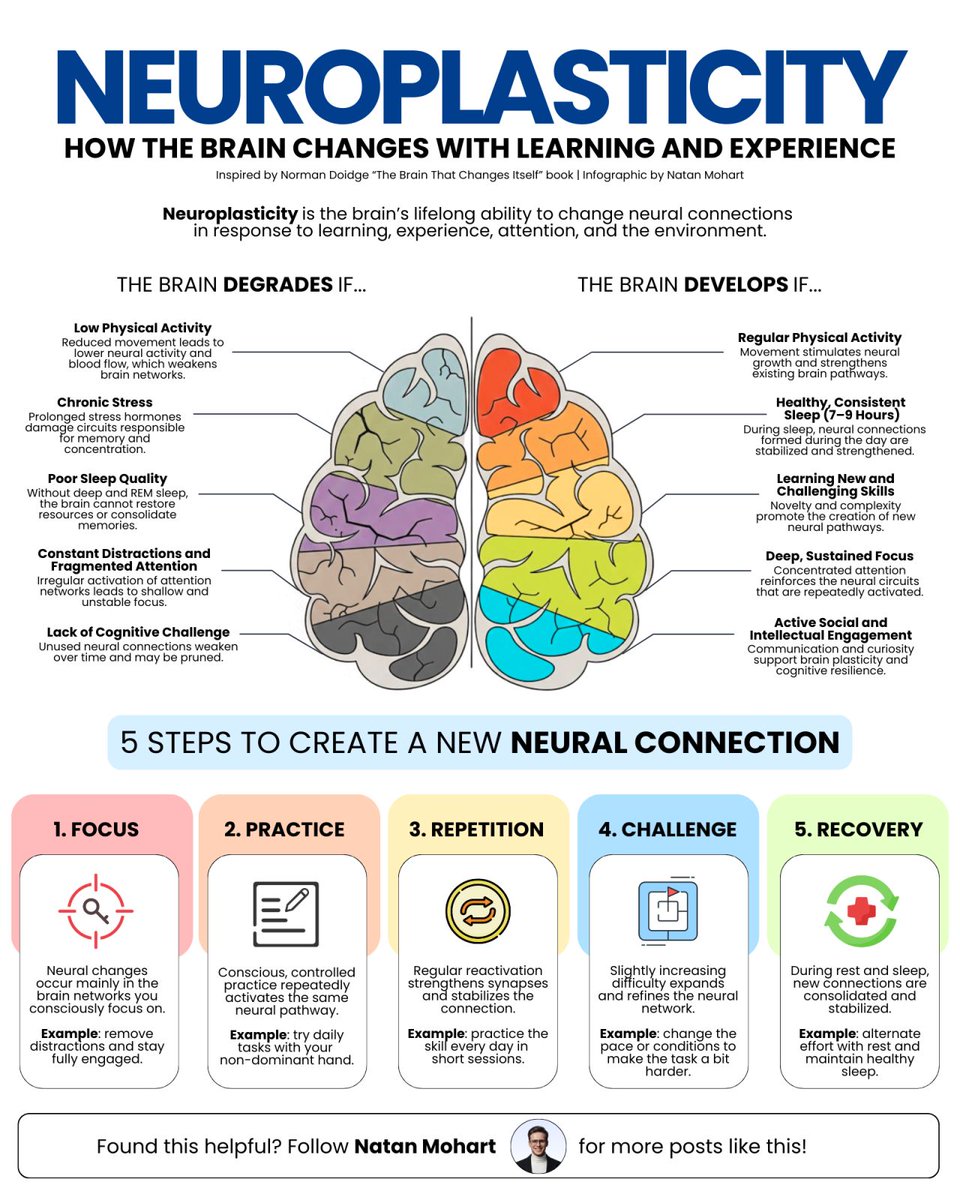
Neuroplasticity: How the brain change with learning and experience?
Curious Minds tweet media
English
11
399
1.5K
37.4K
Coach Demetrius Clark NASM-CPT:CES/PES/YES/BCS retweetledi
Next Science
Next Science@NextScience·
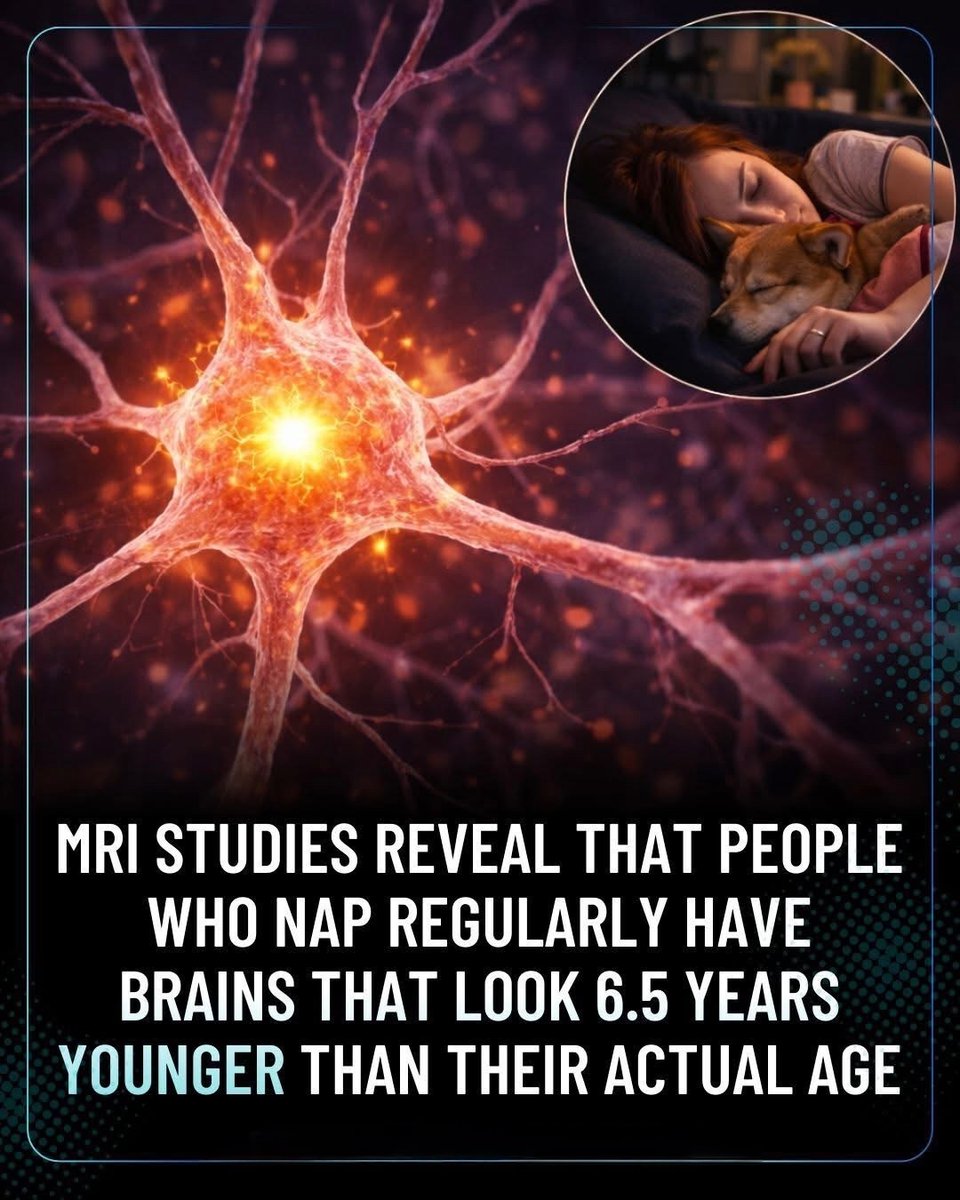
🧠 Naps That Turn Back Time Short daytime naps could make your brain 6.5 years younger! Studies show regular nappers have sharper memory, better attention, and stronger neural networks. Just 20–30 minutes can reduce neural stress, clear brain waste, and boost mental energy. Keep naps brief and consistent, and your brain could thank you for years to come. Sources: Nature Aging; Journal of Neuroscience; Harvard Medical School Sleep Research; Frontiers in Neurology
Next Science tweet media
English
9
139
462
34.9K
Coach Demetrius Clark NASM-CPT:CES/PES/YES/BCS retweetledi
Shining Science
Shining Science@ShiningScience·
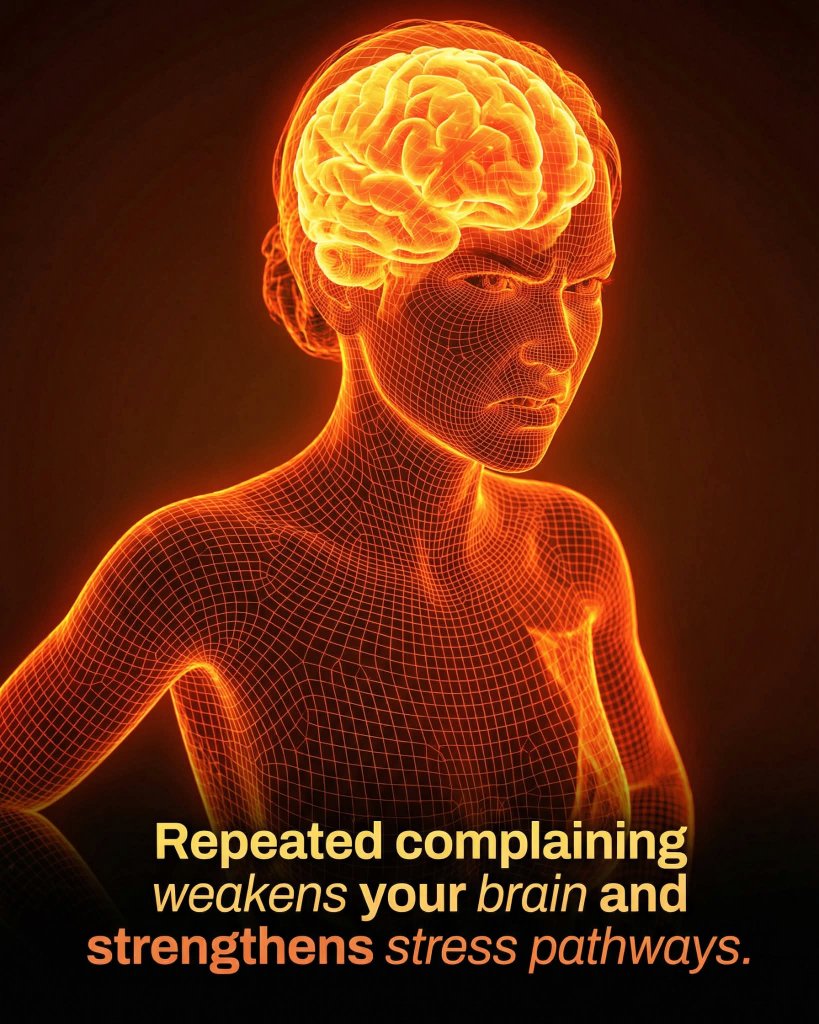
🚨 STOP COMPLAINING — IT’S LITERALLY TRAINING YOUR BRAIN TO BE NEGATIVE Ever notice how some people seem stressed all the time, even over small things? Science says it’s not just their personality — it’s their brain. Research shows that repeated complaining actually rewires your brain. Every time you complain, your brain activates stress and threat-detection circuits. Do it again and again, and those circuits get stronger. This process is called neuroplasticity — your brain becomes better at whatever you practice most. So if you constantly talk about problems, frustrations, and annoyances, your brain learns to search for negativity. What starts as a bad day slowly turns into a habit of negative thinking. Over time, the brain treats the world as a dangerous place, even when nothing is wrong. This is why chronic complainers often feel tense, irritated, or overwhelmed by small issues. Their stress level stays high because their brain is stuck in “alert mode.” Even minor problems feel big, because the brain has been trained to react that way. The powerful part? This can be reversed. Stanford researchers explain that once you understand how your brain works, you can retrain it. Shifting how you speak — focusing on solutions, gratitude, or learning — builds new, healthier pathways. Your brain can be trained for calm, resilience, and clarity just as easily as it was trained for stress. What you repeat, your brain remembers. So choose your words carefully — you’re shaping your mind every day.
Shining Science tweet media
English
63
645
3.1K
322K
Tony Holler
Tony Holler@pntrack·
I will continue to expose track coaches who break their sprinters. Imagine a good sprinter after missing a week with a strained quad… Day-1: 200, 150, 100 Day-2: 4x200, 4x90, 4x60, 4x30 Now he has a hip flexor issue. What if there was a way to get fast, stay healthy, and have a blast doing it?
English
27
27
180
25K
Coach Demetrius Clark NASM-CPT:CES/PES/YES/BCS retweetledi
Next Science
Next Science@NextScience·
🚨 Scientists Reveal a Breathing Trick That Instantly Calms Anxiety! What if you could feel your stress melt away in less than a minute… using nothing but your breath? Researchers have discovered a simple yet powerful method: take two quick inhales and one long, slow exhale. That’s it. No pills, no apps, no fancy gadgets. The magic happens during that long exhale. Your body’s “rest and relax” system kicks in, slowing your heart, calming your mind, and helping nervous tension vanish almost instantly. People trying this reported feeling calmer, more focused, and even a little amazed at how fast it worked. Next time anxiety hits, don’t reach for your phone, just try this simple 2‑to‑1 breathing trick. You might be surprised how quickly your mind finds peace.
Next Science tweet media
English
6
109
372
10.4K
Coach Demetrius Clark NASM-CPT:CES/PES/YES/BCS retweetledi
Steve Magness
Steve Magness@stevemagness·
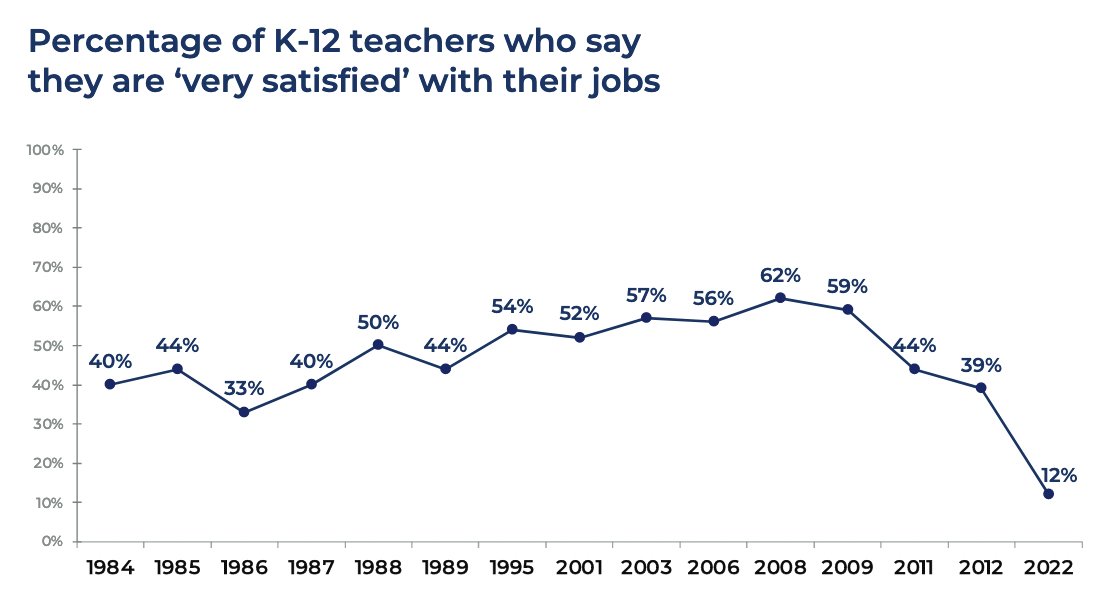
In 2008, 62% of teachers said they were very satisfied with their job. In 2022, that dropped to 12%. We've got a serious problem brewing in education...
Steve Magness tweet media
English
772
1.8K
11K
2.1M
Coach Demetrius Clark NASM-CPT:CES/PES/YES/BCS retweetledi
Shining Science
Shining Science@ShiningScience·
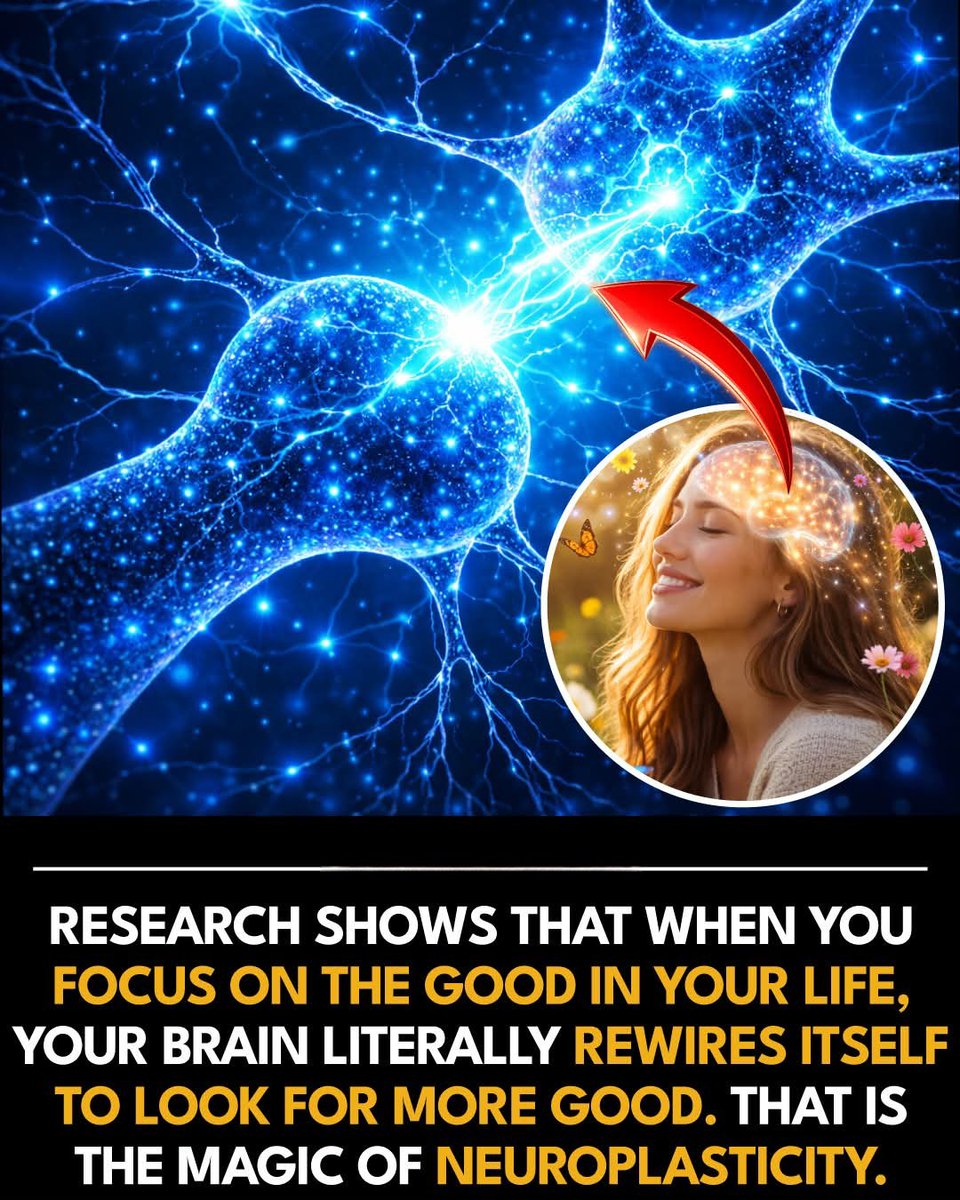
🧠 Train Your Mind, Change Your Brain This concept is based on neuroplasticity, the brain’s ability to reorganize and strengthen neural connections based on repeated experiences and thoughts. When certain mental patterns are practiced often, the brain becomes more efficient at activating those pathways. Psychologists often refer to this as “training attention.” Studies in cognitive science show that regularly focusing on positive experiences can increase activity in brain regions associated with reward, emotional balance, and motivation. For example, practices like gratitude journaling or mindfulness meditation have been linked to measurable changes in brain areas such as the prefrontal cortex and hippocampus. These regions play important roles in emotional regulation, memory, and decision-making. At the same time, the brain naturally has a negativity bias — a tendency to notice threats or problems more easily than positive events. This evolved as a survival mechanism, but modern stress can cause the brain to stay overly focused on negative stimuli. By intentionally shifting attention toward positive experiences without ignoring reality, people can gradually rebalance these neural patterns. Over time, this can support greater resilience, improved mood, and healthier responses to everyday challenges.
Shining Science tweet media
English
7
129
528
12.3K
Coach Demetrius Clark NASM-CPT:CES/PES/YES/BCS retweetledi
Shining Science
Shining Science@ShiningScience·
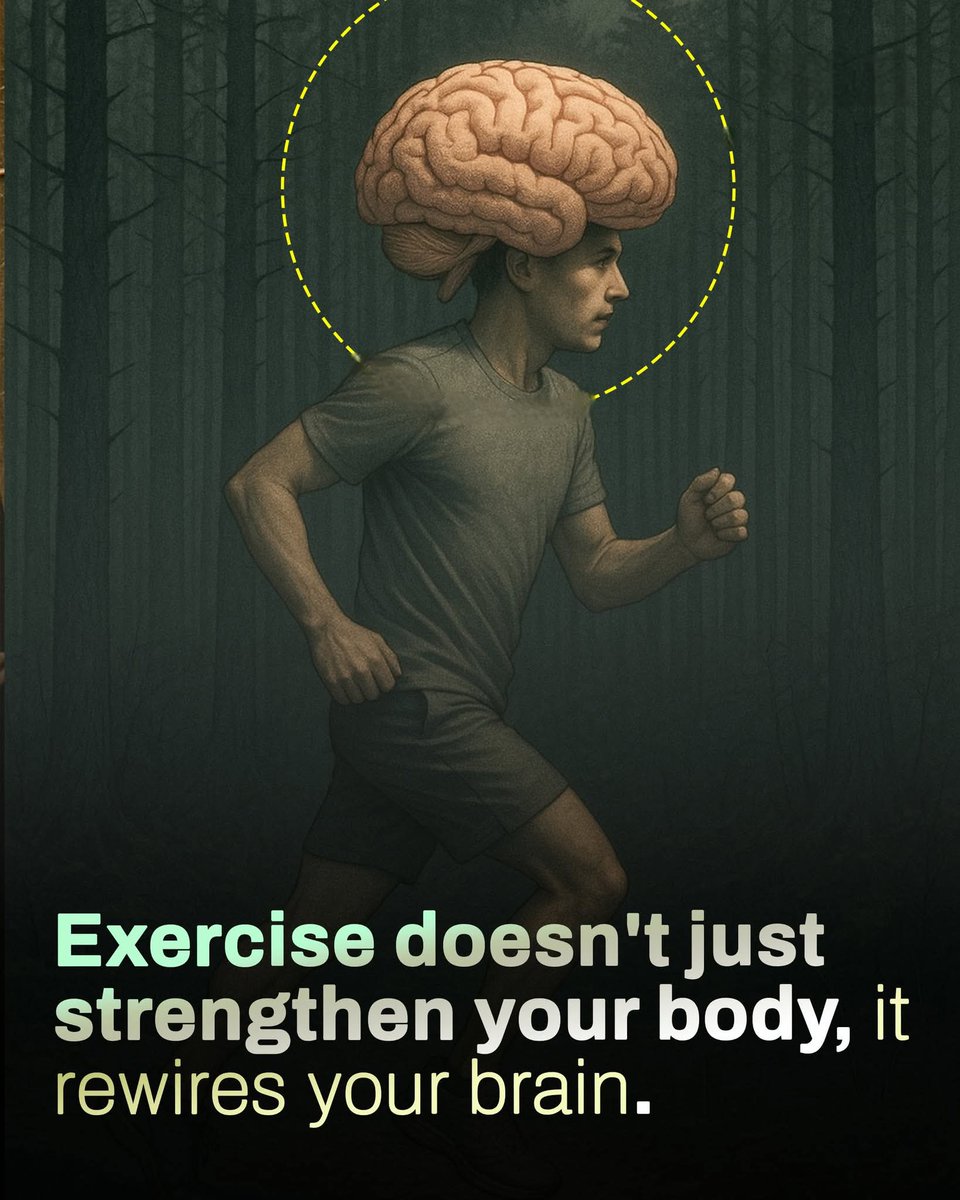
Exercise isn’t just about building muscle or shedding weight—it fundamentally changes your brain. Recent research reveals that regular physical activity stimulates neurogenesis in the hippocampus, a region critical for memory and emotional regulation. This growth of new neurons doesn’t just enhance cognitive function—it can actively weaken the grip of trauma and addiction-related memories. Through a process known as neural remodeling, exercise helps rewire the brain’s pathways, reducing the emotional weight of past experiences and improving resilience. It’s a biological reset that not only sharpens focus and lifts mood but also reshapes the mind’s response to pain and craving, making movement one of the most powerful forms of mental healing available.
Shining Science tweet media
English
21
138
529
14.1K
Coach Demetrius Clark NASM-CPT:CES/PES/YES/BCS retweetledi
Cameron Kinley
Cameron Kinley@ck3thethrill·
Stop coaching outcomes. Coach behaviors. Outcomes are unpredictable. Behaviors are trainable. Build the behaviors and trust the outcomes to follow.
English
6
90
507
19.6K
Coach Demetrius Clark NASM-CPT:CES/PES/YES/BCS retweetledi
Massimo
Massimo@Rainmaker1973·
Ever feel like you just *get* someone? Here's the science of what's going on. When you vibe effortlessly in conversation, it’s not just shared interests—your brains might be in sync. Neuroscientist Ben Rein notes that close friends often share similar brain structures in social regions, a concept called homophily, where neurologically similar people bond easily. This similarity makes conversations flow smoothly, as your brains operate on the same wavelength. Beyond this structural overlap, there’s something even more sci-fi: interbrain synchrony. This occurs when two people interacting—especially during teamwork or storytelling—exhibit nearly identical patterns of brain activity in certain regions. It’s not magic or telepathy, just the brain’s natural ability to mirror and connect. So if you’ve ever walked away from a great conversation feeling unusually understood, there’s a good chance your brain was quite literally in sync with theirs. [Thomson, J. (2024). The sci-fi hypothesis that explains why you click with certain people. Big Think]
Massimo tweet media
English
50
176
975
64.7K
Coach Demetrius Clark NASM-CPT:CES/PES/YES/BCS retweetledi
Shining Science
Shining Science@ShiningScience·
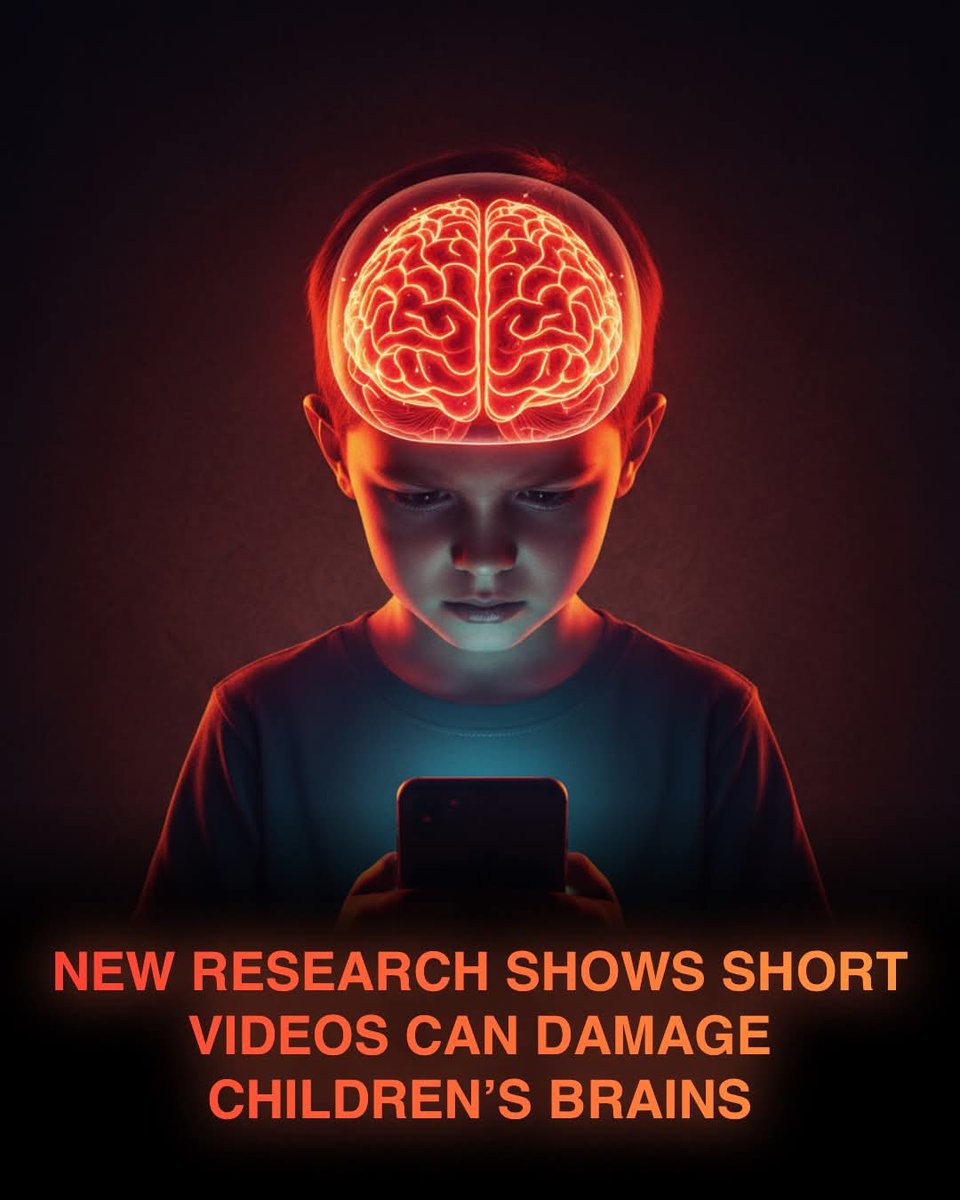
🚨 New research warns: short videos quietly rewire children’s brains. Short-form video platforms like TikTok, Instagram Reels, Douyin, and YouTube Shorts have rapidly become a constant backdrop in children’s lives, shifting from occasional entertainment to a primary way of relaxing, socializing, and forming opinions. These apps are engineered to deliver an endless stream of highly stimulating, personalized clips that target the brain’s craving for novelty. Research indicates that heavy use is associated with poorer inhibitory control and attention, disrupted sleep, and higher social anxiety in some young people. Rapid-fire content, bright screens at night, and emotional highs and lows can make it harder for children to switch off, affecting mood, memory, and school performance. Younger children, whose self-regulation and sense of identity are still developing, appear especially vulnerable to compulsive scrolling, social comparison, and exposure to disturbing or age-inappropriate content that appears suddenly and without context. The article also highlights a worrying cycle for children who already struggle with anxiety, ADHD, or emotional regulation: they may be particularly drawn to fast-paced content, while heavy use can further intensify the very symptoms that make it hard to stop. Constant screen use can crowd out unstructured time—daydreaming, playing, chatting with family—which is crucial for learning to tolerate boredom, manage feelings, and build internal focus. In response, governments and schools are beginning to introduce digital wellbeing guidelines, restrict smartphone use during the school day, and push for safer platform design, including better age checks and more protective defaults. Source: Easton, K. (2025, December 14). Short videos could have an insidious effect on children’s brains. *ScienceAlert*. Republished from *The Conversation*.
Shining Science tweet media
English
2
59
179
7.2K
Coach Demetrius Clark NASM-CPT:CES/PES/YES/BCS retweetledi
Next Science
Next Science@NextScience·
New MRI study shows weekly exercise literally keeps your brain younger. A new year-long study suggests that regular exercise may help the brain stay biologically younger, adding to the long list of reasons to be physically active. In the trial, 130 healthy adults aged 26 to 58 were randomly assigned either to follow standard World Health Organization exercise guidelines—about 150 minutes per week of moderate-to-vigorous activity—or to continue their usual routines. MRI scans taken after 12 months showed that those who met the exercise targets had brains that appeared, on average, about 0.6 years younger than their actual age, while the control group’s brains looked roughly 0.35 years older than their chronological age. Although those absolute changes were modest, the nearly one-year gap between groups could accumulate over decades and may be important for protecting thinking skills and resilience against conditions such as dementia. Researchers tried to understand why exercise might slow brain aging by checking several possible pathways, including cardiovascular fitness, blood pressure, and certain beneficial proteins. Surprisingly, none of these fully explained the link, suggesting that other factors—such as subtle changes in brain structure, inflammation, or blood vessel health—may be involved and need further study. The team plans to expand this research to larger and more diverse groups, including people at higher risk of cognitive decline. Still, the findings support current public health advice: getting at least 150 minutes per week of moderate-to-vigorous aerobic exercise in midlife may help the brain stay biologically younger for longer. References (APA style) Nield, D. (2026, January 29). *Exercise can actually make your brain look younger, MRI scans reveal*. ScienceAlert. Wan, L., Erickson, K., & colleagues. (2026). Effects of guideline-based exercise on brain age in midlife adults. *Journal of Sport and Health Science*.
Next Science tweet media
English
11
82
245
8.4K
Coach Demetrius Clark NASM-CPT:CES/PES/YES/BCS retweetledi
Karl Mehta
Karl Mehta@karlmehta·
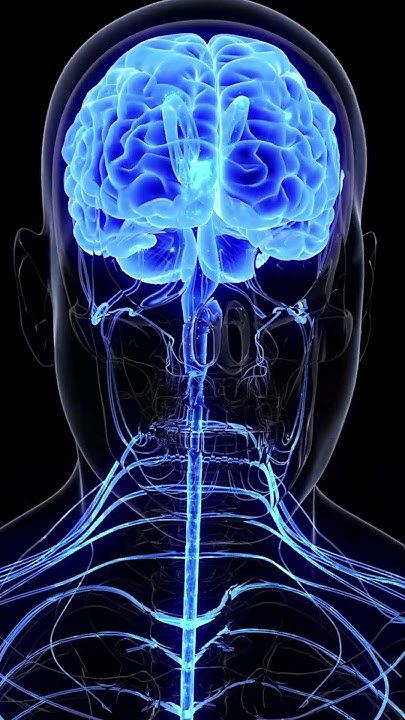
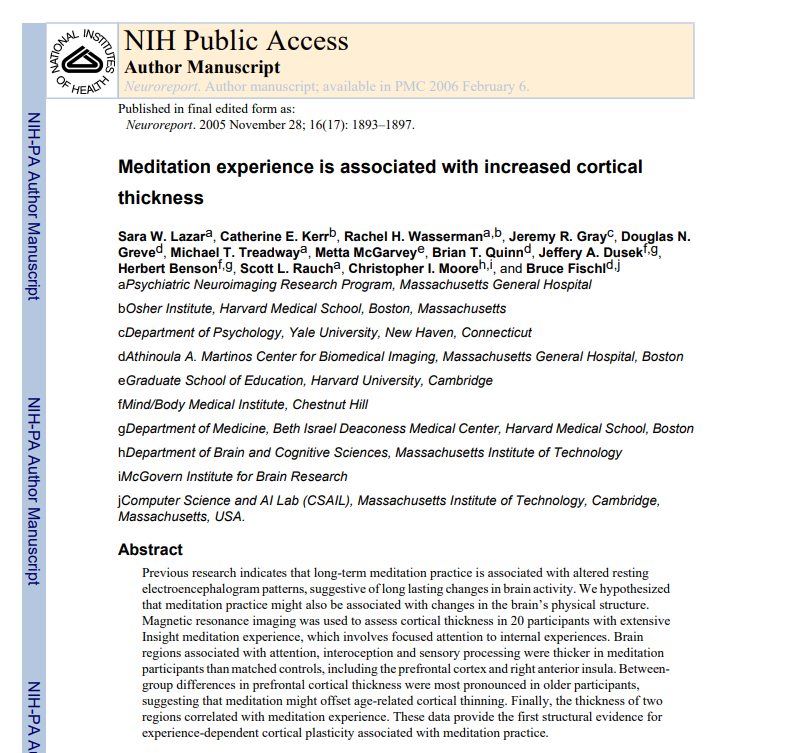
Harvard scanned meditators' brains and found something that should've made headlines everywhere. 10-20 minutes a day doesn't just "reduce stress," it physically grows new brain tissue, shrinks your fear center, and reverses age-related cortical thinning. Here's the breakdown:🧵
Karl Mehta tweet mediaKarl Mehta tweet media
English
25
426
2.3K
112.3K
Coach Demetrius Clark NASM-CPT:CES/PES/YES/BCS retweetledi
Greg Berge
Greg Berge@GregBerge·
“We’re not going to recruit selfish guys, I guys, or guys who don’t want to pay the price.” - Curt Cignetti 🔥 That line should be printed on every locker room wall in America. Talent matters. But mindset, toughness, and team-first habits matter more.
English
21
290
2.3K
219.4K