

Crawford Del Prete
6K posts
Crawford Del Prete
@Craw
Sr. Advisor at PSG Private Equity; Former President of International Data Corporation (@IDC) - opinions are mine
Boston, MA Katılım Mart 2008
743 Takip Edilen6.7K Takipçiler

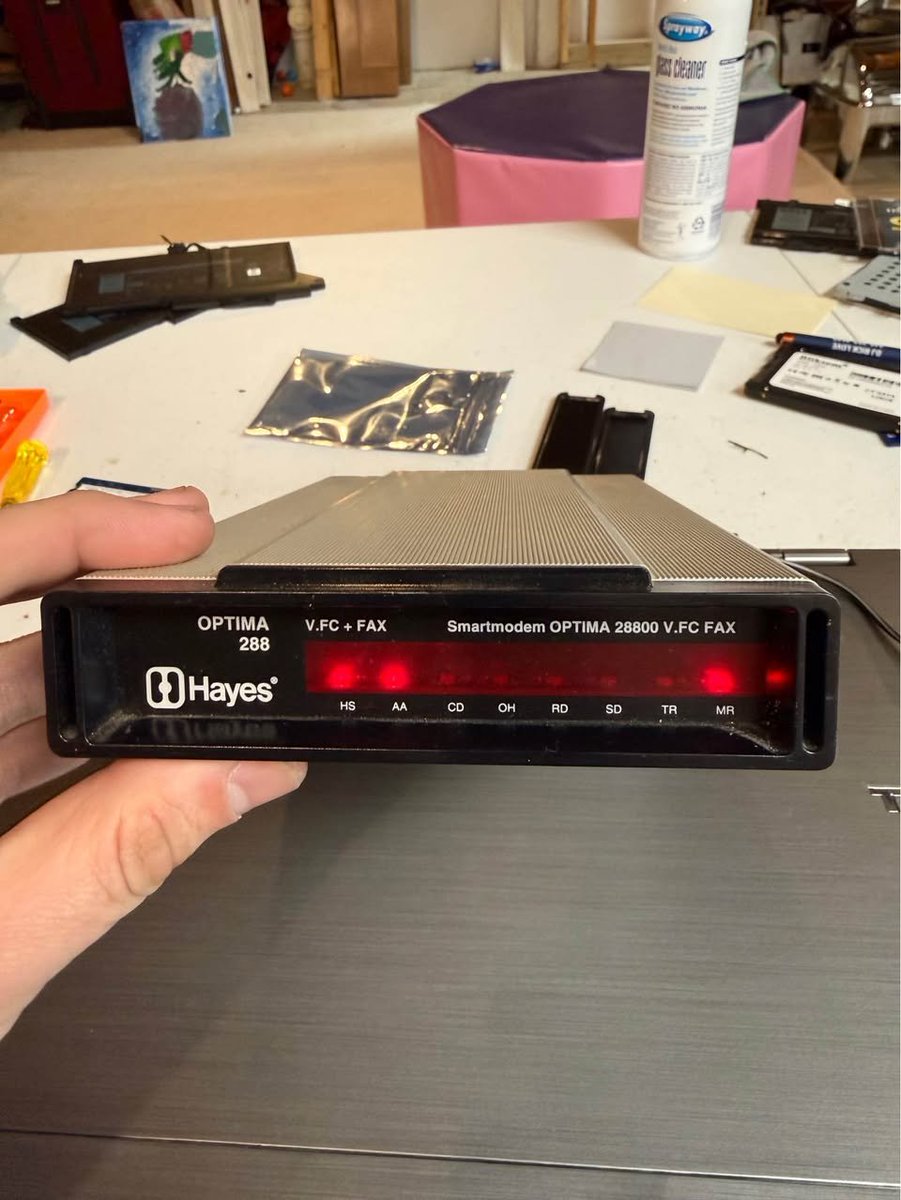
@FB_Helmet_Guy Jersey Generals all day long. BTW why did the Commanders not buy/license it?!
English


52,000 tech workers have lost jobs so far in 2026. Block just cut 40% of its workforce. Morgan Stanley slashed 2,500 roles — while posting record revenue. Everyone says the same thing: AI is taking jobs.
I think that narrative is dangerously incomplete.
A landmark Anthropic study dropped last week — the first to use actual Claude usage data mapped against 800 real occupations. The headlines ran with "75% of programming tasks are covered by AI." Here's the number nobody ran: there is currently little systematic increase in unemployment for the most AI-exposed workers. The study's own authors called for "humility."
The displacement story assumes a fixed pool of work being divided between humans and machines. But the pool has never been fixed. Not with electricity. Not with the PC. Not with the internet.
What AI is actually doing — right now, at scale — is enabling work that simply wasn't happening before. The financial model that never got built. The competitive intelligence that never got done. The analysis permanently deferred because the economics of execution never penciled out.
Clay Christensen called it "competing against non-consumption." It's the most powerful and invisible force in the AI and jobs debate — and it's getting almost zero attention.
Yes, the layoffs are real. Yes, the human cost deserves to be taken seriously. But Jack Dorsey didn't cut 40% of Block because AI automated his workforce. He cut it because Wall Street has spent three years rewarding efficiency over growth, and AI handed him the narrative.
The story of what's being created is still loading. We're making major policy and career judgments at the worst possible moment in the data cycle.
My latest piece breaks this down in full — including what the Anthropic data actually shows, why the productivity paradox is hiding non-consumption gains in plain sight, and why this time may not be as different as the headlines suggest.
Would love to hear your read on it.
open.substack.com/pub/crawdp/p/a…
English
@stevesi Sony and others did this with magnetic peripherals. Sold hundreds…
English

I was thinking that instead of a back pocket I want to wear a bat belt with all these attachments.
Indian Tech & Infra@IndianTechGuide
The future of smartphones will blow our mind. 🤯
English
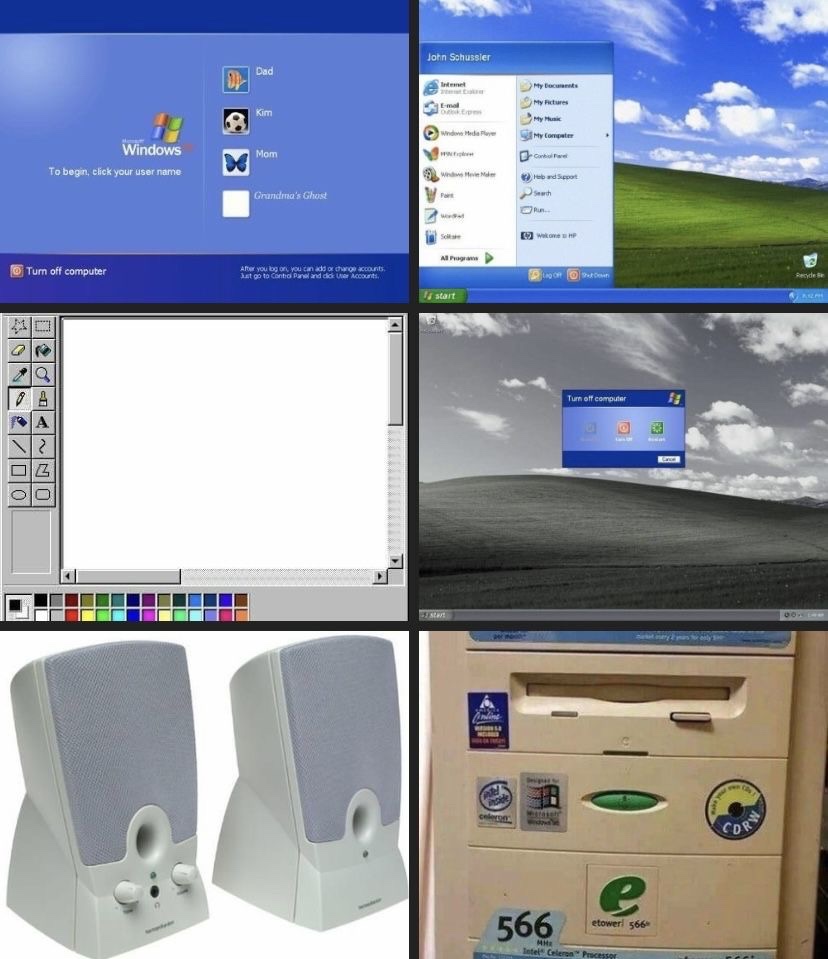
@NostalgiaGalaxy XP IMO was the biggest jump from “unstable “- not windows native - to “pretty stable”, windows native for all. That’s what makes us look back on it with a smile!
English

Was Windows XP arguably the best operating system?
English
The "AI will kill SaaS" narrative has a fundamental problem. It treats SaaS as if it were one thing. It isn't.
SaaS is a delivery and business model — not a product category. When people say AI will kill it, they're actually asking two very different questions:
- Will AI change how enterprise software is delivered and priced? Probably yes. Consumption-based models and agent-driven interfaces are already reshaping that layer.
- Will AI eliminate the need for the applications themselves? This is where the argument gets sloppy.
After nearly four decades watching technology markets get called wrong at the moment of maximum noise — the mainframe, client-server, on-premises — I've learned to treat peak disruption panic as a signal. Not to ignore the threat. But to ask a more precise question.
The survivability of any enterprise software company right now comes down to one thing: what kind of moat have they built?
Horizontal workflow tools with no proprietary data and no network effects? Harder road.
Vertical data powerhouses sitting on irreplaceable industry-specific data? AI doesn't threaten that moat — it deepens it.
Systems of record embedded in compliance and governance workflows? These don't get replaced by systems that might hallucinate.
And if SaaS is really being disrupted — where is the revenue going? We don't have a clear winner outside the existing ecosystem yet - and may not for a while.
I've written up the full framework in my latest Substack lnkd.in/em46CNNW. The question isn't will AI kill SaaS. It's which SaaS companies built something worth keeping.
English
Alt view: Autonomous agents are a ways out. The more agent use there is the greater the number of humans are needed for there to be humans in the loop.
In the near to medium term as Agents/AI rise in actual deployment, more people will be needed with more skills and training.
English
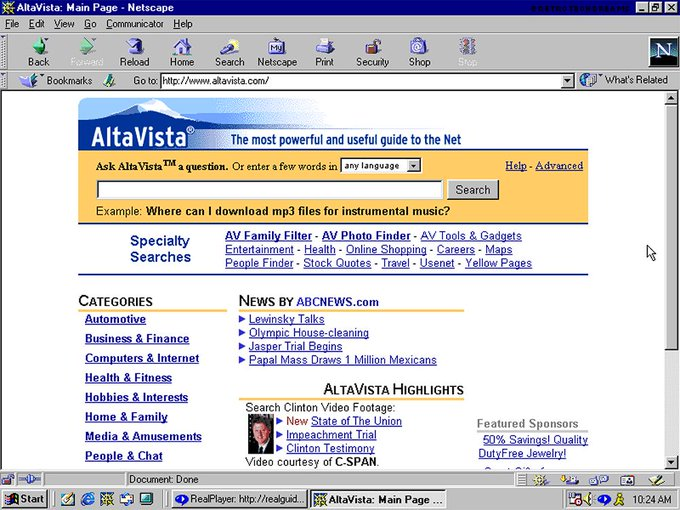
@brockpierson Yes. It was created by Digital Equipment Corporation (which is now part of HP/HPE).
English

Be honest, have you personally ever searched the internet using this exact search engine?
English

English

If your business units are bypassing IT to build their own AI "solutions," you don’t have a shadow IT problem—you have a value delivery problem. Stop being the "No" department and start being the "ROI" department.
Watch @mkrigsman, @tcrawford, and @nyike: cxotalk.com/episode/cio-ag…
#CXOtalk #CIOAgenda #EnterpriseAI

English
I have noticed many of the Winter Olympic events have been modernized or added. It’s time to modernize ski jumping. I propose flying squirrel suits. Any takers?

English

What Does a Real AI Moat Look Like in 2026?
With the rapid evolution of AI, the old playbook for defensibility is crumbling. Proprietary data, fine-tuned models, and even compute scale—once considered unassailable advantages—are being eroded by open-source innovation, synthetic data, and hardware leaps. So, what actually holds up as a durable moat in AI?
Here’s what matters now:
Data Feedback Loops & Network Effects: It’s not about having data, but about systems where usage generates better data, which in turn improves the AI, driving even more usage.
Embedded Workflow Capture: AI that becomes the backbone of business processes is far harder to displace than a dashboard widget.
Domain-Specific Reasoning: Deep, institutional expertise—baked into your models and workflows—can’t be copied overnight.
Human-AI Collaboration: The real moat is in unique protocols where people and AI learn together, building trust and judgment that competitors can’t replicate.
Integration Lock-In: The more your AI orchestrates across systems and teams, the higher the switching cost—not because of technical barriers, but because of the institutional knowledge and trust that accumulates.
Building these moats isn’t about features—it’s about compounding advantages:
Optimize for learning velocity, not just raw performance.
Invest in data labeling philosophies and exception handling.
Build trust and governance into every layer.
Focus on flywheels, not just features.
The key question for every leader:
"How much better will our AI be in 12 months than our competitors’, even if they start copying us tomorrow?"
If your answer is rooted in compounding learning, trust, and network effects—not just more data or talent—you’re on the right track.
Ready to future-proof your AI strategy?
Dive deeper and subscribe to my Substack for actionable insights and leadership frameworks: lnkd.in/eVjX5qge
#AI #DataMoat #MachineLearning #DigitalTransformation #Leadership
open.substack.com/pub/crawdp/p/a…
English
@levie IMO jobs are made up of tasks; oftentimes 100 or more . As you automate some tasks, new ones appear.
English

The future of work will look something like what Boris is describing. Anthropic is hiring engineers because people who know what they’re doing still have to tell the agents what to do, review their work, and integrate that work into a broader system.
This will be true of other types of work as well; we will just move to higher levels of abstraction. It may be hard to imagine how that doesn’t lead to the evaporation of work, but once you consider all the natural limitations of agents it becomes clearer what the roles will look like.
Also, as you automate one part of a process you quickly discover the bottlenecks in another part of the process. Many new forms of work will grow simply because another type of work became more efficient and eventually is constrained somewhere else in the system.
This is how you can square the idea that more and more of today’s tasks can be automated, yet you still end up needing people to manage all those tasks.
Boris Cherny@bcherny
@big_duca Someone has to prompt the Claudes, talk to customers, coordinate with other teams, decide what to build next. Engineering is changing and great engineers are more important than ever.
English
@tcrawford @sarbjeetjohal @dvellante @nyike @mkrigsman @furrier @ShellyKramer @EdLudlow @JonErlichman @jonfortt Agree @tcrawford. Raw performance is getting harder to justify; Priorities will move to things like transparency of results and explainable outcomes. This favors fewer scale providers IMO.
English
@sarbjeetjohal @dvellante @Craw @nyike @mkrigsman @furrier @ShellyKramer @EdLudlow @JonErlichman @jonfortt Consolidation is coming faster than I think many of them are expecting. Too many choices and the differentiation is getting smaller by the week.
English

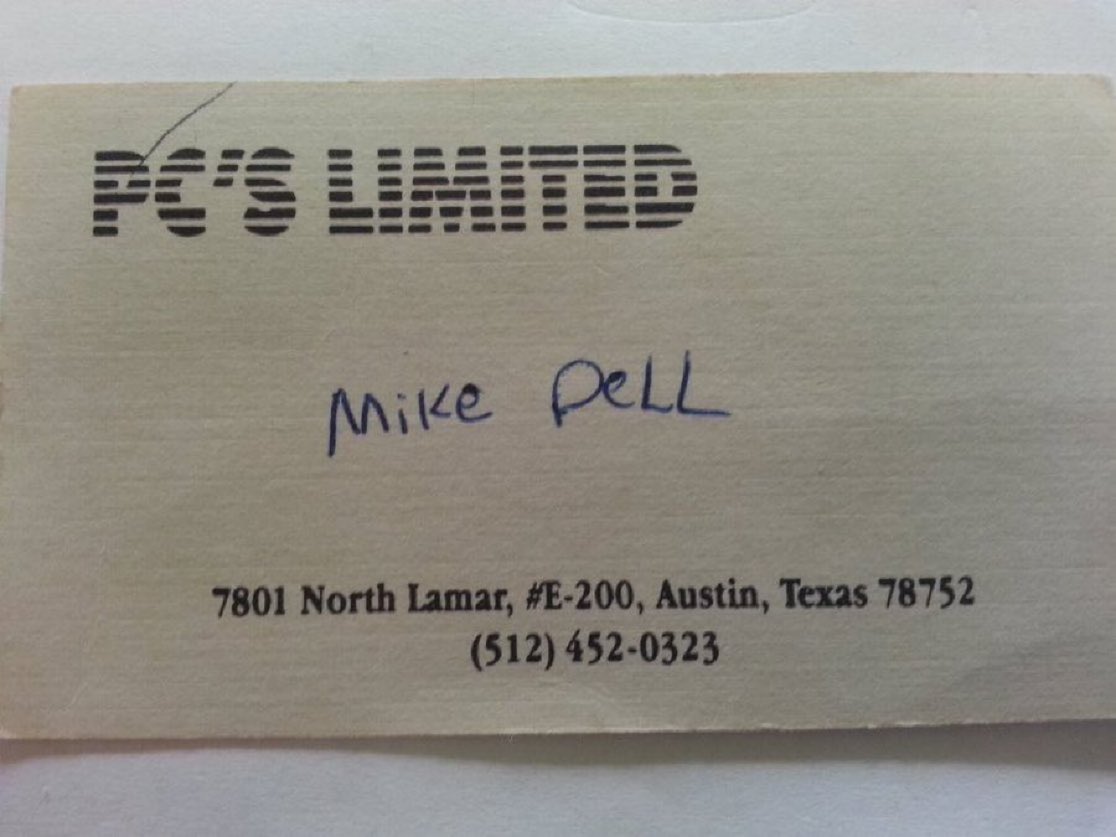
Solutions are about to become problems… You all have a great weekend!

English

@dvellante @sarbjeetjohal @Cisco Agree @Cisco has a great model. In networking, it’s HW and SW welded together. Add in other SW assets and you have a great model. But there’s only so much component cost you can pass through. IMO memory is a thing for them.
English

Listening to the earnings call replay Sarb. I actually think higher memory prices will benefit Cisco. What an awesome business model. Mid 60% gross margins forever. You used to work at EMC right? In their day that was their margin model but even with VMware they couldn't sustain that level. The fact that Cisco has is a real positive imo.
English
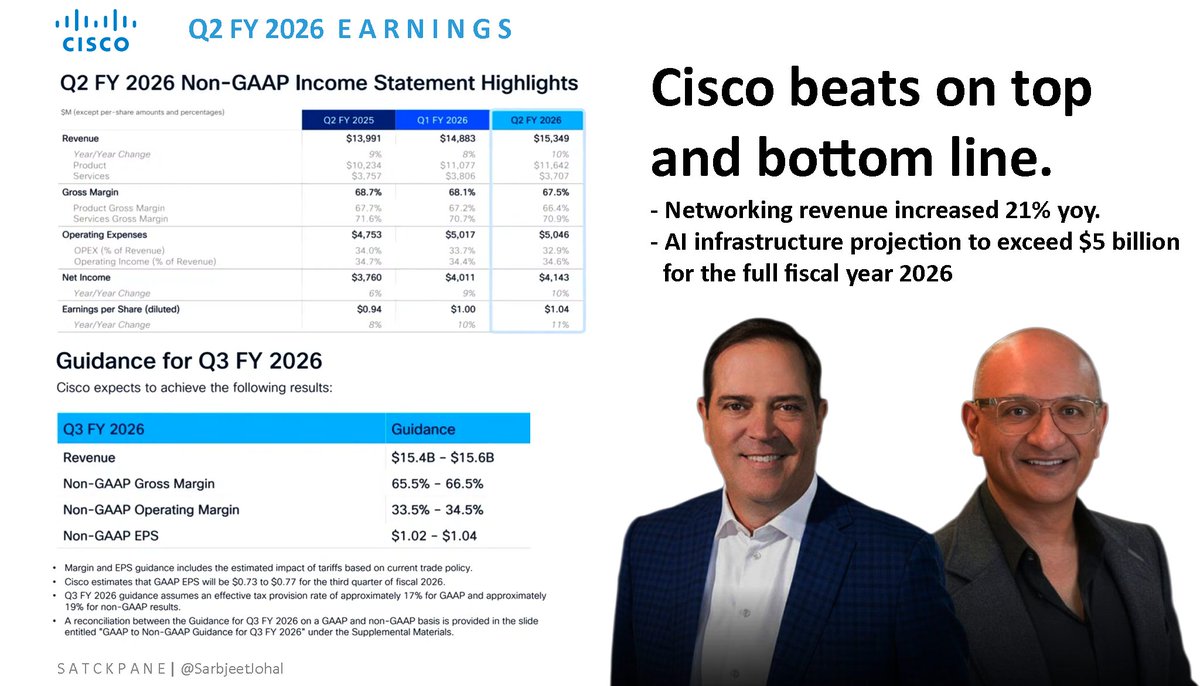
Earnings: @Cisco beats on top and bottom line. Networking revenue increased 21% year over year.
AI infrastructure projection to exceed $5 billion for the full fiscal year 2026.
Cisco said that Splunk's revenue headwinds caused by on-prem to Cloud Subscription will continue to the back half of year 2026.
My POV: Cisco's transformation is well under way and they have made a lot of progress. Cisco stock have touched all time high in recent weeks. Going forward, components/memory pricing may put pressures on margins.
@furrier @dvellante @matteastwood @ShellyKramer @zkerravala @JoelyUrton @AnuragTechaisle @jordannovet
English
@sarbjeetjohal @DellTech @HP @HPE @NetApp @Cisco @Apple @dvellante @furrier @rneelmani Yes. That’s true. But think about the sheer volume of phones, tablets and PC’s. Probably about 1.5B
English
@Craw @DellTech @HP @HPE @NetApp @Cisco @Apple @dvellante @furrier @rneelmani Yep! Only necessary upgrades! It impacts datacenter costs as well. For last couple of months, I have been talking about high memory prices, and how it will cause Techflation in short run.
These are interesting side effects of unprecedented AI growth.
English
Software isn’t the only casualty of AI, higher memory prices are causing hardware vendors some marginal squeeze. Look at @DellTech @HP @HPE @NetApp @Cisco (down 11.90%) @Apple (down 5.5%) today.
@dvellante @furrier @rneelmani @craw

English