Denis, NP 💉 Lifestyle Design

4.3K posts

Denis, NP 💉 Lifestyle Design banner
Denis, NP 💉 Lifestyle Design

Denis, NP 💉 Lifestyle Design

@Denis_protocol

Your Protocol: Live in Your Sweet Spot, I'll show you how | Hormones, Nutrition, Fitness, Peptides, Sleep, Sex, Stress | P.S. Your 'Guru'? My Patient.
🏜️ Katılım Şubat 2023
338 Takip Edilen9.4K Takipçiler
Sabitlenmiş Tweet
Denis, NP 💉 Lifestyle Design
Denis, NP 💉 Lifestyle Design@Denis_protocol·
[INTRO TO PEPTIDES SERIES] What is Peptide Therapy (And How Does it Work?) 🧬 🔬 🧬 🔬 🧬 🔬 🧬 🔬 🧬 🔬 Peptide Therapy: An Emerging Science 🧬 💉 🧬 💉 🧬 💉 🧬 💉 🧬 💉 THREAD 👇
English
19
41
263
139K
string
string@doctorcalf·
Who has great health tweets or even better yet threads? Looking for accounts like @PGC1a_RB @AbudBakri @Denis_protocol Looking more for accounts that reference papers/trials
English
10
1
22
3K
George Ferman
George Ferman@Helios_Movement·
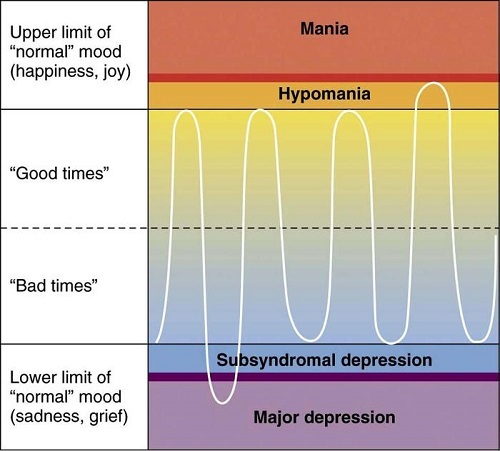
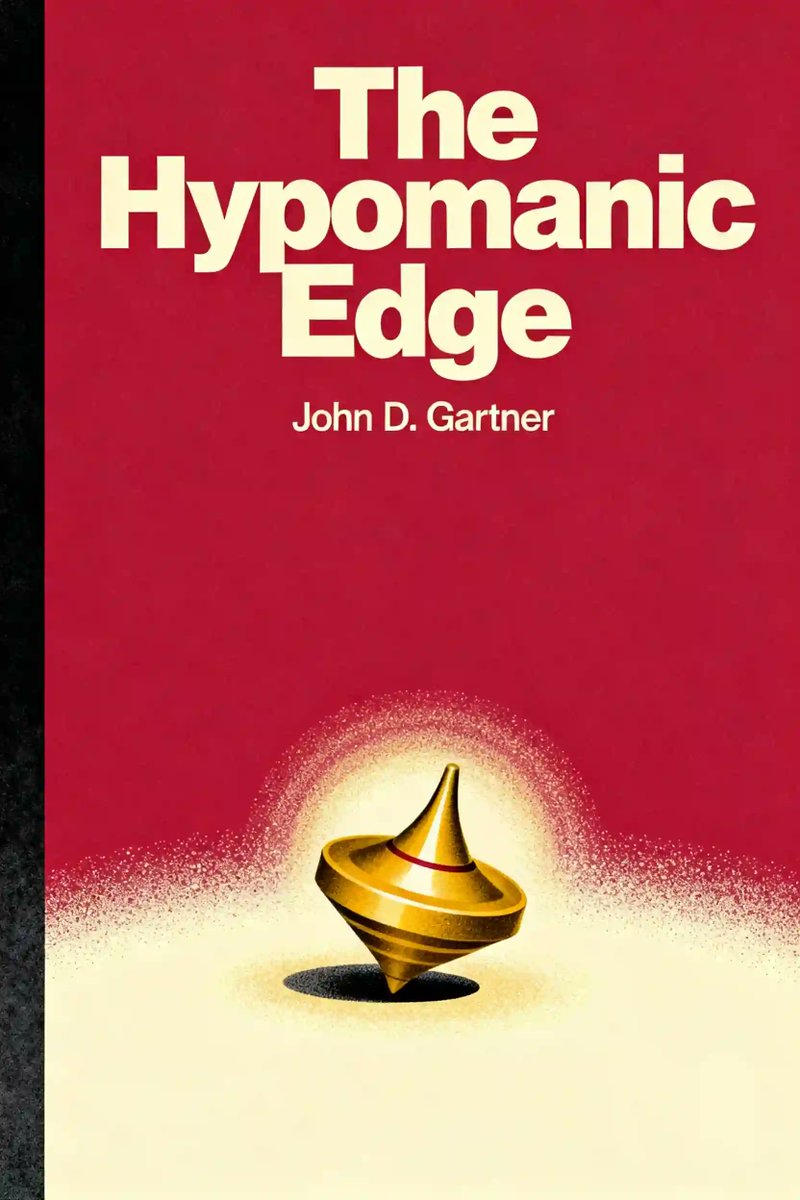
The hypomanic edge is not discussed enough because almost every successful entrepreneur (in a traditional sense) has it, so it's taken for granted. Being a little crazy is required for you to improve your life's situation but it's a double-edged sword. It's like having access to fire. Not everyone with hypomanic traits succeeds, most simply flame out. It's better to approach it as a mild form of bipolar (BD-II) no matter what some crazy person (besides me) on the internet will tell you. Here are some basic concepts in case any of you are interested. First and foremost, BD-II involves disrupted connectivity and activity in certain neural circuits. In the prefrontal cortex (PFC), which encompasses the ventromedial PFC (vmPFC) and dorsolateral PFC (dlPFC) (the vmPFC modulates amygdala activity, while the dlPFC supports planning and decision-making), dlPFC hypoactivity is noticed during depression and also reduced vmPFC-amygdala connectivity which leads to the person having a hard time controlling negative emotions. In hypomania, dlPFC hyperactivity drives impulsivity, and vmPFC overactivation enhances reward sensitivity. Neuroimaging also shows reduced PFC gray matter volume and altered functional connectivity in BD-II. Key note: Glutamate dysregulation (excessive NMDA receptor activity), reduced GABAergic inhibition, dopamine surges impair PFC function while neuroinflammation reduces PFC plasticity. Another trait is increased amygdala excitability (the amygdala processes emotions such as fear, pleasure and reward modulating emotional reactivity). During depression, amygdala hyperactivity amplifies negative emotions, contributing to sadness, anxiety, and rumination. In hypomania, excessive amygdala activation drives reward-seeking, impulsivity and so on. The role of the hippocampus is also interesting, where reduced hippocampal volume and impaired neurogenesis, driven by low BDNF and chronic stress, impair memory and emotional regulation. There are also dysfunctions noted in the DMN (medial PFC, posterior cingulate cortex, precuneus) that mediates self-referential thinking and rumination and the salience network (ACC, insula) that processes emotional and reward-related stimuli. In depression, DMN hyperactivity promotes rumination and negative self-focus, while the salience network is hyperresponsive to negative stimuli, amplifying distress. In hypomania, the salience network overactivates in response to rewards and reduced DMN-dlPFC connectivity impairs emotional regulation. Now let's talk about neurotransmitters. In BD-II there's altered receptor sensitivity so focusing just on "balancing" neurotransmitters can be a mistake. For example during depressive episodes, diminished 5-HT1A receptor binding in the PFC and hippocampus impairs emotional regulation, contributing to symptoms like sadness, anhedonia (loss of pleasure), and suicidal ideation. Low dopamine and norepinephrine levels in the PFC also contribute to apathy and fatigue with norepinephrine dysregulation in the locus coeruleus disrupting arousal as well. GABA-A receptor dysfunction is also noted during depression and lead to excessive neural excitability, manifesting as anxiety, irritability, and poor emotional regulation. In hypomania, increased serotonin turnover may lead to overstimulation of 5-HT2A receptors, driving elevated mood, impulsivity, and risk-taking behaviors. Dopamine also surges in the striatum and nucleus accumbens increasing reward-seeking behavior, impulsivity, euphoria and so on. Excessive glutamate release and NMDA receptor hyperactivity in the PFC, hippocampus and amygdala also increase neuronal excitability, contributing to racing thoughts, impulsivity etc. And on top of these, impaired GABAergic inhibition fails to counterbalance excitatory neurotransmitters like glutamate, amplifying impulsivity even more. Finally excess muscarinic receptor activity is linked to depression and mania, with heightened cholinergic activity contributing to agitation in hypomania. We also need to talk about ion channel dysregulation ( CACNA1C variants, such as rs1006737, are a major risk factor for bipolar disorder (they enhance L-type VGCC activity, increasing calcium influx and glutamate release) and SCN1A/SCN2A variants increase VGSC activity, correlating with hypomania). Voltage-gated calcium channels (VGCCs) and sodium channels (VGSCs) are integral membrane proteins that regulate neuronal excitability, action potential generation and neurotransmitter release. VGCCs (L-type, N-type, P/Q-type, T-type, encoded by CACNA1C, CACNA1D) control calcium influx, modulating glutamate, dopamine and serotonin release in the PFC, amygdala, hippocampus, and striatum. In hypomania, excessive calcium influx via L-type VGCCs amplifies glutamate and dopamine release, increasing neuronal excitability and contributing to racing thoughts, impulsivity and reward-seeking behavior. In depression, impaired calcium signaling disrupts PFC function, reducing excitatory drive and causing cognitive deficits and anhedonia. Excessive calcium in the amygdala amplifies negative emotions as well. Then, VGSCs (Nav1.1, Nav1.2, Nav1.6, encoded by SCN1A, SCN2A, SCN8A) regulate action potential generation and excitatory signaling in the PFC, amygdala, and striatum. In hypomania, overactive VGSCs increase firing rates, amplifying glutamate and dopamine release, leading to racing thoughts and impulsivity. In depression, reduced VGSC activity in the PFC impairs excitatory signaling, contributing to cognitive deficits (2016 study). Mitochondrial dysfunction is also a central feature of BD-II and a very interesting one. First, impaired pyruvate dehydrogenase (PDH) is noted. PDH basically converts pyruvate to acetyl-CoA for the TCA cycle, producing ATP with thiamine pyrophosphate (TPP), derived from vitamin B1 being a critical coenzyme. Impaired function leads to pyruvate accumulation and reliance on glycolysis, elevating lactate levels and causing energy deficits. Magnetic resonance spectroscopy (MRS) studies show elevated lactate in the cortex of BD-II patients. And finally let's talk about the hormonal influences. First low testosterone in men and high testosterone in women with BD-II is noted. BUT, in men with low testosterone, TRT can trigger mania so try to increase your testosterone levels through more "gentle" so to speak lifestyle interventions first. Then, elevated cortisol is often noted and it disrupts PFC and hippocampal function, increasing glutamate excitotoxicity. There's also some evidence that low DHEA and pregnenolone are noted, but these can just be a byproduct of high cortisol. Do they play a role? Of course and low levels will impair inhibitory control. Hypothyroidism or subclinical thyroid dysfunction is also common in BD-II, particularly during depression. Elevated adrenaline in hypomania, driven by norepinephrine surges, also amplifies arousal and impulsivity, disrupting PFC regulation. Now here are some steps/interventions/tests you can consider none of which should be used as a substitute for medical advice. Number 1: Go camping for a weekend if you can. This might sound weird, but just 1 weekend of camping is shown to shift melatonin onset 1.4 hours earlier which is perfect for people with BD-II. Number 2: Bright light first thing in the morning for 15-20 minutes (go outside). Number 3: IR-Sauna during depressive episodes (it's even more effective than working out). Number 4: Avoid stimulants (nicotine included), sugar, gluten, MSG and A1 dairy. Nicotine for example amplifies VGCC/VGSC activity. This also includes supplements that can have quite strong dopaminergic effects. Number 5: Reduces pyruvate/lactate levels by going lower on carbs and using small doses of B1 or going keto. Number 6: Magnesium (500 mg/day) acts as a natural L-type VGCC blocker by binding to the channel’s pore, reducing calcium influx and glutamate excitotoxicity in the PFC, amygdala and hippocampus. It also enhances GABA-A receptor function. Number 7: Taurine (500–1000 mg/day (start with this amount and you can go up to 3 grams)): Modulates VGCCs/VGSCs and GABA. Number 8: Lithium orotate (start with just 2.5mg and go to 5mg if you don't notice anything after 10 days) inhibits inositol monophosphatase and glycogen synthase kinase-3 (GSK-3), reducing IP3-mediated calcium release from ER stores. It also downregulates L-type VGCCs, decreasing calcium influx and glutamate release in the PFC and amygdala. Number 9: Go measure your vitamin D levels. Vitamin D regulates CACNA1C expression and calcium signaling (vitamin D deficiency is linked to increased VGCC activity and mood instability in bipolar disorder). Number 10: NAC (mitigates glutamate excitotoxicity). Number 11: L-Theanine/lemon balm/valerian/chamomile (enhance GABA). Number 12: Check your ferritin. Number 13: Check for vanadium. Number 14: Ignore social media if you don't use them for anything serious. Number 15: Consider using 10mg of PLP and go up to 20mg. Number 16: Blackseed oil. Number 17: Whole food vitamin C. Number 18: Managing exposure to nnEMFs. Number 19: Eat breakfast (to prevent any excessive and pointless cortisol spike) and don't fast. That's all, these were the absolute basics. But: DO NOT use any strong serotonergic supplement/tool when depressed if you have BD-II because you might induce hypomania. Point being: Self-made success and craziness are close siblings. Study it, understand it and control it.
George Ferman tweet mediaGeorge Ferman tweet media
English
6
26
272
12.5K
Noah Ryan
Noah Ryan@NoahRyanCo·
You need to be more disagreeable. Stop saying sorry. Don’t be the first to move out of the way. Say no more. Ask why. Have strong boundaries and stick to them. Do not be afraid to ask for what you want. Niceties work in a high trust society but assertiveness is an essential for the world we live in
English
48
303
3.2K
96.5K
Abud Bakri MD
Abud Bakri MD@AbudBakri·
Is there a demand for this? Lab work, peptides, customized health protocols designed by yours truly Let me know!
CV@CryptoSrm

@AbudBakri Excited about your online clinic launch. I hope soon is really soon :)

English
72
6
483
47.2K
Noah Ryan
Noah Ryan@NoahRyanCo·
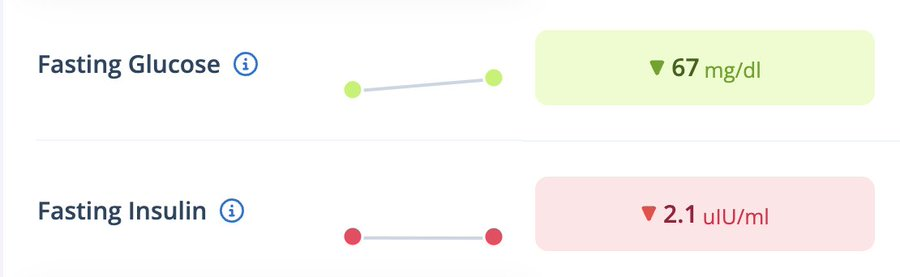
I 5x'ed my fruit intake my metabolic markers looked like somebody in ketosis (99th percentile) Carbs don't cause insulin resistance. Combining carbs, fats and a sedentary lifestyle does.
Noah Ryan tweet media
Noah Ryan@NoahRyanCo

Microdosing fruit throughout the day will give you smoother, steadier energy than any nootropic. Mimics the effects of fasting without the manic feeling or crash. Spares protein (muscle) breakdown too. An apple an hour gives you great power

English
26
27
661
84.5K
Noah Ryan
Noah Ryan@NoahRyanCo·
What is the best AI task manager setup for juggling to-dos, scheduling tasks etc?
English
25
0
51
16.4K
Abud Bakri MD
Abud Bakri MD@AbudBakri·
Opioids 💊 lower testosterone 🐂 centrally Keep this in mind Low LH and FSH 🧠 Only 50% of the doctors taking this test picked up on it 😳 Are these TRT pill mills screening?
Abud Bakri MD tweet media
English
11
8
80
37.4K
Denis, NP 💉 Lifestyle Design
Denis, NP 💉 Lifestyle Design@Denis_protocol·
The tentacles of testosterone are more far-reaching than the common low-T denier cares to admit. In 2016 I started reaching out to pain clinics. Huge population base. Their patients who were able to get on T basically cut their pain meds in half. Some could get off. It's not only the objective findings we have associated between testosterone-opiates but the subjective relationship with pain; the deep-rooted psychological one that is more difficult to translate. The fact that you not only can get out of bed with less pain but want to. The likelihood that you see more and more illusions in the story that got you tied down in the first place. Now flip the switch and that we know that stress leads to hypogonadism and that we know that long term pain opioid use leads to hypogonadism... It should be basic practice to monitor as an HRT specialist would. There is a local pain practice that does just this. There are others who have woken up to these facts and refer out. There is but one real issue here and that is that Who controls the opiates? Who pays for that? --> they currently have no interest in covering more than they need to cover AKA testosterone and everything that comes along with it --> though if the goal is truly the wellness of a patient it would be the first thing they do; if their goal was to distribute less narcotics. So this leaves us with - providers who need to/ want to be/ have the audacity to be educated and to take action - patients who get appropriately educated that there are pretty predictable risks, with really accessible solutions - which they can go about finding on their own The TRT mills screen so they don't get sued The opioid pill mills should be screening if they know what's good for them. But the focus (of the clinics around here) seems to be on dispensing and on abuse/ tox screen $ while seeing as many patients as possible... not to blanket-statement because there are definitely good ones.
English
3
5
11
4.7K
Gator | Dentist
Gator | Dentist@theNOBSdentist·
Some of you already knew who’s behind this account, but after a few alarming DMs, I figured it’s time to just lean in. So, no more mystery: I’m Ilon (pronounced like Elon), a real dentist in Miami. I’ve been extremely fortunate to serve my community, make incredible friends, and treat patients I looked up to as a child. Things have evolved quite a bit since starting this account, so I’m not accepting new patients anymore, sorry to disappoint. We’ve got some very exciting things in the works for the brand, but now you know I’m real. Also I got married in June:
Gator | Dentist tweet media
English
243
51
2.7K
398.4K
Abud Bakri MD
Abud Bakri MD@AbudBakri·
Better light Better peptides Better hormones Can’t lose
English
7
5
159
10.1K
Denis, NP 💉 Lifestyle Design
Denis, NP 💉 Lifestyle Design@Denis_protocol·
<3 Have this person read this thread and do a dive into the subject-matter - especially now that there are easy GPT's that can sum things up for everyone... I'm no cardiologist If he's interested, it’s definitely reasonable to bring up with the cardiologist, they’ll know whether the potential benefits outweigh the vascular-acting risks in his specific situation.
English
1
0
0
64
Yutaka Culinary
Yutaka Culinary@Yutaka_Culinary·
Denis, recently found your page not too long ago and love all the knowledge you share. Question: would low dose (2.5-5mg) tadalafil be worthwhile for an elderly male with a heart aneurysm and dilated artery? I want to suggest that this person bring it up to their cardiologist, but unsure if those two factors might make it too risky and not worthwhile since the low dose is off-label and not many are familiar with it.
English
1
0
0
97
Denis, NP 💉 Lifestyle Design
Denis, NP 💉 Lifestyle Design@Denis_protocol·
If you're taking Cialis for erections you're doing it wrong that's just a bonus 🧵Longevity Secrets of tadalafil aka Cialis 👇 Follow the 🍆
English
31
64
415
247.4K
Abud Bakri MD
Abud Bakri MD@AbudBakri·
Talking about general protein recommendations is hard when there are so many factors that influence much nitrogen you’re able to retain Are we talking about prisoners who barely get enough protein yet are jacked? Or the old lady who eats 250g a day and still nothing?
Abud Bakri MD tweet media
Abud Bakri MD@AbudBakri

Maybe if you had sufficient androgens and insulin sensitivity, you wouldn’t need to be eating so much protein just to look like you kinda lift Both of those factors start in the mitochondria
English
21
13
282
72.3K
Andra
Andra@BioavailableNd·
I can’t wait for another Balkan summer: terrace nights with creamy pastries, milk, cola and coffee on rotation, my grandmother’s sweet stories, sticky hands from sour cherries, driving a Dacia to the beach with cousins. Was it worth it leaving it all behind for a “better life”?
English
30
8
616
51.3K
BowTied Biohacker
BowTied Biohacker@BowTiedUM·
Lifting increases DHT through multiple biosynthesis pathways! Testosterone a great musclebuilder/prohormone that is converted to DHT via 5a reductase and gets all the credit for what DHT and its metabolites do. This matters because DHT has dropped 75% (not proportionate to the Testosterone decline) since the 80s This is why 18 year olds don't look like men anymore The pheromones that make women attracted men are derived from DHT DHT is the reason why, after adjusting for IQ differences, the best chess players, engineers and programmers are men DHT metabolizes in to neurosteroids (yes, steroids that make your brain masculine) like 3a-androstanediol and androsterone that improve working memory, visual-spatial reasoning, logic, and risk tolerance. DHT's suppressive effect on the HPA axis is why men are traditionally resilient to stress (Lowers ACTH/cortisol) DHT's adiol metabolites are GABA-A PAMs (benzodiazepine-esque effect) - which make men calm, confident, and grounded DHT enhances dopaminergic tone via non-genomic mechanisms (e.g., G-protein coupled ARs), improving motivation, drive, and pleasure. It sharpens pattern recognition, ambition, and goal-directed behavior. This is why men are driven to build epic things (Like the UPB framework) And if we don't start talking about the systemic attack on DHT and the 5AR enzyme, at best we'll have passive-agressive high testosterone men with muscles that behave more like women, and at worst? We don't even want to think about that.
BowTied Biohacker tweet media
English
8
18
123
12.2K
Freedomain - with Stefan Molyneux, MA
Lifting increases testosterone, which means you will attract a more feminine woman - which means life without being controlled and nagged. Beautiful!
English
89
159
4.2K
182.3K
TJ Bongiorno
TJ Bongiorno@TJ_Bongiorno·
Do you use nicotine in any form? If so, did you know that using it increases metabolic activity and stress hormone levels, which can accelerate the depletion of key nutrients, such as B vitamins, magnesium, and antioxidants? 3-Plenic by @LiveAurenza was explicitly formulated to help replenish what nicotine usage depletes And, as of this morning, it is finally available for purchase Code: livewell will give you free expedited shipping at checkout link + preview of formula below
English
13
19
145
81.1K