Downcen@DownceC
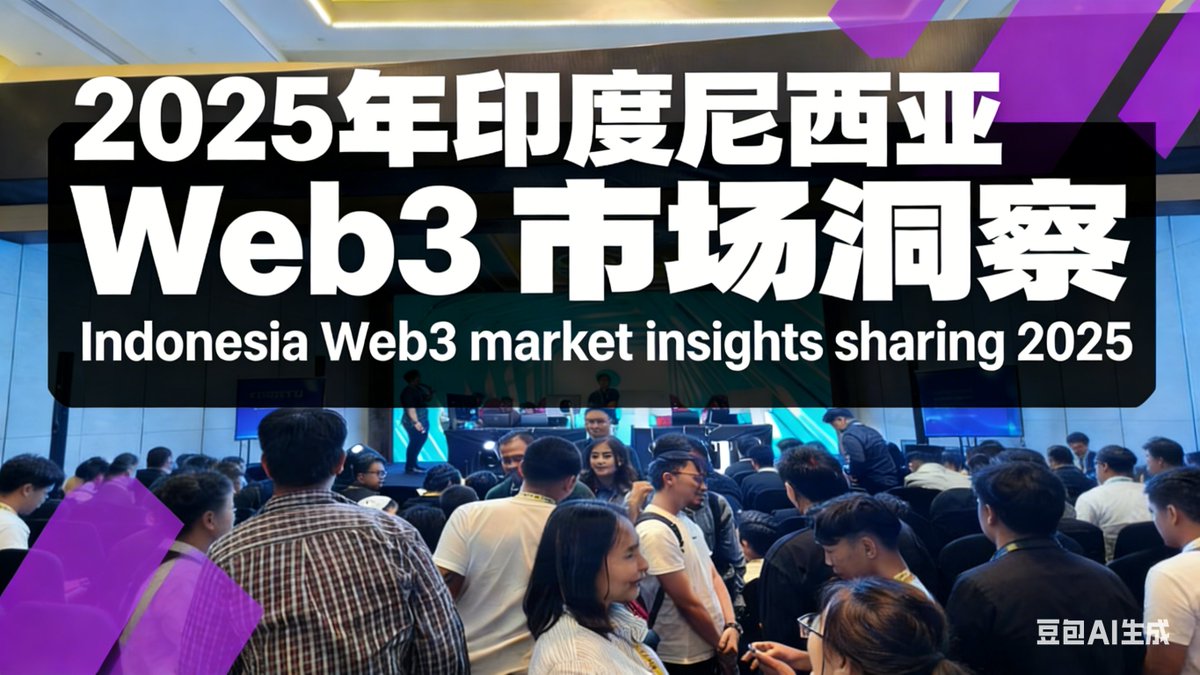
作为区域经理,我们每个季度都要做市场洞察报告。2026年已来,给大家分享一个2025年尾进行的一次印尼市场洞察报告,帮助大家以web3钱包的视角来更好理解印尼这个市场:
印尼关键词:年轻/人多/FOMO/东南亚第一空投市场/加密税收合法化国家/有挑战性的payfi市场
1. 宏观底色:数字原住民的“超级主场” 印尼拥有 2.78 亿人口,世界第四。最核心的竞争力在于其人口结构——平均年龄仅 29 岁。
GDP 增速: 稳健保持在 5%。
基础设施: 移动互联网用户超 2 亿,QRIS(通用二维码支付)渗透率极高。这种成熟的数字支付习惯,为 Web3 应用的无缝接入提供了天然土壤。
2. 关键转折:加密账户正式超越股票账户 一个里程碑式的信号:印尼加密投资者账户(约 2160 万)已正式超过股票投资者账户(约 1932 万)。 在印尼的crypto用户中,相当大的群体在同时投资股票+crypto。去年,当地加密交易额同比增长高达 352%,其中 43% 的资金流来自专业交易者。
3. 核心用户画像:投机、勤奋与 FOMO 并存
空投猎人 (50%): 极度勤奋,追求奖励。由于雅加达咖啡师月薪约 $180-$250,所以用户对 Gas 费和交易成本表现出极高的敏感度。关于空投英雄如何改变自己命运的故事在印尼备受推崇。
Meme 交易者 (20%): 受强烈的 FOMO 文化驱动,高度依赖 Telegram Trading Bot。他们追求“秒级交易”,即在社群信号发出后,能在同一界面立即完成闭环。
股票交易者 (80%+ 重合度): 这是一个被忽视的群体。大部分印尼 Web3 活跃用户同时也是股民。目前,市场急需能将传统股市流动性与链上生态连接的 RWA(实物资产代币化)产品。
TOP4 TG trading bot:
@solana_trojanbot
@based_eth_bot
@BananaGunSniper_bot
@MaestroSniperBot
4. 成本驱动:链上生态的效率优势 印尼的监管环境正从 BAPPEBTI 平稳过渡到 OJK。目前的税务结构差异,正在显著影响用户的路径选择:
本地持牌平台: 出入金综合税率约 0.21%,自动代缴,所以是印尼非常受欢迎的交易方式
全球化路径: 面对较高的差额税率,核心交易用户正在加速向**非托管钱包(DEX)**迁移。 这并非简单的合规避让,而是用户在追求更低摩擦、更高效率的“链上交易路径”。
TOP5 ID Local exchange:
@indodax
@Tokocrypto
@PintuID
@reku_id
@ajaib_investasi
5. PayFi 的机遇:QRIS 带来的降维打击 印尼的 QRIS 支付接受度极高,这为 PayFi(支付金融)留下了巨大的想象空间。
挑战: 传统 OTC 费率已低至 0.2% 左右。
机遇: 谁能利用 Web3 资产实现比传统支付更具竞争力的费率,并解决 P2P 出金的安全性问题,谁就能吞下印尼的消费支付市场。
TOP crypto card:
PEXX
Tevau
RedotPay
6. 社交影响力:KOL 远超传统广告 印尼是一个极其注重“社群(Community)”的市场。
传播链条: Telegram/Discord 提供信号 -> TikTok/Instagram 放大声量。
决策逻辑: 用户更倾向于跟随本地社群领袖(如 Tomket Lovers 等)的引导,而非单一的品牌广告。
TOP5 airdrop community:
@Airdropfinds
@TomketLovers
@laludonialfiandi
@bangpateng_airdrop
@duta_crypto
总结:印尼市场的成功逻辑 要在印尼市场突围,产品必须满足三个极致:极低的交易摩擦、极强的奖励激励、极简的轻量化体验。
As regional managers, we prepare market insight reports every quarter. Now that 2026 is here, I'd like to share a market insight report on Indonesia conducted at the end of 2025 to help you better understand the Indonesian market from a web3 wallet perspective:
Indonesia Keywords: #Young/#LargePopulation/#FOMO/#SEA No.1 Airdrop Market/#Country with Legalized Crypto Taxes/#Challenging PayFi Market
1. Macro Background: A "Super Home Ground" for Digital Natives Indonesia has a population of 278 million, ranking fourth in the world. Its core competitive advantage lies in its population structure—an average age of only 29.
GDP Growth Rate: Steadily maintained at 5%.
Infrastructure: Over 200 million mobile internet users, with extremely high QRIS (QR code payment) penetration. This mature digital payment habit provides fertile ground for the seamless integration of Web3 applications.
2. Key Turning Point: Crypto Accounts Officially Surpass Stock Accounts A milestone signal: Indonesian crypto investor accounts (approximately 21.6 million) have officially surpassed stock investor accounts (approximately 19.32 million). Among crypto users in Indonesia, a significant group invests in both stocks and cryptocurrencies. Last year, local crypto trading volume increased by a staggering 352% year-on-year, with 43% of the funds flowing in from professional traders.
3. Core User Profile: Speculation, Diligence, and FOMO Coexist
Airdrop Hunters (50%): Extremely diligent, driven by reward. Given that a barista in Jakarta earns approximately $180-$250 per month, users are highly sensitive to gas fees and transaction costs. Stories of how airdrop heroes changed their lives are widely admired in Indonesia.
Meme Traders (20%): Driven by a strong FOMO culture, heavily reliant on Telegram Trading Bots. They pursue "second-level trading," meaning the ability to complete a closed loop on the same interface immediately after a community signal is sent.
Stock Traders (80%+ Overlap): This is an overlooked group. Most active Web3 users in Indonesia are also stock market investors. Currently, the market urgently needs RWA (Real Asset Tokenization) products that can connect traditional stock market liquidity with on-chain ecosystems.
TOP4 TG trading bots:
@solana_trojanbot
@based_eth_bot
@BananaGunSniper_bot
@MaestroSniperBot
4. Cost-Driven: The Efficiency Advantages of On-Chain Ecosystems Indonesia's regulatory environment is smoothly transitioning from BAPPEBTI to OJK. Current tax structure differences are significantly impacting users' trading paths:
Locally Licensed Platforms: The combined deposit and withdrawal tax rate is approximately 0.21%, with automatic tax payment, making it a very popular trading method in Indonesia.
Global Path: Faced with higher differential tax rates, core trading users are accelerating their migration to DEX. This is not simply compliance avoidance, but rather users pursuing a lower-friction, higher-efficiency "on-chain trading path".
TOP 5 ID Local Exchange :
@indodax
@Tokocrypto
@PintuID
@reku_id
@ajaib_investasi
5. PayFi Opportunity: The Disruptive Impact of QRIS QRIS payment acceptance is extremely high in Indonesia, leaving enormous potential for PayFi (payment finance).
Challenge: Traditional OTC fees are already as low as around 0.2%.
Opportunity: Whoever can leverage Web3 assets to achieve more competitive fees than traditional payments and solve the security issues of P2P withdrawals will dominate the Indonesian consumer payment market.
TOP Crypto Cards:
@PEXX_Official
@Tevau_Official
@RedotPay
6. Social Influence: KOLs Far Surpass Traditional Advertising Indonesia is a market that highly values "community."
Spread Chain: Telegram/Discord provides the signal -> TikTok/Instagram amplifies the impact.
Decision-making logic: Users are more inclined to follow the guidance of local community leaders (such as Tomket Lovers) rather than single brand advertisements.
TOP 5 Airdrop communities:
@Airdropfinds
@TomketLovers
@laludonialfiandi
@bangpateng_airdrop
@duta_crypto
Summary: The success logic in the Indonesian market. To break through in the Indonesian market, a product must meet three extremes: extremely low transaction friction, extremely strong reward incentives, and an extremely simple and lightweight experience.