Dr. Yamil Matuk

468 posts

Dr. Yamil Matuk banner
Dr. Yamil Matuk

Dr. Yamil Matuk

@DrMatukNeuro

Neurólogo, alto especialista en Enfermedad de Parkinson, trastornos del movimiento y enfermedades neurodegenerativas. Tel: 4421933181.

Querétaro, Querétaro Arteaga Katılım Nisan 2023
243 Takip Edilen75 Takipçiler
Dr. Yamil Matuk
Dr. Yamil Matuk@DrMatukNeuro·
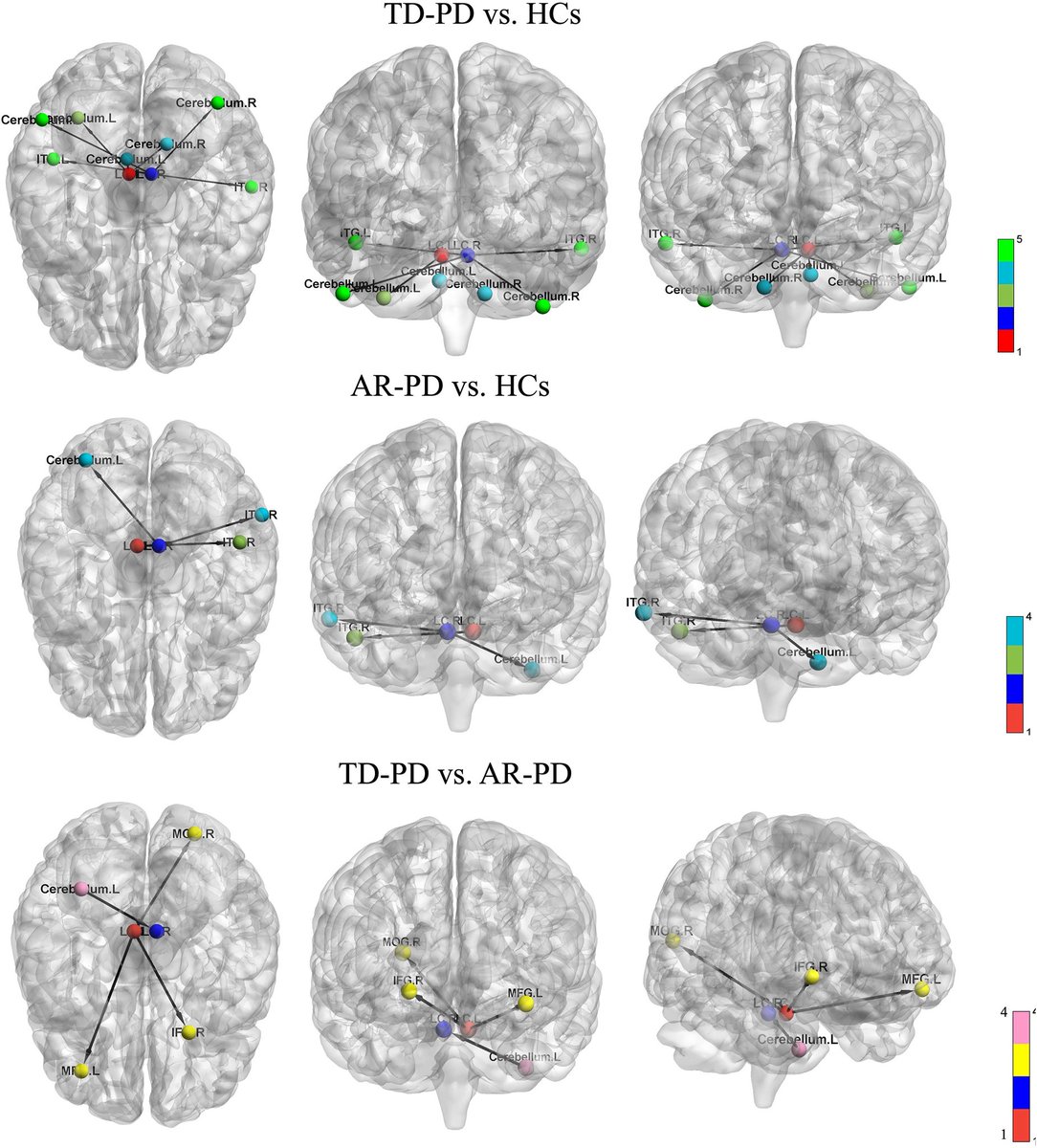
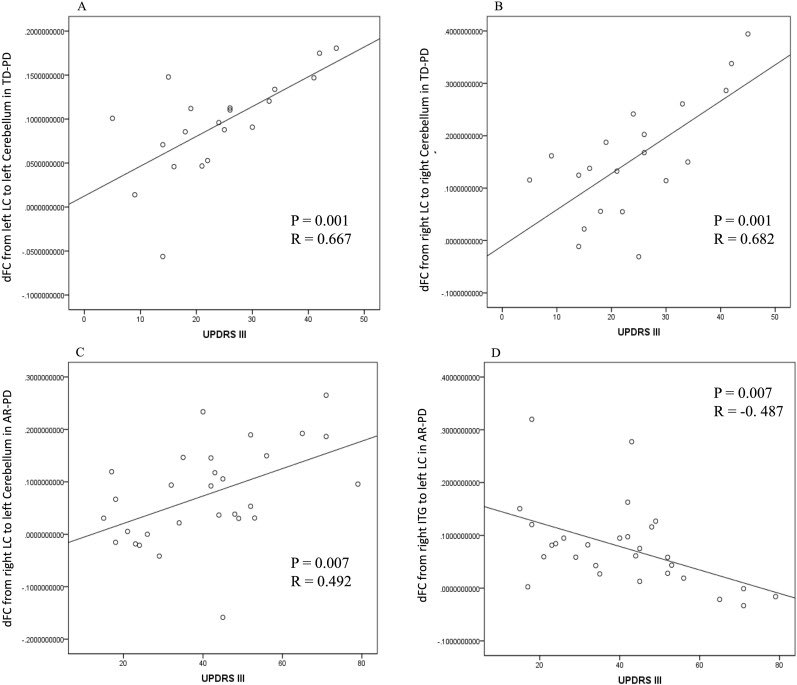
Un orgullo publicar este artículo con mis compañeros clínicos e investigadores en @ParkinsonismD , concluimos: 1.- Antecedente de traumatismo craneoencefálico repetido (≥2 TCE) se asoció con mayor riesgo de desarrollar enfermedad de Parkinson, aumentando más del doble la probabilidad de padecerla. 2.- Los hombres con antecedente de TCE mostraron una asociación significativamente mayor con Parkinson comparado con mujeres, sugiriendo diferencias biológicas y ambientales relacionadas con el sexo. 3.- El estudio refuerza la hipótesis de que el TCE podría actuar como factor ambiental no genético en Parkinson, posiblemente mediante neuroinflamación crónica y acumulación de alfa-sinucleína, aunque se requieren estudios longitudinales para demostrar causalidad.
Dr. Yamil Matuk tweet media
Español
0
1
4
130
Dr. Yamil Matuk
Dr. Yamil Matuk@DrMatukNeuro·
@LuisOliverio En cuanto al avance, trístemente, me atrevo a decir prácticamente nada…
Español
0
0
3
98
Oliverio
Oliverio@LuisOliverio·
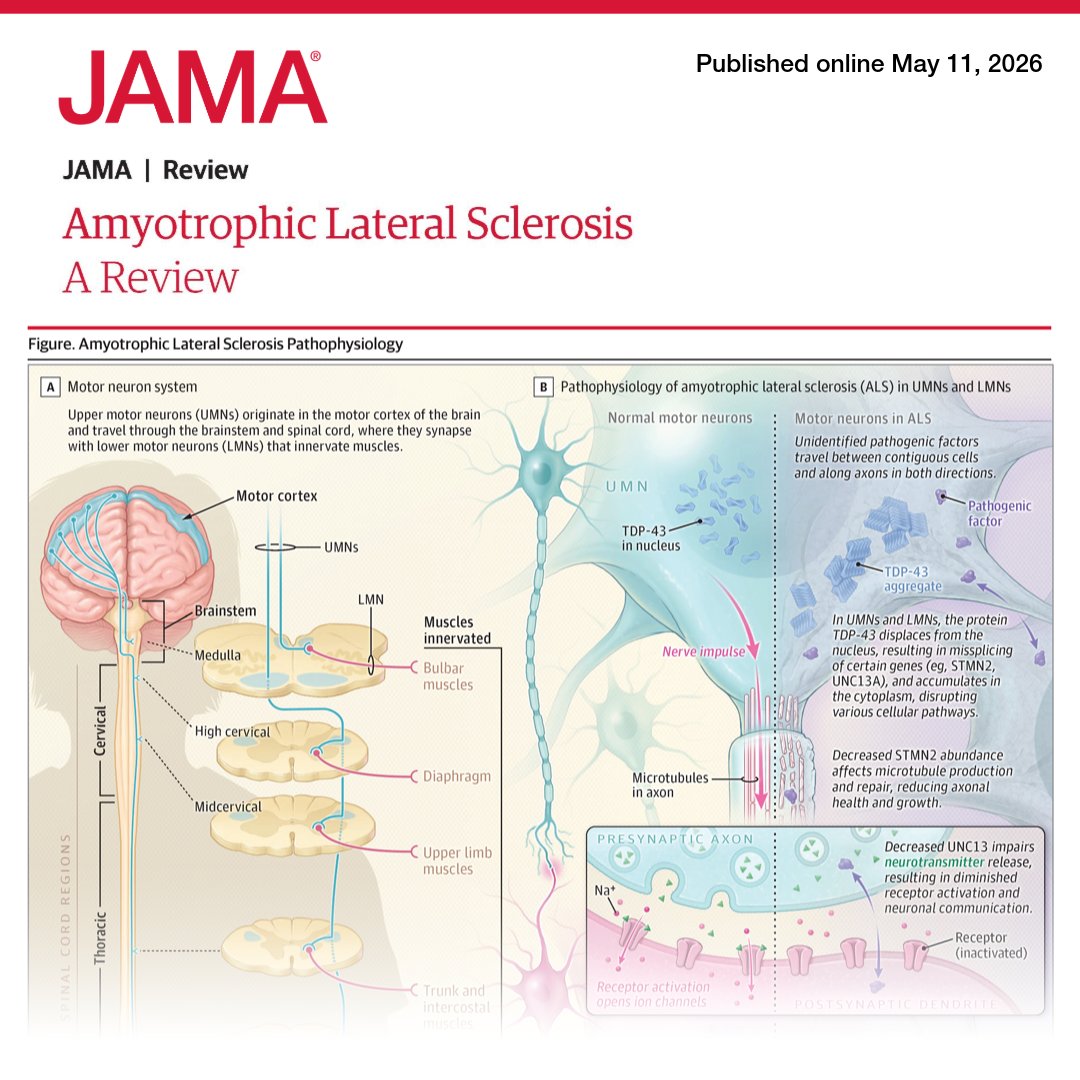
La revisión de hoy de Esclerosis Lateral Amiotrófica (ELA), una interesante y fatal enfermedad en la que hemos avanzado... casi nada. De JAMA (2026). Puntos clave: 🔴 La sospecha inicial debe enfocarse en la coexistencia progresiva e indolora de signos de motoneurona superior (espasticidad, hiperreflexia, reflejos patológicos) y motoneurona inferior (atrofia, debilidad, fasciculaciones, hiporreflexia). Primero suele ser focal, pero se disemina con el tiempo. 🔴El diagnóstico sigue siendo predominantemente clínico. La electromiografía es la herramienta de apoyo principal para demostrar denervación activa y reinervación crónica, pero sobre todo, es vital para excluir diagnósticos diferenciales (miopatías, neuropatías, miastenia). No existe ningún biomarcador diagnóstico definitivo. 🔴 Idealmente incluir paneles genéticos a todos los pacientes diagnosticados con ELA, no solo a los que tienen historia familiar. Aunque el 85% de los casos son esporádicos, identificar variantes genéticas es importante. El gen SOD1 tiene una diana terapéutica ya. 🔴 Hay +60 genes asociados a la ELA, pero el hallazgo neuropatológico en 97% es la mislocalización nuclear y la agregación citoplasmática de la proteína TDP-43 🔴 Sigue siendo fatal con una supervivencia de 3-5 años. Los fármacos orales aprobados (Riluzol y Edaravona) ofrecen un beneficio clínico apenas marginal. El manejo sintomático mediante equipos multidisciplinarios impacta más en la supervivencia. Tofersén es prometedor, una terapia antisentido intratecal que disminuye la progresión exclusivamente en el subgrupo de pacientes con mutación SOD1. Pueden leerlo completo en el canal (t.me/memodiappartic…).
Oliverio tweet mediaOliverio tweet media
Español
1
96
426
17.3K
Dr. Yamil Matuk retweetledi
Yana
Yana@NorthCaliGurl·
Mozart: Piano Concerto No. 23: II. Adagio Composed in 1786 Hélène Grimaud youtu.be/j8e0fBlvEMQ?si… via @YouTube
YouTube video
YouTube
Română
0
1
0
100
Dr. Yamil Matuk retweetledi
JAMA Neurology
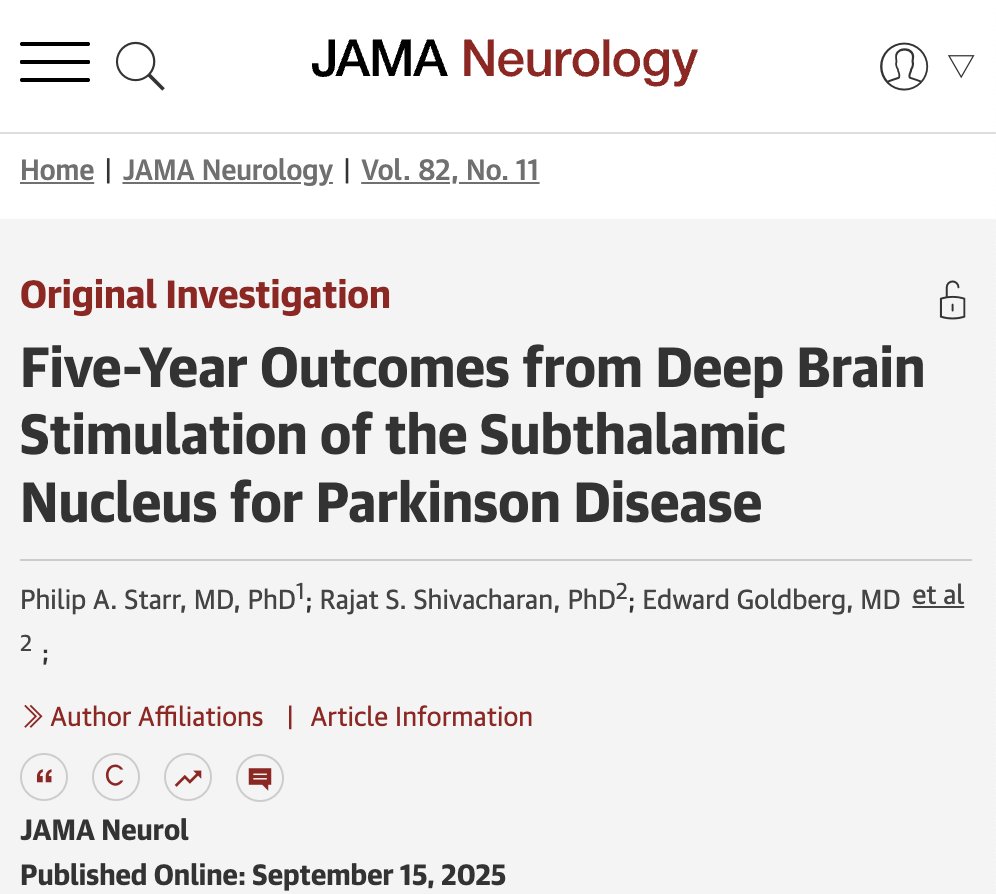
JAMA Neurology@JAMANeuro·
From JAMA: Amyotrophic lateral sclerosis (#ALS) is an adult-onset neurodegenerative disorder characterized by progressive muscle weakness due to degeneration of upper motor neurons in the brain and lower motor neurons in the brainstem and spinal cord. ja.ma/4eEd8rM
JAMA Neurology tweet media
English
2
58
175
8.2K
Dr. Yamil Matuk retweetledi
Epileptic Disorders
Epileptic Disorders@EpiDisorders·
Seizures are described as with or without observable manifestations (basic) or by the chronological sequence of semiology (expanded). READ THIS INFORMATIVE PAPER. Click the link doi.org/10.1002/epd2.7…
Epileptic Disorders tweet media
English

1
33
76
2.9K
Dr. Yamil Matuk retweetledi
Michael Okun
Michael Okun@MichaelOkun·
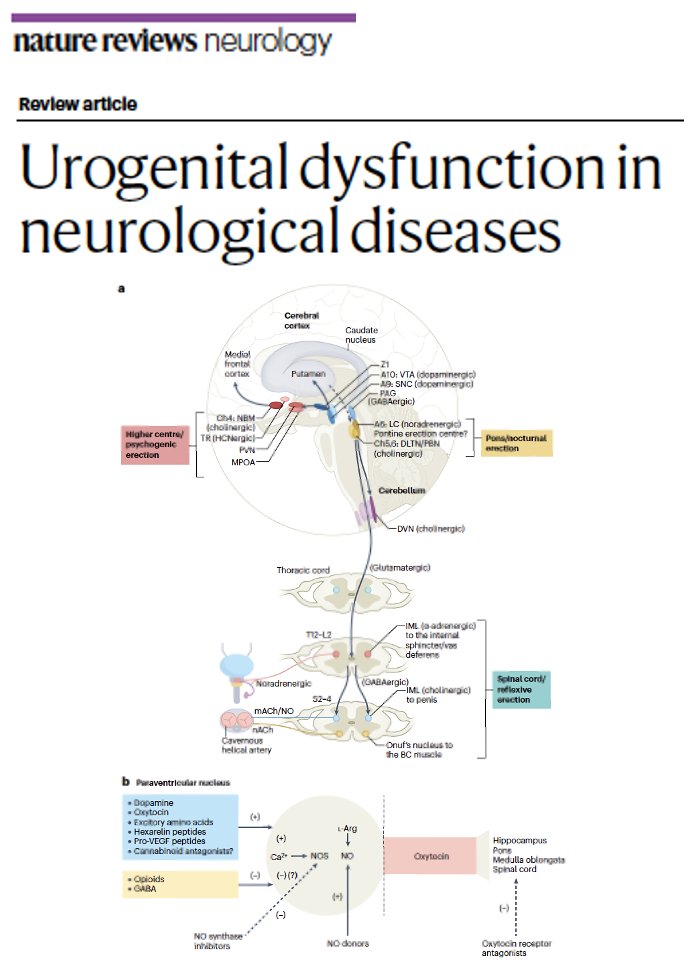
Bladder and sexual symptoms are frequently brain symptoms hiding in plain sight. The nervous system includes the brain, spinal cord and nerves that control how organs function, including urination and sexual response. Sakakibara and colleagues describe in a new paper in Nature Reviews Neurology how urogenital dysfunction is tightly linked to the brain and broader nervous system in neurological disease. Key Points: - The bladder and sexual organs are under both automatic and voluntary brain control, making them unique among body systems. - Brain circuits involving the prefrontal cortex, basal ganglia and brainstem actively regulate storage and voiding, and disruption leads to symptoms like urgency or retention. - Dopamine and other neurotransmitters that are central to disorders like Parkinson’s disease also directly influence bladder control and sexual function. My take: We too frequently think about bladder and sexual dysfunction as local organ problems, however this paper reinforces they can be brain/nervous system network problems. If we miss this connection, we miss early diagnosis, better treatments and a chance to improve quality of life in a meaningful way. Here are 5 points that resonated w/ me: 1- Bladder symptoms may be an early signal of brain disease and should trigger a neurological lens. 2- Sexual dysfunction is tightly linked to brain circuits for emotion, motivation and dopamine signaling. 3- Conditions like Parkinson’s disease, stroke and dementia frequently disrupt these networks leading to urogenital symptoms. 4- Treating the brain and not just the bladder or genital organs may lead to better outcomes for many folks. 5- Health care providers should routinely ask about these symptoms as they are common, underreported and highly treatable. nature.com/articles/s4158… #parkinson @ParkinsonDotOrg
Michael Okun tweet media
English

4
81
304
15K
Dr. Yamil Matuk retweetledi
Stanford Neurology & Neurological Sciences
Jake Sossamon, PGY-1 Stanford Neurology resident, has launched The History of Neurology Podcast to explore the human drama, wartime breakthroughs, and accidental discoveries that shaped our specialty. Episode 1: "The 'L' is Not Silent: The Secret History of Guillain-Barré" can be found on Spotify, Apple Podcasts, or Amazon Podcasts. podcasts.apple.com/us/podcast/his…
Stanford Neurology & Neurological Sciences tweet media
English
1
15
41
2.2K
Dr. Yamil Matuk retweetledi
Mauricio Ambriz
Mauricio Ambriz@AmbrizMau·
Mecanismo de acción de la neurotoxina botulínica en la unión neuromuscular: N Engl J Med 2026;394:1011-7.
Mauricio Ambriz tweet media
Español
0
40
237
7.4K
Dr. Yamil Matuk retweetledi
Neurochecklists
Neurochecklists@neurochecklists·
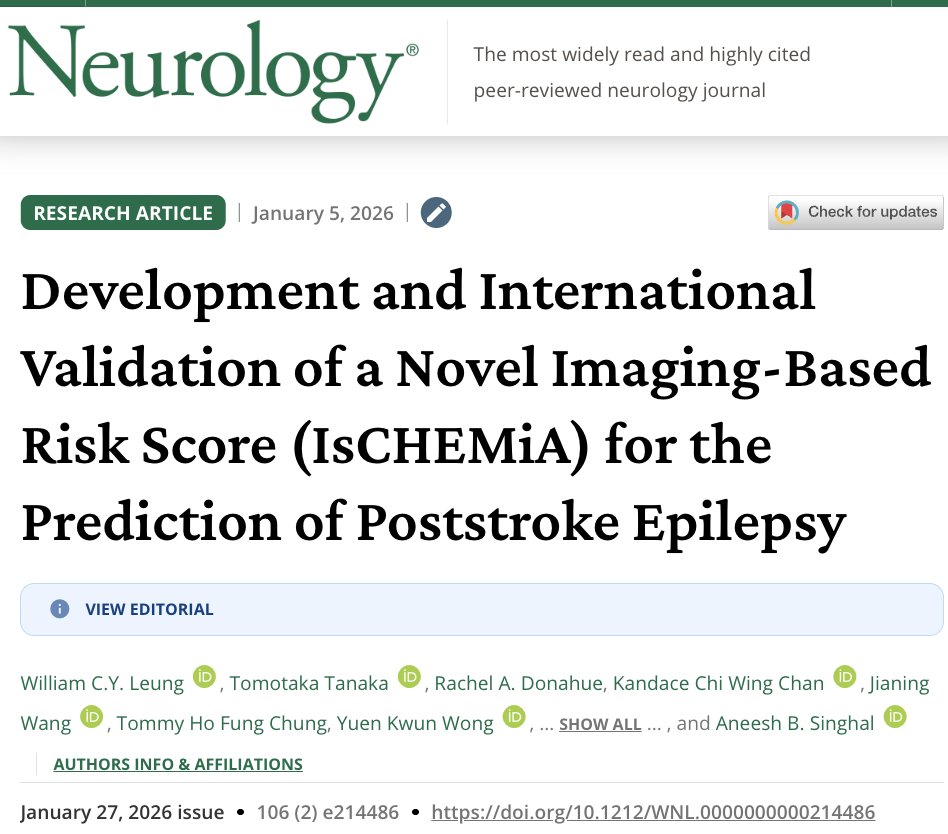
Development and International Validation of a Novel Imaging-Based Risk Score (IsCHEMiA) for the Prediction of Poststroke Epilepsy | Neurology neurology.org/doi/10.1212/WN…
Neurochecklists tweet media
English
1
10
44
1.9K
Dr. Yamil Matuk retweetledi
nature
nature@Nature·
Parkinson’s disease has the fastest-growing prevalence of any neurodegenerative disorder worldwide go.nature.com/4r0zozh
English
11
112
285
26.8K
Dr. Yamil Matuk retweetledi
Movement Disorders Clinical Practice
For people with Parkinson’s, quality of life is personal, adaptable, and shaped by what supports their well-being. Health can help or hinder it. Listening to these perspectives can improve care, interventions, and how we measure what truly matters. loom.ly/H4PJcTU
English
0
3
5
614
Dr. Yamil Matuk retweetledi
JAMA
JAMA@JAMA_current·
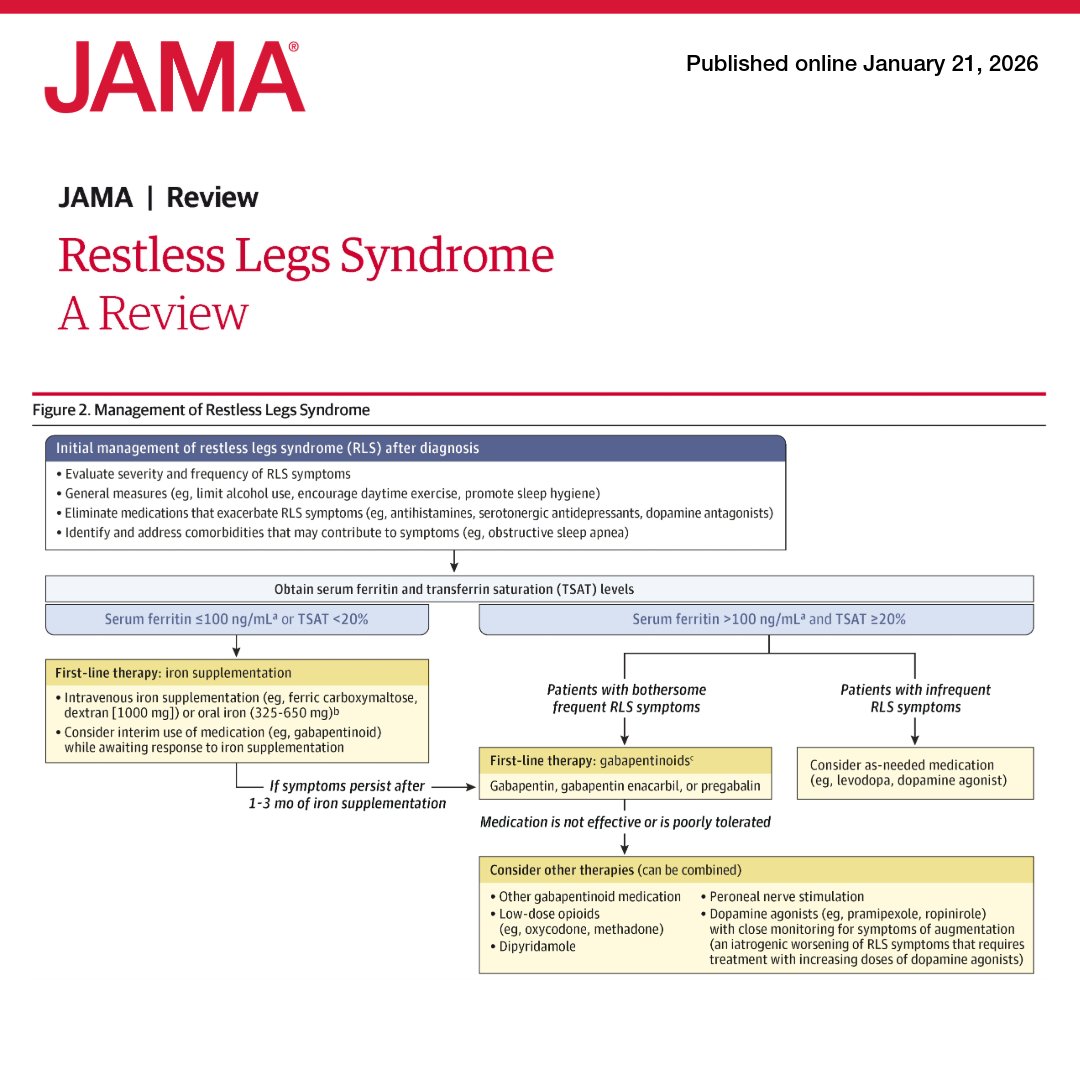
Restless legs syndrome (RLS), a sleep-related movement disorder, is present in approximately 3% of adults worldwide. 📌 This Review summarizes the pathophysiology, epidemiology, risk factors, diagnosis, treatment, and prognosis of RLS: ja.ma/4jXiPBv
JAMA tweet media
English
0
41
145
15.2K
Dr. Yamil Matuk retweetledi
JAMA
JAMA@JAMA_current·
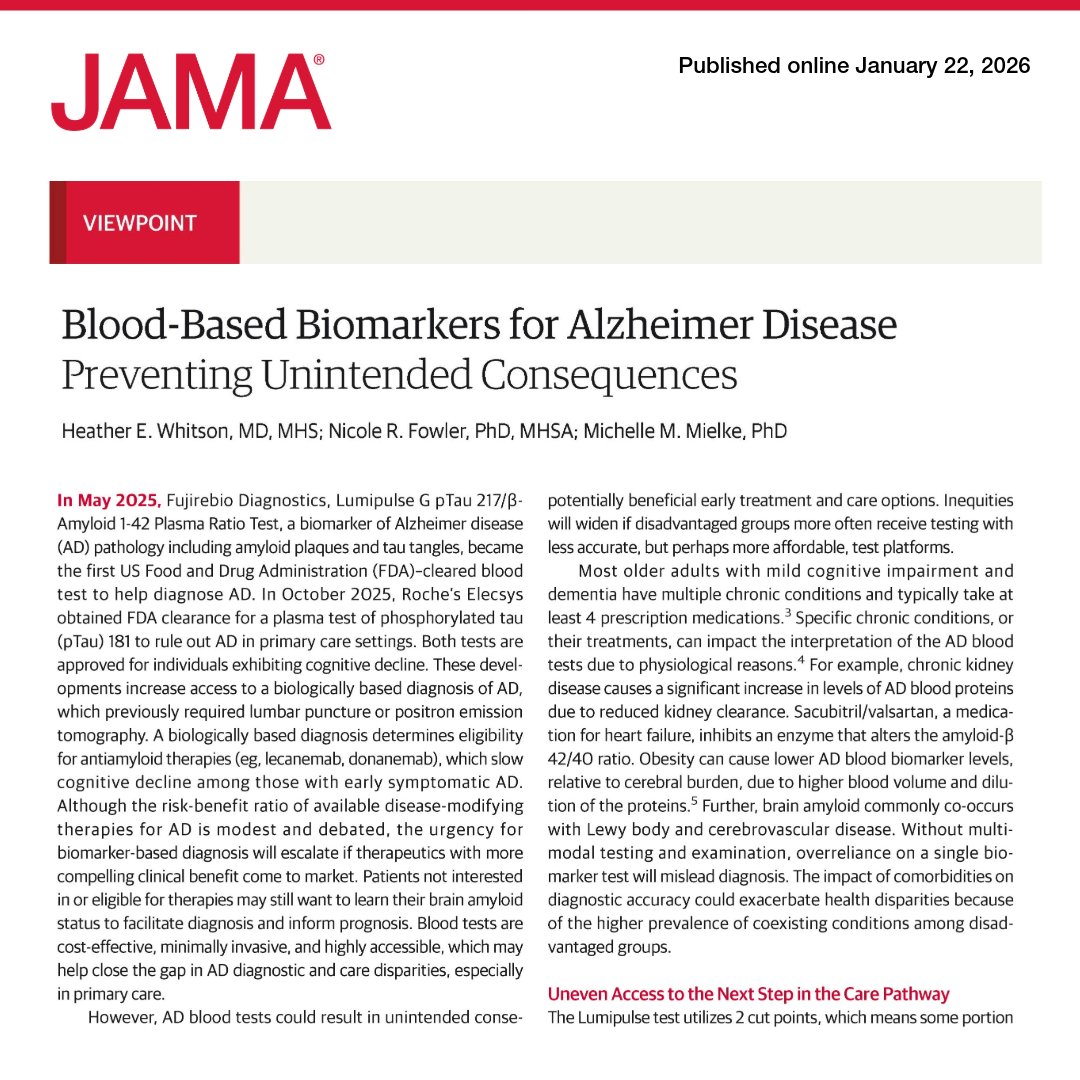
💬 Viewpoint: FDA-cleared blood tests for #AlzheimerDisease improve diagnostic access but may lead to misdiagnosis, disparities, and legal or psychological harms without careful risk mitigation. ja.ma/4k1WnY2
JAMA tweet media
English
4
32
77
9.5K