Galadhrin

4.3K posts

Galadhrin banner
Galadhrin

Galadhrin

@Galadhrin1

Eastern Orthodox Christian, husband, father, Tolkien fan, history buff and homesteader. Glory to God for all things! ☦️

Katılım Şubat 2023
650 Takip Edilen986 Takipçiler
Sabitlenmiş Tweet
Galadhrin
Galadhrin@Galadhrin1·
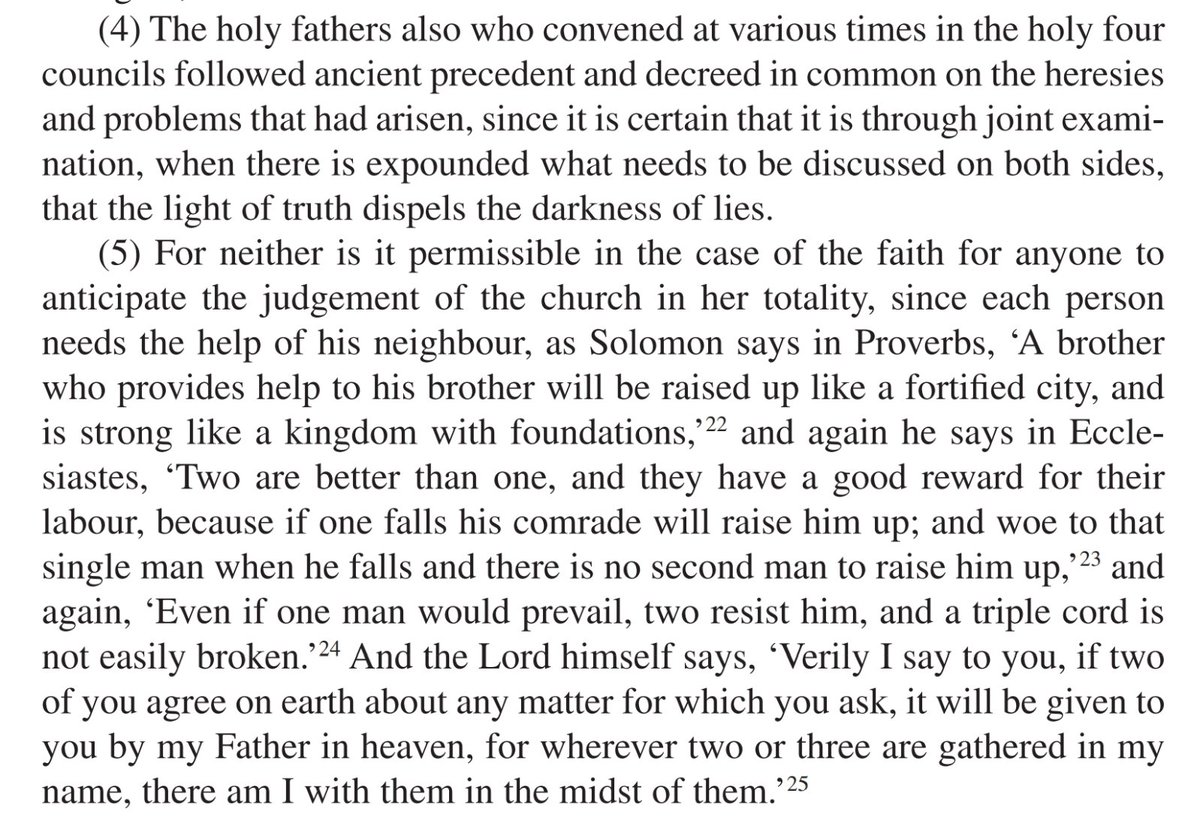
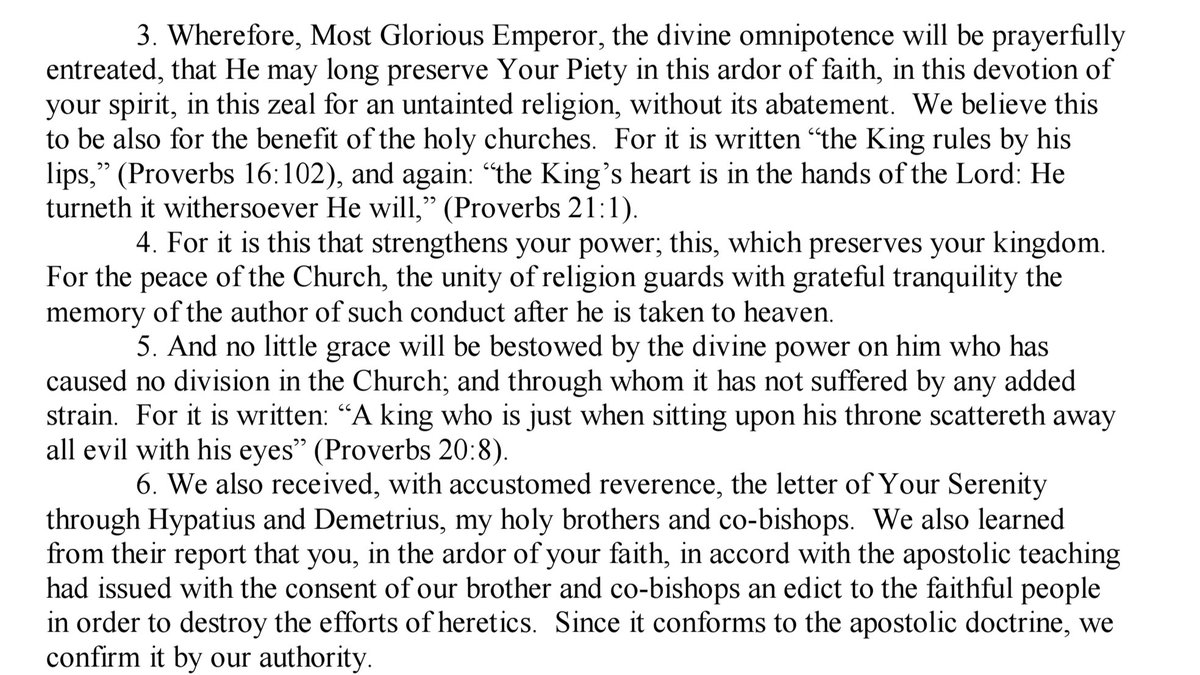
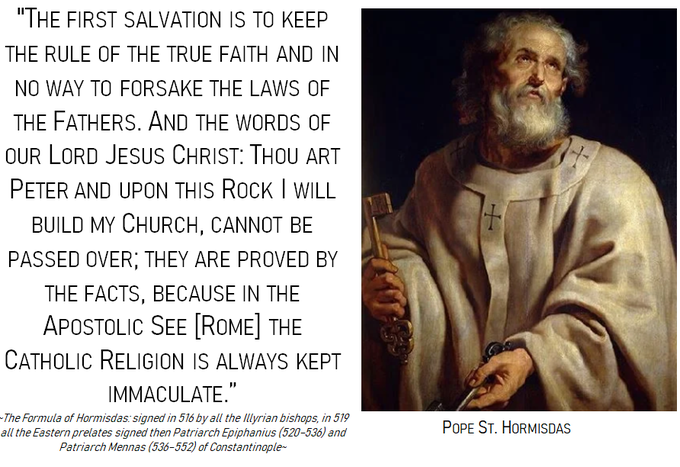
In the mid-9th century, Bulgaria converted to Christianity. What followed was a dispute between Constantinople and Rome as to which patriarchate would have jurisdiction over the newly Christian country, a dispute which would last for a number of years. In fact, at Constantinople 879 Pope John VIII repeatedly asked for jurisdiction over Bulgaria to be transfered to Rome. It was explicitly mentioned in Pope John's Letter to the Emperor, his Epistle to the Council and his Commonitorium (instructions) to his legates (see below). During the course of the Council, the Papal legates asked several times for jurisdiction over Bulgaria. Patriarch Photius (and the Council) rebuffed the request of the Papal legates each time. Perhaps the most detailed response to these repeated requests was that found in the Second Session. (See below) The matter of jurisdiction over Bulgaria was referred to the Emperor, or perhaps a future synod. Further reading: The Acts of the Eighth Ecumenical Council, translated by Gregory Heers
Galadhrin tweet mediaGaladhrin tweet mediaGaladhrin tweet mediaGaladhrin tweet media
English
9
34
165
17.3K
Galadhrin retweetledi
Ubi Petrus
Ubi Petrus@UbiPetrus2019·
"The 6 Keys to Landing Your 1st Job in the Trades" Please share this with anyone who would benefit, I created this particularly to help men who are struggling to find jobs in the trades. Link is in the comment below.
Ubi Petrus tweet media
English
4
9
36
2.8K
Galadhrin retweetledi
Michael Garten
Michael Garten@Michael__Garten·
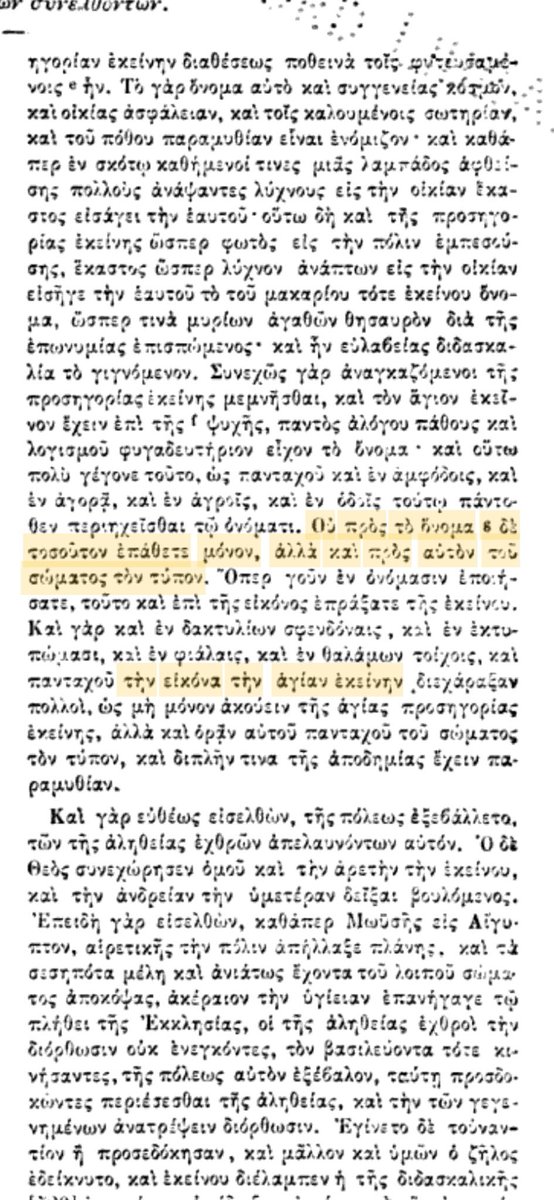
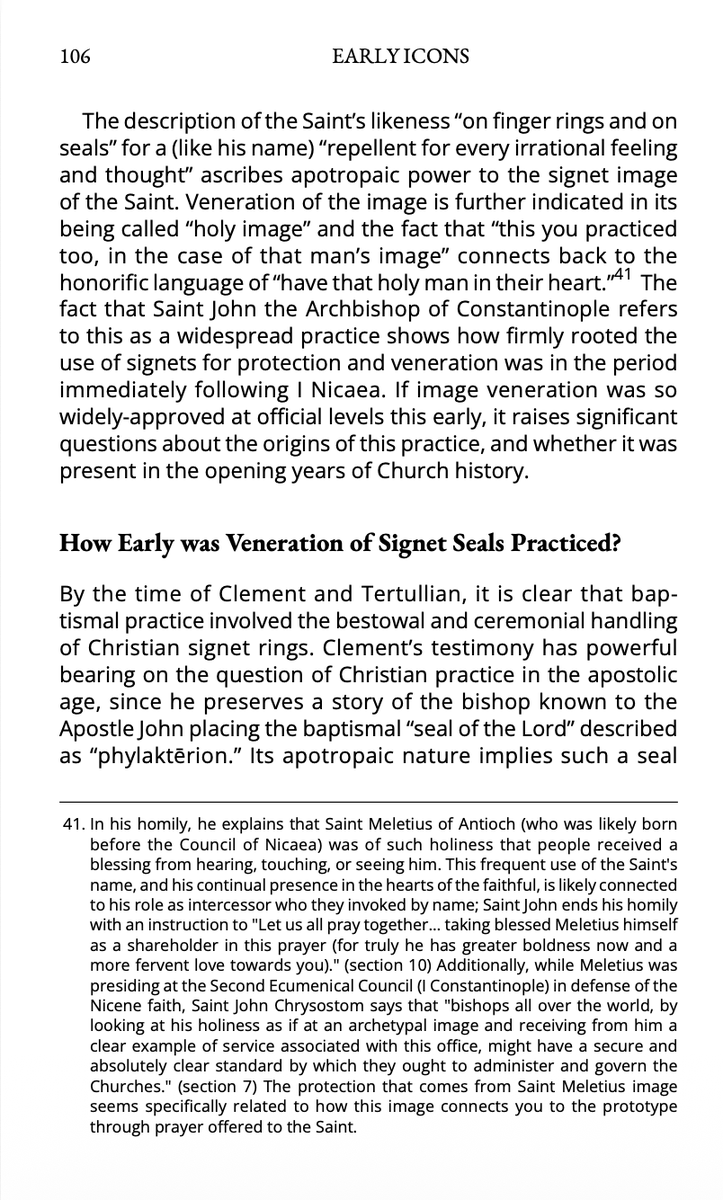
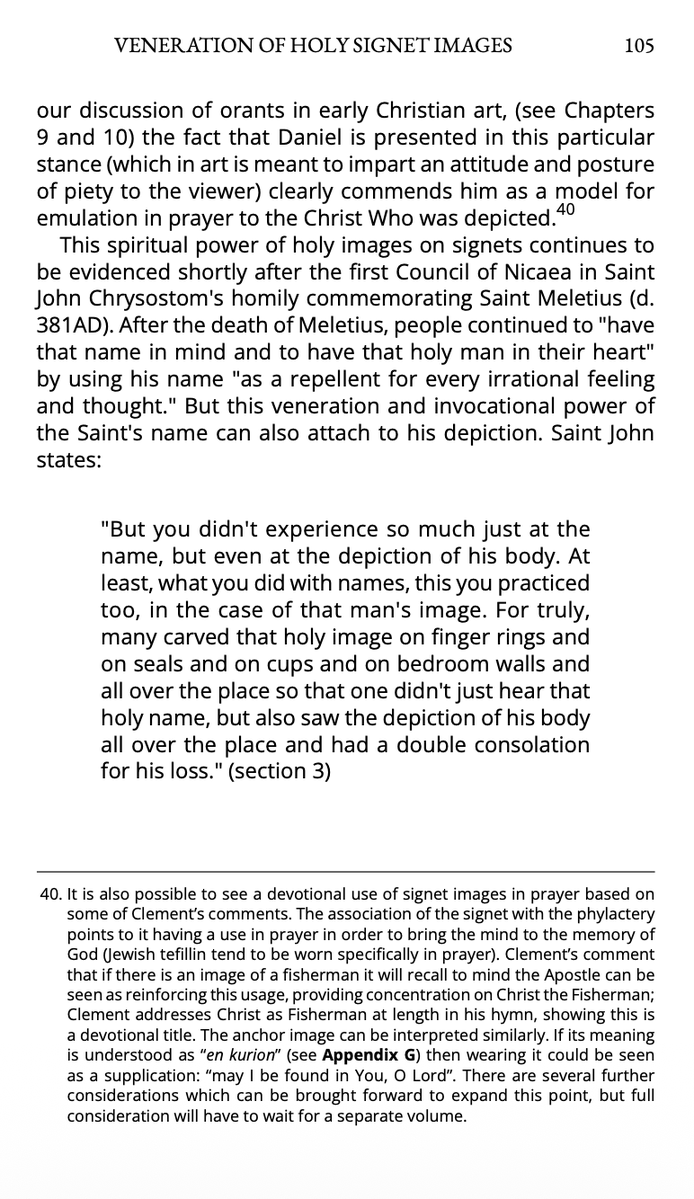
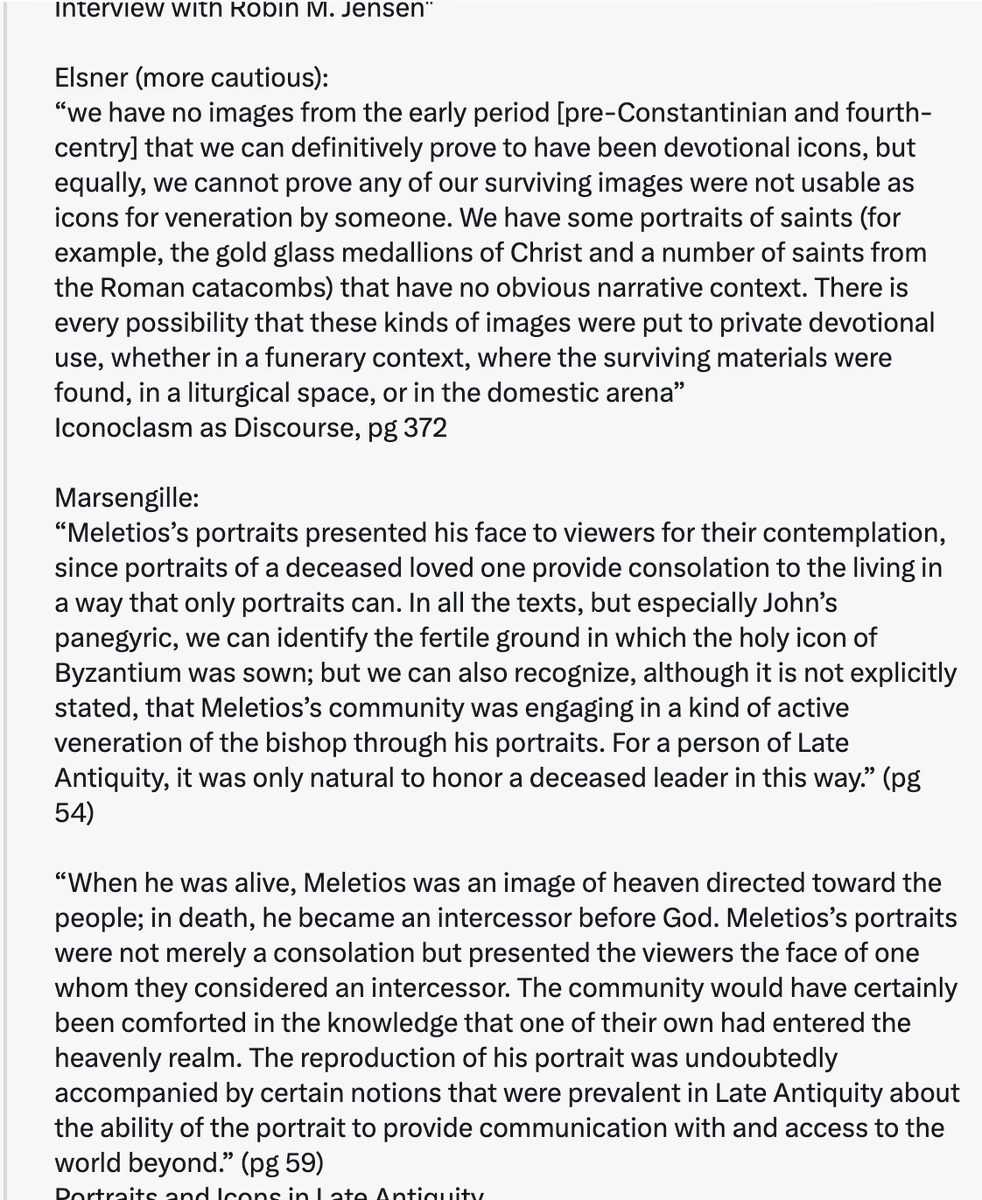
Hello @CovenantReform2 please see below quote from Saint John Chrysostom speaking of the portrait likeness of Saint Meletius of Antioch as "holy icon" with original Greek and my comments from Early Icons below. This image was clearly used and worn to request spiritual protection from the Saint; in other words, it was prayed through. I've also included quotes from scholar of early Christian portraiture Katherine Marsengille to corroborate that this general interpretation is an acceptable position in academic literature. Since this was in the late 300s, it seems incorrect to say there were no icons / venerated images before 500.
Michael Garten tweet mediaMichael Garten tweet mediaMichael Garten tweet mediaMichael Garten tweet media
John B. Carpenter@CovenantReform2

@ThomBradley8 @jmbrim3 There is not one Christian before AD 500 who used icons. That's why you can't cite any but just make a baseless claim, lying, and resort to the Middle Ages, in 787, when your sect fell into pagan practices.

English
3
8
55
2.1K
Galadhrin
Galadhrin@Galadhrin1·
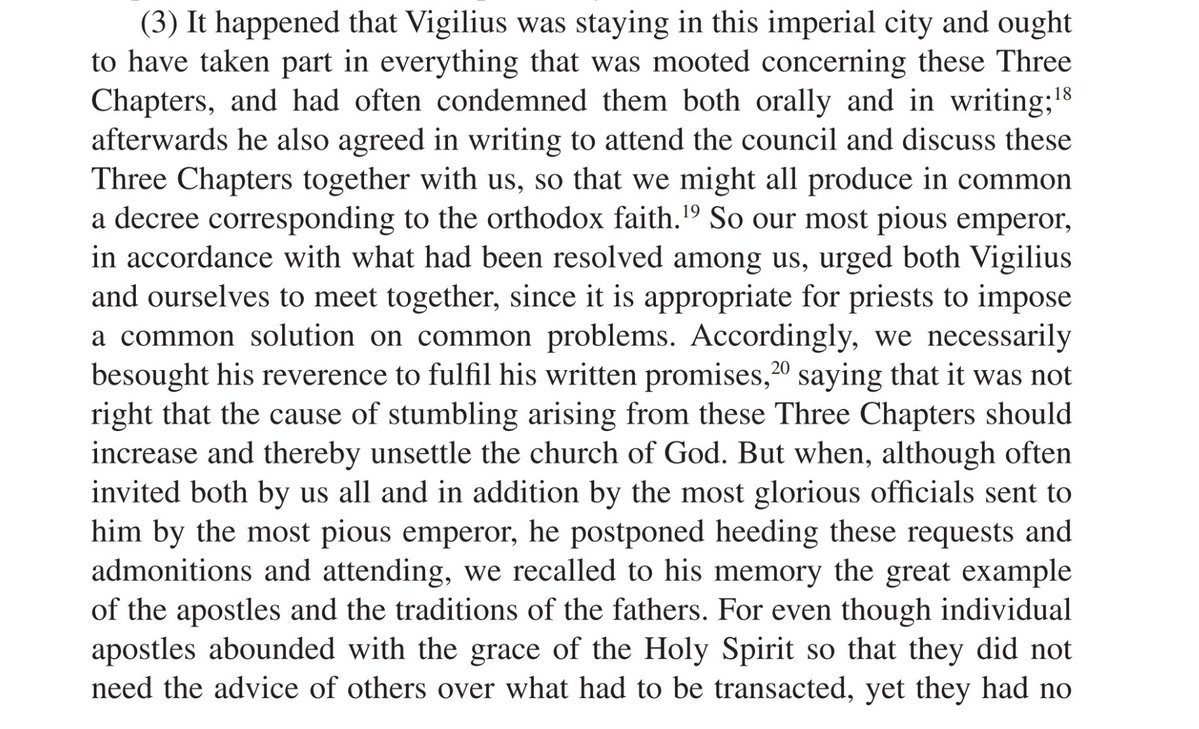
This is an interesting excerpt from the letter of Justinian on "The Three Chapters." The official copies of the Acta of the ecumenical Councils were preserved in Rome, Constantinople and the imperial palace. That makes sense as once an ecumenical council was ratified by the emperor it woukd be integrated into imperial law - so a copy would be needed in the imperial palace.
Galadhrin tweet media
English
0
3
14
480
Galadhrin
Galadhrin@Galadhrin1·
According to that letter, the Emperor "subjects," maintains unity, quells heresy, defends orthodoxy, and decrees concerning the order of the Sees - along with the canons. This is the imperial system, which is why Justinian included this letter in his Codex - and it should be read in that context. Two questions: 1) Which line from that letter affirmed Papal supremacy? 2) Elsewhere in this thread you argued thst the Codex needs to be interpreted in light of the formula of Hormisdas, 20 years prior under Justin I. Do you have a scholar that supports this thesis?
English
0
0
0
35
Pope Respecter
Pope Respecter@poperespecter1·
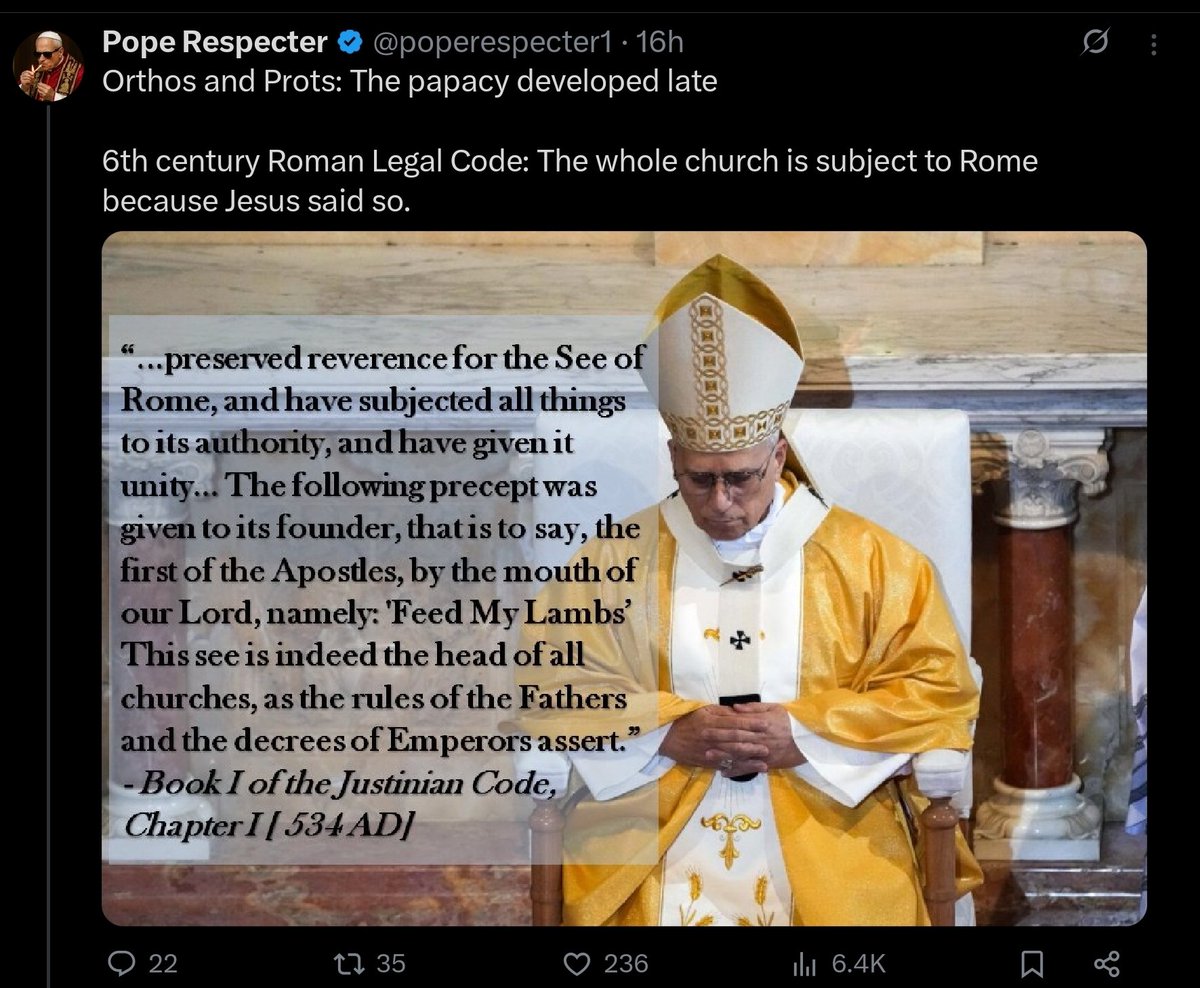
Orthos and Prots: The papacy developed late 6th century Roman Legal Code: The whole church is subject to Rome because Jesus said so.
Pope Respecter tweet media
English
23
37
271
7.6K
Galadhrin
Galadhrin@Galadhrin1·
@HomeroA09935336 @poperespecter1 Does the Codex Justinianus legislate Papal Supremacy? That was the original argument in this thread. Your other points could be an interesting discussion, but let's settle this question first.
English
1
0
0
23
Homero Avila
Homero Avila@HomeroA09935336·
@Galadhrin1 @poperespecter1 We can argue about canon 28; we already know the imperial claims. The Primacy of Rome is a development of the leadership of the Church of Rome, present even in imperial times, to be first among equals (jurisdiction), predating the supposed theory of the pentarchy.
English
1
0
0
13
Galadhrin
Galadhrin@Galadhrin1·
The broader controversy regarding Canon 28 isn't within the scope of this thread, aside from the fact that Rome did not accept it. The fact that this canon was confirmed within the Codex was brought forward as evidence that it did not endorse a Vatican I style Papacy - which is the argument I am making. You are correct that Emperors have promoted heresy before, and the Church resisted them on a number of occasions. I am not arguing for some type of imperial infallibility. However, one heresy the Byzantine legal system did not endorse is a Vatican 1 style Papacy. Do you hold that Justinian endorsed a Vatican I style Papacy in his Codex or Novella?
English
1
0
0
23
Homero Avila
Homero Avila@HomeroA09935336·
@Galadhrin1 @poperespecter1 I don't see the point of bringing up canon 28 if it doesn't concern you; besides, it's casually overlooked that thanks to state intervention, many fell into heresy, and the Roman state promoted these heresies.
English
1
0
0
16
Galadhrin
Galadhrin@Galadhrin1·
In this thread I'm not concerned with the broader controversy surrounding Canon 28, or Rome's view of itself. I am concerned strictly with the Codex compiled by Justinian and Byzantine law, as @poperespecter1 claimed that Justinian's Codex confirmed Papal supremacy and *that* is what I am contesting in this thread.
Galadhrin tweet media
English
1
0
0
32
Galadhrin
Galadhrin@Galadhrin1·
As the letter was included in the Codex Justinianus, it is the Codex that gives it context in terms of Roman law not the formula of Hormisdas that was enforced as part of imperial policy two decades earlier, under Justinian's predecessor. Remember, your original claim was that Roman Law enshrined Papal supremacy and this is what I am addressing. In Justinian's view, it was the Emperor who "subjects", preserves Unity, quell heresy and regulates ecclesiastical life within a pentarchic/symphonia framework - as indicated by the scholarship/novellae I cited earlier. The letter of Pope John reflects this framework. The Three Chapters controversy a decade later provides an example of Justinian's view of ecclesiology in practice, as he viewed himself as being responsible for order in the Churches and quelling heresy (the 3C). This methodological approach it is solidly grounded in the legal code compiled by Justinian, the scholarship, and the emperor's own actions. Your position (interpreting the Codex through the formula of Hormisdas) is novel... do you have any scholarly support for this?
Galadhrin tweet media
English
0
0
3
59
Pope Respecter
Pope Respecter@poperespecter1·
@Galadhrin1 But just gave his approval of the pope’s statement and it is included in the code. Further, as I have already shown it matches the formula of Hormisdas that all the eastern bishop signed.
English
1
0
1
54
Galadhrin
Galadhrin@Galadhrin1·
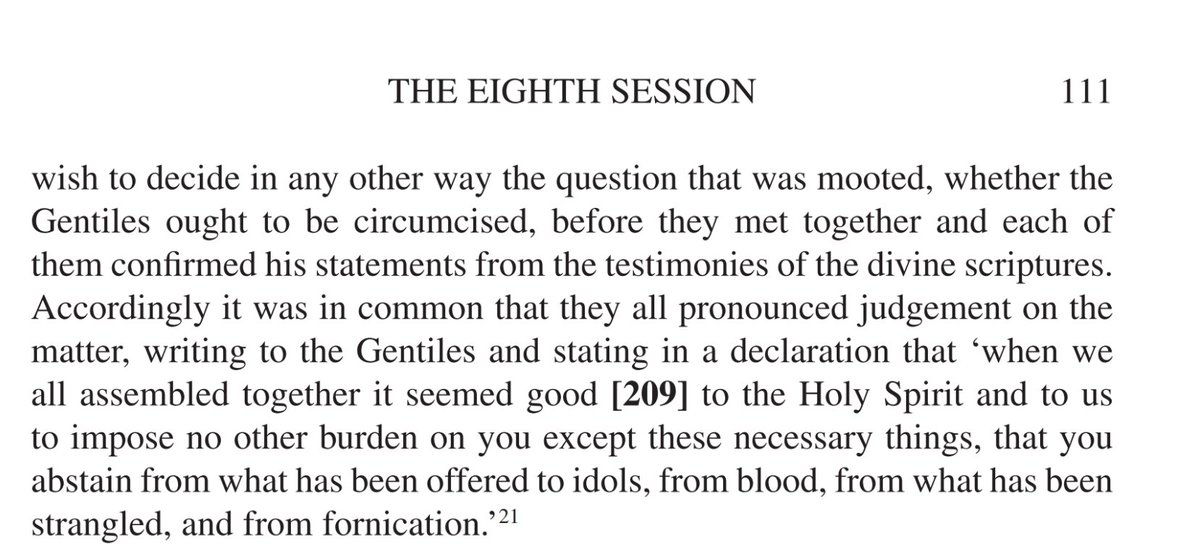
Actually, the final judgment was issued in common, as II Const. taught "accordingly it was in common that they all pronounced judgment on thr mstter." (See below). So the final judgment was issued in the name of all the apostles. Incidentally, I think you might be misunderstanding the Orthodox position. There was always a synodal head of the Church (as Apostolic Canon 34 shows)... the dispute lies in how that was defined, and what powers the head had. What are you referencing in 95 AD?
Galadhrin tweet mediaGaladhrin tweet media
English
1
0
1
51
lionsorcas
lionsorcas@CDLDno·
@Galadhrin1 @poperespecter1 Acts 15 shows conciliar decision-making, but it doesn’t present a “no-head” model of authority. Peter speaks first, summarizes the issue, and the final judgment is issued in his name (“it seemed good to us…”). However i cant also say the Orthos are wrong, its just that 95 ad
English
1
0
0
32
Galadhrin
Galadhrin@Galadhrin1·
@CDLDno @poperespecter1 Then what are we to make of the Ecumenical Councils? In Acts 15 we see the Apostles setting an example for the Church to follow, and in the successive ages it was through common consent that disputes were settled. See the below extract from II Const., Session. VIII
Galadhrin tweet media
English
1
0
2
51
lionsorcas
lionsorcas@CDLDno·
@Galadhrin1 @poperespecter1 Its a very good debate where imo, both have points and because of that i do believe the truth in the middle of it. I mean, claiming authority may have been a douche move by the pope, but you also know that it was always rome that settled main disputes such as 95ad
English
1
0
1
41
Galadhrin
Galadhrin@Galadhrin1·
The citation you gave originally was drawn from the Codex Justinianus - and it is through the lens of Justinian's own ecclesiology that it makes sense. In the original citation from the Codex Justinianus, it was the *Emperor* who subjected the East (within the context of Justinian's imperial system) and gave unity to the Church. As Justinian indicates in Novella 6, both the priesthood and empire derive from God - but the emperor is responsible for regulating ecclesiastical life. Further, Rome's primacy is grounded in the Canons, imperial decrees, and the authority of the emperor himself. This is why Justinian felt free to legislate on the order of the Sees and include Constantinople in the second place, and confirm Canon 28 of Chalcedon into imperial law in Novella 131. The entire letter fits well with Justinian's concept of symphonia and Church/State relations as outlined in Novella 6 (see below). I have also attached the commentary on Novella 6 by Miller & Sarris (The Novels of Justinian: A Complete Annotated Translation, p. 97). This was the ecclesiology Justinian held (as Siecienski indicated earlier) and *why* he included this letter in his Codex. In terms of the Formula of Hormisdas, I have quite a bit to say - but I will restrict this post solely to Roman law, and your original claim that it enshrined Papal supremacy. It does not.
Galadhrin tweet mediaGaladhrin tweet mediaGaladhrin tweet mediaGaladhrin tweet media
English
4
1
20
348
Pope Respecter
Pope Respecter@poperespecter1·
It is not quote mining. Your claim is that the code is just referring to the patriarchy but the quote clearly states otherwise (all churches) and ties the authority of Rome to the direct words of Christ. Further, this same statement was also affirmed a few years later in the Formula of Hormisdas by Eastern Bishops.
Pope Respecter tweet media
English
3
0
4
209
Pope Respecter
Pope Respecter@poperespecter1·
@CDLDno "Subject" would be more than first among equals.
English
1
0
9
238
Galadhrin
Galadhrin@Galadhrin1·
@poperespecter1 Classic example of quotemining. Take a paragraph, divorce it from it's context and the remainder of the Codex Justinianus and pretend that Justinian was enshrining Papal supremacy in his legal system.
English
1
0
12
208
Pope Respecter
Pope Respecter@poperespecter1·
@Galadhrin1 Bro, I have read so much on this it would make your eyes glaze over. The context does not change what the words say or mean. Anyone claiming otherwise is coping.
English
2
0
9
351
Middle East Eye
Middle East Eye@MiddleEastEye·
A nun was assaulted in occupied East Jerusalem earlier this week amid growing concern over Israeli attacks against Christians. The 48-year-old, a researcher at Jerusalem’s French School of Biblical and Archaeological Research, was attacked on Tuesday in front of the Cenacle, a site on Mount Zion regarded as holy by both Christians and Jews. The Hebrew University of Jerusalem, which is affiliated with the nun’s research centre, said the attack was “not an isolated incident, but part of a troubling pattern of rising hostility toward the Christian community and its symbols”.
English
388
4.4K
6K
243.6K
Galadhrin retweetledi
Echoes of Hellas 🇬🇷
Echoes of Hellas 🇬🇷@HellenicEchoes·
Greek insurance works better than regular one 🇬🇷☦️
Echoes of Hellas 🇬🇷 tweet media
English
3
59
954
10.2K
Galadhrin retweetledi
Benjamin Michael
Benjamin Michael@RealBenMichael·
In this world there is not, and will never be, any comparison to the beauty of Christ’s Holy Orthodox Church
English
49
319
2.9K
35.2K
Galadhrin retweetledi
Orthodox Ethos
Orthodox Ethos@OrthodoxEthos·
The is The Prayer, in Orthodoxy; the prayer which is prayed “unceasingly,” which is seen in the New Testament in the mouths of those who received their sight again and were healed of their maladies.
English
15
96
683
13.3K