

Gill
396 posts



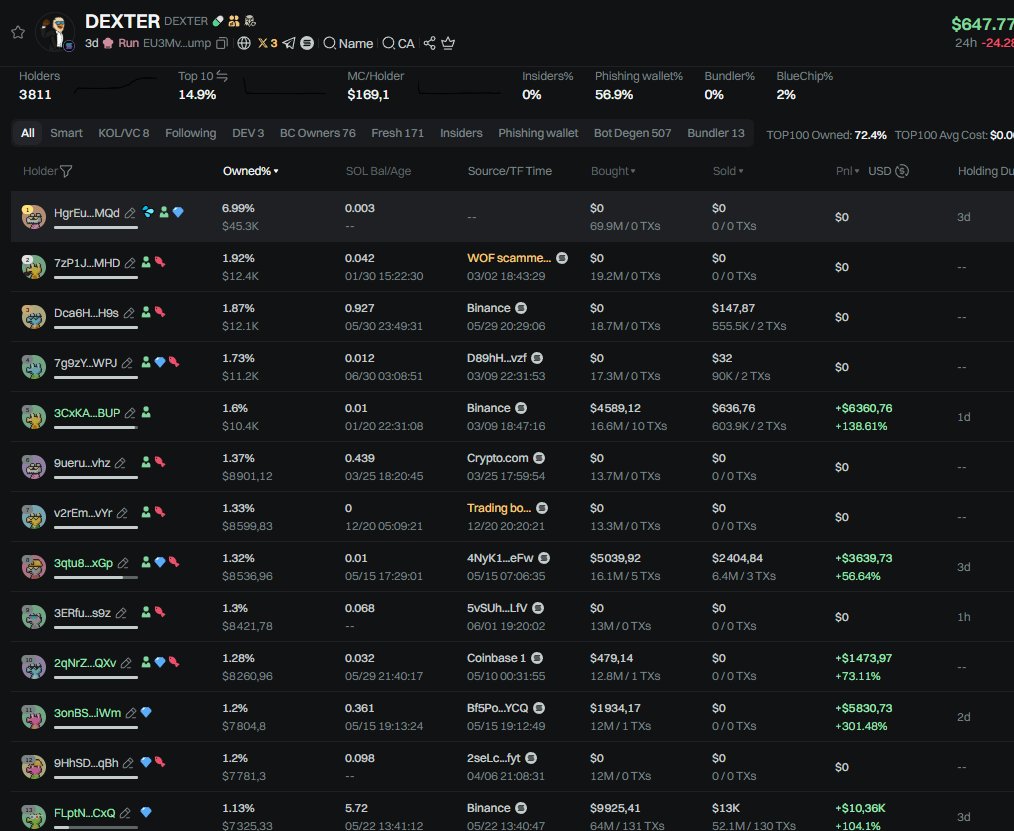
@badattrading_ Wut about EfPoo4wWgxKVToit7yX5VtXXBrhao4G8L7vrbKy6pump. Boss
Français






Gill retweetledi

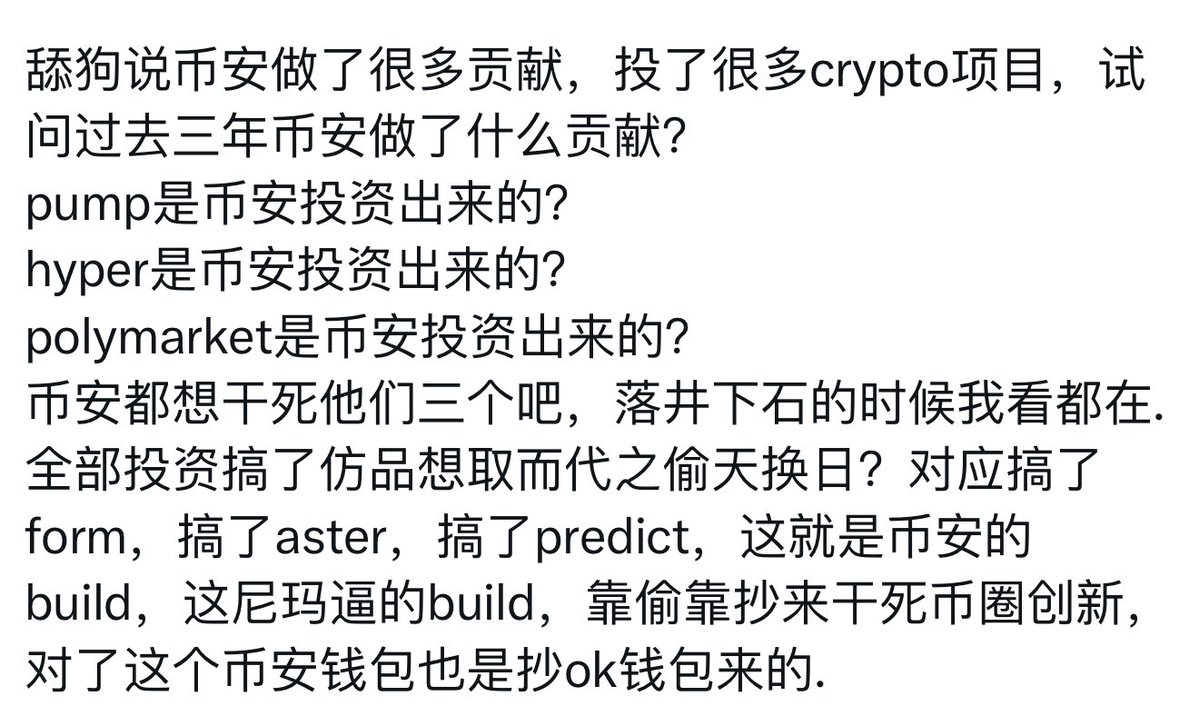
币安还活着对币圈是最大的不幸,千万别觉得币安死了对币圈是一种极大的伤害.
老表们多多转发这一条真相.
它的目的就是搞死币圈创新,
你们去回顾过去五年币圈创新,再看看币安对这些创新干了什么,就能想明白这俩口子是个什么德行了.
中文


不用高强度盯盘。
空闲时间刷遍sol盘子。
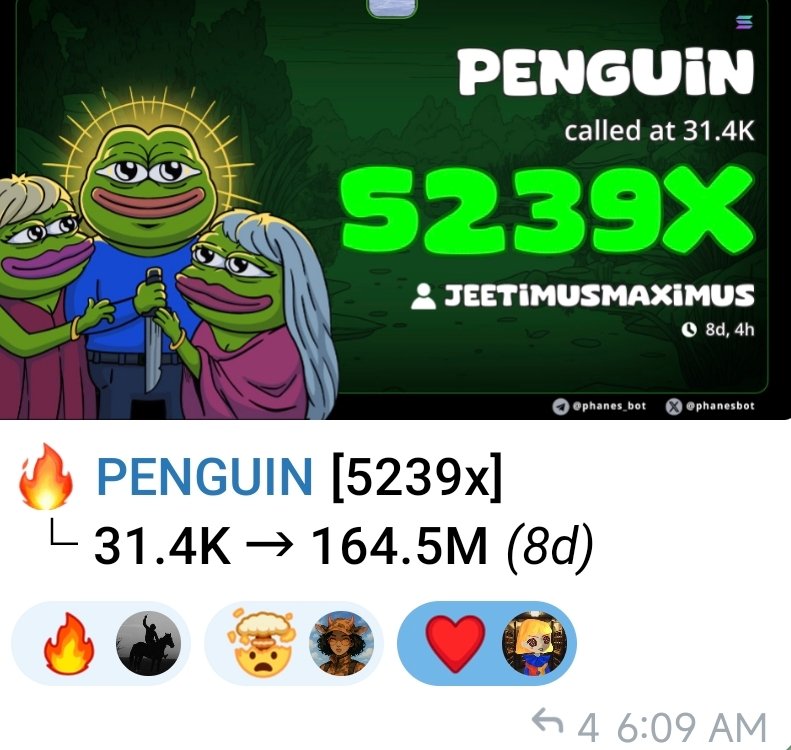
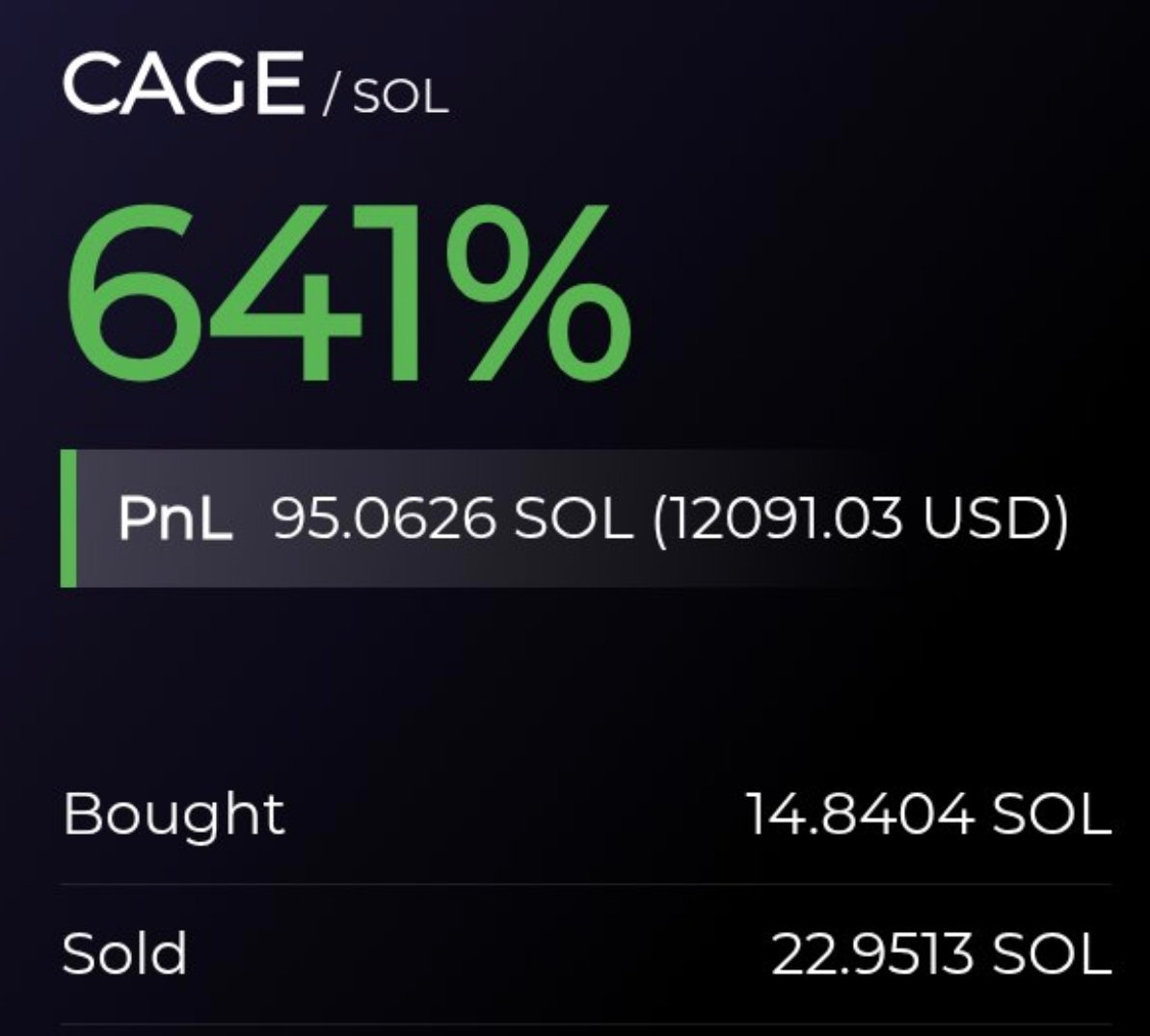
找到类似 $penguin $clawd $cage $people $114515 这类慢月币的方法大公开。
只要你有时间,愿意花时间去刷遍盘子,按照这个方法,你也可以找到那些慢月币。
第一点: 如果你无法长时间在电脑前盯盘,放弃冲新盘,因为你毫无优势,你看完叙事别人已经十倍了。除非那种极大叙事,否则你根本就是送人头。
第二点: 以交易量会核心指标,主要去抓那些开盘之后,慢慢洗盘,控筹,已经CTO的币种。
这类币都会给你大量的上车时间,开盘选手精力都在盯开盘,他们的时间不会花在这里,这时候你就可以集中你的优势兵力(时间)做出更加优秀的决策。
具体方法如下,选择sol 已开盘,按照交易量排序。
基本上会出现几十到上百个盘子。
你可以设置交易量区间,然后一个个去过每一个盘子,一个个去查叙事,推特,社区。
遇到你觉得不错的标的,就收藏起来。然后持续反复跟踪。
只有遇到让你觉得价值被强烈低估的币的时候再出手。
这个时候基本上是你能看懂这个meme,且市值很低的时候。
像 $people 50k $cage 80k $peguin 5m 都是这么发现的。
这事考验的就是耐心,你要遍历每一个盘子,然后一层层筛选,然后结合自己的审美去下判断。
好处就是,除了热点神盘,任何一个慢月meme都逃不过这种方法。
交易量从小到大慢慢攀升的时间会给你无数上车的机会。
学吧 练吧 终有出头之日。
如果你对以上方法有任何疑问,可以互动本推文,评论,我看到会回复。
转发此推文,我稍后会建立一个meme方法论电报交流群,有后续问题也可以电报群交流。
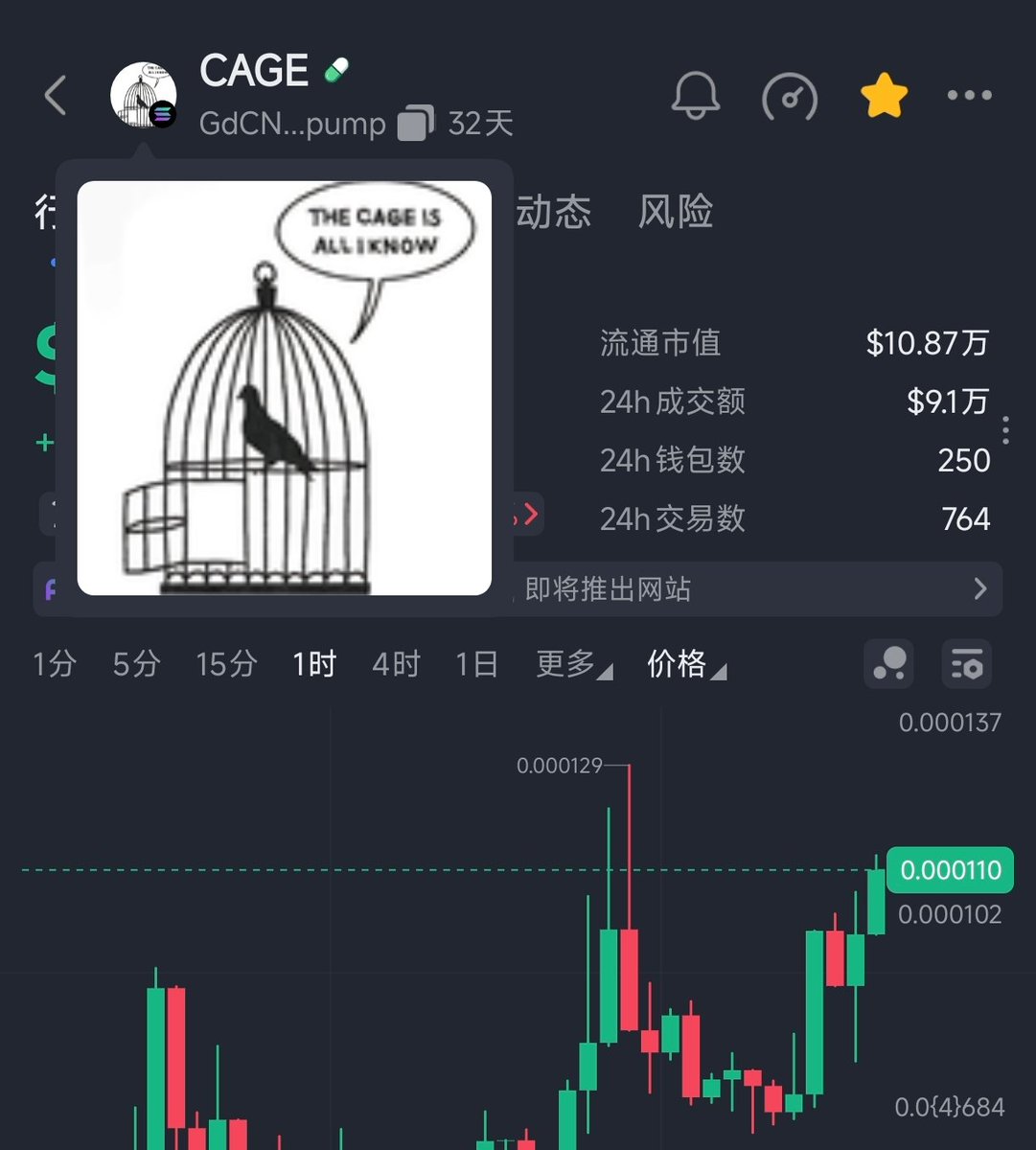
中文
Gill retweetledi

Ethereum itself must pass the walkaway test.
Ethereum is meant to be a home for trustless and trust-minimized applications, whether in finance, governance or elsewhere. It must support applications that are more like tools - the hammer that once you buy it's yours - than like services that lose all functionality once the vendor loses interest in maintaining them (or worse, gets hacked or becomes value-extractive). Even when applications do have functionality that depends on a vendor, Ethereum can help reduce those dependencies as much as possible, and protect the user as much as possible in those cases where the dependencies fail.
But building such applications is not possible on a base layer which itself depends on ongoing updates from a vendor in order to continue being usable - even if that "vendor" is the all core devs process. Ethereum the blockchain must have the traits that we strive for in Ethereum's applications. Hence, Ethereum itself must pass the walkaway test.
This means that Ethereum must get to a place where we _can ossify if we want to_. We do not have to stop making changes to the protocol, but we must get to a place where Ethereum's value proposition does not strictly depend on any features that are not in the protocol already.
This includes the following:
* Full quantum-resistance. We should resist the trap of saying "let's delay quantum-resistance until the last possible moment in the name of ekeing out more efficiencies for a while longer". Individual users have that right, but the protocol should not. Being able to say "Ethereum's protocol, as it stands today, is cryptographically safe for a hundred years" is something we should strive to get to as soon as possible, and insist on as a point of pride.
* An architecture that can expand to sufficient scalability. The protocol needs to have the properties that allow it to expand to many thousands of TPS over time, most notably ZK-EVM validation and data sampling through PeerDAS. Ideally, we get to a point where further scaling is done through "parameter only" changes - and ideally _those_ changes are not BPO-style forks, but rather are made with the same validator voting mechanism we use for the gas limit.
* A state architecture that can last decades. This means deciding, and implementing, whatever form of partial statelessness and state expiry will let us feel comfortable letting Ethereum run with thousands of TPS for decades, without breaking sync or hard disk or I/O requirements. It also means future-proofing the tree and storage types to work well with this long-term environment.
* An account model that is general-purpose (this is "full account abstraction": move away from enshrined ECDSA for signature validation)
* A gas schedule that we are confident is free of DoS vulnerabilities, both for execution and for ZK-proving
* A PoS economic model that, with all we have learned over the past half decade of proof of stake in Ethereum and full decade beyond, we are confident can last and remain decentralized for decades, and supports the usefulness of ETH as trustless collateral (eg. in governance-minimized ETH-backed stablecoins)
* A block building model that we are confident will resist centralization pressure and guarantee censorship resistance even in unknown future environments
Ideally, we do the hard work over the next few years, to get to a point where in the future almost all future innovation can happen through client optimization, and get reflected in the protocol through parameter changes. Every year, we should tick off at least one of these boxes, and ideally multiple. Do the right thing once, based on knowledge of what is truly the right thing (and not compromise halfway fixes), and maximize Ethereum's technological and social robustness for the long term.
Ethereum goes hard.
This is the gwei.
English
Gill retweetledi

V神新帖:打造百年以太坊
思想:以太坊得做到没人管也能跑,哪怕所有开发者都跑路了,这条链也得稳稳运行几十年上百年
V神的意思是:以太坊上的应用应该像锤子,买回来就是你的,永远能用
不能像某些互联网服务——公司倒了、被黑了、或者开始割韭菜了,你啥也干不了
但问题来了:如果以太坊底层自己都需要开发者天天维护才能转,那以太坊上面的应用怎么可能真正做到无需信任呢?
所以,以太坊自己得先做到这一点
啥叫 离场测试 :
不是说现在就不改了,而是说得尽快到一个状态:
1.该有的功能都有了,不靠画饼
2.想固化就能固化,固化了也不会出问题
简单说就是:随时可以收工,但收工了也照样牛逼
V神列了7个必须搞定的事:
1.量子抗性 : 不能拖了得早点搞,目标是以太坊密码学能撑一百年
2.扩容架构 : 得能扩到几千TPS(靠ZK-EVM + PeerDAS) 以后扩容最好只调参数就行,别老搞硬分叉
3.状态管理 : 搞定状态过期这些,让链跑几十年硬盘也不会爆
4.账户抽象 : 干掉写死的ECDSA签名,让账户更灵活
5.Gas机制: 确保没有DoS漏洞,不管是普通交易还是ZK证明
6.PoS经济模型: 得能撑几十年不崩,还得让ETH能当靠谱的抵押品
7.抗审查 :区块构建不能被大机构垄断,得一直能抗审查
v神希望:
• 未来几年集中火力把这些硬骨头啃完
• 一次做对,别整半吊子
• 每年至少搞定一个
等这些到位了,以后改进基本靠客户端优化就行
总体是在说:以太坊要从《持续开发中》变成《百年基础设施 》
不是不迭代了,是要到一个不迭代也没事的状态
Ethereum goes hard. This is the gwei.
以太坊要硬核,这就是 gwei
vitalik.eth@VitalikButerin
Ethereum itself must pass the walkaway test. Ethereum is meant to be a home for trustless and trust-minimized applications, whether in finance, governance or elsewhere. It must support applications that are more like tools - the hammer that once you buy it's yours - than like services that lose all functionality once the vendor loses interest in maintaining them (or worse, gets hacked or becomes value-extractive). Even when applications do have functionality that depends on a vendor, Ethereum can help reduce those dependencies as much as possible, and protect the user as much as possible in those cases where the dependencies fail. But building such applications is not possible on a base layer which itself depends on ongoing updates from a vendor in order to continue being usable - even if that "vendor" is the all core devs process. Ethereum the blockchain must have the traits that we strive for in Ethereum's applications. Hence, Ethereum itself must pass the walkaway test. This means that Ethereum must get to a place where we _can ossify if we want to_. We do not have to stop making changes to the protocol, but we must get to a place where Ethereum's value proposition does not strictly depend on any features that are not in the protocol already. This includes the following: * Full quantum-resistance. We should resist the trap of saying "let's delay quantum-resistance until the last possible moment in the name of ekeing out more efficiencies for a while longer". Individual users have that right, but the protocol should not. Being able to say "Ethereum's protocol, as it stands today, is cryptographically safe for a hundred years" is something we should strive to get to as soon as possible, and insist on as a point of pride. * An architecture that can expand to sufficient scalability. The protocol needs to have the properties that allow it to expand to many thousands of TPS over time, most notably ZK-EVM validation and data sampling through PeerDAS. Ideally, we get to a point where further scaling is done through "parameter only" changes - and ideally _those_ changes are not BPO-style forks, but rather are made with the same validator voting mechanism we use for the gas limit. * A state architecture that can last decades. This means deciding, and implementing, whatever form of partial statelessness and state expiry will let us feel comfortable letting Ethereum run with thousands of TPS for decades, without breaking sync or hard disk or I/O requirements. It also means future-proofing the tree and storage types to work well with this long-term environment. * An account model that is general-purpose (this is "full account abstraction": move away from enshrined ECDSA for signature validation) * A gas schedule that we are confident is free of DoS vulnerabilities, both for execution and for ZK-proving * A PoS economic model that, with all we have learned over the past half decade of proof of stake in Ethereum and full decade beyond, we are confident can last and remain decentralized for decades, and supports the usefulness of ETH as trustless collateral (eg. in governance-minimized ETH-backed stablecoins) * A block building model that we are confident will resist centralization pressure and guarantee censorship resistance even in unknown future environments Ideally, we do the hard work over the next few years, to get to a point where in the future almost all future innovation can happen through client optimization, and get reflected in the protocol through parameter changes. Every year, we should tick off at least one of these boxes, and ideally multiple. Do the right thing once, based on knowledge of what is truly the right thing (and not compromise halfway fixes), and maximize Ethereum's technological and social robustness for the long term. Ethereum goes hard. This is the gwei.
中文





领航鲸妈妈叼着死去的幼鲸尸体在游荡。
x.com/MrLaalpotato/s…
母鲸通常会将死去的幼鲸叼在嘴里数日甚至数周,直到幼鲸尸体腐烂。
从进化角度来看,这种行为源于社会性物种中牢固的母子关系,有助于提高后代的存活率,也是母性本能的延伸。
也有人认为这是一种不适应环境的、类似悲伤的哀悼行为。
视频: Felipe Ravina Olivares
中文