ܓܡܝܓܘܣ

1.1K posts

ܓܡܝܓܘܣ banner
ܓܡܝܓܘܣ

ܓܡܝܓܘܣ

@Goosessus

ܣܘܪܝܝܐ

Katılım Kasım 2023
394 Takip Edilen342 Takipçiler
ܓܡܝܓܘܣ
ܓܡܝܓܘܣ@Goosessus·
@SyriacPhenom This is a quote by Jacob of Edessa on Severus’s homilies, mistakenly attributed to Severus himself. Like you said, he was Greek 👍
English
0
0
5
60
Bar Salibi
Bar Salibi@SyriacPhenom·
Severus couldn’t speak Aramaic, was Greek and wrote in Greek. This is most likely a very late interpolation. His writings were never saved in Greek but in Syriac translations from the 7th century nisibis. I don’t see why a Greek would say ”we are arameans the Syrians” 😂
𝐓𝐲𝐥𝐞𝐫 I 𝑨𝒓𝒂𝒎𝒆𝒂𝒏@tyler28223

Mor Severus of Antioch, known as the "Crown of the Syriacs," was born around 465 AD. He wrote: "Similarly, we Arameans too, that is to say Syrians [...]"

English
3
1
35
2.3K
ܓܡܝܓܘܣ
ܓܡܝܓܘܣ@Goosessus·
@SyriacPhenom Aside from speculation and assumptions by such scholars the theory that he was Aramean literally has zero archeological proof unlike his Assyrian heritage
English
0
0
2
45
ܓܡܝܓܘܣ
ܓܡܝܓܘܣ@Goosessus·
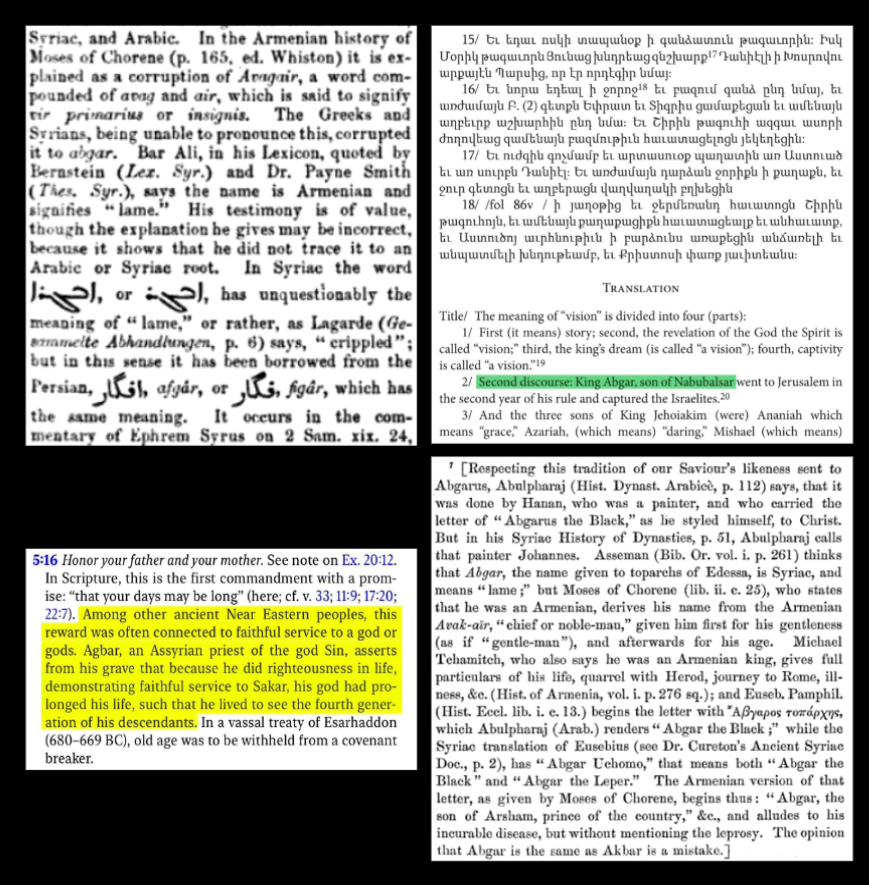
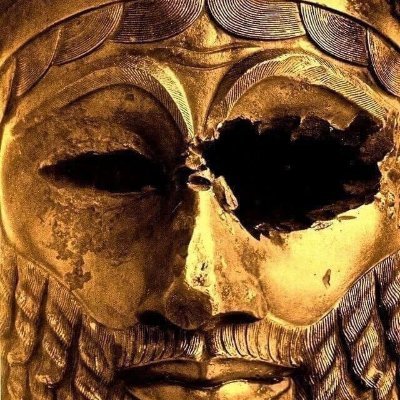
@SyriacPhenom Sin was a very important god in Neo-Assyria. Also Nabonidus claims Assyrian titles unlike other Babylonian kings and ties himself to the Neo-Assyrian dynasty with Ashurbanipal so it’s very likely he was an Assyrian and claimed this heritage.
ܓܡܝܓܘܣ tweet mediaܓܡܝܓܘܣ tweet media
English
1
0
4
101
ܓܡܝܓܘܣ retweetledi
Bar Salibi
Bar Salibi@SyriacPhenom·
I have been saying this for a long time, Dionysius of Tell Mahre makes a sharp distinction between Syrians in the east of the Euphrates and west of it. The Syrians east of the Euphrates has always been identified as Assyrians. When applying correct perspective it all makes sense
English
3
2
26
1.6K
ܓܡܝܓܘܣ retweetledi
Nenos Chamany ܢܝܢܘܣ ܟܡܢܝ
Nenos Chamany ܢܝܢܘܣ ܟܡܢܝ@NenosNshemoon·
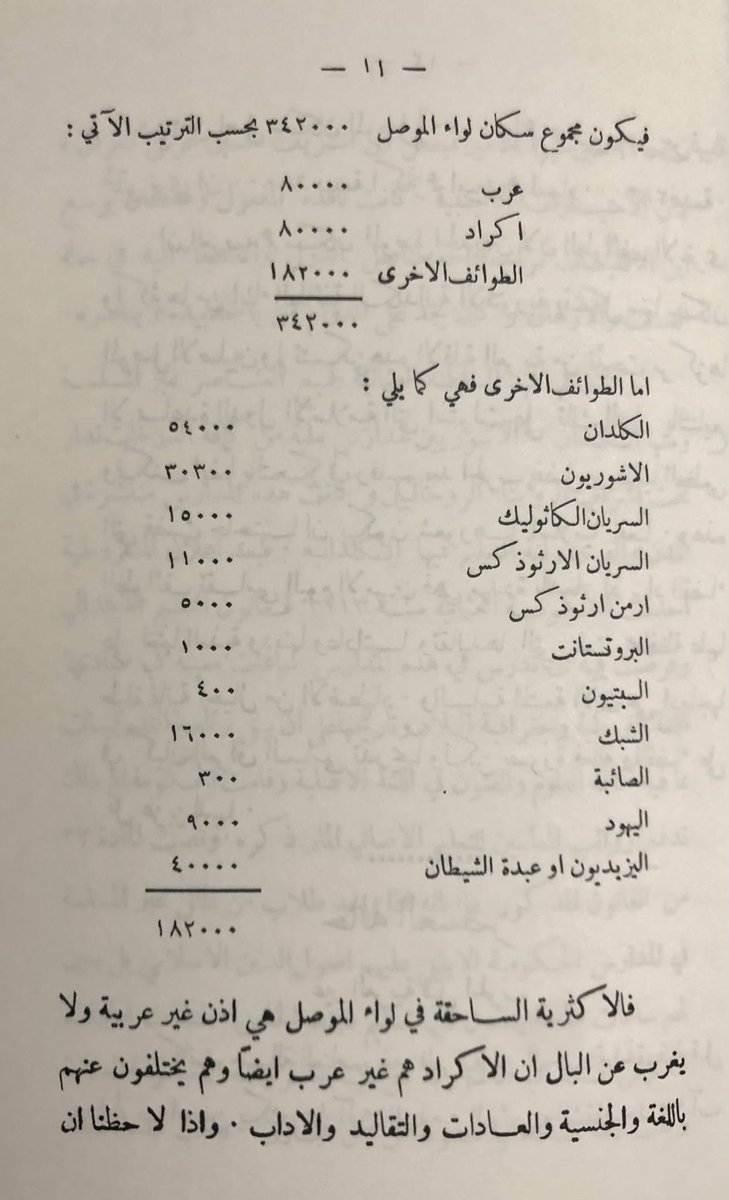
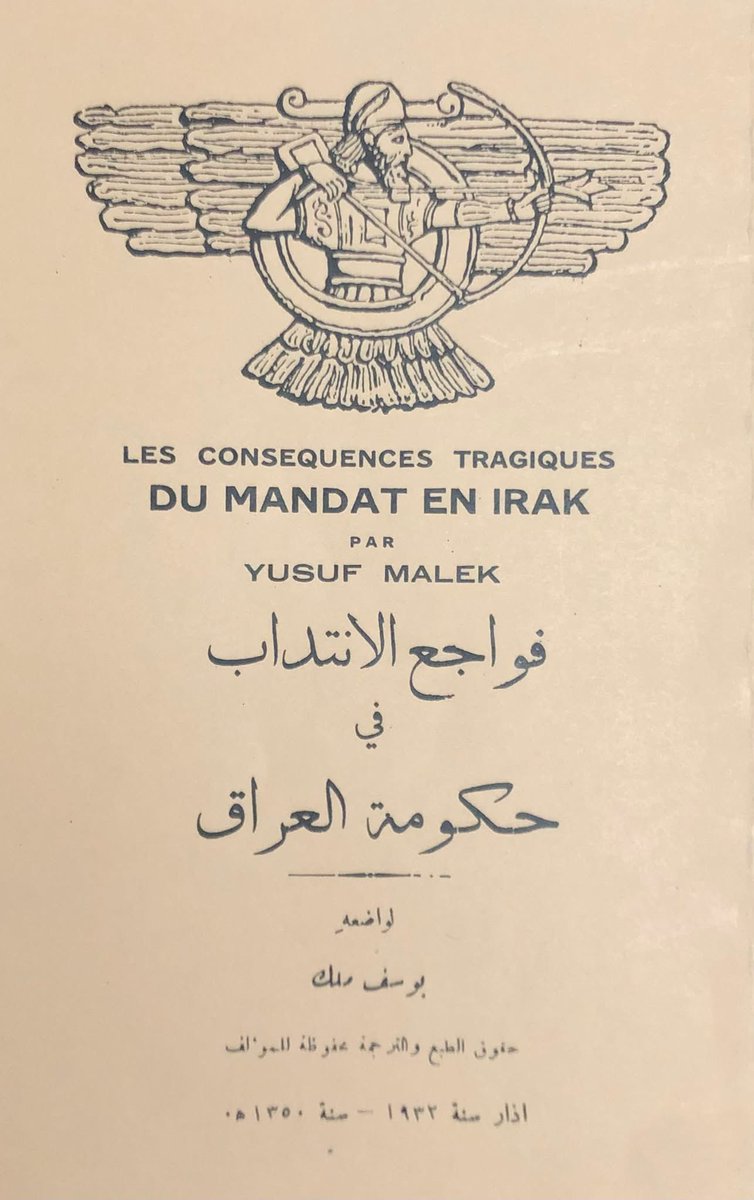
Mosul Province census conducted in April 1933, the Assyrian population was 111,700 (i.e.33% of the total population of 342,000), exceeding both the Arab and Kurdish populations. Assyrians(AKA Chaldeans &Syriac) 112K Arabs 80K Kurds 80K Yezidis 40k Jews 9K Shabak 16K Armenian 5K
Nenos Chamany ܢܝܢܘܣ ܟܡܢܝ tweet mediaNenos Chamany ܢܝܢܘܣ ܟܡܢܝ tweet media
English
26
58
320
17.6K
ܓܡܝܓܘܣ retweetledi
GEWARGIS
GEWARGIS@GewargisOfAthor·
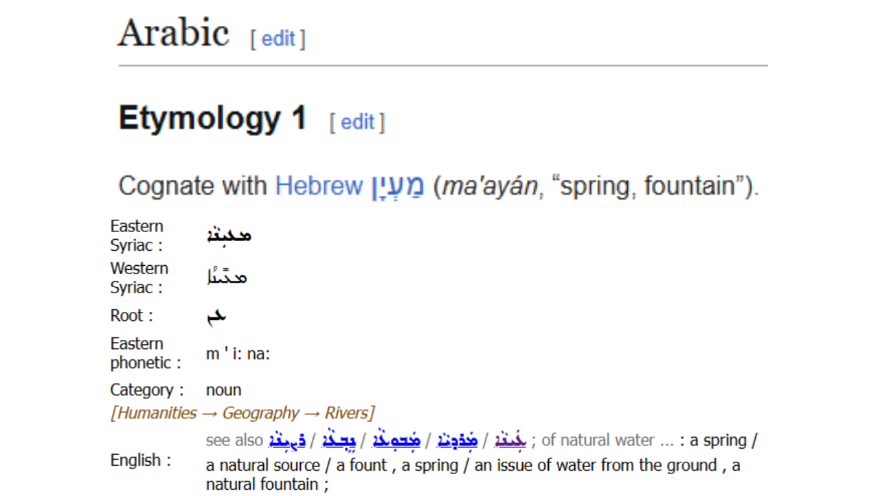
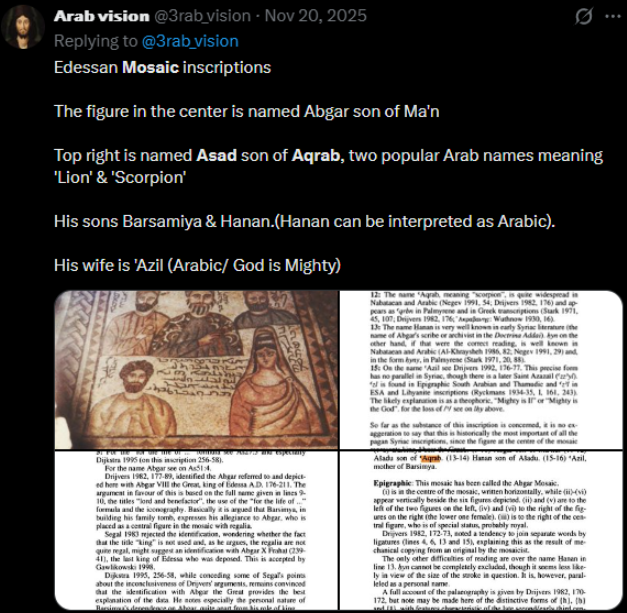
Was King Abgar and the kingdom of Osroene Arab NO. This claim mainly relies on Roman terminology, Arabic names & titles, and a Safaitic inscription. I will examine these arguments and then look at what Osroene actually was through linguistic, cultural, and historical evidence. Roman terminology and usage of “Arab”: In Roman sources, the term Arab was often used broadly and could refer to desert or nomadic groups rather than a clear ethnic identity. Titles like “governor of the Arabs” in Edessa reflect Roman administrative language and how frontier populations were categorized, not a precise statement about ethnicity. Modern scholarship has repeatedly noted this broader usage. As Dr. P.A Webb, a scholar of pre-Islamic Arabian studies, explains: Arabic names and titles: The presence of Arab-related names in Osroene does not automatically mean the kingdom or its rulers were Arab. In Upper Mesopotamia, names often moved between different languages and communities, especially in frontier regions where Aramaic, Greek, Persian, Armenian, and Arab influences mixed. Rulers could adopt names or titles for political, cultural, or diplomatic reasons, so names alone are not reliable proof of ethnicity. The first ruler of Osroene is recorded as Aryo, a name of Aramaic origin that remains part of Syriac naming tradition and is still found among Assyrians today (for example, Turkish-Assyrian politician George Aryo). Persian names also appear in the royal tradition, including Pradasht, Paqor, Parthamaspat, and Fradat, alongside clearly Semitic or Aramaic forms such as Abdu (Owdo), Aryo, and Yalud. The name Yalud survives in a slightly altered form (Yaldu) among Assyrian families from the Nineveh Plain. The name Abdu or Owdu is also used, one of the most important modern writers was Thomas Audo. The names Abgar and Maʿnu, which appear frequently in the Osroene dynasty, are Semitic in origin, but their exact linguistic origin remains debated. Different scholars have proposed Syriac, Armenian, and even Persian explanations for the name Abgar, showing that it circulated across several linguistic traditions in the region rather than belonging to a single ethnic group. The name also appears in an Armenian manuscript tradition where it is associated with Assyrian royal figures, and it is attested in earlier Mesopotamian contexts as well, including references to an Assyrian priest named Abgar who worshipped the moon god Sin. Taken together, this diversity of usage shows that the name cannot be used as proof of a specifically Arab identity. Maʿnu may also be of Aramaic origin, meaning “water spring,” with a root shared across Semitic languages and not exclusive to Arabic. Claims that names such as “Asad” or “Aqrab” prove Arab identity are also weak. The name appearing in the mosaic is Ashad, not Asad, and based on its form it is more likely Persian or derived from the Syriac root ܐܫܕ. Likewise, Aqrab is a Proto-Semitic word attested across many Semitic languages, including Akkadian, and cannot be treated as uniquely Arabic.
GEWARGIS tweet mediaGEWARGIS tweet mediaGEWARGIS tweet mediaGEWARGIS tweet media
English
5
9
36
3.4K
ܓܡܝܓܘܣ
ܓܡܝܓܘܣ@Goosessus·
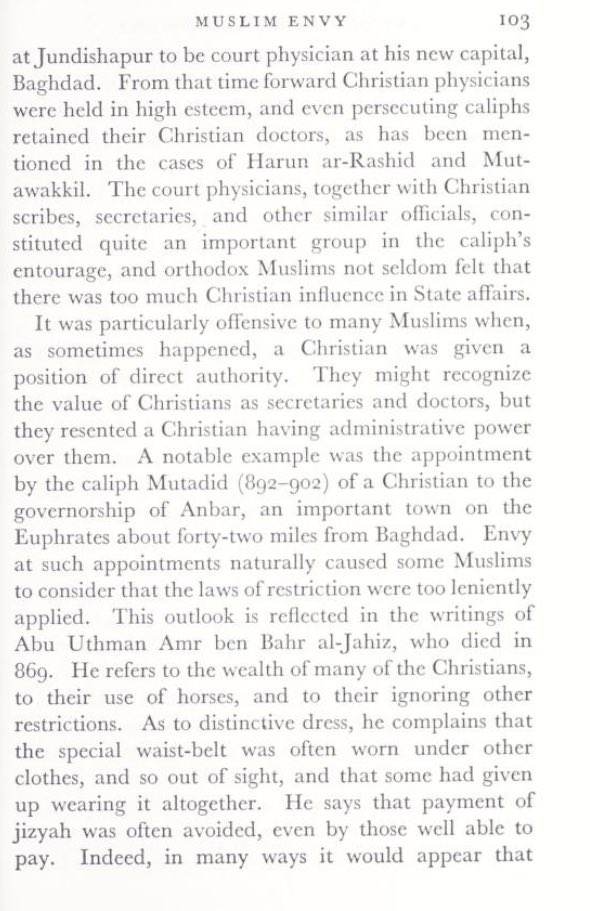
@NenosNshemoon The caliph once appointed an Assyrian Christian to the position of governor in Anbar.
ܓܡܝܓܘܣ tweet media
English
0
0
6
173
Nenos Chamany ܢܝܢܘܣ ܟܡܢܝ
Nenos Chamany ܢܝܢܘܣ ܟܡܢܝ@NenosNshemoon·
1/2 The Falluja/Anbar region was once a sophisticated urban center for both Assyrian Christians and Jews. Anbar-which in Assyrian Aramaic means storehouse, granary, or depot-was a major seat of the Church of the East and a powerhouse of Syriac scholarship and monastic education.
Nenos Chamany ܢܝܢܘܣ ܟܡܢܝ tweet media
English
5
9
38
1.9K
ܓܡܝܓܘܣ retweetledi
Evon Sorisho - ܕܢܘ ܣܒ݂ܪܝܫܘܥ
Here's one thing that I think separatists fail to understand. There would not be an Assyrian nation without the Assyrians from the Chaldean Church, and Syriac Orthodox and Catholic Churches. I understand that separatists like to define ethnic and national lines through sectarian boundaries, but in reality that is not how ethnicity and nations work. The Ancient and Assyrian Churches of the East are the smallest of the of the churches and their members would not be able to have such a nation by themselves. The reality has it that the Assyrians belong to various Christian sects and are not exclusionary. The existence of the Assyrian nation comes from the beauty that it does not distinguish between sectarian lines.
Evon Sorisho - ܕܢܘ ܣܒ݂ܪܝܫܘܥ tweet mediaEvon Sorisho - ܕܢܘ ܣܒ݂ܪܝܫܘܥ tweet mediaEvon Sorisho - ܕܢܘ ܣܒ݂ܪܝܫܘܥ tweet mediaEvon Sorisho - ܕܢܘ ܣܒ݂ܪܝܫܘܥ tweet media
English
10
9
65
3.2K
ܓܡܝܓܘܣ retweetledi
bishopwarda
bishopwarda@bishopwarda·
We are not a box to be ticked for diversity representation. From scribes of ancient Nineveh to educators & doctors in modern Iraq, Christians actively participated in this land for over 2000 years. We want to be valued as Iraqi citizens, not as some minority paid lip service to.
English
2
26
95
2.7K
ܓܡܝܓܘܣ retweetledi
United Assyria
United Assyria@unitedassyria·
The Story of Jonah & Nineveh- Animation
English
2
14
54
3.3K
ܓܡܝܓܘܣ retweetledi
GEWARGIS
GEWARGIS@GewargisOfAthor·
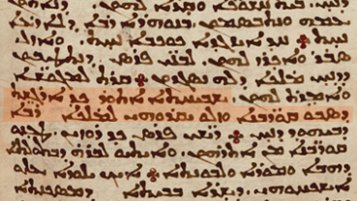
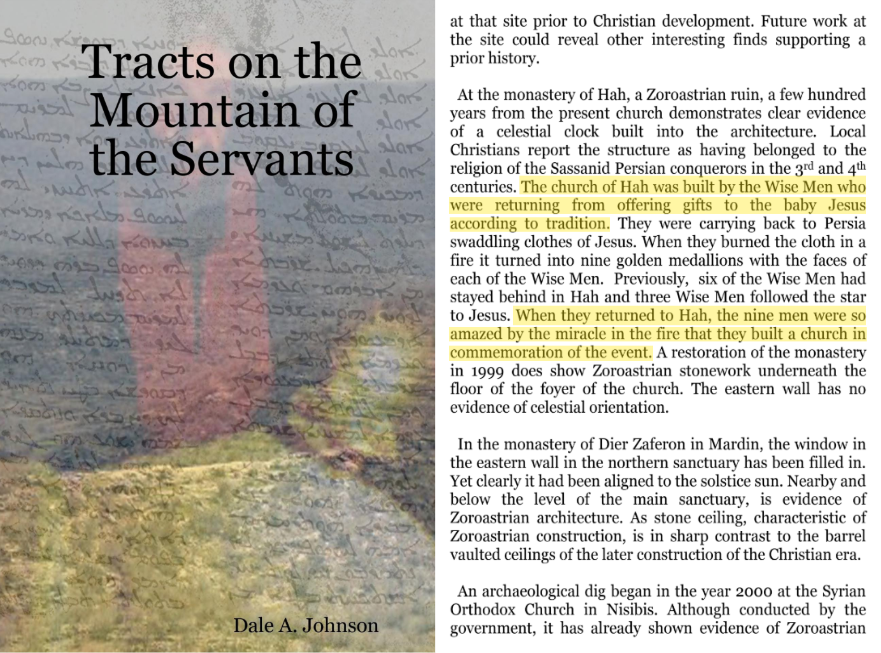
Ephrem the Syrian and Mar Narsai, two of the most venerated saints in the Syriac Orthodox Church and the Church of the East, reflect a shared Syriac tradition in which Athōr (Assyria) recognizes the star and calls the Wise Men to honor the newborn Christ. Ephrem records: “Great Assyria, when she perceived it, called the Magi and said to them: take gifts and go honor the great King who has dawned in Judea.” (MS14506, c. 350 AD) Mar Narsai likewise preserves this tradition: “As great Assyria realized, she called the Magi and told them: take offerings and go honor the great King who is born in Judea.” The passage appears to draw on Ephrem’s formulation. (Vat. Syr. 498, c. 500 AD) A tradition also exists among the Assyrians of Tur Abdin that the Wise Men returned to Hah after visiting Christ and built a church there in commemoration of the event.
GEWARGIS tweet mediaGEWARGIS tweet mediaGEWARGIS tweet mediaGEWARGIS tweet media
GEWARGIS@GewargisOfAthor

Mar Jacob of Sarug identifies the Three Wise Men, the first believers, as Assyrians. "..great star whose light is not from the firmament appeared there and shined and behold it Athor was alarmed by the sign it saw," and when the "Āthorāyē wise men were gathered they said.."
English
2
18
78
4.9K
ܓܡܝܓܘܣ retweetledi
Frederick Aprim
Frederick Aprim@FredAprim·
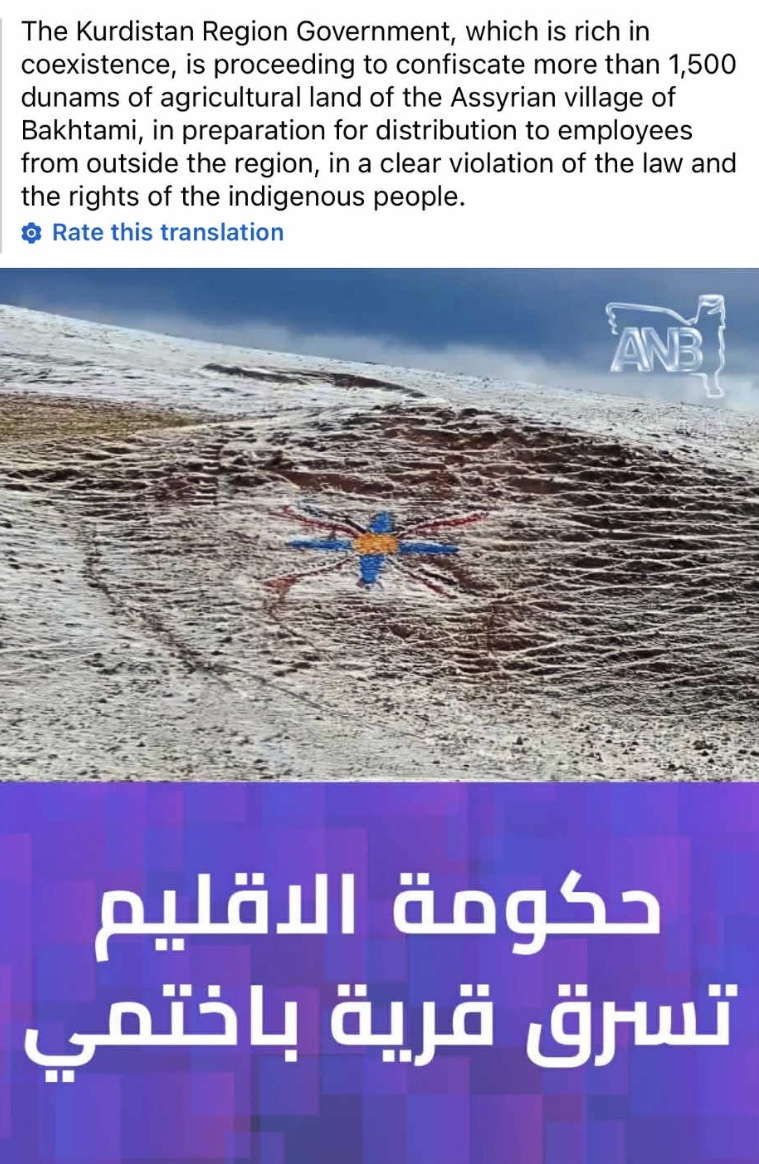
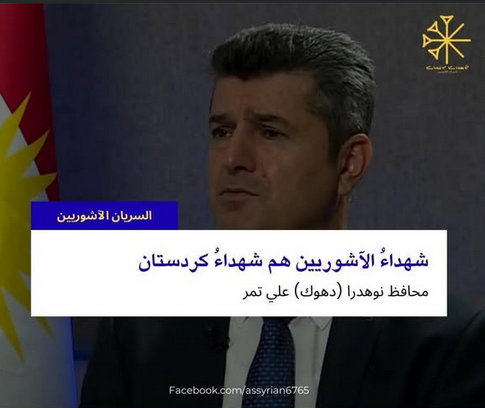
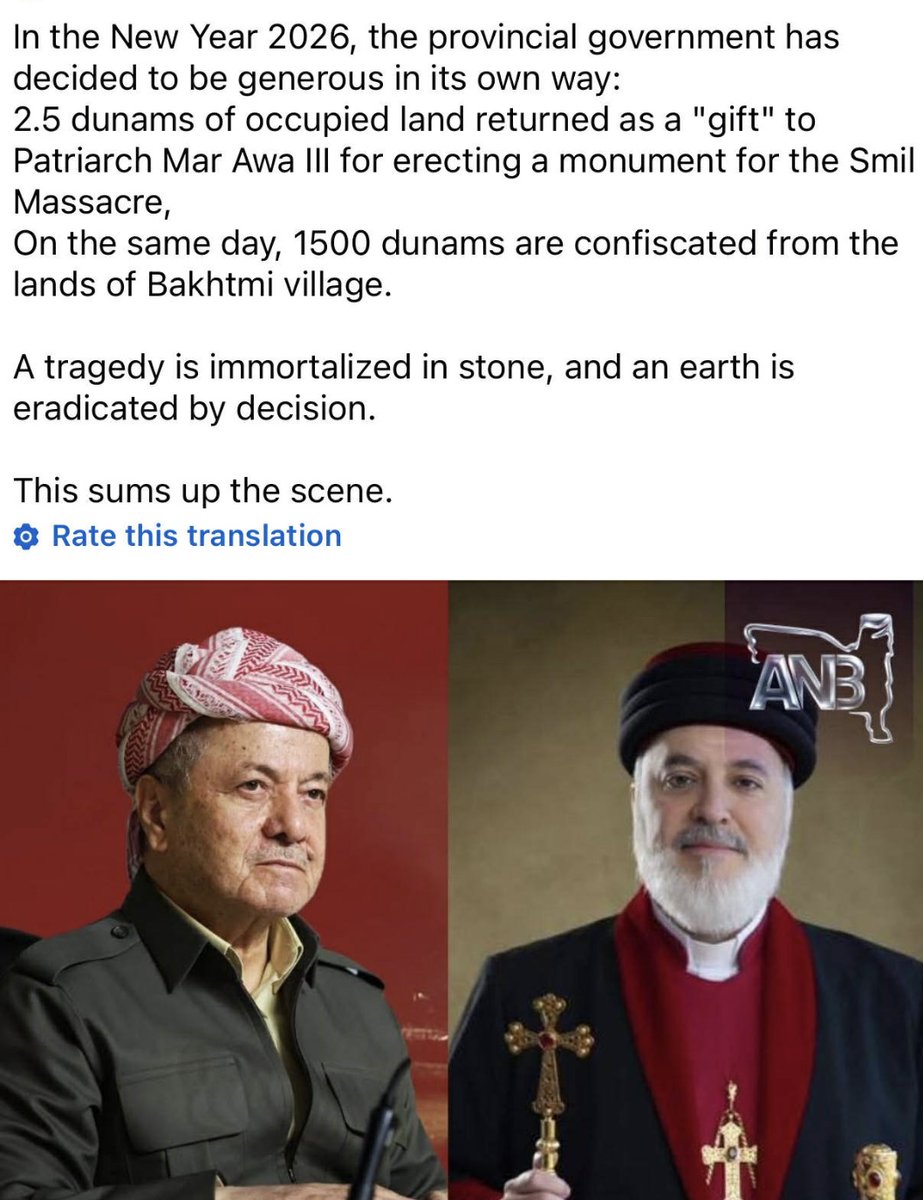
Why are we Assyrians not standing against the perpetrators? Why is the church shielding the perpetrators? So the Barzani and the KRG steal 1,500 donams of Assyrian agricultural land of Bakhitme and then return to gift certain institution 2.5 donams to put the foundation stone of a so-called Simele monument on it. Do you see this as something to celebrate about? Why not protest and reject the Barzani when a Kurdish official calls the Assyrian martyrs of Simele massacre (that the Kurds participated in committing) as "martyrs of kurdistan"? What happened to the true spirit of Assyria?
Frederick Aprim tweet mediaFrederick Aprim tweet mediaFrederick Aprim tweet media
English
10
8
36
3.6K
ܓܡܝܓܘܣ retweetledi
Evon Sorisho - ܕܢܘ ܣܒ݂ܪܝܫܘܥ
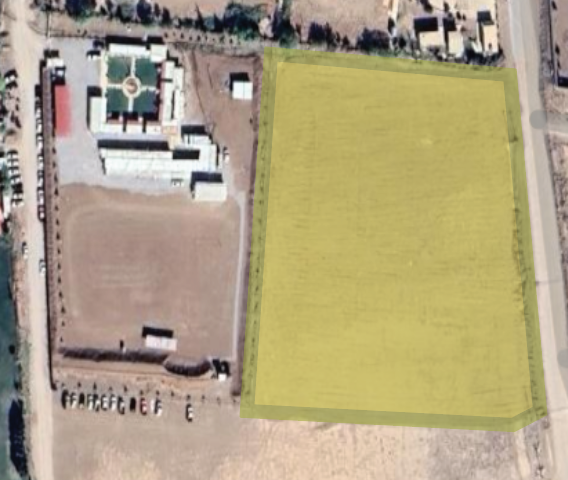
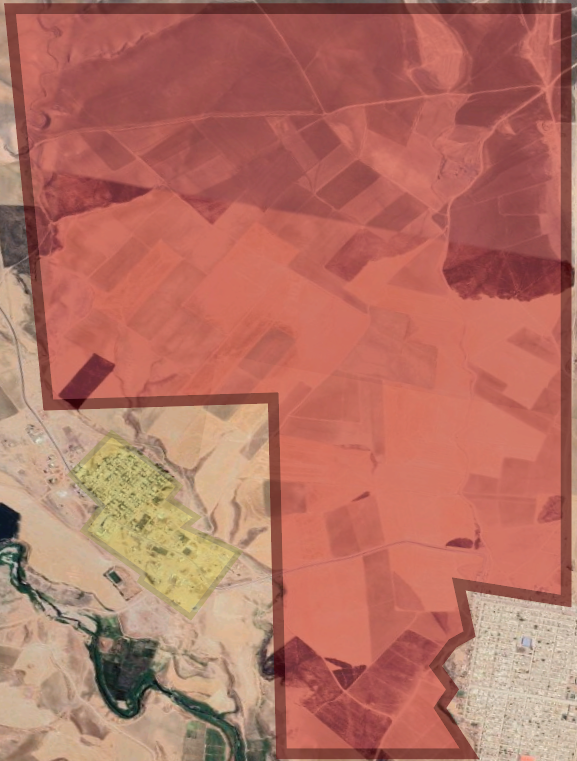
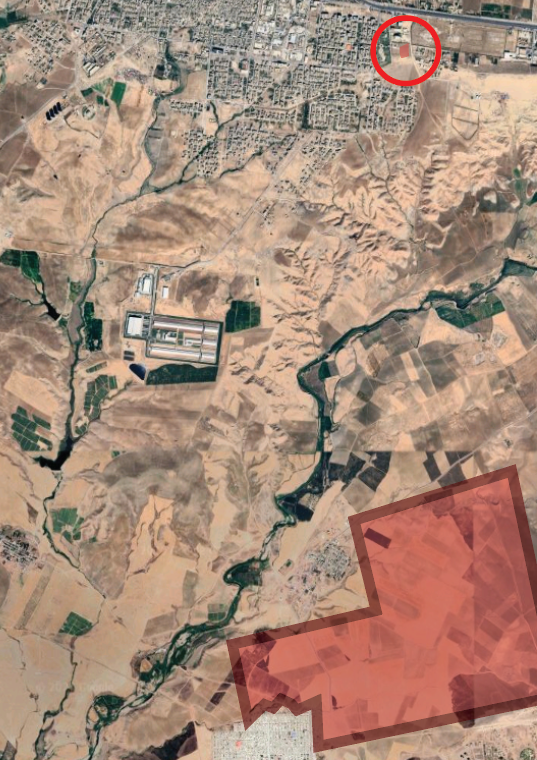
Two important events have occurred for Assyrians in the KRG. One of which is the first step to heal old wounds of past atrocities, and the other is a continuation of land grabs brought on by Kurdish political authorities. The first occurrence is the long awaited Semele Massacre monument being erected in the town of Semele to honour and remember the thousands of innocent Assyrian Christian men, women, and children who were brutally killed. This even has been deemed as a very positive step in the long awaited healing between the KRG and Assyrians as the latter have been petitioning for such a monument for decades. The plot of land that has been given is 2.5 donams (~1.25 acres) and is seen in the highlighted yellow section below. The second event is the Kurdish Dohuk Governorate's land confiscation of farmland used by Assyrians which will become an urban development unit for Kurdish government officials and Peshmerga. The land dispute will witness the takeover of farmland used by Assyrians from Bakhitme (seen in yellow below). The land which will be developed by the Dohuk Government (seen in red) is approximately 1500 donams (~370 acres). As of right now, there is no word for any monetary compensation which will be given to the Bakhitme farmers. This is not the first time that the KRG has taken land from Assyrian farmers without providing any monetary compensation. The most famous such case is land taken from Ankawa farmers who's farmlands were taken in order to build the Erbil International Airport. It has been decades since the seizure of the farmland and to this day, the Ankawa farmers have not been compensated. As mentioned, these are not isolated incidents and such incidents continue to occur against the Assyrian Christian populations. Below is a size comparison of the 2.5 donams land allotted for the Semele Massacre monument (seen circled) and the 1500 donams Urban development land which will be given to Government officials and Peshmerga.
Evon Sorisho - ܕܢܘ ܣܒ݂ܪܝܫܘܥ tweet mediaEvon Sorisho - ܕܢܘ ܣܒ݂ܪܝܫܘܥ tweet mediaEvon Sorisho - ܕܢܘ ܣܒ݂ܪܝܫܘܥ tweet media
English
2
13
29
1.6K
ܓܡܝܓܘܣ
ܓܡܝܓܘܣ@Goosessus·
@nasbni @GewargisTyari Yes, Abdisho wrote it in a Latin way. This is non-existent beside this letter, but occasionally you also see ܐܣܘܪܝܐ “Asoriya” which is the transliteration from Greek in certain Syriac texts. Again, very rare though
English
1
0
1
77
Barnosho
Barnosho@nasbni·
@GewargisTyari I can follow 90% of the original writing, but about the last bit: did he write ܐܣܝܪܝܐ Asiria rather than ܐܬܘܪ Athur? How common is this?
English
2
0
1
161
GEWARGIS
GEWARGIS@GewargisOfAthor·
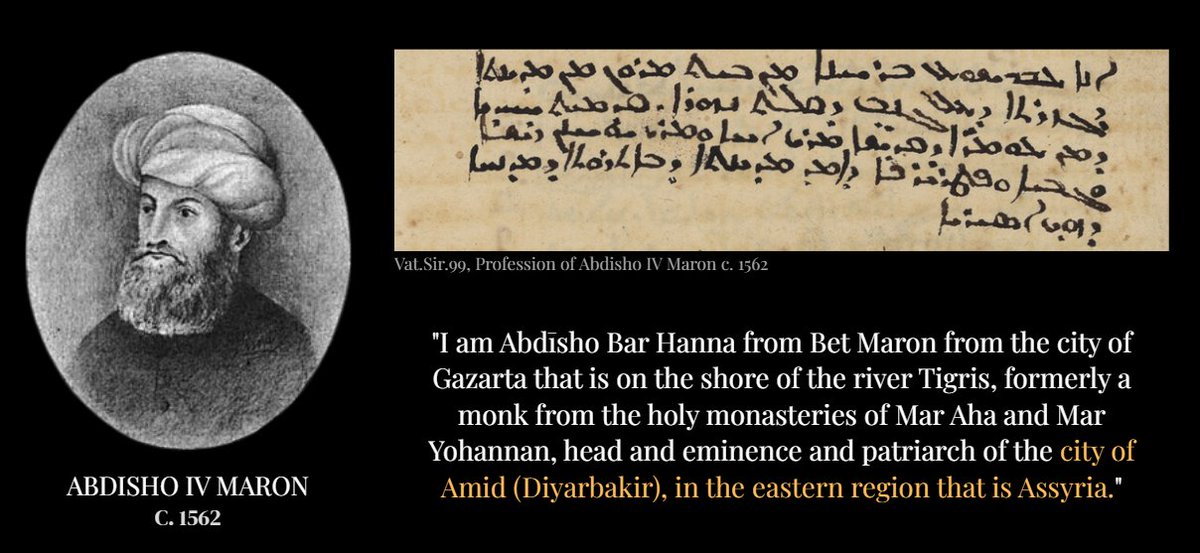
According to Mar Abdisho, Assyria lies east of the Euphrates and this includes Amid (Diyarbakir) and Tur Abdin. A reminder that modern separatism doesn’t change historical geography.
GEWARGIS tweet media
English
4
4
51
2.5K
ܓܡܝܓܘܣ retweetledi
Nenos Chamany ܢܝܢܘܣ ܟܡܢܝ
Mark Savaya,Trump envoy to Iraq called for enforcing Iraq’s Article 125 to protect Chaldean and Assyrian rights, while reports say the U.S. is seriously examining the creation of a regional entity recognising the area’s historical significance.
Nenos Chamany ܢܝܢܘܣ ܟܡܢܝ tweet media
English
14
4
56
3.5K
_Suraya_
_Suraya_@PGi_2001·
Another ruler of Adiabene, Natounissar, had a name with a theophoric element including the Assyrian name for the goddess Ishtar.
_Suraya_ tweet media_Suraya_ tweet media
English
4
3
19
1.2K
ܓܡܝܓܘܣ
ܓܡܝܓܘܣ@Goosessus·
@PGi_2001 Wow! Didn’t even know about this king, the early elite of Adiabene seem to be the same Assyrians of antiquity as their names suggest, and not Iranians or Greeks.
English
0
0
4
83
ܓܡܝܓܘܣ
ܓܡܝܓܘܣ@Goosessus·
@a2raya_ Additionally, it just doesn’t align with their culture, its modern nationalism. The antique Muslim Arabs of Iraq literally never saw themselves as the descendants of Mesopotamia, that role was always given to us, the ‘Nabat’ or Siryan as the Assyro-Babylonians, and rightfully so.
English
0
0
7
181
𖢗
𖢗@a2raya_·
The reason why i’m against Iraqis claiming Assyrians is because they see us as some tiny, irrelevant piece of a broader Mesopotamian mosaic that ‘conveniently’ claims every ancient civilisation from thousands of years ago. Grouping us with Sumerians, Babylonians or Akkadians renders the term “Assyrian” irrelevant, as it places us beside peoples that no longer exist, even though we exist today with our own distinct culture and the language that our ancestors spread across the region, unlike those extinct groups.
English
3
2
27
2.1K