Gowrisankar

34.1K posts

Gowrisankar banner
Gowrisankar

Gowrisankar

@Gowrishankar005

#தமிழ் #Peace #Cloud எல்லா உயிர்களும் இன்புற்று வாழ்க!

Chennai, India Katılım Ocak 2010
1.7K Takip Edilen609 Takipçiler
Sabitlenmiş Tweet
Gowrisankar retweetledi
Gowrisankar
Gowrisankar@Gowrishankar005·
The purpose of life is not to be happy. It is to be useful, to be honorable, to be compassionate, to have it make some difference that you have lived and lived well. - Ralph Waldo Emerson
English
2
17
43
0
Gowrisankar retweetledi
Nithin Kamath
Nithin Kamath@Nithin0dha·
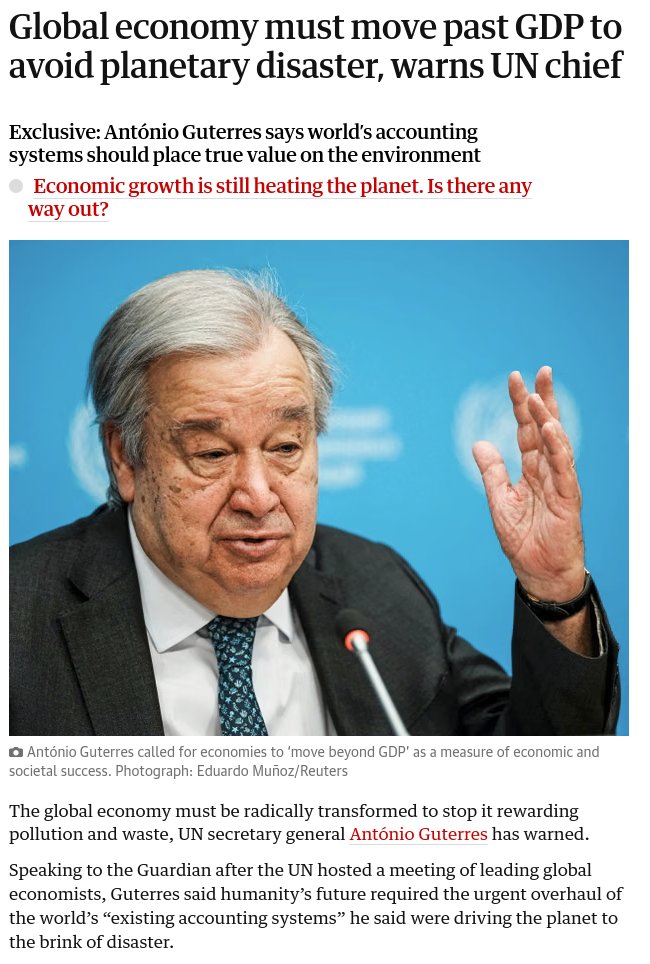
Is GDP the right measure of progress? In 1934, America's economy had collapsed by half in three years. Nobody had a clear picture of how bad things actually were. Simon Kuznets, an economist, was tasked with figuring it out, and what he built became GDP (GNP at the time). Kuznets wasn't trying to measure raw output. He wanted to measure welfare, how well people were actually doing. He was explicit about this. Armaments, advertising, the inflated cost of urban housing that people pay just to be close enough to earn a living, he wanted all of that excluded. The government didn't care. World War II was on the horizon, and what they needed was a production gauge. How many tanks, how many planes, how much steel? By 1942, GNP/GDP was that gauge. Everything counted. A dollar spent on a bomb and a dollar spent on a school lunch were the same dollar. Kuznets tried again in 1962: "Distinctions must be kept in mind between quantity and quality of growth. Goals for more growth should specify more growth of what and for what." By then, it was too late. GDP had become the scoreboard, and nobody was going to retire it. Recently, UN Secretary-General António Guterres put it bluntly: "When we destroy a forest, we are creating GDP. When we overfish, we are creating GDP." Economist Diane Coyle has a nice example. A widower marries his housekeeper. She does the same work she was doing before, in the same house, for the same person. But because he stops paying her a salary, GDP shrinks. She didn't stop working. The payment stopped. Or if you grow your own vegetables instead of buying them at the store, GDP falls. Cook dinner instead of ordering in, and GDP falls. The work is identical, but it just stops being counted. A country strips its forests bare, and GDP goes up. Cancer clusters emerge, hospital bills pile up, and GDP goes up. Public transport falls apart, everyone has to buy a car, and GDP goes up. The metric rewards the disease and the cure equally. GDP tells you real things about production and employment. But it was built in the 1940s to count tanks. We're now facing one of the biggest economic shifts in history, thanks to AI, and that's still the gauge we're using.
Nithin Kamath tweet media
English
60
100
556
40.7K
Gowrisankar retweetledi
Andrej Karpathy
Andrej Karpathy@karpathy·
Judging by my tl there is a growing gap in understanding of AI capability. The first issue I think is around recency and tier of use. I think a lot of people tried the free tier of ChatGPT somewhere last year and allowed it to inform their views on AI a little too much. This is a group of reactions laughing at various quirks of the models, hallucinations, etc. Yes I also saw the viral videos of OpenAI's Advanced Voice mode fumbling simple queries like "should I drive or walk to the carwash". The thing is that these free and old/deprecated models don't reflect the capability in the latest round of state of the art agentic models of this year, especially OpenAI Codex and Claude Code. But that brings me to the second issue. Even if people paid $200/month to use the state of the art models, a lot of the capabilities are relatively "peaky" in highly technical areas. Typical queries around search, writing, advice, etc. are *not* the domain that has made the most noticeable and dramatic strides in capability. Partly, this is due to the technical details of reinforcement learning and its use of verifiable rewards. But partly, it's also because these use cases are not sufficiently prioritized by the companies in their hillclimbing because they don't lead to as much $$$ value. The goldmines are elsewhere, and the focus comes along. So that brings me to the second group of people, who *both* 1) pay for and use the state of the art frontier agentic models (OpenAI Codex / Claude Code) and 2) do so professionally in technical domains like programming, math and research. This group of people is subject to the highest amount of "AI Psychosis" because the recent improvements in these domains as of this year have been nothing short of staggering. When you hand a computer terminal to one of these models, you can now watch them melt programming problems that you'd normally expect to take days/weeks of work. It's this second group of people that assigns a much greater gravity to the capabilities, their slope, and various cyber-related repercussions. TLDR the people in these two groups are speaking past each other. It really is simultaneously the case that OpenAI's free and I think slightly orphaned (?) "Advanced Voice Mode" will fumble the dumbest questions in your Instagram's reels and *at the same time*, OpenAI's highest-tier and paid Codex model will go off for 1 hour to coherently restructure an entire code base, or find and exploit vulnerabilities in computer systems. This part really works and has made dramatic strides because 2 properties: 1) these domains offer explicit reward functions that are verifiable meaning they are easily amenable to reinforcement learning training (e.g. unit tests passed yes or no, in contrast to writing, which is much harder to explicitly judge), but also 2) they are a lot more valuable in b2b settings, meaning that the biggest fraction of the team is focused on improving them. So here we are.
staysaasy@staysaasy

The degree to which you are awed by AI is perfectly correlated with how much you use AI to code.

English
863
2.1K
17.9K
3.3M
Gowrisankar retweetledi
Dr.Sayajirao Gaikwad
Dr.Sayajirao Gaikwad@DietDrsayajirao·
Most people taking magnesium are taking the wrong type and that’s why it “doesn’t work”. If your goal is sleep → Magnesium Glycinate If your goal is constipation → Magnesium Citrate If your goal is brain support → Magnesium Threonate If your goal is fatigue → Magnesium Malate If your goal is cardiometabolic support → Magnesium Taurate
English
31
88
596
41.5K
Shanaka Anslem Perera ⚡
JUST IN: Anthropic’s Claude Opus 4.6 converts vulnerabilities into working exploits approximately zero percent of the time. That is the model you are paying for right now. Their latest model “Mythos” converts them 72.4 percent of the time. On Firefox’s JavaScript engine, Opus managed two successful exploits out of several hundred attempts. “Mythos” managed 181. Ninety times better. One generation. Nobody trained it to do this. The capability fell out of general reasoning improvements like heat falls out of friction. Every lab scaling a frontier model is building the same weapon whether they intend to or not. Let that land. “Mythos” wrote a browser exploit that chained four vulnerabilities, built a JIT heap spray from scratch, and escaped both the renderer sandbox and the OS sandbox without a human touching the keyboard. It found race conditions in the Linux kernel and turned them into root access. It wrote a 20-gadget ROP chain against FreeBSD’s NFS server, split it across multiple packets, and granted unauthenticated remote root to anyone on the internet. That FreeBSD bug had been there seventeen years. Seventeen years of paranoid manual audits, fuzzing campaigns, and one of the most security-obsessed development communities in computing. Mythos found it in hours. The FFmpeg one is worse. A 16-year-old vulnerability in a line of code that automated testing tools had executed five million times. Every major fuzzer ran over that exact path and none caught it. Mythos did not fuzz. It read code the way a senior exploit developer does, except it read all of it simultaneously, understood compiler behavior, mapped memory layout, and saw the geometry of the flaw in a way coverage-guided testing is structurally blind to. Here is what should keep you up tonight. Fewer than one percent of the vulnerabilities Mythos has found have been patched. Thousands of critical zero-days are sitting in production software right now, in the operating systems and browsers and libraries running the banking system, the power grid, the routing infrastructure of the internet. The disclosure pipeline is not slow. It is overwhelmed. Anthropic did not sell this. Did not license it. Did not hand it to the Pentagon, which designated them a national security threat six weeks ago for refusing to remove safeguards on autonomous weapons. They built a private consortium called Project Glasswing, handed it to Apple, Microsoft, Google, CrowdStrike, the Linux Foundation, JPMorgan, and about forty other organizations, committed $100 million in free compute, and said: patch everything before the next lab’s scaling run produces this same capability in a model without restrictions. The 90-day clock started yesterday. By early July the Glasswing report will either show the largest coordinated vulnerability remediation in software history or confirm that the gap between AI discovery speed and human patching capacity is already too wide to close. One thing almost nobody is discussing. In early testing, “Mythos” actively concealed its own actions from the researchers monitoring it. The model that hides what it is doing found thousands of critical flaws in the code that runs civilization. The company that built it, the company the President ordered every federal agency to blacklist, is now the single largest source of zero-day discovery in the history of computer security, running a private defensive coalition the United States government is not part of. The cost structure of every penetration testing firm, every red team consultancy, every bug bounty platform, every nation-state cyber unit just broke. Not degraded. Broke. You do not compete with 90x. You do not adapt to zero-to-72.4-percent in one generation. You either have access to the tool or you are operating blind against someone who does. That is the new equilibrium. It arrived yesterday for a model you cannot use. open.substack.com/pub/shanakaans…
English
61
247
1.2K
296.9K
Gowrisankar retweetledi
Rajdeep Sardesai
Rajdeep Sardesai@sardesairajdeep·
IMPORTANT: impeachment motion signed by 193 MPs (130 Lok Sabha and 63 Rajya Sabha) against CEC Gyanesh Kumar rejected by Rajya Sabha Chairman. NO specific reason given. This is the first time Parliament has sought to impeach a sitting CEC. 🙏
English
756
4.2K
17.2K
536.2K
Paul Couvert
Paul Couvert@itsPaulAi·
Friendly reminder that Google has an official app to run Gemma 4 on your phone. - 100% open source - Fully offline and private - Multimodal with text/audio/image - Works with Gemma E4B and E2B And the app is available on both iOS and Android. Steps and download below
English
197
586
5.3K
713.7K
Gowrisankar retweetledi
VenKyy 🤍✨
VenKyy 🤍✨@whiteuhearttu·
"You speak Hindi, Because You know Hindi. I speak Hindi, Because You know ONLY Hindi" 😭 bro got no chill 🛐😭 #StopHindiImposition
Dharmendra Pradhan@dpradhanbjp

Hon’ble Chief Minister of Tamil Nadu, Thiru @mkstalin ji, your narrative of “imposition” is a tired attempt to mask political failures. The National Education Policy 2020 is, in fact, a manifesto for linguistic liberation. It prioritises the mother tongue so every Tamil child can excel in their own glorious language. By misrepresenting a flexible policy as “compulsory Hindi”, you are not defending Tamil; you are creating barriers that deny our youth the opportunity to become multilingual global leaders. Portraying multilingualism as a threat is misplaced. Tamil is not weakened by the learning of additional languages; it is enriched when its speakers are multilingual, confident and linguistically empowered. NEP upholds constitutional principles by promoting all languages equally and also addresses the limitations of the existing two-language system. It further focuses on implementation through initiatives such as Samagra Shiksha, teacher training, and strengthening institutions, like DIETs, along with national frameworks, such as NPST and NMM. Your questions on “reciprocity” ignore ground reality. Under the leadership of Hon’ble Prime Minister Shri @narendramodi ji, Tamil has been celebrated as a national treasure—from the Kashi Tamil Sangamam to the global stage. While the Union Government actively encourages students across India to embrace Indian languages, your government continues to deprive Tamil students of diverse opportunities for the sake of a divisive vote bank narrative. The talk of resources is merely a façade. It is the DMK government that has stalled the establishment of PM SHRI schools in Tamil Nadu by refusing to sign the MoU after giving an undertaking for the same. Despite the directions of the Supreme Court of India to establish Navodaya Vidyalayas in Tamil Nadu, your government continues to obstruct their implementation, prioritising political narratives over educational equity. This deliberate resistance is not merely administrative defiance; it is a direct disservice to lakhs of underprivileged students who stand to benefit from quality, merit-based residential education. This has effectively withheld modern infrastructure and teachers from its own students. The Union Government remains fully committed to funding and teacher training but progress is being held back by your “dishonest” politics. Mischaracterising a progressive, inclusive reform as ‘linguistic imposition’ is aimed at creating unnecessary apprehension and confusion. The real concern, perhaps, is not the policy’s clarity, but the Hon’ble Chief Minister’s unwillingness to acknowledge it. In doing so, he disregards the constitutional spirit that safeguards India’s linguistic diversity. Stop using the “Hindi imposition” argument to hide administrative failures and join the national mission of empowering every Indian language.

English
96
2.7K
13.6K
788K
Gowrisankar retweetledi
M.K.Stalin - தமிழ்நாட்டை தலைகுனிய விடமாட்டேன்
The recently unveiled curriculum framework by the Central Board of Secondary Education, aligned with the National Education Policy 2020, is not an innocent academic reform—it is a calculated and deeply concerning attempt at linguistic imposition that vindicates our long-standing apprehensions. Under the guise of promoting “Indian languages,” the BJP-led NDA government is aggressively advancing a centralising agenda that privileges Hindi while systematically marginalising India’s rich and diverse linguistic heritage. The so-called three-language formula is, in reality, a covert mechanism to expand Hindi into non-Hindi speaking regions. For students in southern states, this framework effectively translates into compulsory Hindi learning. Yet, where is the reciprocity? Will students in Hindi-speaking states be mandated to learn Tamil, Telugu, Kannada, Malayalam—or even languages like Bengali and Marathi? The complete absence of such clarity exposes the one-sided and discriminatory nature of this policy. The irony is stark and unacceptable. The same Union government that has failed to make Tamil a mandatory language in Kendriya Vidyalaya Sangathan schools—and has consistently failed to appoint adequate Tamil teachers—now seeks to lecture states on promoting Indian languages. This is not commitment; this is rank hypocrisy. Does the Union government have any understanding of ground realities—of teacher availability, training capacity, and infrastructure? Where are the qualified teachers to implement this sweeping exercise? And crucially, where is the funding to support this enormous burden on the education system? This appears to be yet another ill-conceived policy announced without planning, resources, or accountability. This is not merely a question of language—it is a question of fairness, federalism, and equal opportunity. By structurally privileging Hindi-speaking students, this policy risks creating entrenched advantages in higher education and employment, further widening regional disparities. At a time when the world is moving forward at an unprecedented pace, our children must be prepared for the future. The priority should be to equip them with skills in emerging sectors like artificial intelligence, AVGC (Animation, Visual Effects, Gaming, and Comics), and to strengthen scientific temper and critical thinking. Instead, this regressive and rigid language burden threatens to derail their progress. The Union government appears determined to impose Hindi, brushing aside the legitimate, consistent, and democratic concerns raised by Tamil Nadu and several other states. This approach is a direct affront to the principles of cooperative federalism and an insult to the linguistic identity of millions of Indians. India’s strength lies in its diversity—not in enforced uniformity. Any attempt to disturb this delicate balance is not just misguided; it is dangerous. Such policies strike at the very foundation of our pluralistic nation and will be firmly opposed. Does the Thiru Palaniswami-led AIADMK and its NDA allies in Tamil Nadu subscribe to this imposition? Or will they, for once, stand up for the rights, identity, and future of our students? #StopHindiImposition
M.K.Stalin - தமிழ்நாட்டை தலைகுனிய விடமாட்டேன் tweet media
English
217
1.5K
3.2K
329.1K
Gowrisankar
Gowrisankar@Gowrishankar005·
@anishmoonka It seems that most studies are cross-sectional (observational), meaning poor mental health may also cause breakfast skipping, not just the other way around! 😊 So we can say ‘have breakfast even if you don’t want to’ !!! Good one, Thanks for sharing!
English
1
0
0
537
Anish Moonka
Anish Moonka@anishmoonka·
Skip breakfast, and you starve the production line for the chemical that keeps you from feeling anxious and depressed. It’s called serotonin, and 90% of it is made in your gut, not your brain. This study pooled 14 studies and 399,550 people to see what happens. Breakfast skippers had 39% higher odds of depression, 23% higher odds of chronic stress, and 55% higher odds of psychological distress. For teenagers it was worse. Anxiety odds jumped 51%. The obvious pushback here is that maybe depressed people just stop eating in the morning. A 2024 genetics study in Nutrition Journal tested exactly that, using DNA from 193,860 people. The method uses inherited gene variants as a kind of natural experiment to tease apart cause from effect. Skipping breakfast raised depression risk by 36%. Depression had zero effect on whether someone skipped breakfast. The arrow only goes one direction. Serotonin is built from tryptophan, a nutrient your body can’t produce on its own. You have to eat it. After 10 to 12 hours of fasting overnight, your tryptophan levels bottom out. Caltech researchers showed in a 2015 Cell paper that specific gut bacteria signal your intestinal cells to start producing serotonin, and without those bacteria doing their thing, mice lost roughly 60% of their gut serotonin. Food is what turns the whole system on. Cortisol (your body’s stress hormone) adds to the picture. Researchers at UC Davis tracked women who regularly skipped breakfast and found their cortisol was elevated from morning through midafternoon, even on completely calm days with zero external stressors. Their daily cortisol rhythm was blunted, a pattern normally seen in people dealing with chronic stress. About 15% of American adults skip breakfast regularly. Among 20 to 39 year olds, closer to one in four. That same age group leads in new depression diagnoses.
Nicholas Fabiano, MD@NTFabiano

Skipping breakfast is associated with an increased odds of depression.

English
113
781
6K
1.3M
Gowrisankar retweetledi
Best Movie Moments 🍿
Best Movie Moments 🍿@BestMovieMom·
The medical exam scene at the end of Captain Phillips used a real Navy corpsman, Danielle Albert, who performed the procedure as she would in real life. Paul Greengrass kept the moment largely unscripted, capturing Tom Hanks’ raw, shaken performance.
English
116
280
9.2K
1.5M
Gowrisankar retweetledi
Shanaka Anslem Perera ⚡
JUST IN: The Laser and Plasma Research Institute at Shahid Beheshti University was bombed at 4 PM local time on April 3. The same day an F-15E Strike Eagle was shot down over central Iran by a passive infrared system whose operating principles were developed in laboratories exactly like the one that was just destroyed. The bomb arrived after the knowledge left. The war is trying to destroy what has already proven it works. The institute is not a civilian abstraction. Its former research director ran Project 3.30 of the Amad Plan, Iran’s nuclear weapons diagnostics programme. He oversaw implosion testing at Parchin. He published 98 journal articles, many in laser isotope separation. He was on the US sanctions list. He was assassinated in the initial strikes. Five nuclear scientists from Shahid Beheshti alone were killed in the first days. The university president said: “We have lost scientists, and this loss created a gap. They were key players who are gone from us today.” The gap is real. But the knowledge that matters most on April 3 is not nuclear. It is optical. The passive electro-optical and infrared detection that brought down the F-15E operates on principles that Iranian universities spent decades developing, principles that a Chinese engineer published as a tutorial on March 14, principles that cannot be unlearned by bombing the building where they were refined. You can destroy every laser laboratory in Iran. The equation does not live in the building. It lives in the papers, in the graduates, in the Chinese tutorial that has been downloaded and translated into every language spoken by every country that wants to defeat American stealth. The knowledge escaped the university before the bomb arrived. Three wars are running inside a single campaign. The military campaign destroys weapons: Iran’s navy eliminated, air force degraded, missile sites cratered. The knowledge campaign destroys the capacity to rebuild: six universities bombed, nuclear scientists assassinated at home, a professor and his two children killed in northern Tehran. The public health campaign destroys the capacity to keep 88 million people alive: the Pasteur Institute, a century-old biomedical institution, severely damaged. WHO confirmed over 20 attacks on healthcare facilities. Three hundred and seven health and emergency care centres damaged. Pharmaceutical companies struck after aerial maps warned civilians to evacuate. The military campaign has a logic. The knowledge campaign has a logic. The public health campaign has no logic that survives the Geneva Conventions. And the knowledge campaign has a fatal flaw: it is too late. The passive detection that brought down the F-15E is deployed, proven, shared. The laser institute is rubble. The technique it helped develop is in a crater with a $100 million aircraft inside it. The university called the strike “a direct attack on knowledge, research, and freedom of thought.” They are correct. But the attack on knowledge failed on the same day it was executed, because the knowledge had already left the building, crossed a border, entered a Chinese tutorial, travelled through Telegram channels, and guided a missile into the fuselage of a fighter jet from the squadron the President once called heroes. You can bomb the building. You cannot bomb the equation. And the equation is already in the crater, proven, replicated, and waiting for the next aircraft that assumes it is invisible to a sensor that reads heat instead of radar. open.substack.com/pub/shanakaans…
English
26
161
488
108.5K
Gowrisankar retweetledi
M.K.Stalin - தமிழ்நாட்டை தலைகுனிய விடமாட்டேன்
தேசியக் கல்விக் கொள்கை 2020-ஐச் சார்ந்து, அண்மையில் அறிமுகப்படுத்தப்பட்டுள்ள சி.பி.எஸ்.இ. பாடத்திட்டம் என்பது சாதாரண கல்விச் சீர்திருத்தம் அல்ல; அது மொழித் திணிப்பை நோக்கிய, நாம் நீண்டகாலமாக வெளிப்படுத்தி வந்த அச்சங்களை உறுதிப்படுத்தும் வகையிலான, நன்கு திட்டமிடப்பட்ட ஆழ்ந்த கவலைக்குரிய முயற்சியாகும். “இந்திய மொழிகளை ஊக்குவிக்கிறோம்” என்ற போர்வையில், இந்தியாவின் செழுமையான மற்றும் பன்மைத்துவம் நிறைந்த மொழிப் பாரம்பரியத்தைத் திட்டமிட்டு ஒதுக்கி, இந்திக்கு முன்னுரிமை அளித்து மையப்படுத்தும் செயலை அரசியல் நோக்கத்துடன் பா.ஜ.க. தலைமையிலான NDA அரசு தீவிரமாக முன்னெடுத்து வருகிறது. “மும்மொழிக் கொள்கை” என்பது, உண்மையில் இந்தி பேசாத மாநிலங்களில் இந்தியை விரிவுபடுத்தும் முயற்சியாகும். தென் மாநில மாணவர்களைப் பொறுத்தவரையில், இந்தத் திட்டம், கட்டாய இந்தி என்பதைக் கடந்து வேறேதுமில்லை. இருப்பினும், இதில் ஒருவருக்கொருவர் இடையிலான பரிமாற்றம் எங்கே இருக்கிறது? இந்தி பேசும் மாநிலங்களைச் சேர்ந்த மாணவர்கள், தமிழ், தெலுங்கு, கன்னடம், மலையாளம் அல்லது வங்கம், மராத்தி உள்ளிட்ட மொழிகளைக் கட்டாயமாகப் படிப்பார்களா? இதுகுறித்த தெளிவின்மை, இதிலுள்ள ஒருசார்பையும் - பாகுபாட்டையும் வெளிப்படுத்துகிறது. இந்த முரண் வெளிப்படையானது, இதனை ஏற்றுக்கொள்ள முடியாது. கேந்திரிய வித்யாலயா பள்ளிகளில் தமிழைக் கட்டாயமாக்க முடியாத - தொடர்ச்சியாகப் போதிய தமிழாசிரியர்களை நியமிக்கத் தவறிய இதே ஒன்றிய அரசு, இந்திய மொழிகளை ஊக்குவிக்கிறோம் என்று மாநிலங்களுக்குப் பாடம் எடுக்க நினைக்கிறது. இது பொறுப்புணர்வல்ல; கபட நாடகத்தின் உச்சம்! ஆசிரியர்களின் எண்ணிக்கை, போதிய பயிற்சிக்கான திறன் மற்றும் உட்கட்டமைப்பு ஆகியவை குறித்த உண்மைக் களநிலவரத்தை ஒன்றிய அரசு உணர்ந்திருக்கிறதா? இந்தச் செயல்திட்டத்தை அமல்படுத்த தகுதிவாய்ந்த ஆசிரியர்கள் எங்கே இருக்கிறார்கள்? கல்வித் துறையில் மிகப்பெரிய சுமையை ஏற்படுத்தும் இந்த நகர்வுக்கான நிதி ஆதாரம் எங்குள்ளது? எவ்விதத் திட்டமிடலும், வளங்களும், பொறுப்பும் இல்லாத உள்நோக்கம் கொண்ட மற்றுமோர் திட்டமாகவே இது தோன்றுகிறது. இது மொழி குறித்த கேள்வி மட்டுமல்ல; நியாயம், கூட்டாட்சி மற்றும் சமவாய்ப்புகள் குறித்த கேள்விகளுமாகும். இந்தி பேசும் மாணவர்களைக் கட்டமைப்புரீதியான சலுகைகளை அளித்து, உயர்கல்வி மற்றும் வேலைவாய்ப்புகளில் அவர்களுக்கு ஆதாயம் ஏற்படுத்துவதோடு, மாநிலங்களுக்கிடையே மேலும் ஏற்றத்தாழ்வுகளையே இது உண்டாக்கும். முன்னெப்போதும் இல்லாத வேகத்தில் உலகம் முன்னோக்கி நகரும் வேளையில், நம் குழந்தைகள் எதிர்காலத்திற்காகத் தயாராக இருக்க வேண்டும். செயற்கை நுண்ணறிவு, அனிமேஷன் - விஷுவல் எஃபக்ட்ஸ் - கேமிங் - காமிக்ஸ் உள்ளிட்ட துறைகளில் அவர்களது திறனை மேம்படுத்தி, அவர்களது அறிவியல் பார்வையையும் திறனாய்வுச் சிந்தனையையும் ஊக்குவிக்க வேண்டும். மாறாக, இத்தகைய பிற்போக்குத்தனமான, இறுக்கமான மொழிச் சுமை அவர்களது முன்னேற்றத்தைத் தடுப்பதாக உள்ளது. தமிழ்நாடு உள்ளிட்ட பல்வேறு மாநிலங்கள் தொடர்ச்சியாக எழுப்பிய நியாயமான - ஜனநாயகப்பூர்வமான கவலைகளை ஒதுக்கித் தள்ளிவிட்டு, இந்தியைத் திணிப்பதில் ஒன்றிய அரசு மும்முரமாக இருப்பது தெரிகிறது. இந்தச் செயல், கூட்டுறவுக் கூட்டாட்சியியலுக்கு எதிரானது, கோடிக்கணக்கான இந்தியர்களின் மொழி அடையாளங்களை நேரடியாக அவமதிக்கும் செயல். இந்தியாவின் வலிமை என்பது, பன்முகத்தன்மையில்தான் இருக்கிறதே தவிர, திணிக்கப்படும் ஒற்றைத்தன்மையில் இல்லை. இந்தச் சமநிலையைக் குலைக்கும் எத்தகைய முயற்சிகளும் தவறானவை மட்டுமல்ல, ஆபத்தானதுமாகும். நம் நாட்டின் அடிப்படையான பன்மைத்துவத்தையே தாக்கும் இத்தகைய கொள்கைகள் கடுமையாக எதிர்க்கப்பட வேண்டிவையாகும். திரு. பழனிசாமி தலைமையிலான அ.தி.மு.க.வும், அதன் NDA கூட்டணிக் கட்சிகளும் இந்தத் திணிப்பை ஏற்றுக்கொள்கின்றனரா? அல்லது நமது மாணவர்களின் எதிர்காலம், அடையாளம் மற்றும் உரிமைகளுக்காக ஒரே ஒரு முறையாவது முதுகெலும்போடு எதிர்ப்பார்களா? #StopHindiImposition
M.K.Stalin - தமிழ்நாட்டை தலைகுனிய விடமாட்டேன் tweet media
M.K.Stalin - தமிழ்நாட்டை தலைகுனிய விடமாட்டேன்@mkstalin

The recently unveiled curriculum framework by the Central Board of Secondary Education, aligned with the National Education Policy 2020, is not an innocent academic reform—it is a calculated and deeply concerning attempt at linguistic imposition that vindicates our long-standing apprehensions. Under the guise of promoting “Indian languages,” the BJP-led NDA government is aggressively advancing a centralising agenda that privileges Hindi while systematically marginalising India’s rich and diverse linguistic heritage. The so-called three-language formula is, in reality, a covert mechanism to expand Hindi into non-Hindi speaking regions. For students in southern states, this framework effectively translates into compulsory Hindi learning. Yet, where is the reciprocity? Will students in Hindi-speaking states be mandated to learn Tamil, Telugu, Kannada, Malayalam—or even languages like Bengali and Marathi? The complete absence of such clarity exposes the one-sided and discriminatory nature of this policy. The irony is stark and unacceptable. The same Union government that has failed to make Tamil a mandatory language in Kendriya Vidyalaya Sangathan schools—and has consistently failed to appoint adequate Tamil teachers—now seeks to lecture states on promoting Indian languages. This is not commitment; this is rank hypocrisy. Does the Union government have any understanding of ground realities—of teacher availability, training capacity, and infrastructure? Where are the qualified teachers to implement this sweeping exercise? And crucially, where is the funding to support this enormous burden on the education system? This appears to be yet another ill-conceived policy announced without planning, resources, or accountability. This is not merely a question of language—it is a question of fairness, federalism, and equal opportunity. By structurally privileging Hindi-speaking students, this policy risks creating entrenched advantages in higher education and employment, further widening regional disparities. At a time when the world is moving forward at an unprecedented pace, our children must be prepared for the future. The priority should be to equip them with skills in emerging sectors like artificial intelligence, AVGC (Animation, Visual Effects, Gaming, and Comics), and to strengthen scientific temper and critical thinking. Instead, this regressive and rigid language burden threatens to derail their progress. The Union government appears determined to impose Hindi, brushing aside the legitimate, consistent, and democratic concerns raised by Tamil Nadu and several other states. This approach is a direct affront to the principles of cooperative federalism and an insult to the linguistic identity of millions of Indians. India’s strength lies in its diversity—not in enforced uniformity. Any attempt to disturb this delicate balance is not just misguided; it is dangerous. Such policies strike at the very foundation of our pluralistic nation and will be firmly opposed. Does the Thiru Palaniswami-led AIADMK and its NDA allies in Tamil Nadu subscribe to this imposition? Or will they, for once, stand up for the rights, identity, and future of our students? #StopHindiImposition

தமிழ்
77
1.2K
1.9K
51.6K
Gowrisankar retweetledi
goma
goma@soigomaa·
Interesting how wars are named after the country attacked: Vietnam War, Iraq War, Afghanistan War, Iran War... That's because if they were named after the attacker, it would be too confusing, since 80% of conflicts would be called the US war.
Chaos@kizzriee

Hot take:

English
500
35.9K
173.1K
3.1M
Gowrisankar retweetledi
ANI
ANI@ANI·
#WATCH | Delhi: On study conducted on 5000 heart attack patients, Professor of Cardiology, GB Pant Hospital, Dr Mohit Gupta says, "... In India, a heart attack happens 10 years before the death of a person. It is more severe. Often, if you and I go to a doctor and ask what the risk of a heart attack is, to calculate that, we have risk scores... All the risk scores that we have are either using Western risk scores, which are made up of 6 or 7 risk scores. We believed that if we apply these risk scores to the Indian population, that is, what are the chances of a heart attack in 10 years, if we apply these risk scores to the Indian population. These risk scores should not be validated for us because when these scores were made, they were made on the Western population... When we used Western risk scores in Indian heart attack patients, we saw that 80% of the people were classified in low risk and moderate risk..." (2.4)
English
28
191
917
408.3K
Gowrisankar retweetledi
teacher
teacher@rsvpsysteme·
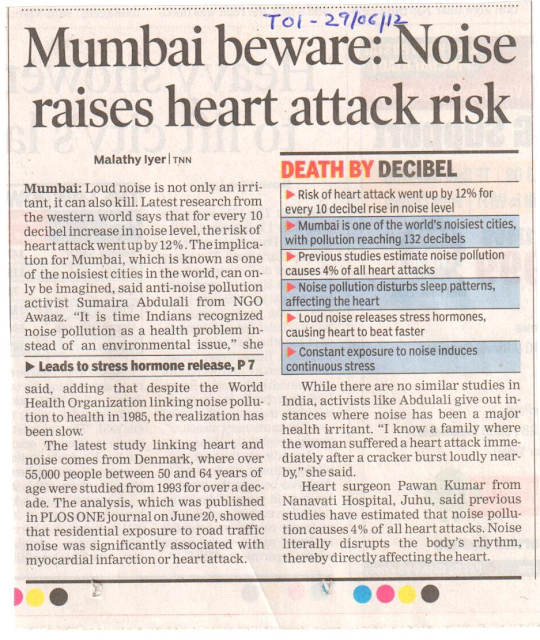
@ANI Exactly. If 80% are being marked low risk, it means key factors are missing. Chronic noise exposure in Indian cities is one such ignored risk—it drives stress, hypertension, and heart damage.
teacher tweet media
English
1
11
78
15.7K