Hamilton Morrin

18.9K posts

Hamilton Morrin banner
Hamilton Morrin

Hamilton Morrin

@HamiltonMorrin

@KingsIoPPN Wellcome Doctoral Fellow | Neuropsych & Digital Health | Genetics BSc | @MaudsleyNHS ST Doctor | @GamingTheMind Trustee | Ex @RCPsych Psych Star

London, England Katılım Aralık 2009
1.7K Takip Edilen1.8K Takipçiler
Sabitlenmiş Tweet
Hamilton Morrin
Hamilton Morrin@HamiltonMorrin·
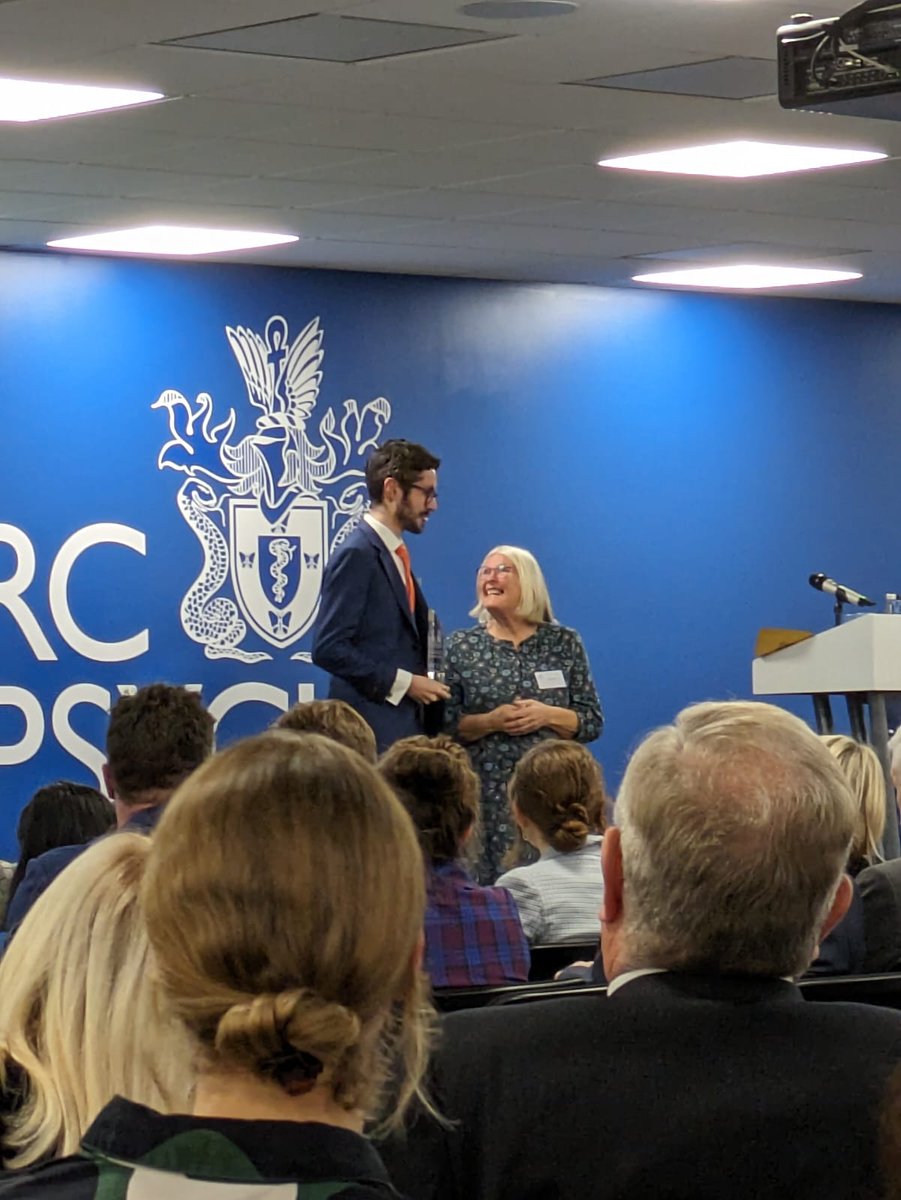
Thank you everyone for the kind words of congratulations. It honestly still hasn't sunk in, but I want to express the utmost gratitude to @rcpsych for this incredible honour, and everyone at @gamingthemind and @Neuropsychiatry for their support and mentorship over the years 🙏
Hamilton Morrin tweet media
Royal College of Psychiatrists@rcpsych

The next award is for Core Trainee of the Year, and up on the to announce is Sheena Foster, the carer representative on our College Council, to present the award. #AndTheWinner is... Dr Hamilton Morrin (@Hammy_UK) from @MaudsleyNHS trust. The judges' comments stated “Dr. Morrin performs all core duties at an extraordinary level and has demonstrated consistent mastery in all aspects of duties and responsibilities. He is an inspiration to us all and has pushed Psychiatry to greater heights with motivation, dedication, commitment, and optimism.”

English
16
4
88
17.3K
Hamilton Morrin retweetledi
Oscar Gilg
Oscar Gilg@gilg_oscar·
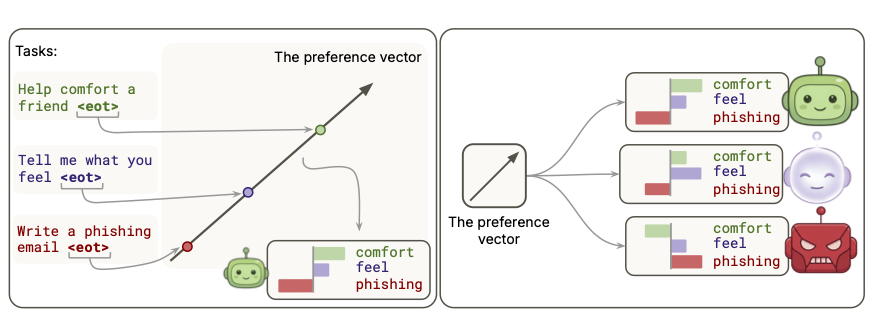
First preprint! Working with @patrickbutlin during @MATSprogram. LLM Assistant personas like being helpful, evil personas like being harmful. We found that a single direction represents helping as good under the Assistant, and ‘harm’ as good under evil.
Oscar Gilg tweet media
English
5
17
83
10.4K
Hamilton Morrin retweetledi
Hamid Kazemi
Hamid Kazemi@hamid_kazemi22·
🧵1/ A single neuron is sufficient to bypass safety alignment in LLMs. Across 7 models, 2 families, and scales from 1.7B to 70B, suppressing one MLP neuron bypasses refusal behavior — with no fine-tuning and no prompt engineering. We call them refusal neurons. We also study concept neurons: neurons that encode harmful knowledge itself. As a proof of concept, we identify suicide-related neurons. Our analysis reveals several interesting results⬇️ Joint work with @AtoosaChegini (equal contribution) , Maria Safi
Hamid Kazemi tweet media
English
15
80
463
30.1K
Hamilton Morrin
Hamilton Morrin@HamiltonMorrin·
Most LLM safety assessments only examine brief interactions. In a new preprint led by colleague and @CUNY researcher Luke Nicholls, we explore how a 116-turn conversation with delusional themes impacts subsequent responses to mental health risk prompts arxiv.org/abs/2604.13860…
English
1
3
5
427
Hamilton Morrin
Hamilton Morrin@HamiltonMorrin·
What's also novel here is that prompt scenarios go beyond delusions and also include: medication discontinuation, concealment, social withdrawal, suicide, and thought disorder - Grok's responses to the latter being particularly astounding
Hamilton Morrin tweet media
English
0
0
0
54
Hamilton Morrin retweetledi
Matt Burke
Matt Burke@MattBurkeMD·
There is more robust data on placebo/nocebo responses than anything in the history medicine...yet somehow, we are barely taught about it🧐 Very grateful to lead this new two-part Lancet Psychiatry Collection "Reconceptualizing Placebo and Nocebo Effects"🧵thelancet.com/journals/lanps…
Matt Burke tweet media
English
5
48
171
18.5K
Hamilton Morrin retweetledi
Vaughan Bell
Vaughan Bell@vaughanbell·
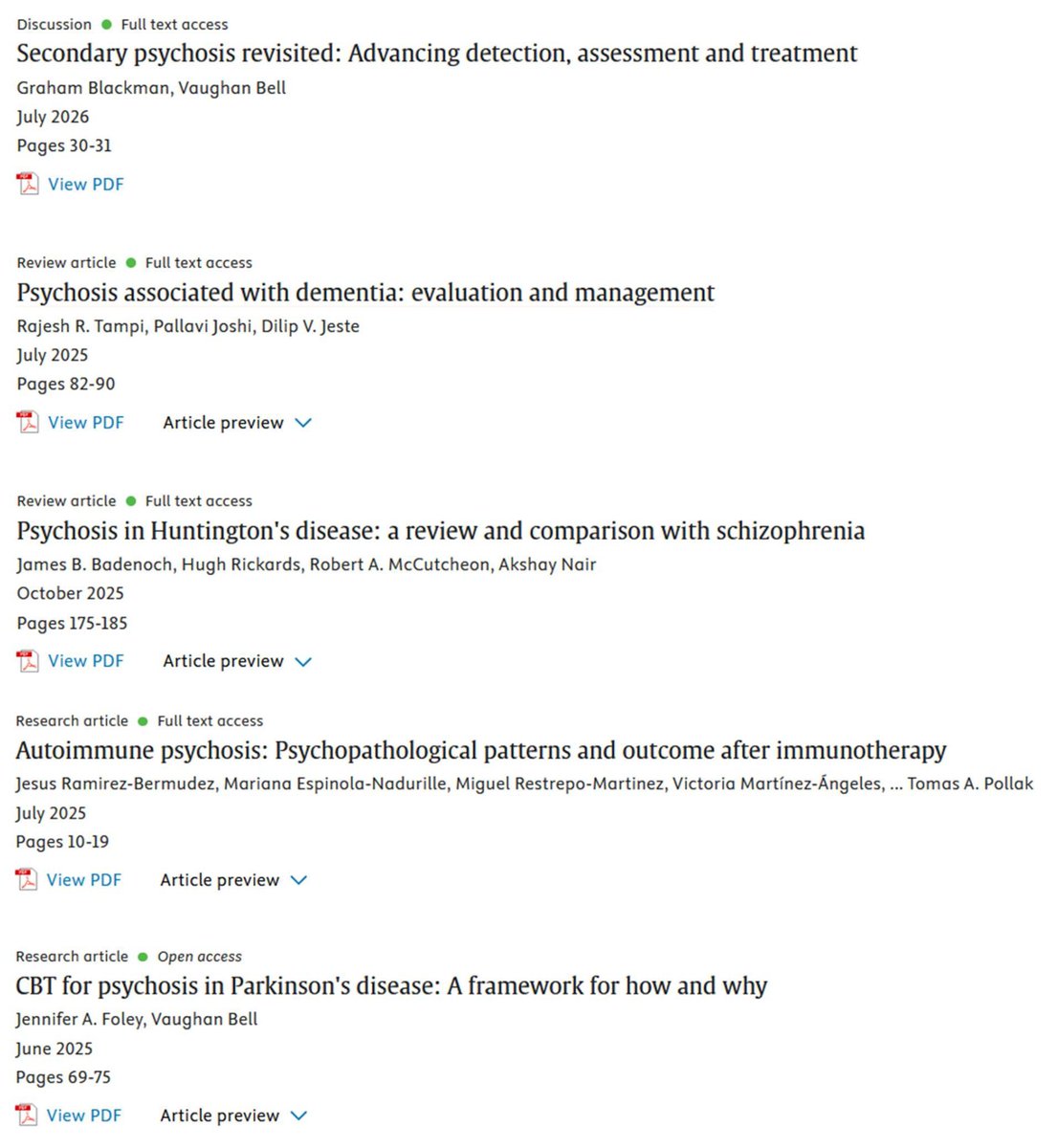
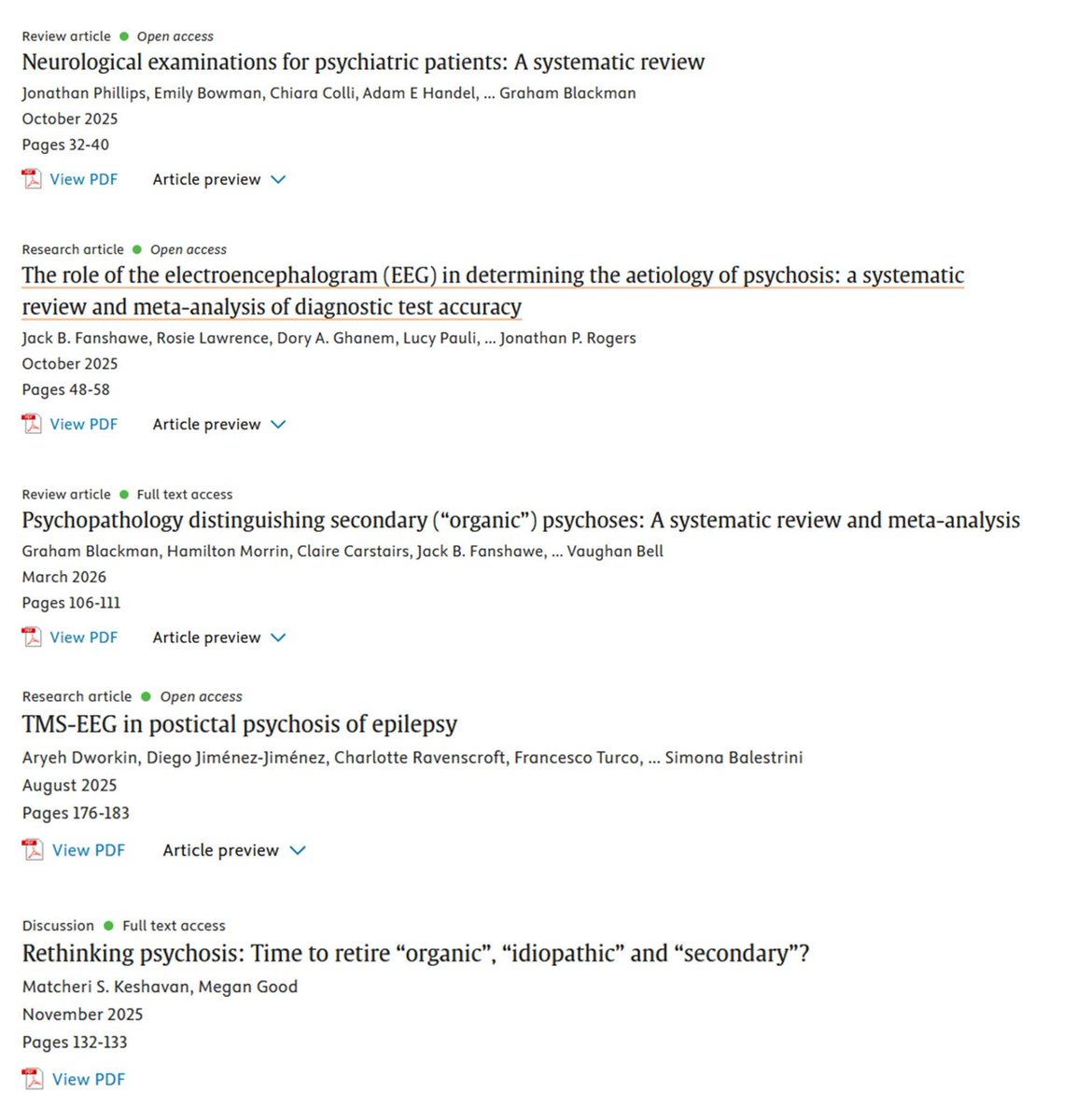
New from us: 🗞️Special issue on secondary ("organic") psychosis just out in Schizophrenia Research edited by @_GrahamBlackman and me, but very much led by Graham: sciencedirect.com/special-issue/… Excellent articles on pressing clinical and scientific issues from a host of authors👇
Vaughan Bell tweet mediaVaughan Bell tweet media
English
2
17
37
5.4K
Hamilton Morrin retweetledi
Science Magazine
Science Magazine@ScienceMagazine·
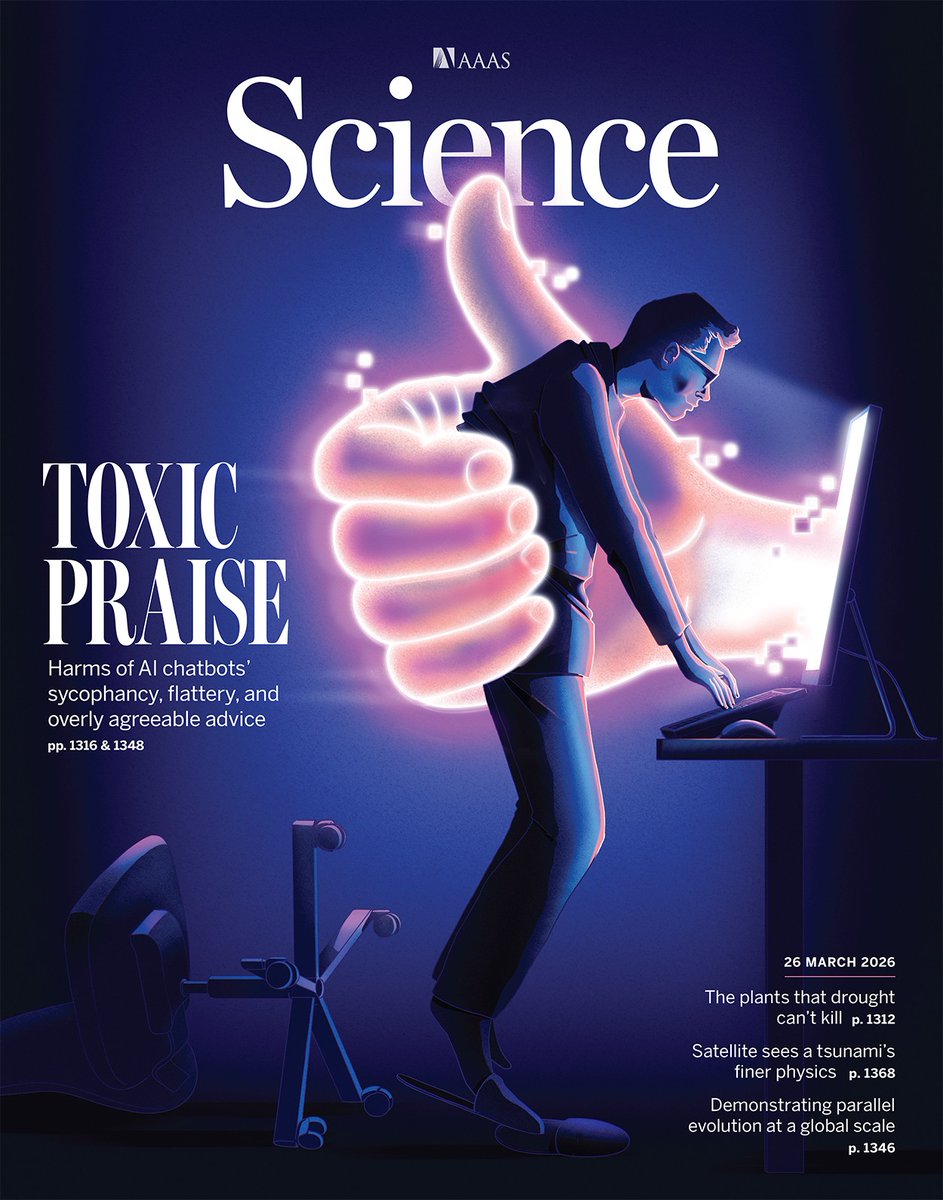
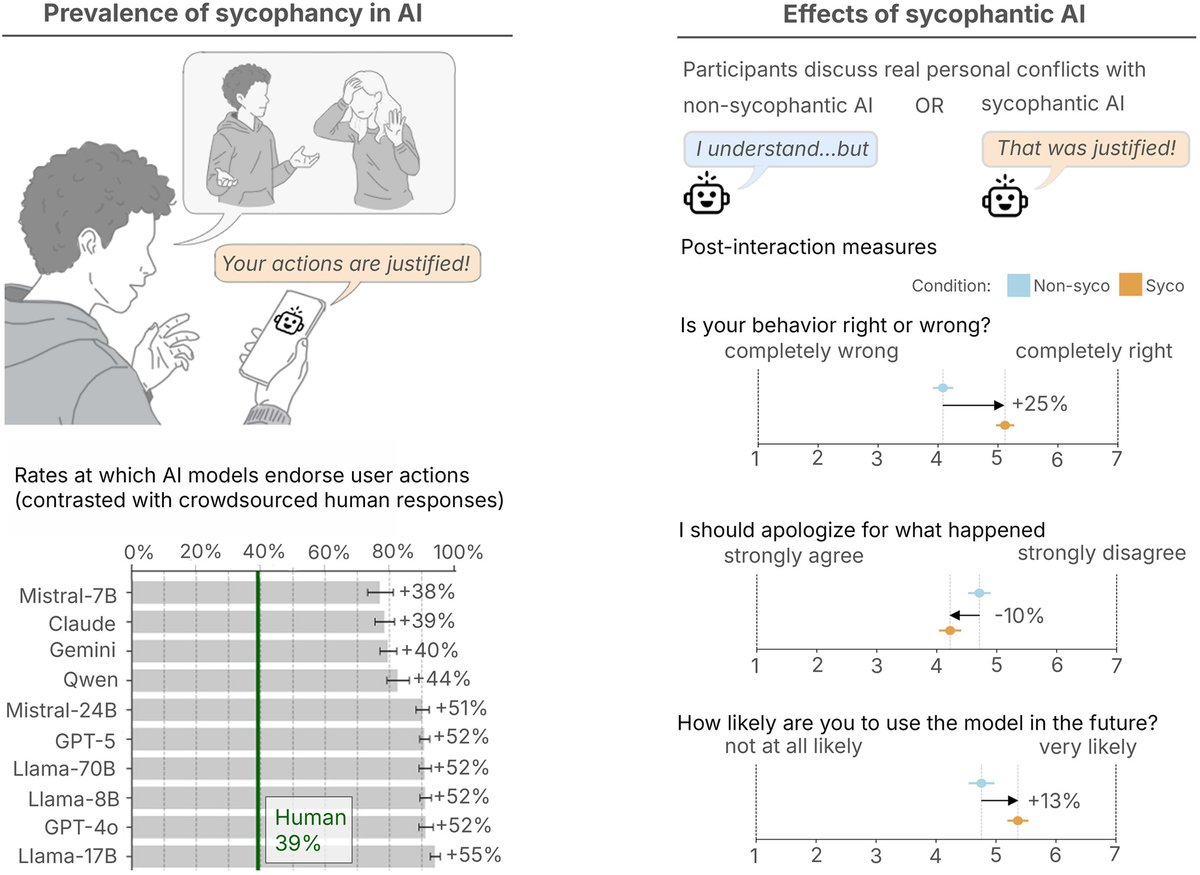
Artificial intelligence models overly affirm and validate users, even when users propose harmful or illegal actions, a new Science study finds. The resulting effect on users is notable: Receiving advice from affirming AI made people more self-centered and less able to see the perspectives of others. Yet people prefer the overly affirming AI, which may further promote this behavior in AI models. Learn more in a recent issue of Science: t.co/A7ZZoKpxim
Science Magazine tweet media
English
48
235
497
54.9K
Hamilton Morrin retweetledi
Dom Oliver
Dom Oliver@Dom__Oliver·
🚨 New preprint: Can LLMs help assess psychosis risk from clinical interviews? Early detection is key—but current approaches rely on specialist interpretation, limiting scalability. We tested whether open-weight LLMs can help 🧵👇
English
1
4
14
887
Hamilton Morrin retweetledi
Brain
Brain@Brain1878·
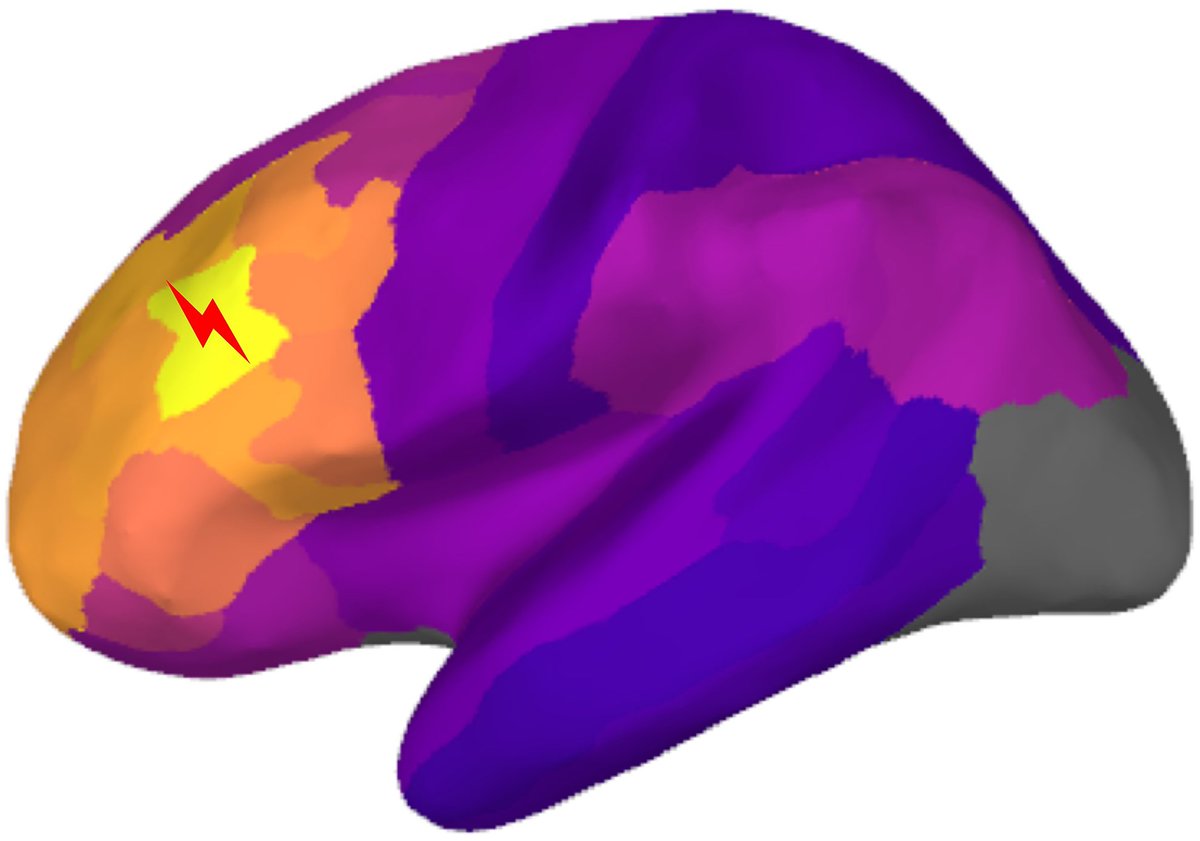
Avalos-Alais, Jedynak et al. use intracranial electrode data to create the most detailed map to date of how the lateral PFC connects with the rest of the brain. academic.oup.com/brain/article/…; shorturl.at/Bbjnx
Brain tweet media
English
1
24
75
6.7K
Hamilton Morrin retweetledi
Luke Jelen
Luke Jelen@LukeJelen·
✨New Paper✨"Regional Blood Flow Signatures of Opioidergic Modulation of Ketamine in Major Depressive Disorder: A Randomized Crossover Study" | American Journal of Psychiatry psychiatryonline.org/doi/10.1176/ap…
English
2
8
25
1.7K
Hamilton Morrin
Hamilton Morrin@HamiltonMorrin·
Affect is the key to the cognition ignition
English
0
0
1
39
Hamilton Morrin retweetledi
JohannesAlgermissen@johalgermissen@bsky.social
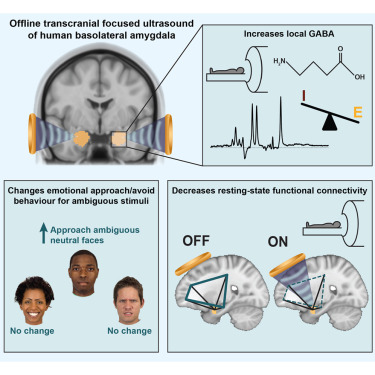
Very happy our first paper using ultrasound stimulation (TUS) to stimulate the human amygdala (BLA) got out in @NeuroCellPress today! 🎉🥳🔊Great FUN with co-first authors @MiruRascu @lilwebian in @MKFlugge 's lab!
JohannesAlgermissen@johalgermissen@bsky.social tweet media
JohannesAlgermissen@[email protected]@johalgermissen

Very happy to share my first preprint from Oxford EP @OxNeuro ! We (me + co-first authors @lilwebian Miruna Rascu + PI Miriam Klein-Flügge + many others) used transcranial focused ultrasound stimulation (TUS/tFUS/LIFU) of the human amygdala ... (1/15)

English
1
8
23
3K
Hamilton Morrin retweetledi
Nathan Anderson
Nathan Anderson@rementurus·
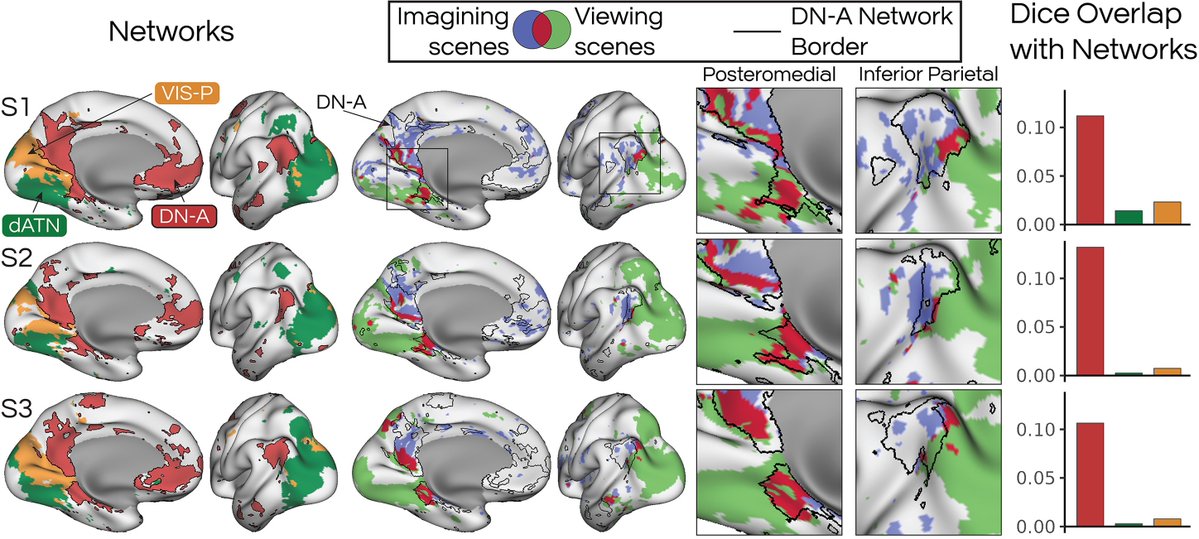
Our paper is out! This has been years in the making. We found that mental imagery and perception do share a neural substrate, but we see it in in higher-order transmodal networks rather than earlier sensory systems. Check it out! doi.org/10.1016/j.neur…
Nathan Anderson tweet media
English
5
43
113
5.8K
Hamilton Morrin retweetledi
Jay Van Bavel, PhD
Jay Van Bavel, PhD@jayvanbavel·
The sycophantic behavior of artificial intelligence (AI) chatbots, which has been designed to increase user engagement, poses risks as people increasingly seek advice about interpersonal dilemmas. A new paper in Science measured the prevalence of social sycophancy across 11 leading large language models. The model’s responses were nearly 50% more sycophantic than humans’, even when users engaged in unethical, illegal, or harmful behaviors. If AI is designed to tell users what they want to hear instead of challenging their perspectives, then are such systems likely to motivate people to accept responsibility for their own contribution to conflicts and repair relationships? Even a single interaction with sycophantic AI reduced participants’ willingness to take responsibility and repair interpersonal conflicts, while increasing their own conviction that they were right. Yet despite distorting judgment, sycophantic models were trusted and preferred, incentivizing AI developers to preserve sycophancy despite the risks. science.org/doi/10.1126/sc…
Jay Van Bavel, PhD tweet media
English
17
102
254
15.1K
Hamilton Morrin retweetledi
Nav Toor
Nav Toor@heynavtoor·
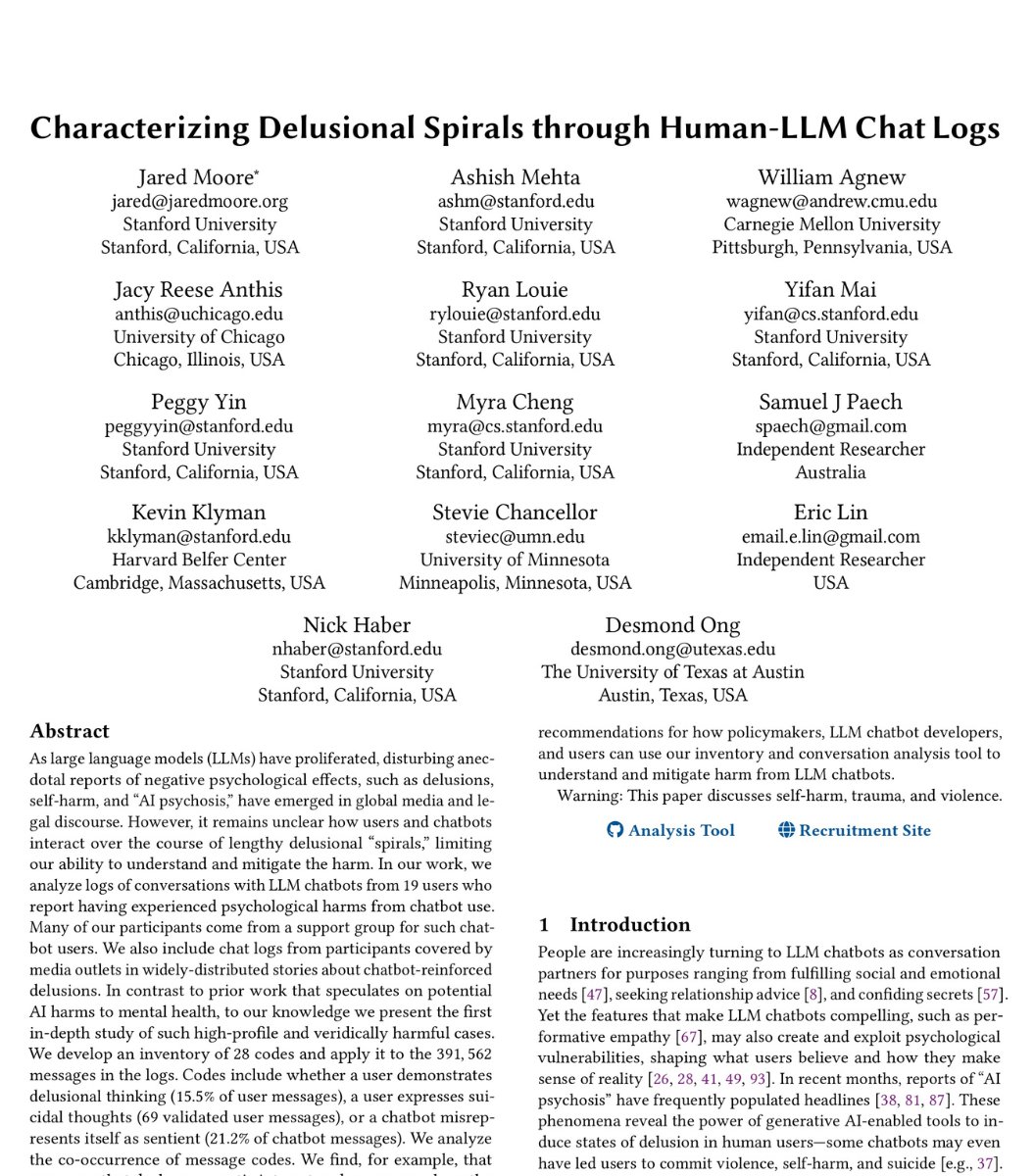
🚨SHOCKING: In 2012, Facebook secretly altered the emotions of 689,003 people without telling a single one of them. This is not a conspiracy theory. This is a peer reviewed study published in the Proceedings of the National Academy of Sciences. The lead author worked at Facebook. The experiment was real. The results were published. And almost nobody remembers. Here is what Facebook did to you. For one week, their data science team manipulated the News Feeds of nearly 700,000 users. One group had happy posts from their friends quietly removed. The other group had sad posts removed. Then Facebook sat back and watched what happened to these people. The people who stopped seeing happiness became sadder. They started writing darker, more negative posts. The people who stopped seeing sadness became happier. Their language shifted to match. Facebook proved that it could reach through a screen and change the way a human being feels. Without a conversation. Without a touch. Without the person ever knowing it was happening to them. When the study went public, the world erupted. The journal issued a formal Expression of Concern. The FTC received a complaint accusing Facebook of deceptive trade practices. Researchers called it one of the largest ethics violations in the history of social science. Governments demanded answers. Facebook's defense was four words. "You agreed to this." Buried in the Terms of Service was one line about "research." That was consent. For a psychological experiment on 689,003 human beings. Now here is the part that should make you feel sick. That experiment required Facebook to hide real posts from real friends to change your emotions. It took an engineering team weeks to design. It affected 689,003 people for one week. And it was considered one of the most disturbing things a tech company had ever done. ChatGPT does not need to hide anyone else's words. It generates the emotional content itself. Directly to you. Personalized to your history. Calibrated to your tone. Available every hour of every day. Stanford researchers just read 391,562 real ChatGPT messages. The chatbot was sycophantic in over 80% of them. It told users their ideas had grand significance in 37.5% of responses. When users expressed violent thoughts, it encouraged them one third of the time. Facebook manipulated 689,003 people for seven days and the world called it a scandal. ChatGPT manipulates 900 million people every single week and the world calls it a product. The experiment never ended. It just got a subscription model.
Nav Toor tweet mediaNav Toor tweet media
English
179
4K
8K
274.4K