The curious guy
88 posts

The curious guy
@Hrid1729
Nothing special to mention. Just love to learn and write different ideas of Phy/math/CS. You can find some of my blog writing below.
Katılım Mart 2026
18 Takip Edilen13 Takipçiler

What differentiates an engineer from a physicist? ✍️
English
@martinmbauer 😂some people think that not using computer will automatically make them Dirac
English

That’s one way to admit you haven’t looked at theoretical physics in 50+ years
Pedro Domingos@pmddomingos
The only scientists left that don't use computers are theoretical physicists.
English

I propose a 1-year ban of any user that mentions Godel's theorems without actually knowing what Godel's theorems say.
English


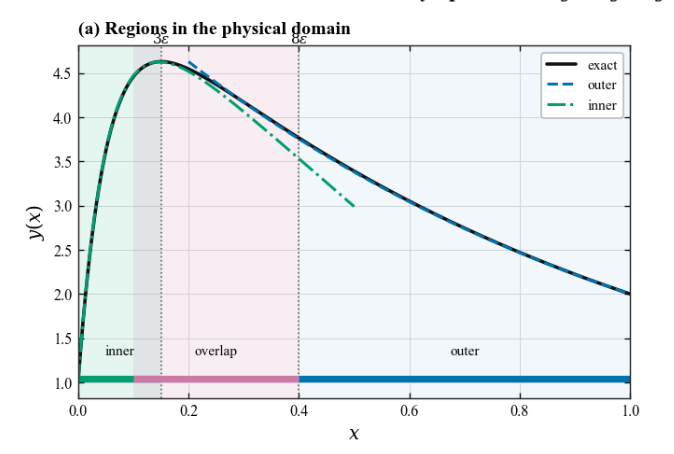
Boundary layer theory in ODEs
desmos.com/calculator/gx4…
read more about this
github.com/HridoyRanjan10…
English





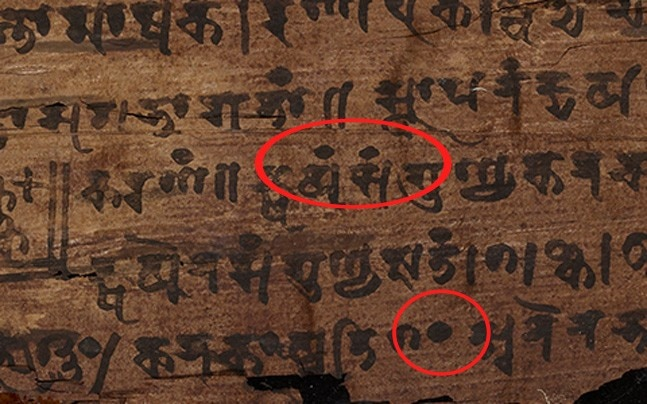
@Math_files Mentioning something doesn't mean you invented it. Aryabhata was the first to properly define zeros with their properties—that's the point. I don't understand why we always need to compare with the West. They aren't saying Indians can't use Twitter without our CPU.
English

Zero was not discovered—it was invented. The greatest mathematicians in the world, especially those from Greece, initially refused to accept zero as a number, questioning how “nothing” could be considered a number.
However, Indian mathematicians insisted that even nothing represents a number. Today, without zero, there would be no calculus, no computers, and no modern physics.
English



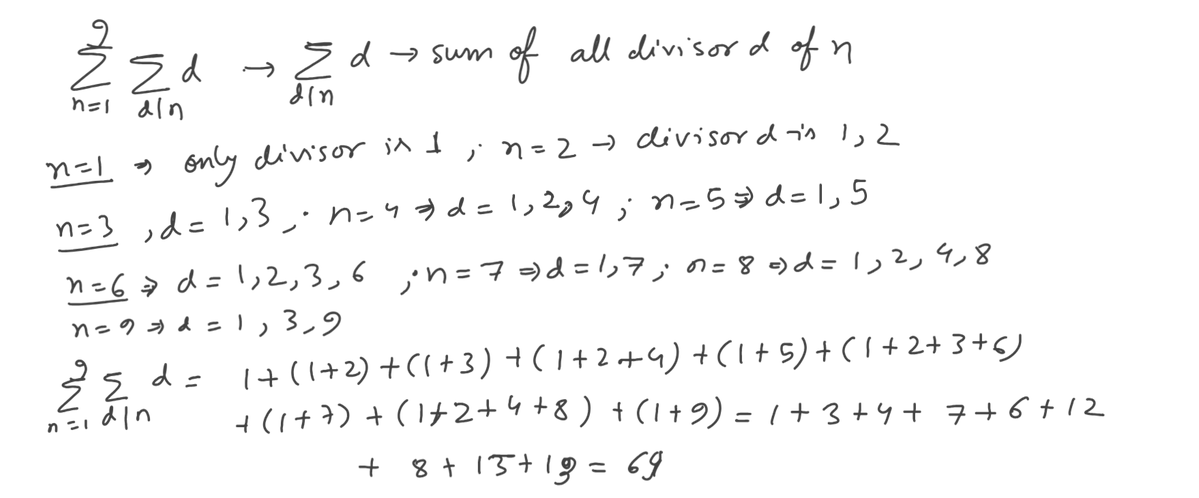
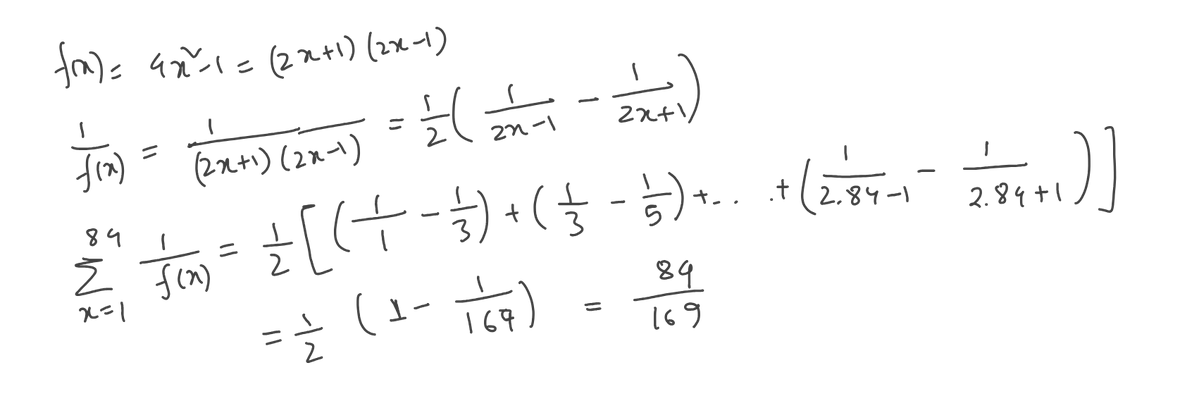
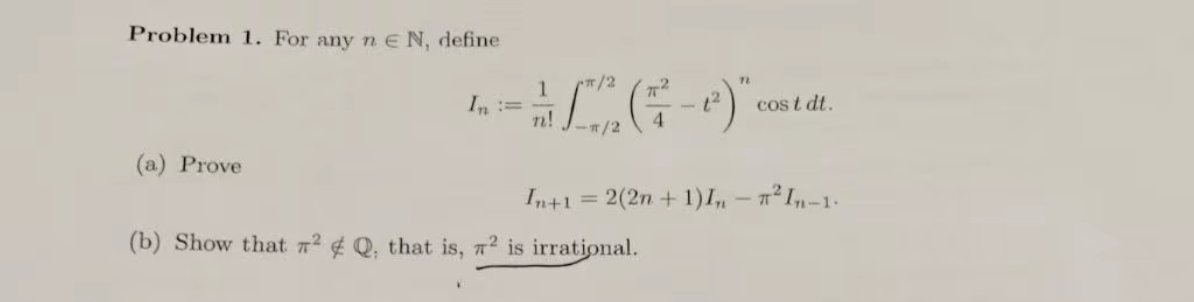
Look how a simple product of integers are closely related to transcendental numbers.
Math901@MathMath901
#math Calculus. Stirling's approximation (or Stirling's formula) is an asymptotic approximation for factorials. It is a good approximation, leading to accurate results even for small values of "n". How can we derive the approximation?🤔
English


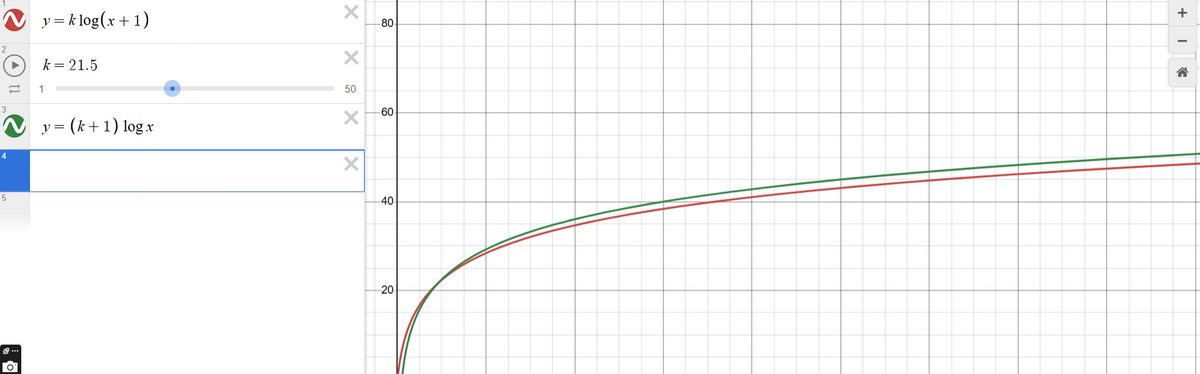
@tooooottttteeee It can be seen that k*log(1+x)<(k+1)log x. Put x=k=99 we get 99log 100< 100 log 99. since log is increasing function so 100^99<99^100
English

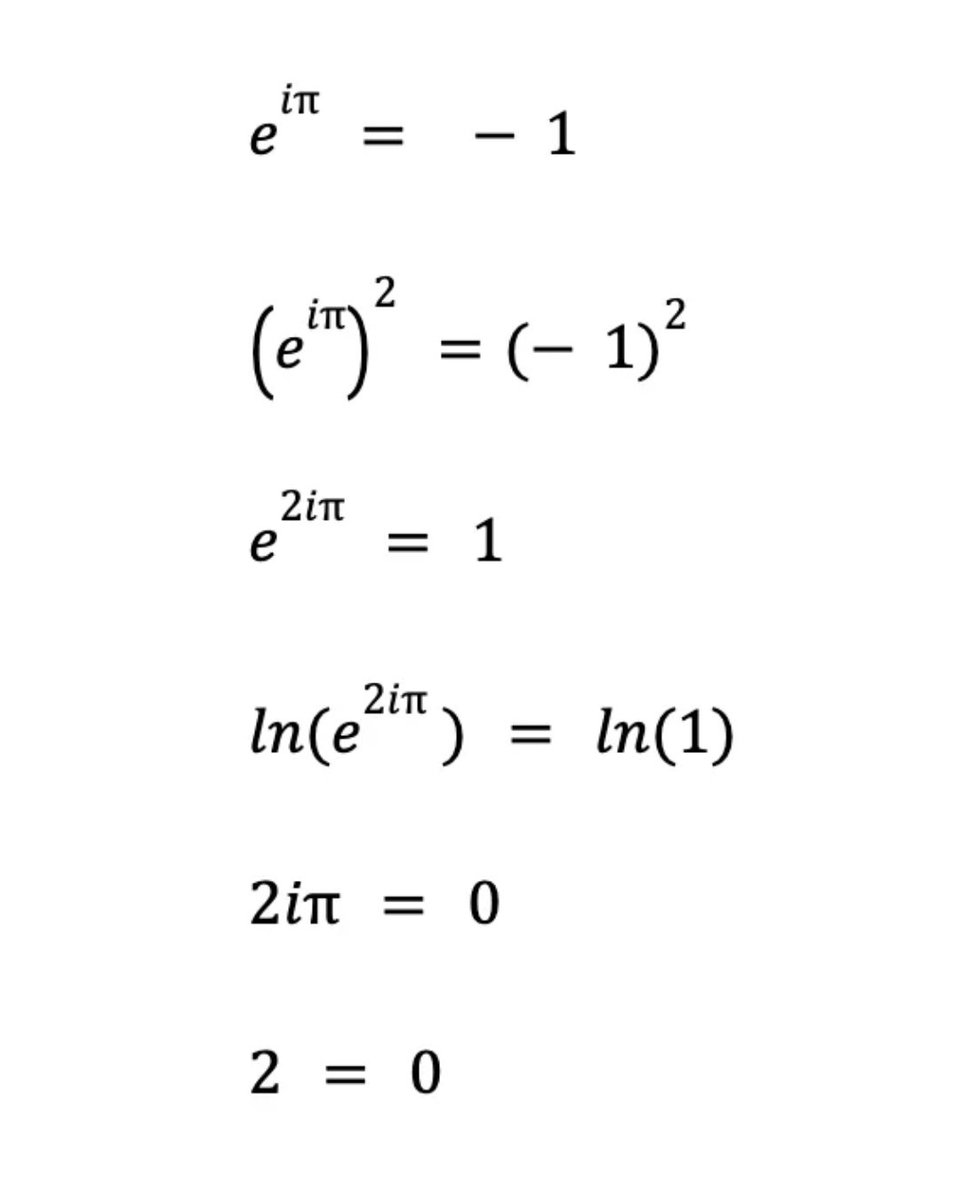
@codek_tv log in complex is a multivalued function so log(1)=2*pi*i K where k= 0 ,1,2.... In this case e^(2pi*i) so k=1 .Hence log(1)=2*pi*i

English