
IP4PI retweetledi
IP4PI
87K posts


IP4PI
@IP4PI
Independent physicians for patient independence deny insurance and government limitations on patient care.
United States Katılım Şubat 2012
4K Takip Edilen7.4K Takipçiler


IP4PI retweetledi

Hwy internet please see my pinned essay. Dr Fauci did not just fund weaponization of bat coronaviruses in China. He funded it for 11 years IN AMERICA
Trump Girl@TrumpGirlLove
Arrest this murderer Fauci in January 2017: “No doubt Trump will face a surprise infectious disease outbreak.” Three years later… COVID hits. This demonic ghoul didn’t just “predict” it — he helped cook it up in a Chinese lab with American taxpayer dollars while lying through his teeth to the world. Then he spent four years sabotaging Trump, pushing masks, lockdowns, and deadly shots that didn’t stop a damn thing. Fauci didn’t warn us. He warned on behalf of the virus. Pure evil. The man belongs in prison, not on a pension.
English
IP4PI retweetledi

Safeguard our COVID stories so they're not erased🛡️✨Ensure our voices are heard & our truths are preserved by recording what they did to children-Donate to "15 days" film at 15daysfilm.com/donate. Catch the interview of Natalya Murakhver on the "Within" podcast (link in bio)
English
IP4PI retweetledi
It is not an ask as we were trained, it is a tell. Then embarrass and humiliate, if not embraced. Any further confrontation and you get booted out of the pediatric practice. That is not informed consent. @AmAcadPeds mir right this wrong.
#InformedConsent
@AAPSonline @IP4PI @AaronSiriSG @WeferLawOffices @johndcoyleesq @Honest_Medicine @SecKennedy @RobertKennedyJr @DrOz @DrOzCMS
Aaron Siri@AaronSiriSG
Clear proof the American Academy of Pediatrics (AAP) is a predatory organization. Its guidance to pediatricians is to never ask parents if they want to vaccinate, but to tell them they will be vaccinating; instructing pediatricians to never ask “Do you want to vaccinate your child today?” but rather to tell parents “Today your child is due for 2 vaccines. We will be giving MMR and Varicella.” This is predatory, unethical, but no surprise for the AAP since its priority is the pecuniary interests of its members – pediatricians – not the health of children. aap.org/en/patient-car…
English
IP4PI retweetledi
VAERS safety signals for the COVID vaccine were being triggered so the FDA silenced the whistleblower. open.substack.com/pub/stevekirsc…
English
IP4PI retweetledi

Developing a new drug can take 10+ years and cost billions. In 2025 alone, pharma companies invested $159B in R&D. That only works if breakthroughs can earn a return. Price controls threaten that entire model.
realclearhealth.com/articles/2026/…
English
IP4PI retweetledi
What’s your exercise plan today?
Quick 16 at sunrise ☀️
16 miles cycling at dawn at 48°F
daily health fitness exercise, healthy workout
#HealthIsNumberOne
HealthIsNumberOne.com

English
IP4PI retweetledi

An enormous white fibrous amyloid clot is removed from a man’s jugular vein. These clots were not seen prior to COVID.
English
IP4PI retweetledi

Clear proof the American Academy of Pediatrics (AAP) is a predatory organization.
Its guidance to pediatricians is to never ask parents if they want to vaccinate, but to tell them they will be vaccinating; instructing pediatricians to never ask “Do you want to vaccinate your child today?” but rather to tell parents “Today your child is due for 2 vaccines. We will be giving MMR and Varicella.”
This is predatory, unethical, but no surprise for the AAP since its priority is the pecuniary interests of its members – pediatricians – not the health of children.
aap.org/en/patient-car…
English
IP4PI retweetledi

IT PASSED!
Pesticide companies stripped of indemnity.
Rep. Anna Paulina Luna@RepLuna
Thank you to the 73 Republicans who voted to protect the American people over the interests of pesticide corporations!
English
IP4PI retweetledi

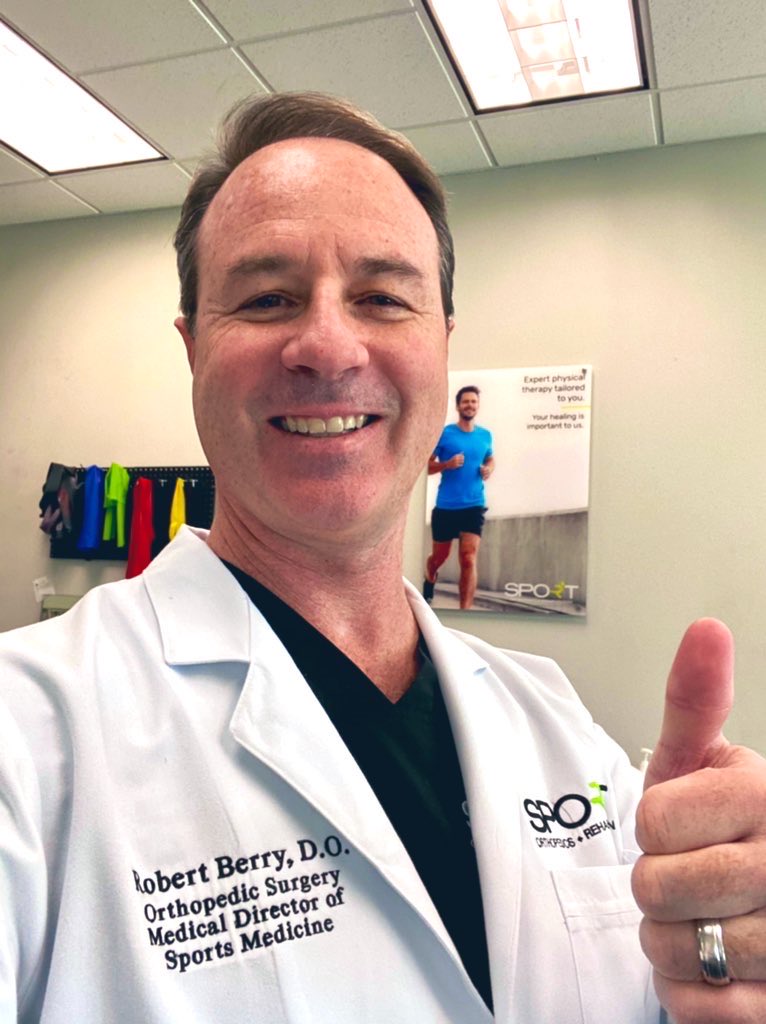
Happy Anniversary to me and my company. 11 years ago today I left the largest healthcare system in Texas and started all over in private practice. 2 kids in college, I went to zero income. Best decision I ever made. Now 5 locations, our own hospital, physical therapy, Orthopedic Urgent Cares. It can be done. I hope more of my colleagues will consider becoming private once again. Here is the first one where it all began. It’s been a great journey.
Sportsmedtexas.com


English
IP4PI retweetledi
My Substack on my interview with Natalya Murakhver, who sued the mayor for keeping NY schools closed during COVID, and whose film "15 days" is out now for you to watch and donate to spread the message of what was done to our children (history is written by the victors--be a victor!)
open.substack.com/pub/azadehkhat…

English
IP4PI retweetledi
Congratulations 🎉
And mazel tov
@nandaguntupalli @AdamWax3 on the launch of your intuitive AI medical billing application @TaigaBilling!
Y Combinator@ycombinator
🏥 @TaigaBilling is the AI-native medical billing company for modern practices. They file claims with insurance and follow up on every single one until the practice gets paid so clinicians can focus on seeing patients. Congrats on the launch, @nandaguntupalli and @AdamWax3! ycombinator.com/launches/Q9k-t…
English
IP4PI retweetledi
Some of the largest hospital systems are using loopholes to claim “rural” status to access benefits meant for small, underserved, rural communities.
At New York-Presbyterian, eight campuses are classified this way...even in the middle of Manhattan.
There aren’t any farms on East 68th Street.
English
IP4PI retweetledi
Must have site neutral payments. Big hospitals shouldn’t make big money versus small imaging centers, laboratories, and other ancillary services. @RepJasonSmith @DrOz @DrOzCMS @realDonaldTrump @MedEconomics @Honest_Medicine @AAPSonline
Rep. Jason Smith@RepJasonSmith
Large hospital systems are profiting off Medicare rules that pay them more for the same service than independent practices. That means a senior in my district can pay MORE for an X-ray at a hospital than at a local doctor’s office -- and the hospital makes MORE too. Today I asked hospital system CEOs a simple question: should we equalize payments to lower costs and expand access? They said no. Americans deserve affordable care, not a system that rewards higher prices.
English
IP4PI retweetledi
All of the signals we all knew, listed, called out, saw in recipients-
No you’re not crazy, you were right. We were right, and they knew.
They avoided the methodology of VAERS analytics that would stop these signals from falling through the cracks. They knew it would be damning.
Well it is!
H/T @NicHulscher for video footage.
English
IP4PI retweetledi

The truth is deadly to the diseased mind! It is risky to the one speaking it.
@AAPSonline @jorient @kksheld @janehughesmd @dramerling @drcraigwax @DrNKD @SchlaflyAndy @1775paulrevere @TomANelson @cohler @andweknow @X22Report
matrixbot@thematrixb0t
Bombshell vax vs. unvax study finally sees the light of day and the results are staggering. Dr. Marcus Zervos led the study, but he decided not to publish it because “publishing something like that, I might as well retire. I’d be finished.”
English
IP4PI retweetledi

@drcraigwax @RepJasonSmith @DrOz @DrOzCMS @realDonaldTrump @MedEconomics @Honest_Medicine @AAPSonline x.com/rgergelymd/sta…
Robert Gergely, MD@rgergelymd
EHRs grease the wheels of consolidated care and were heavily subsidized to do so, but the U.S. healthcare "matrix" is built on economic incentives, policy, and market structure far more than software. Eliminating them would force adaptation and expose inefficiencies—it wouldn't trigger total collapse. Real reform would target root incentives, not just the record-keeping layer. @POTUS @SusieWiles47 @SecKennedy
QME