Sabitlenmiş Tweet

En mi último análisis en el @rielcano analizo el futuro del gas natural ruso en la Unión Europea.
media.realinstitutoelcano.org/wp-content/upl…
Hilo con las claves:
Español
Ignacio Urbasos
921 posts
@IUrbasos
Energy and Climate Programme at @rielcano Previously at @PSIASciencesPo and @IFRI_

BIG: Trump is considering seizing or blockading Iran’s Kharg Island to force reopening of the Strait of Hormuz, but no decision yet. “He wants Hormuz open… if he has to take Kharg Island, that’s going to happen.” Plan may require more strikes + troops before any ground move. Risks are high, with doubts it would work: “We need about a month to weaken the Iranians… then take the island.” Source: Axios


Confirmamos con Petrobras el hallazgo de gas natural en el pozo Copoazú-1, en el Caribe colombiano. Este proyecto se consolida como el tercer descubrimiento más importante del país y fortalece la seguridad energética. Somos el corazón que impulsa a Colombia.

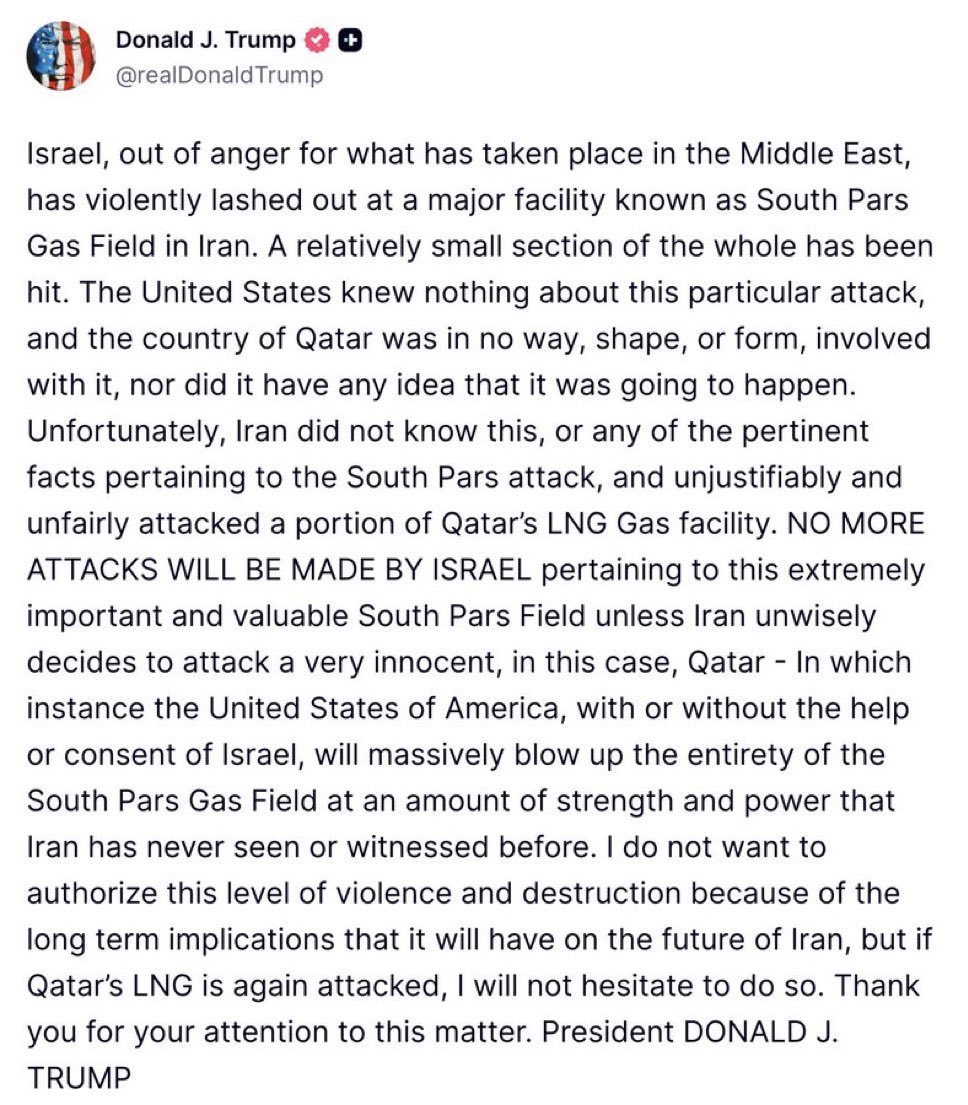
Two posibilities on today's attack on South Pars: 1) Israel told the US and Washington either approved it or didn't oppose it: Bad 2) Israel told the US and Washington couldn't convince its junior war partner to stop it: Very, very bad. Who decides escalation: US or Israel?

Qatar offloads five LNG slots at Belgium's Zeebrugge terminal for April, sources say reut.rs/4dulG3F reut.rs/4dulG3F

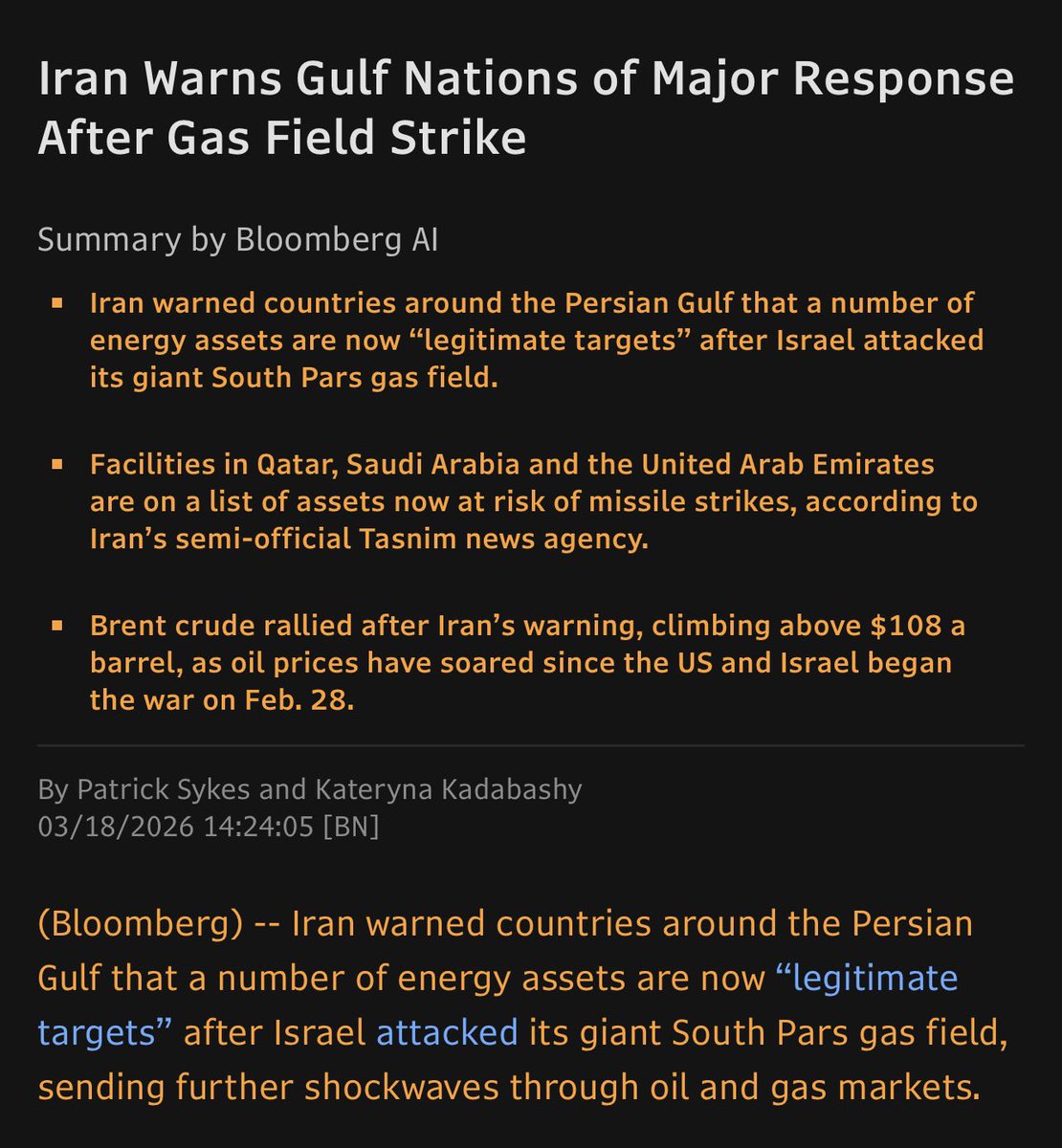
BREAKING: Iran says natural gas facilities associated with offshore South Pars field have been attacked 🔴 LIVE updates: aje.news/b8762y?update=…


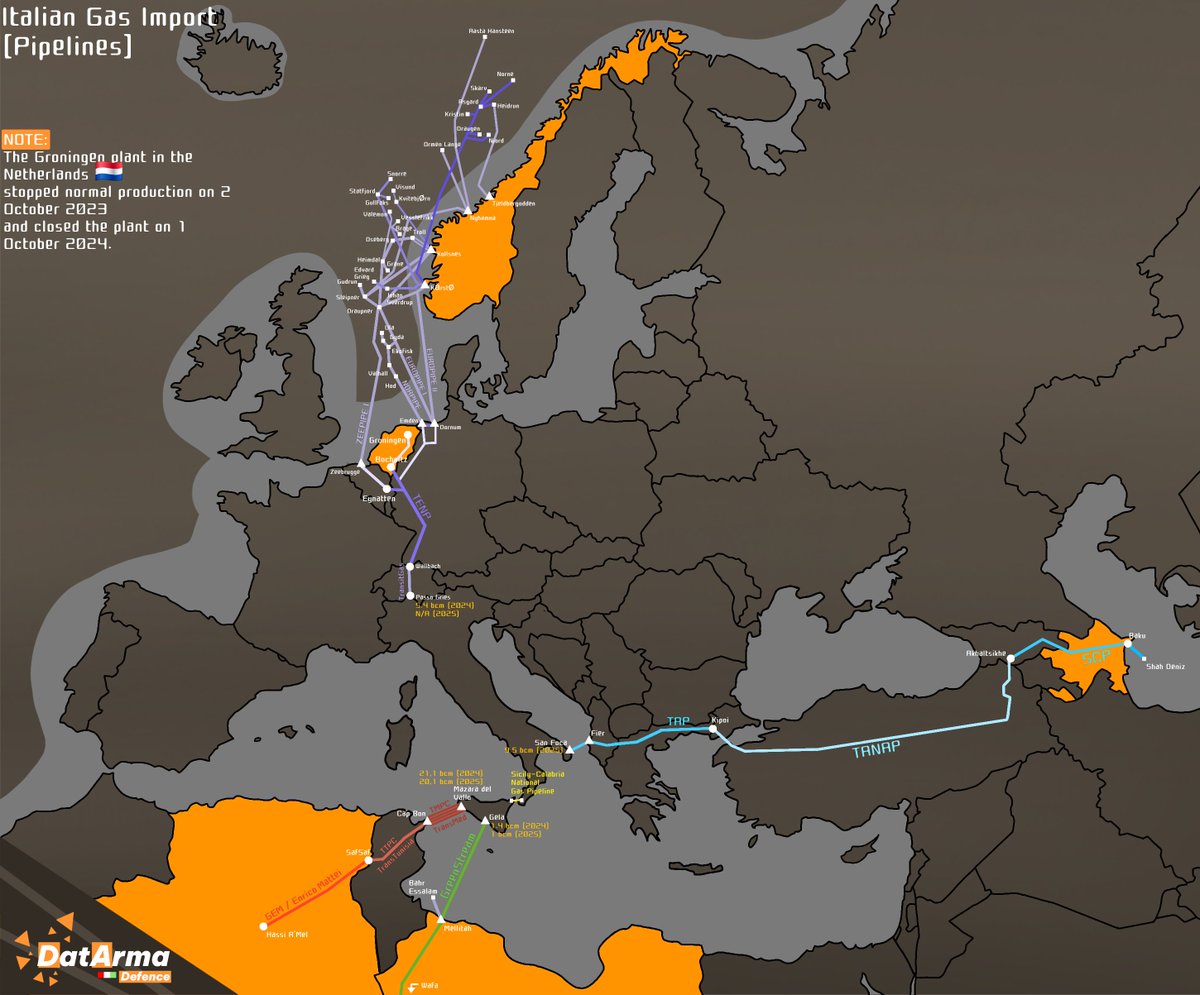
This is now a trend. Another QGPC LNG ship halted awaiting new orders. The second to be diverted from Milford Haven. @ira_joseph @KathrynPorter26 @7Kiwi @aDissentient

Lots of very smart people, @JAParker29 @CollinSLKoh among them offering clear thoughts on the challenges ahead - with some not so sanguine views from yours truly too. Or so the piece says. :) cnn.com/2026/03/16/mid…


#Iraq may be the single biggest economic casualty of the Hormuz crisis. While Arab Gulf producers can reroute some exports (#SaudiArabia, #UAE), rely on storage and deep pockets (#Kuwait, #Qatar), Iraq’s oil system was built around one reality: Basra exports through the Strait of Hormuz. And those exports are now gone. Iraqis have their political elite to blame. 🧵 (1) Before the war, Iraq produced ~4.4mn b/d and exported about 3.4mn b/d from its southern terminals. When shipping through Hormuz stopped, Iraqi exports collapsed within 2–3 days, according to a video statement by the oil minister on Sunday. He said, Iraq today is producing only ~1.5–1.6mn b/d, mostly to run refineries and power plants. My assessment is even lower ~1.2mn b/d. (2) In other words: Iraq has shut in roughly 3mn b/d of production. That is not just a supply shock for the market. It is a fiscal shock for Iraq itself. Oil revenues account for ~90% of government income. (3) Baghdad is now scrambling for alternatives. The only serious route left is the Kirkuk–Turkey pipeline to Ceyhan, which runs through the semi-autonomous Kurdistan Region. Baghdad says it could quickly export ~300k b/d from federal fields, plus ~200k b/d from Kurdish fields. But the pipeline is idle. (4) Enter now the political crisis. Baghdad says the KRG refused to restart exports, accusing Erbil of attaching to the negotiations conditions unrelated to oil. The Kurdish government fired back hours later. This is a two-decade old dispute. Their response is extraordinary. (5) The KRG says exports cannot resume because: • oil production in Kurdistan has halted after militia attacks on energy fields • Baghdad imposed a “suffocating economic blockade” on Erbil • the same militias attacking Kurdish energy infrastructure are funded and armed from Baghdad (6) This is not a logistics dispute. It is a full political breakdown between Baghdad and Erbil in the middle of the worst energy crisis Iraq has faced in decades. And all of this is unfolding while Iran-aligned militias are launching drones and missiles across Iraqi territory, including inside Kurdistan. (7) So the situation today is unprecedented: • Iraq cannot export its oil from the south because of Iran • the northern export route is politically blocked • production is being shut down across major fields • Iran-aligned militias are attacking energy infrastructure inside the country (8 The irony is brutal and Baghdad might’ve overplayed its hand in previous months dragging its feet to re-open the Ceyhan pipeline, while delaying budgetary allocations to the KRG and salary payments to civil servants. Iraq is paying the economic cost of a war it did not start and cannot control, while armed factions inside the country have dragged it into. (9) If exports remain halted, Iraq will face a simple reality: A state whose budget depends almost entirely on oil… without oil revenue. This is a recipe for serious internal upheaval. #oott