The Iranic Genomes Project

237 posts

The Iranic Genomes Project banner
The Iranic Genomes Project

The Iranic Genomes Project

@Iranic_Genomes

The Official Twitter Account of the Iranic Genomes Project Az Ānkārā Tā Kāšgar Rt/Like ≠ Endorsement or support No political discussions tolerated

Ērānvej Katılım Şubat 2022
59 Takip Edilen1.8K Takipçiler
Sabitlenmiş Tweet
The Iranic Genomes Project
The Iranic Genomes Project@Iranic_Genomes·
Hello everyone! We are looking for members of the Iranian diaspora (and related groups such as Kurds, Afghans, Tajiks, Turkmen) to participate in our project and help represent our generally under-sampled populations. Participation involves filling out our demographic form to determine if you qualify for the groups we are studying, and possibly being contacted for a follow-up. If you qualify, and have already taken a commercial DNA test, we will request your raw data for evaluation. If you have not yet taken a DNA test but fit our target criteria, you may be contacted in the future and sponsored for a DNA test to contribute to our study. Once your data is processed, you will receive a detailed breakdown of your genetic history using the latest tools and ancient DNA samples from available historical populations—all free of charge. Your participation will greatly contribute to advancing knowledge of this region and to science as a whole!
English
14
16
78
29.3K
The Iranic Genomes Project
The Iranic Genomes Project@Iranic_Genomes·
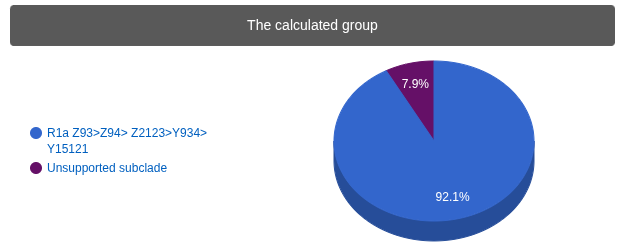
We at the Iranic Genomes Project are happy to report that the haplogroup of Baba Hindu Lorestani, teacher of Shah Khoshin and a founder of the Yarsani religion, has been ascertained based on descendant testing at the Y37 level! The descendant testing in question surveyed the Lak tribal confederacy of Iran's Central Zagros region, spanning Lorestan, Ilam, Hamadan and Kermanshah provinces. The testers in question lacked a tribe, but were found to be descended from Baba Hindu Lorestani, who was originally from Sistan. Baba Hindu was a famous poet and religious preacher that lived in Lorestan around 1000 years ago, known as the teacher of many foundational Yarsani elders. Some worth noting are Shah Khoshin and Pir Firuz Hindi. The tested haplogroup can be revealed as R1a-Y15121, a subclade of R1a-Z93. Link to YFULL tree: yfull.com/tree/R-Y15121/
The Iranic Genomes Project tweet media
English
3
11
48
4.7K
The Iranic Genomes Project retweetledi
Ari
Ari@KurdiCompendium·
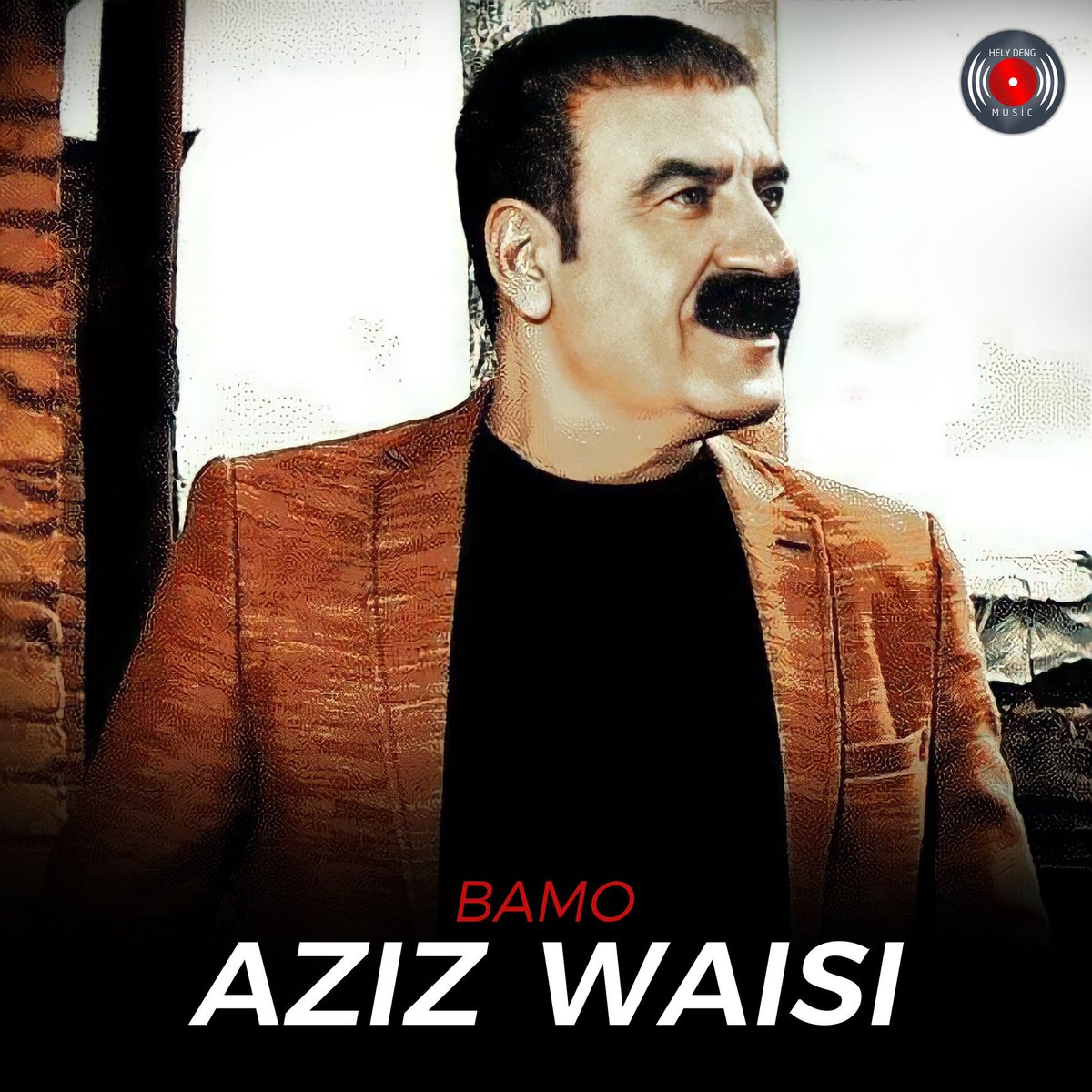
Paternal lineage of the Waisi clan belongs to J2-Z7700>FGC32703, representing a BMAC → early Iranian → West Iranian → Kurdish line.
Ari tweet media
English
8
3
50
23.6K
The Iranic Genomes Project retweetledi
Kurdish DNA
Kurdish DNA@KurdishDNA·
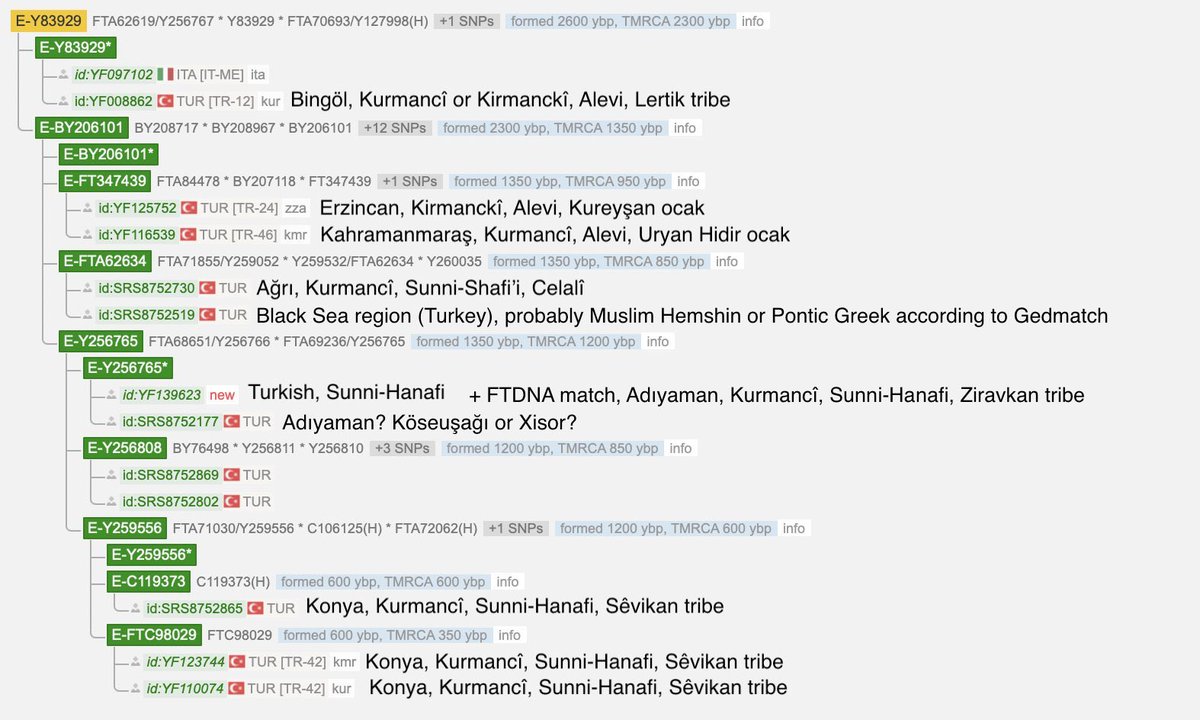
🧬Kurdish Haplogroups Series #2: E-Y83929 A Kurdish-centered paternal lineage belonging to the wider haplogroup E-M84, subdividing into three regional Kurdish subclades formed in Kurdistan during the medieval period. Their deep origin ultimately reflects post–Iron Age Mesopotamian population movements, whose exact pathways remain unclear. The Y-DNA subclade E-FTA62634 is divided into three regional sub-branches: 1. E-FT347439 — Dêrsimî Subclade (~1000 ybp) Found among Kureyşan and Üryan Xidir ocakzades, and therefore especially present in the Alevi Kurdish communities of Dêrsim, Maraş, Adıyaman, and Erzincan. This clade appears to have formed in the Upper Euphrates–Dêrsim region and expanded through Alevi hereditary ocaks. ⸻ 2. E-FTA62634 — Serhedî Subclade (~850 ybp) Found among Celalî (Jelali) Kurds and other tribes of the Serhed region (Ağrı–Van–Kars–Iğdır). Migration paths for this branch are not yet fully reconstructible, but they reflect layered Ottoman–Safavid frontier dynamics, pastoral nomadism between Diyarbakir/Mardin and Serhad, and earlier medieval movements. ⸻ 3. E-Y256765 — Berfiratî Subclade (~1,200 ybp) The oldest branch. Present in Sêvikî, Bilikî, Mifikî, Xisor (Hıdırsor) and several Central Anatolian Kurdish settlements such as Konya, Kulu, Cihanbeyli, Ş. Koçhisar, and Kırşehir. All of these tribes belong to or connect with the Reşwan confederation, including both Kurdish-speaking and early-Turkified lines. This branch likely formed around the Upper Euphrates (Adıyaman–Antep–Maraş) area. Local lores tie their origin to Dêrsim, which may reflect shared Alevi folklore or possibly older historical ties to that region. Although some of those tribes (south of Malatya and North of Adiyaman) tie their origin to a person called Hesenê Tujik who originated in Dêrsim. The Root Lineage of E-Y83929: At the very root of E-Y83929 stands a Bingöl (Lertikî tribe) sample, shared with a second sample found today in Italy. This suggests that E-Y83929 first emerged in the Serhed–Dêrsim–Bingöl zone before splitting into the three medieval Kurdish subclades above. Later a major demographic expansion happened from the Upper Euphrates into Adıyaman and Berfirat/Central Anatolia. The Italian sample most likely reflects a Roman-era migration. Thanks to @Semsuri_02 for all the infos provided and the map.
Kurdish DNA tweet mediaKurdish DNA tweet media
English
0
12
56
15.6K
The Iranic Genomes Project
The Iranic Genomes Project@Iranic_Genomes·
Well, the calls are from 23andMe and are as such incomplete genotype-based predictions, but we can confirm the presence of mutations L26, L24, M67, M47 and L70 in terms of J2a1. We also have a list of people with suspected Dezfulite paternity, which expands the roster to include M92, but these individuals remain speculative based on IBD shared, rather than confirmed based on self-report.
English
1
1
10
1.1K
The Iranic Genomes Project
The Iranic Genomes Project@Iranic_Genomes·
23andMe Autosomal and Y-DNA Results of Persians from Dezful Persians from Dezful, also known as Dezfulis, together with the closely related Shushtaris, represent one of three distinct indigenous Persian populations of Khuzestan. The Dezfuli–Shushtari language is a localized continuation of Old and Middle Persian that developed independently of New Persian (the national language of Iran), rather than as a dialect of it. It forms a broader linguistic group with the Luri languages, as well as the dialects of the Silakhor plain. The data presented here were obtained through 23andMe genetic matches. For the autosomal results, only individuals with a fully verified Dezfuli background were included. For the Y-DNA results, individuals with at least one paternal Dezfuli grandparent were considered. Although 23andMe autosomal data are constrained for deeper population-level analysis, as the platform relies on modern reference populations, they nonetheless provide valuable insight into admixture patterns involving several distinct contemporary groups, including South Asians, Sub-Saharan Africans, and Arabians. While the Y-DNA sample size remains limited, within the broader Iranian context this represents an unprecedented dataset for a medium-sized town of this population.
The Iranic Genomes Project tweet media
English
14
15
94
17K
The Iranic Genomes Project retweetledi
Kurdish DNA
Kurdish DNA@KurdishDNA·
🚨 Y-700 Update! Thanks to the generous sponsorship of Rumet, we have 5 new Y-700 samples currently processing! 🧬 - 3️⃣ R-Z282 Kurmanj Kurd from Azerbaijan and one Soran Kurd from South Kurdistan. - 1️⃣ N-B523 Kurmanj Kurd from Elbistan. - 1️⃣ J-L25 Soran Kurd (Jaff Tribal Chiefs) These results will help us refine our understanding of Kurdish paternal lineages and build a clearer picture of our shared history. I invite all people who are willing to help their community to become a sponsor of KurdishDNA. #KurdishDNA #YDNA #Genetics #Haplogroup
English
5
4
42
11.3K
The Iranic Genomes Project
The Iranic Genomes Project@Iranic_Genomes·
These samples belong to Antiquity-era Iranians of Caspian tribal origins. The research into these samples is related to archaeological work ongoing at these sites. Your confusion is understandable. It's simply a matter of archaeology. For instance, the overwhelming majority of Persepolis, one of Iran's most famous sites, is still unexcavated. Essentially, sampling will come from Iran if and when appropriate archaeological work is done, and that appears to be the main limitation for the sites that people are commonly interested in.
English
0
0
2
163
Loch Ness
Loch Ness@haast_eagle2026·
@Iranic_Genomes Are these papers based on actual Sassanid Persians and Achaemenid Persians? Or jus Parthian or Northern Iranian groups? Don't understand why they would study Northern Iran and not southern which is where most historical places are and where the Sassanid and Achaemenid originate
English
1
0
0
161
The Iranic Genomes Project
The Iranic Genomes Project@Iranic_Genomes·
Amjadi et al., is finally published! This is a paper we have all been looking forward to. Ancient DNA indicates 3,000 years of genetic continuity in the Northern Iranian Plateau, from the Copper Age to the Sassanid Empire nature.com/articles/s4159…
English
7
15
87
6.5K
The Iranic Genomes Project retweetledi
Fereidoun Biglari
Fereidoun Biglari@F_biglari·
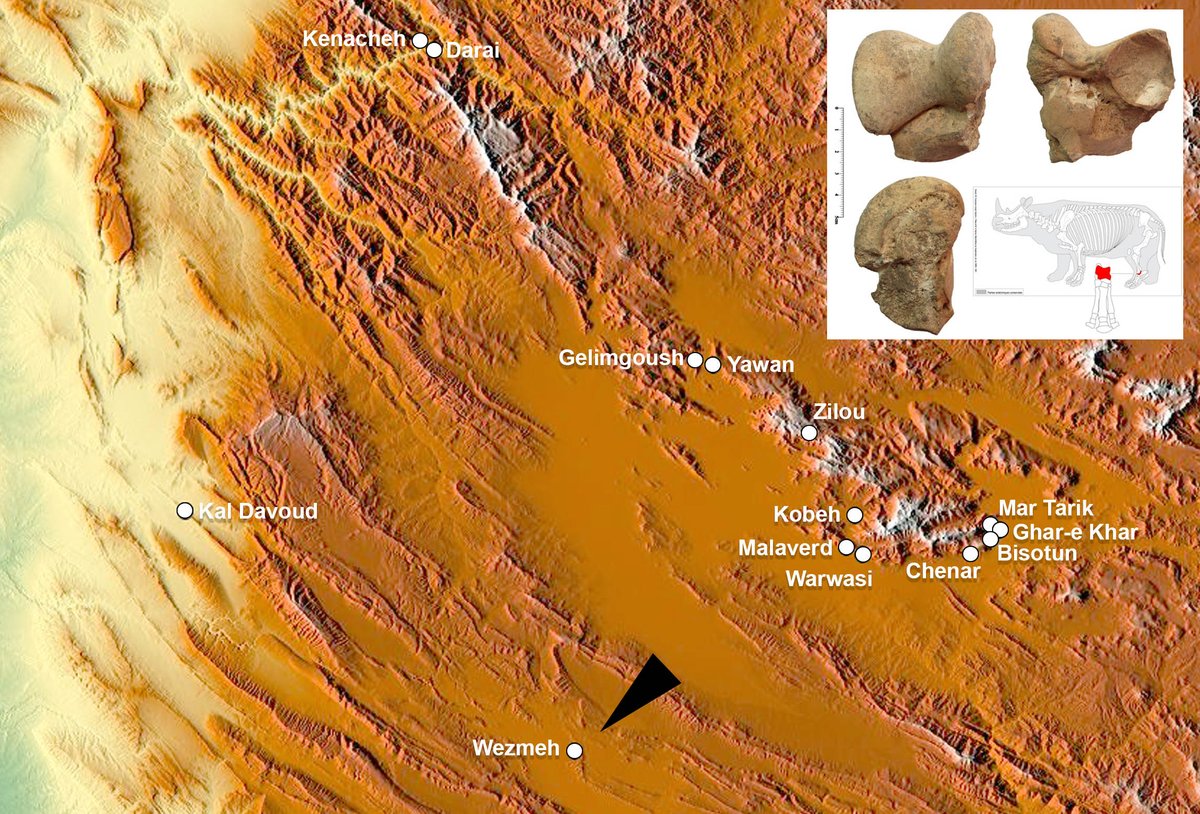
Our new paper in the Journal of Iran National Museum analyzes Late Pleistocene-Holocene fauna from Wezmeh Cave (Zagros). Taxa include hyenas, bears, deer, rhinos, wild/domestic ungulates, etc. Unmatched biodiversity on the Iranian Plateau. jinm.irannationalmuseum.ir/article_720756…
Fereidoun Biglari tweet media
English
1
3
25
1.8K