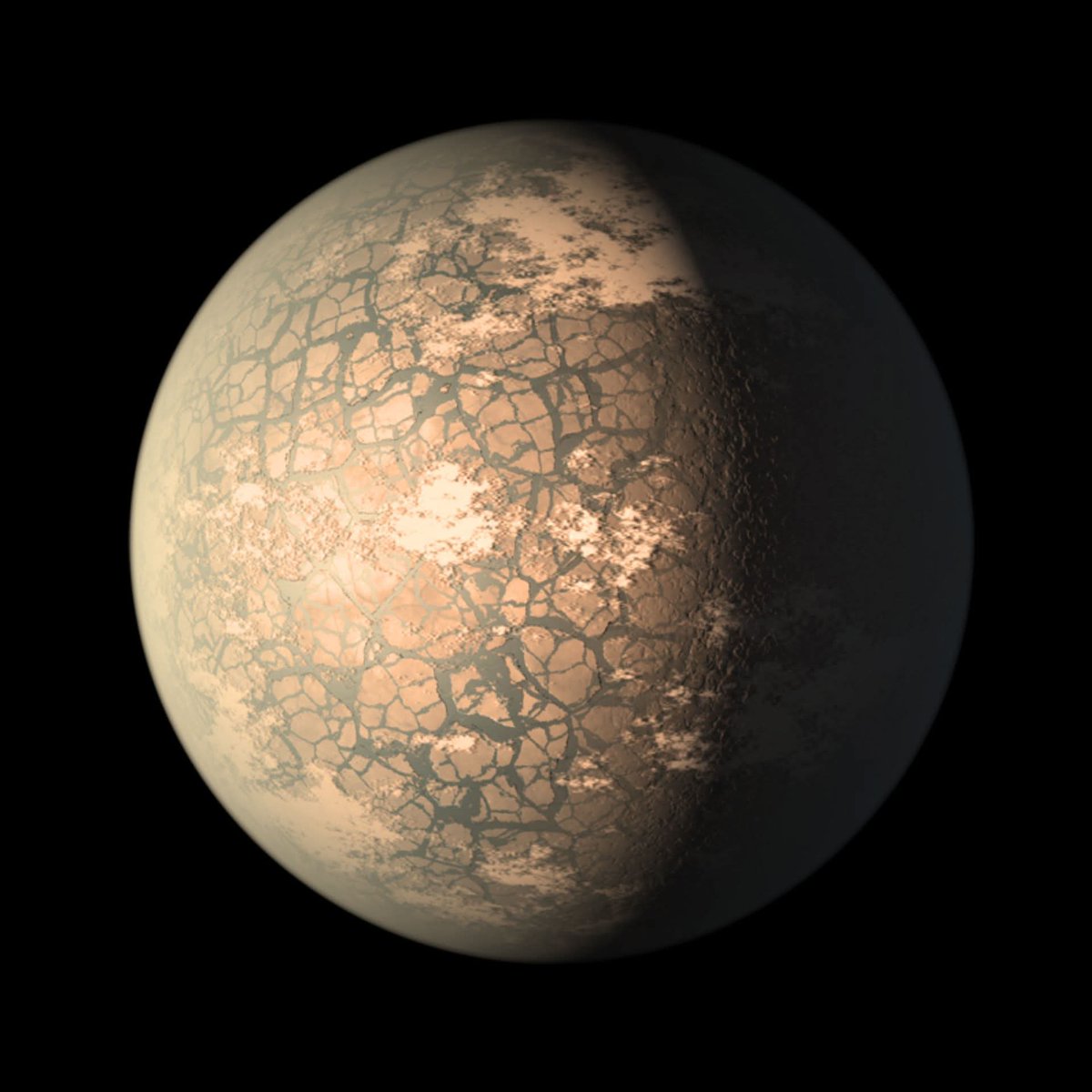
JP Anthony

461 posts

JP Anthony banner
JP Anthony

JP Anthony

@JPAnthony19

Planet Earth Katılım Şubat 2017
167 Takip Edilen17 Takipçiler
JP Anthony
JP Anthony@JPAnthony19·
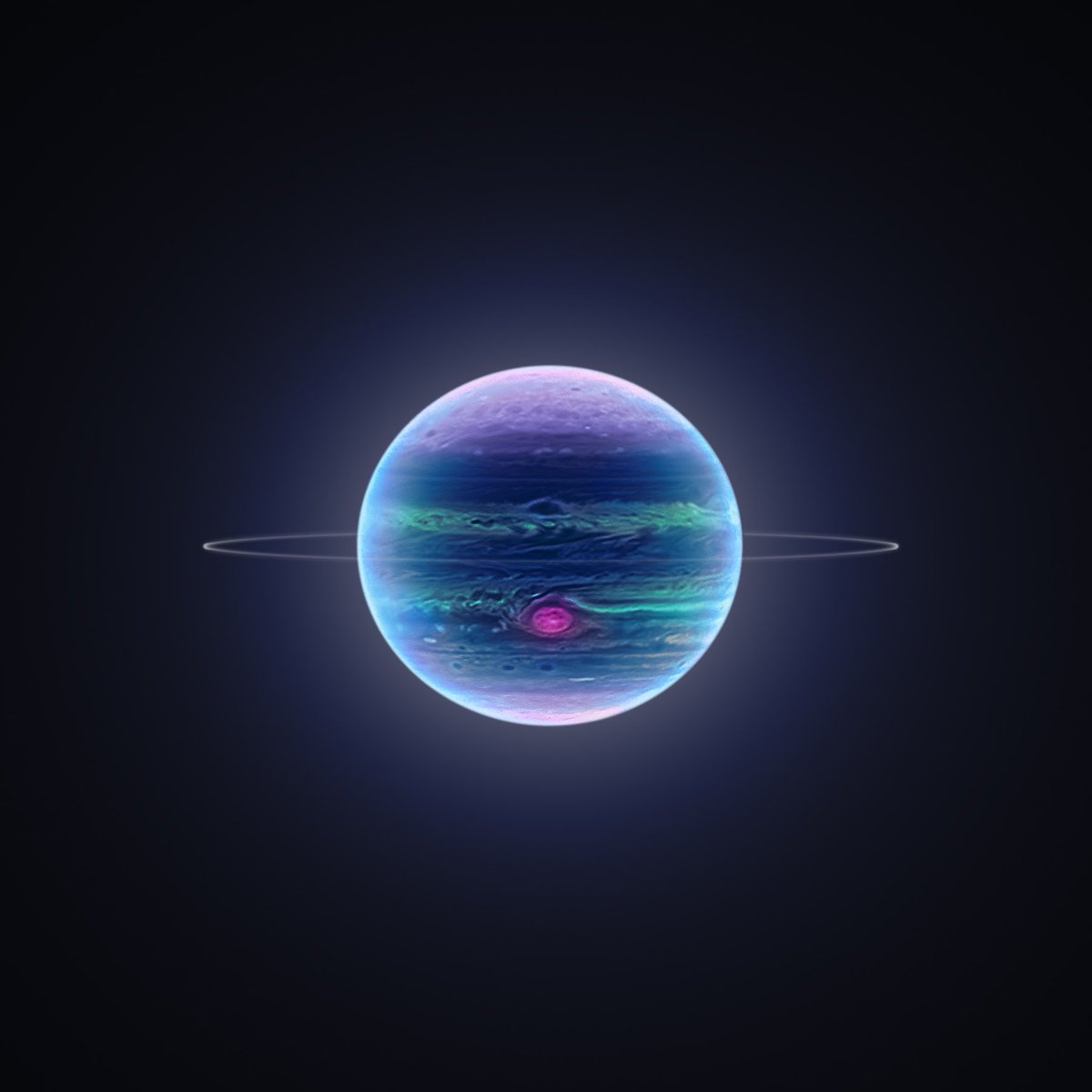
@AJamesMcCarthy @cflick Misinformation when it comes to astronomy is rampant. I never thought I'd see the day when a flat Earth made a comeback. Moon landings, Distances between stars, the near impossibility of directly imaging exoplanets, etc.. You'll see me on here as often as I can trying to educate
English

0
0
0
15
Andrew McCarthy
Andrew McCarthy@AJamesMcCarthy·
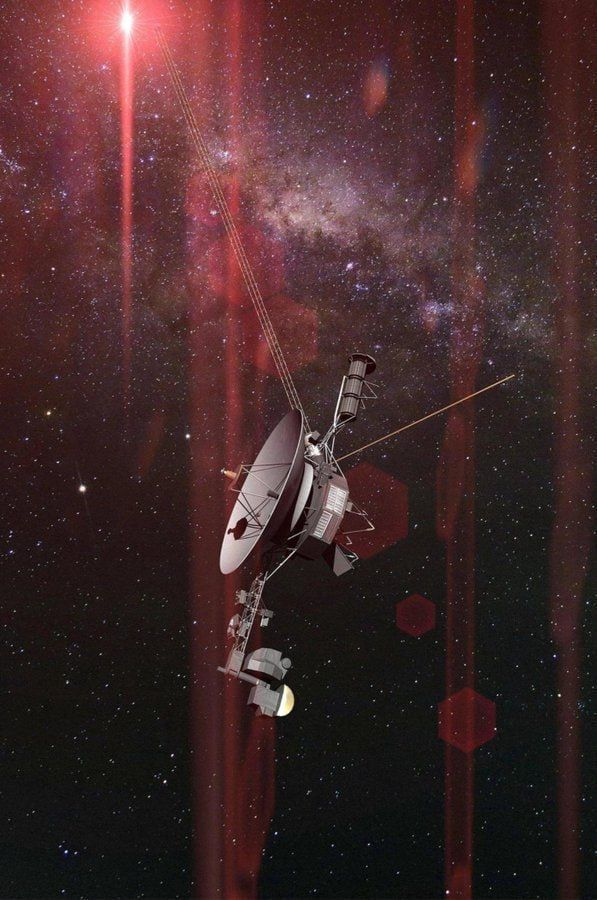
@cflick I’ve phased out doing art pieces like this due to them ending up circulating like this, leading to misinformation. That’s something I’m very passionate about preventing
English
2
0
14
733
Andrew McCarthy
Andrew McCarthy@AJamesMcCarthy·
Been seeing this circulate again. This isn’t JWST, but an art piece I made 3 years ago using my own photos of Jupiter. Since the circulating copies are starting to look terrible, here’s a high quality one.
Andrew McCarthy tweet media
English
55
137
1.2K
73.2K
JP Anthony
JP Anthony@JPAnthony19·
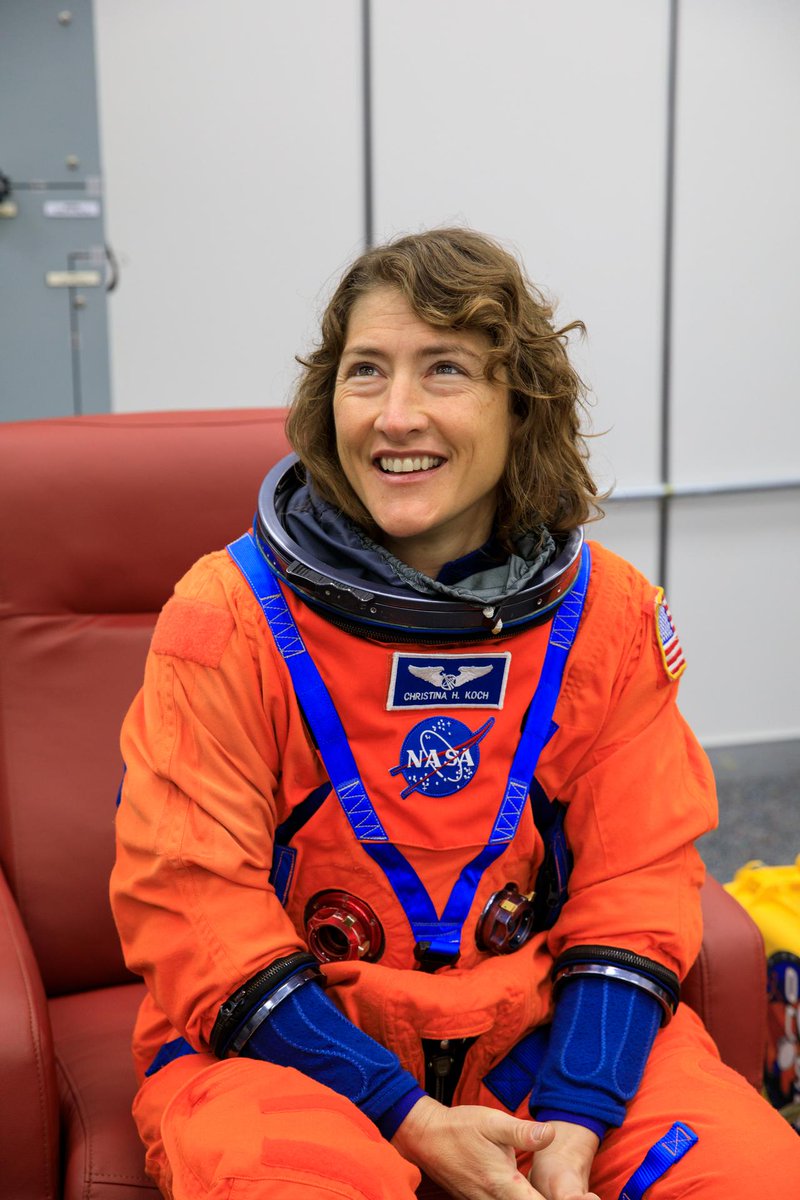
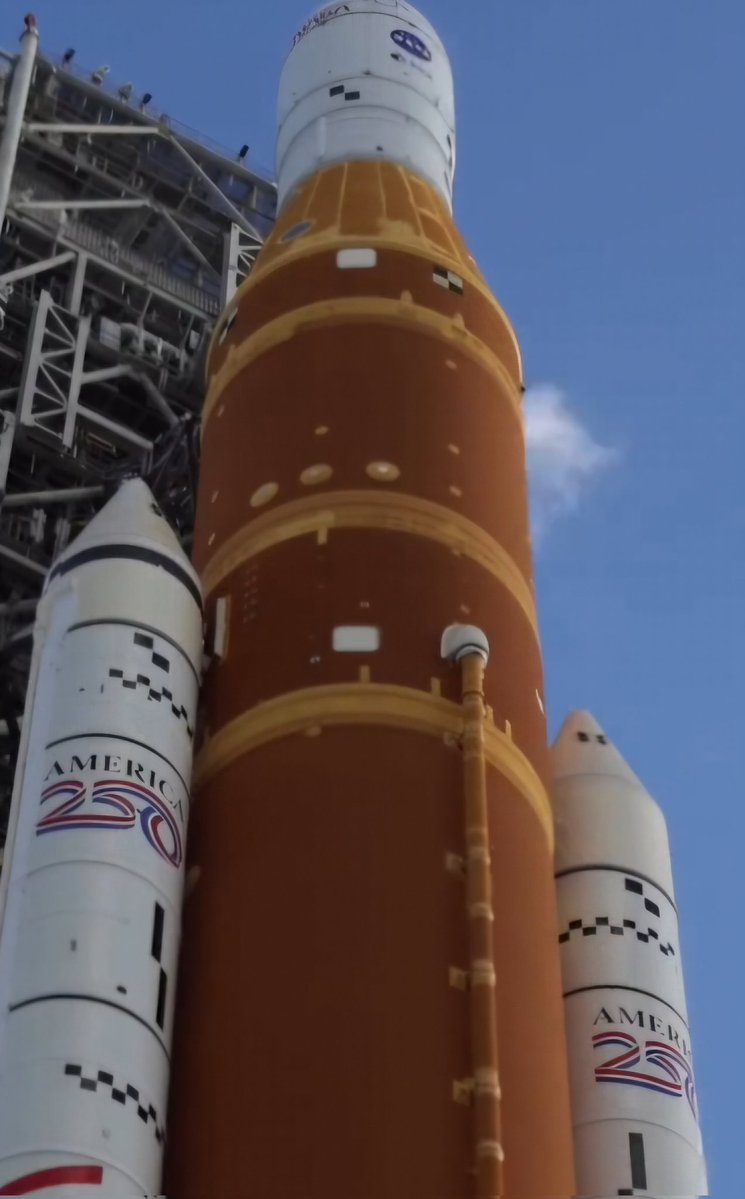
@AndyBasildon @latestinspace Artemis II was NEVER a mission to land on the moon. Just like the Apollo Missions, each mission is a step towards the ultimate goal of a lunar landing. This one is a manned mission to orbit the moon and safely back.
English

0
0
0
43
Latest in space
Latest in space@latestinspace·
Artemis II astronaut Christina Koch is set to become the 1st woman to fly around the moon 🌕
Latest in space tweet media
English
608
4.1K
30.6K
1.7M
JP Anthony
JP Anthony@JPAnthony19·
@paulperusse @latestinspace IDGAF what people might say about this being politically incorrect or whatever bullshit, this here is some funny shit. Well done 🤣🤣🤣
English
0
0
0
12
JP Anthony
JP Anthony@JPAnthony19·
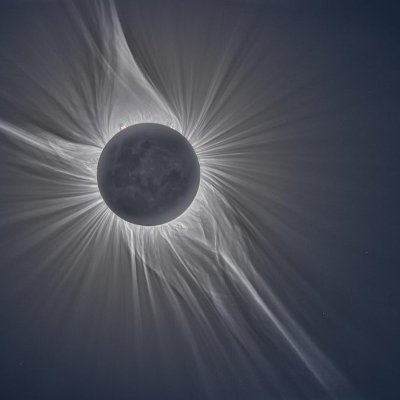
@AJamesMcCarthy @FreedomMemesIRL @CrackerofSalt Exactly! All of these "the moon landings were faked" and so are the Artemis missions people piss me off something terrible. What we accomplished back then and what we're doing now is amazing and these folks trash it because they don't understand any of the science behind it 🤬
English
0
0
1
16
Andrew McCarthy
Andrew McCarthy@AJamesMcCarthy·
I started this career~7 years ago as a guy that just loved taking photos of the moon I had no idea one day I’d be taking photos of people going to the moon. 2 days.
Andrew McCarthy tweet media
English
176
462
7.4K
62K
JP Anthony
JP Anthony@JPAnthony19·
@CadeCad84010759 @NASAAdmin @Freedom250 No point at all? Did you ever explore when you were a kid? Just go and see what you could find? That spirit lives in us all.The need to explore.There are only a few places remaining on the Earth that are unexplored - but space - the Moon, Mars and beyond, call to that spirit
English
1
0
0
19
NASA Aeronautics
NASA Aeronautics@NASAaero·
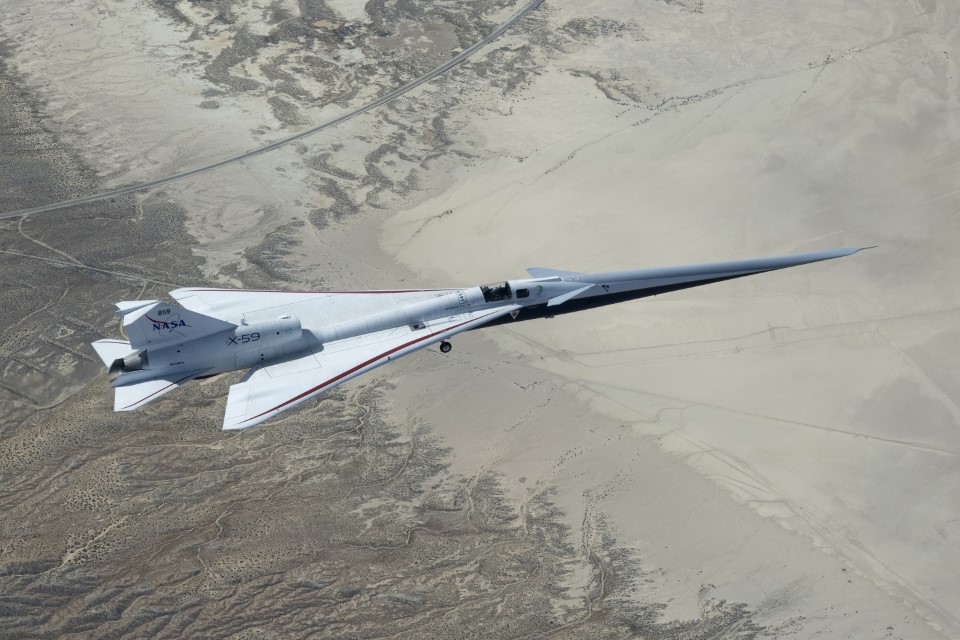
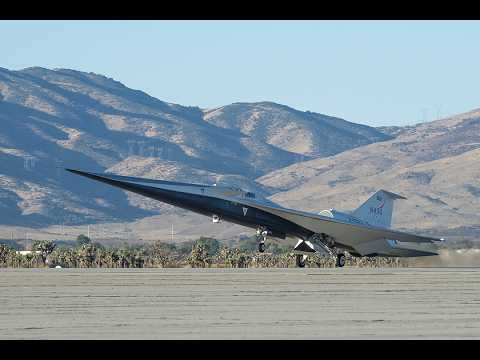
The X-59 successfully made its third flight today, & @NASA's excited to have the quiet supersonic jet in the air again! With Flight #3, the aircraft took off+landed near @NASAarmstrong & flew for about an hour while its team evaluated performance. More flights are expected soon! nasa.gov/mission/quesst/
NASA Aeronautics tweet media
English
129
752
5.2K
597.5K
Omar y Alina
Omar y Alina@herbafun·
@Bz370708245542B @NASA_Langley This is science development, you should worry why the socialist New appointed President of Columbia University made 3 millions a year of taxpayer money !
English
1
0
1
10
NASA Langley Research Center
NASA Langley Research Center@NASA_Langley·
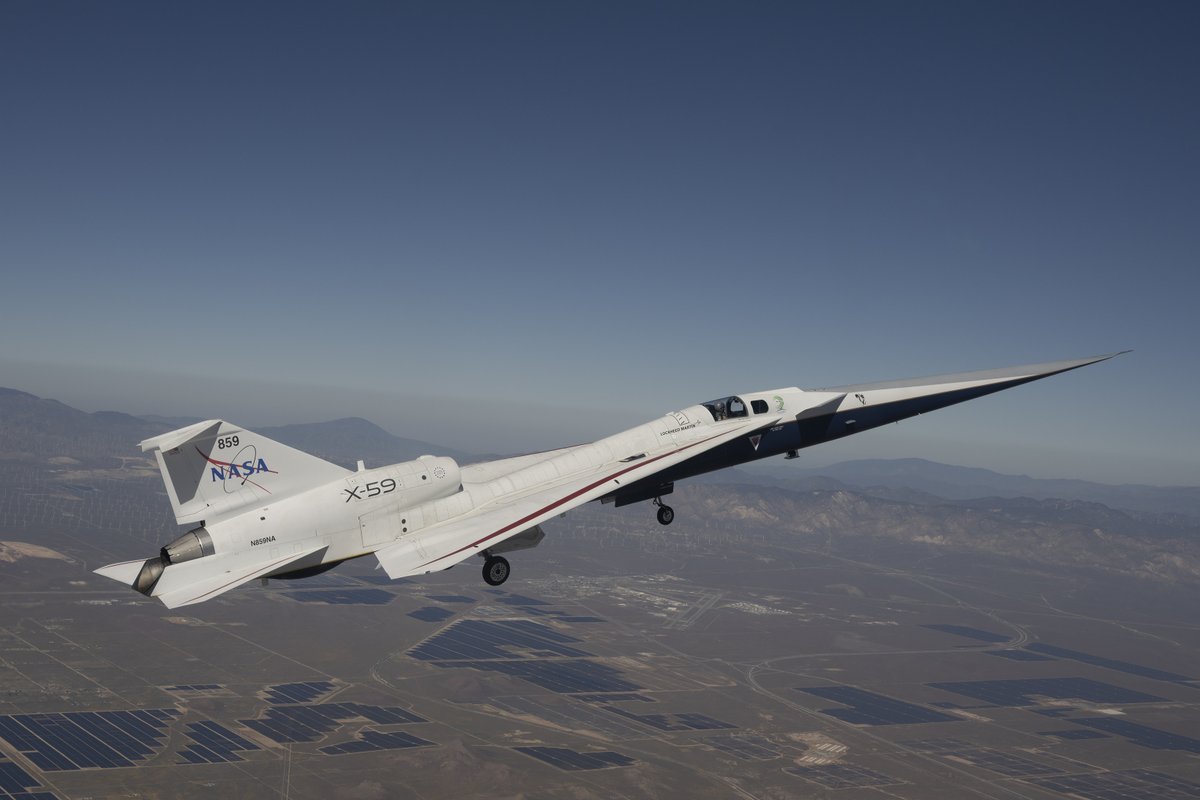
NASA’s quiet supersonic X-59 aircraft made its second flight on Friday, kicking off a series of dozens of test flights in 2026. One of the notable traits of the X-59 is the eXternal Vision System (XVS) which allows the test pilots to safely maneuver the skies without a forward-facing window. This unique supersonic design feature was developed and tested at NASA Langley. Curious about how the X-59 will help revolutionize air travel? Learn more here: youtube.com/watch?v=BkhK88…
YouTube video
YouTube
NASA Langley Research Center tweet media
English
12
81
404
11.5K
JP Anthony
JP Anthony@JPAnthony19·
@AngryAstro66 @ssgeos It's beyond silly 🤣 But every day there are literally hundreds of quakes across the Earth and this idiot will post some nonsense like this and when there's a quake SOMEWHERE in the world they're able to say "you see? this is real! Who can doubt me? I said major seismic activity!
English
1
0
0
124
Angry2
Angry2@AngryAstro66·
This is silly. Planets exert a negligible gravitational influence outside their respective Hill Spheres. We are hundreds of millions of kilometers outside the Hill Radius of any of these planets. I PERSONALLY exert more gravitational influence on our tectonic plates than any planet. Stop the absurd sensationalism.
English
2
0
0
1.3K
SSGEOS
SSGEOS@ssgeos·
Tomorrow Earth aligns with the Sun and Neptune, while Venus sits in-between Mars and Jupiter. This planetary geometry converges with notable lunar geometry involving Saturn, Jupiter and Uranus. As a result, seismic activity may peak around 23-24 March.
SSGEOS tweet media
English
11
48
313
105.2K
JP Anthony
JP Anthony@JPAnthony19·
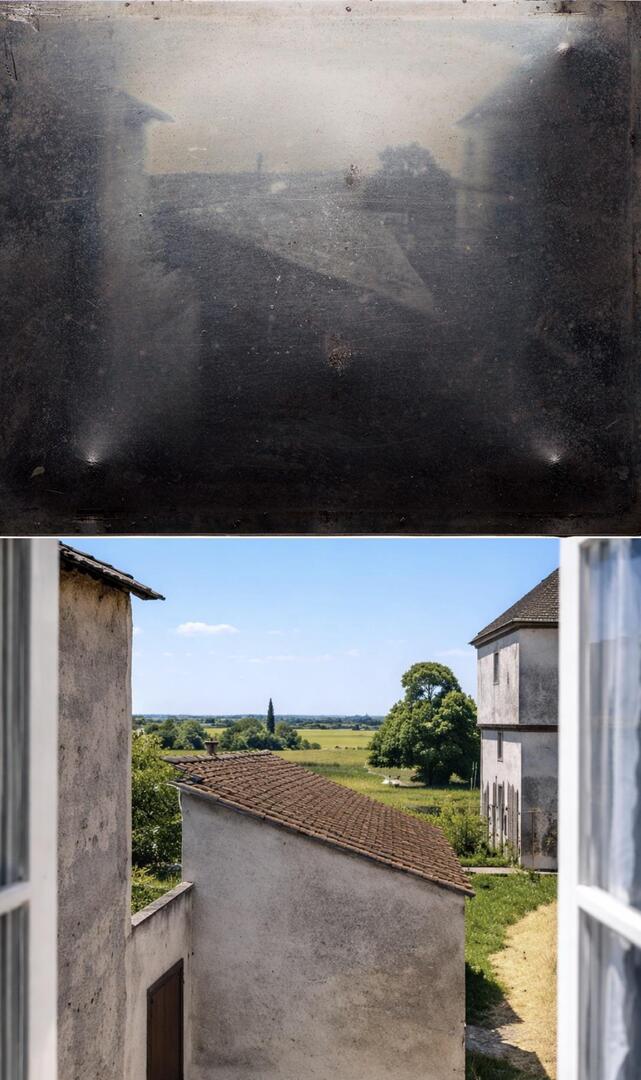
@Bradj19699 @HistorylandHQ What the hell is it with you people thinking everything is fake?? Trees can survive for far longer than 200 years, and once they've reached maturity will retain the same exact shape.
English
0
0
6
168
Historyland
Historyland@HistorylandHQ·
200 years ago, in 1826, Nicephore Niépce took the oldest surviving photograph in the world.
Historyland tweet media
English
84
1.4K
19.7K
476.3K
JP Anthony
JP Anthony@JPAnthony19·
@Anci3ntWiSd0m @HectorE88315654 @davinator_t @forallcurious Ahhhh and there it is! The cry of the idiotic! "You believe everything you're told." Actually, I went to 2 different universities and busted my ass to learn everything I could in my field. I stood on the shoulders of geniuses like Copernicus, Kepler and Newton and I was humbled
English
1
0
0
27
All day Astronomy
All day Astronomy@forallcurious·
🚨: After travelling for almost 5 decades, and more than 15 billions miles, Voyager 1 is about to make history. It will soon reach one full light-day away from Earth!
All day Astronomy tweet media
English
175
917
5.7K
124.2K
CycloneTrader
CycloneTrader@cyclonetrader24·
@DoctorLemma You do know she was a stripper and not just some girl next door? Pretty raunchy act at that and those fake boobs were like balloons. Kissing her would expose you to a lot of germs.
English
2
0
0
4.6K
Dr. Lemma
Dr. Lemma@DoctorLemma·
She was arrested nineteen times. She cracked a kneecap, broke her tailbone, and fractured three ribs. And she never once regretted any of it. Morganna Roberts grew up in Kentucky, USA, abandoned by her mother as a baby, raised by her grandmother, sent to a boarding school, and ran away at thirteen with nowhere to go. She survived on the streets of Baltimore before finding work in nightclubs. By her late teens she was performing across the country. Then in August 1969, at a baseball game in Cincinnati, a friend dared her for five dollars to run onto the field and kiss a player. She kissed Pete Rose, one of baseball's biggest stars, on the cheek. He called her a name she couldn't repeat. The next night he found her at her show and apologised with flowers. A sportswriter in Cincinnati the following morning wrote the headline: "Bandit steals kiss from Pete Rose." That was the day Morganna the Kissing Bandit was born. She spent the next thirty years doing it again and again. Baseball fields. Basketball courts. Hockey rinks. She kissed Nolan Ryan, a pitcher so dominant he held the world record for strikeouts. She kissed Kareem Abdul-Jabbar, the all-time leading scorer in NBA basketball history. She kissed George Brett, a baseball legend, twice. He showed up at her show three weeks later and kissed her back. When she was once charged in court, her lawyer argued she hadn't intended to run onto the field at all. He told the judge that with her particular figure, she had simply leaned over the rail to watch the game, and gravity had done the rest. The judge laughed and dismissed the case. Her fame earned her millions. Her own baseball card. A display at the sport's Hall of Fame. A share in a minor league team. Her own brand of peanuts. She retired in 2000 and has lived quietly in Ohio ever since.
English
162
760
10.6K
1.6M
JP Anthony
JP Anthony@JPAnthony19·
@JesseAllen89 @DoctorLemma Yup. She sexually assaulted him, and he was triggered and had a panic attack because the whole time this was taking place, she never referred to him by his correct pronouns. Every single day I miss the past a little more 🥺
English
0
0
2
261
JP Anthony
JP Anthony@JPAnthony19·
@spacingrocket The math says no - to create a stable Einstein-Rosen bridge would take more energy than all the accumulated energy of the entire visible universe. But We also once believed it impossible to travel faster than the speed of sound Who knows what we'll be capable of tomorrow 🤔
English
0
0
0
2
JP Anthony
JP Anthony@JPAnthony19·
@spacingrocket @konstructivizm Right - the whole team at first is like Fuccckkk we can't image our comet?? Alright, anyone have an idea? Then they end up being rewarded. My mom used to always say "When God closes a door he leaves a window open."
English
0
0
0
6
GOP Patriot Girl 🇺🇸
GOP Patriot Girl 🇺🇸@gopatriotgirl·
@konstructivizm the fact that they had to swap targets bc of technical issues and THAT's when it decided to break apart is insane luck hubble catching it in the act vs ground telescopes just seeing blurry blobs is why we need these space assets resolution matters so much for this stuff
English
1
0
0
28
Black Hole
Black Hole@konstructivizm·
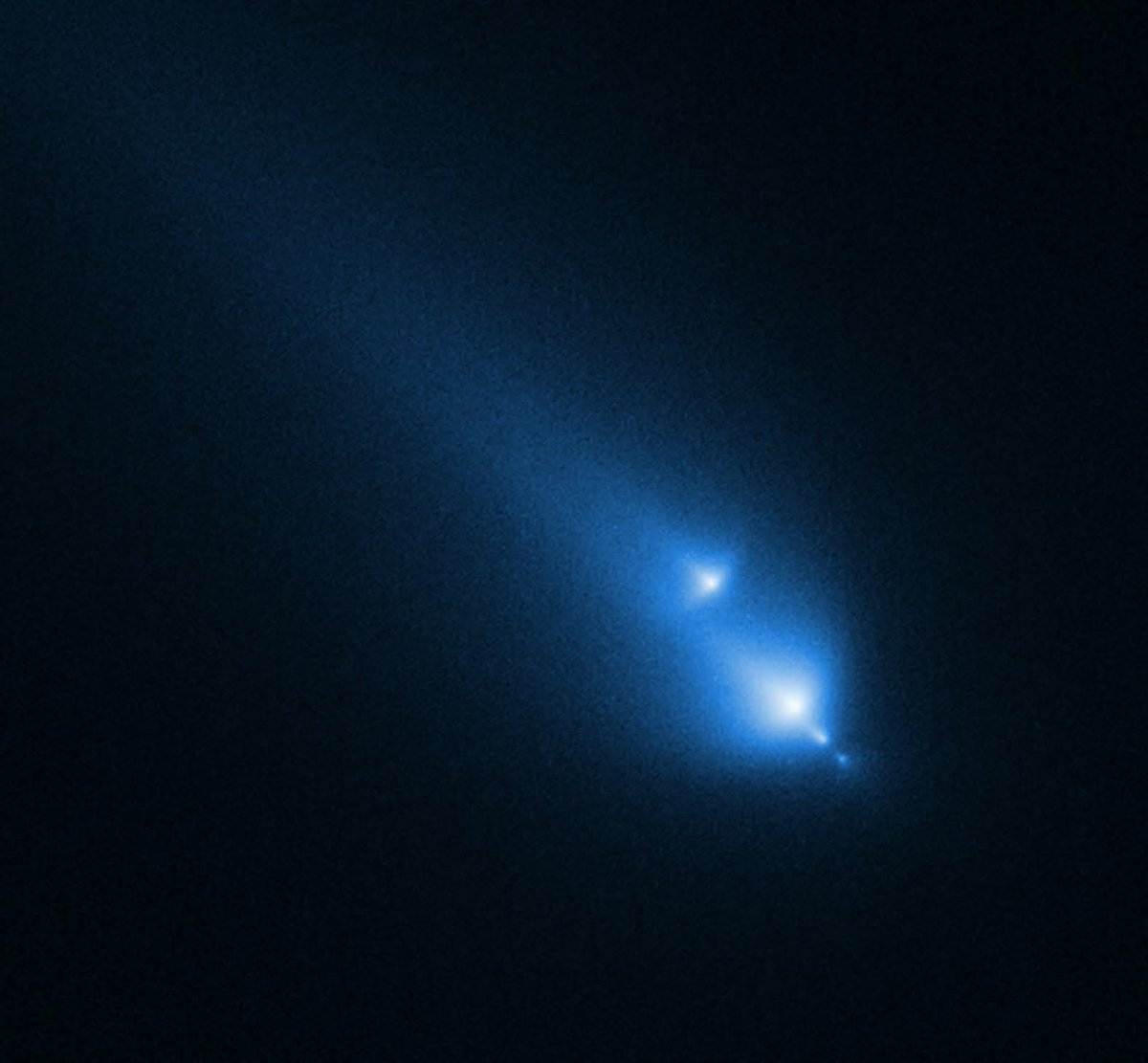
Hubble Space Telescope Captures Rare Cosmic Spectacle: Comet C/2025 K1 (ATLAS) Breaks Apart LiveMarch 19, 2026IMAGE DESCRIPTION: A striking Hubble image shows several bright, fuzzy, blue-streaked fragments aligned diagonally from upper left to lower right, capturing the dramatic breakup of comet C/2025 K1 (ATLAS). Credits: NASA, ESA, Dennis Bodewits (Auburn University); Image Processing: Joseph DePasquale (STScI)In an incredible stroke of cosmic luck, NASA's Hubble Space Telescope has captured a comet in the very act of disintegrating—a fleeting event so rare that the odds of witnessing it in real time are astronomically low.The comet in question, officially designated C/2025 K1 (ATLAS) (and casually called K1 to distinguish it from the unrelated interstellar visitor 3I/ATLAS), was never meant to be the star of the show. Hubble's observations were originally planned for a different target, but technical issues forced the team to switch to this alternative. As Hubble pointed its powerful eye at K1 in early November 2025—just after the comet's close solar flyby on October 8—it began fragmenting right before the telescope's "eyes."Over three consecutive days (November 8, 9, and 10, 2025), Hubble's Space Telescope Imaging Spectrograph (STIS) recorded the progressive disintegration. The images reveal the comet splitting into at least four distinct pieces (some reports suggest up to five), each surrounded by its own glowing coma of gas and dust—the fuzzy halo that forms as a comet's ices vaporize.This marks a scientific first: Hubble has never before observed a comet so early in the fragmentation process. Ground-based telescopes could only detect blurry blobs, but Hubble's sharp resolution clearly separated the individual fragments, offering unprecedented detail into how comet nuclei weaken and shatter under solar heating, outgassing, and gravitational stresses.“Sometimes the best science happens by accident,” said co-investigator John Noonan, a research professor in the Department of Physics at Auburn University. “This comet got observed because our original comet was not viewable due to some new technical constraints after we won our proposal. We had to find a new target—and right when we observed it, it happened to break apart, which is the slimmest of slim chances.”Noonan himself was stunned when reviewing the data: “While I was taking an initial look at the images the day after Hubble took them, I saw that there were four comets in those images when we only proposed to look at one.”The findings, published in the journal Icarus, highlight how fragile these ancient icy bodies can be after enduring intense solar heating during perihelion (closest approach to the Sun). K1, discovered earlier in 2025 by the ATLAS survey, had survived its solar encounter initially but soon succumbed to the stresses, beginning to crumble about eight days before Hubble's observations.Now fading and receding from the Sun—currently located in the constellation Pisces, roughly 400 million km from Earth—the fragmented comet is unlikely to ever return to the inner solar system. Its remnants are drifting outward, a testament to the violent, unpredictable lives of these "dirty snowballs" from the distant Oort Cloud.This serendipitous capture not only provides valuable insights into comet evolution and breakup mechanisms but also reminds us that even in the precision of planned space science, the universe sometimes delivers its most dramatic moments unannounced.
Black Hole tweet media
English
4
9
53
4K
JP Anthony
JP Anthony@JPAnthony19·
@OriginalZenman @konstructivizm Yeah, just nextdoor in cosmic terms🤣 or Roughly 246,000,000,000,000 miles from home 😬 That's 246 trillion, with a T Likelihood of a human being ever going there? Say it with me..... ZERO but it is extremely fun to wonder.....
English
0
0
0
13
Black Hole
Black Hole@konstructivizm·
TRAPPIST-1f is a captivating super-Earth exoplanet, remarkably similar in size and mass to our own world, orbiting within the intriguing TRAPPIST-1 system—just 41 light-years away in the constellation Aquarius.Discovered in 2017 by NASA as part of a groundbreaking haul of seven Earth-sized worlds around a single ultracool red dwarf star, TRAPPIST-1f stands out as a prime candidate for habitability.This rocky world has a mass of about 1.039 times Earth's and a radius of roughly 1.045 times Earth's, giving it a density of around 5.009 g/cm³—very close to Earth's, suggesting a composition dominated by rock and metal, with perhaps a modest amount of water or volatiles.It races around its dim, cool host star every 9.2 days at a distance of just 0.03849 AU (about 3.8% of Earth's distance from the Sun). Despite this close orbit, the planet sits squarely in the star's habitable zone, where conditions could allow liquid water to exist under the right atmospheric circumstances.Its equilibrium temperature (assuming no atmosphere) hovers around 217.7 K (−55.5 °C), chilly by Earth standards. This means that without a substantial greenhouse effect from a thick atmosphere, TRAPPIST-1f would likely be an icy world, possibly blanketed in global ice sheets or featuring a frozen surface with potential subsurface oceans. Yet, the TRAPPIST-1 planets are packed so tightly that gravitational tugs create resonant orbits, and intense stellar flares from the red dwarf could strip atmospheres over time—though a protective magnetic field or thick atmosphere might help preserve potential habitability. Ongoing studies with telescopes like JWST continue to probe whether TRAPPIST-1f (or its siblings) harbors an atmosphere capable of supporting liquid water. Image credits: NASA / JPL / ESA / Hubble (artist's concepts of TRAPPIST-1f and the system). This distant world remains one of the most exciting targets in the search for life beyond our Solar System!
Black Hole tweet media
English
4
15
85
5.4K
JP Anthony
JP Anthony@JPAnthony19·
@NashSi8653 @konstructivizm As far as we know, unfortunately not. The good news is that planet formation is basically a byproduct of stellar formation, so there are literally trillions of planets in our galaxy alone. If just 1% of those planets are habitable, there are likely hundreds of millions of them!
English
1
0
0
26
JP Anthony
JP Anthony@JPAnthony19·
@1eyedea @konstructivizm No. We don't have any pics like this of Trappist1F. That is an artist's depiction of what the exoplanet MIGHT look like. Directly imaging an exoplanet is currently a near impossible task - and when we can, it looks something like this:
JP Anthony tweet media
English
0
0
0
8
DEATHRAE GAMING
DEATHRAE GAMING@1eyedea·
@konstructivizm So the picture of the planet we have was from 41 light years ago? So it likely looks different now
English
1
0
0
33