Jared Oliphint, PhD

1.3K posts

Jared Oliphint, PhD banner
Jared Oliphint, PhD

Jared Oliphint, PhD

@JaredOliphint

Thinking about Big Questions with people. Philosophy prof. Podcaster. Married, 5 kids. My free paper-writing template https://t.co/4PkrcgtXho

Charlotte, NC Katılım Mart 2009
193 Takip Edilen4.8K Takipçiler
Sabitlenmiş Tweet
Jared Oliphint, PhD
Jared Oliphint, PhD@JaredOliphint·
When I was in my PhD program, I was looking at dozens of excellent, published philosophy papers & wondered what structure they had in common. I thought, 'Why have I never seen a basic paper-writing template to follow?' So I created a free template for you: sellingplato.kit.com/freepapertempl…
English
4
7
67
10.4K
Jared Oliphint, PhD
Jared Oliphint, PhD@JaredOliphint·
"Take my hand, we'll make it I swear... It doesn't really matter if we make it or not." Has to be the funniest outright logical gotcha in a song. (I think I saw this originally from Aaron Belz.) Any others?
English
0
0
1
103
Jared Oliphint, PhD
Jared Oliphint, PhD@JaredOliphint·
@DavidBahnsen I just could not agree with @DavidBahnsen more on this, and it's beyond discouraging how rare this approach is. Talk to lots of different people, and tell the truth regardless of tribe, in-group, out-group, party, whatever. Full convo in link above.
English
0
0
0
67
Jared Oliphint, PhD retweetledi
Jared Oliphint, PhD
Jared Oliphint, PhD@JaredOliphint·
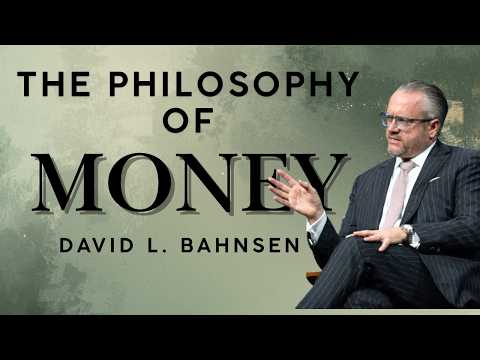
Thanks to @DavidBahnsen for a fantastic conversation on the podcast, covering the philosophy of money, the obvious priority of truth over tribe, why it makes sense for @elonmusk to say 'charity' is a cuss word, and more. Link to the episode below:
English
1
1
3
560
Jared Oliphint, PhD
Jared Oliphint, PhD@JaredOliphint·
PSA: "Anthropos" (ἄνθρωπος) is a Greek word for "person". So "Anthropic" is an adjective that means "person-like".
Català
0
0
2
144
Jared Oliphint, PhD
Jared Oliphint, PhD@JaredOliphint·
@tyromper @LisaBritton Agreed. And with more pay comes higher standards and expectations. At the college level, there are almost no realistic financial incentives to spend well over a decade training, with little to no salary, for a small chance at securing a teaching position that pays average/below.
English
1
0
3
36
Lisa Britton
Lisa Britton@LisaBritton·
I believe more male teachers could help fix so many problems… We need more male teachers! How can we do this?
English
1K
55
1.3K
57.8K
Jared Oliphint, PhD
Jared Oliphint, PhD@JaredOliphint·
The evidence for getting tech out of classrooms, all things being equal, continues to be overwhelming. Fewer distractions. Fewer temptations to cheat. Higher scores across the board. Why would you knowingly put barriers in front of students' chances at educational success?
Brandon Luu, MD@BrandonLuuMD

Students who took notes by hand scored ~28% higher on conceptual questions than laptop note-takers. Writing forces your brain to process and compress ideas instead of copying them.

English
0
1
8
489
Jared Oliphint, PhD retweetledi
Brad Wilcox
Brad Wilcox@BradWilcoxIFS·
Stunning Share of Young Men View Themselves as Failures Fully 42% of young men (18-29) think of themselves as "a failure." Esp. true for young men who ✔️ Don't have a college degree ✔️ Not working full-time ✔️ Don't have wife and kids New @FamStudies:
Brad Wilcox tweet media
Kenneth Burchfiel@KBurchfiel3

@BradWilcoxIFS Our Young Men's Survey found that around four in ten men ages 18-29 feel like failures.

English
43
98
608
120.8K
Jared Oliphint, PhD
Jared Oliphint, PhD@JaredOliphint·
@DavidBahnsen As I say in the episode linked above, I've often thought that @morganhousel's excellent book The Psychology of Money needs a supplement book, The Philosophy of Money. @DavidBahnsen has thought deeply about that, and I'm excited to see how he works on it over the next few years...
English
0
0
0
78
Holly Felicetta
Holly Felicetta@Hollyfelicetta·
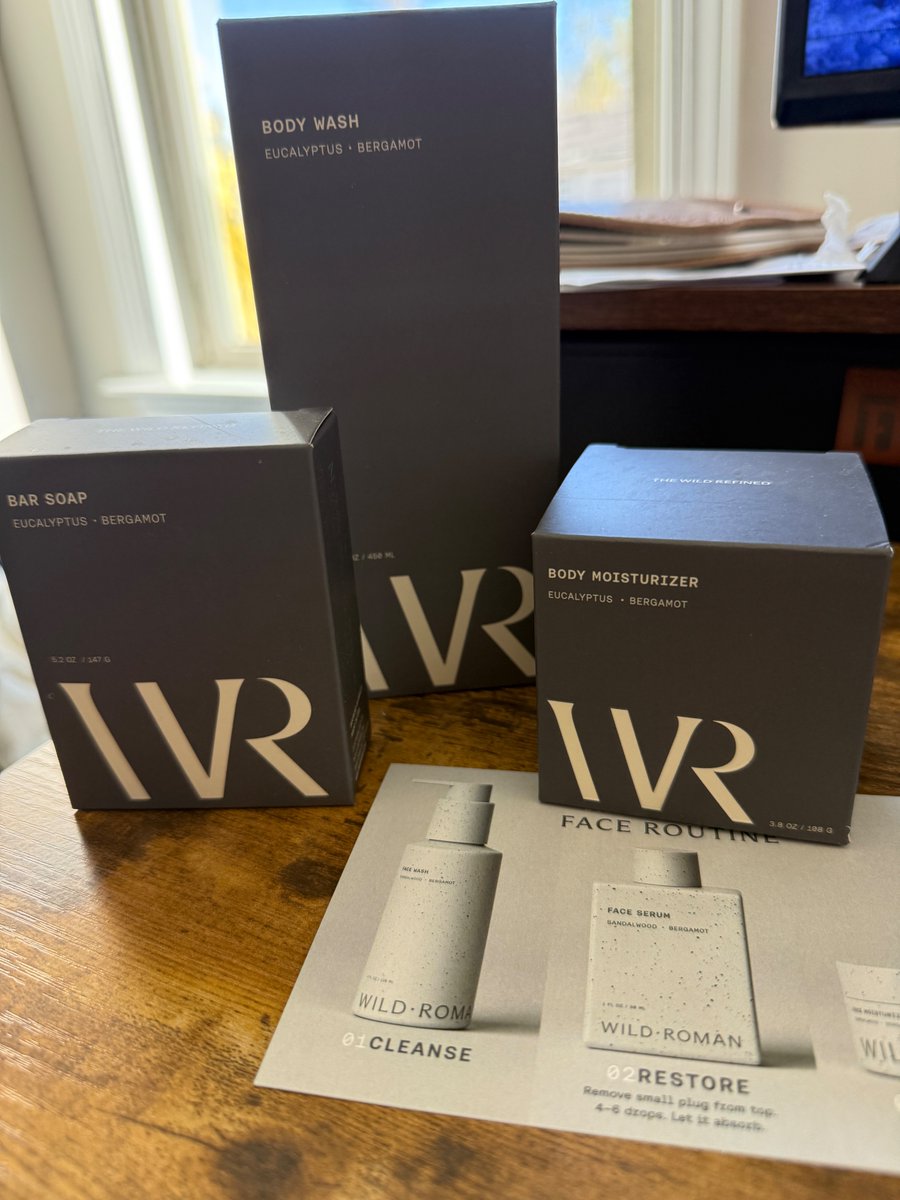
@JaredOliphint @SahilBloom Married with 5 kids - this lineup will give you the most luxurious, all natural shower routine of a lifetime. And well-deserved.
English
1
0
2
34
Jared Oliphint, PhD
Jared Oliphint, PhD@JaredOliphint·
I saw @SahilBloom created a line for men, Wild Roman, made with only natural ingredients, so I decided to try it. Glad I did. I genuinely love the quality and fresh scent. Get 10% off the body routine set using code JARED10 or using my affiliate link here: go.shopmy.us/p-47298747
Jared Oliphint, PhD tweet media
English
2
0
10
3.1K
Jared Oliphint, PhD
Jared Oliphint, PhD@JaredOliphint·
@john_nettles It's a good question. We don't have a hard and fast policy, just daily intentions to limit screens and to encourage outside play whenever possible. Many days we miss the mark, but being aware of the balance has helped.
English
1
0
1
14
John Nettles
John Nettles@john_nettles·
@JaredOliphint Have you written or utilized any resources/frameworks to offset this? Maybe something your family adheres to?
English
1
0
0
19
Jared Oliphint, PhD
Jared Oliphint, PhD@JaredOliphint·
I hate what *we* as adults are doing to kids' childhoods. It starts with parents and teachers, hundreds of "small" choices over time, adding up to unthinkable outcomes. If this scares people into change, I'm all for it. afterbabel.com/p/30-facts-abo…
English
1
0
1
174
Jared Oliphint, PhD
Jared Oliphint, PhD@JaredOliphint·
This discussion is well worth watching. One response to Pinker: Why should you care for the needy? Why should you refrain from murder? You can’t possibly say that the only reason to do it is because people will punish you in this life.
The Free Press@TheFP

Can a “rational” approach to morality be fully divorced from religious ethics? @SAPinker says the answer doesn’t require God. “Why should you care for the needy? Why should you refrain from murder? You can’t possibly say that the only reason to do it is because God will punish you in an afterlife.” @DouthatNYT says that Pinker’s reason-based ethics rely on the Judeo-Christian culture in which he lives: “What happens in Dr. Pinker’s argument is that as an heir of Jewish and Christian civilization, he imports, as this kind of commonsensical position, metaphysical propositions about the existence of these human rights.”

English
1
0
6
687
Jared Oliphint, PhD
Jared Oliphint, PhD@JaredOliphint·
I hope this is the last daylight saving time change. Switch it back in November, then lock the clock.
Roger Seheult, MD@RogerSeheult

Where you live inside a time zone may affect your sleep, metabolism, and long-term health. A major study looked at counties on opposite sides of U.S. time-zone borders. People on the western edge of a time zone get later sunset by the clock. That sounds nice. But there’s a catch: Later sunset tends to push bedtime later, while work and school still start at the same clock time. So people don’t fully “sleep in” to compensate. They just sleep less. The study found that people on the later-sunset side got about 19 minutes less sleep per night on average. That may not sound dramatic. But chronically, across millions of people? It’s huge. And it didn’t just affect sleep. The later-sunset side also showed worse rates of: obesity diabetes cardiovascular disease breast cancer This is what happens when social time and biological time drift apart. Your body responds to light. Your job responds to the clock. When those two are misaligned, health pays the price. The researchers also found evidence that people exposed to more evening light tended to eat later and were more likely to dine out. So later light doesn’t just affect sleep. It can shift the whole rhythm of life: later bedtime later meals more circadian disruption worse metabolic consequences And the costs were not trivial. The authors estimated at least: $2 billion in added health care costs and 4.4 million lost workdays All from the downstream effects of this kind of chronic social jetlag. This is one reason the debate over standard time vs daylight saving time matters. Light is not just illumination. Light is biology. It affects melatonin, cortisol, hunger signals, metabolism, alertness, and sleep timing. So no, clock policy is not just an inconvenience issue. It’s a health issue. The farther west you are in a time zone, the more your body may be forced to live later than your social obligations allow. That mismatch appears to mean: less sleep, worse health, and lower productivity. We should take that seriously. sciencedirect.com/science/articl…

English
1
0
7
763
Jared Oliphint, PhD retweetledi
Wes Huff
Wes Huff@WesleyLHuff·
Make sure to check out to today’s DOAC: The truth about Christianity: the case for Jesus. youtu.be/nrwNSSyKuD4?si…
YouTube video
YouTube
Wes Huff tweet media
English
152
456
5.5K
152.4K
Jared Oliphint, PhD
Jared Oliphint, PhD@JaredOliphint·
@DavidBahnsen David Bahnsen explains why @elonmusk thinks 'charity' is a cuss word. I loved that David's response makes you think more carefully about the *means* for solving a problem, beyond just transferring money from one account to another.
English
0
0
0
85
Jared Oliphint, PhD
Jared Oliphint, PhD@JaredOliphint·
Nav Toor@heynavtoor

🚨BREAKING: MIT hooked people up to brain scanners while they used ChatGPT. What they found should concern every single person reading this. ChatGPT users showed 55% weaker brain connectivity than people who didn't use it. Not after years. After just four months. Here's how they tested it. 54 people were split into three groups: one used ChatGPT to write essays, one used Google, and one used nothing but their own brain. They wore EEG monitors that tracked their brain activity in real time across four sessions over four months. The brain-only group built the strongest, most widespread neural networks. Google users were in the middle. ChatGPT users had the weakest brains in the room. Every time. Then the memory test hit. Participants were asked to recall what they'd just written minutes earlier. 83% of ChatGPT users couldn't quote a single line from their own essay. They wrote it. They couldn't remember it. The words passed through them like they were never there. It gets worse. In the final session, ChatGPT users were told to write without AI. Their brains were measurably weaker than people who never used AI at all. 78% still couldn't recall their own writing. The damage didn't go away when the tool was removed. Meanwhile, brain-only users who tried ChatGPT for the first time? Their brains lit up. They wrote better prompts. They retained more. Their brains were already strong enough to use AI as a tool instead of a crutch. The researchers also found that every ChatGPT essay on the same topic looked almost identical. More facts, more dates, more names. But less original thinking. Everyone using ChatGPT produced the same generic output while believing it was their own. MIT gave this a name: cognitive debt. Like financial debt, you borrow convenience now and pay with your thinking ability later. Except there's no way to pay it back. The question isn't whether ChatGPT is useful. It's whether the price is your ability to think without it.

ZXX
0
1
1
228
Jared Oliphint, PhD
Jared Oliphint, PhD@JaredOliphint·
I want the date, but not the many risks of rejection. I want the fortune, but not the many years & jobs & sacrificial saving to incrementally get there. I want the body and mind, but I don't want the hard exercise, the right diet, avoiding screens, getting sleep, going outside.
English
1
0
1
211
Jared Oliphint, PhD
Jared Oliphint, PhD@JaredOliphint·
Examples of valuing outcome at the expense of process: I want the grade, but I don't want to do the work to get it. I want the paper written, but I don't want to grind through the writing process. I want the fame, but I don't want to spend years creating something valuable.
English
2
0
5
396