
Jayakumar Rajadas retweetledi
Jayakumar Rajadas
257 posts


Jayakumar Rajadas retweetledi
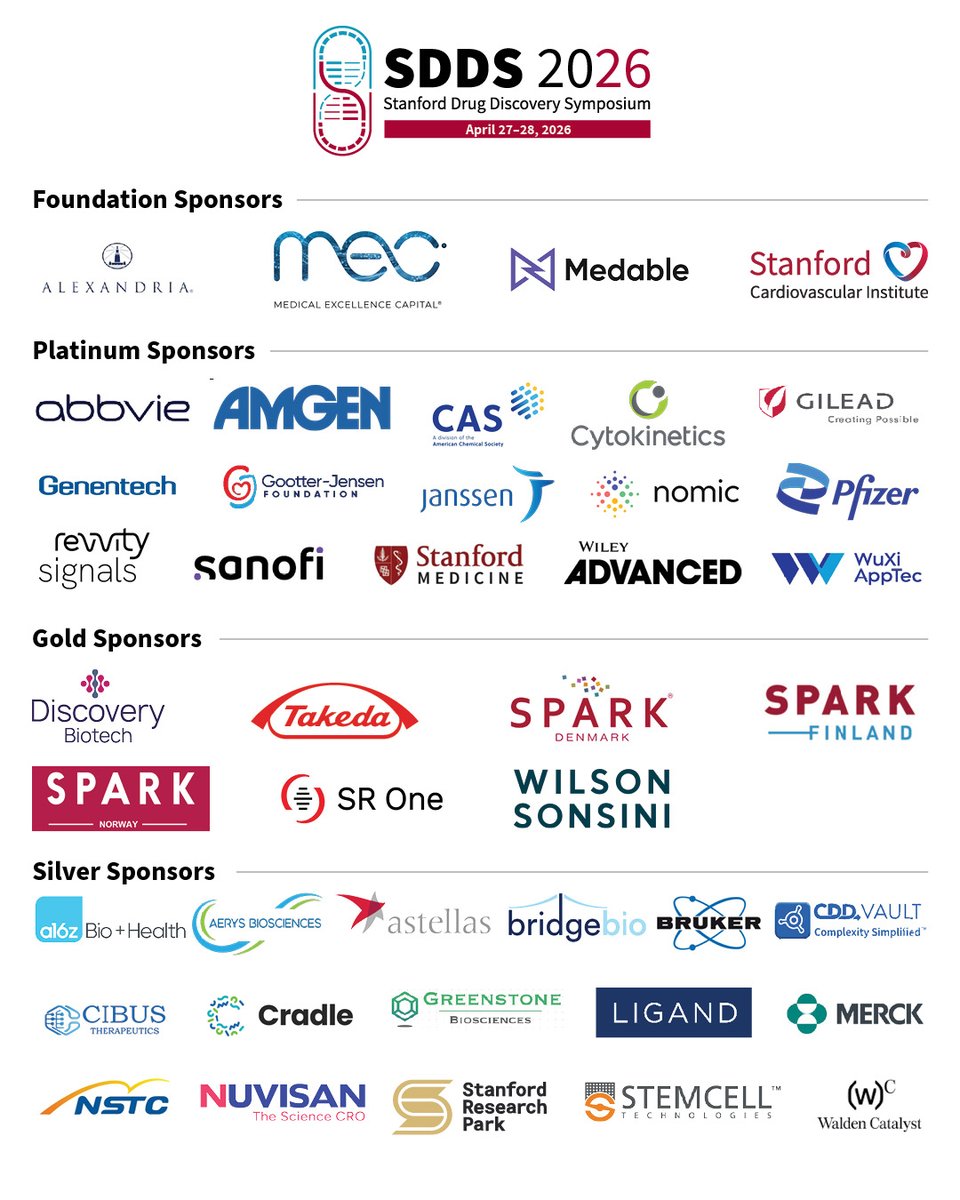
I'm grateful to the incredible sponsors of our 2026 Stanford Drug Discovery Symposium and bringing the community together.
@StanfordCVI @abbvie @cytokinetics @GileadSciences @Pfizer @sanofi @WuXi_AppTec @StanfordMedicine @amgen @medableinc @GreenstoneBio
med.stanford.edu/cvi/events/sdd…
English
Jayakumar Rajadas retweetledi
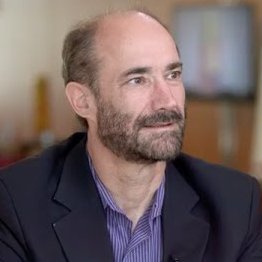
Sign Up for our online class: "How we Age". Thursdays 4:30-6:20 Starting April 2nd. Lots of fun! genetics4.eventbrite.com
English
Jayakumar Rajadas retweetledi
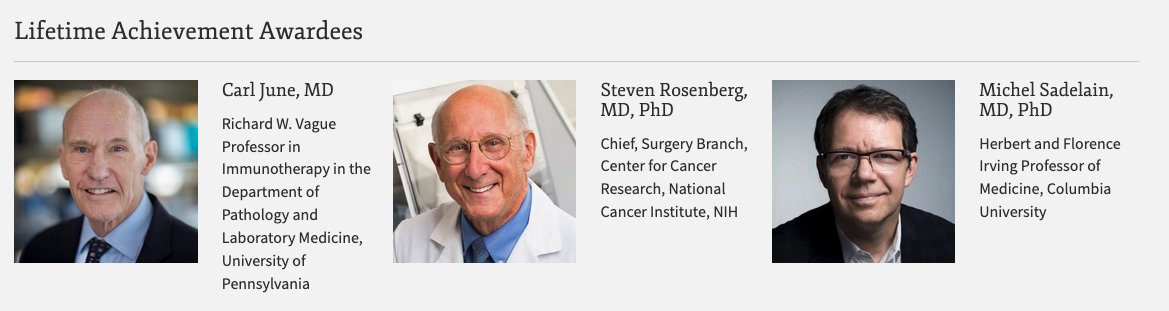
We are honored to recognize three pioneers of #cancer #immunotherapy with the #SDDS2026 Lifetime Achievement Award:
🏆Carl June @carlhjune
🏆 Steven Rosenberg
🏆 Michel Sadelain
@StanfordCVI @Stanford_ChEMH @StanfordHealth @StanfordDeptMed @StanfordMed
med.stanford.edu/cvi/events/sdd…
English
Jayakumar Rajadas retweetledi

Jayakumar Rajadas retweetledi
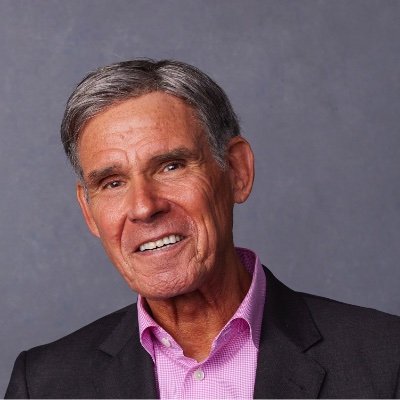
A randomized trial of a stem cell therapy vs placebo for aging frailty showed durable and dose-dependent improvement in the 6-minute walk test @CellStemCell
sciencedirect.com/science/articl…

English
Jayakumar Rajadas retweetledi
Jayakumar Rajadas retweetledi

Jayakumar Rajadas retweetledi

The proteins that reverse aging are the same ones that accelerate cancer.
UCSF screened 200 transcription factors and found 4 that push old cells back to a youthful state. Two of them, EZH2 and E2F3, are classified oncogenes.
EZH2 is overexpressed in melanoma, ovarian, breast, endometrial, bladder, renal, lung, and liver cancer. It silences tumor suppressor genes including p16. E2F3 shows overexpression in 67% of prostate cancers and independently predicts worse survival.
The mechanism that makes old cells divide again is the same mechanism that makes cancer cells divide uncontrollably.
This is the central tradeoff in longevity science that nobody wants to talk about. Senescence evolved as tumor suppression. Cells that stop dividing can’t become cancer. Reverse that brake, and you’re rolling dice on which cells wake up first.
The mouse results are real. In 20-month-old mice (equivalent to 65 human years), EZH2 reversed liver fibrosis, cut liver fat in half, and improved glucose tolerance. But the same protein that regenerated liver tissue also drives prostate cancer proliferation and acts as a coactivator for androgen receptor signaling.
The researchers acknowledge they’re looking for “safer rejuvenation therapies.” That phrasing tells you the current approach has a safety problem.
Aging research keeps running into this wall: the pathways that decline with age often declined because evolution selected for cancer suppression over longevity. You don’t reverse aging without confronting that tradeoff.
The real breakthrough will be tissue-specific or temporally controlled activation. Until then, every “reverse aging” headline needs an asterisk.
SciTech Era@SciTechera
Interesting CELLULAR AGING BREAKTHROUGH Scientists may have found a molecular blueprint to revive old cells. A new UCSF study identified four key transcription factors, E2F3, EZH2, STAT3, and ZFX, that can push aged cells back into a youthful state. By reactivating this gene control network, old human cells regained higher energy levels, increased cell division, and younger gene expression patterns. In aged mice, activating one of these factors reduced liver fat and scarring and improved glucose metabolism, making old tissue function more like young tissue. This discovery suggests aging isn’t just damage, it’s a loss of coordinated gene regulation that may be partially reversible. Instead of replacing cells or turning them into stem cells, this approach hints at resetting cells from within, opening a new path toward therapies focused on extending healthspan, not just lifespan.
English
Jayakumar Rajadas retweetledi
First test of partial epigenetic reprogramming to reverse aging for two eye conditions (glaucoma and NAION) gets FDA go ahead
@lifebiosciences Based on 2020 @Nature paper pubmed.ncbi.nlm.nih.gov/33268865/
endpoints.news/exclusive-fda-…

English
Jayakumar Rajadas retweetledi

Visualization of atherosclerotic plaque formation leading to rupture, clotting cascade & platelet aggregation, resulting in total thrombus occlusion of an artery.
English
Jayakumar Rajadas retweetledi

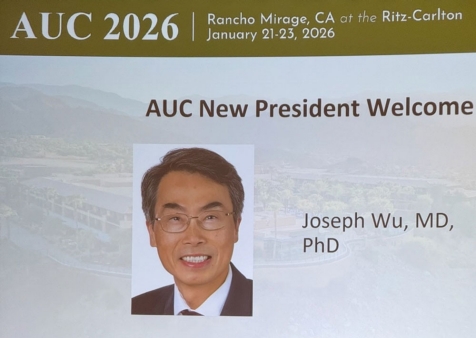
Congratulations to @Joseph_C_Wu Director of the Stanford CVI, on being named President of the American Association of University Cardiologists (#AUC). Dr. Wu’s leadership and groundbreaking work continue to shape the field of cardiovascular medicine.
@StanfordMed @Stanford
English
Jayakumar Rajadas retweetledi
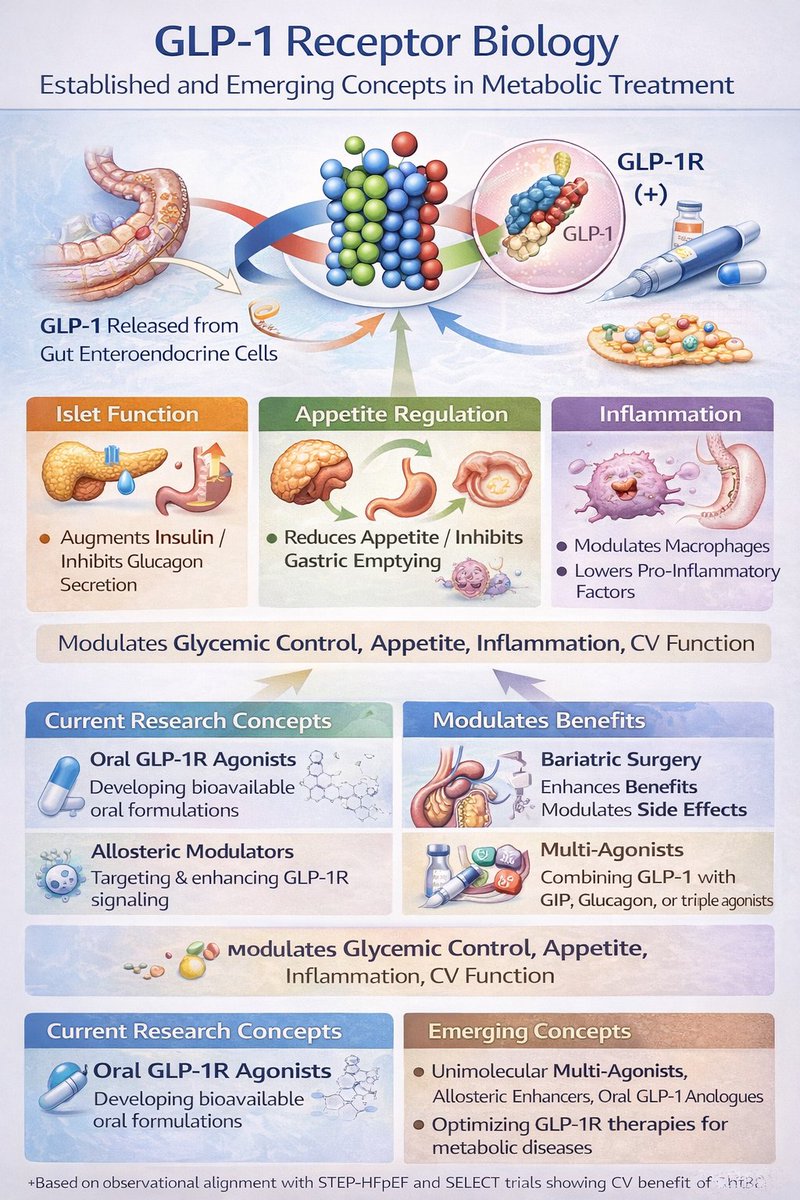
Glucagon-like peptide 1 receptor agonists (GLP-1RAs):
👉GLP-1 is a peptide hormone released from the distal ileum & colon after oral nutrient intake.
👉GLP-1RA reduces glucose by increasing glucose-dependent insulin secretion from beta cells in the pancreas, by decreasing glucagon secretion, as well as by delaying gastric emptying, which leads to satiety.
👉Beneficial effects on important determinants of CV risk, including weight loss, blood pressure, & triglyceride reduction as well as anti-inflammatory effects.
dharsaty.com
English
Jayakumar Rajadas retweetledi
Discovery of a maladaptive heart-brain-immune system loop after a heart attack, and the ability to modulate it
cell.com/cell/fulltext/…

English
Jayakumar Rajadas retweetledi
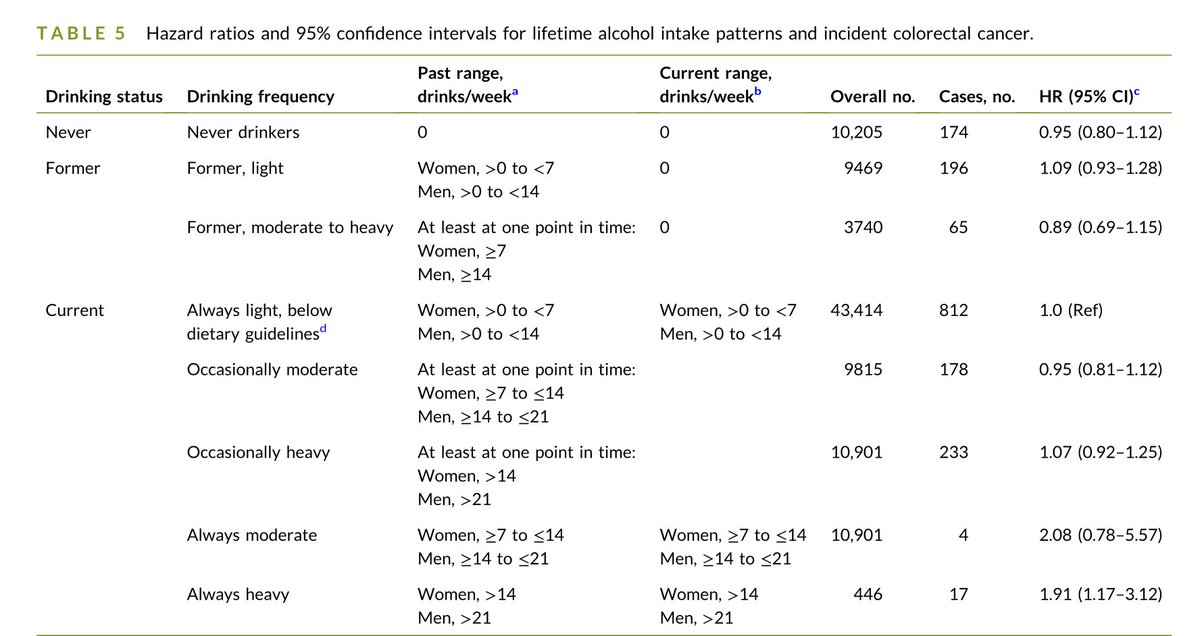
Lifetime high alcohol intake (women >7/wk, men >14/wk) and colon cancer risk
acsjournals.onlinelibrary.wiley.com/doi/10.1002/cn…
English
Jayakumar Rajadas retweetledi

5 breakthroughs in medicine this week
Read it here! breakingground.substack.com/p/how-the-ebv-…

English
Jayakumar Rajadas retweetledi
Enjoyed talking with @MitchElkind about #BrainHealth including @American_Heart initiatives Good discussion as we enter #HeartMonth @_triciaward @theheartorg @Medscape Stroke, Dementia, Voodoo Death: The Heart-Brain Connection
medscape.com/viewarticle/10…
English
Jayakumar Rajadas retweetledi
Our gut bacteria can inject proteins into our cells that modulates our immune response @NatureMicrobiol nature.com/articles/s4156…
English
Jayakumar Rajadas retweetledi
SGLT2 Inhibitors:
👉SGLT2 is a sodium-glucose cotransporter in the proximal tubule of the nephron that is responsible for approximately 90% of urinary glucose reabsorption.
👉Inhibition results in glucose lowering through induction of glucosuria.
👉Cause diuretic and natriuretic effects, promote weight loss, and lower systolic blood pressure.
👉Reductions in preload and afterload through diuresis, alterations in myocardial metabolism, and prevention of myocardial fibrosis.
dharsaty.com

English