

Jeremy Barnes
348 posts
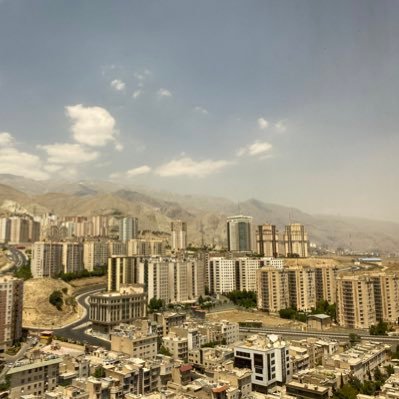
Chinese supertanker crosses Strait of Hormuz ahead of Trump and Xi talks #liveblog-body" target="_blank" rel="nofollow noopener">news.sky.com/story/iran-war…
English

Good to see an old work colleague Euan Jenkins join the $ZNC board. Backing him with my super fund participating in the today’s placement at 4.5c
GIF
English

7. David (1624)
A life-sized depiction of the young shepherd captured in motion - a moment before hurling the stone that toppled Goliath. A much more expressive depiction than Michelangelo's representation of human perfection.

English
Only one sculptor in history ever came close to Michelangelo. In some peoples' eyes, his technical mastery even surpassed the Renaissance genius.
The greatest works of Gian Lorenzo Bernini - a thread 🧵
1. The Abduction of Proserpina (1622)

English
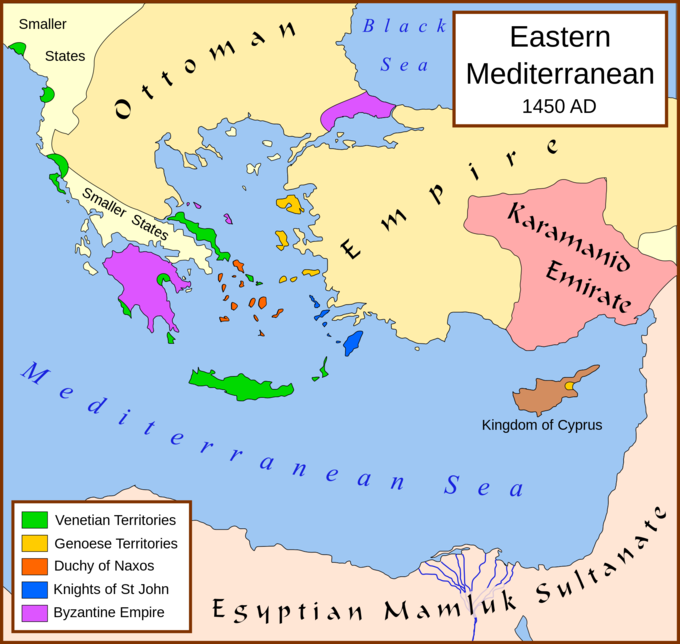
The stage was set for the slow death of the once proud #Roman Empire, for the decades of unsuccessful pleas to the West, of decline and turmoil, while the once major superpower was now reduced to a vassal status of the growing Ottoman Empire. Until its fall in 1453. /19
English
The medieval Roman Empire, better known as the Byzantine Empire, is well known for its many civil wars, led during its long #history.
But few conflicts were as damaging as the Byzantine civil war of 1341–47.
The war that broke the Empire. A thread. 🧵

English
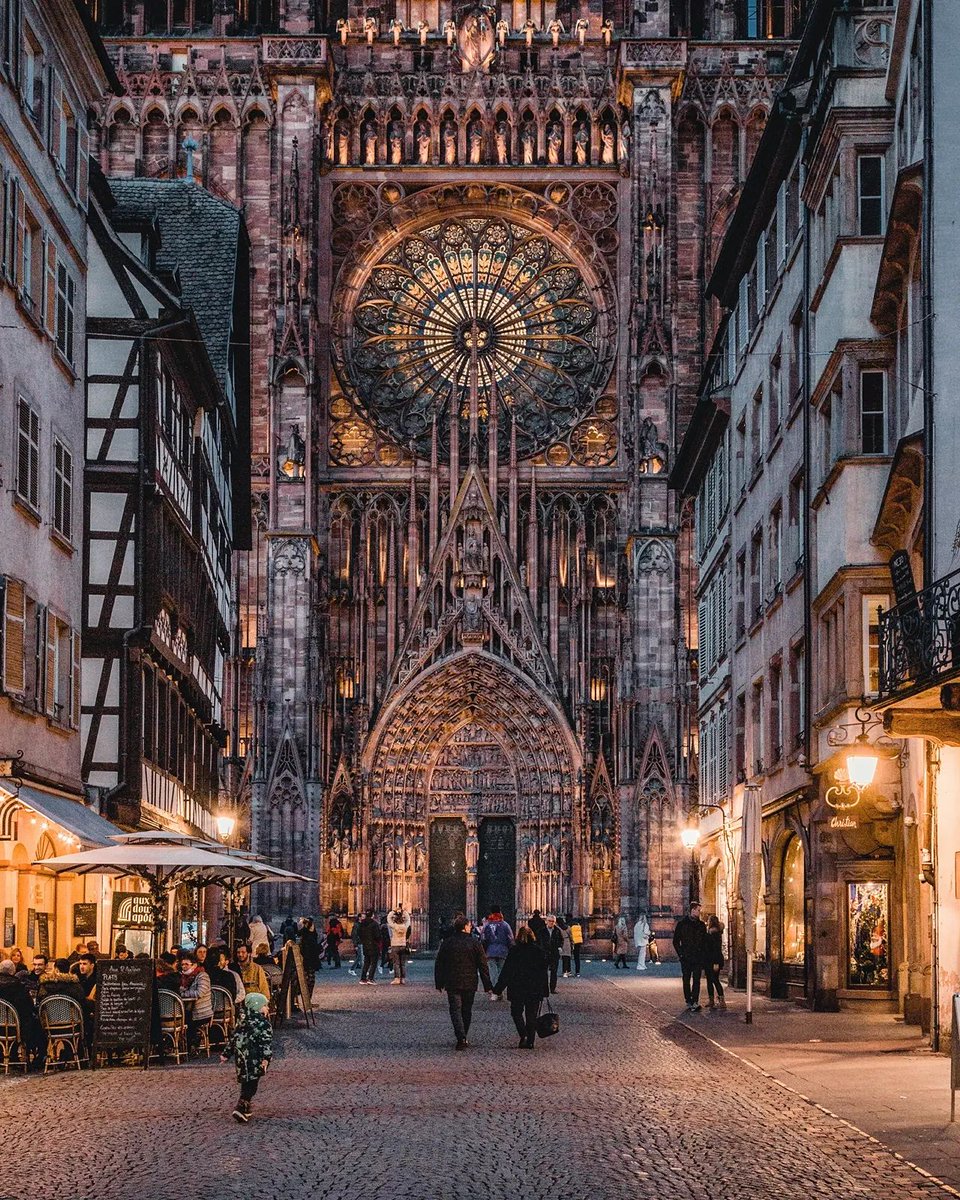
And they are Ruskin's six elements of Gothic — his essay demands to be read in full.
But the broader point here is that all architecture, Gothic or modern, is not about outward form so much as mindset; the former is, always and everywhere, the inevitable result of the latter.
English
A Brief Introduction to Gothic Architecture:

English
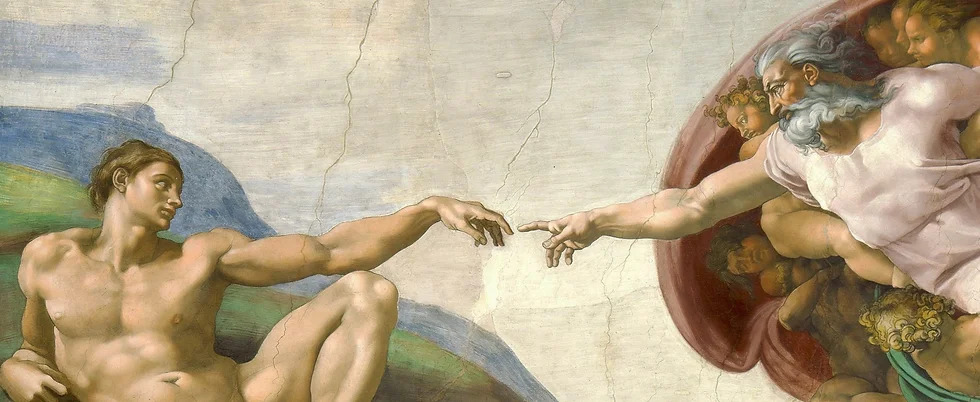
Still, what cannot be denied is that the ceiling of the Sistine Chapel represents a turning point in art history; nothing was ever the same again after 1st November 1512.
But is it good, is it great, is it unequalled? Or is it misunderstood? Or overrated?
Only you can decide...
English
511 years ago today the ceiling of the Sistine Chapel was shown to the public for the first time.
Is it the greatest achievement in the history of art, or is it overrated?
To help you decide, here are some things you probably didn't know about the world's most famous ceiling...

English
17. Lincoln Cathedral, Lincoln, England, 1311 (Early English Gothic)

English
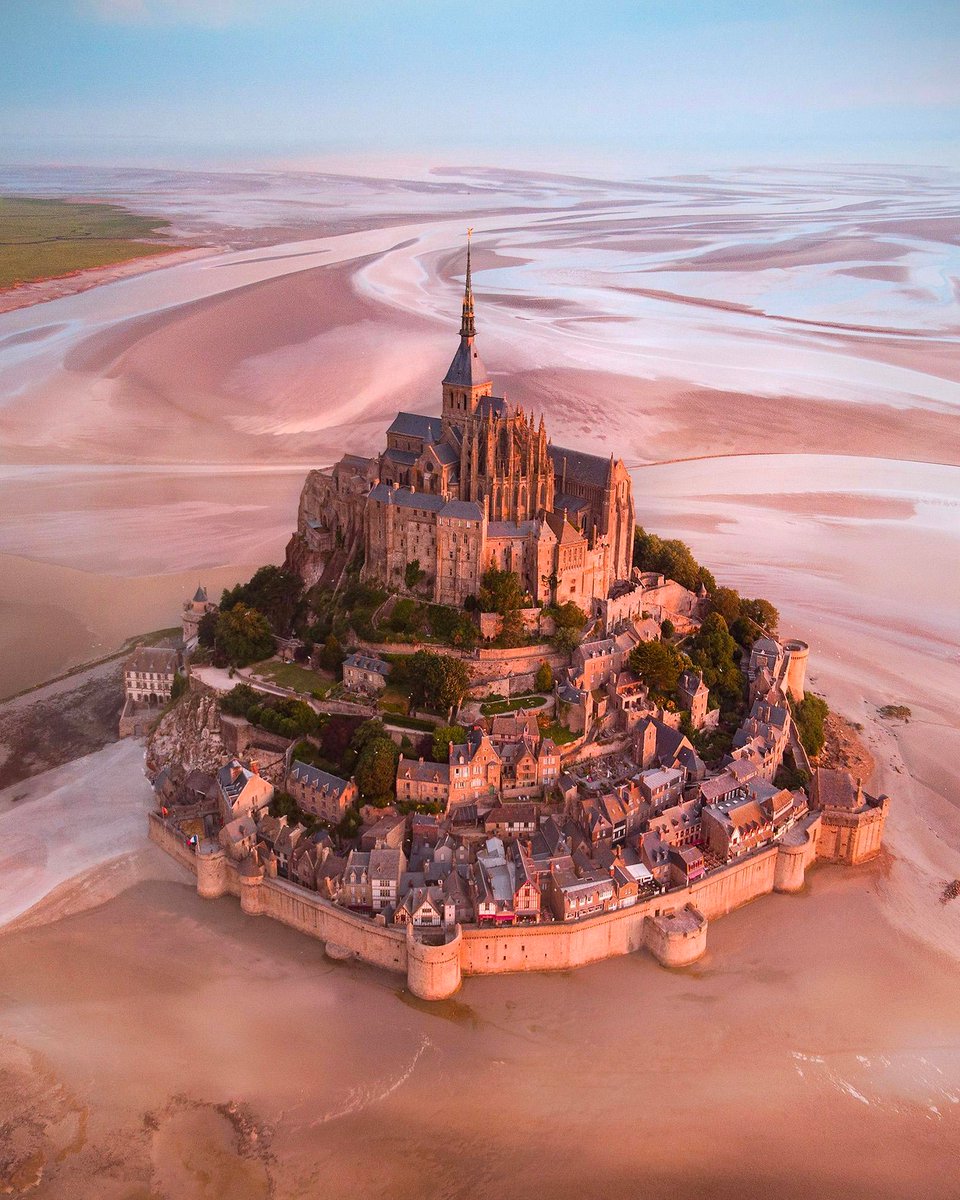
"The principle of the Gothic architecture is infinity made imaginable." - Samuel Taylor Coleridge
A thread of wonders of Gothic architecture 🧵
1. Mont-Saint-Michel Abbey, Normandy, France, 1523 (Gothic / Romanesque)
English

Alexios’s final battle demonstrated the miracle he had given Byzantium. Where he found a squabbling & dying Empire with hardly a few regiments to call, he left a unified & prosperous one with a capable & disciplined army & an equally capable heir to lead them to greater heights.

English
In Autumn 1116 AD, a dying Alexios Komnenos marched East.
The Turks were once again encroaching on lands he had dedicated his life to returning to the Empire.
The last major battle the Byzantines had fought against the Turks was 45 years ago & 600 miles East; Manzikert.

English

Many people are reading this thread but miss the historic context of Israel & Palestine. Please go read this thread if you haven't yet:
x.com/tomaspueyo/sta…
Tomas Pueyo@tomaspueyo
Who has a fair claim on the region of Israel and Palestine? It's time to go deep to understand: • History • Geography • Religion • Legal claims • Morality • And more:
English
Why does Egypt keep the border with Gaza closed?
Why are there more Palestinian refugees in Jordan than in Palestine?
Why doesn't Lebanon grant citizenship to Palestinian refugees?
Do Arab countries really support Palestine?
It's not as it seems:

English
Sharing an updated list because the last one had some errors and some glaring omissions!
English
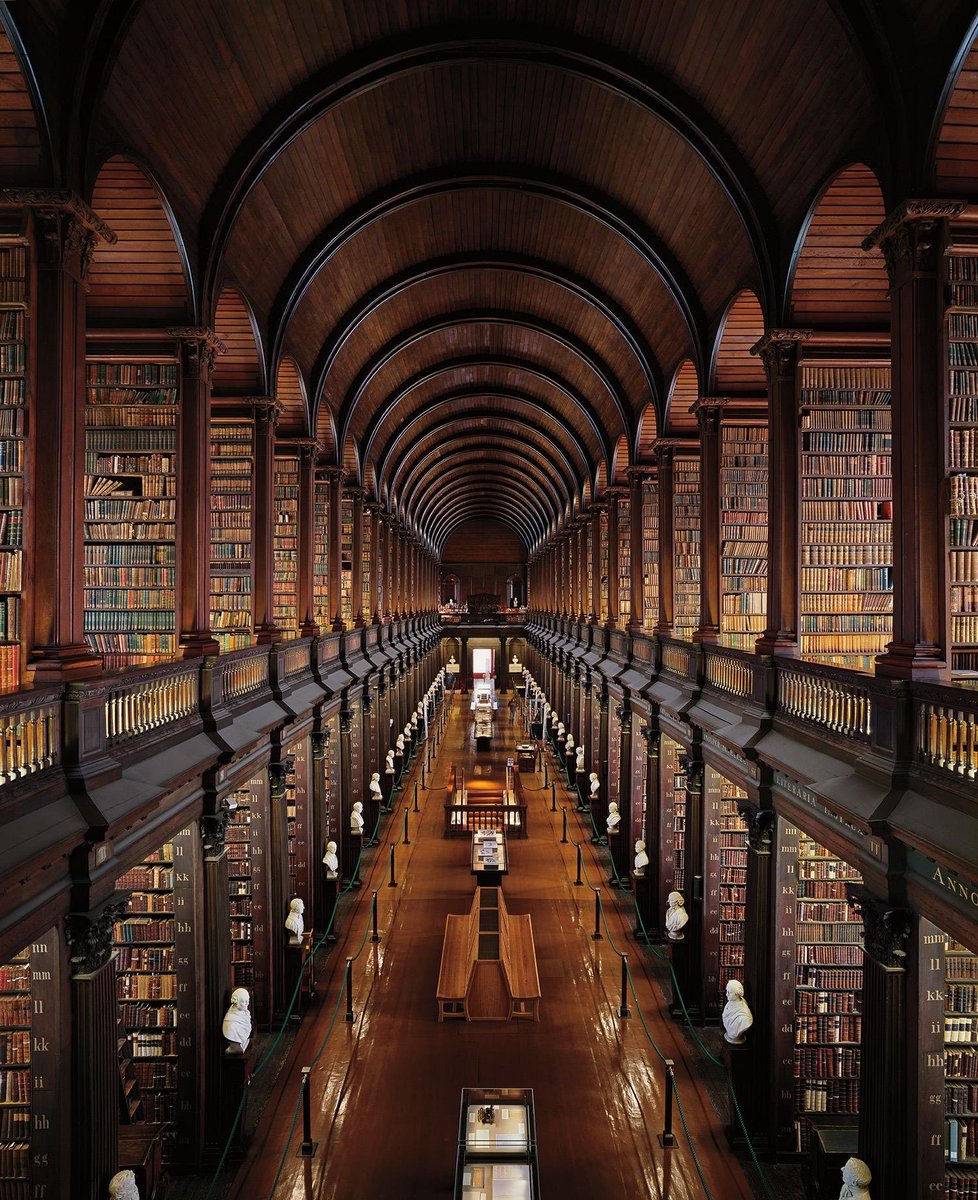
Libraries are supposed to be magnificent temples of learning.
These are the 25 most beautiful examples on Earth 🧵
1. Trinity College Library, Dublin, Ireland 🇮🇪
English

The Ottoman defeat during the 1st Balkan War in 1913 officialised the Greek annexation of Crete but also Epirus, Macedonia and Northern Aegean islands. Leading to the loss of a huge part of the Ottoman Greek community, but the struggle is not over.⬇️


English
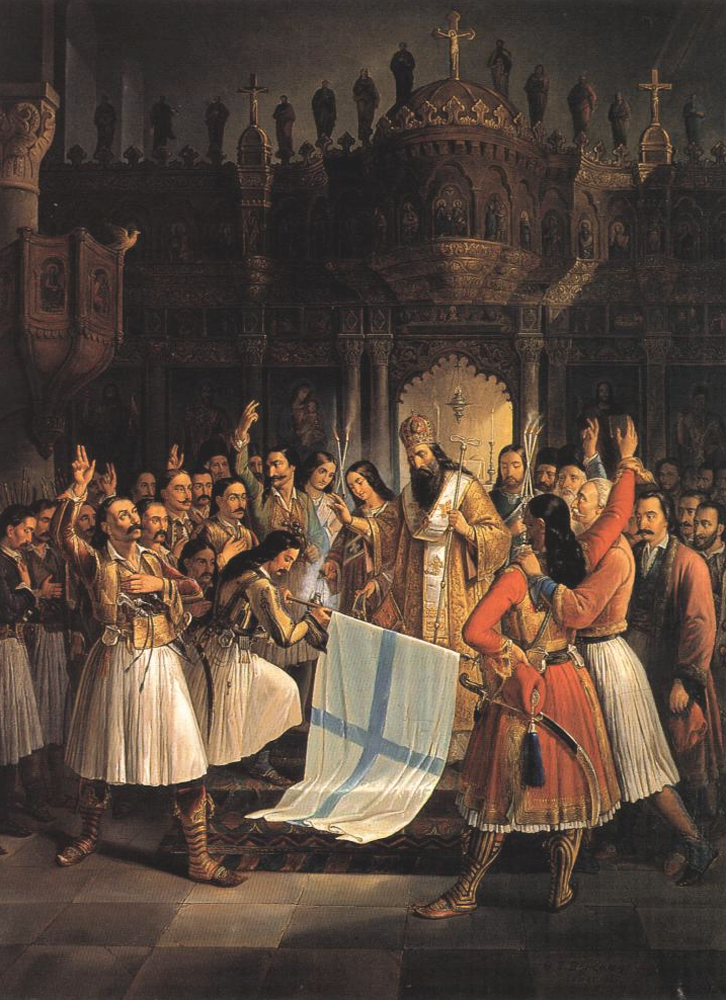
Few months ago I've been talking about the situation of the Greeks within the Ottoman Empire until the Greek Revolution (1821). Now it is time to address the situation of Ottoman Greeks after Greece's independence. ⬇️
English

If you learned something from this thread, you'd like our newsletter.
Every Tuesday and Friday, my brother @brettboettcher1 and I send a free email on:
• Nutrition
• Self-improvement
• Preventative health
Click here to subscribe:
thoughtful-crafter-258.ck.page/0e57fd8dba
English
50 years ago, Big Sugar quietly paid three scientists to point the blame for chronic disease at cholesterol and saturated fat.
Millions of Americans died as a result.
Here’s how Big Sugar has been lying to the American population since 1965:

English
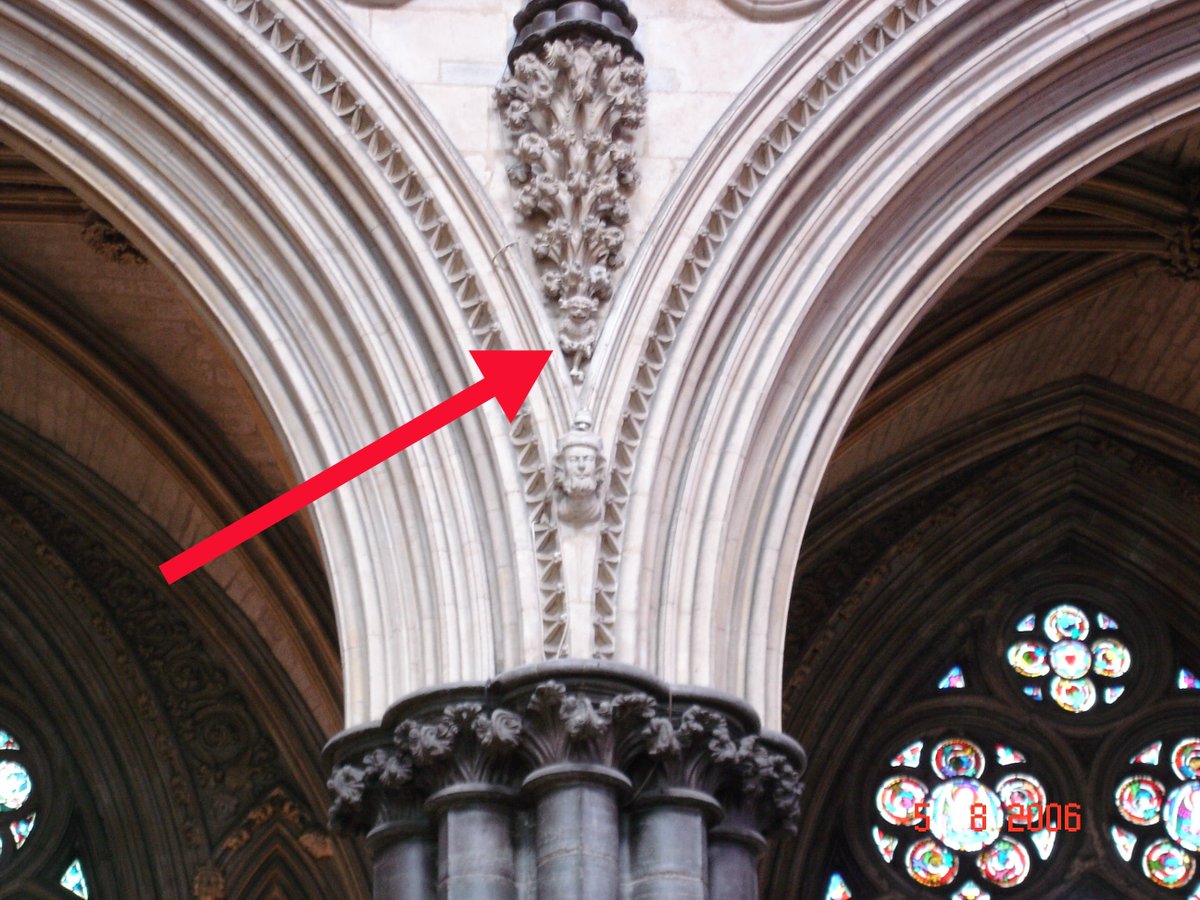
Not to forget the famous Lincoln Imp.
Legend says it was caught doing mischief in the cathedral by an angel, who turned the imp into stone; this cross-legged little beast has since become the symbol of the city.
English
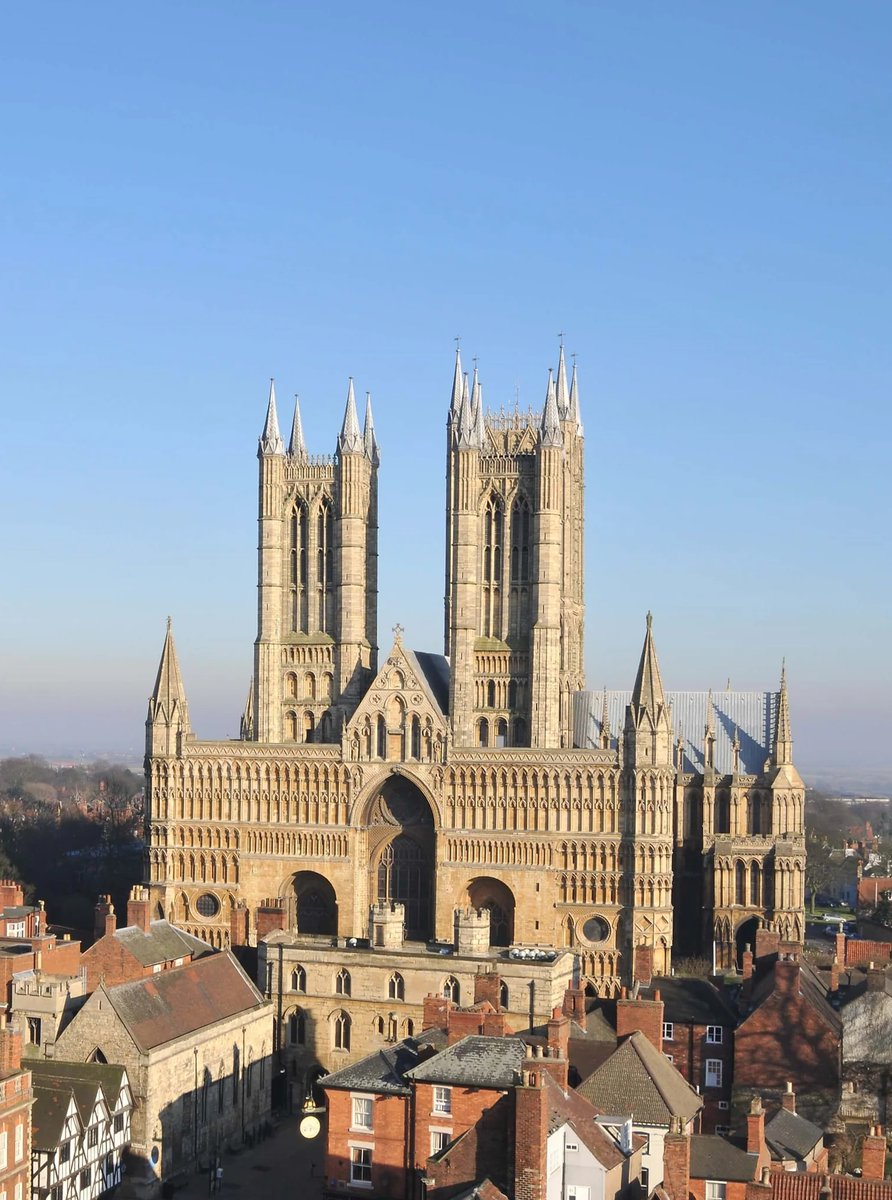
Lincoln Cathedral, built more than 700 years ago, was the first ever building to be taller than the Great Pyramid of Giza.
And if you want to know what Gothic architecture is all about, look no further...
English
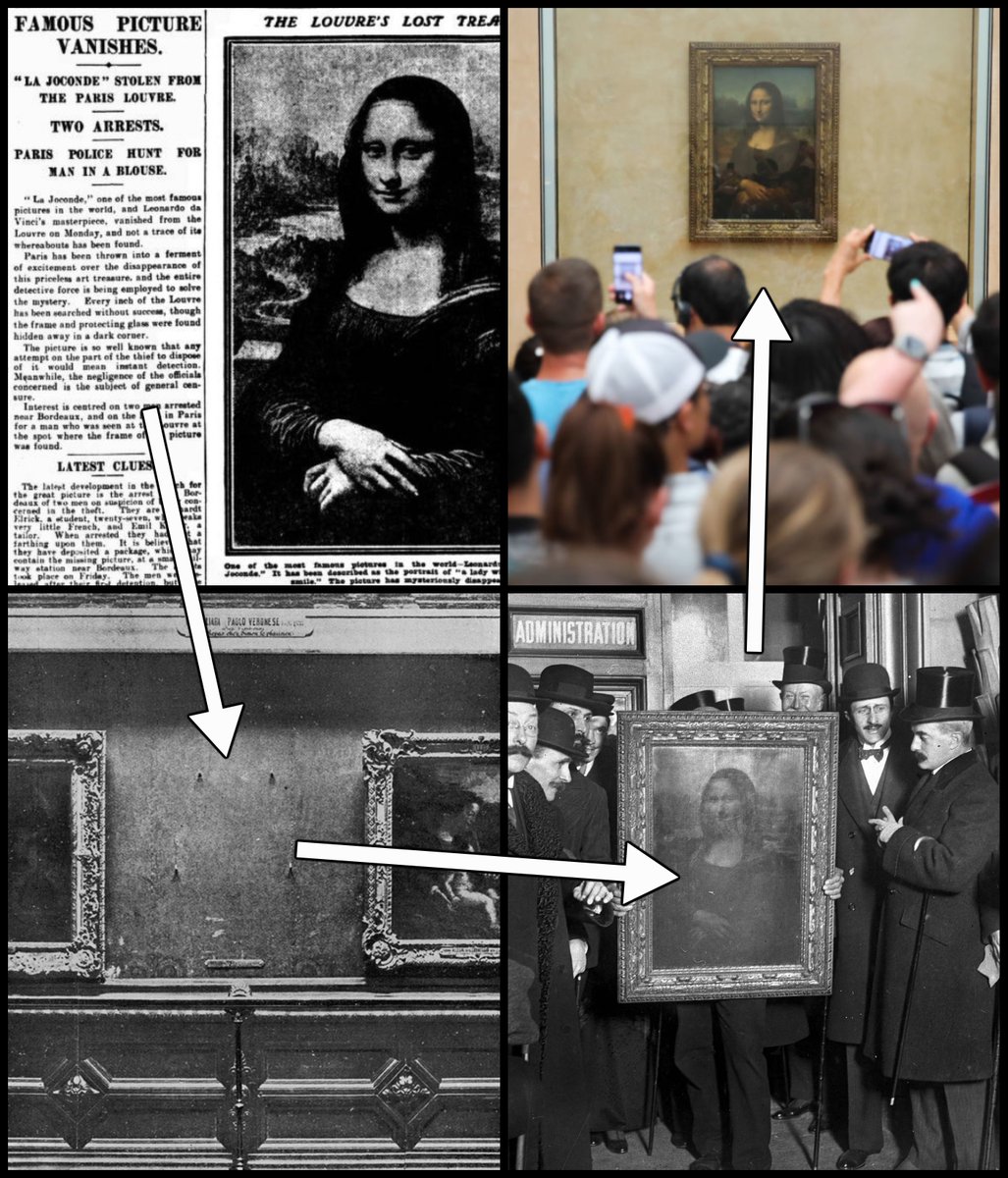
Exactly 112 years ago today a man called Vincenzo Peruggia walked into the Louvre and stole the Mona Lisa.
It is the most famous art theft in history, and it's what made the Mona Lisa the most famous painting in the world.
And the man who stole it only spent 6 months in prison.
The Mona Lisa was commissioned in 1503 by a cloth merchant from Florence called Francesco del Giocondo. He asked none other than Leonardo da Vinci to paint a portrait of his wife, Lisa.
But Leonardo — a famously slow worker — didn't finish the painting. When he went to work for the King of France he took it with him, finished it, and gave it to his new employer as a gift.
So the subject of the world's most famous painting, Lisa del Giocondo, never actually saw it herself! The Mona Lisa remained in the possession of French royalty, at the Palace of Fontainebleau and then at Versailles, for nearly 300 years.
But in 1797, after the French Revolution, it was moved the Louvre. Still, it wasn't a particularly famous painting at the time. In the later half of the 19th century certain critics started to acclaim the Mona Lisa as a masterpiece, but it wasn't popular with the public.
Until the 21st August 1911.
Vincenzo Peruggia was an Italian tradesman who had moved to Paris in 1907 in search of work. He got a job at the Louvre, cleaning and reframing paintings.
There he learned how many Italian works of art Napoleon had taken from Italy and brought to France. Inspired to reclaim his country's heritage, Peruggia decided to steal the Mona Lisa.
Of course, although so many works of art all around the world were stolen or at least have murky history, the Mona Lisa was in France legitimately — Leonardo had given it to King Francis as a gift. Whether Peruggia knew this or not is still unclear.
How did he steal it? For what is probably the most famous art theft in history, it was remarkably easy. He entered the Louvre on the morning of 21st August, 1911, on a day when it was closed to the public, dressed like his fellow workers in a white smock.
He went to the Salon Carré, the room in which the Mona Lisa was kept, and simply took it off the wall when nobody was looking. Then he wrapped it in his smock and left the Louvre. Simple as that.
It wasn't until the next day that anybody realised the Mona Lisa was missing, at which point the authorities were alerted, the press heard about it, and the theft became an international phenomenon reported in newspapers all over the world.
The police were clueless. They arrested the poet Guillaume Apollinaire, who implicated Pablo Picasso — he was then brought in for questioning. But they were both released and the case remained unsolved for two years.
The American businessman and art collector J.P. Morgan was even suspected of having commissioned the theft. There was a fear in France at the time that French art and heritage was being bought up by Americans, and the loss of the Mona Lisa was seen as a national disgrace.
Tourists came flocking to the Louvre to see the empty spot where the Mona Lisa had been — a relatively unknown portrait had suddenly become the world's most talked-about painting.
All the while Peruggia had the Mona Lisa in a suitcase in his Parisian apartment. In December 1913 he took it to Florence with him, hoping to sell it. At which point an art dealer called Alfredo Geri received a mysterious letter offering to sell him the Mona Lisa...
Immediately suspicious, Geri contacted the director of Florence's Uffizi Gallery, Giovanni Poggi. They pretended to go along with the sale, met up with Peruggia, verified the painting — and then contacted the police.
Peruggia was arrested, newspapers all around the world reported that the Mona Lisa had been recovered, and after being displayed for two weeks in Italy it was returned with great pomp and ceremony to the Louvre.
Thereafter the Mona Lisa became, and has remained, the world's most famous painting. It is undoubtedly a masterpiece, not least because of Leonardo's revolutionary use of a technique he called "sfumato", in which he blurred the colours and lines of the Mona Lisa's face to make it more realistic. But many people rightly wonder why it is *so* famous when there are many other paintings that are more important, interesting, and beautiful.
Well, it's all thanks to Vincenzo Peruggia, whose theft gave the Mona Lisa a unique place in the public consciousness. The Mona Lisa isn't famous because it's the best work of art ever made; it is the world's most famous painting... simply because it's so famous. A self-perpetuating cycle.
What happened to Peruggia? His trial took place in June of 1914, six months after having being first arrested — but by July he had been released.
See, Peruggia was hailed as a patriot and a hero in Italy, and there was immense public pressure for a lenient sentence. There had even been a campaign to raise money for him. He later served in the First World War, during which he was captured and imprisoned by the Austrians. After the war he returned to France, under a different name, and died there in 1925.
So, although he didn't precisely achieve his aim, Peruggia did succeed in making an Italian painting the most famous work of art in the world.
English
What is the world's most underrated building?
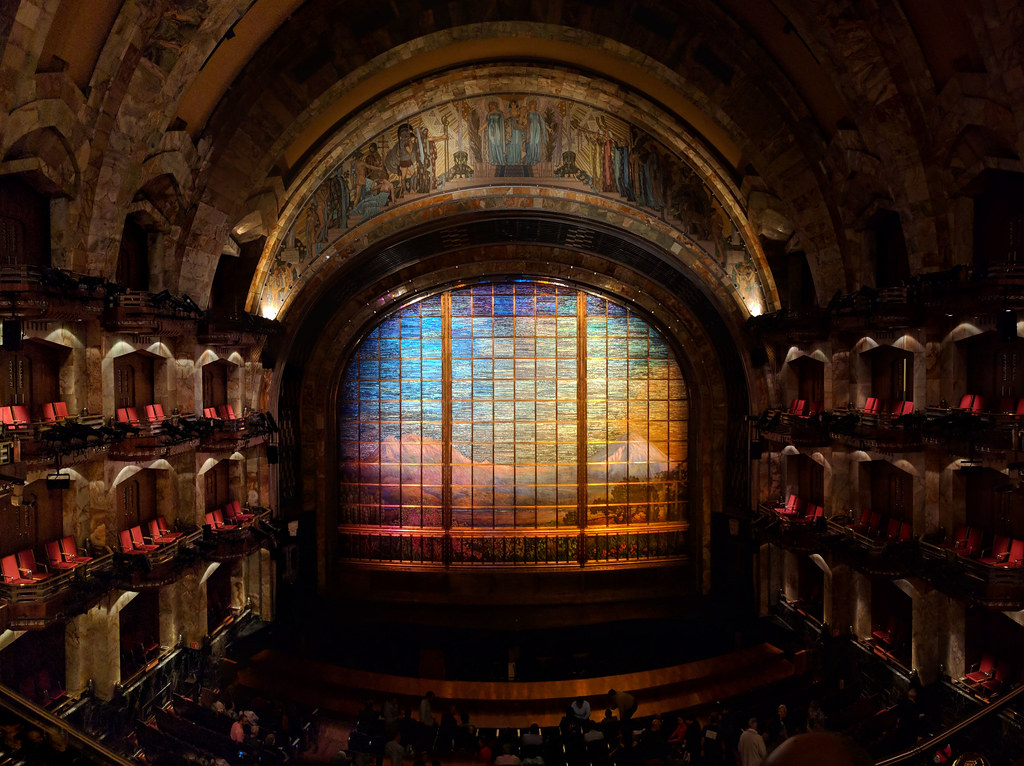
One answer might be the Palacio de Bellas Artes in Mexico City.
Why? It's quite possibly the only place on earth where Beaux-Arts, Art Nouveau, and Art Deco architecture were all somehow combined into a single, spectacular building.
The Palacio de Bellas Artes was commissioned in 1900, with the intention of completing it by 1910 to mark the centenary of the Mexican War of Independence.
An Italian architect called Adamo Boari, who worked in a mixture of Neoclassical and Art Nouveau styles, was appointed to design it. But construction was delayed and then came the Mexican Revolution, which lasted from 1910 to 1920.
The Palacio was left unfinished for two decades until construction restarted in 1932, this time according to Art Deco design principles under the leadership of the Mexican architect Federico Mariscal.
The Palacio de Bellas Artes was finally completed and inaugurated in 1934, and has hosted art exhibitions and theatrical productions, including ballet and opera, ever since. It is also home to two museums dedicated to Mexican architecture and art, along with the Ballet Folklórico de México and the National Symphony Orchestra.
From outside we are treated to a building thoroughly Neoclassical in shape and design, with particular influence from the Beaux-Arts style of 19th century France — this explains the almost Baroque flair and extravagance of the exterior.
But some of the sculptural details and the huge, colourful glass domes are more Art Nouveau, and they hint at the interior of the Palacio — a concert hall like no other, built from wood, marble, and stained glass, and decorated with mosaics and paintings.
Not to forget its crowning jewel: a huge, foldable glass "curtain" produced by Tiffany's of New York. This was one of the greatest achievements of the whole Art Nouveau movement: a sensuous, shimmering wall of light and colour.
And that's not all. The main lobby, despite what the Palacio's façade suggests, is a cathedralesque chasm filled with the sharp geometry, futuristic atmosphere, and industrial decadence of Art Deco.
Amid all this the Palacio de Bellas Artes is also decorated with colossal, visually arresting murals by several of Mexico's greatest painters — Diego Rivera, Jorge González Camarena, José Clemente Orozco, and David Alfaro Siqueiros — along with sculptures of Aztec and Maya gods.
Other artists from around the world were also commissioned to work on the Palacio, such as the Italian Symbolist sculptor Leonardo Bistolfi and the Hungarian craftsman Géza Maróti.
And so the Palacio de Bellas Artes is a kaleidoscope of architecture and design. Its complicated history has produced a wholly unique fusion of different and ostensibly conflicting styles. But, somehow, Beaux-Arts Neoclassicism, Art Nouveau, and Art Deco were all integrated into one glorious cornucopia of material, form, colour, and light.
Just like the great churches of the Italian Renaissance, which exhibited the very best work of the architects, painters, and sculptors of the day, the Palacio de Bellas Artes feels like a masterpiece of the many different artistic and architectural movements of the early 20th century all at once — subsumed and transformed into something miraculous by the unique characteristics of Mexican art and culture.


English
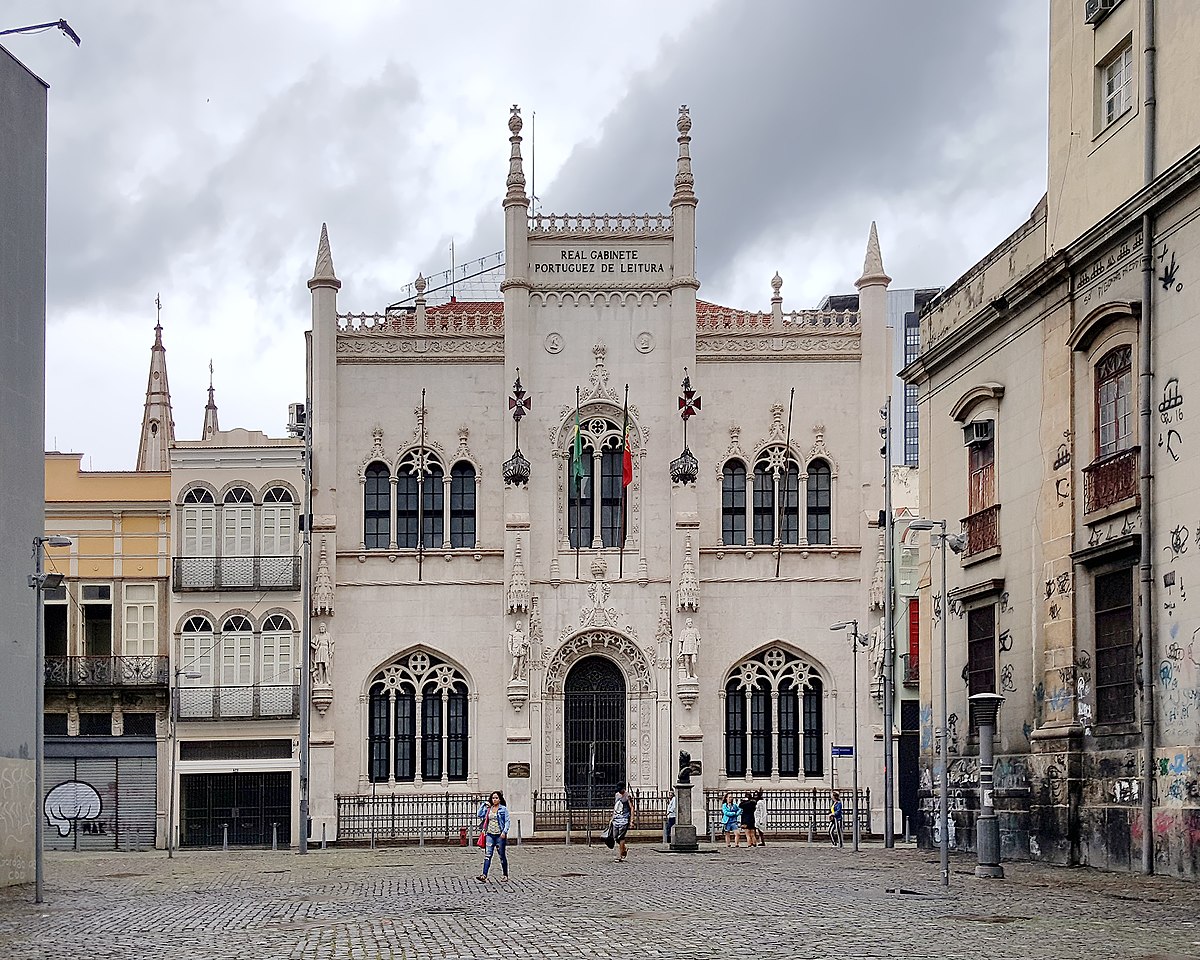
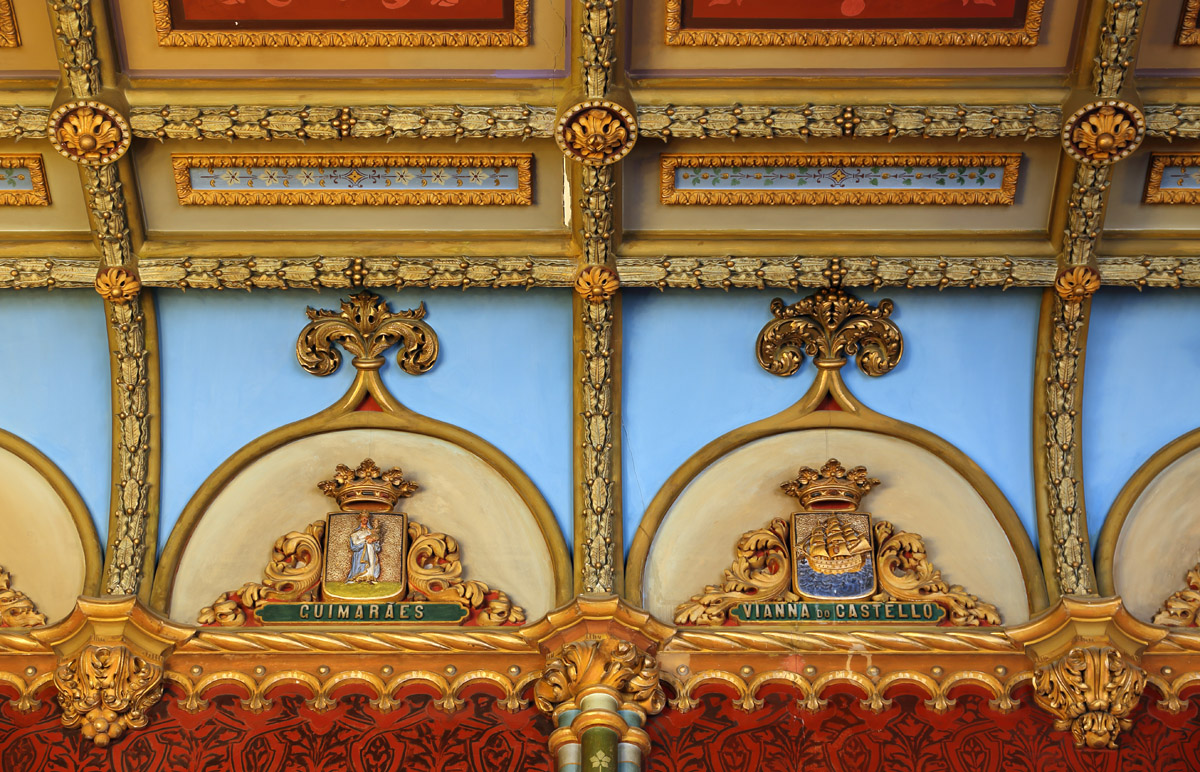
As a home for Portuguese literature they chose the most uniquely Portuguese of all architectural movements: the Manueline Gothic.
And so the Library of the Royal Portuguese Cabinet of Reading is also a perfect example of how old architectural styles can be successfully revived.

English
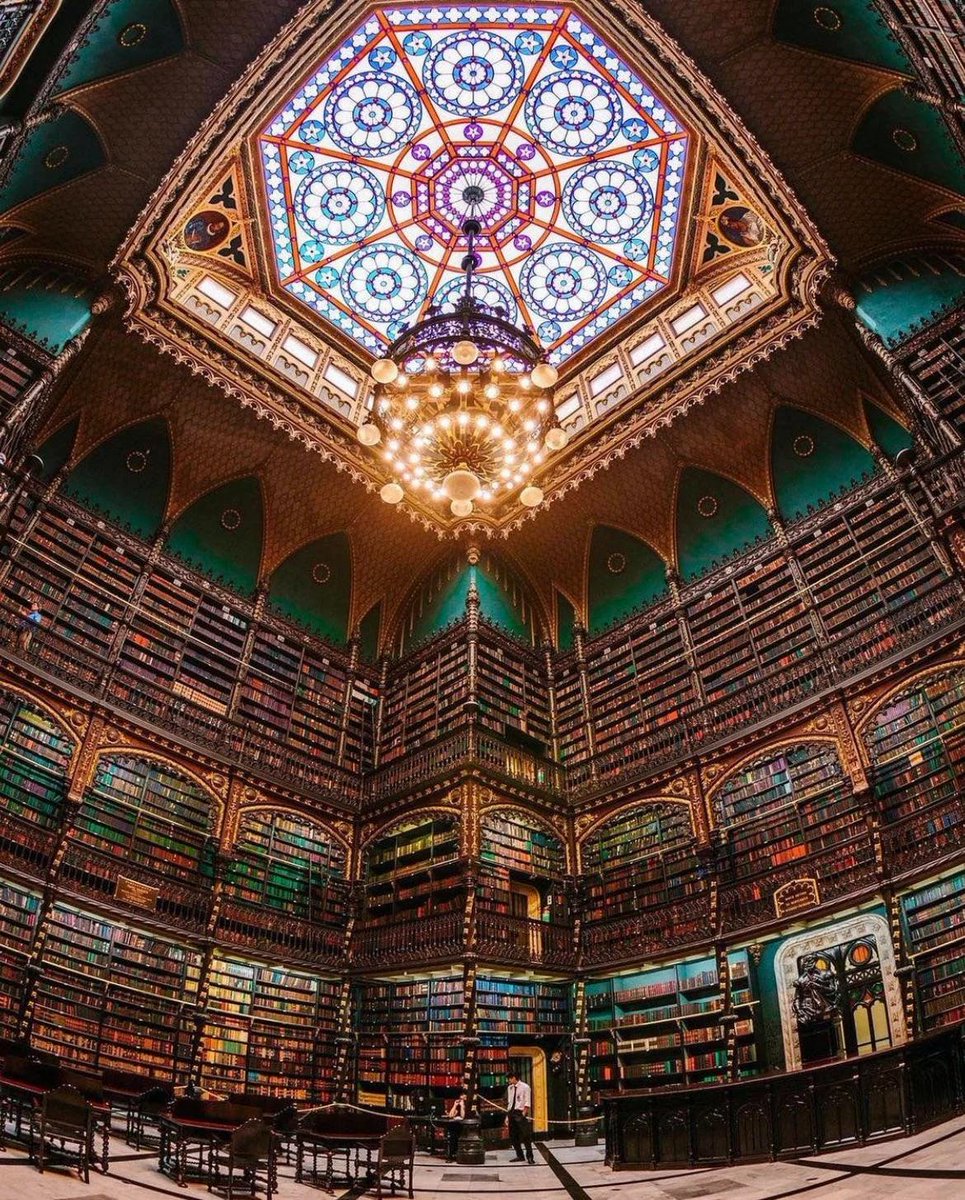
This is the Royal Portuguese Cabinet of Reading in Rio de Janeiro, built in the late 19th century.
The world's most beautiful (and best-named) library?
English
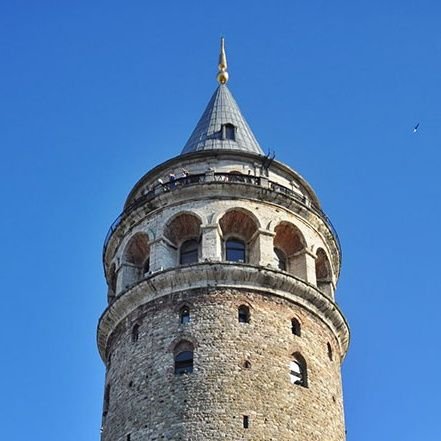
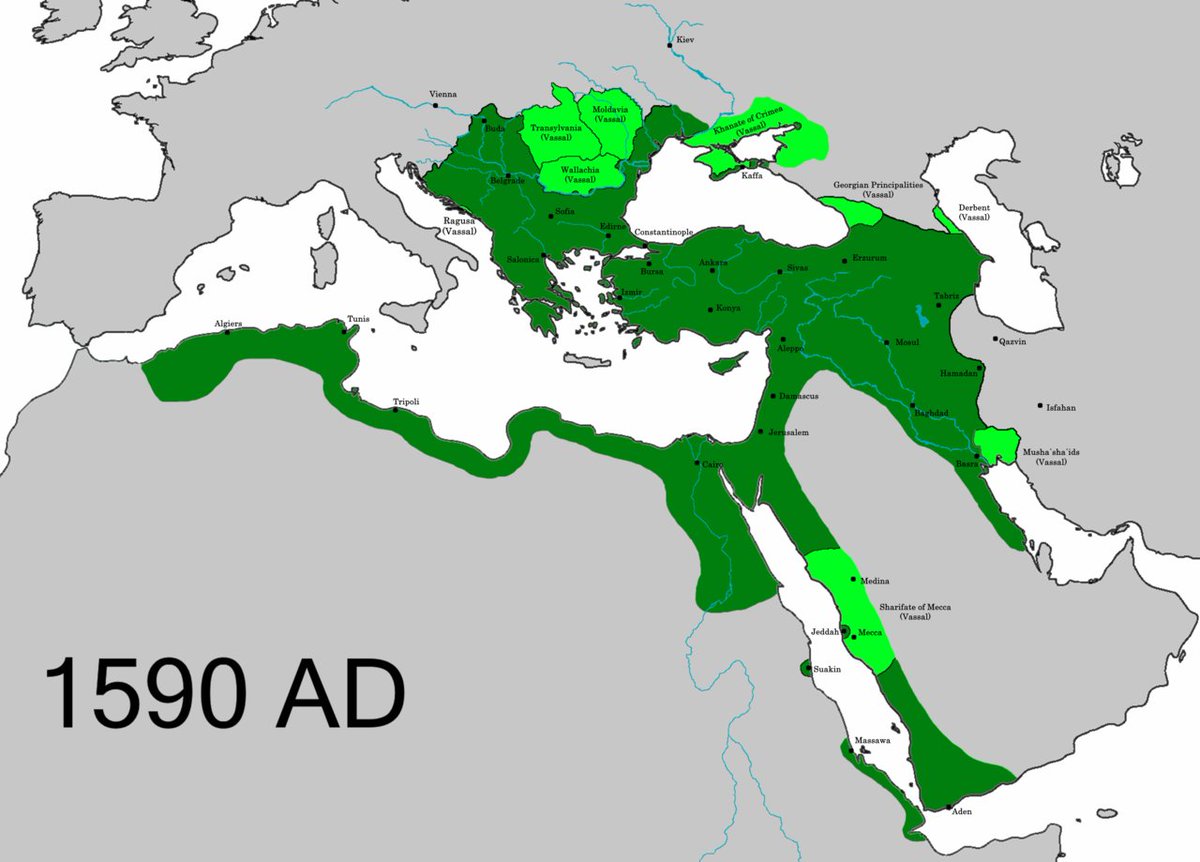
Nasi lived out the rest of his days peacefully in Constantinople until his death in 1579. He continued to administer Naxos from afar, and after his death the duchy passed directly to the sultan’s control.
Thus ended one of the last remnants of the Latin Empire of Constantinople.
English
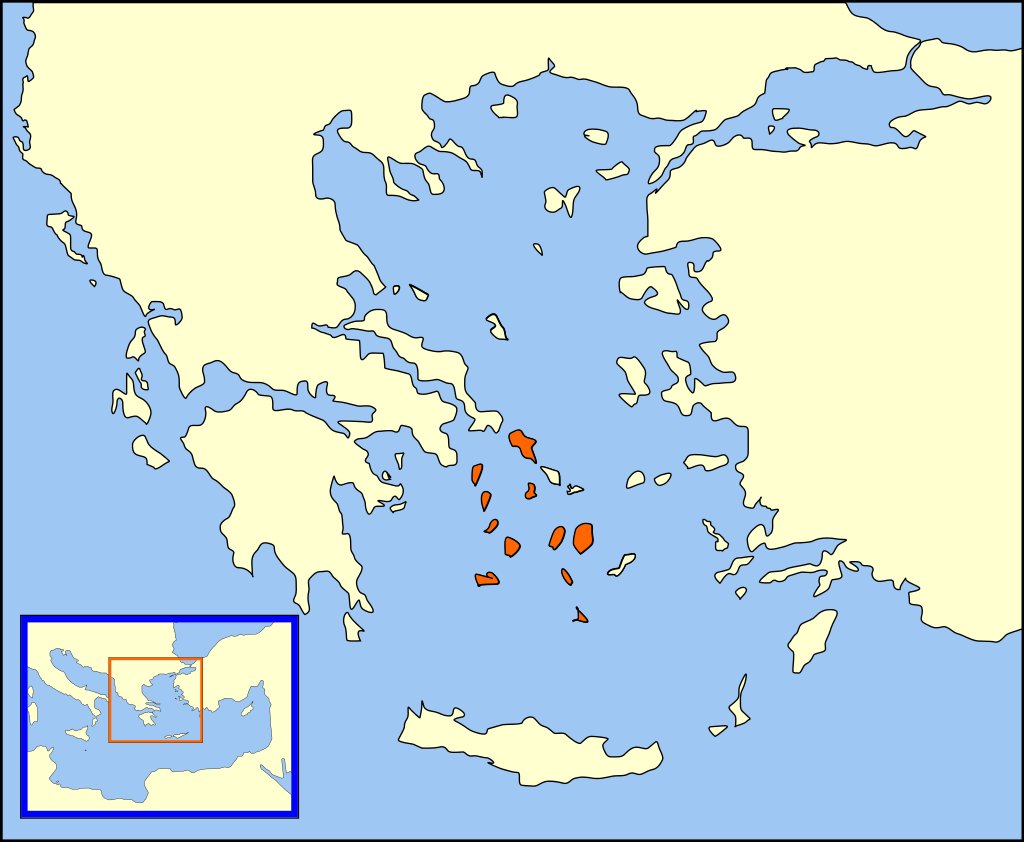
Most of the feudal entities created following the Fourth Crusade were eventually reconquered by Byzantium and others.
A few survived past the fall of Constantinople.
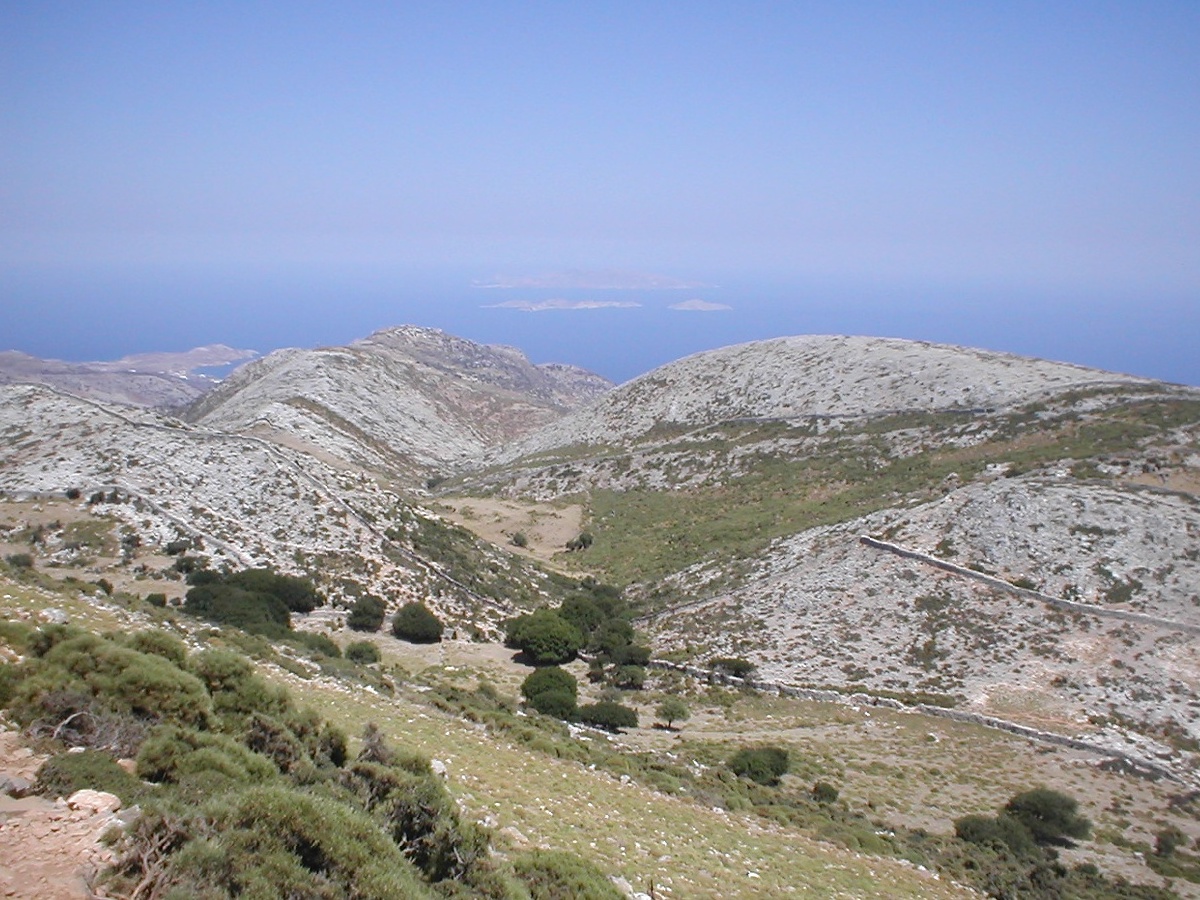
One of them—the Duchy of Naxos—ended up with a Portuguese Jew as duke in Ottoman service. Thread.
English
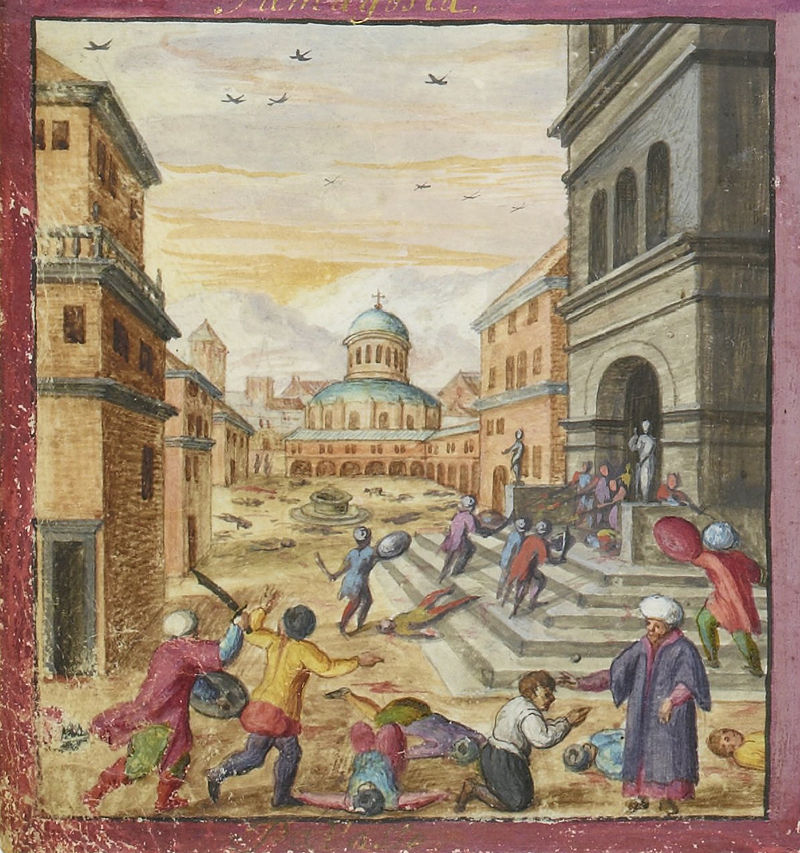
From there they marched to Famagusta. Although a brave defense and access to the sea allowed the city to hold out for nearly a year, it eventually surrendered and was sacked. This brought the end not just to Venetian Cyprus, but to the last of the Crusader nobility.
English
The medieval Kingdom of Cyprus had a very distinctive aristocratic culture which closely followed trends in France. This lasted long after the fall of its neighboring Crusader states and through the Venetian period, up until the Ottoman conquest of 1571. Thread.

English