Jess (Roe) O'Donnell

1K posts

Jess (Roe) O'Donnell banner
Jess (Roe) O'Donnell

Jess (Roe) O'Donnell

@Jessroebot

Climate science Ph.D (UNSW). Research Development Manager (UNSW Business School).
Sydney, Australia Katılım Aralık 2011
529 Takip Edilen174 Takipçiler
Australian Research Council
Australian Research Council@arc_gov_au·
On Tuesday, we’ll be announcing the ARC’s 2024 Australian Laureate Fellowships. All Lead Chief Investigators will receive a notification email to check RMS regarding applications. Stay tuned for an update.
English
1
6
13
6.4K
Jess (Roe) O'Donnell retweetledi
@·
ARC DP EOI questions/poll: i) Did you get shortlisted on a ARC EOI (1 or 2) and ii) do you think now the EOI process is an improvement compared to the previous DP process? #ozchem @ARC_Tracker
English
10
8
11
15.4K
Jess (Roe) O'Donnell
Jess (Roe) O'Donnell@Jessroebot·
@arc_gov_au @arc_gov_au will you be providing an updated calendar for the remainder of 2024 and into 2025? When you released the updated calendar last March it made a world of difference to us! We can plan ahead with confidence when we have this information. Thanks in advance!
English
0
0
0
10
Australian Research Council
Australian Research Council@arc_gov_au·
Today we’ve released an updated Grants Calendar providing certainty for all current schemes. Key features: dates to Dec 2023, announcement periods in fortnightly blocks for all current schemes & extending the closing date for LP23 R1 to 10 May 2023. More: arc.gov.au/news-publicati…
English
1
19
49
13.6K
Historic Vids
Historic Vids@historyinmemes·
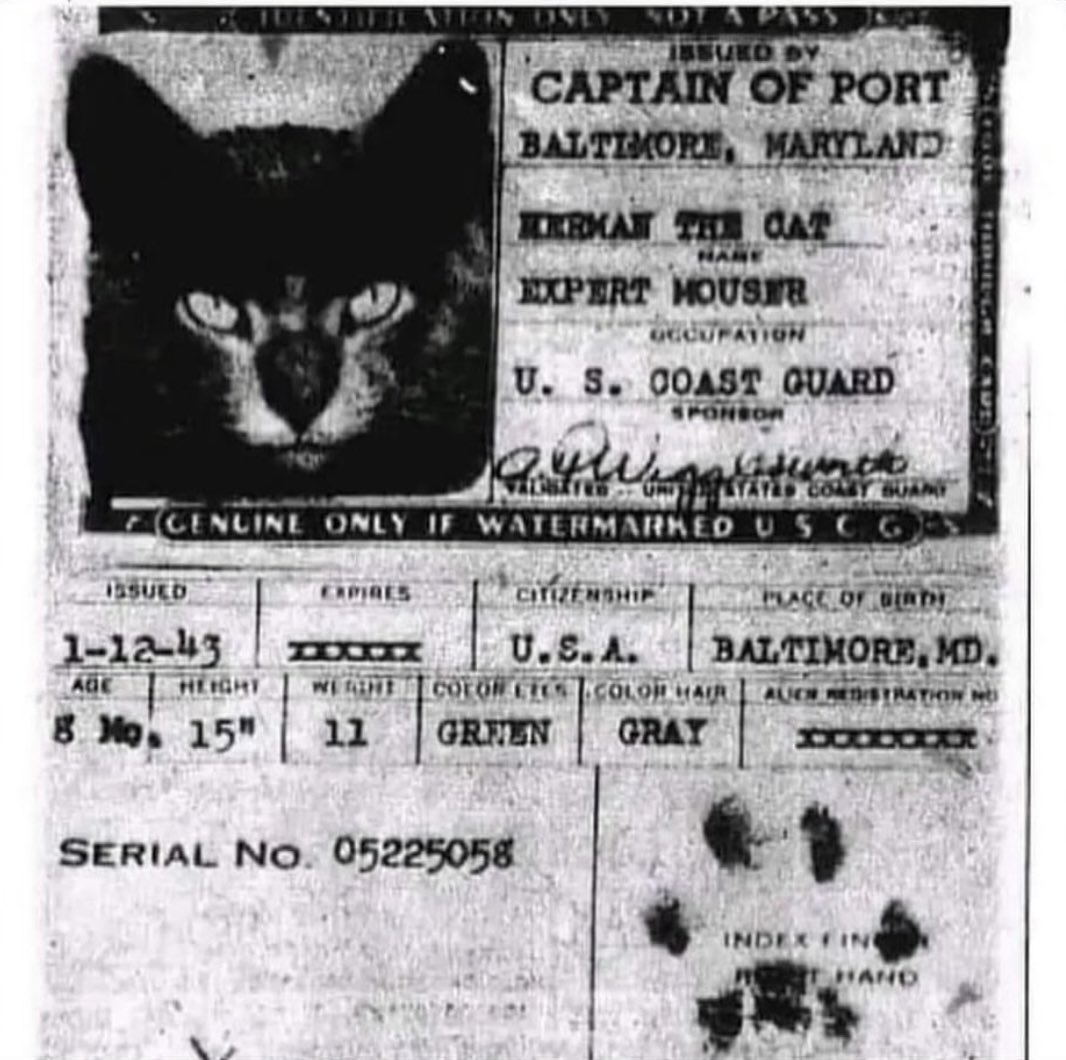
During the mid-20th century, cats played an important role on ships as skilled rodent catchers. Sailors realized that having cats aboard helped control the population of rats and mice, which were notorious for damaging supplies and spreading diseases. These ship cats became valued members of the crew and were even given passports to acknowledge their contribution and ensure their safety during international travels. The passports for ship cats were a unique and lighthearted tradition. While they didn't serve any legal or official purpose, they were created to recognize the cats' role and provide a form of identification. The passports typically consisted of a small booklet with pages that included the cat's name, description, and an area for their paw print. When it was time to depart or dock in a foreign port, the ship's captain or crew members would present the cat's passport to the authorities as a fun way to document the feline's presence onboard. The cat's paw print, obtained using ink or paint, was added to the designated page, providing a personalized and whimsical touch to the document. This practice not only amused the sailors but also showcased the camaraderie they shared with their feline companions. While these ship cat passports were not legally recognized, they symbolized the close bond between humans and their feline shipmates. They served as a reminder of the cats' essential role in maintaining a clean and rodent-free ship, thus safeguarding the crew's provisions and health during long sea voyages. However, as the mid-20th century progressed and maritime practices evolved, the reliance on ship cats diminished with the advent of more effective pest control methods. With the decline in the need for ship cats, the tradition of issuing passports gradually faded away. Nevertheless, the memory of these seafaring felines and their unique passports continues to fascinate and entertain those interested in maritime history and the unique relationships forged between humans and animals at sea.
Historic Vids tweet media
English
1.1K
17.5K
127.9K
26.3M
Australian Research Council
Australian Research Council@arc_gov_au·
We’ve been listening to your feedback, and to provide you with more certainty, we’ve updated our Grants Calendar, with forecasting through to December 2024. Have a look at the updated calendar here: arc.gov.au/sites/default/…
English
1
21
65
30K
Tim Marshall
Tim Marshall@Itwitius·
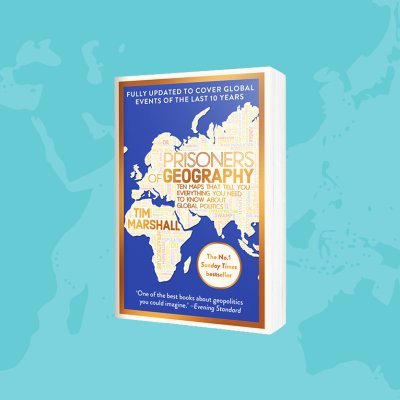
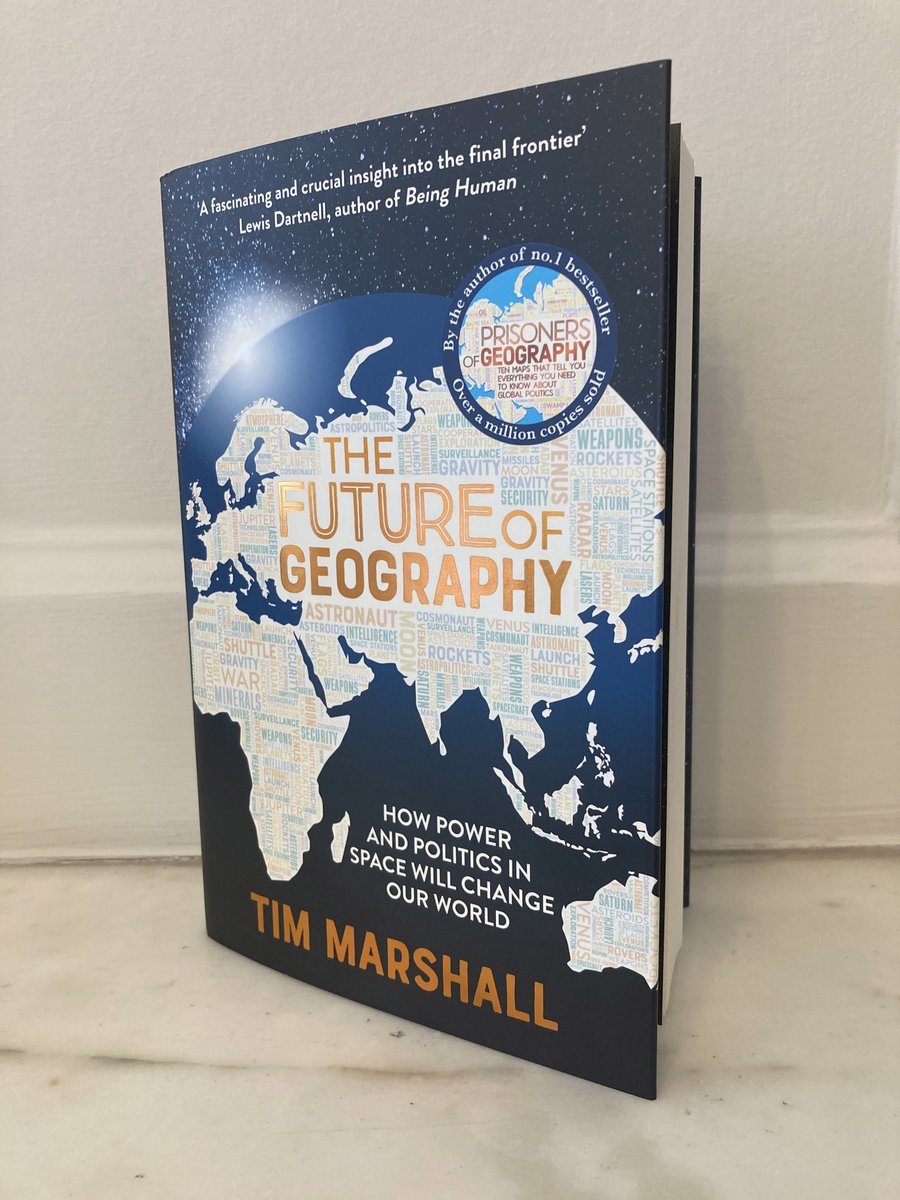
'It's Alive! It's Alive!' Well, its printed anyway. Out on April 27th...
Tim Marshall tweet media
English
41
58
817
78.2K
Climate Council
Climate Council@climatecouncil·
It is with profound sorrow that we share news of the passing of our dear colleague and our friend Professor Will Steffen.
Climate Council tweet media
English
17
69
322
48.4K
Andrew Francis
Andrew Francis@arkfrancis·
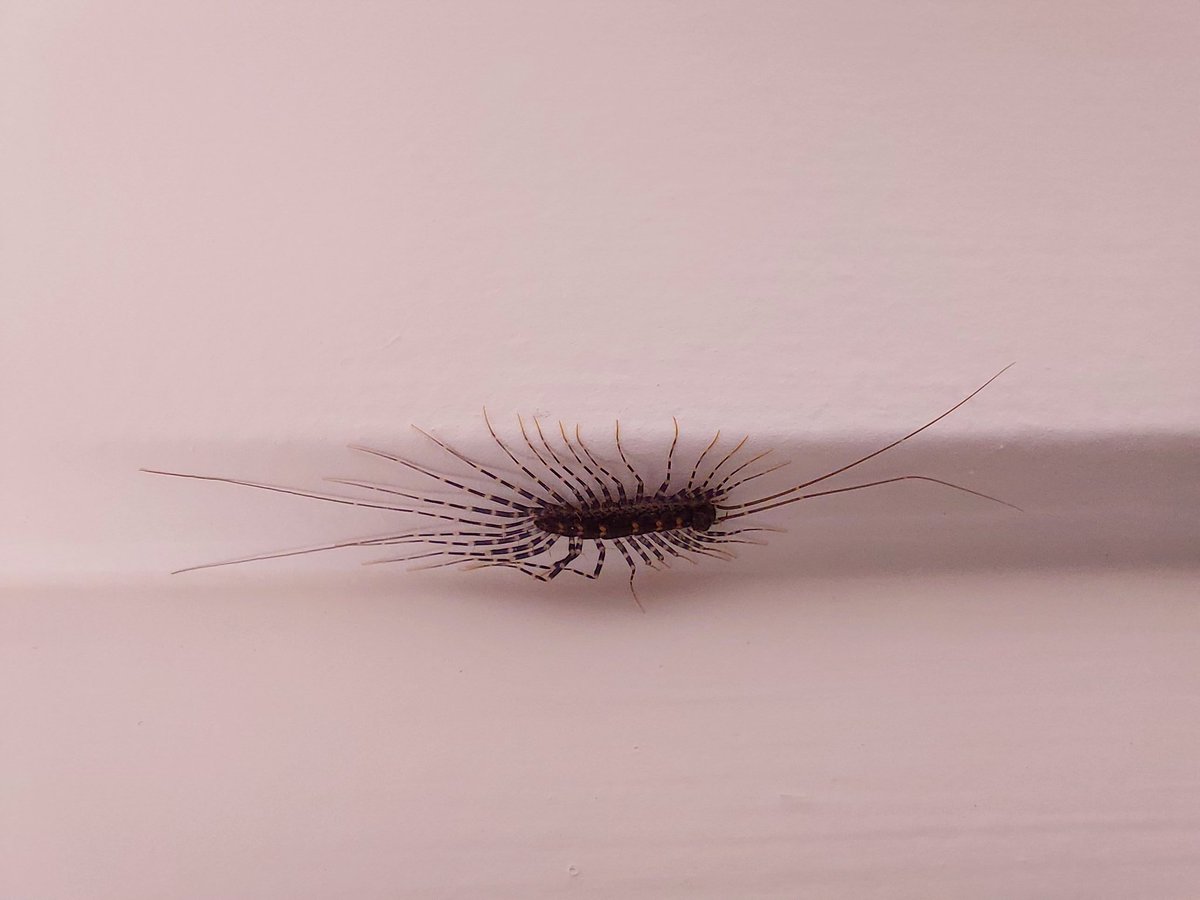
What the hell is THIS?? South coast NSW, Australia. About 1cm long body.
Andrew Francis tweet media
English
4
0
7
1.7K
Jess (Roe) O'Donnell
Jess (Roe) O'Donnell@Jessroebot·
@alexcarthey Commiserations Alex. I’d been keeping an eye out for your name. Words won’t console you - but your skills can be put to such incredible use.
English
1
0
1
0
Dr Alex Carthey
Dr Alex Carthey@alexcarthey·
Update: Not funded. #DECRA23 #ARC This is looking very likely to be the point I join that so-called leaky pipeline of level B/C women. Suggestions for alternate careers for ecologists trained as academics very welcome please.
Dr Alex Carthey@alexcarthey

Finally hit submit on my second attempt at a #DECRA. How was the process? Brutal. 49 pages of the most intensely scrutinised and carefully thought out text. Edited and re-edited and re-edited (and then re-edited!) for clarity, accuracy, and precision. 1/9

English
23
0
65
0
🤘Assoc. Prof. Paul J. Maginn🤘
Question for Australian #AcademicTwitter + @ARC_Tracker followers. To what extent do you agree/disagree that winners of ARC Discovery grants should be limited to holding no more than 2 grants at any one time so as to give others an increased chance of securing a grant?
English
6
3
4
0