
Justin C Kasper
2.9K posts

Justin C Kasper
@JustinCKasper
Chief of Technology @BWXT, @UMCLASP Professor. Views my own.


I don't know what you think, but for me, The Parker Solar Probe, "touching" the sun, has been one of the great achievements of our time. But, why didn't it melt? 1/ #Thread

Nasa mission lines up to 'touch the Sun' bbc.co.uk/news/science-e…

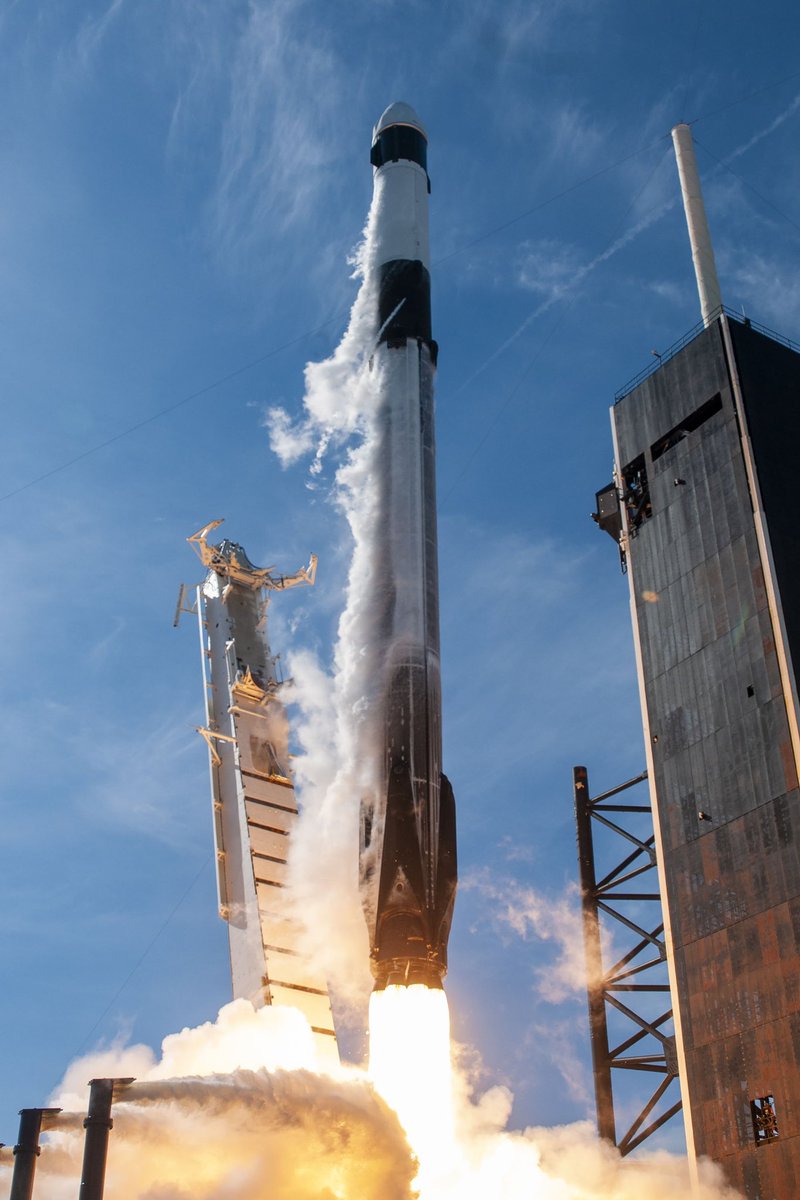
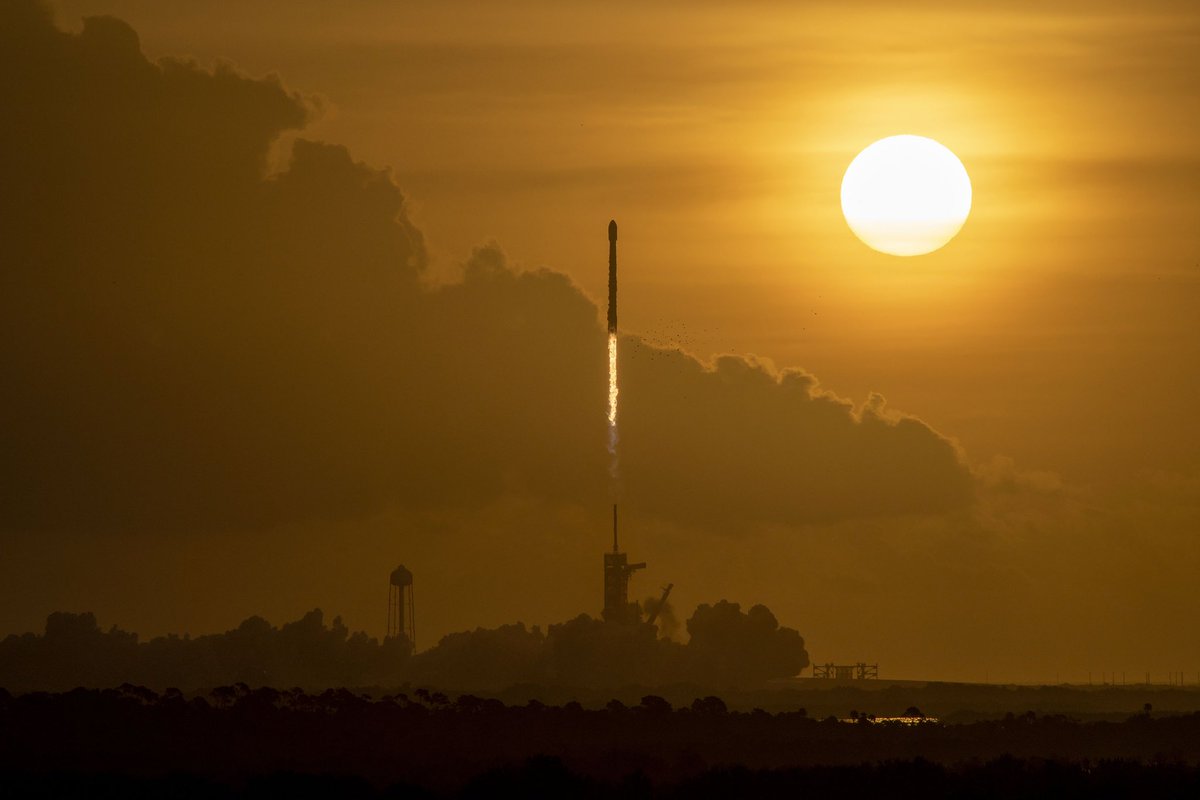
The Falcon fleet’s life leading rocket completed its 19th and final launch and landing on December 23. This one reusable rocket booster alone launched to orbit 2 astronauts and more than 860 satellites — totaling 260+ metric tons — in ~3.5 years

Vast amounts of water—a building block of life as we know it—are suspected to lie beneath the icy crusts of some moons in our solar system. go.nasa.gov/3GAEmgp Early in 2023, experts discussed concepts to explore these ocean worlds as @NASAAstrobio searches for life beyond Earth.

Peter Hyams' 2010: The Year We Make Contact is 39 today. And it was just as stressful as its predecessor.

Earlier this year, a team of experts gathered to discuss a mission concept to detect water and search for life under the icy crusts of moons that orbit Jupiter and Saturn: the cryobot, a cylindrical probe that employs state-of-the-art technologies to drill and investigate beneath the ice: science.nasa.gov/science-resear…


Ready for their moment in the Sun ☀️ A fleet of six cereal box-size satellites known as SunRISE are complete and awaiting final testing. Once launched, they will act as one giant radio antenna that will study solar radio bursts. go.nasa.gov/46EsTac


Ready for their moment in the Sun ☀️ A fleet of six cereal box-size satellites known as SunRISE are complete and awaiting final testing. Once launched, they will act as one giant radio antenna that will study solar radio bursts. go.nasa.gov/46EsTac


Ready for their moment in the Sun ☀️ A fleet of six cereal box-size satellites known as SunRISE are complete and awaiting final testing. Once launched, they will act as one giant radio antenna that will study solar radio bursts. go.nasa.gov/46EsTac